

Lever belangrijke apparatuur in het goudertsverwerkingsproces, zoals het CIL/CIP-systeem, de flotatiecel…




Gold cyanidation remains one of the most widely used methods for extracting gold from ore due to its efficiency, scalability, and cost-effectiveness. However, increasing environmental regulations, rising operational costs, and declining ore grades have made optimization essential. Improving cyanidation performance involves enhancing recovery rates, reducing reagent consumption, minimizing environmental impact, and improving overall process efficiency.
Below are key strategies for optimizing gold cyanidation processes.
Effective cyanidation begins with proper ore preparation. Gold particles must be sufficiently liberated from surrounding minerals to allow cyanide solution access.
Optimizing crushing and grinding can:
Particle size distribution should be carefully controlled. Over-grinding increases energy costs and may create slimes that interfere with downstream processes, while under-grinding reduces gold recovery due to incomplete liberation.
Regular mineralogical analysis helps determine the ideal grind size for maximum recovery.
Cyanide concentration plays a crucial role in dissolution efficiency. Insufficient cyanide reduces gold recovery, while excessive cyanide increases costs and environmental risks.
Key optimization practices include:
pH control is equally important. Maintaining a pH between 10 and 11 prevents the formation of toxic hydrogen cyanide (HCN) gas and ensures stable leaching conditions. Lime is typically used to regulate pH levels.
Automated dosing systems can significantly improve both safety and reagent efficiency.
Gold dissolution in cyanide requires oxygen. Insufficient dissolved oxygen slows reaction rates and reduces overall recovery.
Optimalisatiemethoden omvatten:
In some operations, pure oxygen injection significantly improves leach rates compared to air, reducing leach time and increasing throughput.
Maintaining proper slurry density also enhances mass transfer between gold particles and the leaching solution.
Some ores contain gold locked within sulfide minerals or associated with preg-robbing carbonaceous material. These refractory ores require pre-treatment before cyanidation.
Common pre-treatment methods include:
These processes break down sulfide matrices, exposing gold particles and significantly improving cyanide leaching efficiency.
For preg-robbing ores, adding activated carbon during leaching (CIL process) can prevent gold loss.
In Carbon-in-Pulp (CIP) and Carbon-in-Leach (CIL) systems, activated carbon adsorbs dissolved gold. Poor carbon management can result in gold losses and reduced efficiency.
Optimalisatiestrategieën omvatten:
Regular acid washing and thermal reactivation restore carbon adsorption capacity and improve overall gold recovery.
Cyanide consumption can increase due to reactions with base metals such as copper and zinc. Identifying and managing cyanide-consuming minerals is critical.
Strategies include:
The SART (Sulphidization, Acidification, Recycling, and Thickening) process is particularly effective in operations with high copper content, allowing cyanide recovery and copper by-product generation.
Modern gold plants increasingly rely on digital technologies and automation to enhance cyanidation performance.
Geavanceerde tools omvatten:
Data-driven optimization enables faster response to process fluctuations, stabilizes recovery rates, and reduces operating costs.
Environmental compliance is a major driver of cyanidation optimization. Proper detoxification of tailings reduces environmental risks and improves sustainability.
Common detoxification methods include:
Optimizing detoxification ensures residual cyanide levels meet regulatory standards while minimizing reagent consumption.
Water recycling from tailings storage facilities also reduces freshwater usage and operating costs.
Optimizing gold cyanidation processes requires a comprehensive approach that integrates mineralogical understanding, process control, reagent management, and environmental stewardship. By improving ore preparation, managing cyanide and oxygen levels, implementing appropriate pre-treatment, and leveraging automation technologies, operations can achieve higher recovery rates, lower costs, and improved sustainability.
As ore grades decline and environmental expectations rise, continuous optimization is no longer optional—it is essential for maintaining profitability and long-term operational success.
A: Voor grafietbronnen moet een volledige oplossing zowel de natuurlijke grafietflotatie als verwerking op diepte omvatten. Het balpkart- en hydrocyclonsysteem dienen als de basis voor het maalproces. Voor de productie van geavanceerde anodenmaterialen is de vormpers essentieel om de tapdichtheid te verbeteren en de specifieke oppervlakte te verminderen. Daarnaast is het Prominer-coatingsysteem, dat coating- en granulatiefuncties combineert, een belangrijke stap in de verwerking van winstgevende anodenmaterialen.
A: Processelectie hangt volledig af van de eigenschappen van het erts. Het Gold CIL/CIP-proces is een zeer populaire en effectieve manier om hoogwaardig oxidatiegouderts te verwerken. Voor veel andere goudprojecten blijft flotatie de meest populaire verwerkingsmethode. Voor eigenaren die bij de eerste fase willen besparen op investeringen, zijn vatstroom- of heap-stroombiolevering flexibele en economische opties. We raden aan te beginnen met een lab- en proefproces om de meest efficiënte en wetenschappelijke processtroom te bepalen.
A: Magnetische scheiding is cruciaal voor mijnverrijking. We bieden zowel HIMS (Hoge Intensiteit) als LIMS (Lage Intensiteit) magnetische scheiders om verschillende magneet eigenschappen van mineralen aan te kunnen. In een geoptimaliseerd plantontwerp wordt deze technologie geïntegreerd met een hoogrenderend breeksysteem—gebruikmakend van enkelcilinder- of meercilinder hydraulische kegelbrekers—en een maalproces. Dit zorgt ervoor dat afvalgesteente vroeg wordt afgewezen, wat de productiviteit aanzienlijk verbetert en energie bespaart.
A: Het ontwerpen van een succesvolle plant vereist een uitgebreide EPC (Engineering, Procurement, and Construction) dienstverlening. Belangrijke overwegingen zijn onder andere engineeringontwerp (site surveys, bemonsteringsgidsen en PFD-tekeningen) en maatwerk voor apparatuur om ervoor te zorgen dat de machines aansluiten bij de specifieke eigenschappen van het ertsmateriaal. Bijvoorbeeld, Prominer kan lineaire schermen aanpassen tot wel 5,1 meter breed voor grootschalige sortering en ontwatering. Tot slot zijn professionele on-site diensten, inclusief toezicht op civiele werken en ingebruikname, essentieel voor een langdurige stabiele werking.
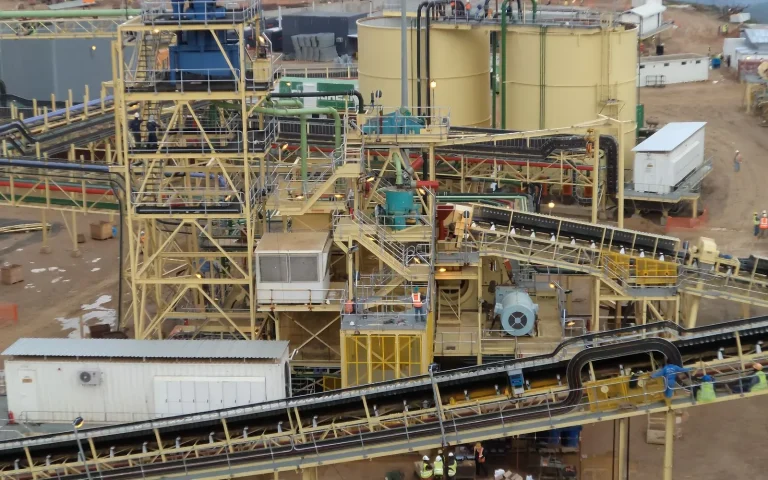
Lever belangrijke apparatuur in het goudertsverwerkingsproces, zoals het CIL/CIP-systeem, de flotatiecel…
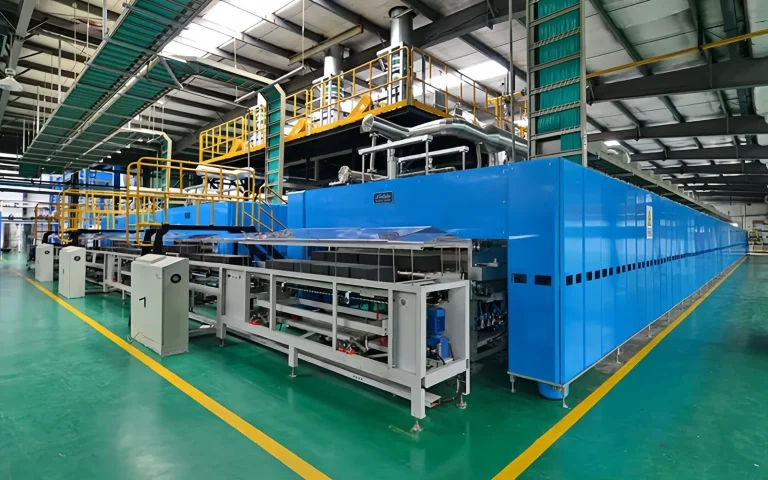
Kunstmatige grafietanodematerialen zijn voornamelijk gemaakt van petroleumkoks met een laag zwavelgehalte van hoge kwaliteit
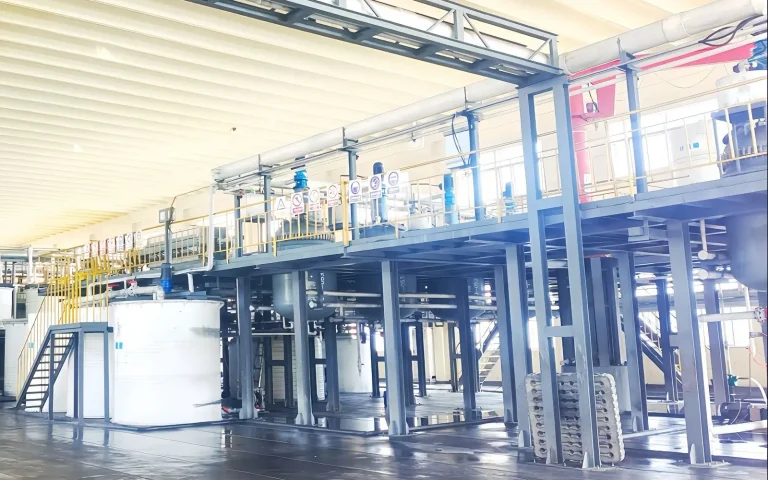
Vlakke grafiet kan worden gebruikt om hoog koolstofgrafiet, hoogzuivere grafiet, uitbreidbare grafiet te produceren

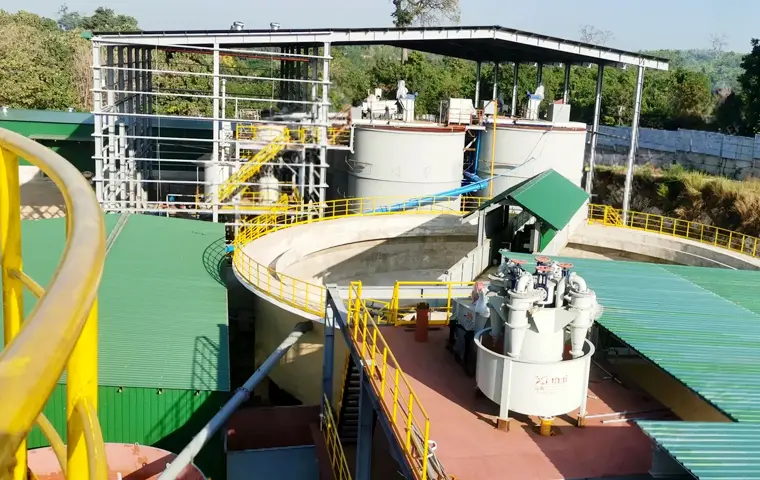
Ruwe Erts: Dubbele Oxide- en Sulfide-Gouderts (Refractair in delen) Goudgraad: 3,5-4,2 g/t Eindproduct: Goud Doré (Au ≥96,5%)
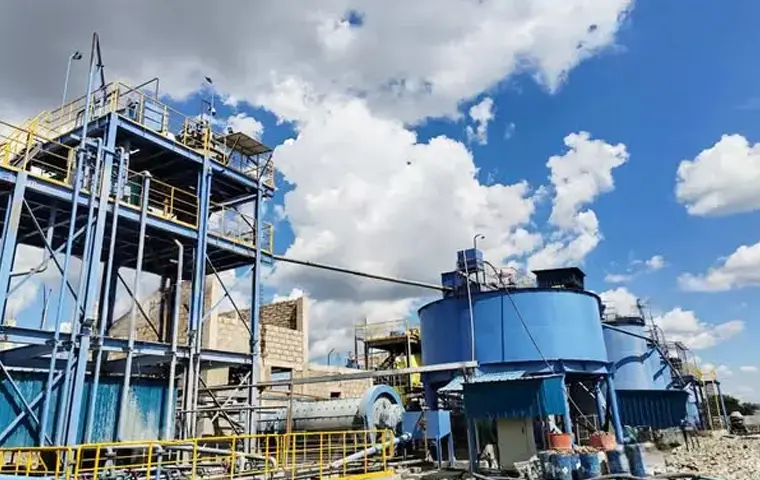
Ruwe erts: Koper-gouderts Kopergehalte: 1,2% Goudgehalte: 1,5 g/t Recuperatiepercentage: Koper 89%, Goud 88%
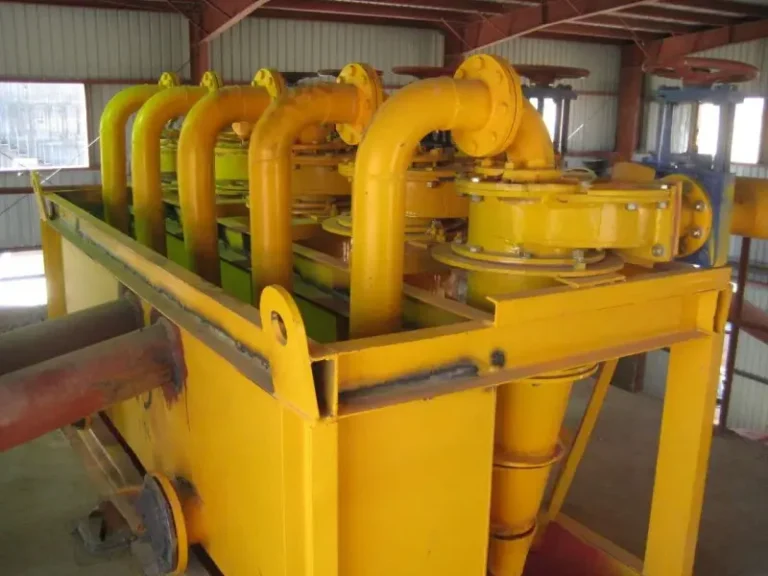
Ruwe Erts: Alluviale Tin-erts (Cassiteriet) Tin Gehalte: 0,8% Concentratie Gehalte: 65%
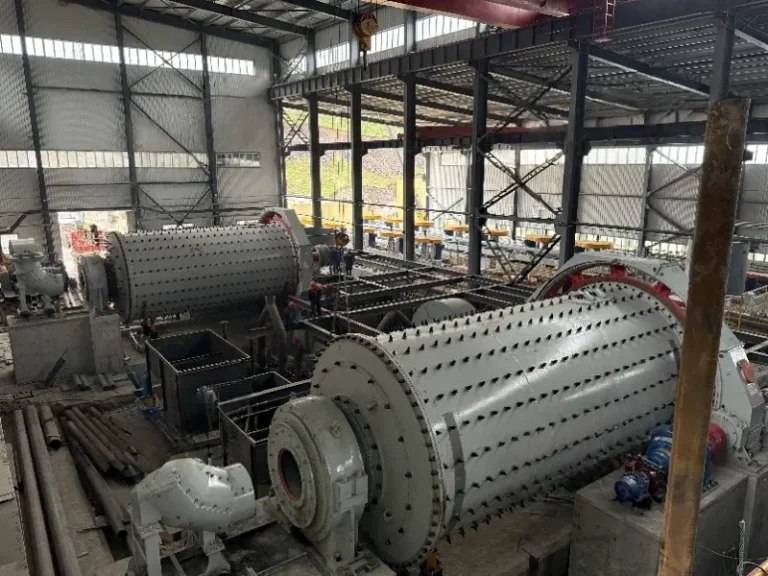
Ruwe erts: Limoniettype lateriet nikkelerts Ni-gehalte: 1,2% Co-gehalte: 0,12%
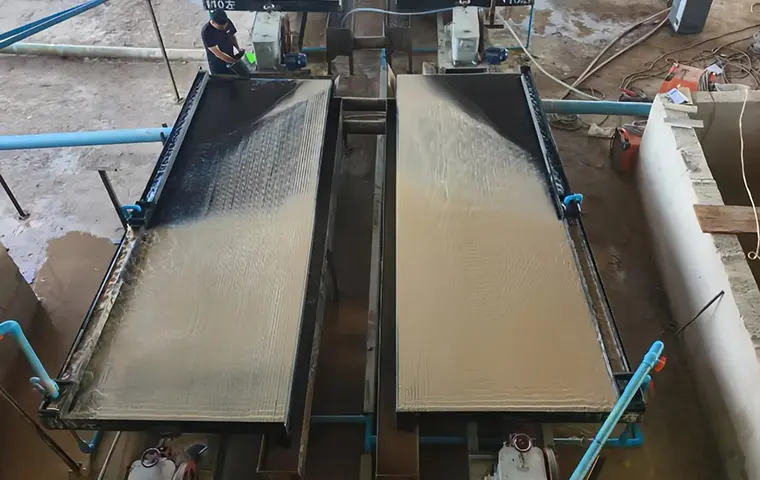
Ruwe Erts: Antimoon sulfide erts met kwartsader Sb Gehalte: 3,5% Concentrate Gehalte: 55%
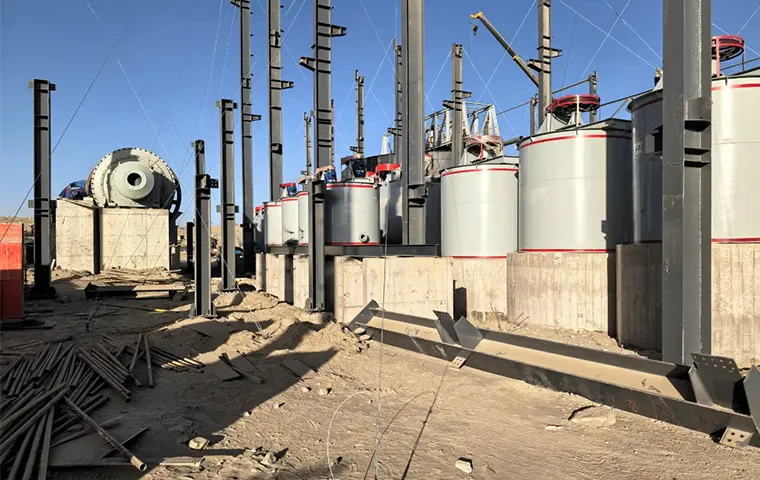
Grondstof: Overgangs- en oxidegouderts (met geringe sulfiden) Voer goudgehalte: 2,5 g/t Eindproduct: Gouden doré-ingot
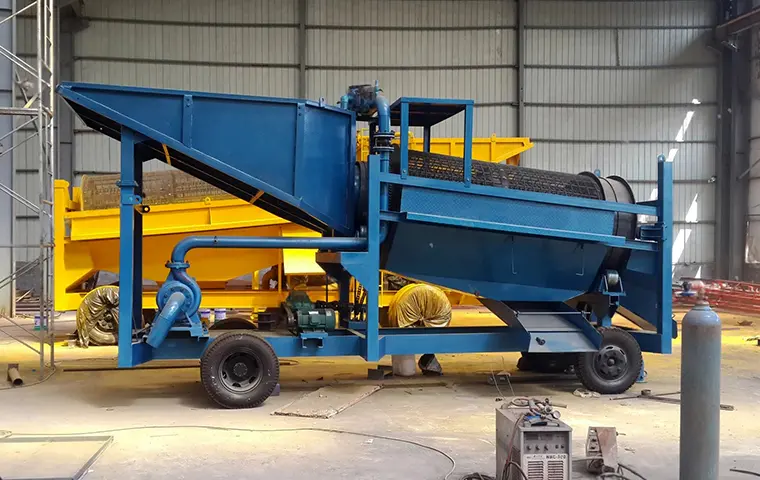
Ruw Erts: Alluviaal gouderts van rivierbed en terrasafzettingen Goudgehalte: 1,5 g/t Goudherstelpercentage: 92%
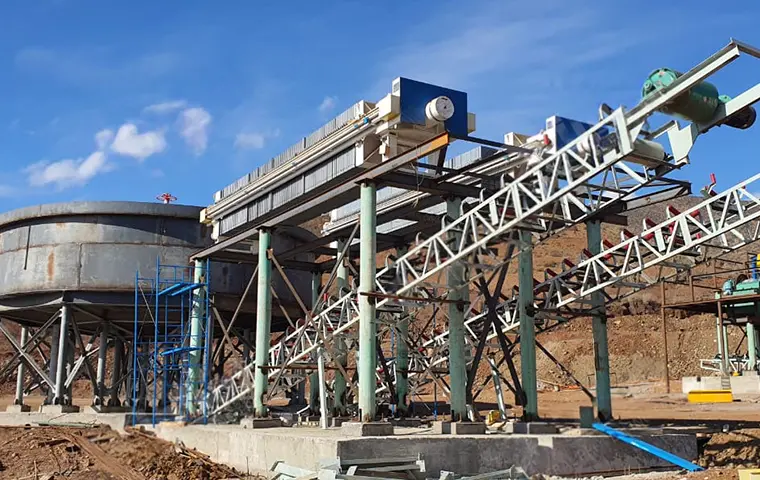
Van laboratoriumtests tot de definitieve inbedrijfstelling, heeft Prominer een op maat gemaakte oplossing van 20 TPH geleverd.
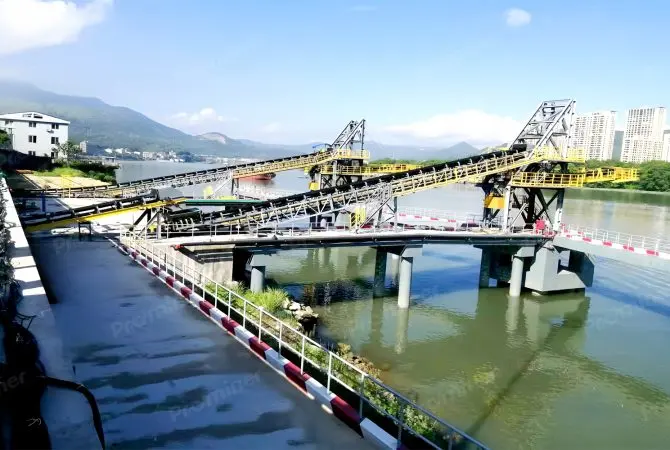
We kunnen de oplossing van bandtransporteurs voor verschillende doeleinden bieden, inclusief steil hellende bandtransporteur
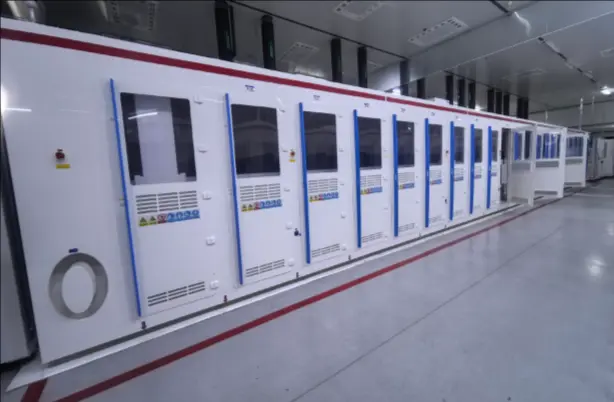
Inclusief: Monokristallijne batch-textuur-apparatuur, batch-textuur-loader/unloader, lage-druk...
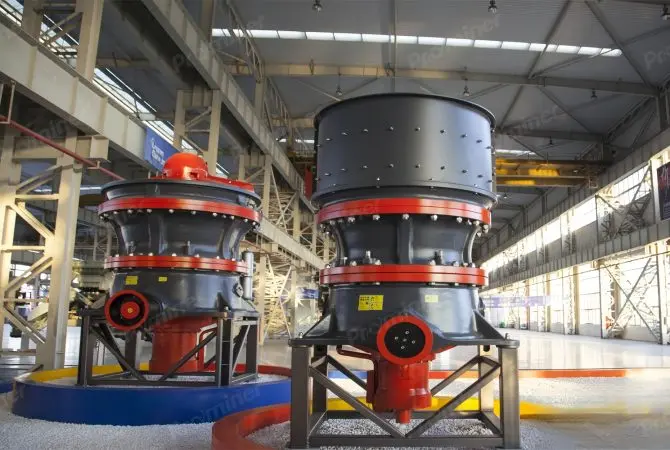
Single-cylinder hydraulische cone crusher heeft twee series op basis van verschillende caviteiten, S-caviteit is ontworpen
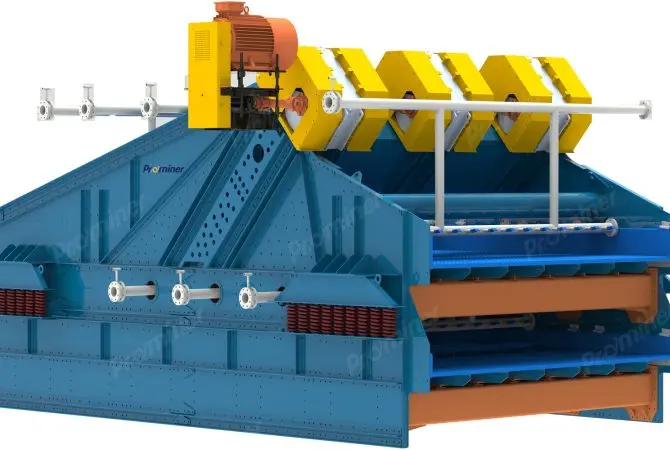
Prominer kan alle soorten lineaire schermen bieden voor mineraalgrading, materiaalgrootte, ontwatering
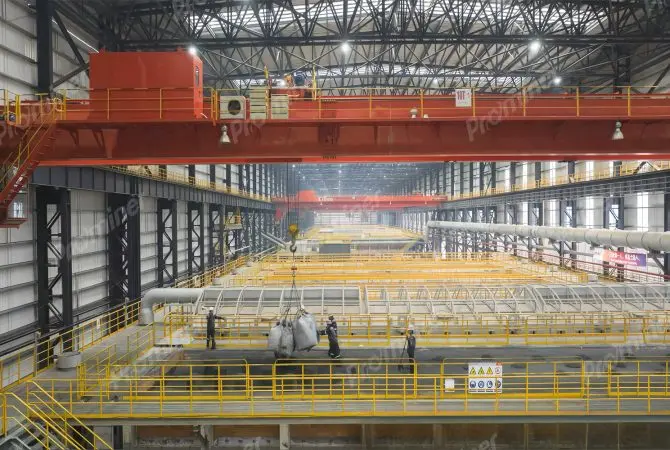
Wij kunnen verschillende soorten grafitiseringsovens leveren voor het veranderen van koolstofmateriaal
Prominer kan verschillende LIMS (Low Intensity Magnetic Separator) magnetische separators bieden
Om meer te weten te komen over onze producten en oplossingen, vul alstublieft het onderstaande formulier in en een van onze experts zal u binnenkort terugbellen
3000 TPD goud flotatieproject in de provincie Shandong
2500 TPD lithiumerts flotatie in Sichuan
Fax: (+86) 021-58779592
Adres:Kamer 606, Gebouw D3, Fase II, Chuansha Business Center, Long 777, Miaochuan Road, Pudong Nieuwgebied, Shanghai, China
Auteursrecht © 2023.Prominer (Shanghai) Mining Technology Co., Ltd.


