

Dostarczamy ważne urządzenia w procesie obróbki rudy złota, takie jak system CIL/CIP, komórki flotacyjne…


/
/
Jak oddzielić miedź – ołów – cynk w rudach siarczkowych za pomocą flotacji selektywnej?


Rudy siarczkowe miedzio-olowo-cynkowe (Cu-Pb-Zn) należą do najbardziej powszechnych i gospodarczo cennych złożeń wielowartościowych. Ponieważ te metale często występują razem w ściśle związanych fazach mineralnych — takich jak chalcopyryt (CuFeS₂), galena (PbS) i sfaleryt (ZnS) — ich separacja może być technicznie trudna.
Selektywne flotowanie jest najbardziej powszechnie stosowaną i skuteczną metodą oddzielania tych minerałów siarczkowych. Artykuł wyjaśnia zasady, przebieg procesu, reagenty oraz kluczowe aspekty operacyjne niezbędne do skutecznego oddzielania miedzi, ołowiu i cynku z rud siarczkowych.
Przed zaprojektowaniem procesu flotacji konieczne jest przeprowadzenie szczegółowego badania mineralogicznego. Kluczowe aspekty to:
Miedź zazwyczaj występuje jako:
Ołów występuje głównie jako:
Cynk zazwyczaj występuje jako:
Ponieważ galena i chalkopiryt mają podobną odporność na flotację, a sfaleryt może być aktywowany przez jony miedzi, selektywne oddzielanie wymaga precyzyjnej kontroli odczynników.
Selektywne flotowanie działa poprzez:
Separacja opiera się na różnicach w chemii powierzchni, które są manipulowane za pomocą reagentów flotacyjnych, takich jak:
Najczęstsza strategia procesu tosekwencyjne flotacje, zwykle w tej kolejności:
Jednak w wielu roślinach,zbiorowa flotacja Cu-Pb, a następnie separacja, a następnie flokulacja Zn, jest preferowana.
Ruda jest rozdrabniana i miażdżona, aby uwolnić cenne minerały od gangue. Właściwa uwolnienie jest kluczowe dla skutecznego oddzielania.
W wielu operacjach miedź i ołów są najpierw wydobywane razem jako koncentrat masowy.
Reagenty używane:
Siarki cynku i żelaza są obniżone na tym etapie za pomocą:
Po uzyskaniu koncentratu o dużej zawartości miedzi i ołowiu, do ich rozdzielenia stosuje się flotację selektywną.
Opcja A: Zadziąć ołów, wypłukać miedź
Miedź unosi się, podczas gdy selen oddaje się obniżeniu.
Opcja B: Depresja miedzi, unoszenie ołowiu
Wybór zależy od mineralogii, warunków środowiskowych i dostępności reagentów.
Po usunięciu miedzi i ołowiu, cynk jest odzyskiwany z odpadów.
Ponieważ sfaleryt jest często obniżony na wcześniejszych etapach, musi zostać aktywowany przed flotacją.
Aktywacja:
Kolekcjonerzy:
Kontrola pH:
Skuteczna selektywna flotacja zależy od precyzyjnej kontroli nad:
Systemy monitorowania online i zautomatyzowane systemy podawania reagentów są powszechnie stosowane we współczesnych zakładach w celu utrzymania stabilności.
Problem: Roztopione jonki miedzi aktywują cynk przedwcześnie.
Rozwiązanie:
Problem: Niewłaściwa uwolnienie zmniejsza selektywność.
Rozwiązanie:
Problem: Zmniejszona reakcja flotacyjna.
Rozwiązanie:
Problem: Użycie cyjanku i dichromianu jest ograniczone.
Rozwiązanie:
Chociaż schematy blokowe różnią się, powszechną i skuteczną strategią jest:
Próby pilotażowe są zdecydowanie zalecane przed ostatecznym ustaleniem projektu procesu, ponieważ każde złoże postępuje inaczej.
Oddzielenie miedzi, ołowiu i cynku z rud siarczkowych za pomocą flotacji selektywnej wymaga dobrze zaprojektowanego schematu technologicznego, odpowiedniego doboru reagentów i precyzyjnej kontroli procesu. Klucz tkwi w manipulowaniu chemią powierzchni minerałów, aby selektywnie wydobyć jeden minerał, jednocześnie hamując wybrane inne.
Dzięki odpowiedniej analizie mineralogicznej, testom laboratoryjnym i zoptymalizowanym schematom reagentów można skutecznie produkować koncentraty miedzi, ołowiu i cynku o wysokiej zawartości, maksymalizując odzysk metali i zyski ekonomiczne.
A: Cechy minerałów różnią się znacznie nawet w obrębie tego samego złoża rudy. Profesjonalny test (taki jak analiza chemiczna, XRD i SEM) zapewnia, że schemat procesu jest zoptymalizowany pod kątem twojej specyficznej klasy rudy i rozmiaru uwolnienia. To zapobiega kosztownym niedopasowaniom sprzętu i gwarantuje najwyższe możliwe wskaźniki odzysku dla twojego projektu.
A: Utrzymujemy stały zapas podstawowych części eksploatacyjnych (takich jak wkłady kruszarek, siatki screeningowe i media mielące). Dla klientów międzynarodowych oferujemy zalecaną „listę części zamiennych na 2 lata” przy pierwszym zakupie. Wsparcie techniczne jest dostępne 24/7 za pośrednictwem wideo zdalnego, a wizyty na miejscu mogą być organizowane w przypadku złożonych potrzeb serwisowych.
A: Tak. Wysyłamy zespół starszych inżynierów mechaników i elektryków na miejsce, aby nadzorować instalację, uruchamianie i testowanie obciążeniowe sprzętu. Oferujemy również kompleksowe szkolenie na miejscu dla lokalnych operatorów, aby zapewnić sprawne i długoterminowe funkcjonowanie.
A: Absolutnie. Specjalizujemy się w świadczeniu usług EPCM (Zarządzanie Inżynieryjne, Zakupy, Zarządzanie Budową). Obejmuje to wszystko, od wstępnych testów rudy i projektowania kopalni, po produkcję sprzętu, logistyka i integracja zakładów na pełną skalę, zapewniając płynne przejście od zielonego pola do produkcji.
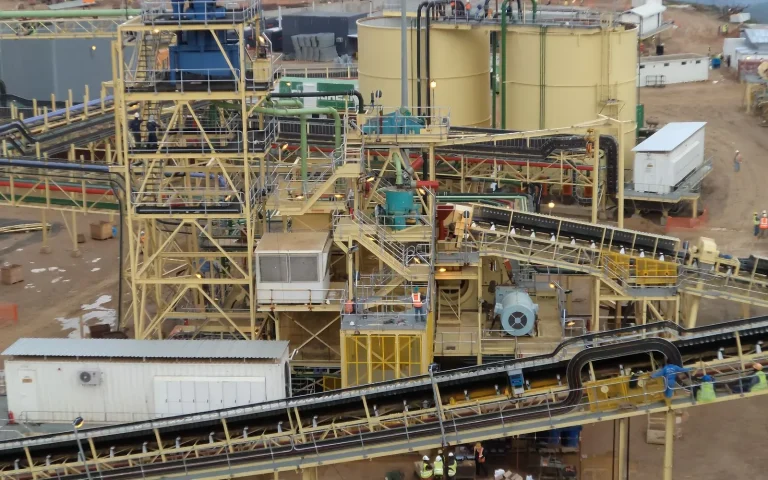
Dostarczamy ważne urządzenia w procesie obróbki rudy złota, takie jak system CIL/CIP, komórki flotacyjne…
Flotacja jest najpopularniejszym sposobem przetwarzania w projektach przetwarzania rudy złota. Ponieważ proces flotacji
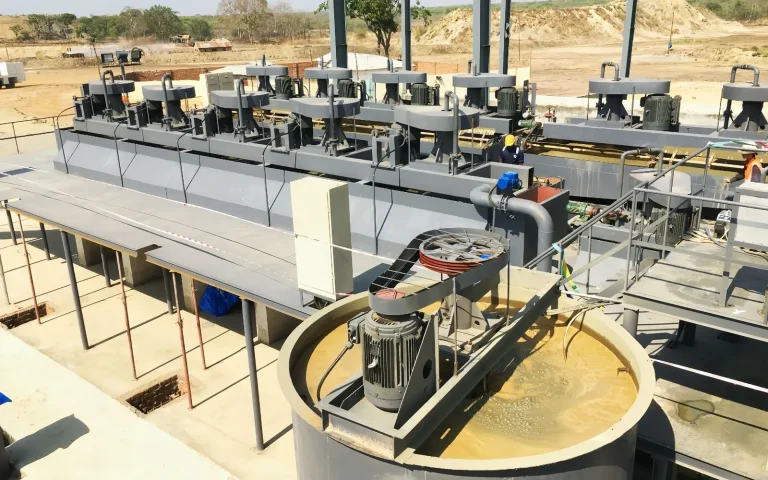
Istnieją dwa rodzaje naturalnych rud grafitu: grafit krystaliczny i grafit amorficzny

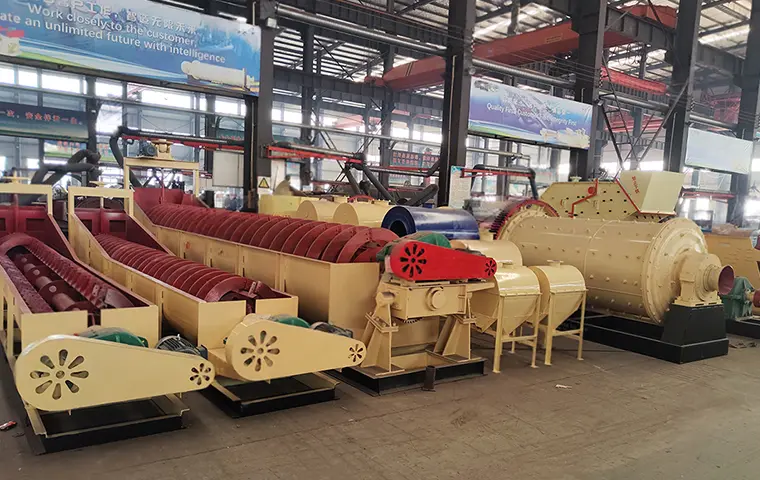
Surowa ruda: Złoto alluwialne i złoto z twardych skał pierwotnych (możliwość mieszania surowców) Zawartość złota w surowcu: 1,2 – 3,5 g/t (zmienne)
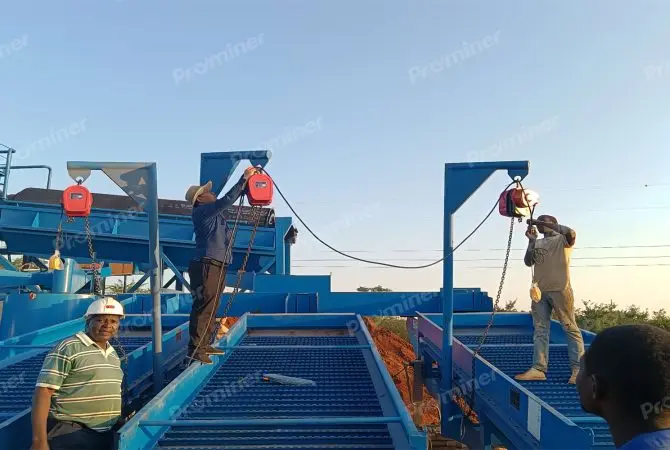
Surowa ruda: Złoto aluwialne z koryta rzeki Klasa złota: 0,8 g/t
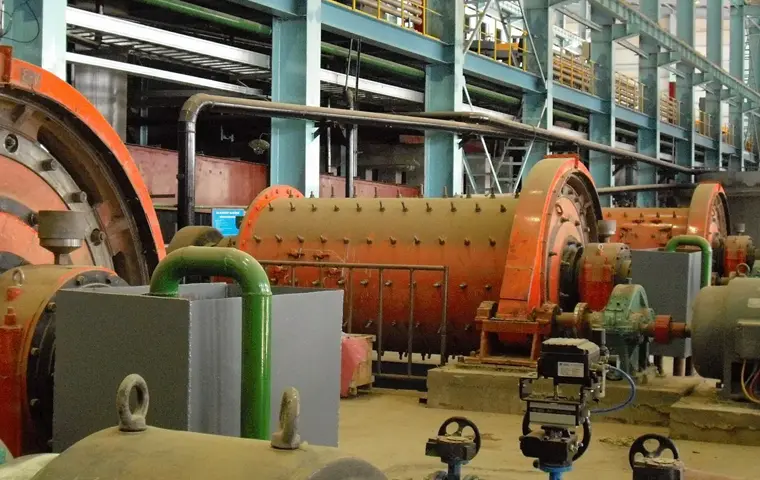
Ruda surowa: Ruda molibdenowa typu siarczkowego (głównie molibdenit) Zawartość Mo: 0,15% Zawartość koncentratu: 45% Mo
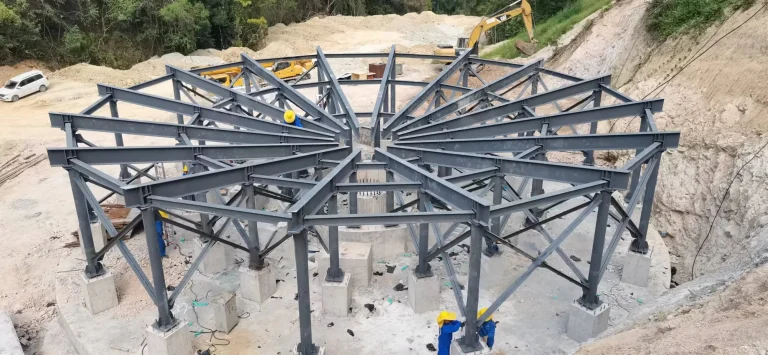
Surowiec: Ruda fluorytu (CaF₂) Klasyfikacja fluorytu: 35-40% Klasyfikacja koncentratu: ≥97% CaF₂
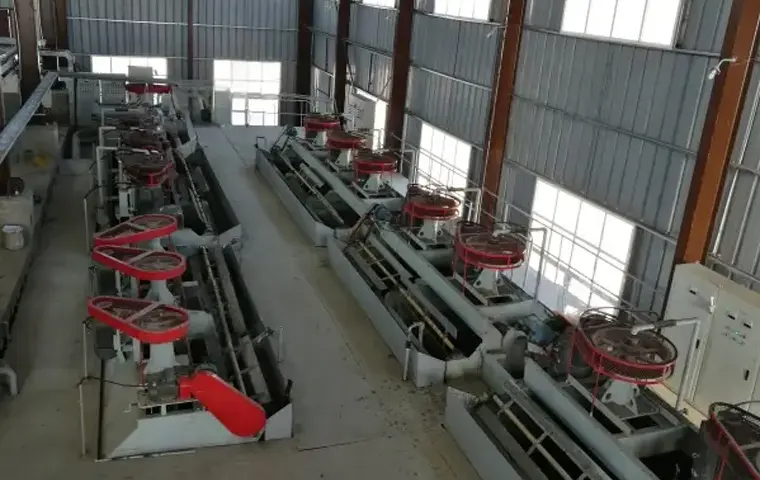
Surowiec: Osadowy fosforan, zawartość P2O5: 22-26%
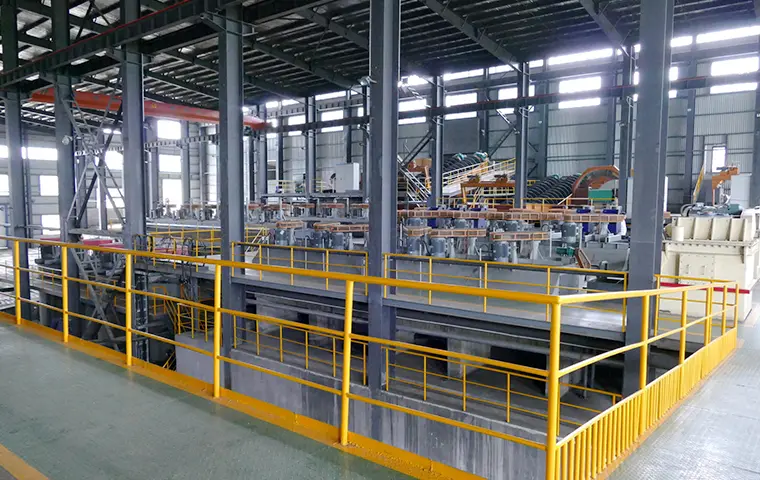
Surowce: grafit sferyczny, spoiwo na bazie smoły, dodatki. Zdolność produkcyjna projektu: 5,000 ton materiału anodowego; 20 ton grafenu rocznie.
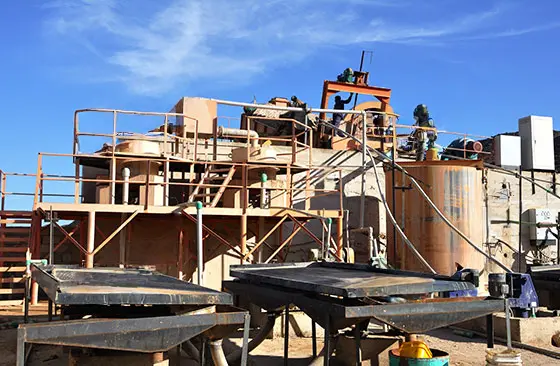
Ruda surowa: siarczek złota i miedzi (stosunek Au-Cu: 1:1,2) Zawartość złota: 2,8 g/t Zawartość miedzi: 0,85%
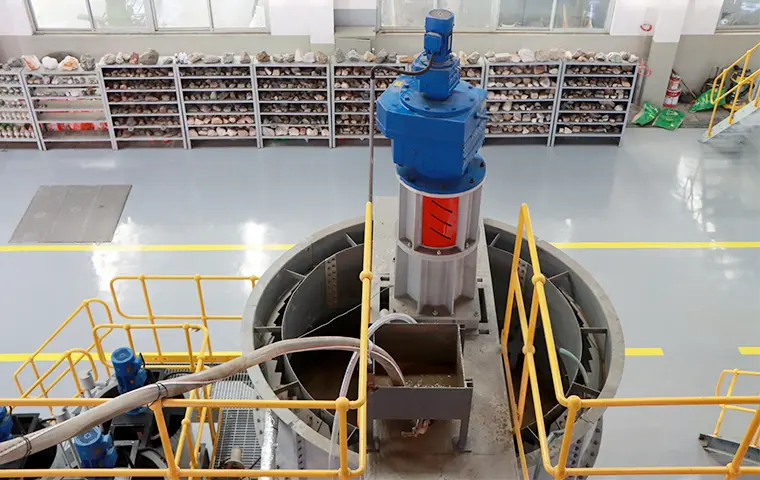
Ruda surowa: Wysokosilikatowa ruda fosforanowa Klasa P2O5: 22% Zawartość SiO2: 35%
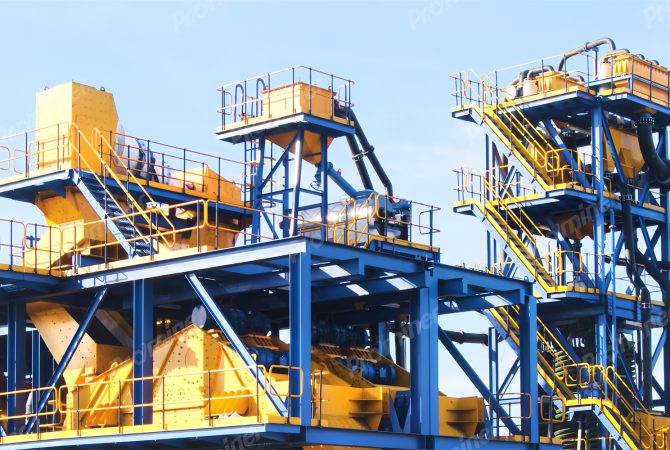
Prominer może dostarczyć różne separatory magnetyczne LIMS (separator magnetyczny o niskiej intensywności)
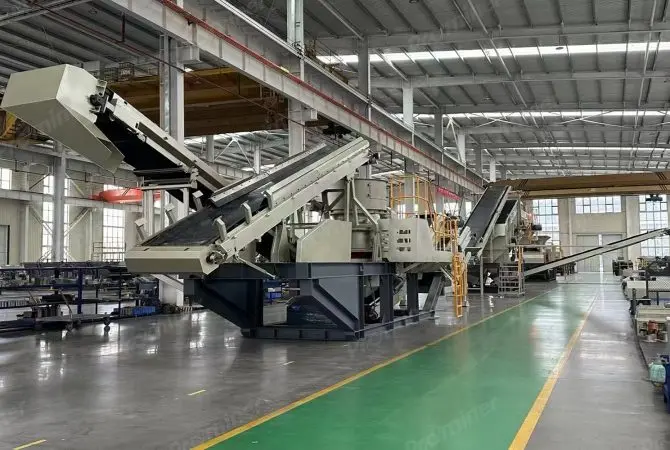
Mobilny kruszarka na podwoziu, oparty na wymaganiach rynku dotyczących łatwiejszego przemieszczania się z jednego miejsca
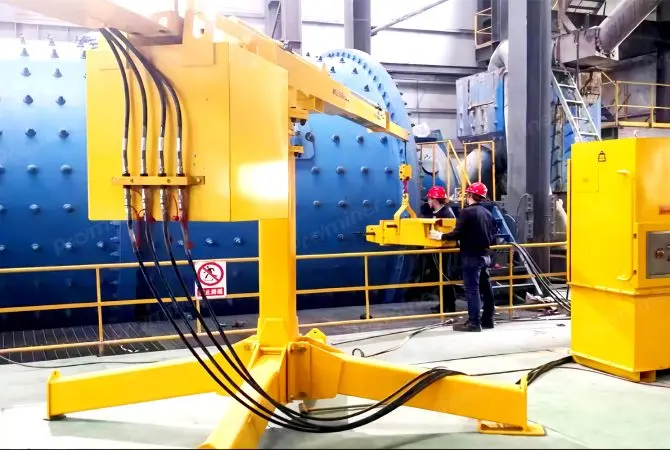
Możemy wyprodukować wysoko zautomatyzowany i potężny młot Bolt bez odrzutu do usuwania
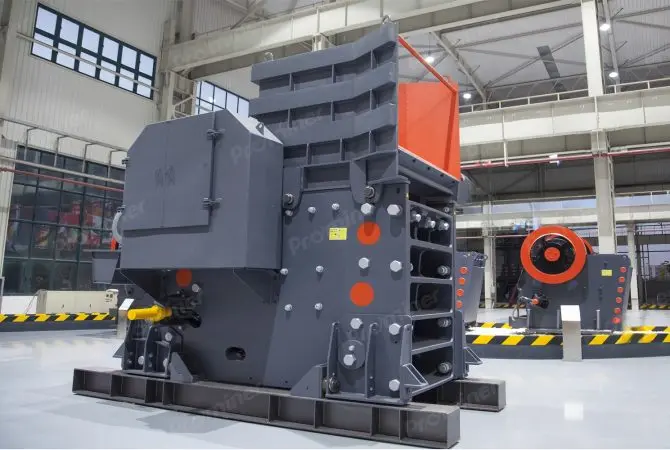
Kruszarka szczękowa, jej rozmiar otwarcia określa maksymalny rozmiar podawania. Komora kruszenia kruszarki szczękowej
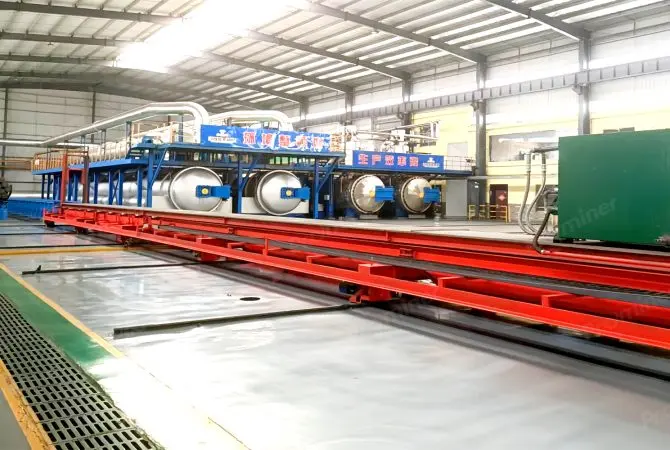
Możemy zapewnić wysokociśnieniową impregnację typu gorącego wewnątrz i zimnego na zewnątrz dla grafitu po wypaleniu
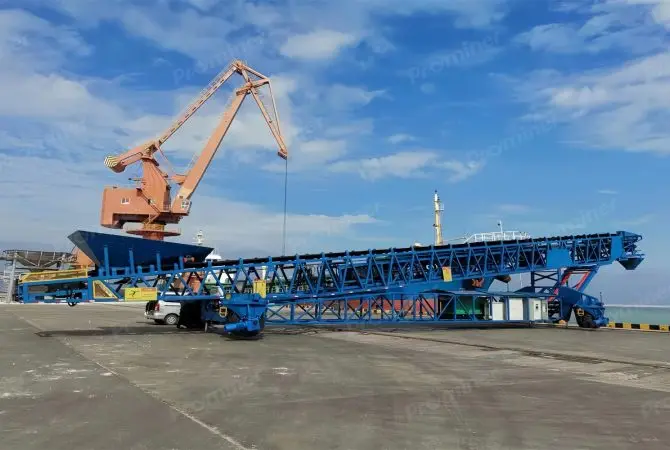
Nasza ekipa inżynierska może zaprojektować i wyprodukować mobilny stakier radialny, ładowarkę
Aby dowiedzieć się więcej o naszych produktach i rozwiązaniach, prosimy o wypełnienie poniższego formularza, a jeden z naszych ekspertów skontaktuje się z Tobą wkrótce
Projekt flotacji złota 3000 TPD w prowincji Shandong
Flotacja rudy litu 2500 TPD w Syczuanie
Faks: (+86) 021-58779592
Adres:Pokój 606, Budynek D3, Etap II, Centrum Biznesowe Chuansha, 777 Long, Droga Miaochuan, Dzielnica Pudong Nowy, Szanghaj, Chiny
Prawa autorskie © 2023.Prominer (Shanghai) Mining Technology Co., Ltd.


