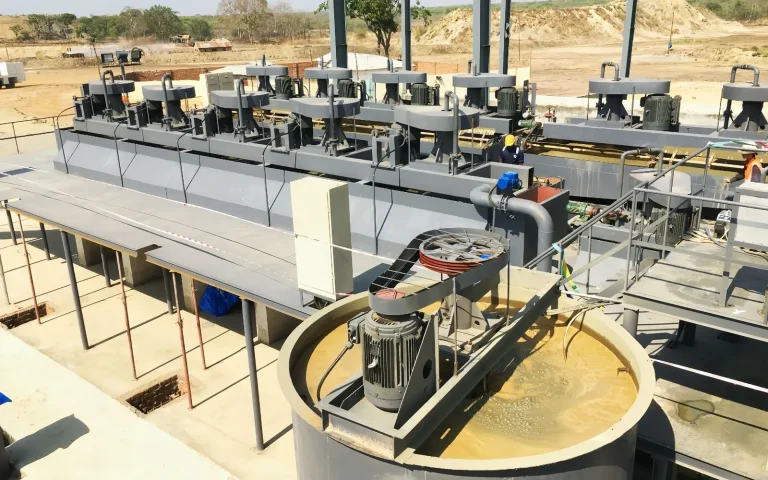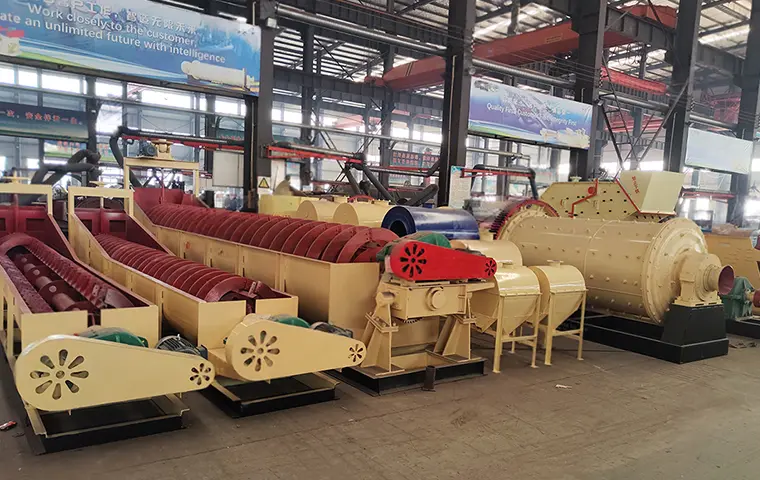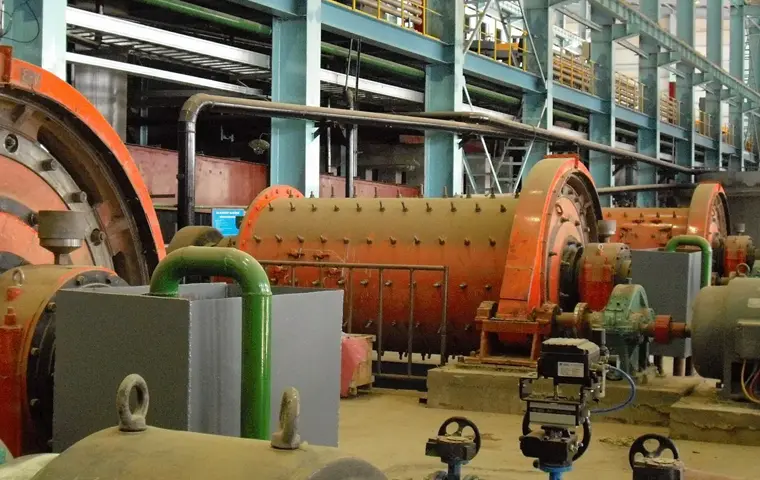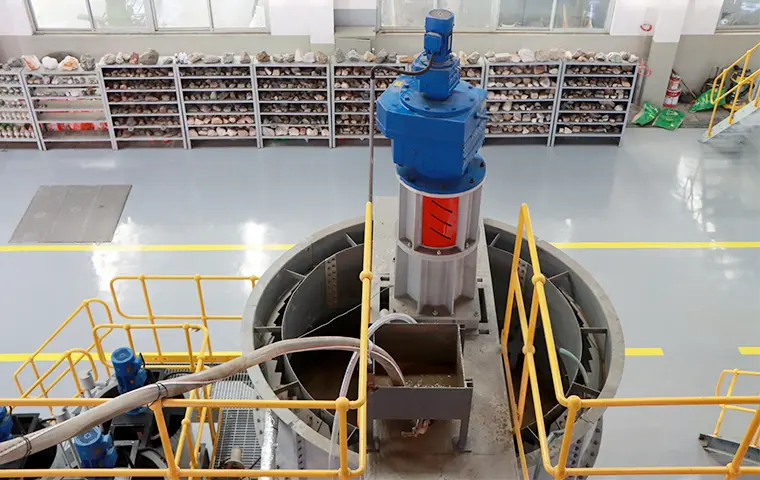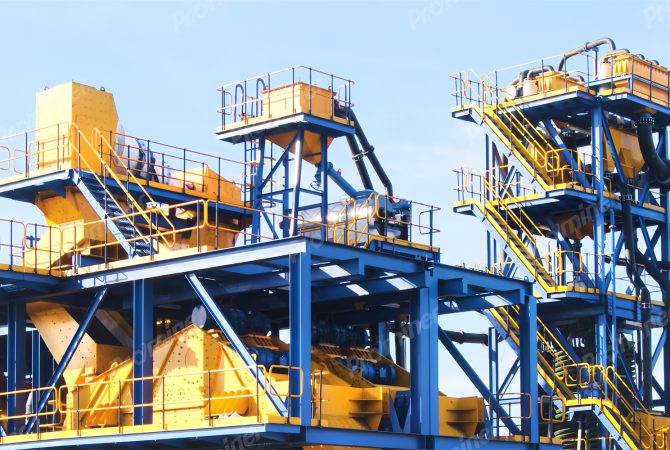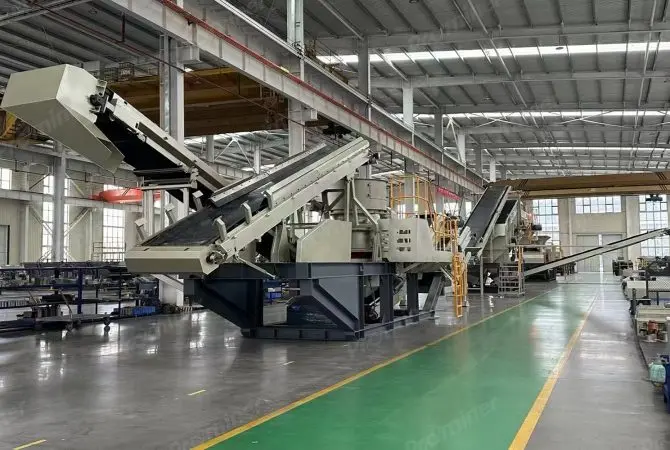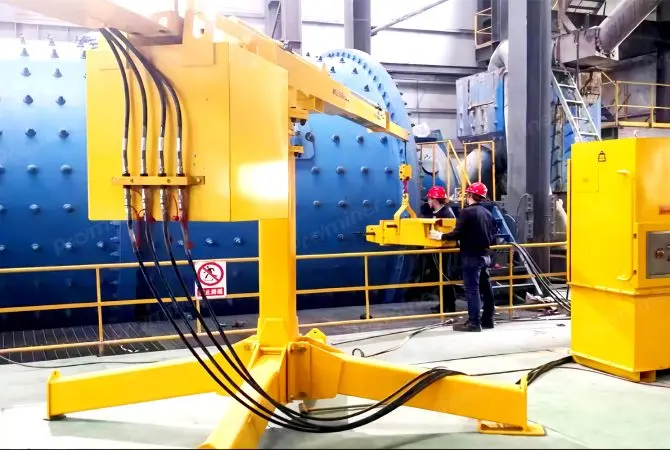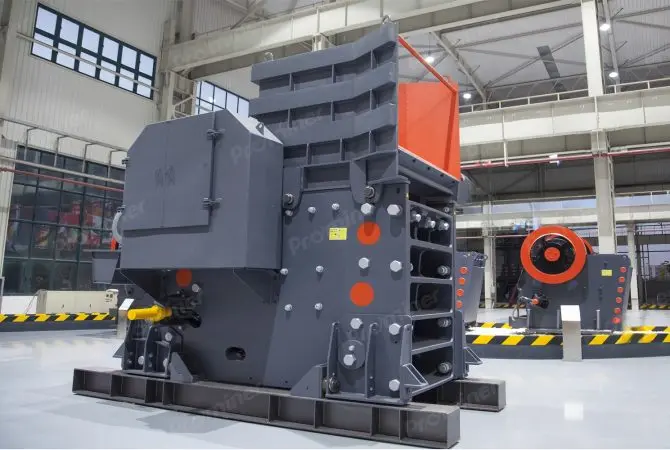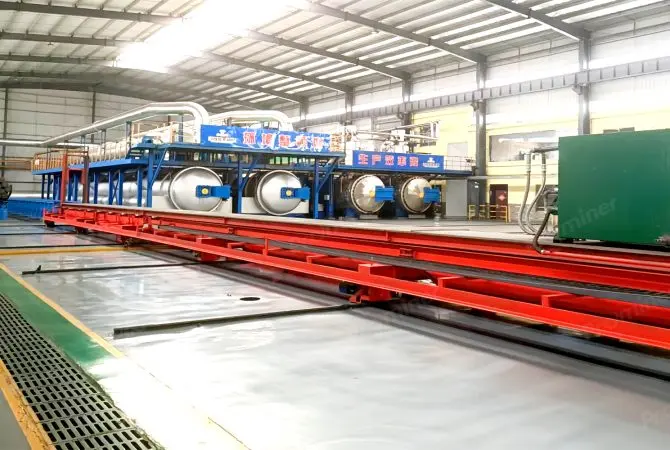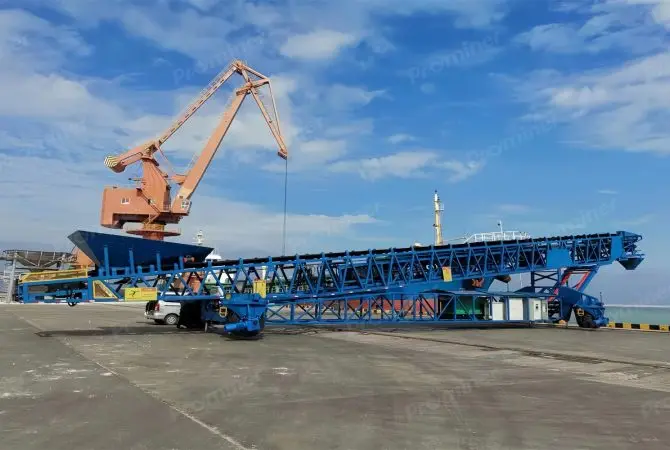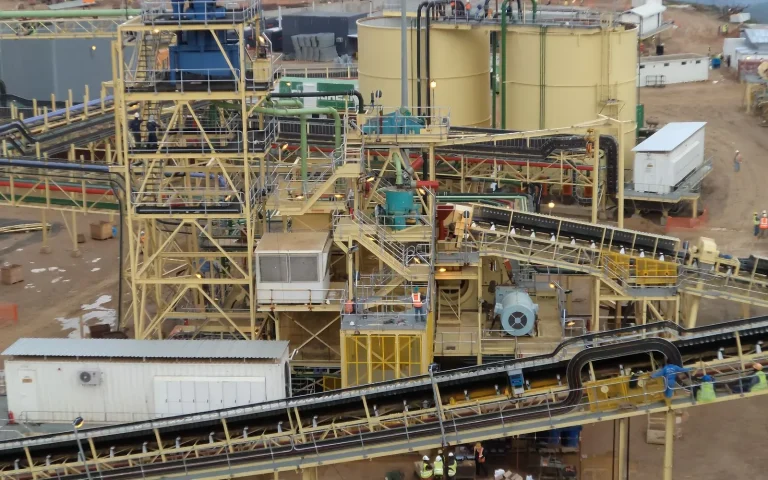
金鉱石処理プロセスにおける重要な設備、例えばCIL/CIPシステム、フロテーションセル…




銅-鉛-亜鉛(Cu-Pb-Zn)硫化鉱は、最も一般的で経済的価値の高い多金属鉱床の一つです。これらの金属は、黄銅鉱(CuFeS₂)、方鉛鉱(PbS)、閃亜鉛鉱(ZnS)などの密接に関連した鉱物相の中でしばしば共存しているため、分離は技術的に困難なことがあります。
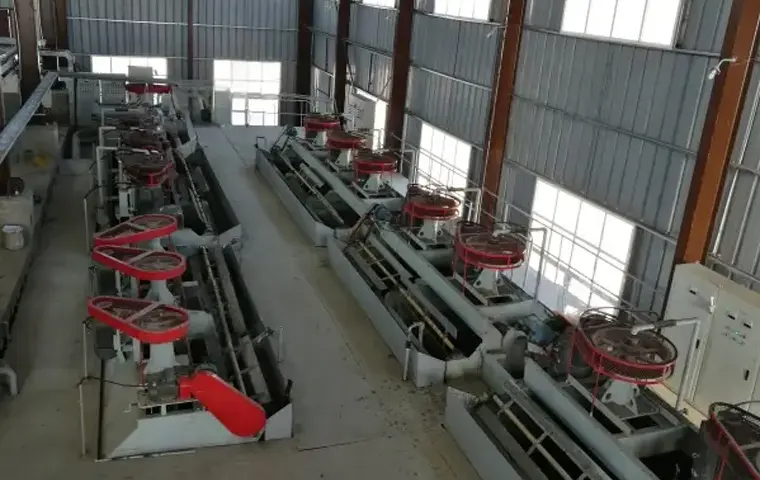
選択的浮選は、これらの硫化物鉱物を分離するために最も広く使用されており、効果的な方法です。この記事では、銅、鉛、亜鉛を硫化物鉱から成功裡に分離するための原理、プロセスの流れ、試薬、および重要な運転上の考慮点について解説します。
浮選プロセスを設計する前に、詳細な鉱物学的調査を行うことが不可欠です。重要なポイントは以下のとおりです:
銅は通常、次のように存在します:
鉛は主に次のように存在します:
亜鉛は一般的に以下のように表れます:
方鉛鉱と黄鉄鉱は浮遊性が似ているため、亜鉛鉱は銅イオンによって活性化されることがあります。そのため、選択的分離には正確な薬剤の制御が必要です。
選択的フローテーションは次のように機能します:
分離は表面化学の違いに基づいており、浮選薬剤などを用いて操作されます:
最も一般的なプロセス戦略は連続フローテーション通常、この順番で:
しかし、多くの植物では、銅鉛のバルクフローテーションとその後の分離、その後に亜鉛のフロ flotation が推奨されます。
鉱石は粉砕・研磨され、貴重な鉱物を脈石から解放します。適切な解放は効果的な分離にとって重要です。
多くの操業では、銅と鉛は最初に一緒にフロートされて、バルク濃縮物として扱われます。
使用された試薬:
この段階では、亜鉛および鉄硫化物は以下の方法で抑制されます:
銅鉛バルク濃縮物を得た後、選択的浮選法を用いて分離します。
選択肢A:鉛を沈め、銅を浮かせる
銅は浮かび、方鉛鉱は沈む。
オプションB:銅を沈殿させ、鉛を浮かせる
選択は鉱物学、環境条件、および試薬の利用可能性に依存します。
銅と鉛を取り除いた後、じんやくから亜鉛が回収される。
スファレナイトは初期段階で沈みやすいため、浮選前に活性化する必要がある。
アクティベーション:
集塵剤:
pH調整:
成功した選択的浮選は次の要素の正確な制御に依存しています:
オンライン監視システムと自動試薬添加システムは、安定性を維持するために最新の工場で一般的に使用されています。
問題:溶解した銅イオンが亜鉛を早期に活性化させる。
解決策:
問題:解放の低下は選択性を低下させる。
解決策:
問題:浮遊反応の低下
解決策:
問題:青酸化合物と二クロム酸塩の使用は制限されている。
解決策:
フローチャートはさまざまですが、一般的で効果的な戦略は次のとおりです:
パイロットテストの実施を強くお勧めします。各鉱体の性質は異なるため、最終的なプロセスの設計を確定する前に行うことが重要です。
硫化物鉱石から銅、鉛、亜鉛を選択的浮選によって分離するには、適切に設計されたフロースルー、適切な薬品選択、および正確なプロセス制御が必要です。鍵は、鉱物の表面化学を操作して、特定の鉱物だけを選択的に浮上させ、他の鉱物を抑制することにあります。
適切な鉱物学的分析、実験室での試験、および最適化された薬品配合を用いることで、高品位の銅、鉛、亜鉛濃縮物を効率的に生産でき、金属の回収率と経済的利益を最大化できます。
A:鉱物の特性は、同じ鉱床内でも大きく異なります。プロのテスト(化学分析、XRD、SEMなど)は、フローチャートが特定の鉱石グレードと解放サイズに最適化されていることを保証します。これにより、高価な機器のミスマッチを防ぎ、プロジェクトのために可能な限り高い回収率を保証します。
A: 当社は、コア摩耗部品(例えば、クラッシャーライナー、スクリーンメッシュ、グラインディングメディア)の常時在庫を維持しています。国際的な顧客には、初回購入時に推奨される「2年用予備部品リスト」を提供しています。技術サポートは、リモートビデオを通じて24時間年中無休で利用可能であり、複雑なメンテナンスニーズには現地訪問を手配することもできます。
A: はい。私たちは、機器の設置、試運転、負荷テストを監督するために、シニア機械エンジニアと電気エンジニアのチームを現地に派遣します。また、地元のオペレーターが円滑に長期的に運用できるよう、包括的な現地トレーニングも提供します。
A: もちろんです。私たちはEPCM(エンジニアリング、調達、建設管理)サービスを提供することを専門としています。これには、初期の鉱石テストや鉱山設計から、設備製造、物流、フルスケールのプラント統合まで、緑地から生産へのシームレスな移行を確保するすべてが含まれます。

私たちの製品とソリューションについて詳しく知るためには、以下のフォームに記入してください。私たちの専門家の一人がすぐにご連絡いたします
ファックス: (+86) 021-58779592
住所:中国上海浦东新区苗川路777号川沙商务中心D3楼606室第二期
著作権 © 2023.プロマイナー(上海)鉱業技術有限公司