

Elektroda grafitowa UHP jest głównie używana w piecach łukowych o ultra wysokiej mocy w przemyśle hutniczym




Flake graphite ore must undergo purification to remove impurities such as silica, silicates, carbonates, sulfides, and other mineral inclusions. The purification process is essential for improving carbon content and achieving the quality required for applications such as batteries, refractories, lubricants, and expandable graphite. Below are the five primary purification methods used for flake graphite ore.
Flotation is the most commonly used and cost-effective method for beneficiating flake graphite ore. It takes advantage of graphite’s natural hydrophobicity.
In this process, crushed and ground ore is mixed with water and flotation reagents. Air is introduced into the slurry, causing graphite particles to attach to air bubbles and float to the surface, while hydrophilic impurities sink. The graphite concentrate is then collected and dried.
Flotation can produce graphite concentrates with carbon content typically between 85% and 97%. However, it may not completely remove fine mineral inclusions embedded within graphite flakes.
Chemical purification involves treating graphite concentrate with strong acids or alkalis to dissolve impurities.
Hydrochloric acid (HCl) and hydrofluoric acid (HF) are commonly used to remove silicate and metal oxide impurities. In some cases, a combination of acids is applied to achieve higher purity levels. After acid leaching, the graphite is washed, filtered, and dried.
This method can increase carbon content to over 99%, making it suitable for high-end applications. However, it involves higher costs, strict environmental controls, and careful waste treatment.
Thermal purification relies on high-temperature treatment to remove impurities through volatilization.
Graphite concentrate is heated to temperatures above 2,500°C in a controlled atmosphere. At these extreme temperatures, many impurities vaporize or decompose, leaving behind high-purity graphite.
Thermal purification can achieve carbon purity levels of 99.9% or higher. While highly effective, it requires significant energy consumption and specialized high-temperature equipment.
The alkali roasting method combines chemical and thermal processes. In this technique, graphite concentrate is mixed with alkali compounds such as sodium hydroxide (NaOH) and roasted at elevated temperatures.
During roasting, impurities react with the alkali to form soluble salts. The roasted material is then washed with water or acid to remove these reaction products.
This method is effective for removing silicate impurities and can achieve high purity levels. It is often considered more environmentally friendly than direct acid leaching, depending on waste management practices.
High-temperature chlorination is a specialized purification method used for producing ultra-high-purity graphite.
In this process, graphite concentrate is heated in the presence of chlorine gas at elevated temperatures. Metallic impurities react with chlorine to form volatile metal chlorides, which are removed from the system.
Chlorination can produce graphite with very low impurity levels, suitable for advanced industrial and electronic applications. However, due to the use of chlorine gas and high temperatures, it requires strict safety measures and advanced equipment.
Each purification method has its advantages and limitations. The choice depends on the required carbon purity, environmental considerations, processing cost, and intended application of the flake graphite product. In many cases, a combination of methods is used to achieve optimal results.
A: W przypadku zasobów grafitu, kompletne rozwiązanie powinno obejmować zarówno flotację grafitu naturalnego, jak i głęboką obróbkę. Młynek kulowy oraz system hydrocyclonów służą jako podstawowy etap mielenia. Dla zaawansowanej produkcji materiałów anody, niezbędny jest prasa formująca, która poprawia gęstość mączki i redukuje powierzchnię właściwą. Dodatkowo, system powlekania Prominer, łączący funkcje powlekania i granulacji, jest kluczowym etapem w przetwarzaniu wysokoprawnych materiałów anody.
A: Wybór procesu całkowicie zależy od cech rudy. Proces Gold CIL/CIP jest bardzo popularnym i skutecznym sposobem przetwarzania rud złota typu tlenkowego o dużej zawartości. Dla wielu innych projektów złota, flotacja pozostaje najpopularniejszą metodą przetwarzania. Dla właścicieli chcących zaoszczędzić na inwestycjach na etapie początkowym, opcje takie jak leaching w zbiornikach lub heap leaching są elastycznymi i ekonomicznymi rozwiązaniami. Zalecamy rozpoczęcie od testów laboratoryjnych i pilotażowych, aby wyznaczyć najbardziej efektywny i naukowo uzasadniony schemat procesu.
A: Magnetyczne separacja jest kluczowa dla wzbogacania minerałów. Oferujemy separatory magnetyczne HIMS (o wysokiej intensywności) oraz LIMS (o niskiej intensywności), aby obsługiwać różne właściwości magnetyczne minerałów. W zoptymalizowanym projekcie zakładu technologia ta jest zintegrowana z wysokowydajnym systemem kruszenia—wykorzystującym jedno- lub wielocylindrowe hydrauliczne kruszarki stożkowe—oraz systemem mielenia. Zapewnia to wczesne odrzucanie odpadów skalnych, co znacznie poprawia wydajność i oszczędza energię.
A: Projektowanie udanej instalacji wymaga kompleksowej usługi EPC (Inżynieria, Zaopatrzenie i Budowa). Kluczowe aspekty obejmują projektowanie inżynieryjne (badania terenowe, wskazówki dotyczące próbki, rysunki PFD) oraz dostosowanie urządzeń, aby zapewnić zgodność maszyn z konkretnymi cechami rudy. Na przykład, Prominer może dostosować taśmowe przenośniki o szerokości do 5,1 m do dużego sortowania i osuszania. Wreszcie, profesjonalne usługi na miejscu, w tym nadzór nad pracami ziemnymi i uruchomieniem, są kluczowe dla długoterminowej stabilnej eksploatacji.
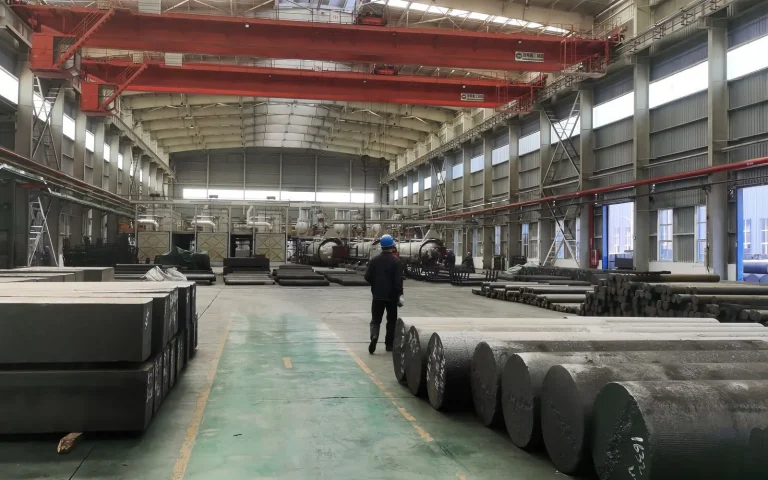
Elektroda grafitowa UHP jest głównie używana w piecach łukowych o ultra wysokiej mocy w przemyśle hutniczym
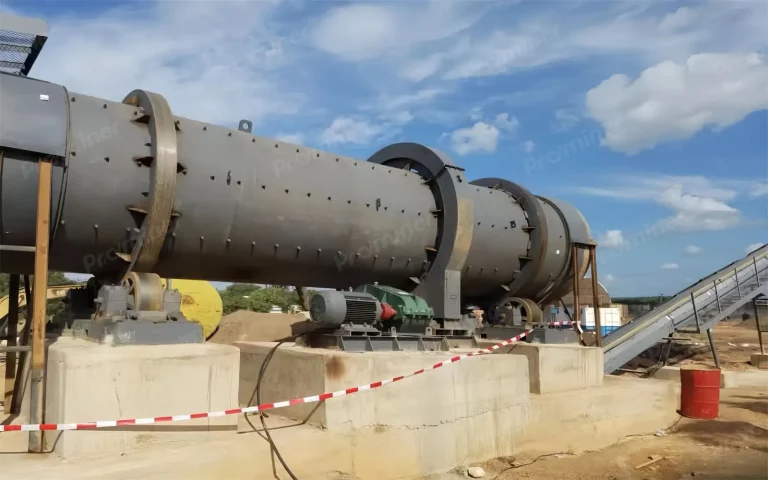
Leaching w hałdach to tradycyjny sposób leachingowy z użyciem cyjanku, który jest elastyczny i ekonomiczny do wydobywania złota
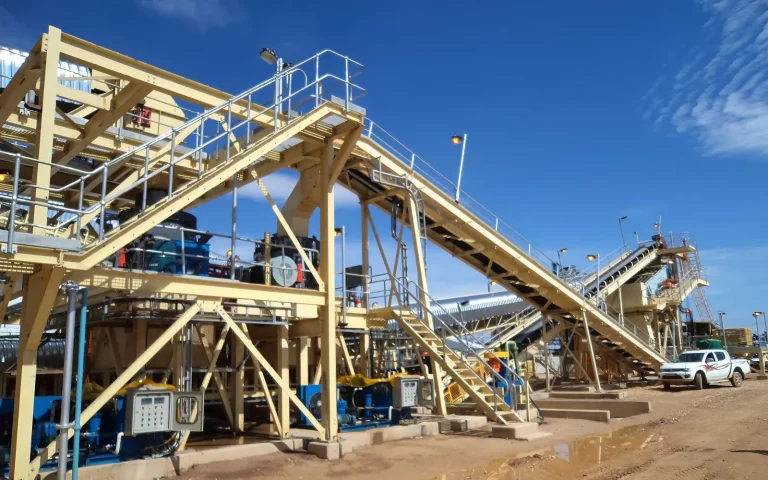
Leaching w zbiornikach to dobry wybór dla właściciela projektu, aby rozpocząć na początkowym etapie, aby zaoszczędzić inwestycje

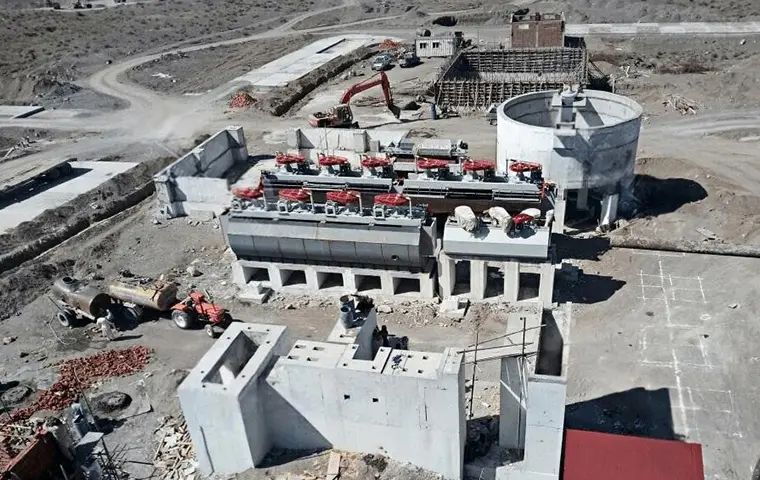
Surowy ród: Ród niklowo-kobaltowy lateritowy (warstwy limonitu i saprolitu) Średnia zawartość w surowcu: Ni: 1,2%, Co: 0,15%
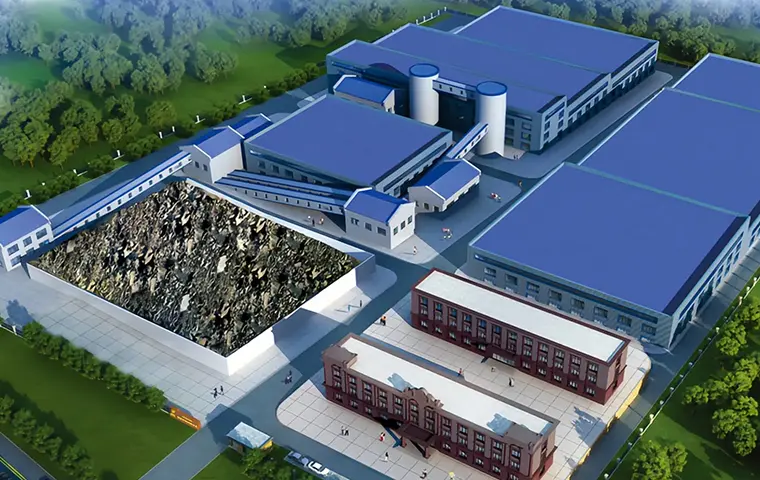
Surowiec: Naturalny koncentrat rudy grafitowej Klasa: 95% C TGC Produkt końcowy: Koncentrat flotacyjny grafitu
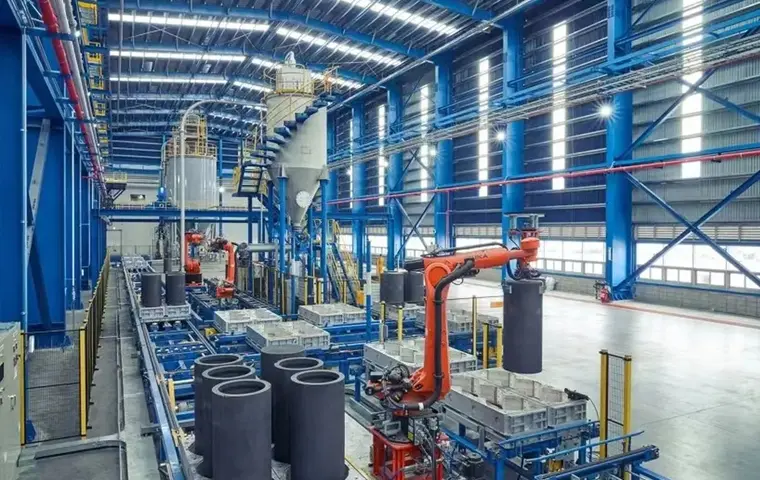
Surowce: Zielony koks naftowy, zielony koks igłowy i pitch o wysokiej temperaturze topnienia.
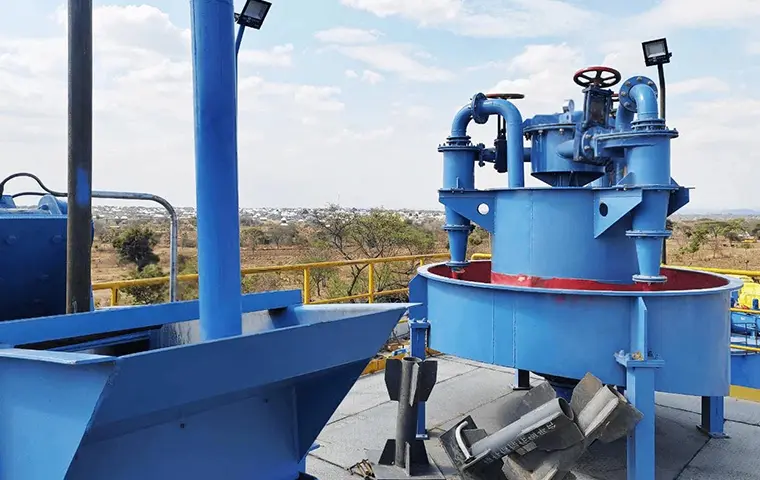
Cel pojemności: Zwiększenie zdolności przetwórczej z 500 TPD do 850 TPD w fazach bez zatrzymywania produkcji.
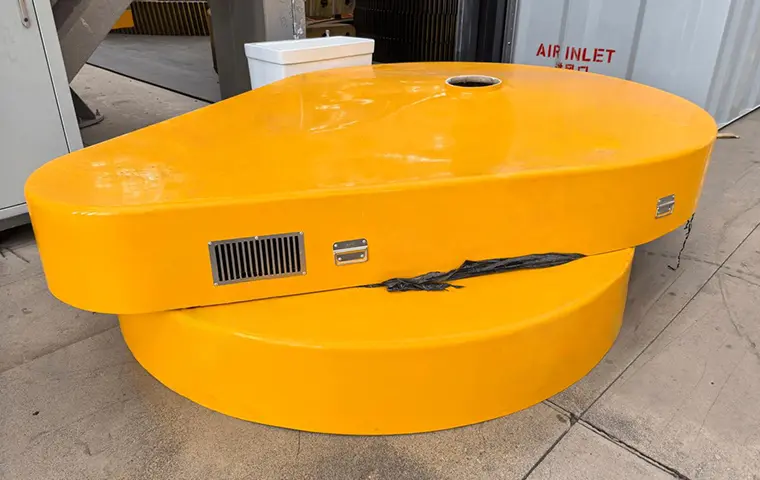
Surowa ruda: Odpowiednia dla złota siarczkowego/ tlenkowego, miedzi, litu, cynku, ołowiu i innych metali nieżelaznych.
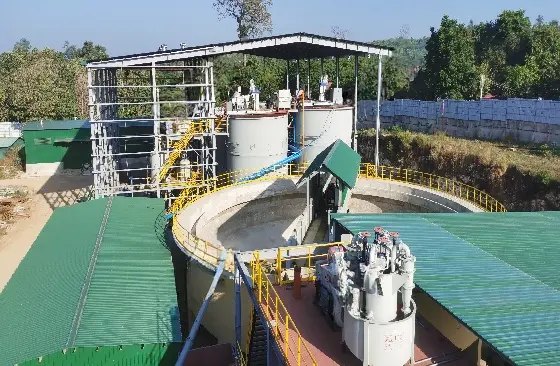
Lokalizacja: Tanzania, Afryka i Kalimantan Środkowy, Indonezja Rodzaj rudy: Niskogatunkowa ruda siarczkowa (1,2–1,8 g/t Au)
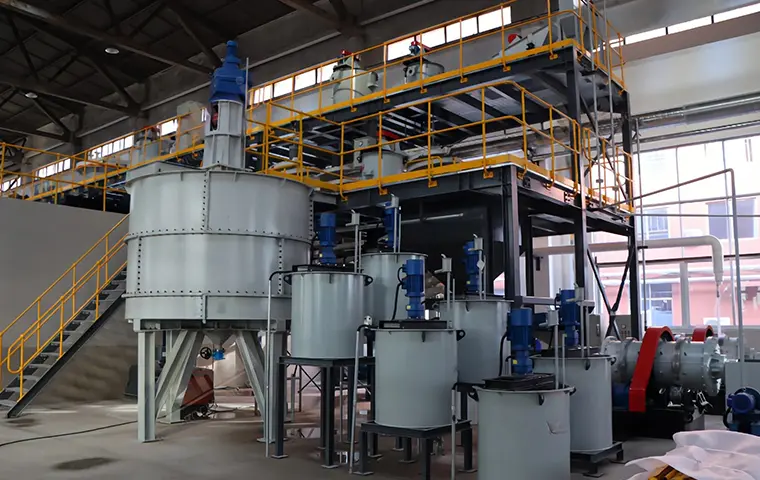
Tło projektu: Rozbudowa i modernizacja technologiczna istniejącej instalacji flotacyjnej
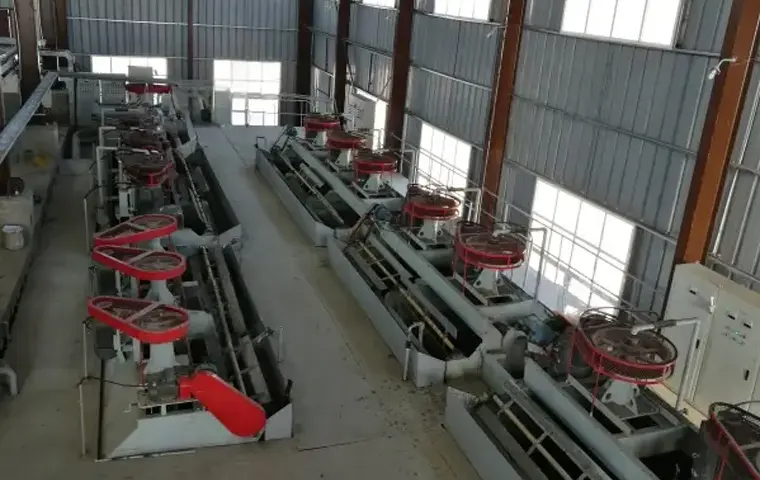
Surowiec: Osadowy fosforan, zawartość P2O5: 22-26%
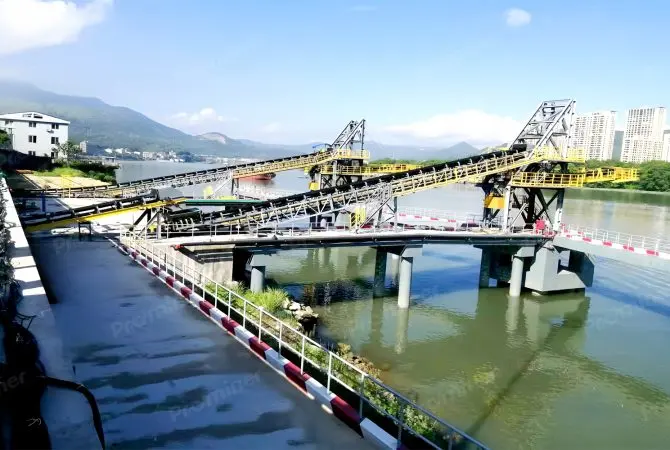
Możemy zapewnić rozwiązanie przenośników taśmowych do różnych celów, w tym stromo nachylonego przenośnika taśmowego
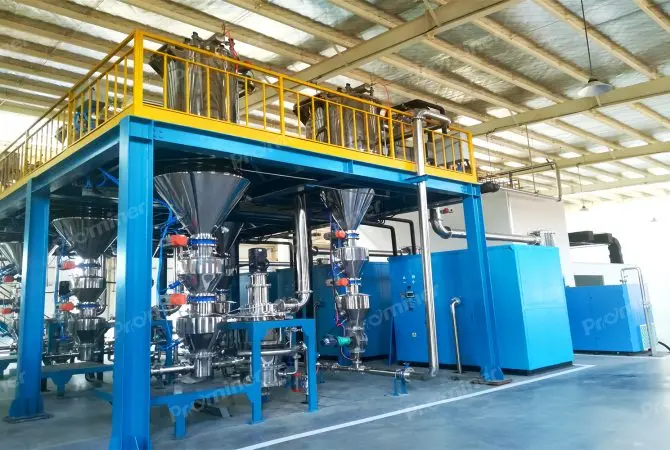
Młyn strumieniowy, znany również jako młyn strumieniowy z fluidyzowanym złożem, wykorzystuje wiele dysz do tworzenia przepływu powietrza o prędkości dźwięku
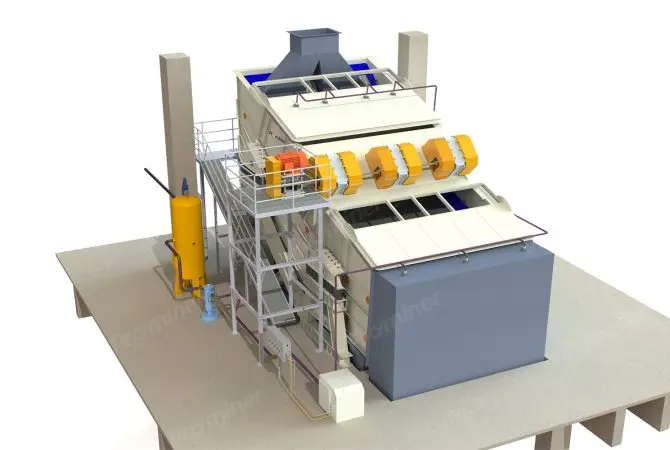
Panel ekranu flip-flow kontynuuje rozszerzanie i kurczenie, aby osiągnąć wysokie wskaźniki przyspieszenia.
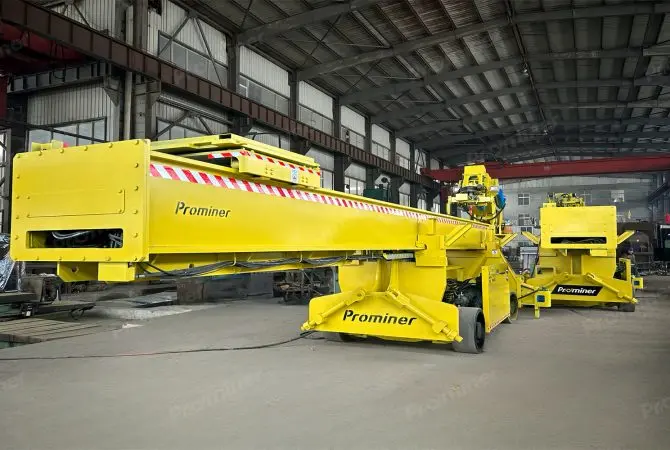
Możemy zaprojektować i wyprodukować maszynę do reliningu młynów (lub nazywaną manipulatorem do reliningu młynów)
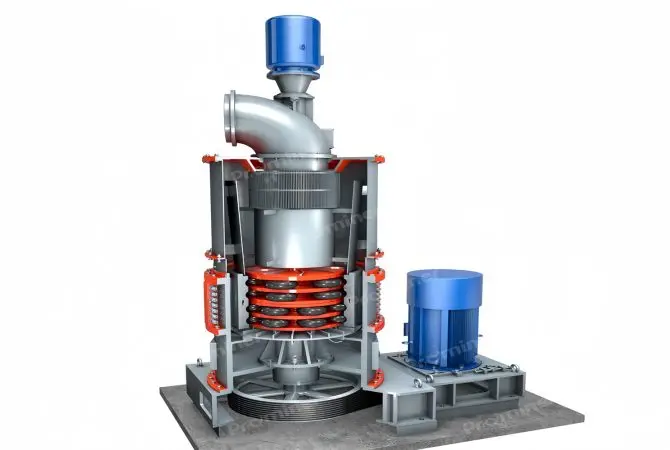
Możemy dostarczyć młyn walcowy do produkcji ultradrobnego proszku, który nadaje się do mielenia.
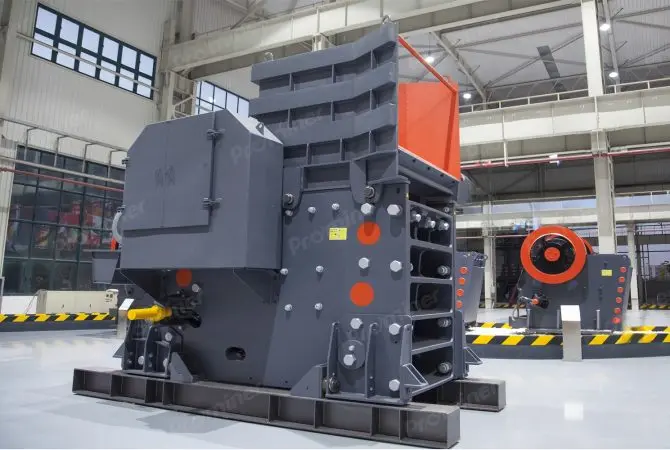
Kruszarka szczękowa, jej rozmiar otwarcia określa maksymalny rozmiar podawania. Komora kruszenia kruszarki szczękowej
Aby dowiedzieć się więcej o naszych produktach i rozwiązaniach, prosimy o wypełnienie poniższego formularza, a jeden z naszych ekspertów skontaktuje się z Tobą wkrótce
Projekt flotacji złota 3000 TPD w prowincji Shandong
Flotacja rudy litu 2500 TPD w Syczuanie
Faks: (+86) 021-60870195
Adres:Nr 2555, Xiupu Road, Pudong, Szanghaj
Prawa autorskie © 2023.Prominer (Shanghai) Mining Technology Co., Ltd.


