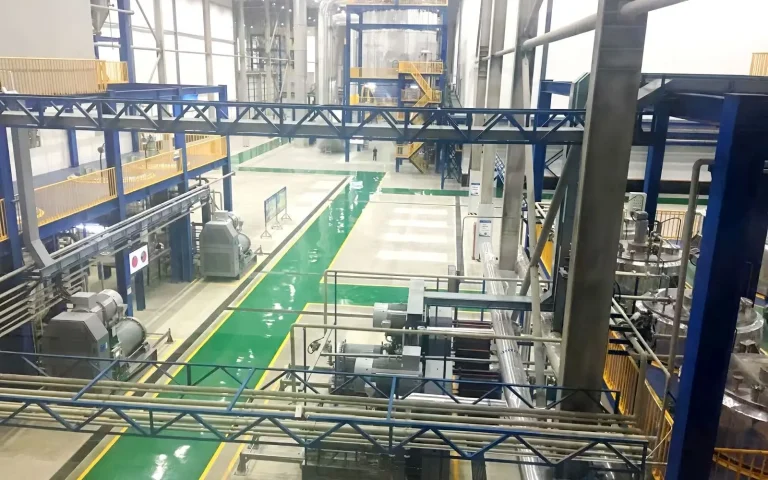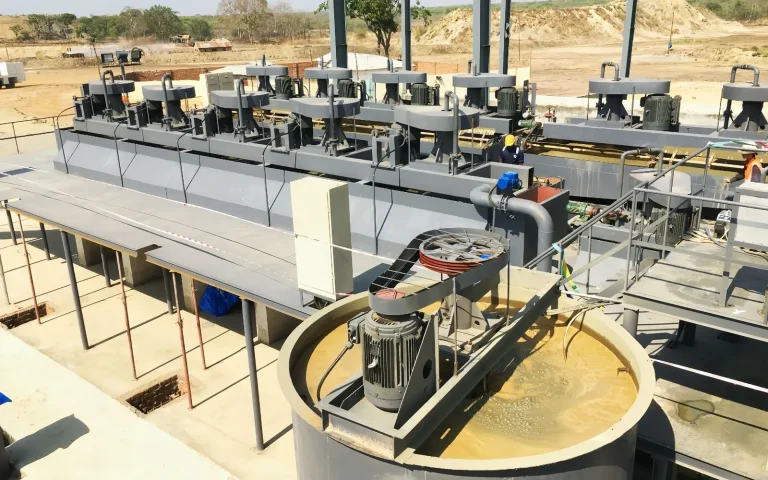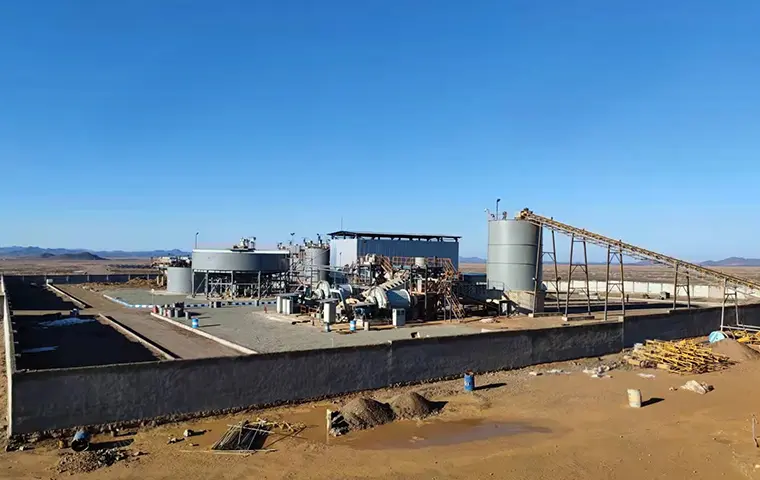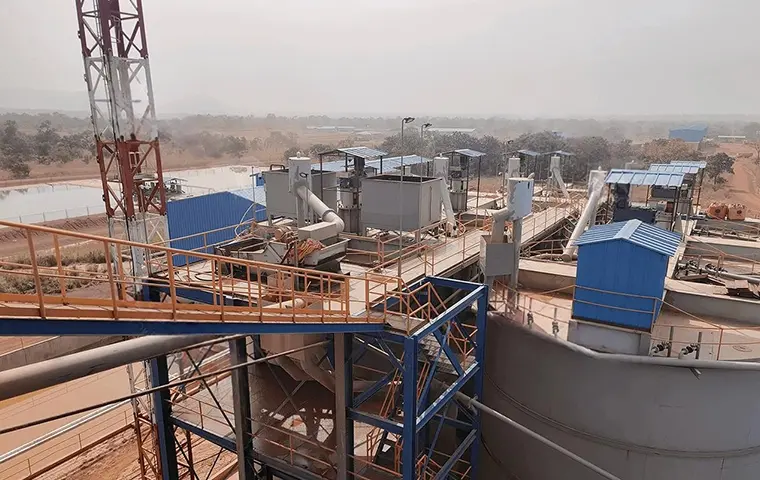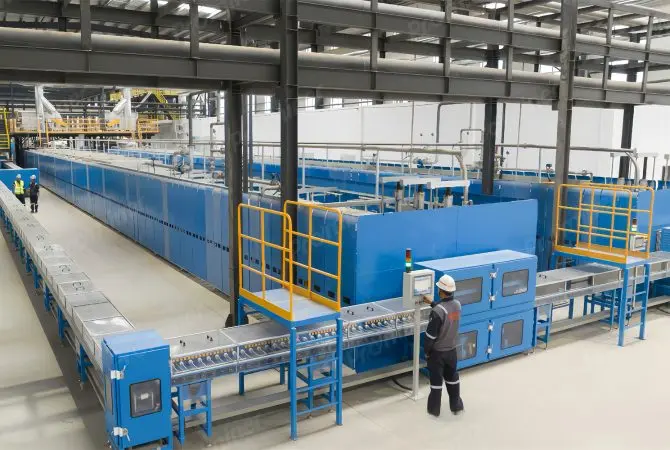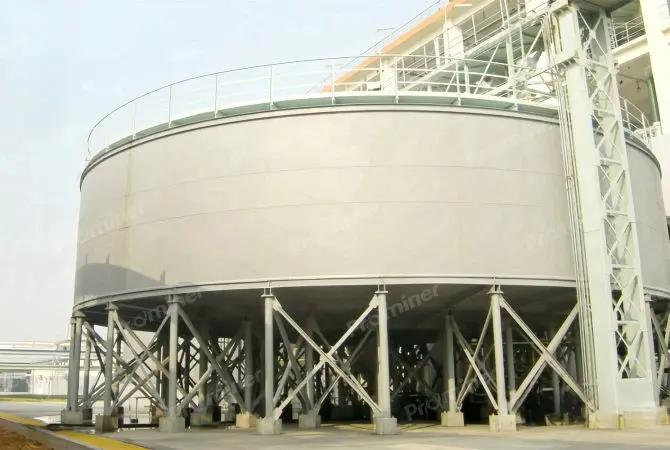
金CILプロセス(炭素浸出)は、高品位の酸化金鉱石を処理する非常に人気のある方法です




Quartz sand beneficiation is a critical process in improving the purity and quality of quartz for applications in glass manufacturing, ceramics, foundry, electronics, and high-end silicon products. Optimizing the factors that affect beneficiation efficiency can significantly enhance product quality, reduce production costs, and improve resource utilization. Below are the key aspects to consider when optimizing quartz sand beneficiation technology.
Understanding the properties of the raw quartz ore is the foundation of effective beneficiation. Comprehensive mineralogical analysis helps determine:
Techniques such as X-ray diffraction (XRD), scanning electron microscopy (SEM), and chemical assays should be used to assess ore characteristics. Accurate characterization allows for the design of a targeted and efficient beneficiation process.
Proper crushing and grinding are essential for liberating quartz from associated impurities without generating excessive fines.
Key optimization strategies include:
Optimized particle size ensures improved downstream separation efficiency while minimizing energy consumption.
Clay and fine particles often carry iron and other impurities. Effective washing and desliming significantly improve product quality.
To optimize this stage:
Efficient removal of slime enhances subsequent magnetic separation and flotation performance.
Magnetic separation is widely used to remove iron-bearing minerals from quartz sand.
Key factors affecting performance include:
High-gradient magnetic separators are particularly effective for removing weakly magnetic iron impurities. Multi-stage magnetic separation may be necessary for high-purity quartz production.
Flotation is commonly used to remove feldspar, mica, and other non-magnetic impurities.
Optimization methods include:
Careful reagent management and process control improve selectivity and reduce chemical consumption.
For high-purity quartz applications, acid leaching is often required to remove trace metal impurities.
To optimize leaching:
Pre-treatment steps, such as calcination or mechanical activation, can further enhance leaching efficiency.
Water quality significantly impacts beneficiation performance, especially in flotation and washing stages.
Optimization measures include:
Proper water management reduces operational costs and environmental impact.
Modern beneficiation plants benefit greatly from automation and real-time monitoring.
推奨される事項:
Data-driven optimization improves consistency, reduces downtime, and enhances overall recovery rates.
Sustainable beneficiation practices are increasingly important.
Optimization strategies include:
Environmentally responsible operations also improve regulatory compliance and corporate reputation.
Optimizing quartz sand beneficiation technology requires a systematic approach that integrates raw ore analysis, equipment selection, process control, and environmental management. By carefully controlling crushing, washing, magnetic separation, flotation, and leaching processes, producers can achieve higher purity levels, better recovery rates, and lower operational costs. Continuous testing, monitoring, and technological upgrades are essential to maintaining competitiveness in the evolving quartz market.
A: For graphite resources, a complete solution should cover both natural graphite flotation and deep processing. The ball mill and hydrocyclone system serve as the basic grinding stage. For advanced anode material production, the shaping mill is essential to improve tap density and reduce specific surface area. Additionally, the Prominer coating system, which combines coating and granulation functions, is a key step in processing high-profit anode materials.
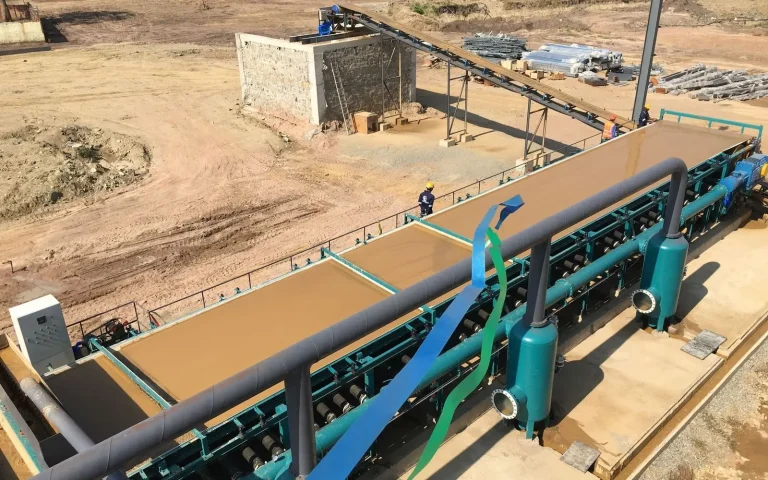
A: Process selection depends entirely on the ore’s characteristics. The Gold CIL/CIP process is a very popular and effective way to process high-grade oxide type gold ore. For many other gold projects, flotation remains the most popular processing method. For owners looking to save investment at the initial stage, vat leaching or heap leaching are flexible and economic options. We recommend starting with a lab & pilot test to determine the most efficient and scientific process flow.
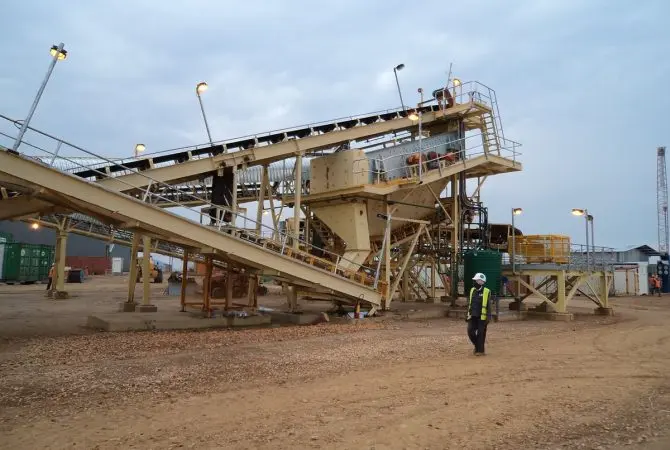
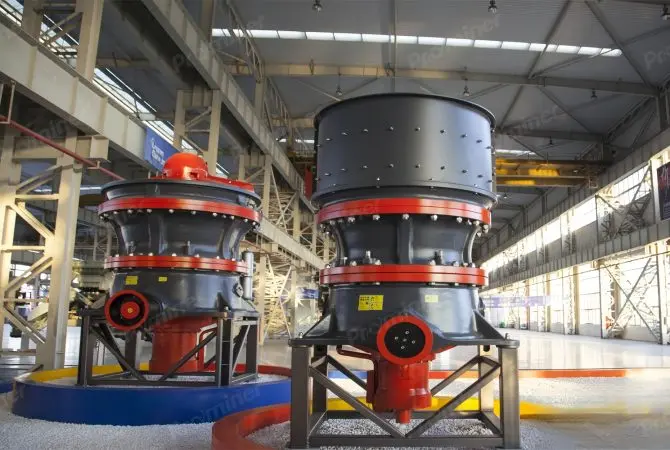
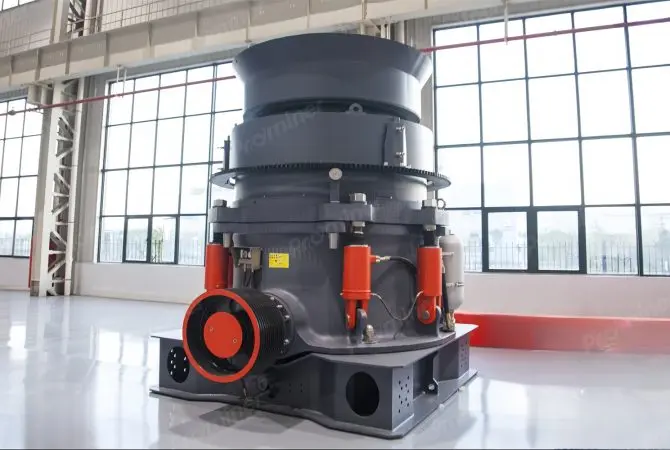
A: Magnetic separation is critical for mineral upgrading. We provide both HIMS (High Intensity) and LIMS (Low Intensity) magnetic separators to handle different mineral magnetic properties. In an optimized plant design, this technology is integrated with a high-performance crushing system—utilizing single-cylinder or multi-cylinder hydraulic cone crushers—and a grinding system. This ensures that waste rock is rejected early, significantly improving productivity and saving energy.
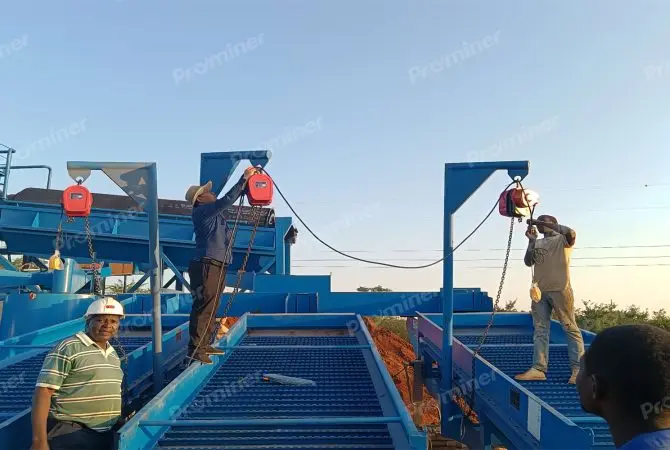
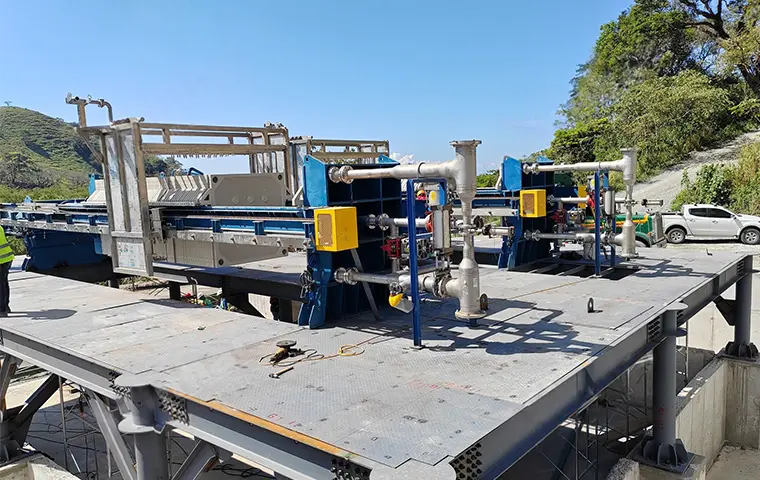
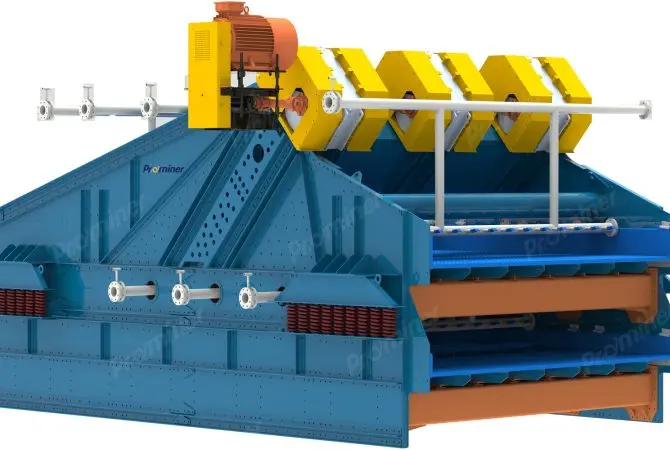
A: Designing a successful plant requires a comprehensive EPC (Engineering, Procurement, and Construction) service. Key considerations include engineering design (site surveys, sampling guidance, and PFD drawings) and equipment customization to ensure machinery matches the specific ore characteristics. For example, Prominer can customize linear screens up to 5.1m in width for large-scale grading and dewatering. Finally, professional on-site services, including civil work supervision and commissioning, are vital for long-term stable operation.

原鉱: 結晶フレークグラファイト鉱石 供給炭素含有量: 8–12%(変動あり) 最終製品: 高純度フレークグラファイト濃縮物
私たちの製品とソリューションについて詳しく知るためには、以下のフォームに記入してください。私たちの専門家の一人がすぐにご連絡いたします
ファックス: (+86) 021-60870195
住所:中国、上海、浦東、秀浦路2555号
著作権 © 2023.プロマイナー(上海)鉱業技術有限公司