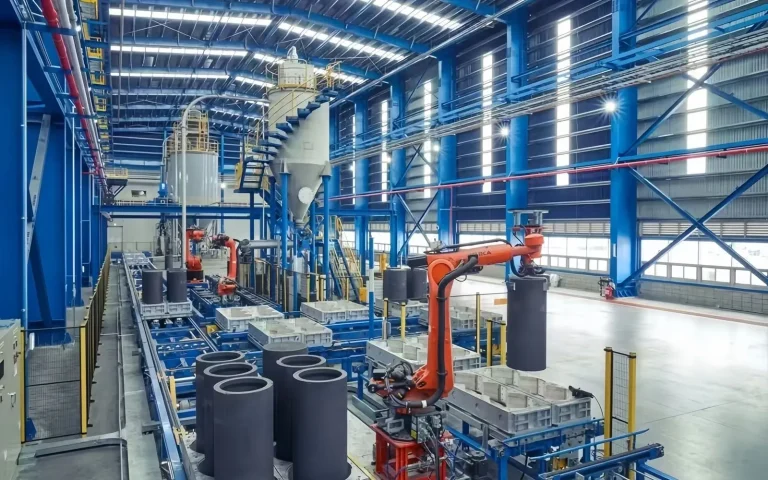
人工グラファイトアノード材料は主に高品質で硫黄含量が少ない石油コークスから作られています




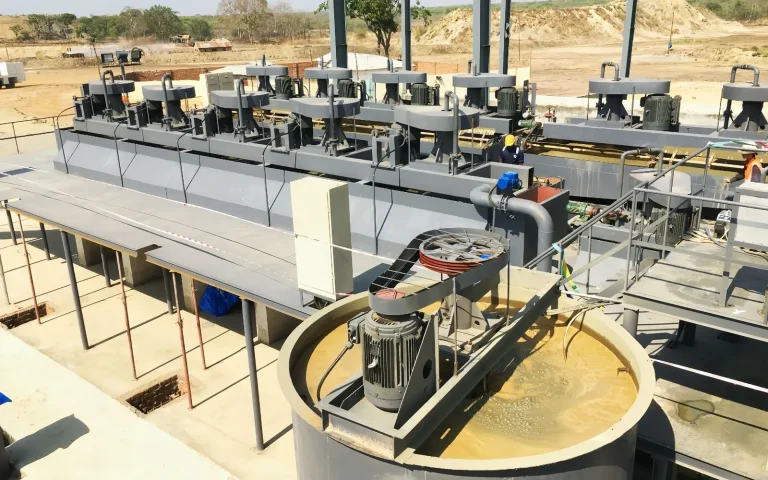
Copper oxide ores are an important source of copper, especially as high-grade sulfide resources continue to decline. However, unlike copper sulfide ores, copper oxide minerals exhibit poor natural floatability. As a result, specialized flotation techniques have been developed to efficiently recover copper from oxide ores. Below are the conventional flotation methods commonly used in industry.
The direct flotation method is one of the simplest approaches for processing copper oxide ores. In this method, collectors are added directly to the slurry to selectively adsorb onto copper oxide mineral surfaces, making them hydrophobic and suitable for flotation.
Commonly used collectors include:
Hydroxamic acids are particularly effective because they exhibit strong chelating ability with copper ions on mineral surfaces, resulting in better selectivity and recovery rates.
However, direct flotation is typically more suitable for ores with relatively simple mineral compositions. For complex ores, selectivity can be poor, and reagent consumption may be high.
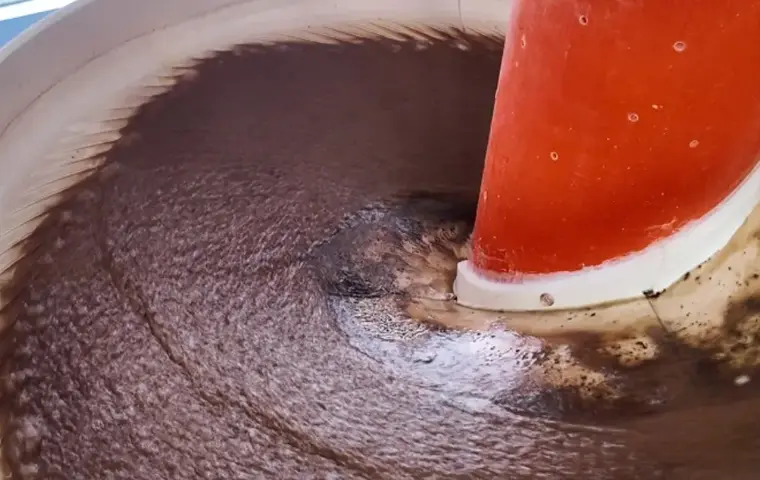
Sulfidization flotation is the most widely used method for copper oxide ores. Since oxide minerals do not respond well to traditional sulfide collectors, they are first treated with a sulfidizing agent to form a thin sulfide film on the mineral surface.
Common sulfidizing agents include:
After sulfidization, conventional sulfide collectors such as xanthates are added. These collectors readily adsorb onto the newly formed sulfide layer, allowing the minerals to float effectively.
This method is especially suitable for minerals such as malachite, azurite, and cuprite. Careful control of sulfidization conditions—such as reagent dosage, pH, and conditioning time—is crucial for achieving optimal flotation performance.
Fatty acid flotation relies on the chemical interaction between fatty acid collectors and copper oxide mineral surfaces. This method is commonly applied to carbonate-type copper oxide minerals like malachite and azurite.
Typical fatty acid collectors include:
The flotation process is generally conducted under alkaline conditions to enhance collector adsorption and improve selectivity.
While this method can produce good recovery rates, it may suffer from poor selectivity when gangue minerals such as calcite or dolomite are present, as these minerals can also react with fatty acids.
Chelating collectors, such as hydroxamic acids, form stable complexes with copper ions on oxide mineral surfaces. This strong chemical interaction significantly enhances flotation efficiency.
Advantages of chelating agent flotation include:
Due to their higher cost, chelating agents are often used in combination with other collectors to optimize both recovery and economic performance.
In practice, copper oxide ores often contain both oxide and sulfide minerals, as well as various gangue minerals. Therefore, combined flotation methods are frequently applied.
Common combined approaches include:
These integrated methods improve recovery and grade by leveraging the strengths of different reagents and process conditions. Process optimization typically involves adjusting pH, reagent dosage, and flotation stages (roughing, scavenging, and cleaning).
The conventional flotation methods for copper oxide ore include direct flotation, sulfidization flotation, fatty acid flotation, chelating agent flotation, and various combined processes. Among these, sulfidization flotation remains the most widely used due to its effectiveness and adaptability.
The selection of a suitable flotation method depends on factors such as mineral composition, degree of oxidation, associated gangue minerals, and economic considerations. Careful laboratory testing and process optimization are essential to achieving efficient copper recovery from oxide ores.
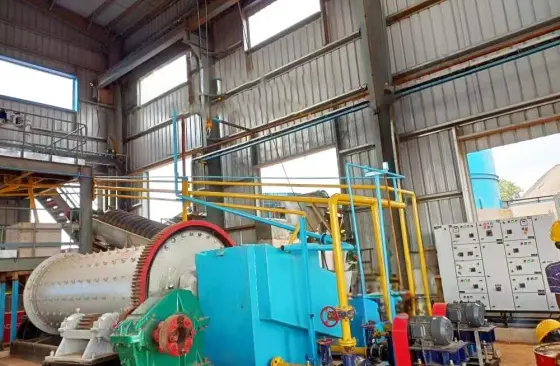
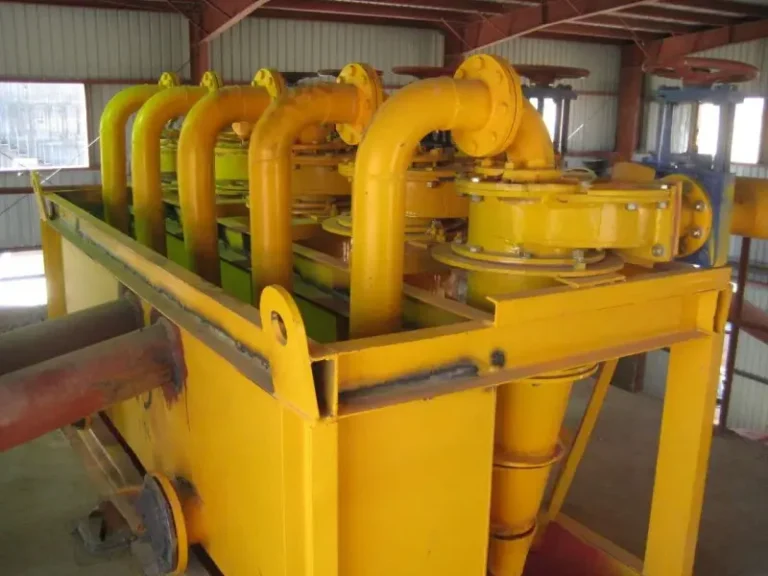
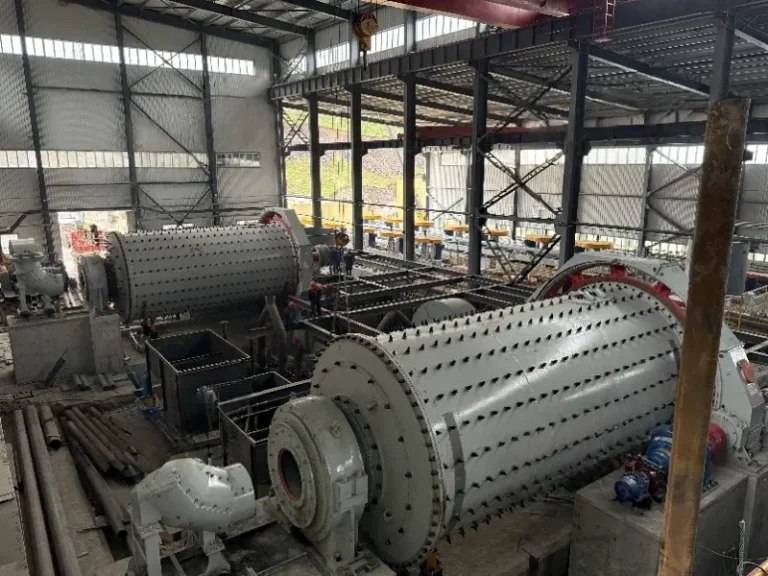
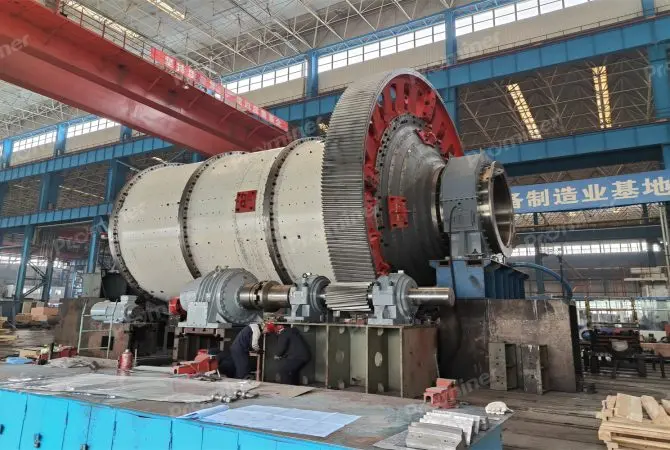
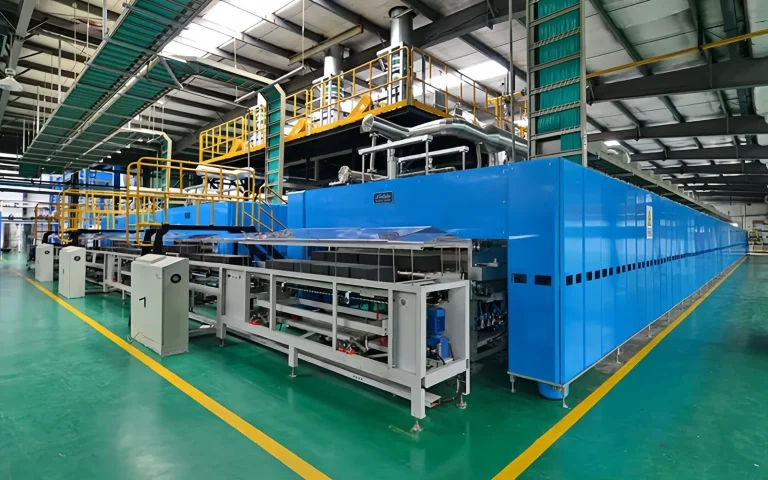
A: 黒鉛資源に関しては、自然黒鉛の浮選と深加工の両方を包含する完全なソリューションが必要です。ボールミルとハイドロサイクロンシステムは、基本的な粉砕段階として機能します。高級陽極材料の生産には、成形ミルが必要不可欠であり、比重を向上させて比表面積を低減します。さらに、コーティングと顆粒化の機能を兼ね備えたProminerコーティングシステムは、高利益率の陽極材料を処理する上で重要なステップです。
A:プロセスの選択は、鉱石の特性に完全に依存します。ゴールドCIL/CIPプロセスは、高品位酸化型金鉱を処理するための非常に一般的で効果的な方法です。多くの他の金鉱プロジェクトでは、フローテーションが最も人気のある処理方法です。投資を初期段階で節約したい所有者には、バット浸出や堆積浸出が柔軟で経済的な選択肢です。最も効率的で科学的なプロセスフローを決定するために、まず実験室やパイロットテストから始めることをお勧めします。
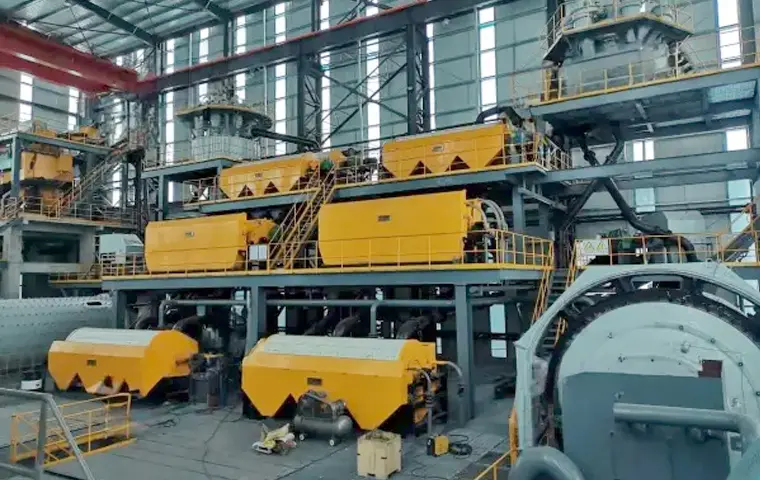
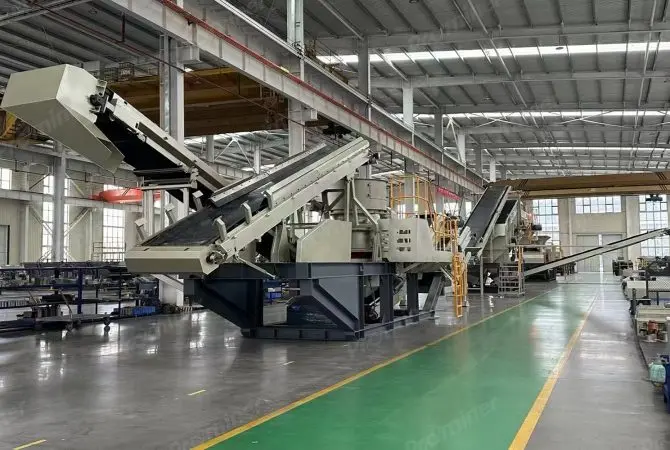
磁気分離は鉱物の品質向上にとって重要です。私たちは、異なる鉱物の磁気特性に対応するために、HIMS(高強度)およびLIMS(低強度)の磁気分離機を提供しています。最適化されたプラント設計では、この技術は単一シリンダーまたは多シリンダーの油圧式円錐破砕機を備えた高性能破砕システムとグラインドシステムと統合されています。これにより、不要な岩石を早期に排除し、生産性を大幅に向上させ、省エネルギーを実現します。
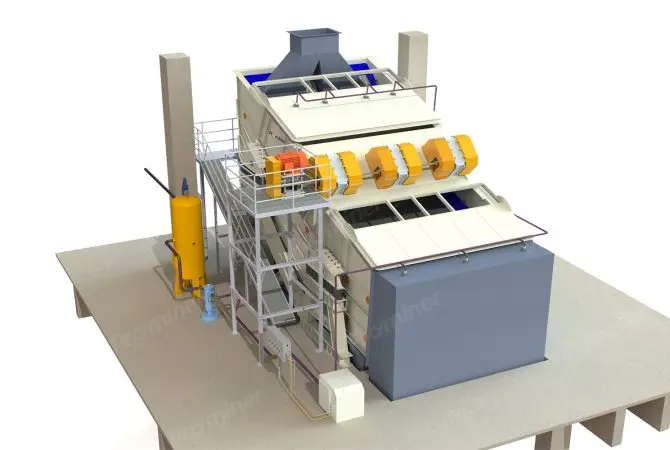
A: Designing a successful plant requires a comprehensive EPC (Engineering, Procurement, and Construction) service. Key considerations include engineering design (site surveys, sampling guidance, and PFD drawings) and equipment customization to ensure machinery matches the specific ore characteristics. For example, Prominer can customize linear screens up to 5.1m in width for large-scale grading and dewatering. Finally, professional on-site services, including civil work supervision and commissioning, are vital for long-term stable operation.

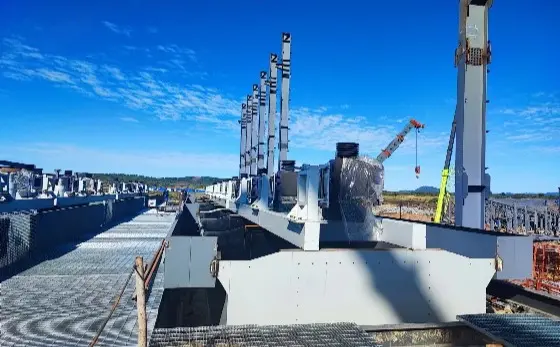
リチウムペグマタイト鉱石(スポジュメン主成分) Li₂O含有率:1.2% 最終製品:電池用リチウム
私たちの製品とソリューションについて詳しく知るためには、以下のフォームに記入してください。私たちの専門家の一人がすぐにご連絡いたします
ファックス: (+86) 021-58779592
住所:中国、上海、浦東、秀浦路2555号
著作権 © 2023.プロマイナー(上海)鉱業技術有限公司