How to Choose Between Different Iron Ore Beneficiation Processes?
Choosing the right iron ore beneficiation process depends on multiple factors related to the ore’s characteristics, economic considerations, and operational requirements. Below are the key steps and factors to guide the decision-making process:
1. Analyze Ore Characteristics
Understanding the physical and chemical properties of the ore is essential for selecting the beneficiation method. Key parameters include:
- Ore composition: Determine the percentage of iron content and impurities (e.g., silica, alumina, phosphorus, sulfur).
- 광물학: Identify the dominant iron-bearing minerals (e.g., hematite, magnetite, goethite, siderite) and associated gangue minerals.
- 입자 크기 분포: Evaluate the size of the ore particles, as it influences grinding and separation processes.
- 광물 경도: Determines the energy and equipment needed for communition.
2. Assess Ore Processing Requirements
- Grade of iron ore: Lower-grade ores may require more complex processes to achieve the desired product quality.
- 해방 크기: The process must effectively separate iron minerals from gangue material.
- Reduction and separation efficiency: Maximize recovery and minimize losses during beneficiation.
3. Evaluate Available Beneficiation Techniques
Common iron ore beneficiation processes include:
A. Magnetic Separation
- Suitable for magnetite ore with high magnetic susceptibility.
Low energy costs and highly efficient, but ineffective for hematite and other non-magnetic ores.
B. Flotation
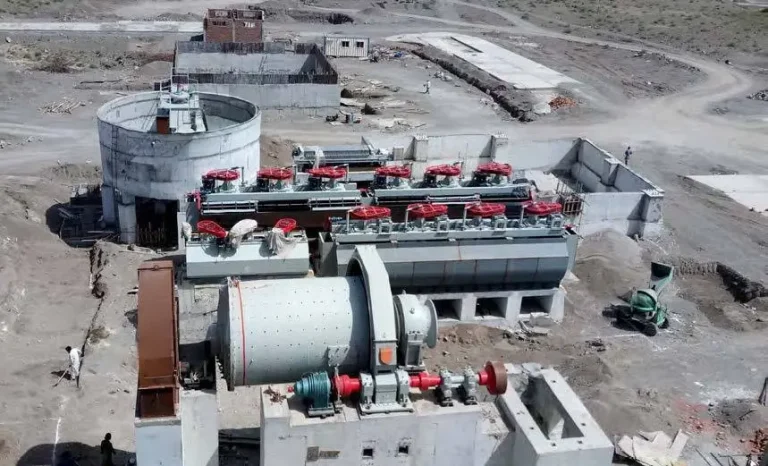
- Suitable for fine-grained ore and ores with silica or other impurities.
Requires chemical reagents; involves fine grinding and particle sorting in froth.
C. Gravity Separation
- Ideal for coarse-grained iron ores with distinct density differences between iron minerals and gangue.
Techniques include jigging, shaking tables, or spirals.
D. Crushing, Grinding, and Sizing
- Initial stages to achieve optimal liberation of ore phases.
Necessary for all types of iron ore beneficiation processes.
E. Selective Agglomeration
Used for fine and ultra-fine particles, where selective binding occurs between iron minerals to facilitate separation.
F. Chemical Processes (e.g., Hydrometallurgy)
- Used for ores with high levels of phosphorus, sulfur, or other impurities.
Rarely used due to higher costs and complexity.
G. Sintering and Pelletizing
- Often complement beneficiation, converting concentrated ore into usable feedstock for steel production.
4. Economic and Operational Considerations
- 비용 효율성: Assess the cost of equipment, energy consumption, reagent use, and labor.
- 확장성: Determine whether the chosen process can handle the expected production scale.
- Environment regulations: Ensure the beneficiation process complies with environmental standards.
- Availability of resources: Consider accessibility to water, energy, and raw material inputs.
5. Pilot Testing and Simulation
Before committing to a full-scale operation:
- Conduct small-scale tests to validate the effectiveness of various processes.
- Use modeling software to simulate beneficiation efficiency and predict outcomes.
6. Consider the End-Use Application
- Steel producers often specify the grade and characteristics of iron ore concentrates required.
- Ensure the chosen process meets product specifications for the intended market.
7. Hybrid Approaches
Some ores benefit from combining multiple beneficiation methods, e.g.:
- Pre-concentration through gravity followed by flotation.
- Magnetic separation combined with flotation for both magnetite and hematite ores.
8. Industry Benchmarks and Case Studies
- Examine proven processes in similar mines and ores.
- Leverage industry knowledge from consultants or technical specialists.
By thoroughly analyzing the ore, assessing economic and environmental factors, and testing different approaches, you can select an optimal beneficiation process tailored to your specific operation.
자주 묻는 질문
A: 광물의 특성은 동일한 광맥 내에서도 상당히 다를 수 있습니다. 전문적인 테스트(화학 분석, XRD, SEM 등)는 흐름도가 귀하의 특정 광석 등급과 해방 크기에 최적화되도록 보장합니다. 이는 비용이 많이 드는 장비 불일치를 방지하고 귀하의 프로젝트에 대해 가능한 가장 높은 회수율을 보장합니다.
A: 우리는 핵심 소모품(예: 크러셔 라이너, 스크린 메시, 연마 매체)의 상시 재고를 유지합니다. 해외 고객을 위해 초기 구매 시 추천 “2년 예비 부품 목록”을 제공합니다. 기술 지원은 연중무휴 24시간 원격 비디오로 제공되며, 복잡한 유지보수 요구 사항에 대해 현장 방문도 조정할 수 있습니다.
A: 네. 우리는 장비의 설치, 시운전 및 하중 테스트를 감독하기 위해 현장에 고위 기계 및 전기 엔지니어 팀을 보냅니다. 또한 귀하의 현지 운영자를 위한 포괄적인 현장 교육을 제공하여 원활한 장기 운영을 보장합니다.
A: 확실히. 우리는 EPCM(엔지니어링, 조달, 건설 관리) 서비스를 제공하는 전문가입니다. 이에는 초기 광석 테스트와 광산 설계부터 장비 제조, 물류, 그리고 전체 규모의 플랜트 통합까지 모든 것이 포함되어 있으며, 이는 녹지에서 생산으로의 원활한 전환을 보장합니다.