인산염 플로타션 효율성에 영향을 미치는 주요 요인은 무엇인가요?
인산염 플로테이션 효율성은 여러 상호 연관된 요인의 영향을 받으며, 이는 광석으로부터 인산염 광물의 분리 및 회수에 영향을 미칠 수 있습니다. 다음은 인산염 플로테이션 효율성에 영향을 미치는 주요 요인입니다:
1. 광물 조성과 해방
- 광석 종류인산염 광석의 광물학적 구성은 부양 성능에 상당한 영향을 미칩니다. 인산염 광물인 인회석은 효과적인 분리를 위해 균질 광물(예: 석영, 규산염, 탄산염)에서 적절하게 분리되어야 합니다.
- 분쇄 크기: 적절한 입자 크기를 달성하는 것은 인산염 광물의 충분한 해방을 보장하면서 부유 효율성을 저해할 수 있는 미세한 입자가 너무 많이 생성되지 않도록 합니다.
2. pH 수준
- 부동법 시스템의 pH는 광물과 시약 간의 표면 전하 및 상호작용을 결정하는 데 매우 중요합니다. 인산염 부양은 일반적으로 알칼리성 매질(pH 8–10)에서 수행되어 인산염 입자에 대한 시약(예: 집합체)의 효과적인 부착을 촉진하고 원하지 않는gangue 광물을 억제합니다.
3. 수집기 유형 및 용량
- 집합체이 화학물질들은 일반적으로 음이온 또는 양이온 계면활성제로, 인산염 광물에 선택적으로 결합하는 역할을 합니다. 일반적인 유형으로는 지방산(음이온 수집제) 또는 아민(양이온 수집제)이 있습니다.
- 복용량적절한 농도의 집합제를 사용하면 과도한 시약 소비나 농축물 오염 없이 인산염 광물의 선택적 부양을 보장할 수 있습니다.
4. 진정제 사용
- 우울제는 규산염이나 탄산염(예: 백운석)과 같은 원하지 않는 갱 미네랄의 떠다니는 것을 억제하는 데 도움을 줍니다. 일반적인 우울제로는 수산화 나트륨(수용성 유리), 전분 또는 기타 유기/무기 폴리머가 포함됩니다.
5. 거품기 추가
- 메틸 이소부틸 카르비놀(MIBC)이나 송진 오일과 같은 폼제는 폼을 안정화하고 거품 형성과 선택성을 개선하는 데 사용됩니다. 폼제의 타입과 농도는 폼 안정성을 조절하는 데 중요한 역할을 합니다.
6. 수질
- 공정수의 이온 조성과 경도는 부유 플로테이션 효율성에 영향을 미칠 수 있습니다. 특정 이온(예: Ca²⁺, Mg²⁺ 또는 SO₄²⁻)의 높은 농도는 시약 성능에 간섭하거나, 수집제를 침전시키거나, 광물 간의 원치 않는 상호작용을 촉진할 수 있습니다.
7. 온도
- 플로타치온 시스템의 온도는 화학 반응, 거품 안정성 및 광물 표면 활성도에 영향을 줄 수 있습니다. 지방산과 같은 특정 수집제는 높은 온도에서 더 효율적으로 작동합니다.
8. 시약 상호작용
- 시약(집합제, 억제제, 활성제, 변형제 및 거품제)의 호환성 및 선택적 작용은 광석 부유 결과를 최적화하는 데 매우 중요합니다. 불균형한 시약 상호작용은 회수율 저하 또는 농축물 품질 저하로 이어질 수 있습니다.
9. 슬러리 특성
- 슬러리 밀도와 펄프 점도의 적절한 조절은 효과적인 혼합, 기포-입자 상호작용 및 폼 흐름을 보장합니다. 높은 펄프 밀도는 인회수에 방해가 될 수 있으며, 너무 낮은 밀도는 비효율적인 시약 사용을 초래할 수 있습니다.
10. 공기 흐름 속도
- 기포 형성을 위한 공기 비율은 적절한 기포-입자 부착 및 거품 안정성을 달성하기 위해 최적화되어야 합니다. 지나치게 높은 또는 낮은 공기 흐름은 인산염 회수에 부정적인 영향을 미칠 수 있습니다.
11. 부유선 기계 설계
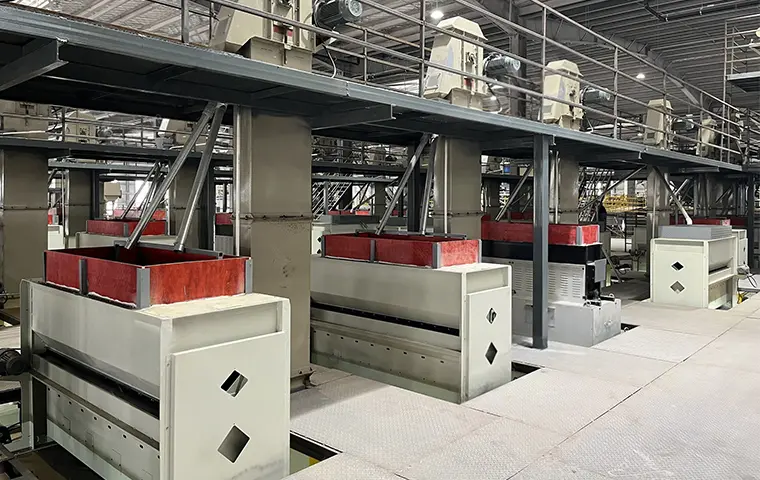
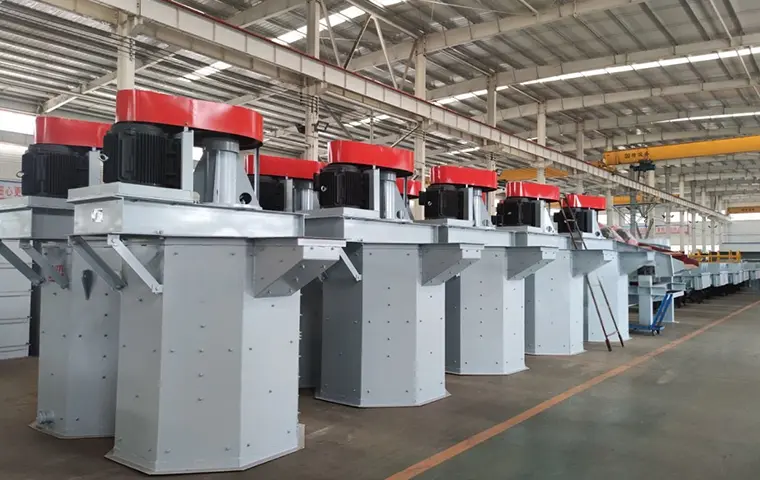
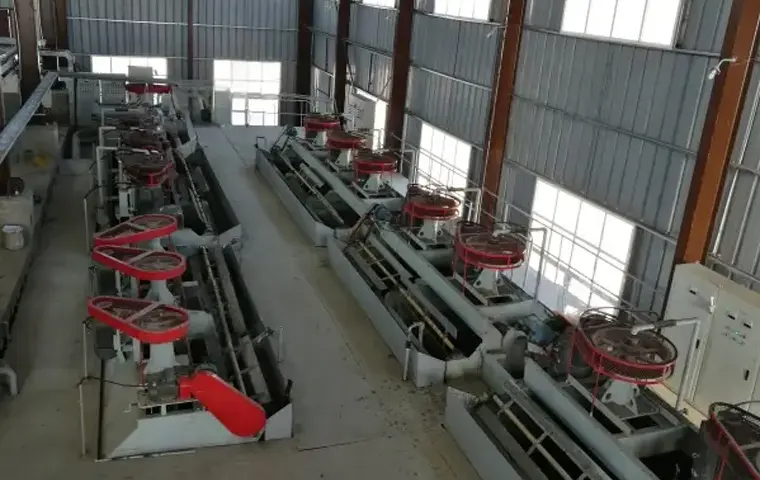
- 부유 장비의 유형과 설계(예: 탱크 셀, 기둥 셀)는 광물 분리 효율성에서 중요한 역할을 합니다. 임펠러 속도와 공기 주입 속도와 같은 기계적 요소는 기포 형성과 입자 회수에 영향을 미칩니다.
12. 불순물의 존재
- 원료 광석의 특정 불순물(예: 점토나 유기물)은 기포-입자 상호작용이나 시약 흡착에 영향을 미쳐 플로테이션에 방해가 될 수 있습니다. 이러한 문제를 완화하기 위해 효과적인 전처리 및 세척 단계가 필요할 수 있습니다.
13. 프로세스 제어 및 최적화
- 모든 운영 매개변수(예: pH, 시약 투여량, 공기 비율, 슬러리 밀도)를 일관되게 제어하면 안정적인 부유 결과와 향상된 인산염 회수를 가능하게 합니다.
이러한 요소를 최적화하려면 운영 조건, 시약 선택 및 광석 특성의 세심한 균형이 필요합니다. 파일럿 테스트와 지속적인 모니터링은 인산염 처리에서 높은 부양 효율성을 달성하는 데 종종 중요합니다.
프로미너(상하이) 광업 기술 유한회사는 전 세계적으로 완벽한 광물 처리 및 고급 소재 솔루션을 제공하는 데 전문화되어 있습니다. 우리의 핵심 사업 분야는 다음과 같습니다: 금 처리, 리튬 광석 선광, 산업 광물, 음극재 생산 및 흑연 처리 전문 분야입니다.
제품은 다음과 같습니다: 분쇄 및 분급, 분리 및 건조, 금 정제, 탄소/흑연 처리 및 침출 시스템입니다.
엔지니어링 설계, 장비 제작, 설치 및 운영 지원을 포함한 종합적인 서비스를 제공하며, 24시간 연중무휴 전문가 상담을 제공합니다.
우리 웹사이트 URL:죄송하지만, 특정 웹사이트의 콘텐츠를 직접 번역할 수는 없습니다. 대신 해당 웹사이트의 내용을 요약하거나 구체적인 부분을 요청하시면 도와드릴 수 있습니다. 어떤 내용을 번역해 드릴까요?
저희 이메일:[email protected]
우리의 판매:+8613918045927(리차드),+8617887940518(제시카),+8613402000314(브루노)