

Het goud CIL-proces (koolstof in leaching) is een zeer populaire manier om het hooggradige oxide-type gouderts te verwerken




Sulfide gold ores are among the most important sources of gold worldwide. However, gold in sulfide ores is often finely disseminated within sulfide minerals such as pyrite, arsenopyrite, and chalcopyrite, making extraction more complex than for free-milling ores. Developing a scientific and efficient beneficiation process is essential to maximize gold recovery, reduce costs, and minimize environmental impact.
Below is a systematic guide to developing a scientific process for sulfide gold ore beneficiation.
The foundation of any scientific beneficiation process is a thorough understanding of the ore.
Key analyses include:
Techniques such as X-ray diffraction (XRD), scanning electron microscopy (SEM), fire assay, and automated mineralogy systems (e.g., MLA) help determine how gold is locked within sulfides. This data directly influences process selection.
Based on ore characteristics, select a suitable beneficiation route. Sulfide gold ores typically require a combination of processes rather than a single method.
Common strategies include:
For refractory sulfide ores, pre-treatment methods such as roasting, pressure oxidation (POX), or bio-oxidation are often necessary to liberate encapsulated gold before cyanide leaching.
Proper comminution is critical for liberating gold-bearing sulfide minerals.
Key considerations:
Energy efficiency and cost control should be considered when selecting crushers, ball mills, or SAG mills.
Flotation is the most commonly used method to recover sulfide minerals containing gold.
Important parameters to optimize:
Test work should include roughing, scavenging, and cleaning stages to determine the best recovery-grade balance. Reagent schemes must be tailored to the specific sulfide minerals present.
When gold is finely locked within sulfide minerals, pre-treatment is required to break down the sulfide matrix.
Common pre-treatment methods:
The choice depends on ore type, capital investment, environmental regulations, and operating cost considerations.
After concentration or pre-treatment, gold is typically recovered by:
Key variables include cyanide concentration, dissolved oxygen levels, pulp pH, and leaching time. Laboratory leaching tests help determine optimal conditions.
A scientific process must be validated through systematic testing:
Pilot testing reduces technical risk and ensures the process performs consistently under continuous operation.
A sustainable beneficiation process must balance recovery with environmental responsibility.
Key factors:
Economic evaluation should include capital expenditure (CAPEX), operating expenditure (OPEX), and projected gold recovery improvements.
Once the plant is operational, ongoing monitoring and optimization are essential.
Continuous improvement ensures stable production and maximized profitability.
Developing a scientific process for sulfide gold ore beneficiation requires a structured, data-driven approach. From detailed ore characterization to pilot testing and process optimization, each stage must be carefully designed and validated. By combining appropriate crushing, flotation, pre-treatment, and gold extraction methods, mining operations can achieve high recovery rates while maintaining economic viability and environmental compliance.
A well-designed beneficiation process is not only a technical solution—it is the foundation of sustainable and profitable gold production.
A: Voor grafietbronnen moet een volledige oplossing zowel de natuurlijke grafietflotatie als verwerking op diepte omvatten. Het balpkart- en hydrocyclonsysteem dienen als de basis voor het maalproces. Voor de productie van geavanceerde anodenmaterialen is de vormpers essentieel om de tapdichtheid te verbeteren en de specifieke oppervlakte te verminderen. Daarnaast is het Prominer-coatingsysteem, dat coating- en granulatiefuncties combineert, een belangrijke stap in de verwerking van winstgevende anodenmaterialen.
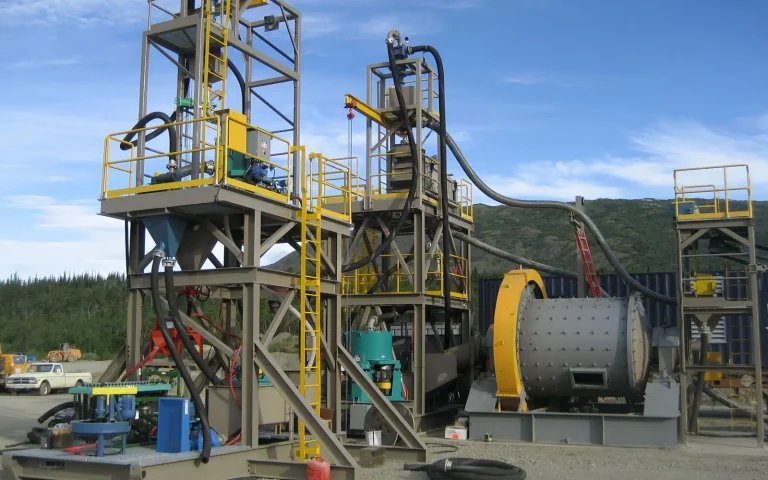
A: Processelectie hangt volledig af van de eigenschappen van het erts. Het Gold CIL/CIP-proces is een zeer populaire en effectieve manier om hoogwaardig oxidatiegouderts te verwerken. Voor veel andere goudprojecten blijft flotatie de meest populaire verwerkingsmethode. Voor eigenaren die bij de eerste fase willen besparen op investeringen, zijn vatstroom- of heap-stroombiolevering flexibele en economische opties. We raden aan te beginnen met een lab- en proefproces om de meest efficiënte en wetenschappelijke processtroom te bepalen.
A: Magnetische scheiding is cruciaal voor mijnverrijking. We bieden zowel HIMS (Hoge Intensiteit) als LIMS (Lage Intensiteit) magnetische scheiders om verschillende magneet eigenschappen van mineralen aan te kunnen. In een geoptimaliseerd plantontwerp wordt deze technologie geïntegreerd met een hoogrenderend breeksysteem—gebruikmakend van enkelcilinder- of meercilinder hydraulische kegelbrekers—en een maalproces. Dit zorgt ervoor dat afvalgesteente vroeg wordt afgewezen, wat de productiviteit aanzienlijk verbetert en energie bespaart.
A: Designing a successful plant requires a comprehensive EPC (Engineering, Procurement, and Construction) service. Key considerations include engineering design (site surveys, sampling guidance, and PFD drawings) and equipment customization to ensure machinery matches the specific ore characteristics. For example, Prominer can customize linear screens up to 5.1m in width for large-scale grading and dewatering. Finally, professional on-site services, including civil work supervision and commissioning, are vital for long-term stable operation.
Het goud CIL-proces (koolstof in leaching) is een zeer populaire manier om het hooggradige oxide-type gouderts te verwerken
Het bekendste van de exogenetische ertsen is alluviaal goud, dat ook wel placer goud wordt genoemd. Alluviaal goud verwijst
Siliconen gebaseerde anode is een soort composiet anodemateriaal door silicium te combineren

Ruweerts: Hausmannieterts (Mn₃O₄) Mn-graad: 35% Eindproduct: Hausmannietconcentraat Mn-herstelpercentage: 88%
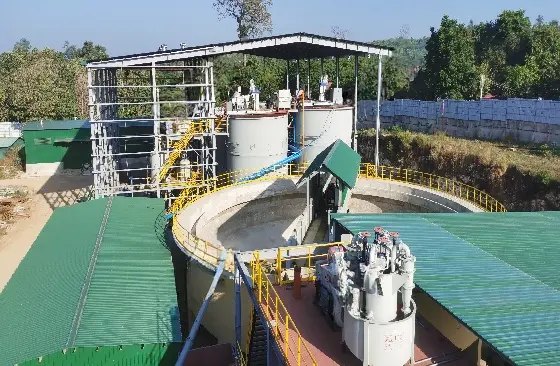
Locatie: Tanzania, Afrika & Centraal Kalimantan, Indonesië Erts type: Lage-graad sulfideerts (1,2–1,8 g/t Au)
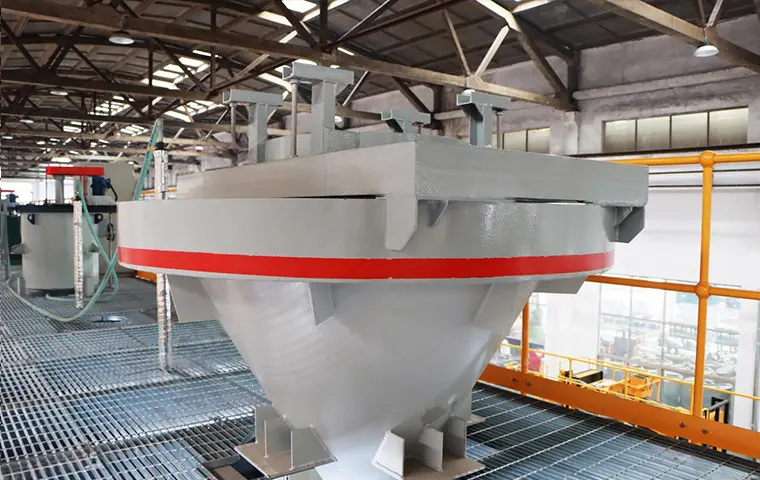
Ruwe Erts: Sulfide Type Gouderts Goudgraad: 3,5 g/t Eindproduct: Goudstaaf Goudherstelpercentage: 96%
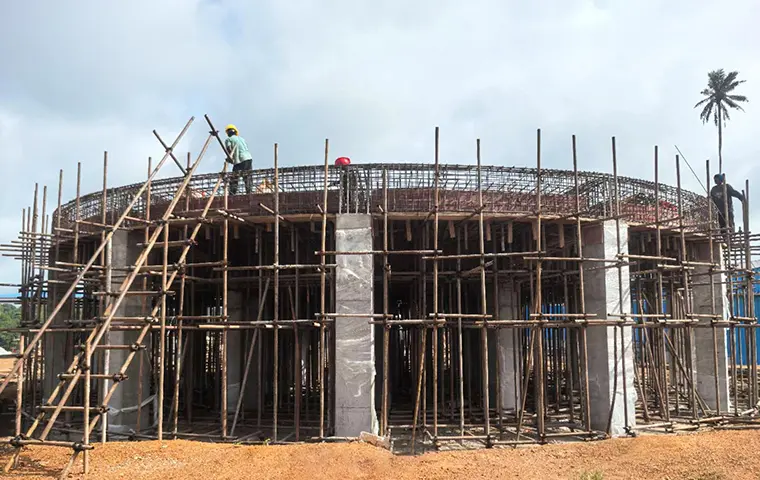
Voedingsmateriaal: Historisch opgehoopte goudstaarten Goudgehalte van de staarten: 1,5 g/t Doelgoudherstelpercentage: 88%
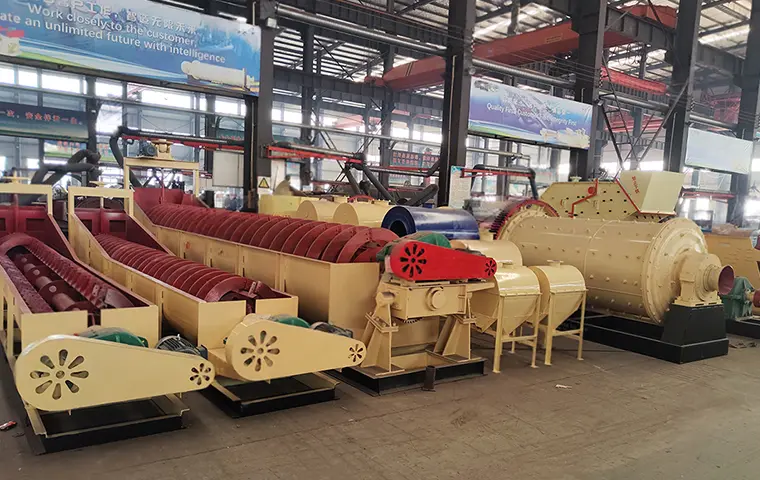
Ruweerts: Alluviaal Gouderts & Primair Harde Gouderts (Gemengde Voeding Mogelijkheid) Voedingsgoudgraad: 1,2 – 3,5 g/t (variabel)
Ruwe Erts: Alluviaal gouderts / Adergouderts na het malen Goudgraad: 1,5 – 2,5 g/t Goudstaaf Zuiverheid: ≥ 90%
Ruwe erts: Sulfaat-vasthoudend gouderts (25% sulfide) Goudgehalte: 2,8-4,1 g/t Eindproduct: 99,99% goud ingot
Ruwe erts: Magnetiet ijzererts met hematietbanden Fe-gehalte: 28-32% Eindproduct: Hoogwaardig ijzerconcentratie
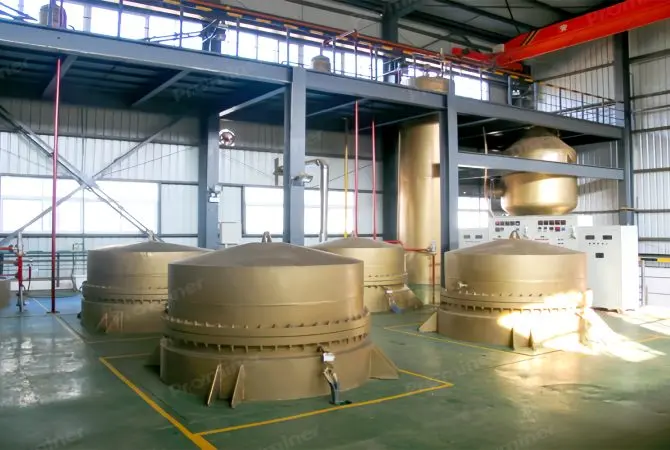
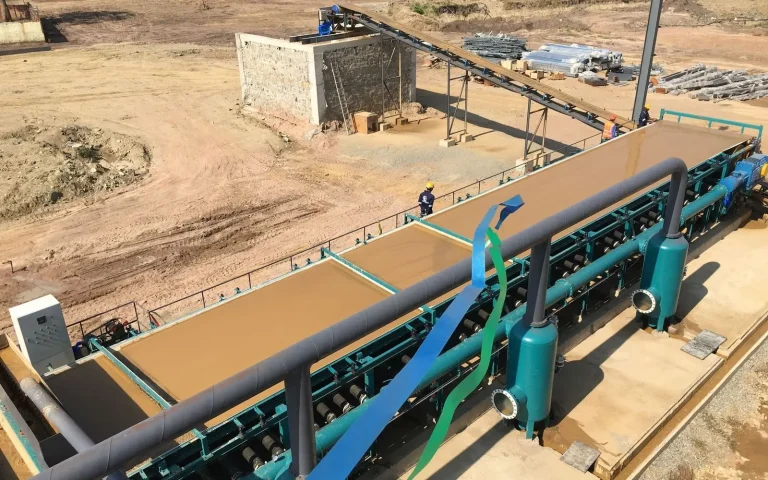
Prominer kan het complete raffinage- en smeltingssysteem voor het goud CIL-project ontwerpen en leveren
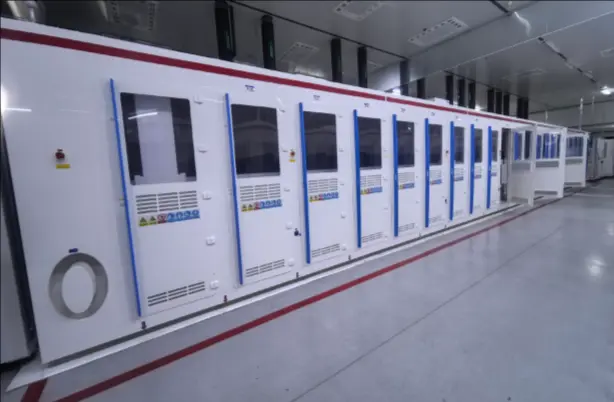
Inclusief: Monokristallijne batch-textuur-apparatuur, batch-textuur-loader/unloader, lage-druk...
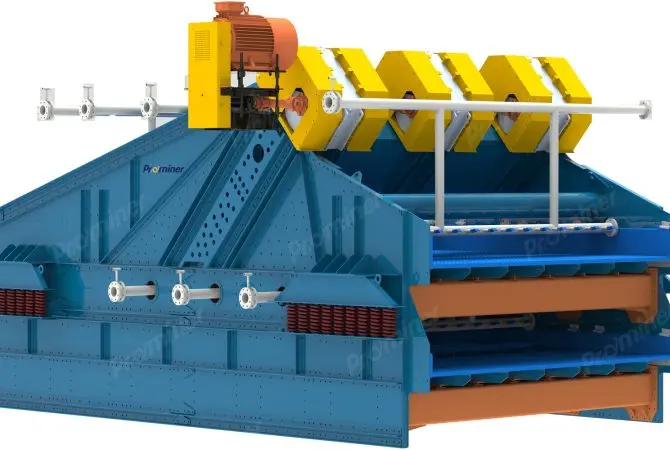
Prominer kan alle soorten lineaire schermen bieden voor mineraalgrading, materiaalgrootte, ontwatering
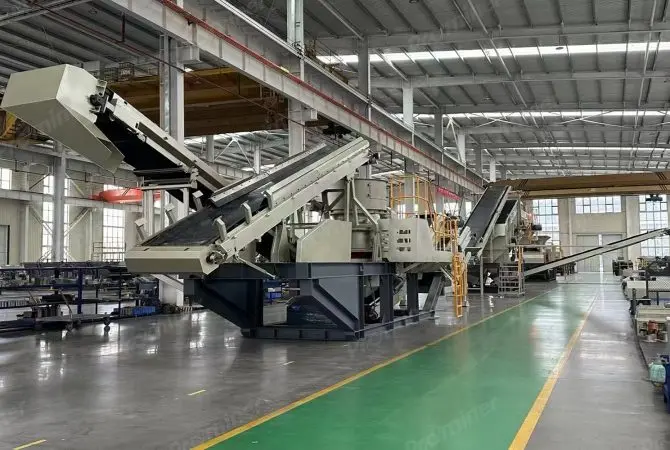
Skid gemonteerde draagbare crusher, gebaseerd op de markteisen voor gemakkelijker verplaatsen van de ene locatie naar de andere
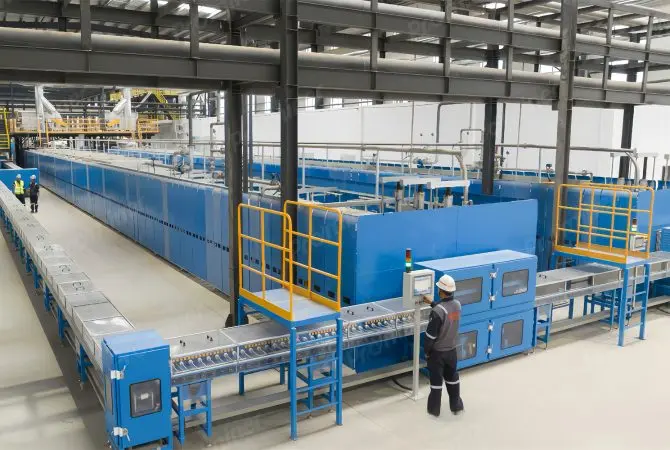
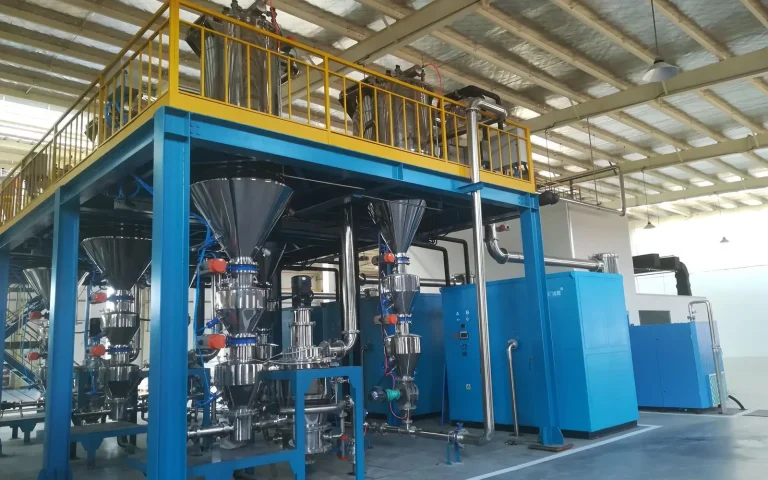
Wij kunnen de complete oplossing voor het koolstofisatiethermisch behandelingssysteem bieden
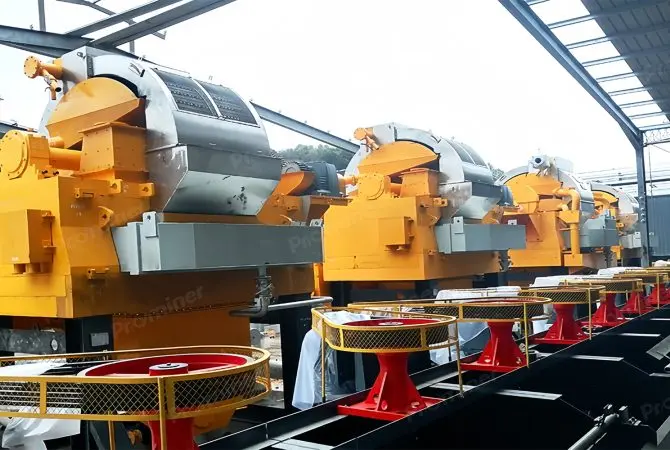
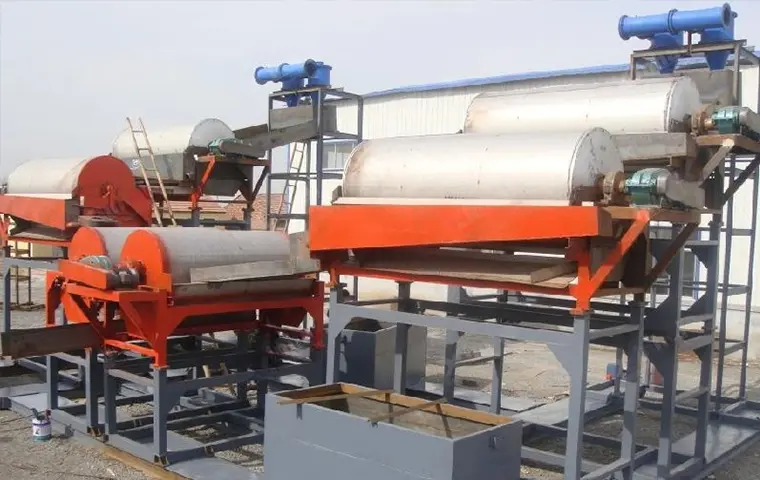
Prominer kan verschillende HIMS (High Intensity Magnetic Separator) magnetische scheiders leveren
Om meer te weten te komen over onze producten en oplossingen, vul alstublieft het onderstaande formulier in en een van onze experts zal u binnenkort terugbellen
3000 TPD goud flotatieproject in de provincie Shandong
2500 TPD lithiumerts flotatie in Sichuan
Fax: (+86) 021-58779592
Adres:Kamer 606, Gebouw D3, Fase II, Chuansha Business Center, Long 777, Miaochuan Road, Pudong Nieuwgebied, Shanghai, China
Auteursrecht © 2023.Prominer (Shanghai) Mining Technology Co., Ltd.


