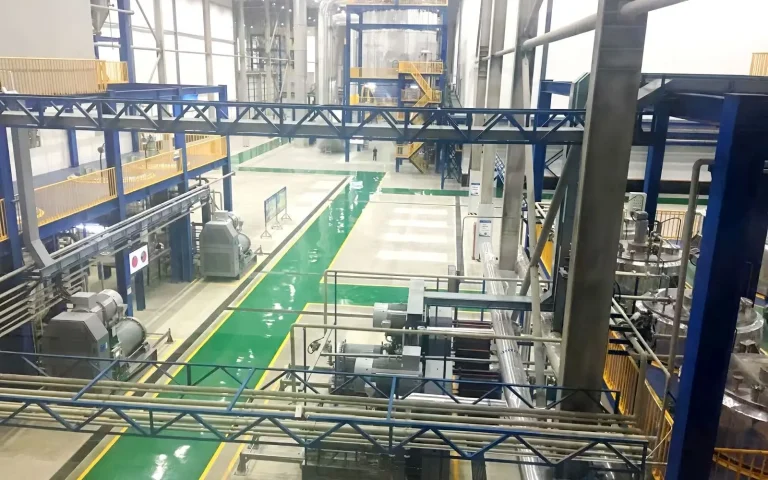
วัสดุแคโทดเป็นหนึ่งในวัสดุหลักที่กำหนดประสิทธิภาพของแบตเตอรี่ลิเธียมไอออน




แร่ทองซัลไฟด์เป็นหนึ่งในแหล่งทองที่สำคัญที่สุดในโลก อย่างไรก็ตาม ทองในแร่ซัลไฟด์มักกระจายตัวอยู่ในแร่ซัลไฟด์ เช่น ไพรต์, อาร์เซโนไพรต์ และคัลโคไพไรต์ ซึ่งทำให้การสกัดเป็นเรื่องที่ซับซ้อนมากกว่าการสกัดจากแร่ที่สามารถขุดและบดได้ง่าย การพัฒนากระบวนการแปรรูปทางวิทยาศาสตร์และมีประสิทธิภาพเป็นสิ่งจำเป็นเพื่อเพิ่มการกู้ทองให้สูงสุด ลดต้นทุน และลดผลกระทบต่อสิ่งแวดล้อม
ด้านล่างนี้เป็นคู่มือเชิงระบบสำหรับการพัฒนากระบวนการวิทยาศาสตร์ในการแยกแร่ทองคำซัลไฟด์
รากฐานของกระบวนการแยกแร่ทางวิทยาศาสตร์ใด ๆ คือความเข้าใจอย่างถ่องแท้เกี่ยวกับแร่
การวิเคราะห์หลักประกอบด้วย:
เทคนิคเช่น การวิเคราะห์ด้วยรังสีเอกซ์ (XRD), การใช้กล้องจุลทรรศน์อิเล็คตรอนแบบสแกน (SEM), การวิเคราะห์ด้วยวิธีไฟ (fire assay), และระบบแร่ธาตุอัตโนมัติ (เช่น MLA) ช่วยในการระบุว่าวิธีใดที่สามารถปลดปล่อยทองคำออกจากซัลไฟด์ได้ ข้อมูลนี้มีผลโดยตรงต่อการเลือกกระบวนการ
โดยพิจารณาคุณลักษณะแร่ทองคำที่เป็นซัลไฟด์ ให้เลือกเส้นทางการทำให้บริสุทธิ์แร่ที่เหมาะสม แร่ทองคำซัลไฟด์มักต้องการกระบวนการหลายขั้นมากกว่าการใช้วิธีเดียว
กลยุทธ์ทั่วไปได้แก่:
สำหรับแร่ซัลไฟด์ที่ทนต่อการละลาย วิธีการเตรียมล่วงหน้า เช่น การเผา การออกซิเดชันภายใดแรงดัน (POX) หรือการออกซิเดชันทางชีวภาพ มักเป็นสิ่งจำเป็นเพื่อปลดปล่อยทองคำที่ถูกห่อหุ้มอยู่ก่อนการล้างด้วยไซยาไนด์
การบดอ่อนที่เหมาะสมเป็นสิ่งสำคัญในการปลดปล่อยแร่ซัลไฟด์ที่มีทองคำเป็นสารประกอบ
ข้อควรพิจารณา:
ควรพิจารณาประสิทธิภาพด้านพลังงานและการควบคุมต้นทุนเมื่อเลือกใช้เครื่องบด เครื่องลูกบอล หรือเครื่อง SAG mills
การลอยตัวเป็นวิธีที่นิยมใช้มากที่สุดในการสกัดแร่ซัลไฟด์ที่มีทองคำเป็นส่วนประกอบ
พารามิเตอร์สำคัญที่ต้องปรับแต่ง:
งานทดสอบควรรวมขั้นตอนการเตรียมเบื้องต้น การขจัดสิ่งปนเปื้อน และการทำความสะอาด เพื่อหาความสมดุลของอัตราการฟื้นฟูที่ดีที่สุด แผนการใช้สารเคมีต้องปรับให้เหมาะสมกับแร่ซัลไฟด์เฉพาะที่มีอยู่
เมื่อทองคำถูกฝังอยู่ในแร่ซัลไไฟด์อย่างละเอียด การเตรียมล่วงหน้าจำเป็นต้องทำเพื่อทำลายโครงสร้างซัลไฟด์
วิธีการเตรียมก่อนการบำบัดที่นิยมใช้:
ทางเลือกขึ้นอยู่กับประเภทของแร่ การลงทุนด้านทุน ข้อบังคับด้านสิ่งแวดล้อม และข้อพิจารณาด้านต้นทุนการดำเนินงาน
หลังจากการเข้มข้นหรือการบำบัดล่วงหน้า ทองคำมักจะถูกกู้คืนโดย:
ตัวแปรหลักประกอบด้วยความเข้มข้นของไซยาไนด์ ระดับออกซิเจนละลาย ค่า pH ของเนื้อเยื่อ และเวลาในการละลาย การทดสอบการละลายในห้องปฏิบัติการช่วยกำหนดเงื่อนไขที่เหมาะสม
กระบวนการทางวิทยาศาสตร์ต้องได้รับการยืนยันผ่านการทดสอบอย่างเป็นระบบ
การทดสอบนำร่องช่วยลดความเสี่ยงด้านเทคนิคและรับรองว่าขั้นตอนทำงานอย่างสม่ำเสมอภายใต้การดำเนินงานอย่างต่อเนื่อง
กระบวนการทำเหมืองที่ยั่งยืนต้องสมดุลระหว่างการกู้คืนกับความรับผิดชอบด้านสิ่งแวดล้อม
ปัจจัยสำคัญ:
การประเมินด้านเศรษฐกิจควรรวมถึงค่าใช้จ่ายด้านทุน (CAPEX), ค่าใช้จ่ายในการดำเนินงาน (OPEX), และการปรับปรุงการสกัดทองคำที่คาดการณ์ไว้
เมื่อพืชผลิตงานได้แล้ว การติดตามและปรับปรุงอย่างต่อเนื่องเป็นสิ่งสำคัญ
การปรับปรุงอย่างต่เนื่องทำให้การผลิตมีเสถียรภาพและผลกำไรสูงสุด
การพัฒนากระบวนการทางวิทยาศาสตร์สำหรับการทำให้ทองคำในแร่ซัลไฟด์เป็นประโยชน์ ต้องอาศัยแนวทางที่เป็นระบบและอิงข้อมูล ตั้งแต่การวิเคราะห์แร่ที่ละเอียด ไปจนถึงการทดสอบแบบต้นแบบและการปรับปรุงกระบวนการ แต่ละขั้นตอนต้องได้รับการออกแบบและตรวจสอบอย่างรอบคอบ โดยการผสมผสานวิธีการบด การลอยตัว การเตรียมล่วงหน้า และวิธีการสกัดทองคำอย่างเหมาะสม การดำเนินงานเหมืองสามารถบรรลุอัตราการกู้คืนสูง ในขณะเดียวกันก็รักษาความสามารถทางเศรษฐกิจและการปฏิบัติตามมาตรฐานสิ่งแวดล้อม
กระบวนการขุดแยกที่ออกแบบมาอย่างดีไม่ใช่เพียงแค่แนวทางด้านเทคนิคเท่านั้น แต่เป็นพื้นฐานของการผลิตทองคำอย่างยั่งยืนและสร้างกำไร
A: สำหรับทรัพยากรกราไฟต์ คำตอบที่สมบูรณ์ควรครอบคลุมทั้งการลอยตัวของกราไฟต์ธรรมชาติและการประมวลผลเชิงลึก ระบบเครื่องบดลูกและระบบไซโคลนไฮโดรเป็นขั้นตอนการบดเบื้องต้น สำหรับการผลิตวัสดุขั้วไฟฟ้าขั้นสูง การหมุนขึ้นรูปเป็นสิ่งจำเป็นเพื่อปรับปรุงความหนาแน่นของแท่งและลดพื้นผิวเฉพาะ นอกจากนี้ ระบบเคลือบ Prominer ซึ่งรวมฟังก์ชันการเคลือบและการกลายเป็นเม็ดเป็นขั้นตอนสำคัญในการประมวลผลวัสดุขั้วไฟฟ้าที่มีกำไรสูง
A: การเลือกกระบวนการขึ้นอยู่กับลักษณะของแร่เป็นหลัก กระบวนการ Gold CIL/CIP เป็นวิธีที่ได้รับความนิยมและมีประสิทธิภาพสูงในการแปรรูปแร่ทองคำประเภทออกไซด์คุณภาพสูง สำหรับโครงการทองคำอื่น ๆ การลอยตัวยังคงเป็นวิธีการแปรรูปที่ได้รับความนิยมมากที่สุด สำหรับเจ้าของที่ต้องการประหยัดงบประมาณในขั้นต้น การปล่อยแร่ในถัง (vat leaching) หรือ การปล่อยแร่เป็นกอง (heap leaching) เป็นทางเลือกที่ยืดหยุ่นและคุ้มค่า เราแนะนำให้เริ่มต้นด้วยการทดสอบในห้องปฏิบัติการและการทดสอบนำร่องเพื่อกำหนดกระบวนการที่มีประสิทธิภาพและเป็นวิทยาศาสตร์มากที่สุด
A: การแยกแม่เหล็กเป็นสิ่งสำคัญสำหรับการปรับปรุงแร่ธาตุ เราให้บริการแยกแม่เหล็กทั้ง HIMS (ความเข้มสูง) และ LIMS (ความเข้มต่ำ) เพื่อจัดการกับคุณสมบัติแม่เหล็กของแร่ธาตุต่าง ๆ ในการออกแบบโรงงานที่ได้รับการปรับปรุง เทคโนโลยีนี้จะถูกผสมผสานกับระบบบดละเอียดประสิทธิภาพสูง—โดยใช้เครื่องบดทรงกระบอกเดี่ยวหรือเครื่องบดทรงกระบอกหลายลูกสูบ—and ระบบบดละเอียด เพื่อให้แน่ใจว่าหินปนเปื้อนถูกคัดออกในขั้นต้น ซึ่งจะช่วยปรับปรุงผลผลิตอย่างมากและประหยัดพลังงาน
A: การออกแบบโรงงานที่ประสบความสำเร็จต้องอาศัยบริการ EPC (วิศวกรรม, จัดซื้อ, ก่อสร้าง) ที่ครอบคลุม ประกอบด้วยการพิจารณาหลักเช่น การออกแบบวิศวกรรม (สำรวจพื้นที่ แนวทางการเก็บตัวอย่าง และแบบร่าง PFD) และการปรับแต่งอุปกรณ์เพื่อให้แน่ใจว่าเครื่องจักรตรงกับลักษณะของแร่ที่เฉพาะเจาะจง ตัวอย่างเช่น Prominer สามารถปรับแต่งหน้าจอแนวนอนความกว้างสูงสุด 5.1 เมตร สำหรับการแยกและระบายน้ำแบบขนาดใหญ่ ในที่สุด บริการบนพื้นที่มืออาชีพ รวมทั้งการกำกับดูแลงานก่อสร้างและการเริ่มใช้งาน เป็นสิ่งสำคัญสำหรับการดำเนินงานที่เสถียรในระยะยาว
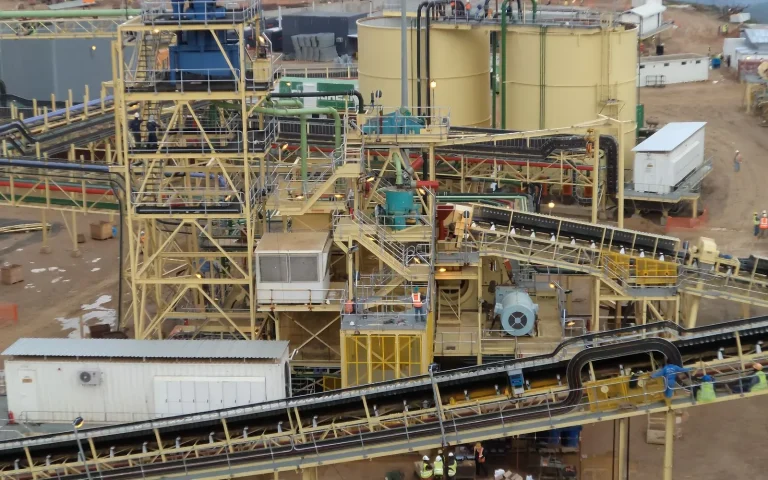
ฟลอทเตชั่นเป็นวิธีการแปรรูปที่ได้รับความนิยมมากที่สุดในโครงการการแปรรูปแร่ทองคำ เนื่องจากกระบวนการฟลอทเตชั่น

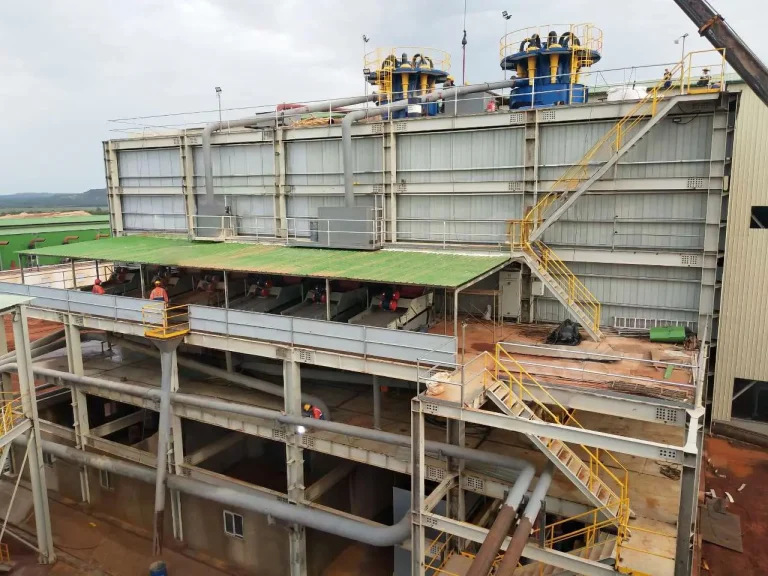
แร่ดิบ: แร่ทองคำตะกอนจากแหล่งน้ำ ทะเลทราย องศาของทองคำ: 0.7 กรัม/ตัน (เฉลี่ย) อัตราการแยก: 90%
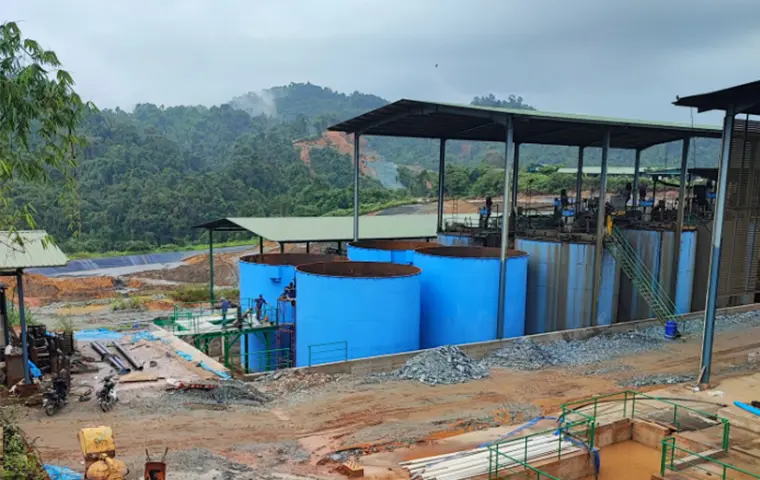
แร่ดิบ: แร่ทองคำซัลไฟด์ที่ทนความร้อนและกึ่งทนความร้อน ระดับทองคำ: 2.65 กรัม/ตัน ความบริสุทธิ์ของแท่งทองคำ: ≥95.5%
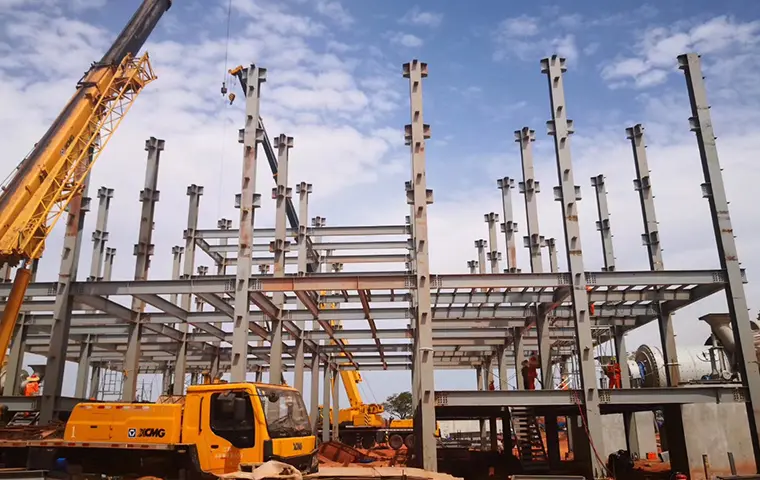
ตั้งอยู่ในกินี โครงการขนาดใหญ่นี้มีความสามารถในการประมวลผล 15,000 ตันต่อวัน (TPD)
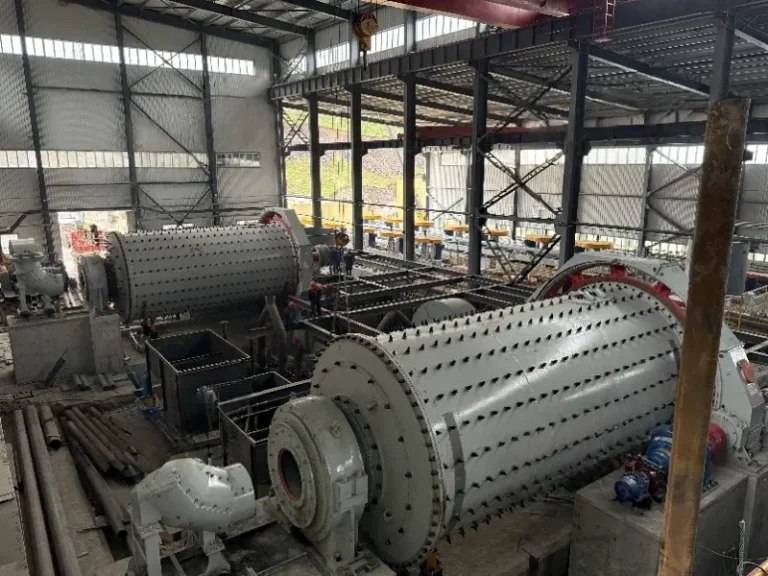
แร่ดิบ: แร่ไนเคิลลีเทอไรต์ชนิดลิโมไนต์ Ni: 1.2% Co: 0.12%
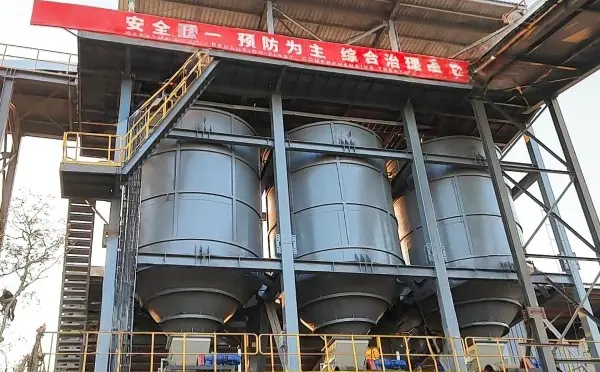
แร่ดิบ: เลพิดอไลต์, สโพดุมีน, แร่ธาตุอื่นๆ: ควอทซ์, เฟลด์สปาร์, ไมกา ระดับ Li₂O: 0.8%
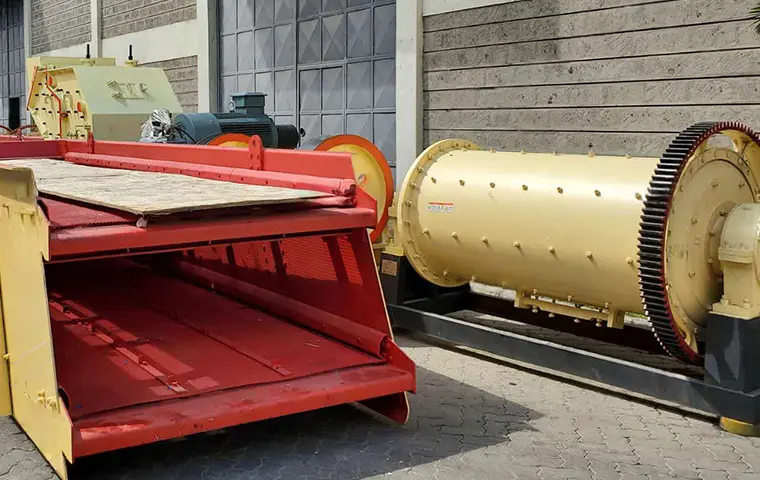
แร่ดิบ: แร่ทองคำออกไซด์ผสมและซัลไฟด์ เกรดทองคำ: 3.5 กรัม/ตัน อัตราการฟื้นฟูทองคำ: 92%
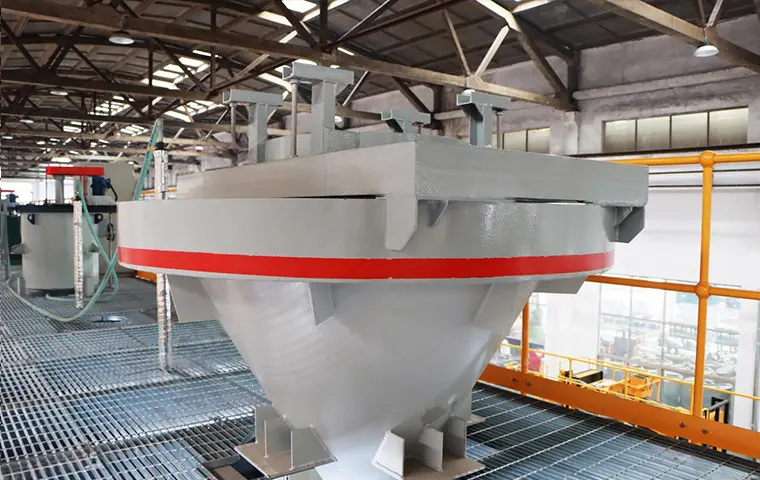
แร่ดิบ: แร่ทองคำประเภทซัลไฟด์ เกรดทอง: 3.5 กรัม/ตัน ผลิตภัณฑ์สุดท้าย: ทองคำแท่ง อัตราการกู้คืนทองคำ: 96%

วัสดุดิบ: กากทองจากโรงงานทองคำที่มีอยู่ (All-slime) เกรดทองในกาก: 1.2 กรัม/ตัน ผลิตภัณฑ์สุดท้าย: บล็อกทองคำ
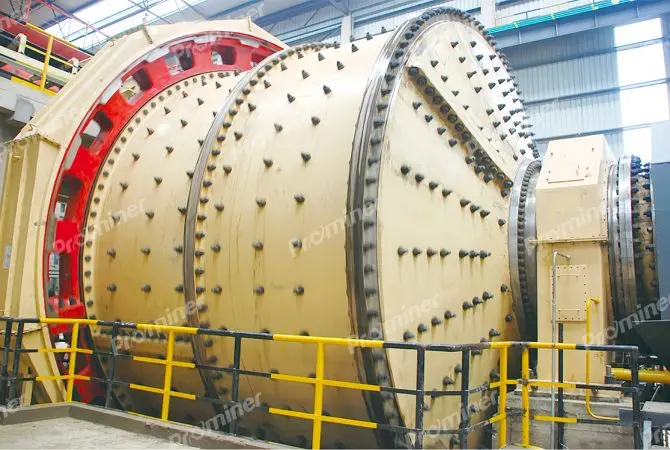
AG/SAG ย่อมาจากโรงสีออโตเจนัสและโรงสีเซมิออโตเจนัส ซึ่งรวมฟังก์ชันการบดสองอย่าง
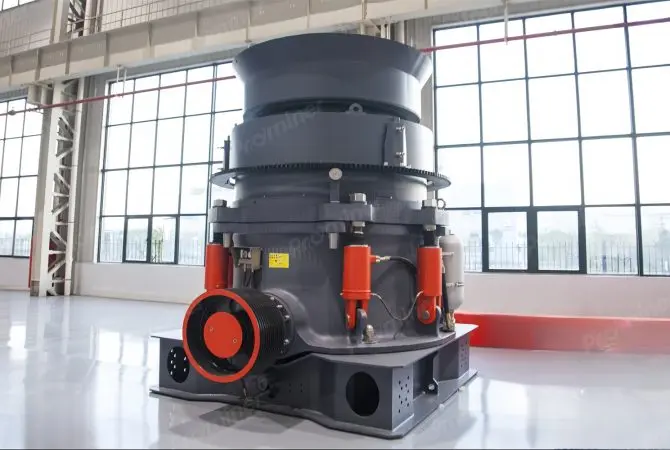
เครื่องบดกรวยไฮดรอลิกหลายกระบอกรวมความเร็วของเครื่องบด, ความเบี่ยงเบนและรูปแบบห้อง
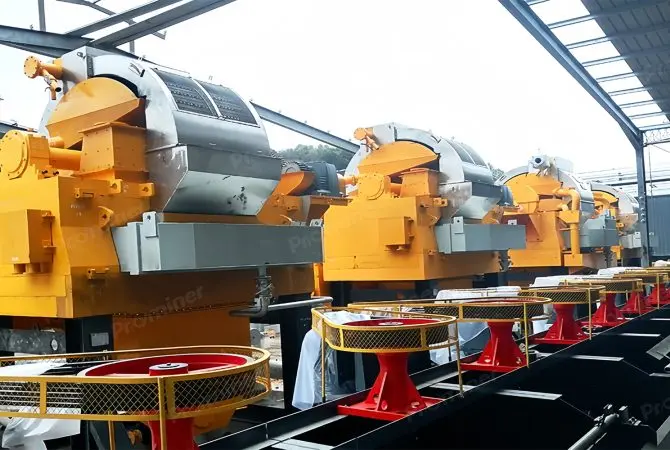
Prominer สามารถจัดหาเครื่องแยกแม่เหล็ก HIMS (เครื่องแยกแม่เหล็กความเข้มสูง) ที่แตกต่างกันได้
หากต้องการทราบข้อมูลเพิ่มเติมเกี่ยวกับผลิตภัณฑ์และโซลูชันของเรา โปรดกรอกแบบฟอร์มด้านล่างและผู้เชี่ยวชาญของเราจะติดต่อกลับหาคุณในไม่ช้า
โครงการฟลอทเตชั่นทองคำ 3000 TPD ในมณฑลซานตง
ฟลอทเตชั่นแร่ลิเธียม 2500 TPD ในเสฉวน
Fax: (+86) 021-58779592
ที่อยู่: ห้อง 606 อาคาร D3 เฟส II ศูนย์ธุรกิจฉวนซา 777 ถนนหลง เมียโอฉวน ถัง เขตผู่ตงใหม่ เซี่ยงไฮ้ ประเทศจีน
ลิขสิทธิ์ © 2023. บริษัท โปรมิเนอร์ (เซี่ยงไฮ้) ไมนิ่ง เทคโนโลยี จำกัด