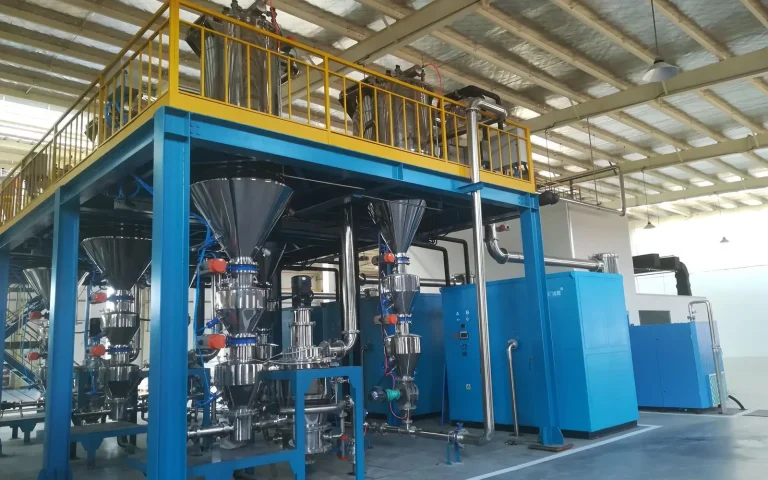
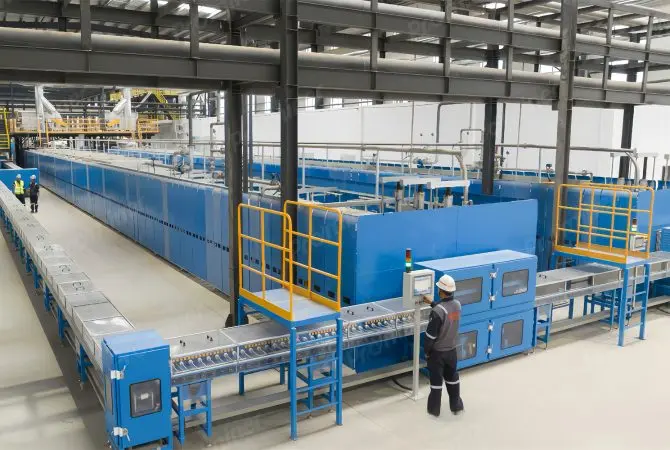
Altın CIL süreci (siyanürle muamele edilen karbon) yüksek derece oksit türü altın cevherini işlemek için çok popüler bir yoldur.


/
/
How to Develop a Scientific Process for Sulfide Gold Ore Beneficiation?


Sulfide gold ores are among the most important sources of gold worldwide. However, gold in sulfide ores is often finely disseminated within sulfide minerals such as pyrite, arsenopyrite, and chalcopyrite, making extraction more complex than for free-milling ores. Developing a scientific and efficient beneficiation process is essential to maximize gold recovery, reduce costs, and minimize environmental impact.
Below is a systematic guide to developing a scientific process for sulfide gold ore beneficiation.
The foundation of any scientific beneficiation process is a thorough understanding of the ore.
Key analyses include:
Techniques such as X-ray diffraction (XRD), scanning electron microscopy (SEM), fire assay, and automated mineralogy systems (e.g., MLA) help determine how gold is locked within sulfides. This data directly influences process selection.
Based on ore characteristics, select a suitable beneficiation route. Sulfide gold ores typically require a combination of processes rather than a single method.
Common strategies include:
For refractory sulfide ores, pre-treatment methods such as roasting, pressure oxidation (POX), or bio-oxidation are often necessary to liberate encapsulated gold before cyanide leaching.
Proper comminution is critical for liberating gold-bearing sulfide minerals.
Key considerations:
Energy efficiency and cost control should be considered when selecting crushers, ball mills, or SAG mills.
Flotation is the most commonly used method to recover sulfide minerals containing gold.
Important parameters to optimize:
Test work should include roughing, scavenging, and cleaning stages to determine the best recovery-grade balance. Reagent schemes must be tailored to the specific sulfide minerals present.
When gold is finely locked within sulfide minerals, pre-treatment is required to break down the sulfide matrix.
Common pre-treatment methods:
The choice depends on ore type, capital investment, environmental regulations, and operating cost considerations.
After concentration or pre-treatment, gold is typically recovered by:
Key variables include cyanide concentration, dissolved oxygen levels, pulp pH, and leaching time. Laboratory leaching tests help determine optimal conditions.
A scientific process must be validated through systematic testing:
Pilot testing reduces technical risk and ensures the process performs consistently under continuous operation.
A sustainable beneficiation process must balance recovery with environmental responsibility.
Key factors:
Economic evaluation should include capital expenditure (CAPEX), operating expenditure (OPEX), and projected gold recovery improvements.
Once the plant is operational, ongoing monitoring and optimization are essential.
Continuous improvement ensures stable production and maximized profitability.
Developing a scientific process for sulfide gold ore beneficiation requires a structured, data-driven approach. From detailed ore characterization to pilot testing and process optimization, each stage must be carefully designed and validated. By combining appropriate crushing, flotation, pre-treatment, and gold extraction methods, mining operations can achieve high recovery rates while maintaining economic viability and environmental compliance.
A well-designed beneficiation process is not only a technical solution—it is the foundation of sustainable and profitable gold production.
A: Grafit kaynakları için, tam bir çözüm hem doğal grafik flotasyonu hem de derin işleme süreçlerini kapsamalıdır. Topball değirmeni ve hidrosiklon sistemi temel öğütme aşaması olarak hizmet eder. Gelişmiş anot malzemesi üretimi için şekillendirme değirmeni, tap yoğunluğunu artırmak ve belirli yüzey alanını azaltmak için hayati öneme sahiptir. Ayrıca, kaplama ve granülasyon fonksiyonlarını birleştiren Prominer kaplama sistemi, yüksek kâr marjı sağlayan anot malzemelerinin işlenmesinde önemli bir adımdır.
A: İşlem seçimi tamamen cevherin özelliklerine bağlıdır. Altın CIL/CIP süreci, yüksek kaliteli oksit tipi altın cevheri işlemenin çok popüler ve etkili bir yoludur. Diğer birçok altın projesinde ise flotasyon en çok tercih edilen işlem yöntemidir. İlk aşamada yatırım tasarrufu yapmak isteyen sahipler için kazana leaching veya yığın leaching esnek ve ekonomik seçeneklerdir. En uygun ve bilimsel süreç akışını belirlemek için laboratuvar ve pilot test ile başlamanızı öneririz.
A: Manyetik ayırma, mineral yükseltme için kritik öneme sahiptir. Farklı mineral manyetik özelliklerini işlemek için hem HIMS (Yüksek Yoğunluk) hem de LIMS (Düşük Yoğunluk) manyetik ayırıcılar sağlıyoruz. Optimize edilmiş bir bitki tasarımında, bu teknoloji yüksek performanslı kırıcı sistemi—tek silindirli veya çok silindirli hidrolik konik kırıcılar kullanılarak—ve bir öğütme sistemi ile entegre edilir. Bu sayede, atık kaya erken safhada reddedilir, verimlilik önemli ölçüde artırılır ve enerji tasarrufu sağlanır.
A: Başarılı bir tesis tasarlamak, kapsamlı bir EPC (Mühendislik, Tedarik ve İnşaat) hizmeti gerektirir. Anahtar hususlar arasında mühendislik tasarımı (alan araştırmaları, numune alma yönergeleri ve PFD çizimleri) ve makinelerin özel cevher özelliklerine uygun şekilde özelleştirilmesi bulunur. Örneğin, Prominer, büyük ölçekli sınıflandırma ve dewatering işlemleri için 5,1 metreye kadar genişlikte doğrusal ekranları özelleştirebilir. Son olarak, uzun vadeli istikrarlı çalışma için karmaşık işlerin denetimi ve devreye alınması da dahil olmak üzere profesyonel sahada hizmetler önemlidir.
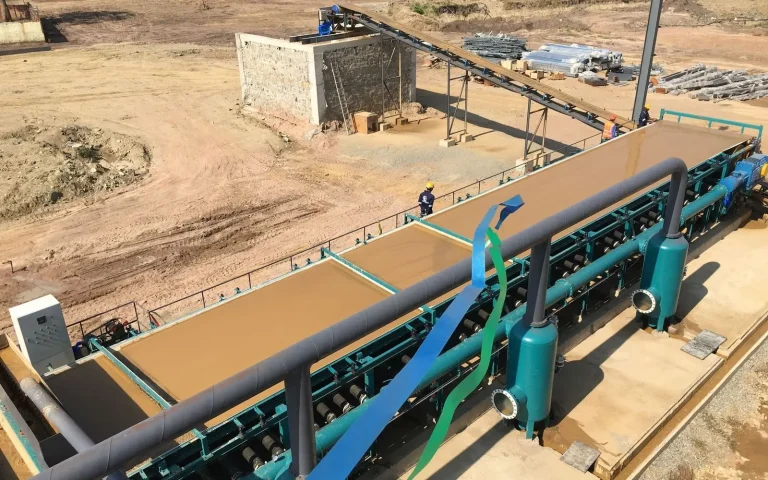
Altın CIL süreci (siyanürle muamele edilen karbon) yüksek derece oksit türü altın cevherini işlemek için çok popüler bir yoldur.
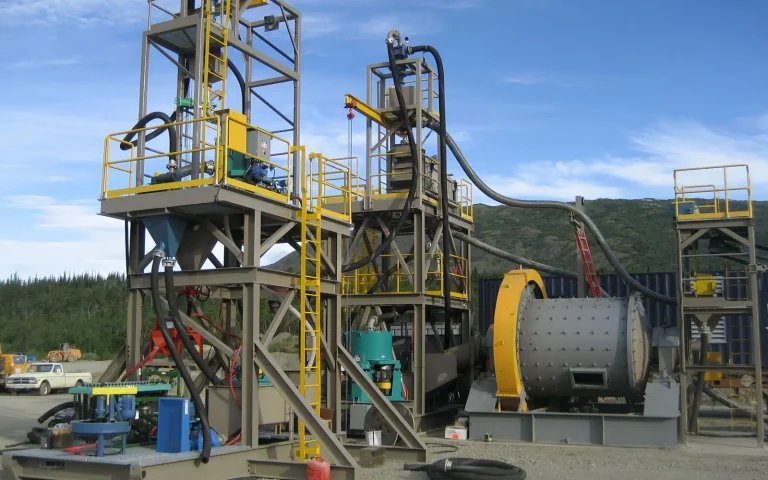
Dışsal cevherlerin en iyi bilinenlerinden biri, yeraltı altın olarak da adlandırılan allüvyal altındır. Allüvyal altın, …

Ham Cevher: Hausmannit Cevheri (Mn₃O₄) Mn Gradyanı: %35 Nihai Ürün: Hausmannit Konsantresi Mn Gerçekleştirme Oranı: %88
Konum: Tanzanya, Afrika ve Merkez Kalimantan, Endonezya Maden Türü: Düşük Dereceli Sülfürlü Maden (1.2-1.8 g/t Au)
Ham Maden: Sülfür tipi Altın Maden Altın Derecesi: 3,5 g/t Nihai Ürün: Altın Külçe Altın Geri Kazanım Oranı: %96
Besleme Malzemesi: Tarihsel Olarak Stoklanan Altın Atıklar Atık Altın Gradi: 1.5 g/t Hedef Altın Geri Kazanım Oranı: %88
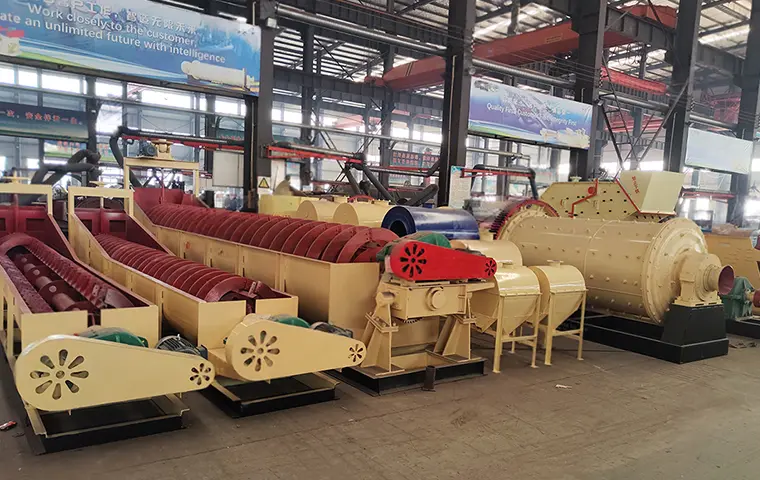
Ham Maden: Alüvyal Altın Maden ve Birincil Sert Kayalık Altın Maden (Karışık Besleme Yeteneği) Besleme Altın Derecesi: 1.2 – 3.5 g/t (değişken)
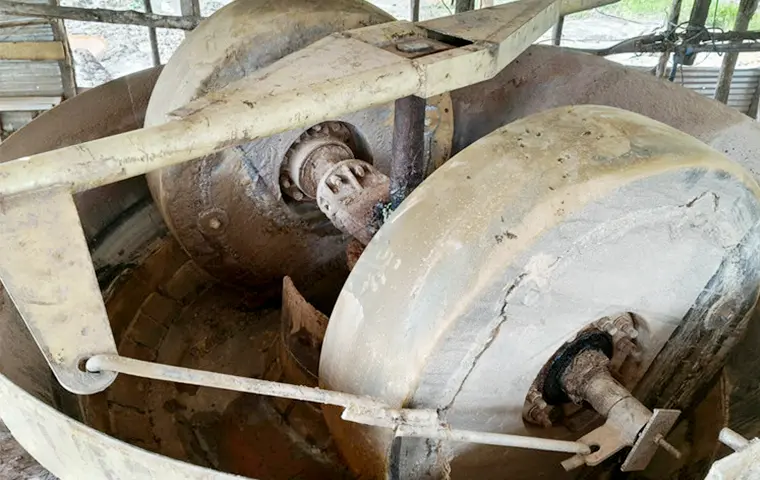
Ham Maden: Alüvyal altın madenleri / Damarlarda bulunan altın madenleri, ezildikten sonra Altın Derecesi: 1.5 – 2.5 g/t Altın Külçe Saflığı: ≥ %90
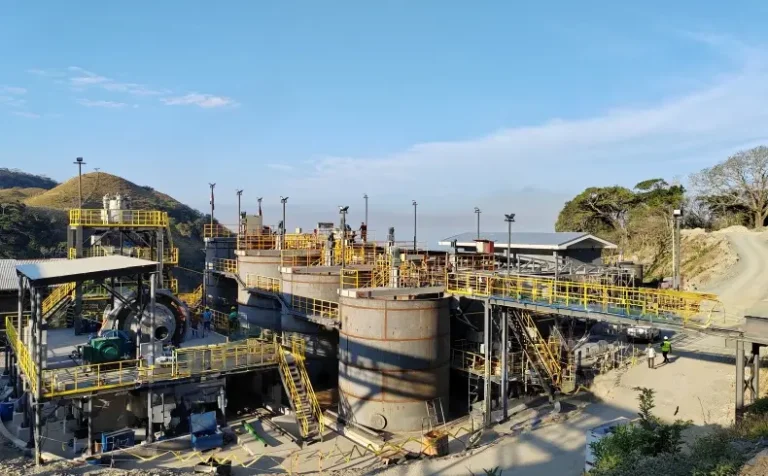
Ham Madde: Sülfürlü-Dirençli Altın Kumu (sülfür %25) Altın Derecesi: 2.8-4.1 g/t Son Ürün: %99.99 Altın Ingotu
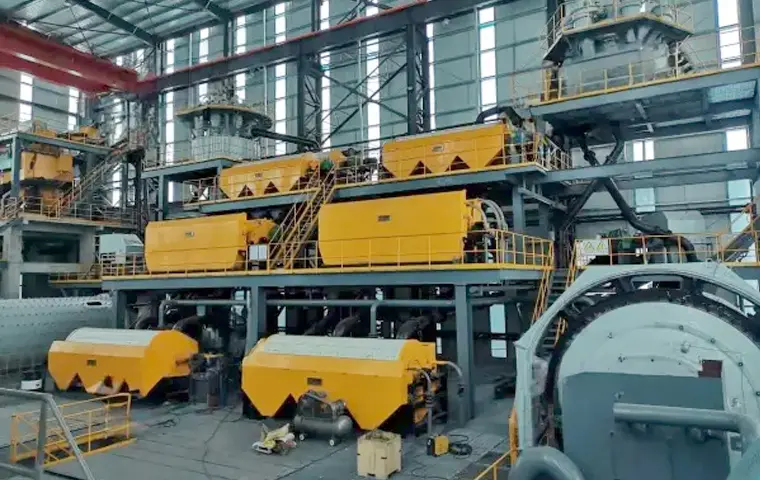
Ham Madde: Hematit Bantlı Magnetit Demir Kumu Demir Derecesi: %28-32 Son Ürün: Yüksek Dereceli Demir Konsantresi
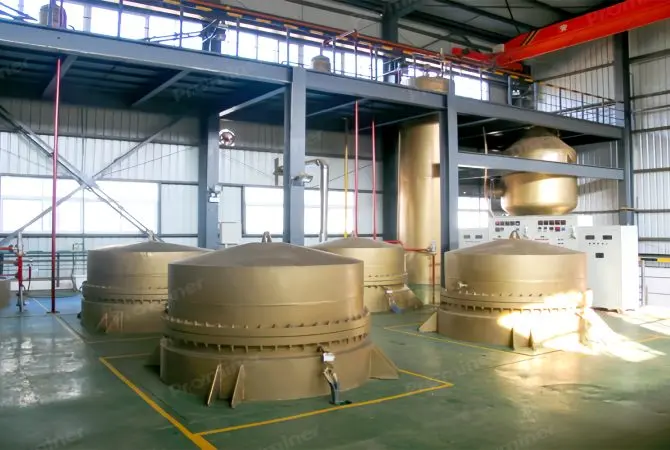
Prominer, altın CIL projesi için tamamlayıcı rafineriyi ve eritme sistemini tasarlayıp sağlayabilir
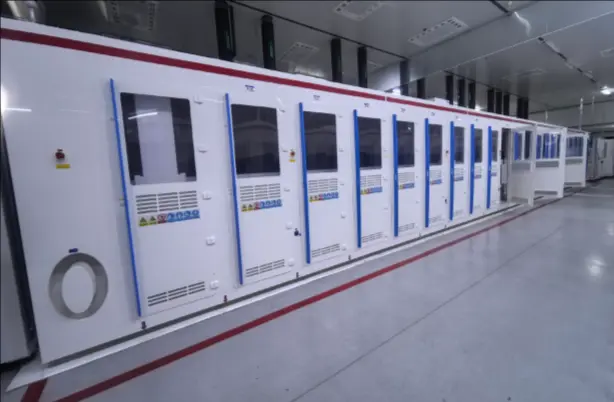
Dahil: Tek kristal partiler için tekstürleme ekipmanı, parti tekstürleme yükleme/boşaltma ünitesi, düşük basınçlı…
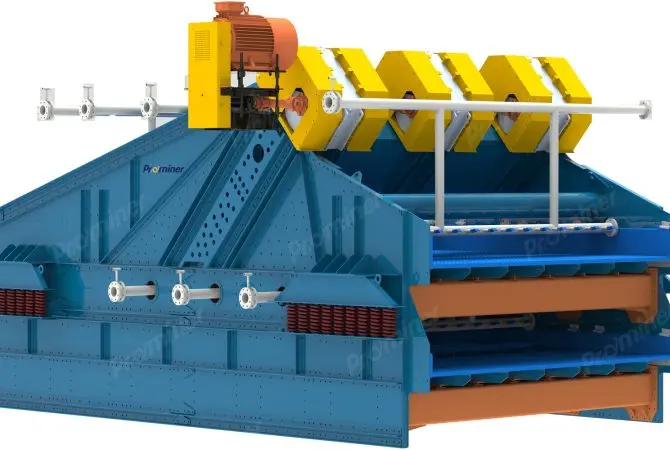
Prominer, mineral sınıflandırması, malzeme boyutlama, su giderme için her türlü lineer eleği sağlayabilir.
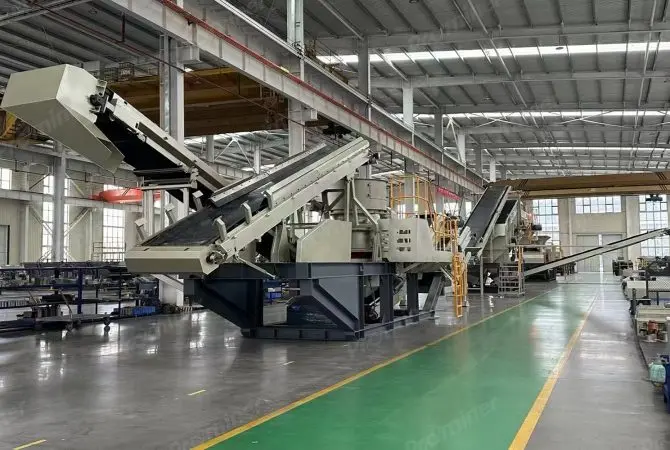
Skid monteli taşınabilir kırıcı, piyasa gereksinimlerine dayalı olarak bir yerden diğerine daha kolay hareket etme imkanı sunar
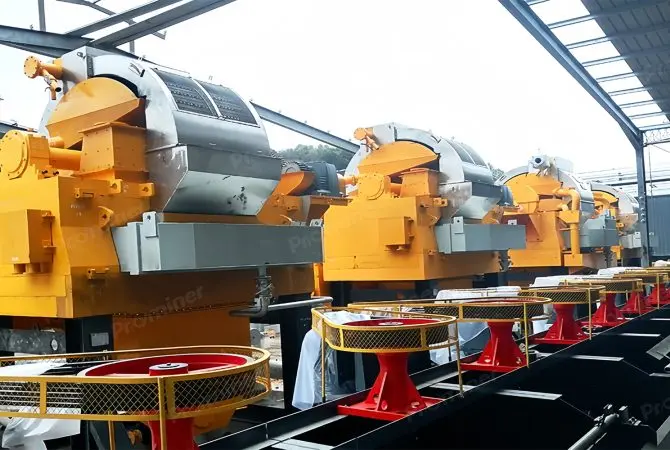
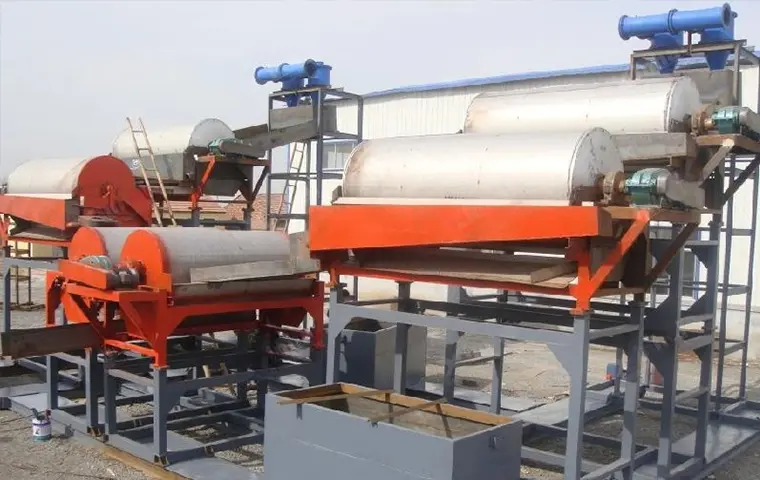
Prominer, farklı HIMS (Yüksek Yoğunluklu Manyetik Ayırıcı) manyetik ayırıcılar sağlayabilir
Ürünlerimiz ve çözümlerimiz hakkında daha fazla bilgi almak için lütfen aşağıdaki formu doldurun ve uzmanlarımızdan biri kısa süre içinde sizinle iletişime geçecektir.
Shandong Eyaletindeki 3000 TPD Altın Flotasyon Projesi
2500TPD Lityum Cevheri Flotasyonu Sichuan'da.
Faks: (+86) 021-58779592
Adres:Oda 606, Bina D3, Faz II, Chuansha İş Merkezi, 777 Long, Miaochuan Road, Pudong Yeni Bölgesi, Şanghay, Çin
Telif Hakkı © 2023.Prominer (Şanghay) Madencilik Teknolojisi A.Ş.