

Dostarczamy ważne urządzenia w procesie obróbki rudy złota, takie jak system CIL/CIP, komórki flotacyjne…




Gold cyanidation remains one of the most widely used methods for extracting gold from ore due to its efficiency, scalability, and cost-effectiveness. However, increasing environmental regulations, rising operational costs, and declining ore grades have made optimization essential. Improving cyanidation performance involves enhancing recovery rates, reducing reagent consumption, minimizing environmental impact, and improving overall process efficiency.
Below are key strategies for optimizing gold cyanidation processes.
Effective cyanidation begins with proper ore preparation. Gold particles must be sufficiently liberated from surrounding minerals to allow cyanide solution access.
Optimizing crushing and grinding can:
Particle size distribution should be carefully controlled. Over-grinding increases energy costs and may create slimes that interfere with downstream processes, while under-grinding reduces gold recovery due to incomplete liberation.
Regular mineralogical analysis helps determine the ideal grind size for maximum recovery.
Cyanide concentration plays a crucial role in dissolution efficiency. Insufficient cyanide reduces gold recovery, while excessive cyanide increases costs and environmental risks.
Key optimization practices include:
pH control is equally important. Maintaining a pH between 10 and 11 prevents the formation of toxic hydrogen cyanide (HCN) gas and ensures stable leaching conditions. Lime is typically used to regulate pH levels.
Automated dosing systems can significantly improve both safety and reagent efficiency.
Gold dissolution in cyanide requires oxygen. Insufficient dissolved oxygen slows reaction rates and reduces overall recovery.
Metody optymalizacji obejmują:
In some operations, pure oxygen injection significantly improves leach rates compared to air, reducing leach time and increasing throughput.
Maintaining proper slurry density also enhances mass transfer between gold particles and the leaching solution.
Some ores contain gold locked within sulfide minerals or associated with preg-robbing carbonaceous material. These refractory ores require pre-treatment before cyanidation.
Common pre-treatment methods include:
These processes break down sulfide matrices, exposing gold particles and significantly improving cyanide leaching efficiency.
For preg-robbing ores, adding activated carbon during leaching (CIL process) can prevent gold loss.
In Carbon-in-Pulp (CIP) and Carbon-in-Leach (CIL) systems, activated carbon adsorbs dissolved gold. Poor carbon management can result in gold losses and reduced efficiency.
Strategie optymalizacji obejmują:
Regular acid washing and thermal reactivation restore carbon adsorption capacity and improve overall gold recovery.
Cyanide consumption can increase due to reactions with base metals such as copper and zinc. Identifying and managing cyanide-consuming minerals is critical.
Strategies include:
The SART (Sulphidization, Acidification, Recycling, and Thickening) process is particularly effective in operations with high copper content, allowing cyanide recovery and copper by-product generation.
Modern gold plants increasingly rely on digital technologies and automation to enhance cyanidation performance.
Zaawansowane narzędzia obejmują:
Data-driven optimization enables faster response to process fluctuations, stabilizes recovery rates, and reduces operating costs.
Environmental compliance is a major driver of cyanidation optimization. Proper detoxification of tailings reduces environmental risks and improves sustainability.
Common detoxification methods include:
Optimizing detoxification ensures residual cyanide levels meet regulatory standards while minimizing reagent consumption.
Water recycling from tailings storage facilities also reduces freshwater usage and operating costs.
Optimizing gold cyanidation processes requires a comprehensive approach that integrates mineralogical understanding, process control, reagent management, and environmental stewardship. By improving ore preparation, managing cyanide and oxygen levels, implementing appropriate pre-treatment, and leveraging automation technologies, operations can achieve higher recovery rates, lower costs, and improved sustainability.
As ore grades decline and environmental expectations rise, continuous optimization is no longer optional—it is essential for maintaining profitability and long-term operational success.
A: W przypadku zasobów grafitu, kompletne rozwiązanie powinno obejmować zarówno flotację grafitu naturalnego, jak i głęboką obróbkę. Młynek kulowy oraz system hydrocyclonów służą jako podstawowy etap mielenia. Dla zaawansowanej produkcji materiałów anody, niezbędny jest prasa formująca, która poprawia gęstość mączki i redukuje powierzchnię właściwą. Dodatkowo, system powlekania Prominer, łączący funkcje powlekania i granulacji, jest kluczowym etapem w przetwarzaniu wysokoprawnych materiałów anody.
A: Wybór procesu całkowicie zależy od cech rudy. Proces Gold CIL/CIP jest bardzo popularnym i skutecznym sposobem przetwarzania rud złota typu tlenkowego o dużej zawartości. Dla wielu innych projektów złota, flotacja pozostaje najpopularniejszą metodą przetwarzania. Dla właścicieli chcących zaoszczędzić na inwestycjach na etapie początkowym, opcje takie jak leaching w zbiornikach lub heap leaching są elastycznymi i ekonomicznymi rozwiązaniami. Zalecamy rozpoczęcie od testów laboratoryjnych i pilotażowych, aby wyznaczyć najbardziej efektywny i naukowo uzasadniony schemat procesu.
A: Magnetyczne separacja jest kluczowa dla wzbogacania minerałów. Oferujemy separatory magnetyczne HIMS (o wysokiej intensywności) oraz LIMS (o niskiej intensywności), aby obsługiwać różne właściwości magnetyczne minerałów. W zoptymalizowanym projekcie zakładu technologia ta jest zintegrowana z wysokowydajnym systemem kruszenia—wykorzystującym jedno- lub wielocylindrowe hydrauliczne kruszarki stożkowe—oraz systemem mielenia. Zapewnia to wczesne odrzucanie odpadów skalnych, co znacznie poprawia wydajność i oszczędza energię.
A: Projektowanie udanej instalacji wymaga kompleksowej usługi EPC (Inżynieria, Zaopatrzenie i Budowa). Kluczowe aspekty obejmują projektowanie inżynieryjne (badania terenowe, wskazówki dotyczące próbki, rysunki PFD) oraz dostosowanie urządzeń, aby zapewnić zgodność maszyn z konkretnymi cechami rudy. Na przykład, Prominer może dostosować taśmowe przenośniki o szerokości do 5,1 m do dużego sortowania i osuszania. Wreszcie, profesjonalne usługi na miejscu, w tym nadzór nad pracami ziemnymi i uruchomieniem, są kluczowe dla długoterminowej stabilnej eksploatacji.
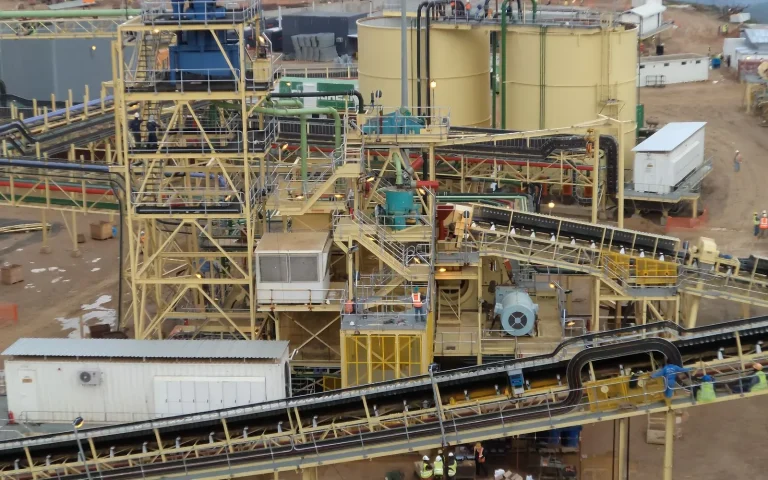
Dostarczamy ważne urządzenia w procesie obróbki rudy złota, takie jak system CIL/CIP, komórki flotacyjne…
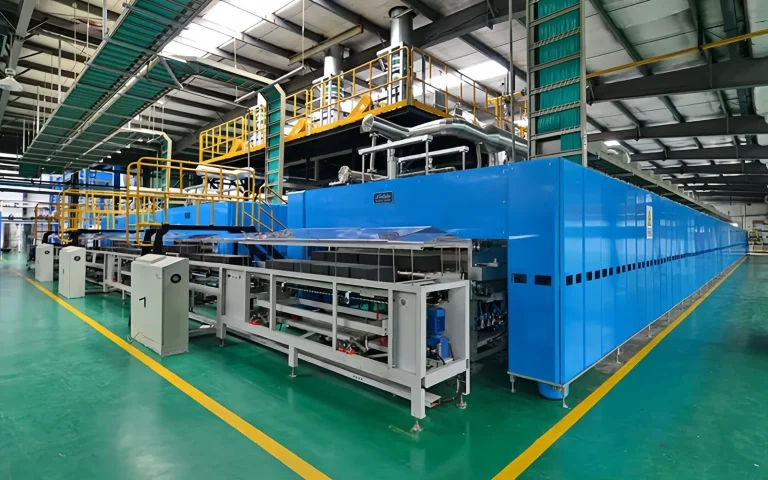
Materiał anodowy z sztucznego grafitu jest głównie wytwarzany z wysokiej jakości koksu naftowego o niskiej zawartości siarki
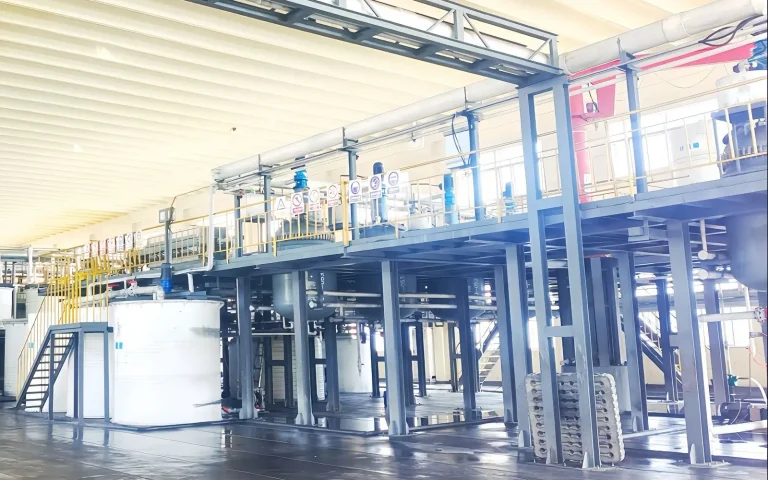
Grafit płatkowy może być używany do produkcji grafitu o wysokiej zawartości węgla, grafitu o wysokiej czystości, grafitu rozszerzalnego

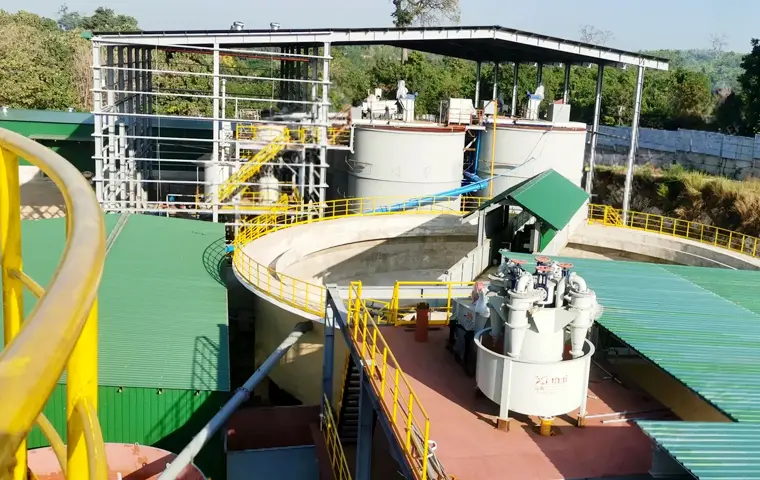
Surowa ruda: Złota ruda tlenkowa i siarczkowa (częściowo trudna do przetworzenia) Zawartość złota: 3,5-4,2 g/t Produkt końcowy: Złoto doré (Au ≥96,5%)
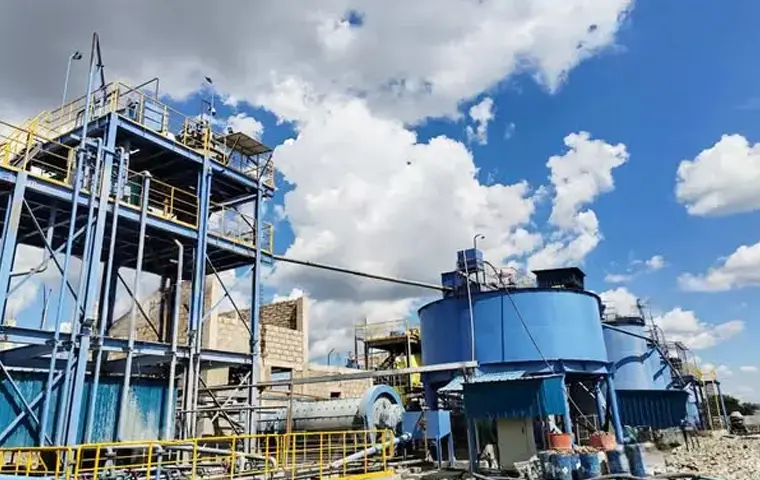
Surowa ruda: ruda miedzi-złoto Zawartość miedzi: 1,2% Zawartość złota: 1,5 g/t Stopa wydobycia: miedź 89%, złoto 88%
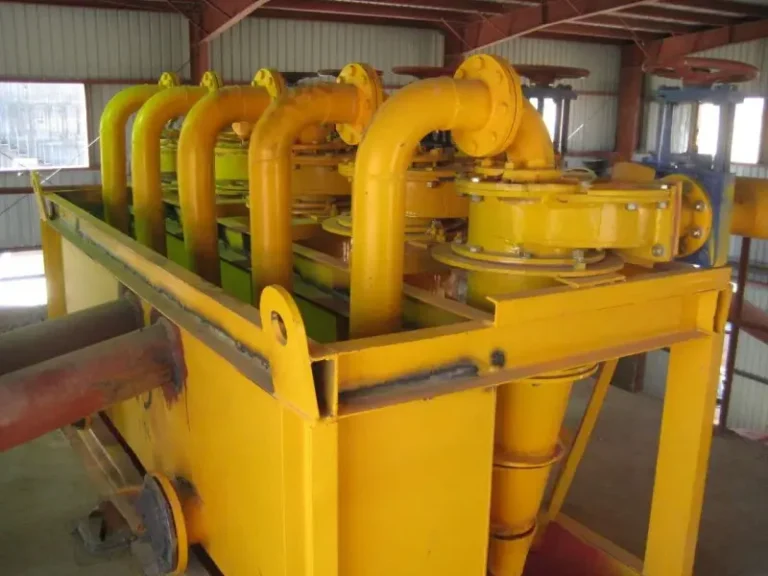
Surowiec: Ruda cyny aluwiów (cyna) Zawartość cyny: 0,8% Stopień zagęszczenia: 65%
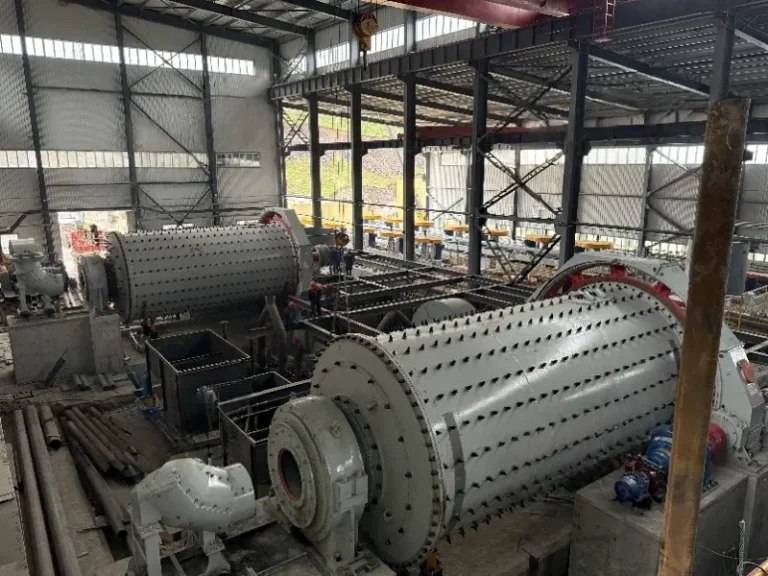
Surowiec: Lateryt niklowy typu limonitowy, zawartość Ni: 1,2% Zawartość Co: 0,12%
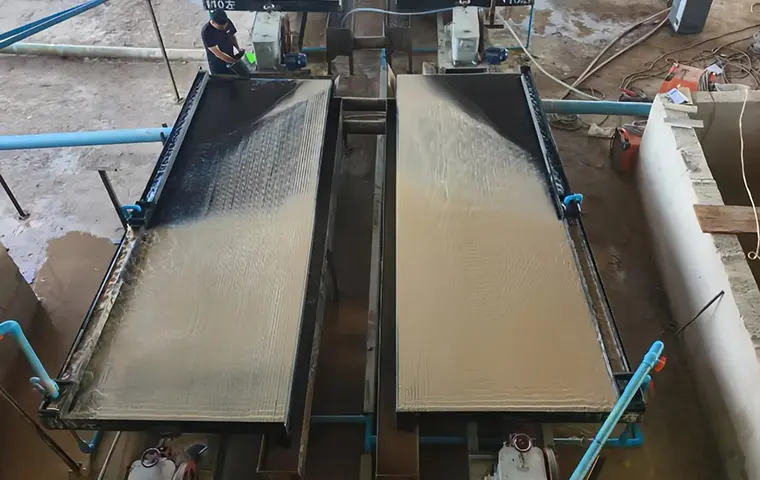
Surowa Ruda: Ruda siarczku antymonu z żyłą kwarcową Zawartość Sb: 3,5% Zawartość koncentratu: 55%
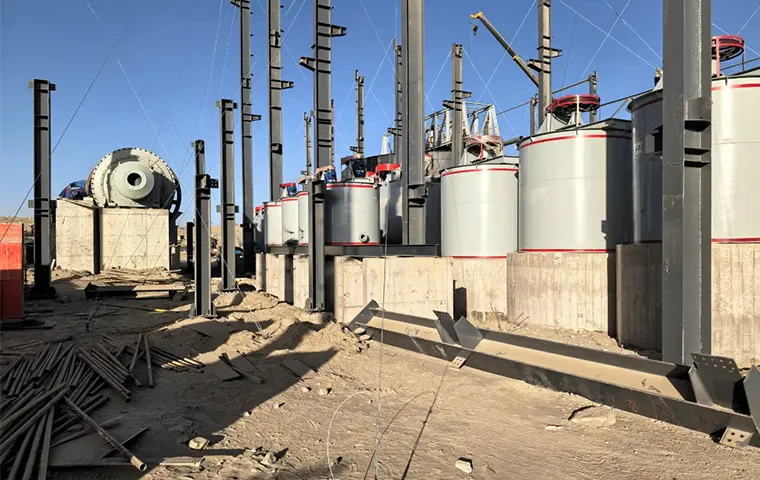
Surowa ruda: Złoto rudne przejściowe i tlenkowe (z niewielkimi siarczkami) Zawartość złota w surowcu: 2,5 g/t Produkt końcowy: Sztabka złota doré
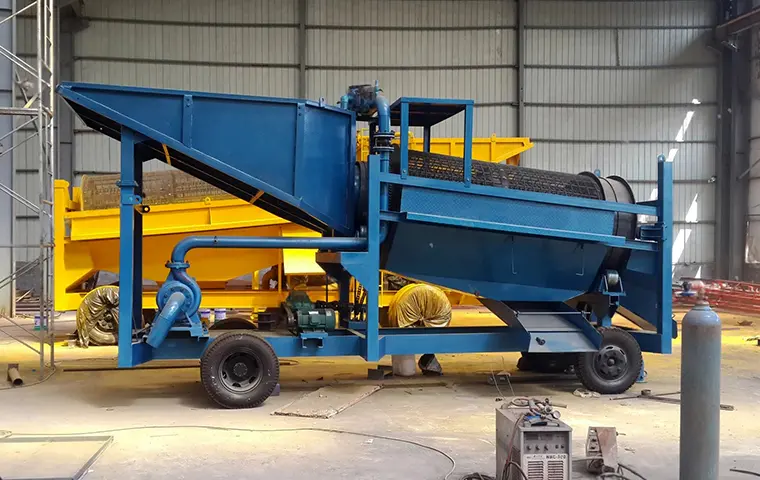
Surowa ruda: złoto aluwialne z osadów koryt rzecznych i tarasów Zawartość złota: 1,5 g/t Wskaźnik odzysku złota: 92%
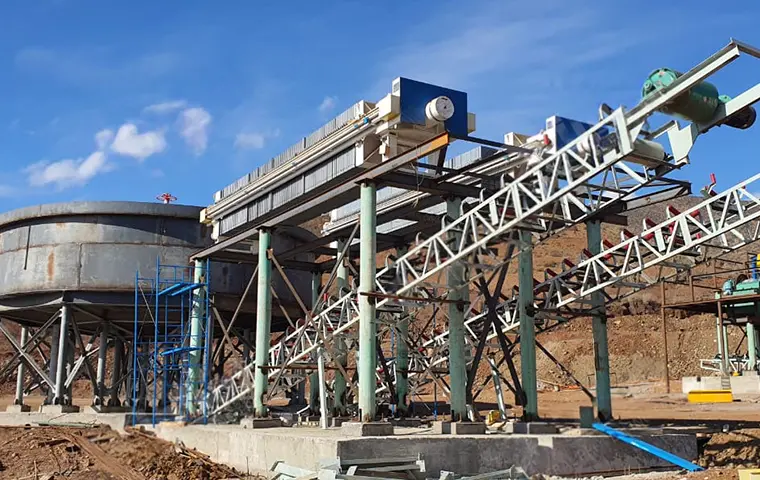
Od testów laboratoryjnych po końcowe uruchomienie, Prominer dostarczył spersonalizowane rozwiązanie o wydajności 20 TPH.
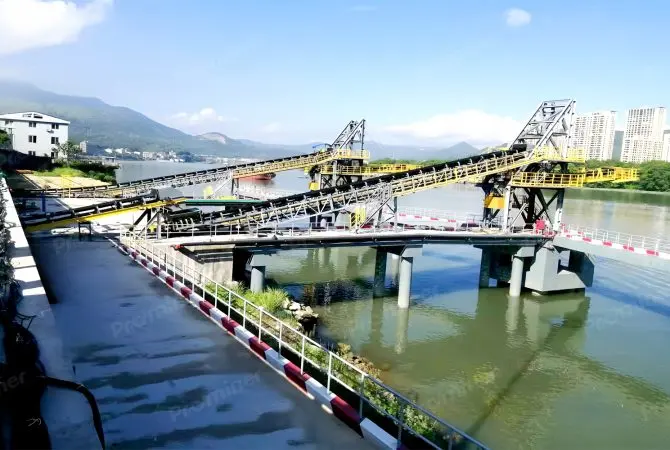
Możemy zapewnić rozwiązanie przenośników taśmowych do różnych celów, w tym stromo nachylonego przenośnika taśmowego
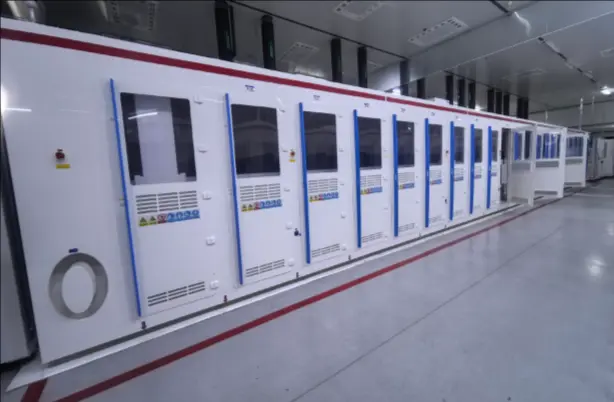
W skład wchodzi: sprzęt do teksturyzacji monokryształów w partiach, ładowarka/rozładowarka do teksturyzacji partii, niskie ciśnienie…
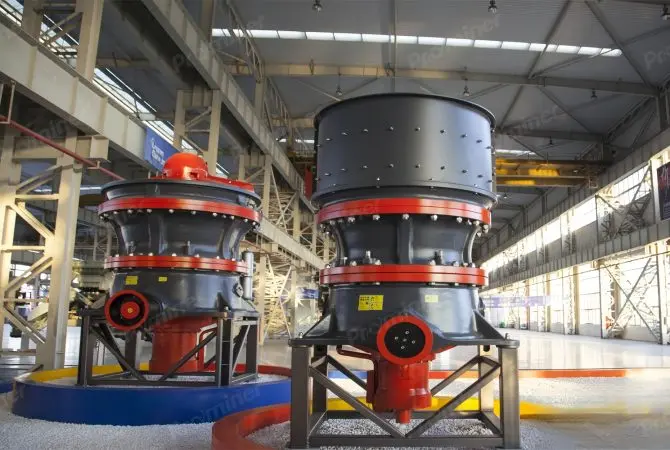
Kruszarka hydrauliczna jednostkowa ma dwie serie w oparciu o różne komory, komora S jest zaprojektowana
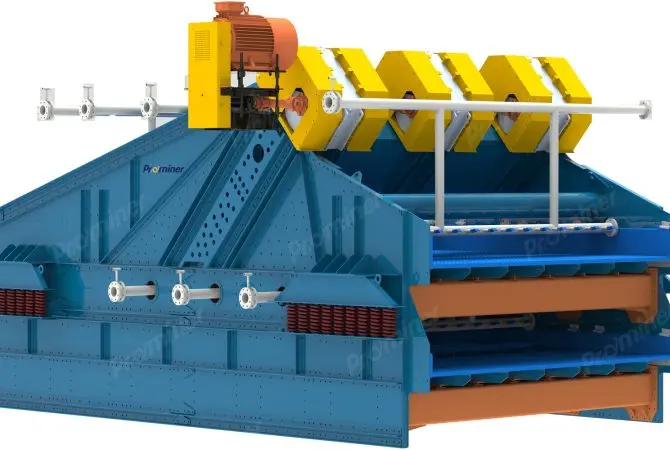
Prominer może dostarczyć wszelkiego rodzaju ekrany liniowe do klasyfikacji minerałów, rozmiarowania materiałów, osuszania
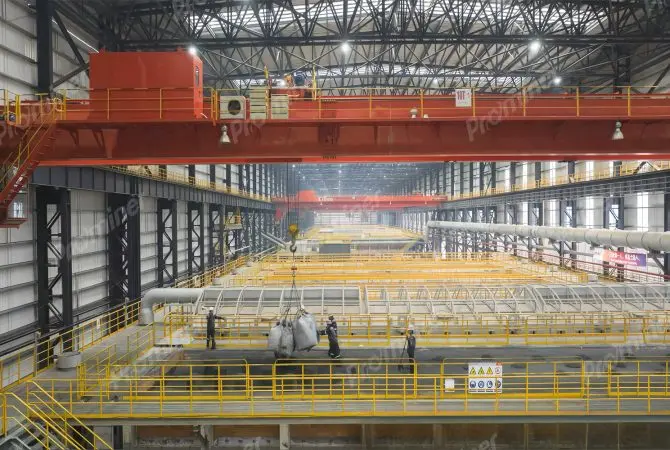
Możemy dostarczyć różne typy pieców grafityzacyjnych do zmiany materiału węglowego
Prominer może dostarczyć różne separatory magnetyczne LIMS (separator magnetyczny o niskiej intensywności)
Aby dowiedzieć się więcej o naszych produktach i rozwiązaniach, prosimy o wypełnienie poniższego formularza, a jeden z naszych ekspertów skontaktuje się z Tobą wkrótce
Projekt flotacji złota 3000 TPD w prowincji Shandong
Flotacja rudy litu 2500 TPD w Syczuanie
Faks: (+86) 021-58779592
Adres:Pokój 606, Budynek D3, Etap II, Centrum Biznesowe Chuansha, 777 Long, Droga Miaochuan, Dzielnica Pudong Nowy, Szanghaj, Chiny
Prawa autorskie © 2023.Prominer (Shanghai) Mining Technology Co., Ltd.


