

O material de ânodo de carbono duro é o mais preferido para a comercialização de baterias de íon de sódio


/
/
Como Reduzir os Custos de Reagentes de Flotação de Fluorita em 40% Sem Sacrificar a Qualidade?


Reduzir os custos de reagentes de flotação de fluorita em 40% sem sacrificar a graduação requer um equilíbrio estratégico de otimização de processos, seleção de reagentes alternativos e melhorias de eficiência. Abaixo estão estratégias específicas para alcançar esse objetivo:
Para uma planta de flotação de fluorita hipotética:
Ao otimizar metodicamente os processos de flotação, adotando reagentes de baixo custo e melhorando as práticas operacionais, é viável alcançar reduções substanciais de custo sem sacrificar a qualidade do produto.
A: As características minerais variam significativamente, mesmo dentro do mesmo corpo mineral. Um teste profissional (como análise química, DRX e MEV) garante que o fluxograma esteja otimizado para o seu grau de minério e tamanho de liberação específicos. Isso previne incompatibilidades dispendiosas de equipamentos e garante as taxas de recuperação mais altas possíveis para o seu projeto.
A: Mantemos um estoque permanente de peças de desgaste essenciais (como revestimentos de trituradores, telas de classificação e meios de moagem). Para clientes internacionais, fornecemos uma "lista de peças de reposição recomendada para 2 anos" com a compra inicial. O suporte técnico está disponível 24 horas por dia, 7 dias por semana, via vídeo remoto, e visitas ao local podem ser agendadas para necessidades de manutenção complexas.
A: Sim. Enviamos uma equipe de engenheiros mecânicos e elétricos seniores para o local para supervisionar a instalação, comissionamento e teste de carga do equipamento. Também oferecemos treinamento completo no local para seus operadores locais para garantir uma operação suave a longo prazo.
A: Absolutamente. Nós nos especializamos em fornecer serviços de EPCM (Engenharia, Suprimentos e Gestão de Construção). Isso inclui tudo, desde testes iniciais de minério e projeto de mina até fabricação de equipamentos, logística e integração de planta em larga escala, garantindo uma transição suave de projeto verde para produção.
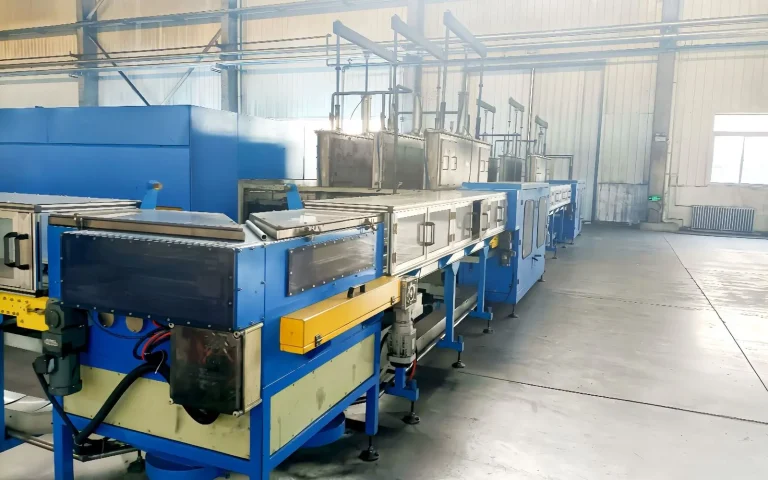
O material de ânodo de carbono duro é o mais preferido para a comercialização de baterias de íon de sódio
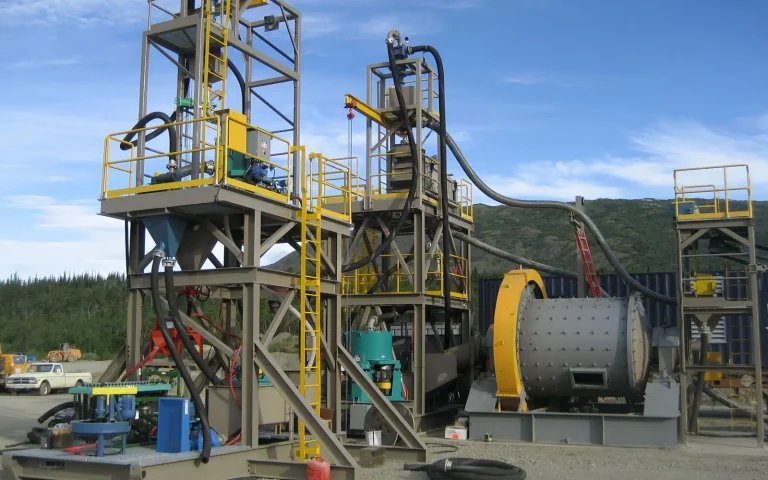
O mais conhecido dos minérios exogenéticos é o ouro aluvial, também chamado de ouro de aluvião. Ouro aluvial refere-se
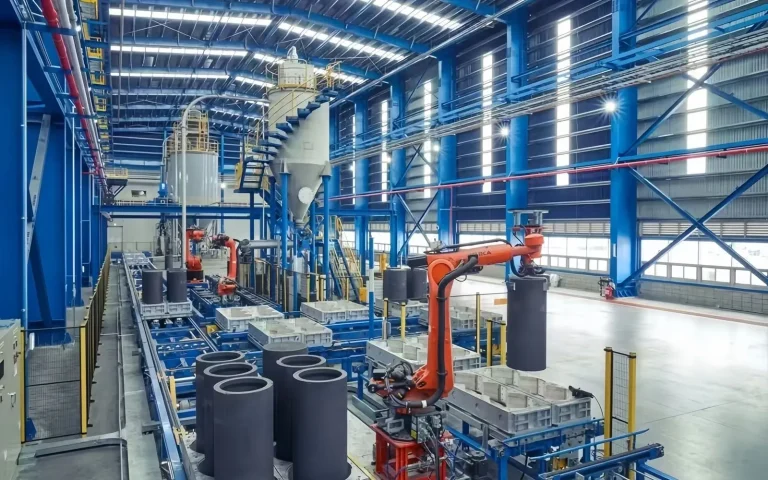
A Prominer pode fornecer a solução completa para a fabricação de materiais de ânodo de grafite natural, incluindo moagem

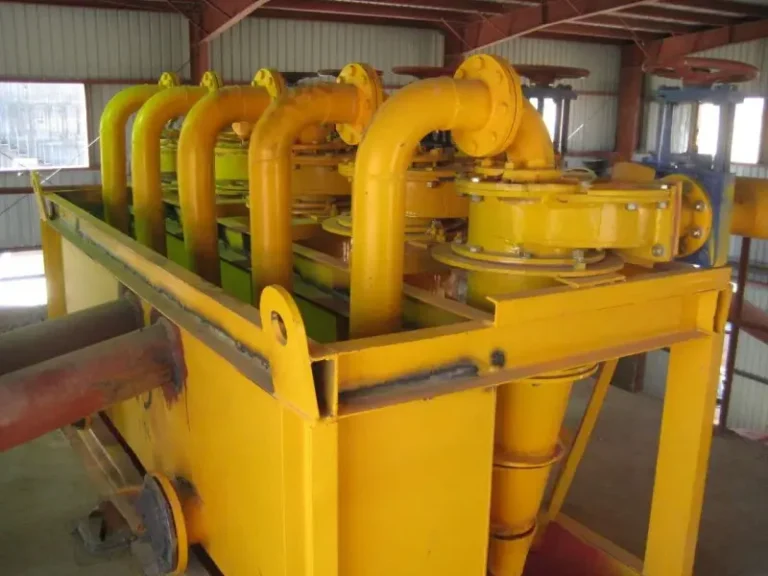
Mina Bruta: Minério de Estanho Aluvial (Cassiterita) Teor de Estanho: 0,8% Teor do Concentrado: 65%
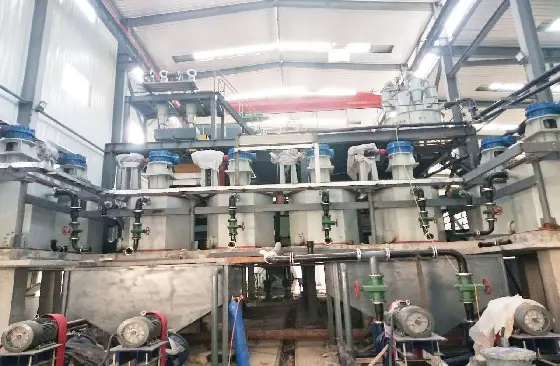
Matéria-prima: Rocha de Quartzo (SiO₂: 97,8%) Grau Fotovoltaico: SiO₂≥99,99%, Fe₂O₃≤10ppm
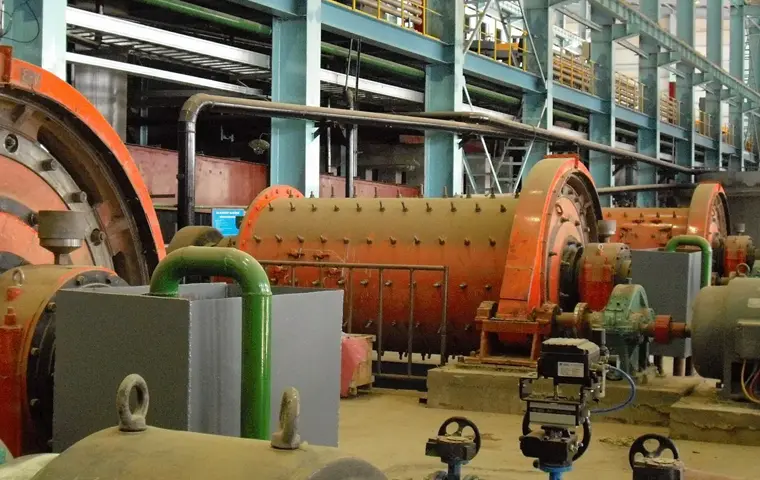
Minério Bruto: Minério de Molibdênio Tipo Sulfetado (Principalmente Molibdenita) Teor de Mo: 0,15% Teor de Concentrado: 45% Mo
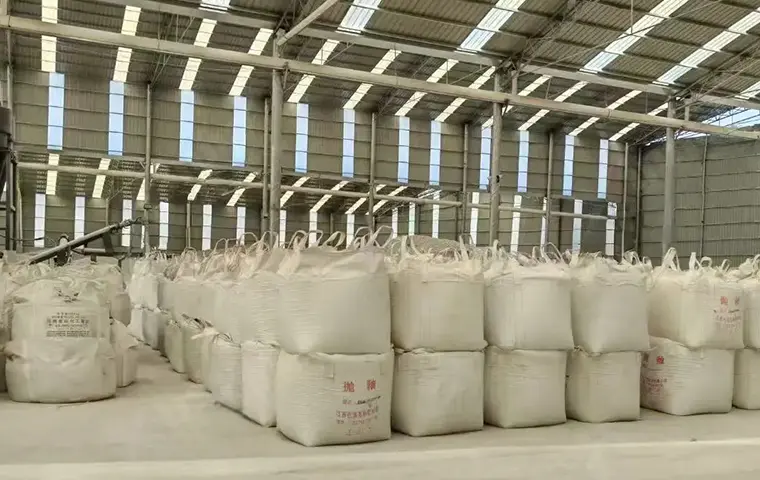
Minério Bruto: Minério de Wollastonite de alta qualidade com Garnet e Diopsídio associados Teor de Alimentação: 65-70% de Wollastonite
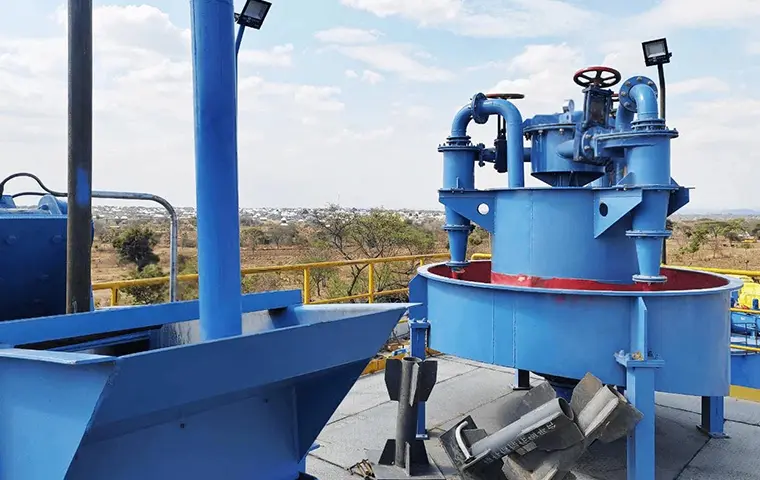
Meta de Capacidade: Aumentar a capacidade de processamento de 500 TPD para 850 TPD em fases, sem interromper a produção.
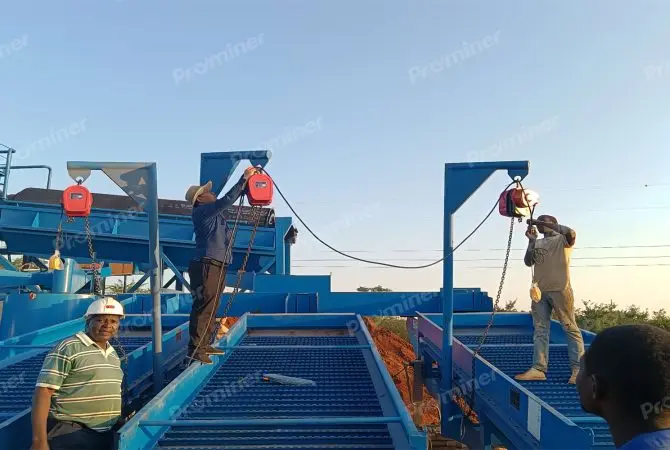
Minério Cru: Minério de ouro aluvionar do leito do rio Teor de Ouro: 0,8 g/t
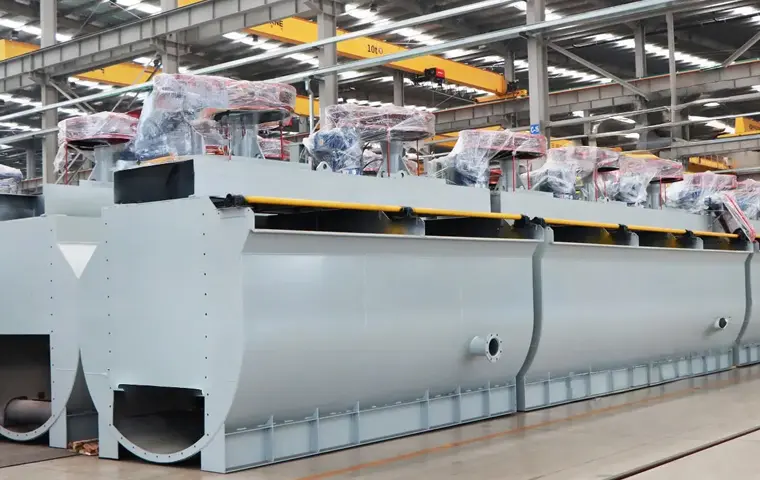
Minério Bruto: Minério de Ouro do Tipo Sulfeto com Pirita Grau de Ouro: 3,8 g/t Grau do Concentrado: 42 g/t Au
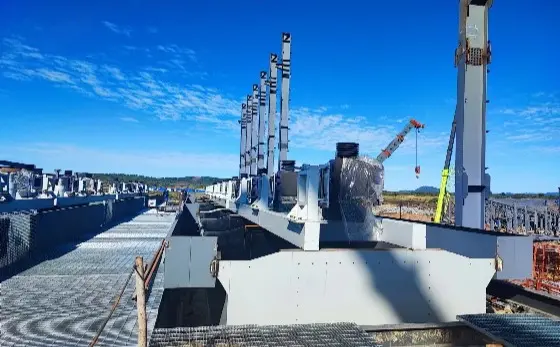
Mina de Pegmatito de Lítio (Espodumanio Predominante) Grau de Li₂O: 1,2% Produto Final: Lítio de Grau para Bateria
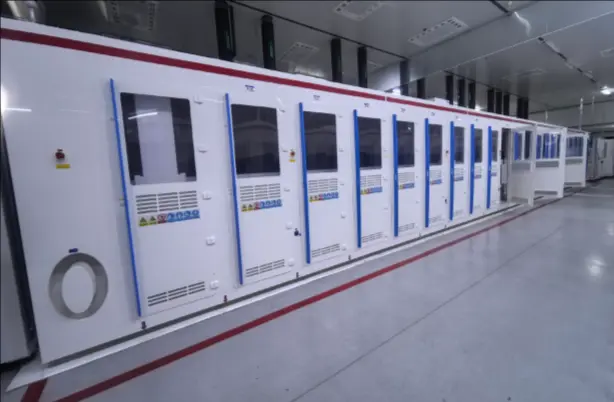
Incluindo: Equipamento de texturização de lote monocristalino, carregador/descarregador de texturização de lote, baixa pressão...
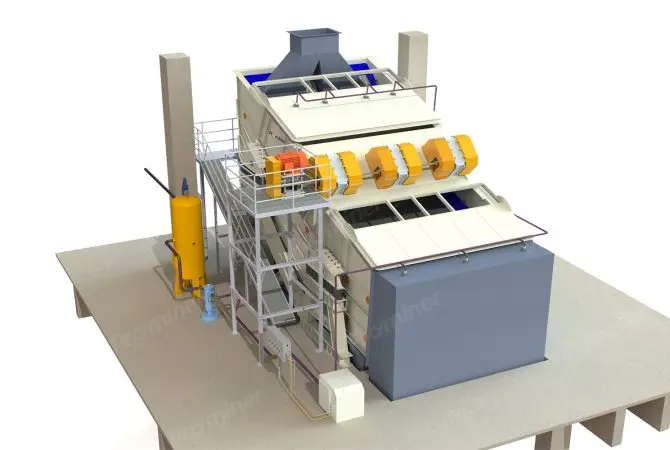
O painel de tela flip-flow continua se expandindo e contraindo, alcançando altas taxas de aceleração.
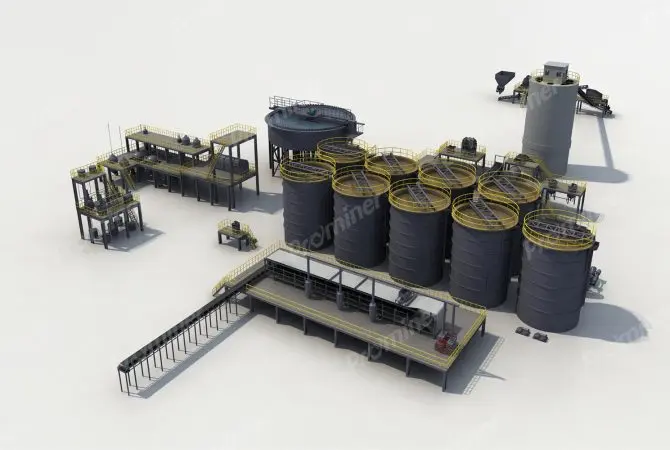
A Prominer pode fornecer a solução completa para o sistema CIL (carbono em lixiviação)
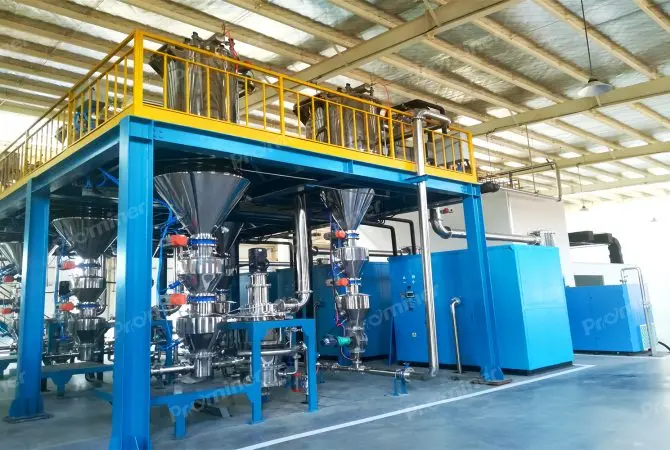
O moinho a jato também é chamado de moinho a jato de leito fluidizado, utilizando múltiplos bicos para formar um fluxo de ar em velocidade sônica
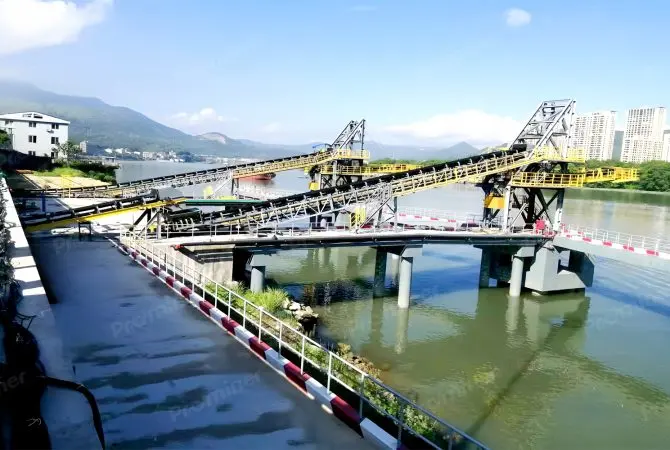
Podemos fornecer a solução de transportadores de correia para diferentes finalidades, incluindo transportador de correia inclinada acentuadamente
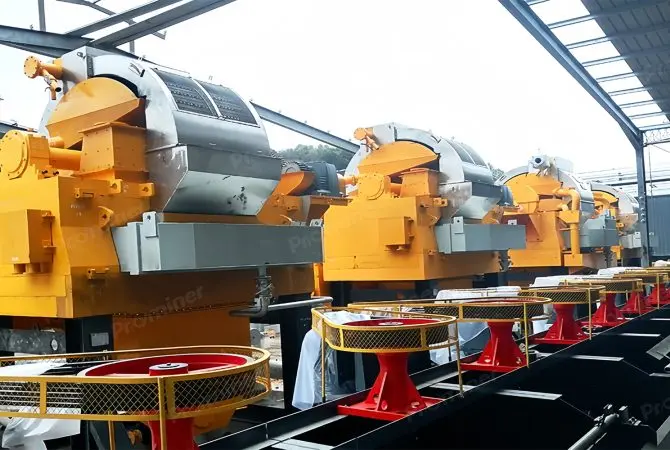
A Prominer pode fornecer diferentes separadores magnéticos HIMS (Separador Magnético de Alta Intensidade)
Para saber mais sobre nossos produtos e soluções, preencha o formulário abaixo e um de nossos especialistas entrará em contato com você em breve
Projeto de Flotação de Ouro de 3000 TPD na Província de Shandong
Flotação de Minério de Lítio de 2500 TPD em Sichuan
Fax: (+86) 021-60870195
Endereço:No.2555, Rua Xiupu, Pudong, Xangai
Copyright © 2023.Prominer (Shanghai) Mining Technology Co., Ltd.


