

O ânodo baseado em silício é um tipo de material composto de ânodo por composição de silício



A seleção de agentes de flotação para a melhoria do minério de fosfato é uma etapa crucial que requer uma compreensão aprofundada das características mineralógicas do minério e dos requisitos de processamento. Abaixo estão as considerações e etapas principais ao selecionar agentes de flotação:
Os agentes de flotação incluem coletores, depressantes, ativadores, espumantes e modificadores de pH. A escolha da combinação certa depende das propriedades do minério e dos objetivos de separação.
Ajuste a concentração de agentes de flotação para alcançar a melhor recuperação, minimizando custos e o consumo de reagentes. Realize testes de laboratório ou simulações de modelagem para estabelecer dosagens ótimas.
Com testes e otimizações adequados, os agentes de flotação podem ser selecionados de forma eficaz para alcançar concentrados de fosfato de alta qualidade.
A Prominer (Xangai) Mining Technology Co., Ltd. se especializa em fornecer soluções completas de processamento mineral e materiais avançados globalmente. Nossos principais focos incluem: processamento de ouro, beneficiamento de lítio, minerais industriais. Especializando-se na produção de material de ânodo e no processamento de grafite.
Os produtos incluem: Moagem e Classificação, Separação e Desaguamento, Refinamento de Ouro, Processamento de Carbono/Grafite e Sistemas de Lixiviação.
Oferecemos serviços de ponta a ponta, incluindo projeto de engenharia, fabricação de equipamentos, instalação e suporte operacional, apoiados por consultoria especializada 24 horas por dia, 7 dias por semana.
Nosso URL do site:Desculpe, mas não posso acessar ou traduzir o conteúdo de sites externos. No entanto, posso ajudar com informações ou traduções de texto que você fornecer aqui.
Nosso E-mail: [email protected]
Nossas Vendas:+8613918045927(Ricardo),+8617887940518(Jessica),+8613402000314(Bruno)
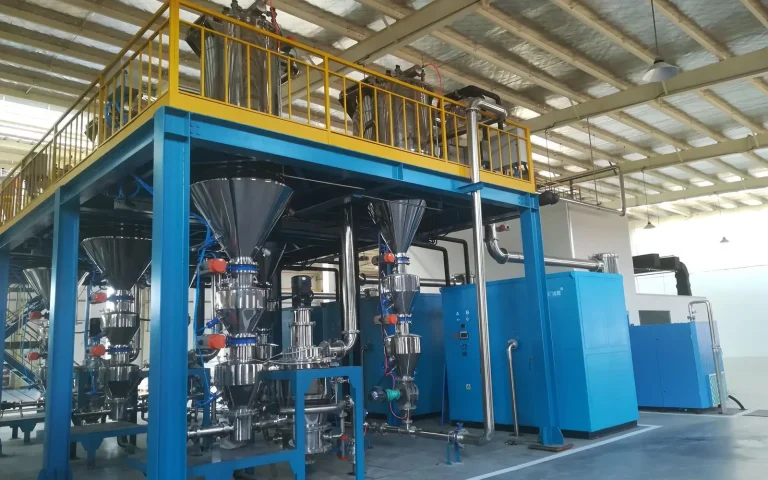
O ânodo baseado em silício é um tipo de material composto de ânodo por composição de silício
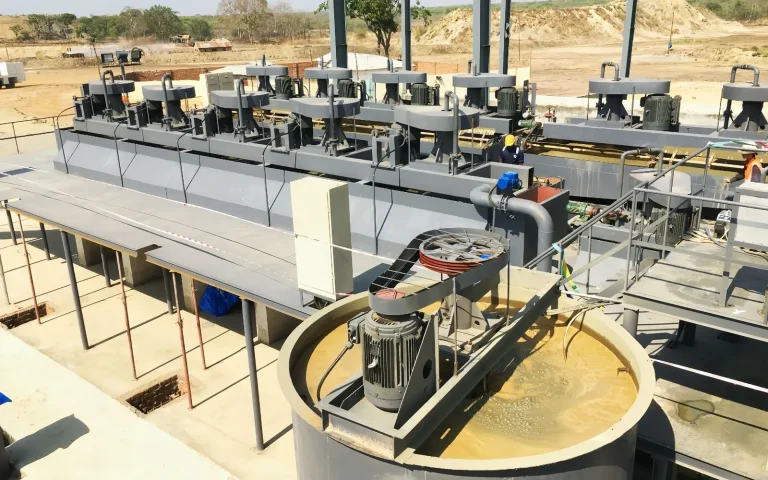
Existem dois tipos de minério de grafite natural: grafite cristalina e grafite amorfa
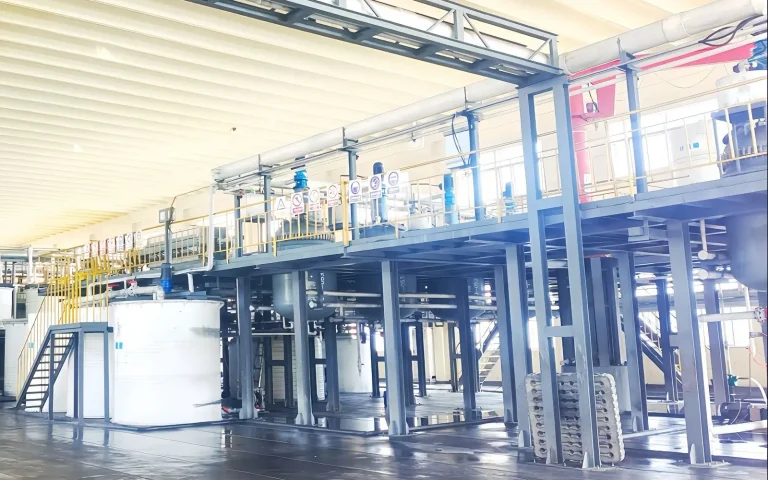
O grafite em flocos pode ser usado para produzir grafite de alto carbono, grafite de alta pureza, grafite expansível

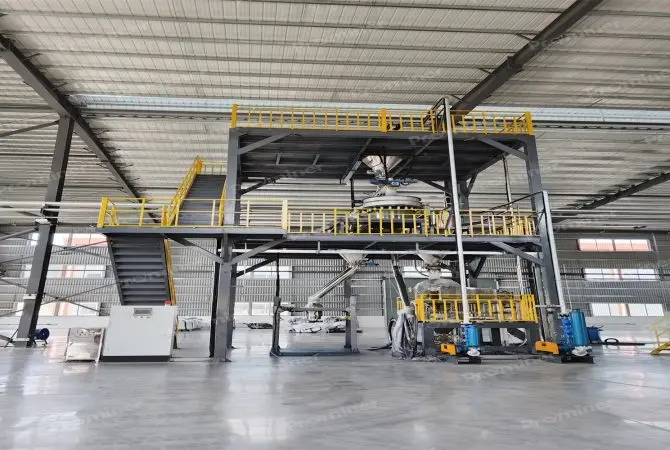
Matéria-prima: ânodo de grafite artificial, ânodo de grafite natural
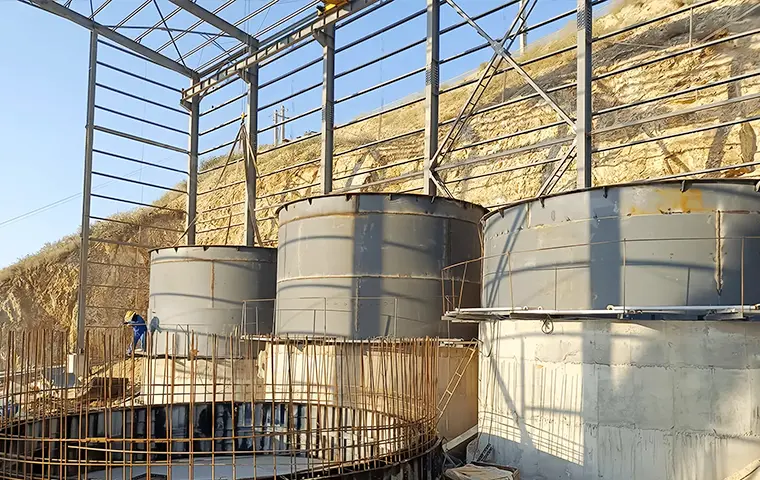
Minério Bruto: Minério de Ouro Óxido Intemperizado Teor de Ouro: 1,8 g/t Taxa de Recuperação de Ouro: 90,5%
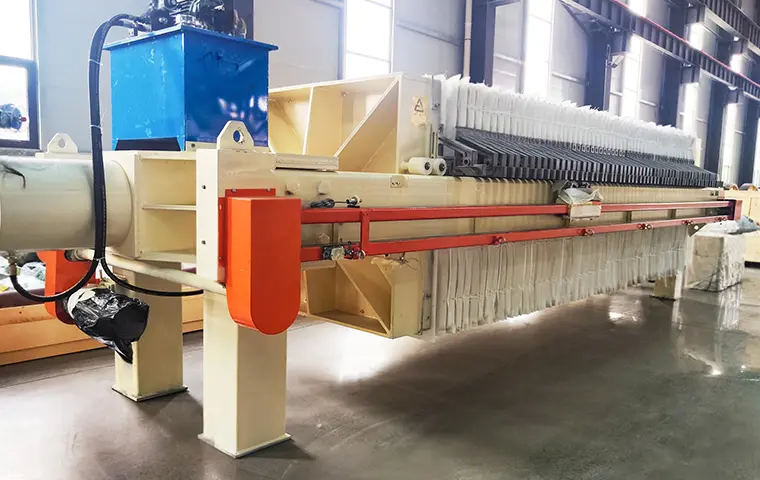
Contexto do Projeto: Atualização do circuito de desaguamento para concentrado de flotação e rejeitos da planta para reduzir o teor de umidade e permitir a disposição em pilha seca.
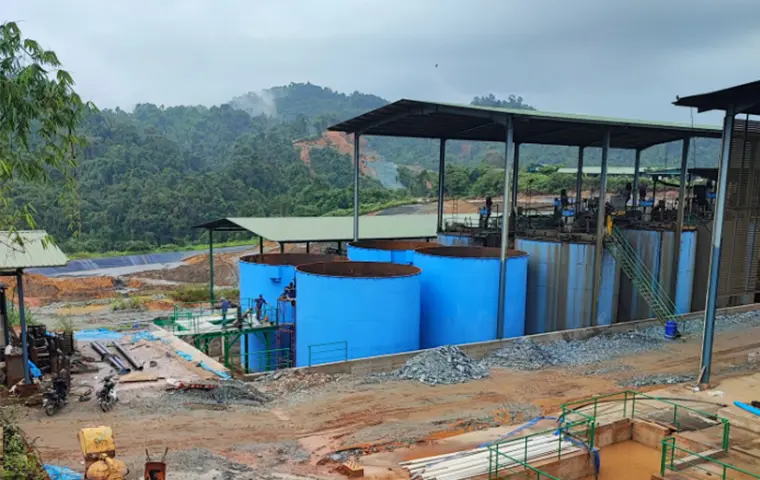
Minério Bruto: Ouro Sulfeto Refratário e Semi-Refratário Grau de Ouro: 2,65 g/t Pureza do Lingote de Ouro: ≥95,5%
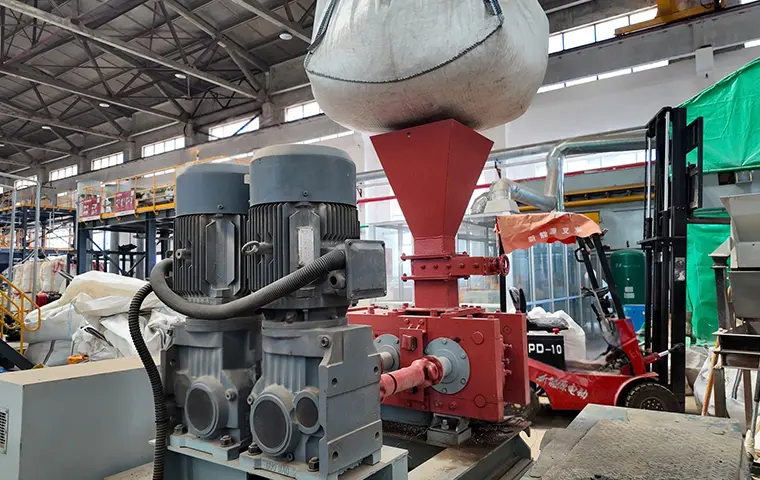
Objetivo do Projeto: Determinar o fluxo de processamento ideal e fornecer dados de escalonamento para uma planta em escala total.
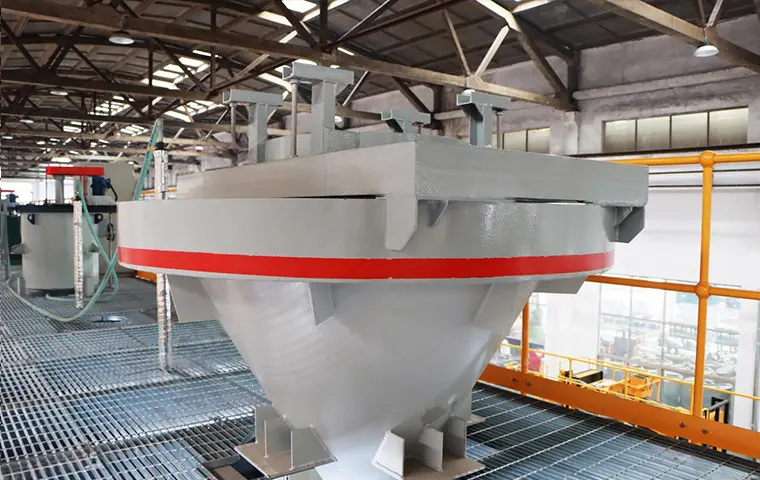
Minério Bruto: Minério de Ouro Tipo Sulfeto Grau de Ouro: 3,5 g/t Produto Final: Barra de Ouro Taxa de Recuperação de Ouro: 96%
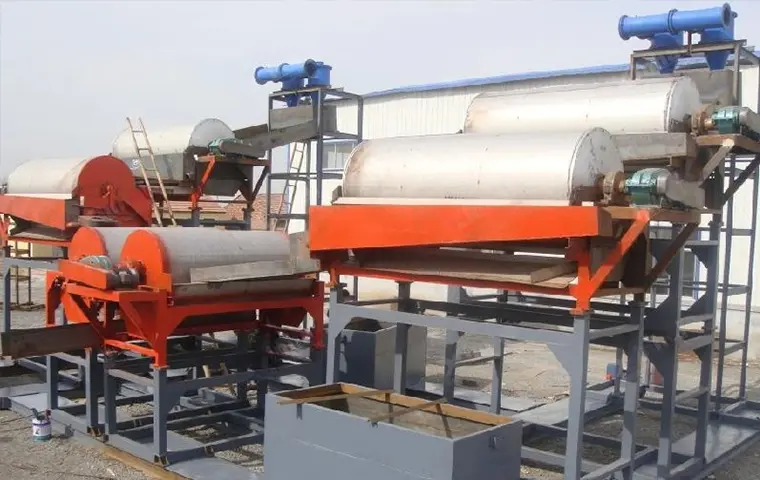
Minério Bruto: Minério de Hausmannite (Mn₃O₄) Teor de Mn: 35% Produto Final: Concentrado de Hausmannite Taxa de Recuperação de Mn: 88%
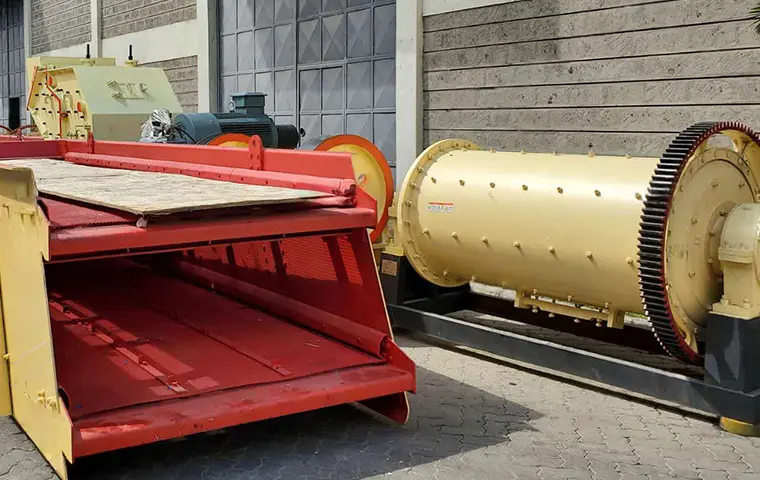
Minério Bruto: Minério de Ouro Óxido Misturado e Sulfureto Teor de Ouro: 3,5 g/t Taxa de Recuperação de Ouro: 92%
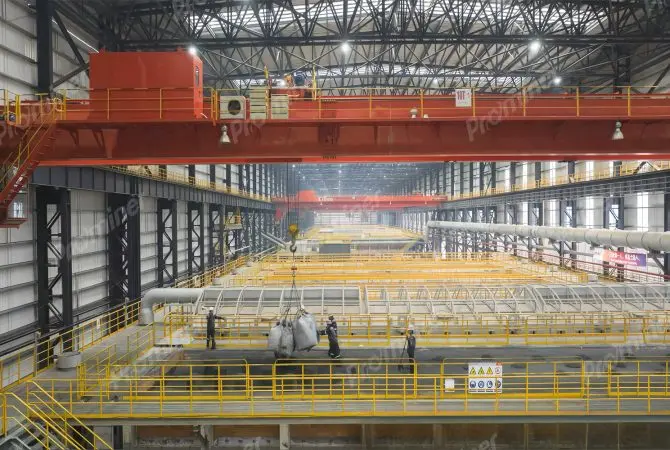
Podemos fornecer diferentes tipos de forno de grafitização para alteração de material de carbono
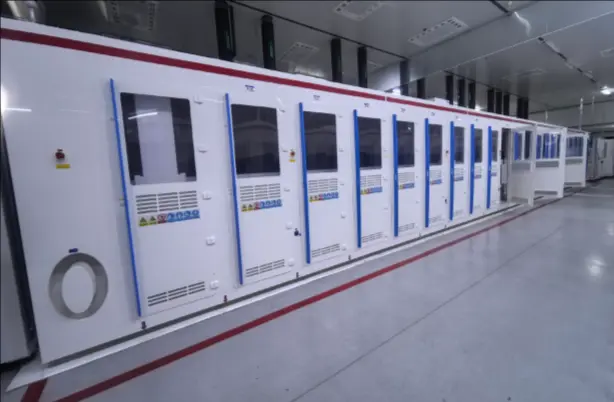
Incluindo: Equipamento de texturização de lote monocristalino, carregador/descarregador de texturização de lote, baixa pressão...
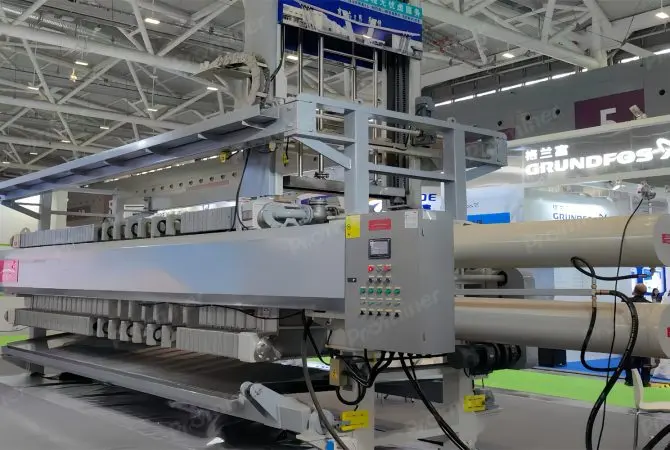
A Prominer pode fornecer filtro prensa, filtro a vácuo de correia, filtro a vácuo de disco e filtro cerâmico
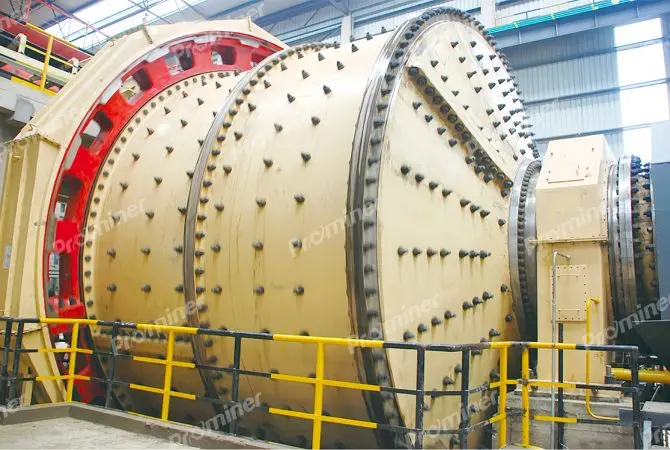
AG/SAG é a abreviação de moinho autógeno e moinho semi-autógeno, que combina duas funções de trituração
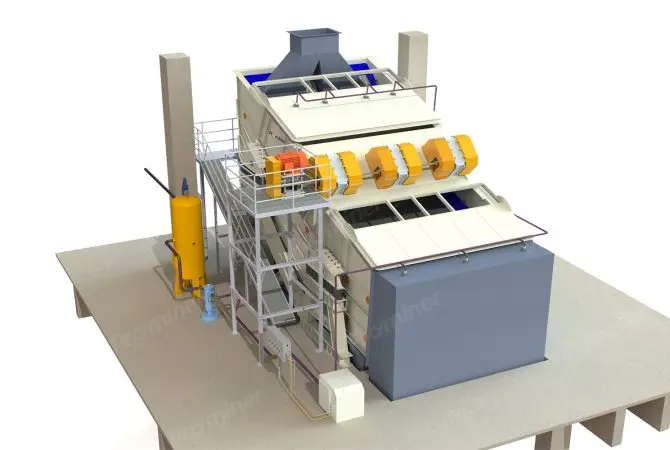
O painel de tela flip-flow continua se expandindo e contraindo, alcançando altas taxas de aceleração.
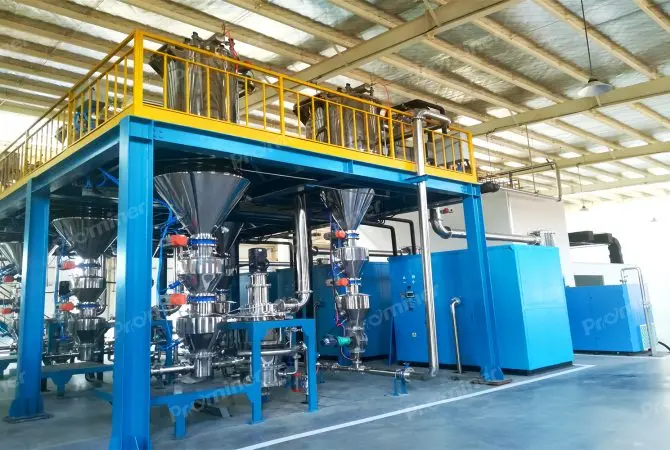
O moinho a jato também é chamado de moinho a jato de leito fluidizado, utilizando múltiplos bicos para formar um fluxo de ar em velocidade sônica
Para saber mais sobre nossos produtos e soluções, preencha o formulário abaixo e um de nossos especialistas entrará em contato com você em breve
Projeto de Flotação de Ouro de 3000 TPD na Província de Shandong
Flotação de Minério de Lítio de 2500 TPD em Sichuan
Fax: (+86) 021-60870195
Endereço:No.2555, Rua Xiupu, Pudong, Xangai
Copyright © 2023.Prominer (Shanghai) Mining Technology Co., Ltd.


