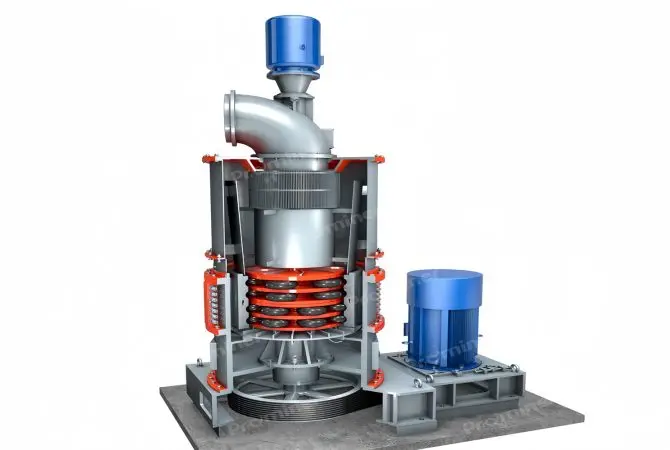
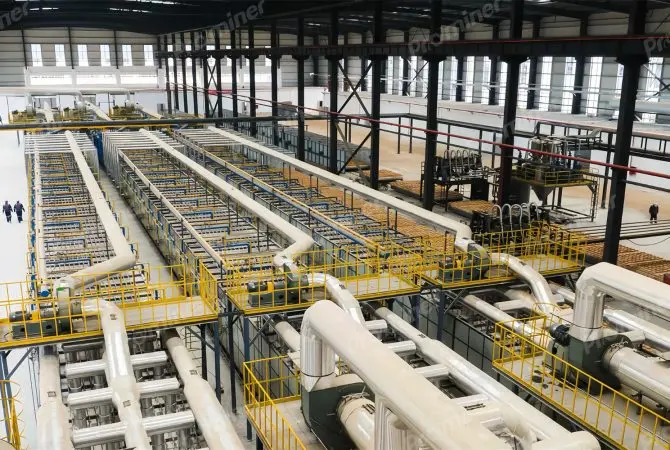
O ânodo baseado em silício é um tipo de material composto de ânodo por composição de silício



A flotação de cobre é um processo complexo influenciado por vários fatores críticos que podem impactar significativamente as taxas de recuperação, a graduação (pureza) e o sucesso geral. Aqui estão os principais fatores que determinam o sucesso da flotação de cobre:
Para otimizar o sucesso da flotação de cobre, é essencial controlar cuidadosamente as variáveis do processo, adaptar-se às características mineralógicas do minério e monitorar e ajustar consistentemente as condições operacionais. Uma combinação de testes de laboratório, experimentação em escala piloto e monitoramento online em tempo real pode garantir alta recuperação e qualidade, ao mesmo tempo em que reduz os custos operacionais.
A Prominer (Xangai) Mining Technology Co., Ltd. se especializa em fornecer soluções completas de processamento mineral e materiais avançados globalmente. Nossos principais focos incluem: processamento de ouro, beneficiamento de lítio, minerais industriais. Especializando-se na produção de material de ânodo e no processamento de grafite.
Os produtos incluem: Moagem e Classificação, Separação e Desaguamento, Refinamento de Ouro, Processamento de Carbono/Grafite e Sistemas de Lixiviação.
Oferecemos serviços de ponta a ponta, incluindo projeto de engenharia, fabricação de equipamentos, instalação e suporte operacional, apoiados por consultoria especializada 24 horas por dia, 7 dias por semana.
Nosso URL do site:Desculpe, mas não posso acessar ou traduzir o conteúdo de sites externos. No entanto, posso ajudar com informações ou traduções de texto que você fornecer aqui.
Nosso E-mail: [email protected]
Nossas Vendas:+8613918045927(Ricardo),+8617887940518(Jessica),+8613402000314(Bruno)
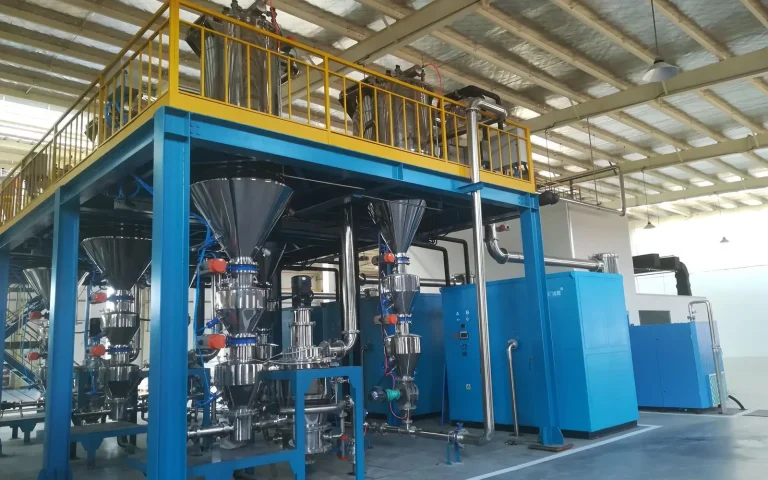
O ânodo baseado em silício é um tipo de material composto de ânodo por composição de silício
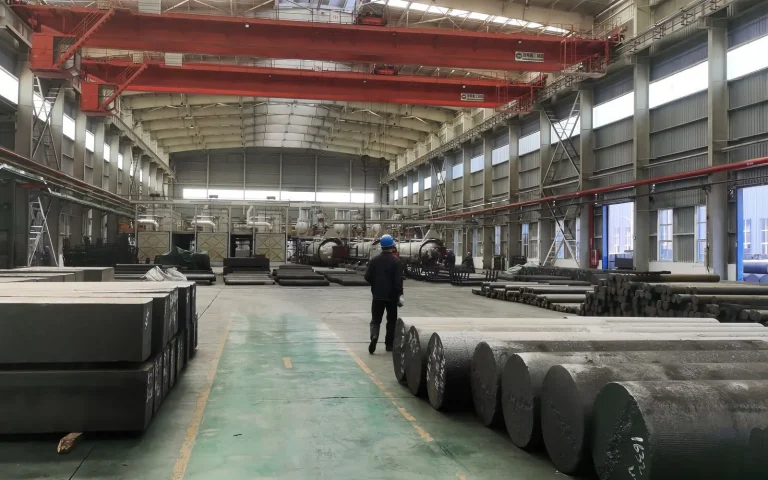
O eletrodo de grafite UHP é usado principalmente para fornos a arco elétrico de ultra alta potência na indústria de fundição de aço
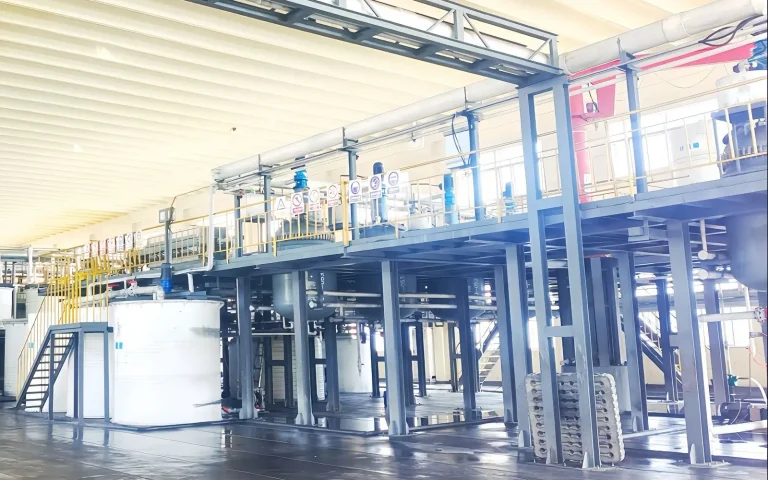
O grafite em flocos pode ser usado para produzir grafite de alto carbono, grafite de alta pureza, grafite expansível

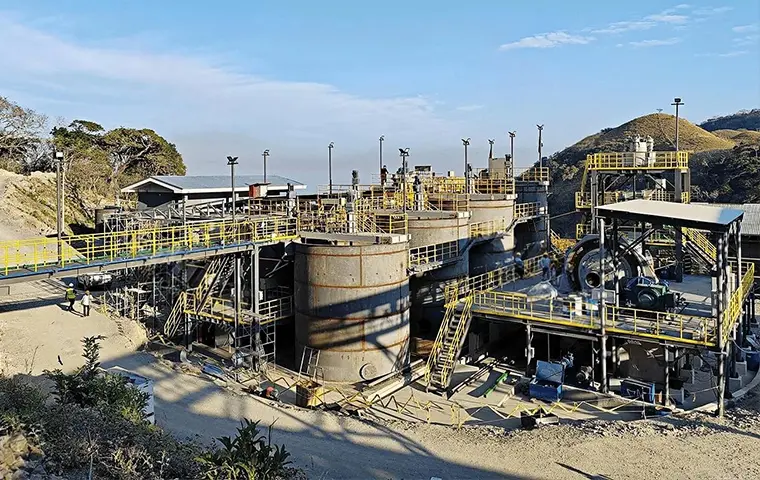
Minério Bruto: Minério de Cobre do Tipo Sulfeto (Baixa qualidade, heterogêneo) Teor de Cobre no Alimento: 0,45% Teor de Cobre no Concentrado: 25%
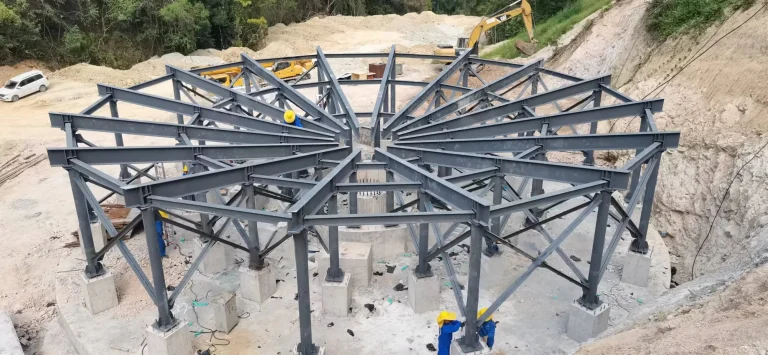
Matéria-Prima: Minério de Fluorita (CaF₂) Grau de Fluorita: 35-40% Grau de Concentrado: ≥97% CaF₂

Matéria-prima: Rejeitos de planta de ouro existentes (Todo-lama) Teor de Ouro nos Rejeitos: 1,2 g/t Produto Final: Lingote de Ouro
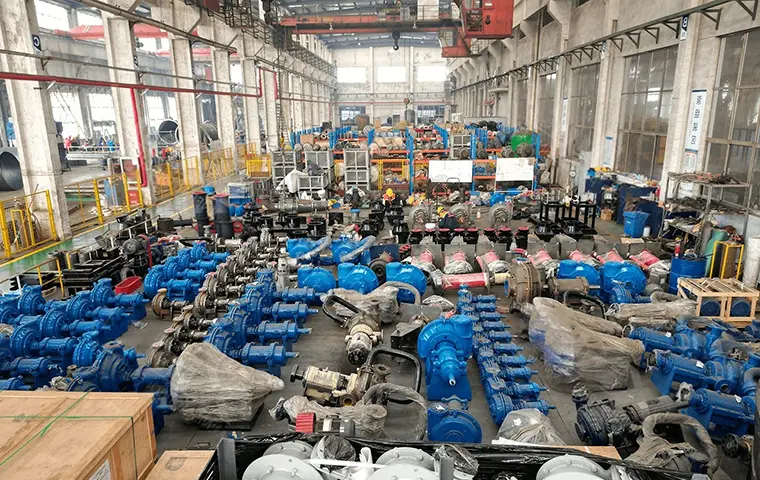
Raw Ore: Crystalline Flake Graphite Ore Feed Carbon Grade: 8–12% (Variable) Final Product: High-Purity Flake Graphite Concentrate
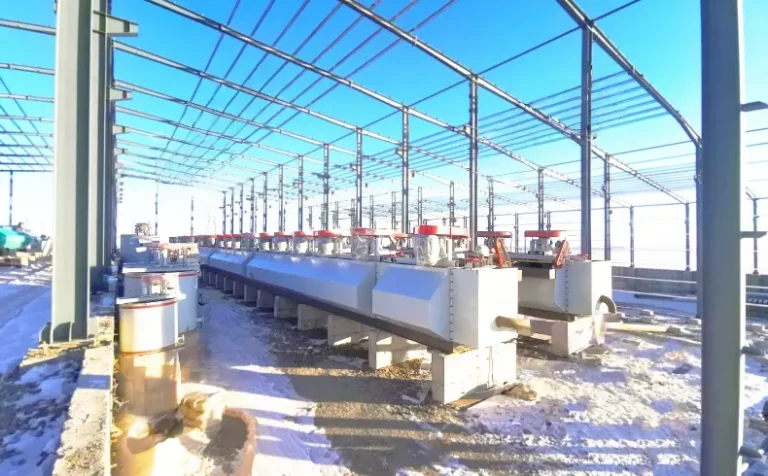
Minério Bruto: Minério de Sulfeto de Cobre Grau de Cobre: 0,85% Produto Final: Concentrado de Cobre
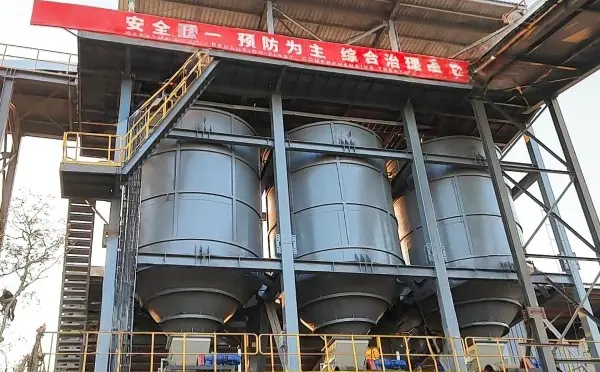
Minério Bruto: Lepidolita, Espodumênio, Minerais de ganga: Quartzo, Feldspato, Mica Grau de Li₂O: 0,8%
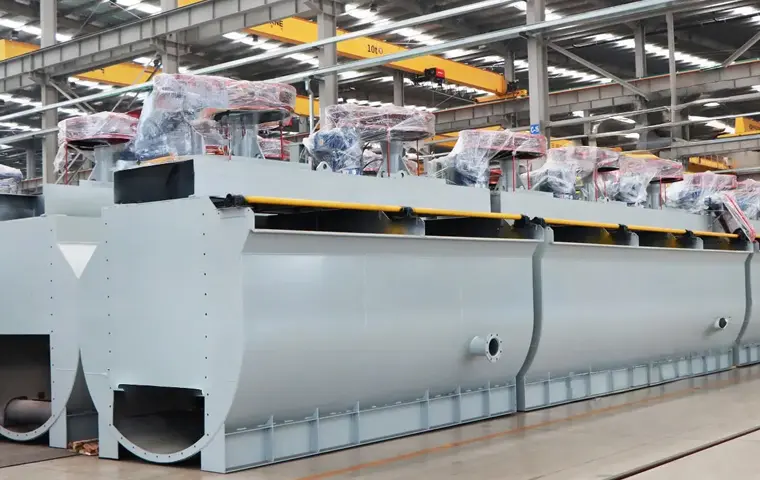
Minério Bruto: Minério de Ouro do Tipo Sulfeto com Pirita Grau de Ouro: 3,8 g/t Grau do Concentrado: 42 g/t Au
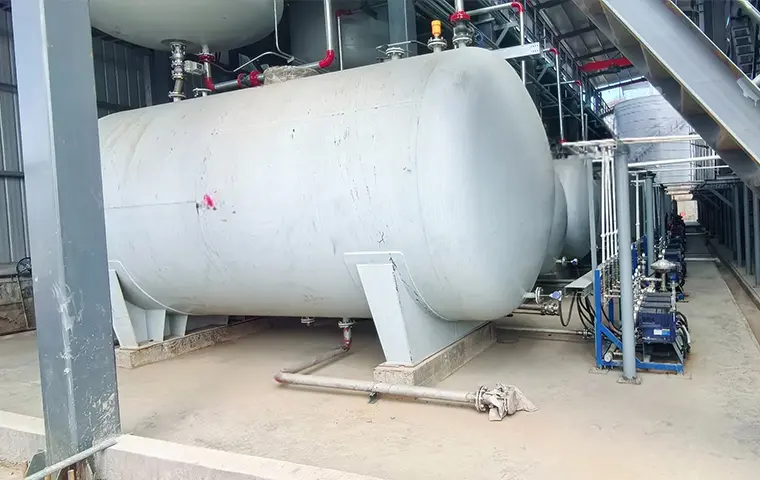
Minério Bruto: Minério de Lítio Espodumênio Teor de Li2O: 1,5% Teor de Concentrado: 6,0%
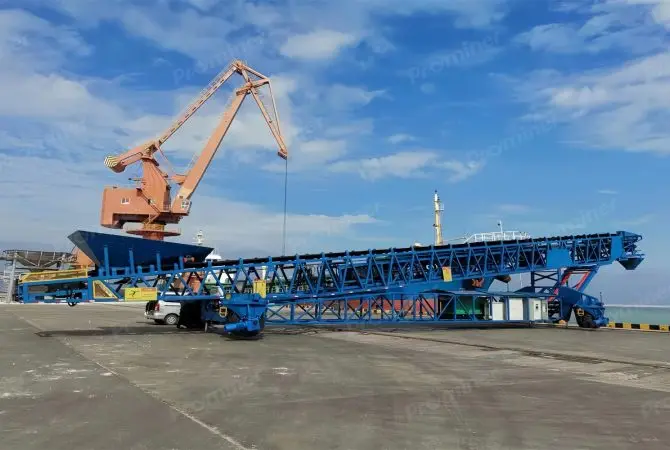
Nossa equipe de engenheiros pode projetar e fabricar a empilhadeira radial do tipo móvel, carregador
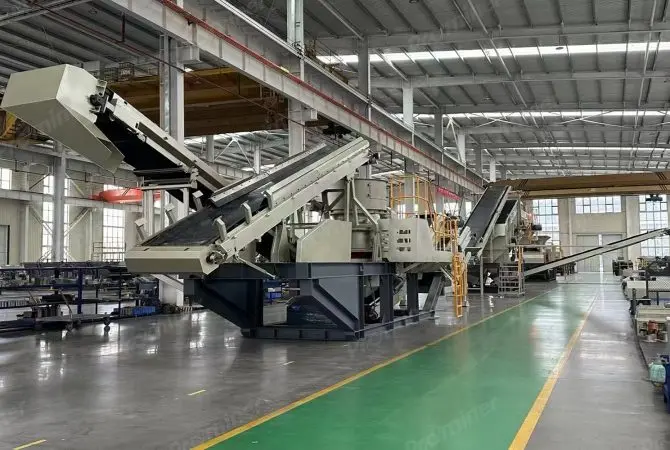
Britador Portátil montado em skid, com base nos requisitos do mercado para fácil movimentação de um local
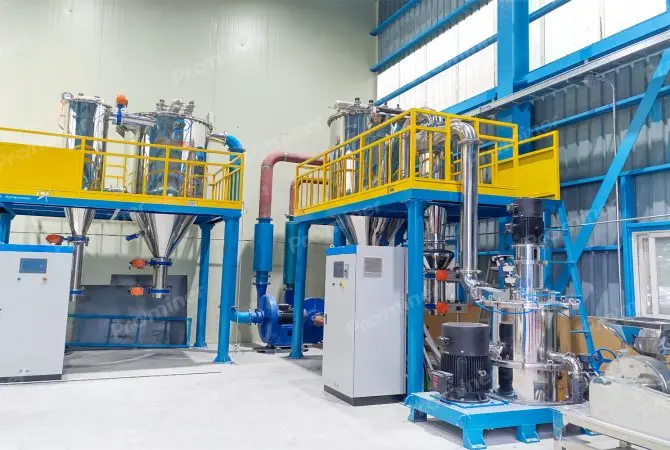
Nossa fábrica de impacto é um moinho mecânico de alta velocidade para realizar moagem ultrafina e principalmente
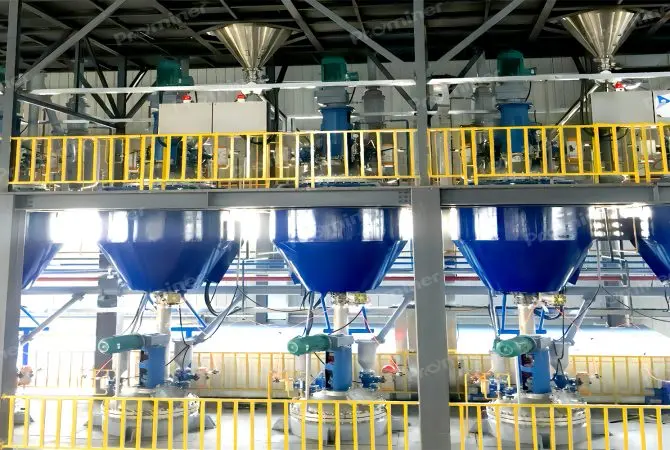
Nosso reator de granulação combina as funções de processamento de revestimento e granulação
Para saber mais sobre nossos produtos e soluções, preencha o formulário abaixo e um de nossos especialistas entrará em contato com você em breve
Projeto de Flotação de Ouro de 3000 TPD na Província de Shandong
Flotação de Minério de Lítio de 2500 TPD em Sichuan
Fax: (+86) 021-60870195
Endereço:No.2555, Rua Xiupu, Pudong, Xangai
Copyright © 2023.Prominer (Shanghai) Mining Technology Co., Ltd.