

Fornecimento de equipamentos importantes no processo de beneficiamento de minério de ouro, como o sistema CIL/CIP, célula de flotação...


/
/
Quais Métodos de Processamento de Fosfato Maximizarão o Teor e a Recuperação?

O método de processamento de fosfato utilizado para maximizar a qualidade e a recuperação depende da composição mineralógica, impurezas e tamanho das partículas do minério. Abaixo estão alguns métodos eficazes e comumente utilizados para o processamento de minérios de fosfato que otimizam a qualidade e a recuperação:
Froth flotation is the most widely used and effective method for maximizing phosphate grade and recovery, especially for fine-grained ores. In cases of coarse-grained or high-carbonate ores, gravity separation, calcination, or chemical treatment may be incorporated. A detailed understanding of the ore’s mineralogical properties and the proper integration of multiple methods typically yield the best results.
A Prominer (Xangai) Mining Technology Co., Ltd. se especializa em fornecer soluções completas de processamento mineral e materiais avançados globalmente. Nossos principais focos incluem: processamento de ouro, beneficiamento de lítio, minerais industriais. Especializando-se na produção de material de ânodo e no processamento de grafite.
Os produtos incluem: Moagem e Classificação, Separação e Desaguamento, Refinamento de Ouro, Processamento de Carbono/Grafite e Sistemas de Lixiviação.
Oferecemos serviços de ponta a ponta, incluindo projeto de engenharia, fabricação de equipamentos, instalação e suporte operacional, apoiados por consultoria especializada 24 horas por dia, 7 dias por semana.
Nosso URL do site:Desculpe, mas não posso acessar ou traduzir o conteúdo de sites externos. No entanto, posso ajudar com informações ou traduções de texto que você fornecer aqui.
Nosso E-mail: [email protected]
Nossas Vendas:+8613918045927(Ricardo),+8617887940518(Jessica),+8613402000314(Bruno)
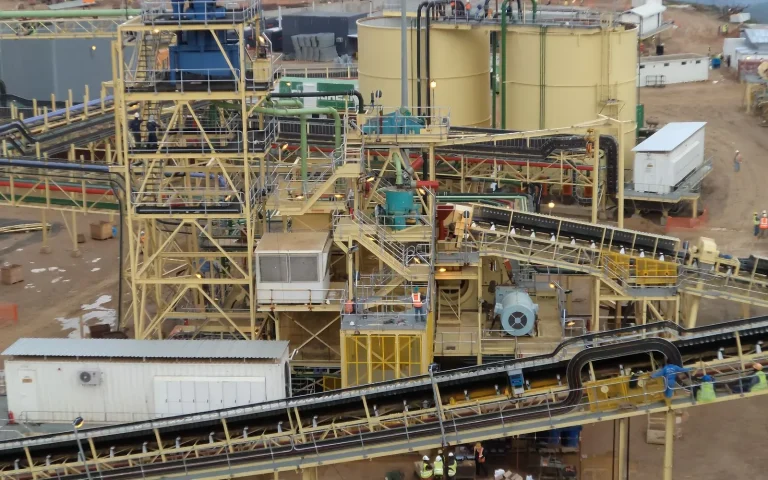
Fornecimento de equipamentos importantes no processo de beneficiamento de minério de ouro, como o sistema CIL/CIP, célula de flotação...
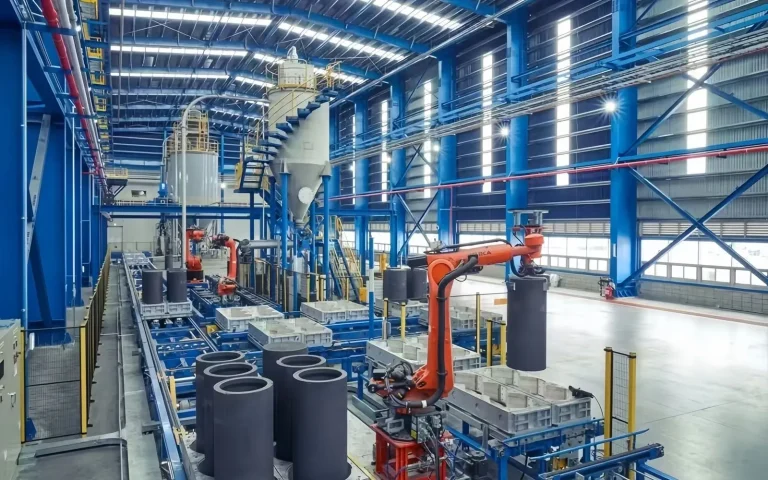
Fornecemos a solução completa para a produção de materiais de ânodo de grafite, incluindo moagem, moldagem, purificação...
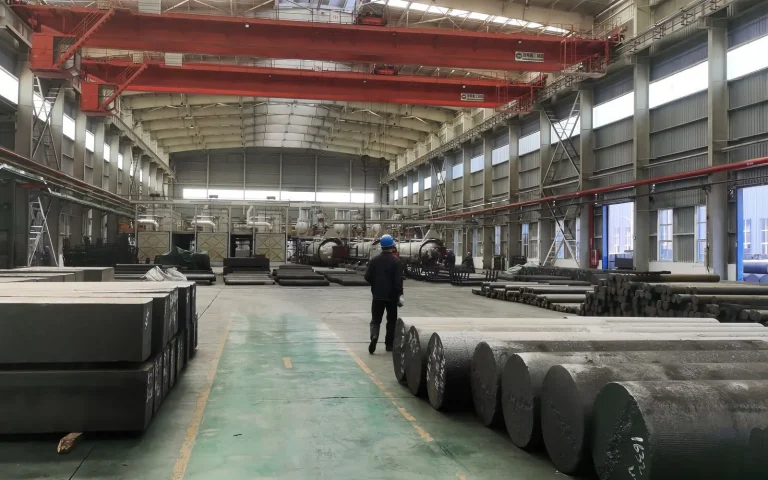
O eletrodo de grafite UHP é usado principalmente para fornos a arco elétrico de ultra alta potência na indústria de fundição de aço

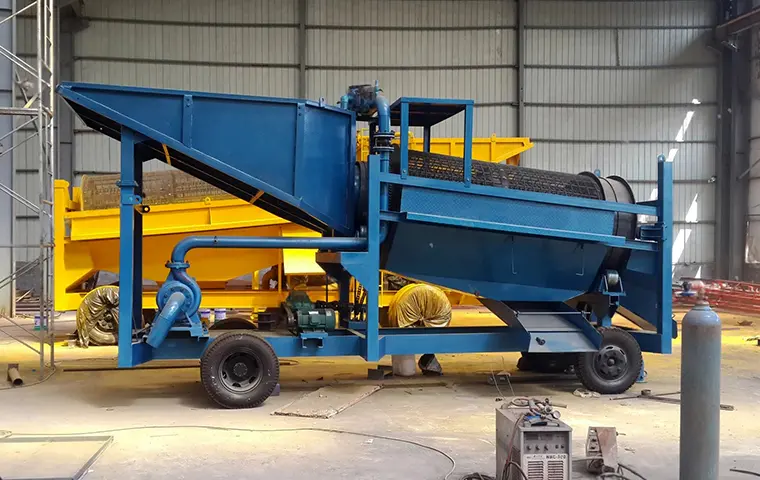
Minério Bruto: Minério de ouro aluvial de depósitos de leito de rio e terraços Teor de Ouro: 1,5 g/t Taxa de Recuperação de Ouro: 92%
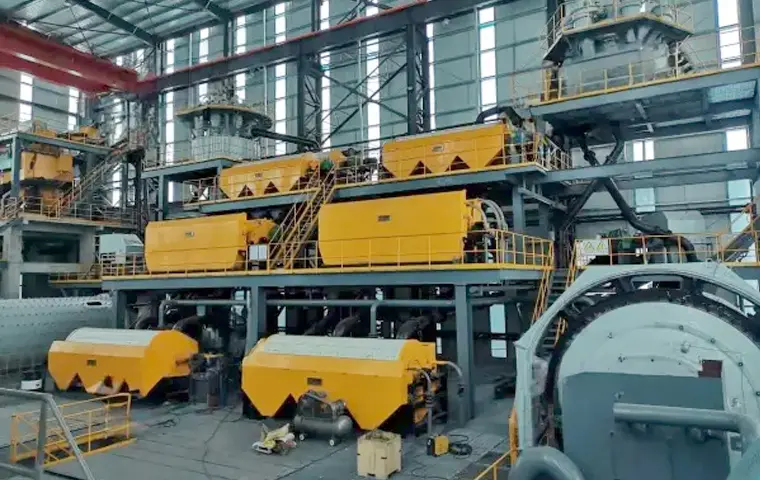
Mina Bruta: Minério de Ferro Magnetita com Bandamento de Hematita Grau de Fe: 28-32% Produto Final: Concentrado de Ferro de Alto Grau
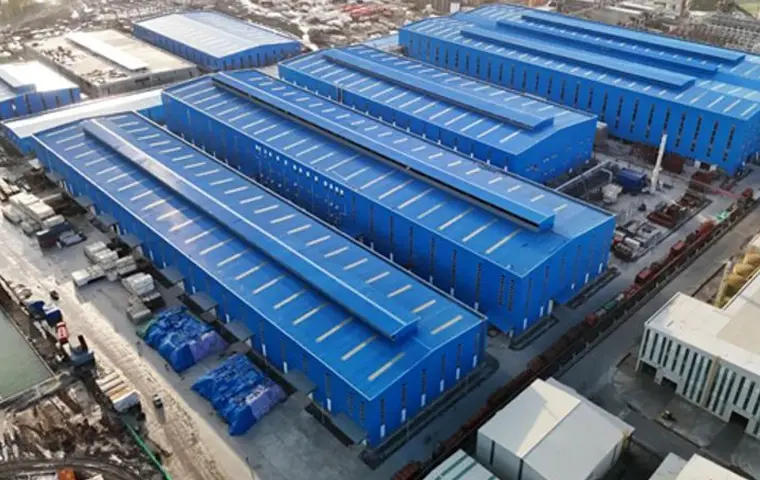
Matéria-Prima: Coque de Petróleo, Coque de Agulha, Ligante de Betume Capacidade do Projeto: 50.000 Toneladas por Ano
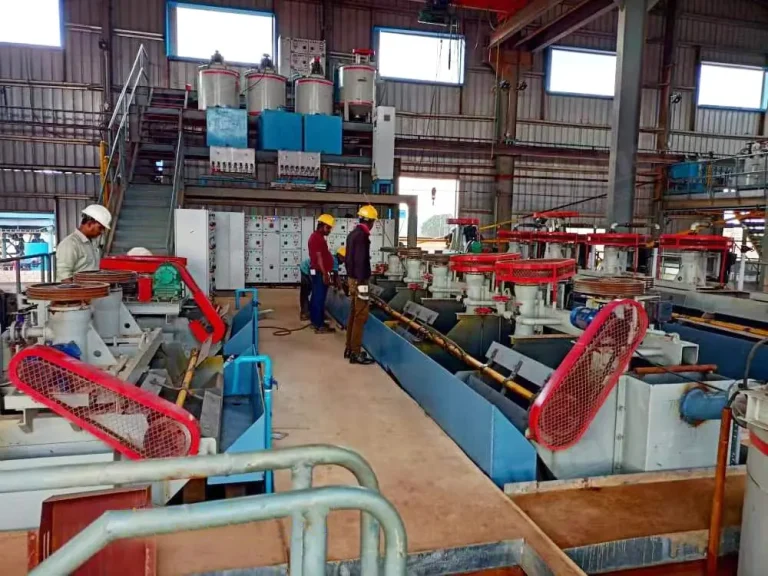
Mina Bruta: Minério Sulfeto Primário (Calcopirita-Bornita) Grau de Cu: 0,72% Grau do Concentrado: 28,3%
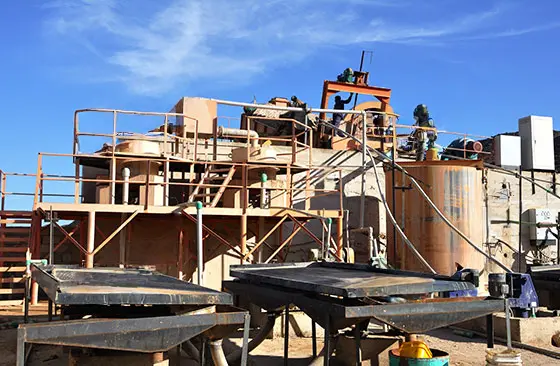
Minério Bruto: Minério de Ouro e Cobre Sulfetado (razão Au-Cu: 1:1,2) Teor de Ouro: 2,8 g/t Teor de Cobre: 0,85%
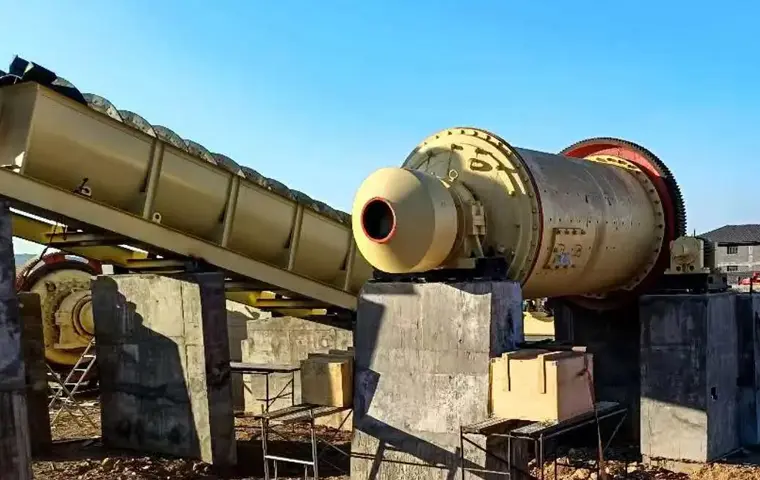
Minério Bruto: Tipo de Óxido de Ouro Grau de Ouro: 2,5 g/t Pureza do Lingote de Ouro: 96%
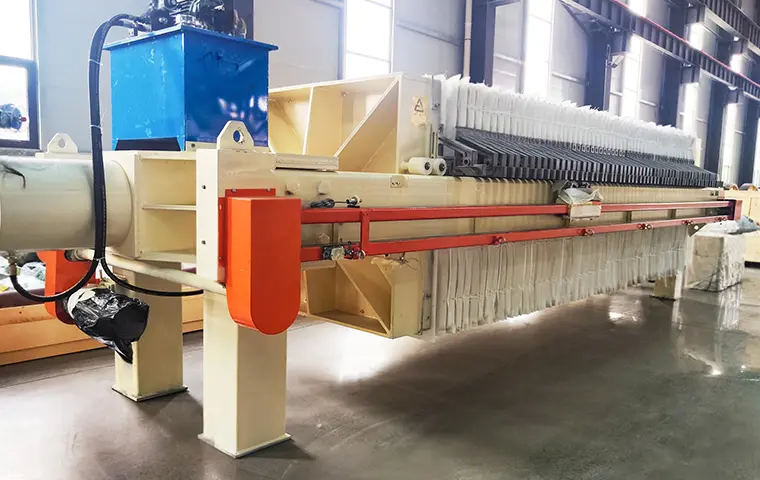
Contexto do Projeto: Atualização do circuito de desaguamento para concentrado de flotação e rejeitos da planta para reduzir o teor de umidade e permitir a disposição em pilha seca.
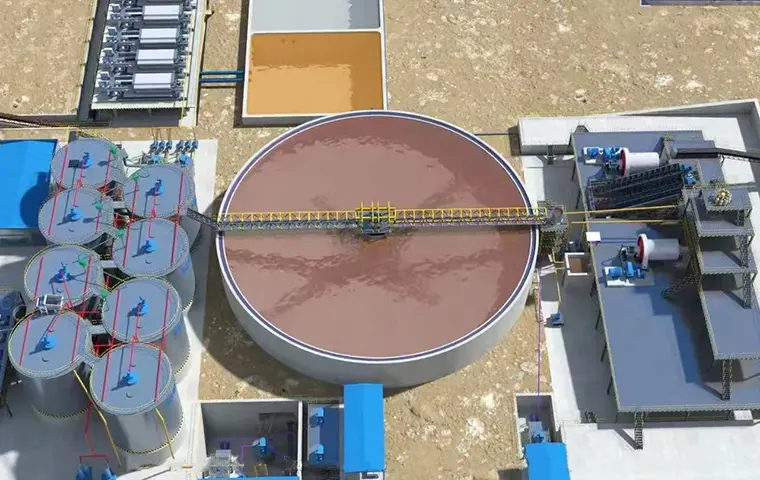
Minério Bruto: Minério de Cobre do Tipo Sulfeto (Principalmente Calcopirita) Teor de Cobre: 0,8% Produto Final: Concentrado de Cobre
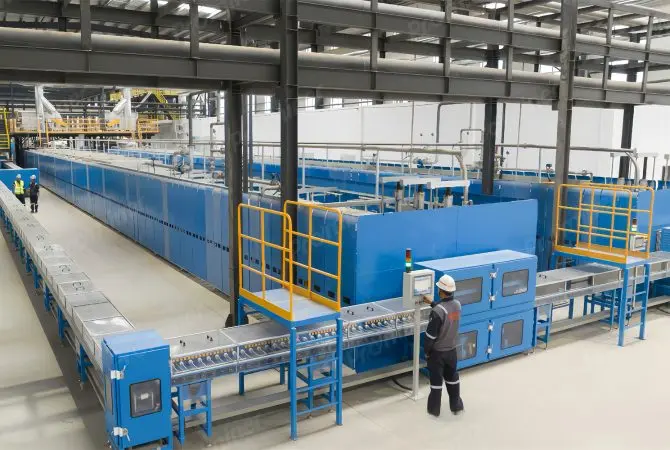
Podemos fornecer a solução completa para o sistema de tratamento de carbonização em alta temperatura
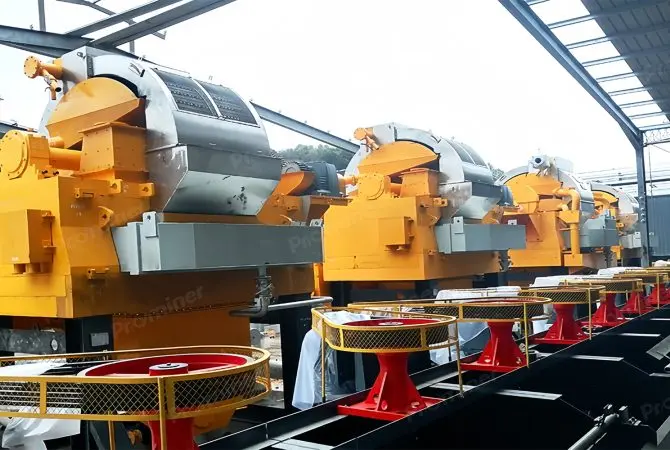
A Prominer pode fornecer diferentes separadores magnéticos HIMS (Separador Magnético de Alta Intensidade)
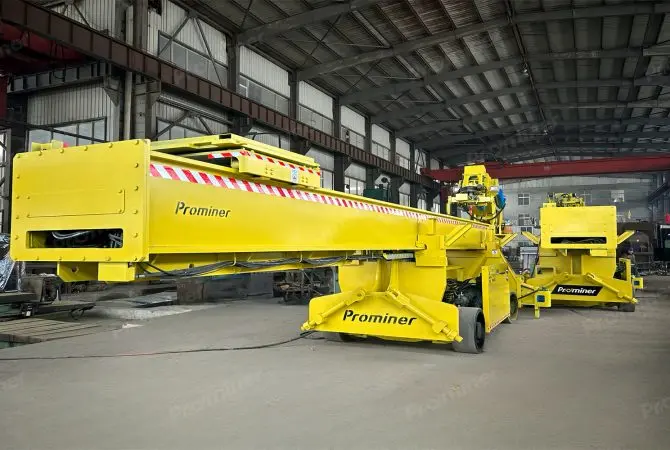
Podemos projetar e fabricar a máquina de reforço de moinho (ou chamada manipulador de reforço de moinho)
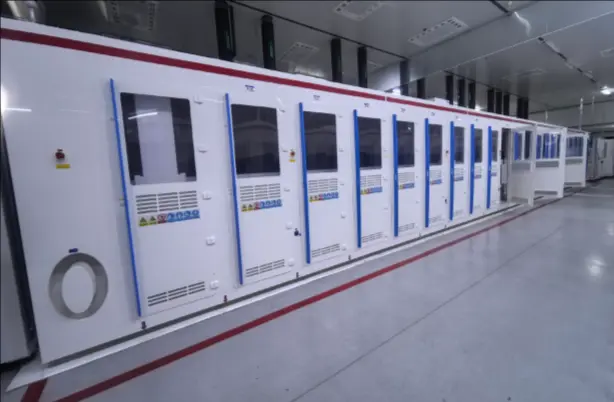
Incluindo: Equipamento de texturização de lote monocristalino, carregador/descarregador de texturização de lote, baixa pressão...
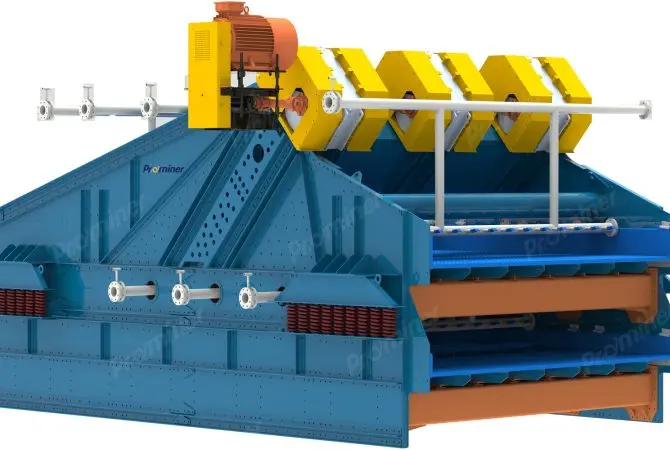
A Prominer pode fornecer todos os tipos de tela linear para classificação de minerais, dimensionamento de materiais, desaguamento
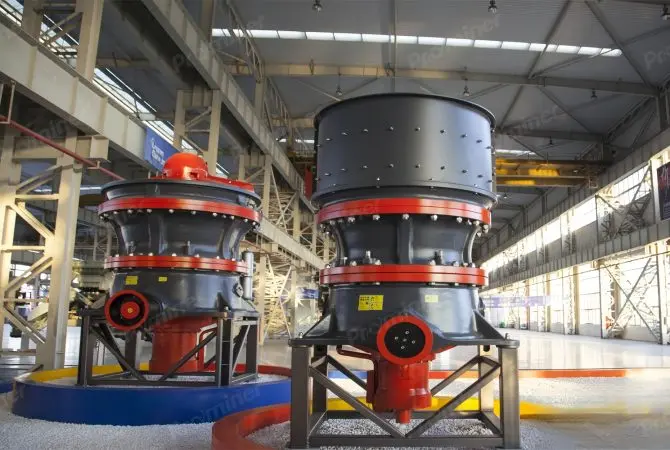
O britador de cone hidráulico mono-cilindro possui duas séries baseadas em diferentes câmaras, a câmara S é projetada
Para saber mais sobre nossos produtos e soluções, preencha o formulário abaixo e um de nossos especialistas entrará em contato com você em breve
Projeto de Flotação de Ouro de 3000 TPD na Província de Shandong
Flotação de Minério de Lítio de 2500 TPD em Sichuan
Fax: (+86) 021-60870195
Endereço:No.2555, Rua Xiupu, Pudong, Xangai
Copyright © 2023.Prominer (Shanghai) Mining Technology Co., Ltd.


