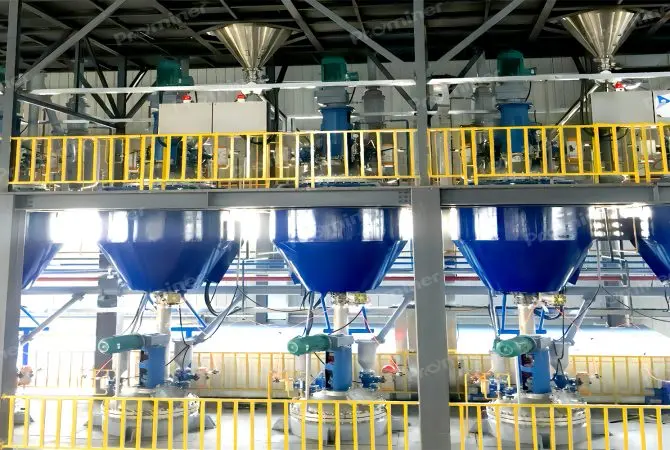
Putem oferi soluția de extracție directă a litiului (DLE) pentru a recupera litiul din brinele lacurilor sărate


/
/
Grafit cristalin vs. criptocristalin: Cum determină tipurile de zăcăminte fluxurile de prelucrare?


Grafitul este un mineral industrial versatil utilizat în baterii, refractare, lubrifianți și materiale avansate. Cu toate acestea, nu toate grafitul sunt la fel. Forma geologică în care apare grafitul—cristalină (fincă sau de filament) sau criptocristalină (amorfă)—determină direct modul în care trebuie să fie procesat. Înțelegerea acestor diferențe este esențială pentru proiectarea fluxurilor eficiente de beneficierență și obținerea unei calități optime a produsului.
Mai jos, explorăm modul în care caracteristicile minereului influențează strategiile de procesare.
Grafitul cristalizat apare de obicei sub formă de fulgi bine formați sau venaturi în cadrul rocilor metamorfice, cum ar fi șistul și gneissul. Dimensiunile fulgilor pot varia de la fine la grosiere, iar menținerea integrității fulgilor este adesea un obiectiv principal în procesare, deoarece fulgii mai mari au o valoare de piață mai ridicată.
Grafitul criptocrystalline, adesea denumit grafit amorf, constă din particule de grafit extrem de fine dispersate în roci sedimentare sau metamorfice de grad redus. Chiar dacă poartă numele de amorf, acesta este totuși cristalizat la nivel microscopic, dar structura cristalină este prea fină pentru a fi vizibilă cu ochiul liber.
Aceste diferențe structurale influențează în mod semnificativ comportamentul de eliberare în timpul zdrobirii și mărunțirii.
În zăcămintele cristaline (plăci) de grafit, fulgii de grafit sunt de obicei inter-grandinați cu minerale de gangă silicatice. Provocarea principală este să eliberezi fulgii fără o reducere excesivă a dimensiunii. supragrinding-ul reduce dimensiunea fulgilor și scade valoarea produsului.
Ca rezultat, fluxurile de procesare includ de obicei:
Scopul este de a elibera treptat grafitul, păstrând dimensiunea fulgilor.
În schimb, grafitul criptocrystalline este deja extrem de fin și în strânsă asociere cu minerale gangantice. Eliberarea necesită adesea o măcinare mai intensă. Deoarece valoarea produsului nu depinde de dimensiunea fulgilor, o măcinare mai fină nu implică aceeași penalizare economică.
flotarea cu spumă este metoda principală de beneficere a grafitului cristalin. Hidrofobicitatea naturală a grafitului o face foarte sensibilă la flotare, fără a fi nevoie de reagenți complicated.
Fluxuri tipice includ:
Concentrate de înaltă calitate (90–97% carbon) poate fi obținut prin curățare repetată, minimizând degradarea flișei.
Comoarele de grafit criptocristalin sunt adesea de calitate mai scăzută și s-ar putea să nu justifice circuite de flotare complexe cu multiple etape. În funcție de zăcământ, procesarea poate implica:
În unele cazuri, minereul este sortat manual sau extras selectiv datorită conținutului relativ ridicat de carbon în stare de poziție.
Pentru aplicații de înaltă tehnologie, cum ar fi anodurile de baterii litiu-ion, puritatea grafitului trebuie să depășească 99,9% carbon.
Grafitul cristalin fulgerat este de obicei supus unor procese suplimentare de purificare, cum ar fi:
Grafitul criptocrystalline, datorită dimensiunii fine a particulelor și distribuției impurităților, poate fi mai dificil și mai costisitor să fie purificat la niveluri ultra-înalte. Prin urmare, este utilizat mai frecvent în refractarii, straturi pentru turnătorii și lubrifianți, mai degrabă decât în aplicații pentru baterii.
Tipul de orelă influențează direct:
Operațiunile cu grafit cristalizat în formă de fulg necesită de obicei circuite de flotare mai sofisticate, dar rezultă produse de valoare mai mare. Păstrarea dimensiunii fulgului este esențială pentru menținerea profitabilității.
Operațiunile cu grafit criptocrystalline pot implica un procesare mai simplă, dar adesea vizează piețe cu marje mai mici. Economia depinde în mare măsură de calitatea depozitului și de apropierea de utilizatorii finali.
Diferențele fundamentale dintre minereurile de grafit cristalin și criptocristalin determină filozofii de procesare complet diferite.
În procesarea grafitului, geologia este destinul. Un flux de proces bine conceput nu începe în fabrică, ci în înțelegerea profundă a corpului de minereu în sine.
A: Caracteristicile minerale variază semnificativ chiar și în cadrul aceluiași corp de mineral. Un test profesional (cum ar fi analiza chimică, XRD și SEM) asigură că diagrama de flux este optimizată pentru gradul specific de minereu și dimensiunea de eliberare. Acest lucru previne nepotrivirile costisitoare ale echipamentului și garantează cele mai mari rate posibile de recuperare pentru proiectul dumneavoastră.
A: Menținem un stoc permanent de piese de uzură pentru echipamentele de bază (cum ar fi căptușelile pentru concasoare, plasmele de filtrare și mediile de măcinare). Pentru clienții internaționali, oferim o „listă recomandată de piese de schimb pentru 2 ani” odată cu achiziția inițială. Suportul tehnic este disponibil 24/7 prin video la distanță, iar vizitele la fața locului pot fi organizate pentru nevoi complexe de întreținere.
A: Da. Trimitem o echipă de ingineri mecanici și electrici seniori la fața locului pentru a supraveghea instalarea, punerea în funcțiune și testarea la sarcină a echipamentului. De asemenea, oferim instruire cuprinzătoare la fața locului pentru operatorii dumneavoastră locali pentru a asigura o funcționare lină pe termen lung.
A: Absolut. Ne specializăm în oferirea de servicii EPCM (Inginerie, Achiziții, Managementul Construcțiilor). Acest lucru include totul, de la testarea inițială a minereului și designul minei, până la fabricarea echipamentelor, logistică și integrarea completă a instalațiilor, asigurând o tranziție fără cusur de la teren virgin la producție.
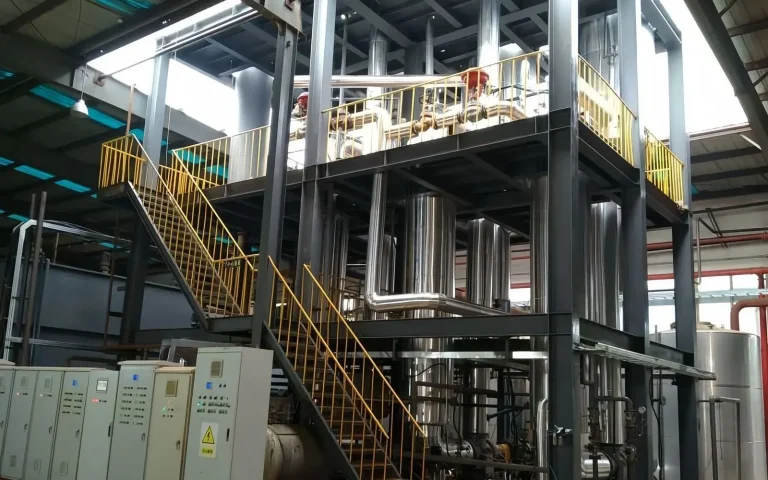
Putem oferi soluția de extracție directă a litiului (DLE) pentru a recupera litiul din brinele lacurilor sărate
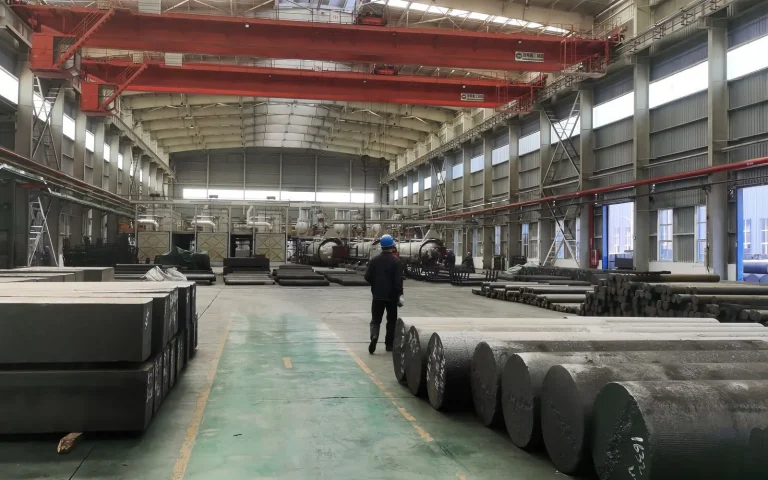
Electrodul de grafit UHP este utilizat în principal pentru cuptoarele electrice cu arc de putere ultra-înaltă în industria topirii oțelului
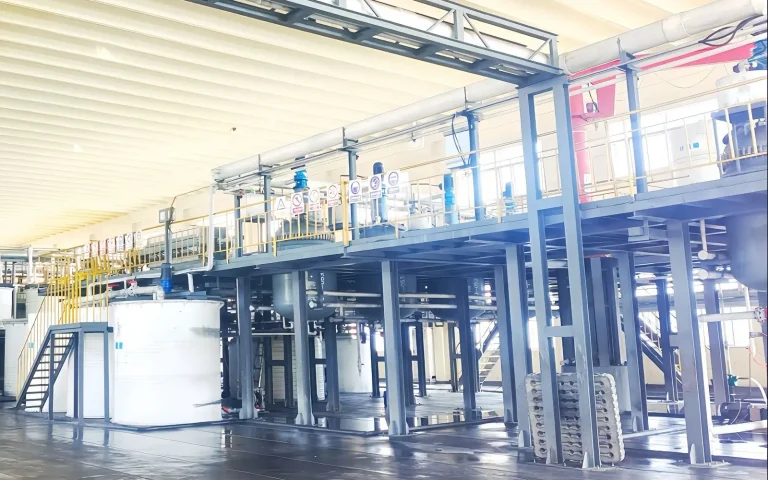
Grafitul în fulgi poate fi folosit pentru a produce grafit cu conținut ridicat de carbon, grafit de puritate înaltă, grafit expandabil

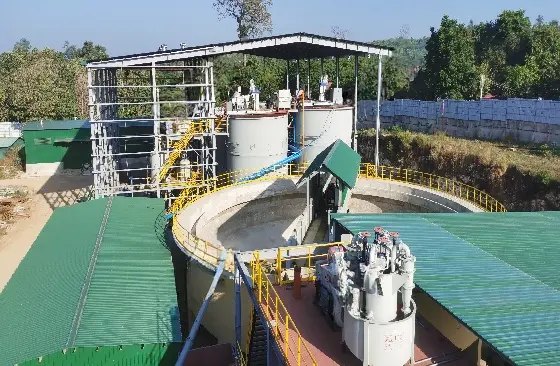
Locație: Tanzania, Africa și Kalimantan Central, Indonezia Tip minereu: Minereu sulfidic de grad scăzut (1,2–1,8 g/t Au)
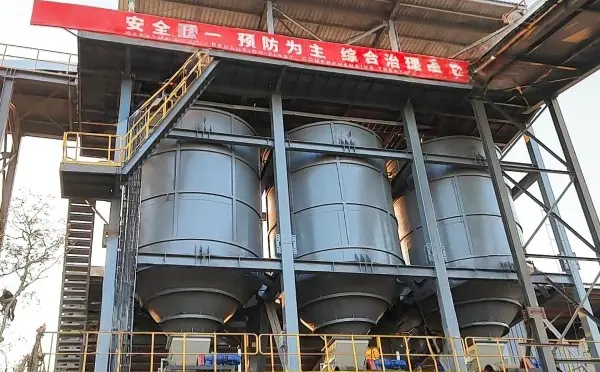
Minereu brut: Lepidolită, Spodumenă, Minerale de gângă: Cuarț, Feldspat, Mica Grad Li₂O: 0,8%
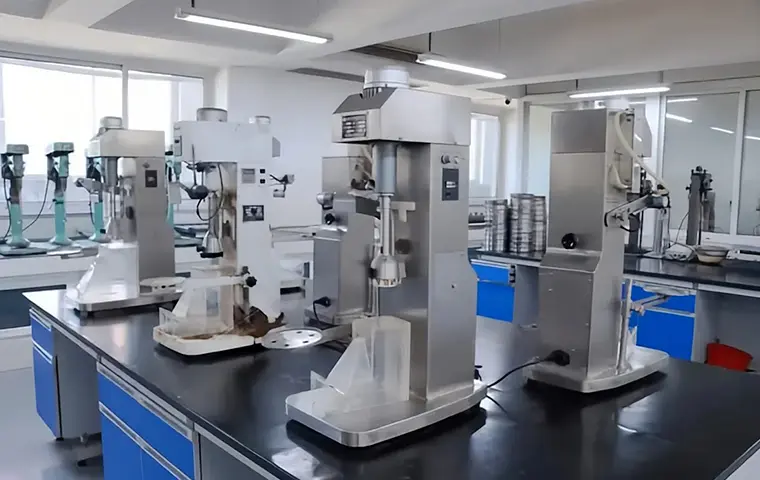
Materie primă: Diverse tipuri de probe de minereu (aur, litiu, grafit etc.) Capacitate laborator: 50–100 probe pe zi
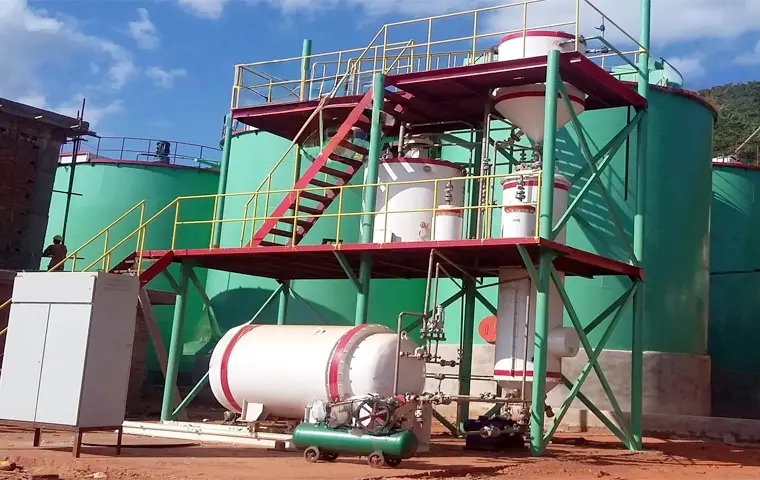
Minereu brut: Aur aluvial cu magnetit și hematit (Depunere tipică Sierra Madre)
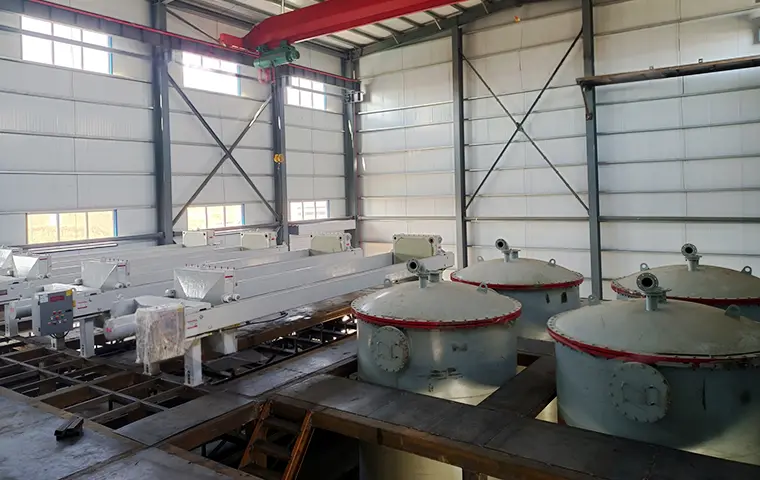
Minereu brut: Minereu de sulfuri polimetalice de argint (conținând Ag, Pb, Zn) Grad de argint: 180 g/t Grad de plumb: 4,2% Grad de zinc: 5,8%
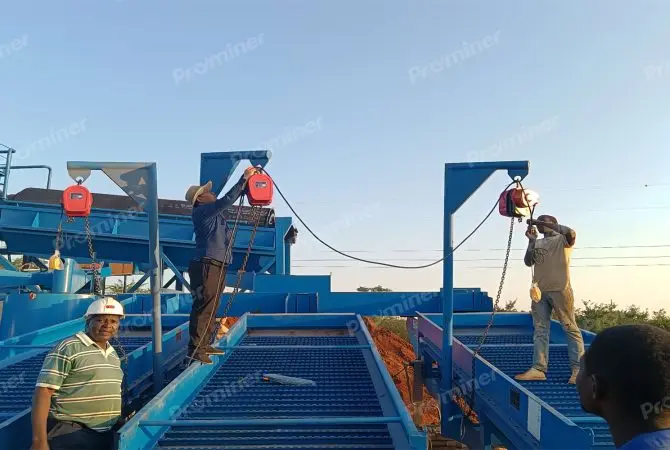
Mineral brut: Aur aluvial din albie de râu Grad de aur: 0,8 g/t
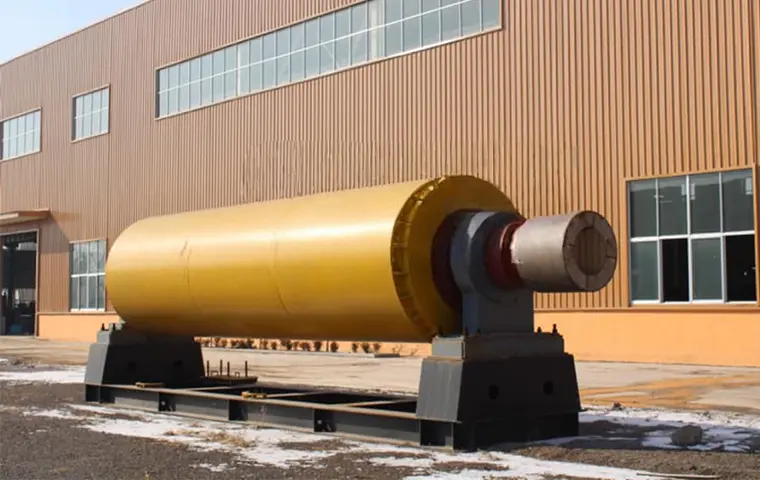
Minereu brut: Minereu oxid de aur / probe personalizate de minereu Dimensiunea alimentării: sub 12 mm Finența de măcinare țintă: 200 mesh (74μm) D80
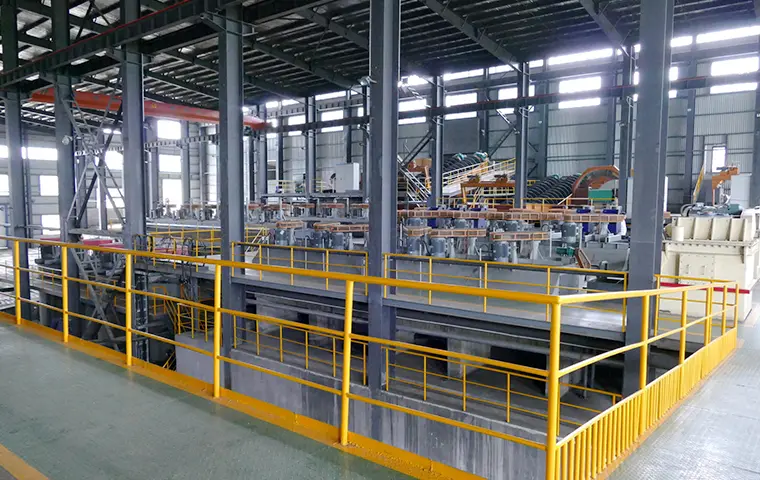
Materie Primă: Grafit Sferic, Binder de Pitch, Aditivi Capacitate Proiect: 5.000 tone de material anodic; 20 tone de grafen pe an
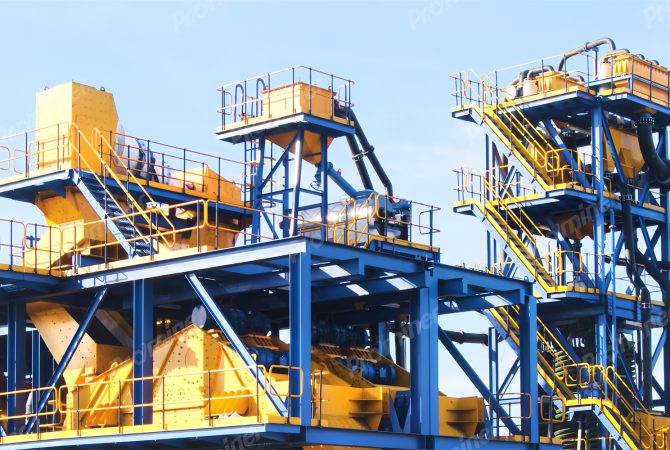
Prominer poate oferi diferite separatoare magnetice LIMS (separatoare magnetice de intensitate scăzută)
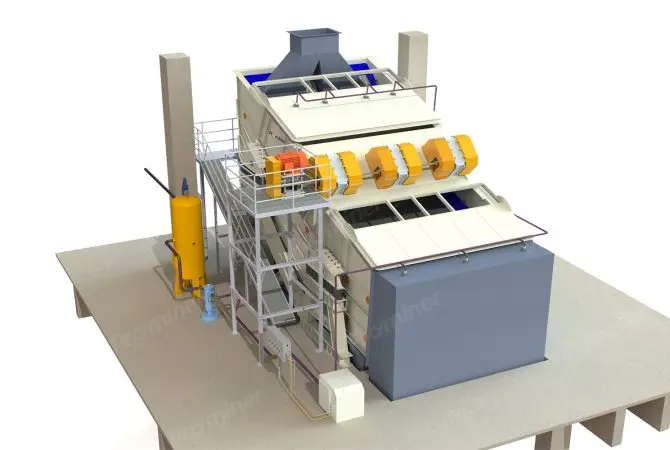
Panoul de ecran flip-flow continuă să se extindă și să se contracte pentru a atinge rate de accelerație ridicate.
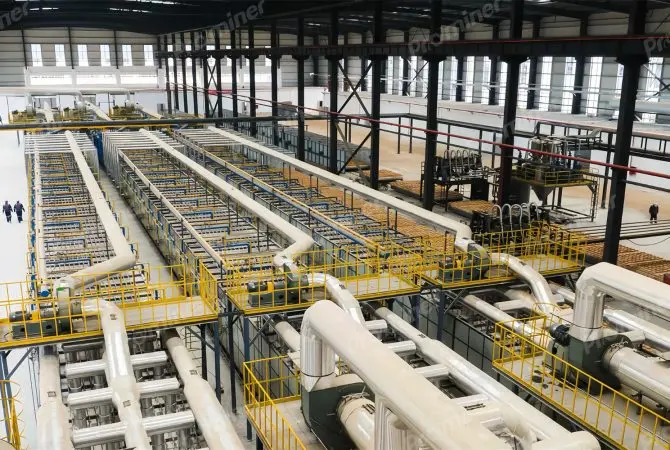
Prominer oferă diverse tipuri de cuptoare pentru coacerea primară și secundară a carbonului
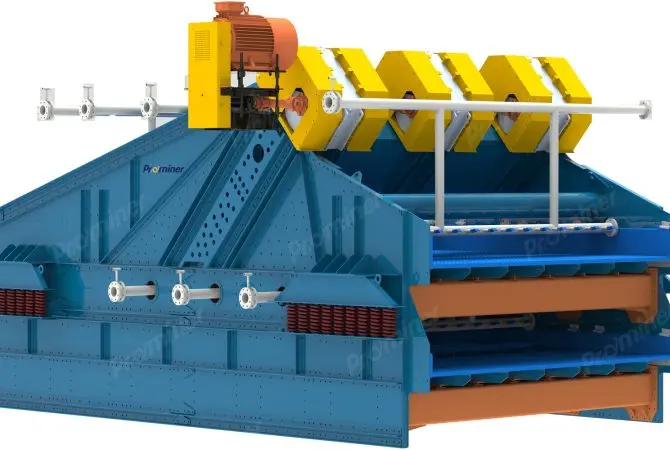
Prominer poate oferi toate tipurile de ecrane liniare pentru clasificarea mineralelor, dimensionarea materialelor, deshidratarea
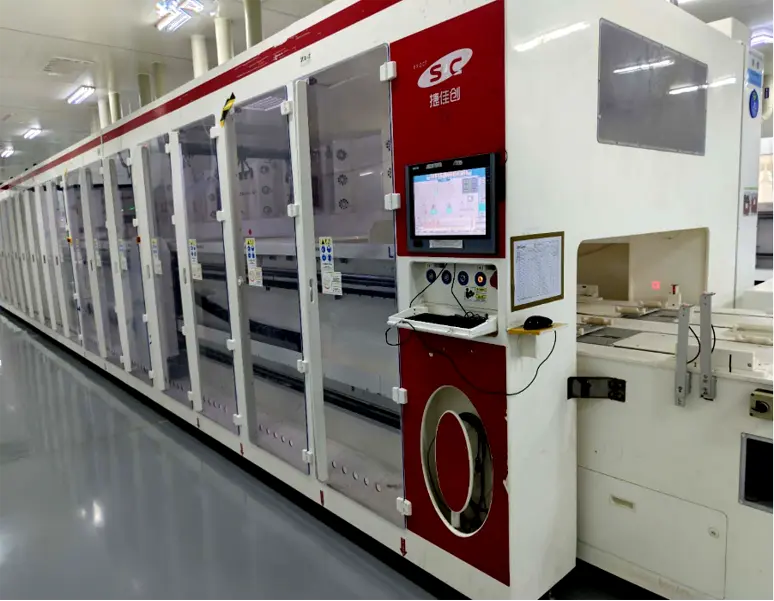
De exemplu: cuptor de difuzie cu bor, îndepărtarea BSG, mașină de lustruit alcalină, PE-POLY...
Pentru a afla mai multe despre produsele și soluțiile noastre, vă rugăm să completați formularul de mai jos, iar unul dintre experții noștri vă va contacta în curând
Proiect de flotare a aurului de 3000 TPD în provincia Shandong
Flotare a minereului de litiu de 2500 TPD în Sichuan
Fax: (+86) 021-58779592
Adresă:Camera 606, Clădirea D3, Faza II, Centrul de Afaceri Chuansha, 777 Long, Drum Miaochuan, Zona Nouă Pudong, Shanghai, China
Drepturi de autor © 2023.Prominer (Shanghai) Mining Technology Co., Ltd.