

Kuoshwa kwa lita ni chaguo nzuri kwa mmiliki wa mradi kuanza katika hatua ya mwanzo ili kuokoa uwekezaji

/
/
Grafiti wa Kriistalini dhidi ya Cryptocrystalline: Aina za Vinu Zinatakaje Mito ya Usindikaji?


Grafiti ni madini ya viwandani yanayobadilika kwa matumizi mbalimbali yanayotumika katika betri, vifaa vya kulehemu, mafuta ya viungio, na nyenzo za kisasa. Hata hivyo, si grafiti zote ni za aina moja. Aina ya jiolojia ambayo grafiti hujidhihirisha—ya crystalline (mashapo au mrija) au cryptocrystalline (isiyo na umbo maalum)—huamua moja kwa moja jinsi inavyopaswa kushughulikiwa. Kuelewa tofauti hizi ni muhimu kwa kubuni mchakato wa kuleta faida kwa ufanisi na kufikia ubora wa bidhaa bora.
Chini, tunachunguza jinsi sifa za madini zinavyoamua mikakati ya usindikaji.
Graphiti ya kirekebishi kwa kawaida hujitokeza kama vata vilivyomalizwa vizuri au mshipa ndani ya mawe ya metamorphic kama schist na gneiss. Ukubwa wa vata unaweza kuwa mdogo sana hadi mkubwa, na kuhifadhi uhalali wa vata mara nyingi huzingatiwa kuwa lengo kuu la usindikaji kwa sababu vata vikubwa vinashikilia thamani kubwa sokoni.
Grafiti ya kriptokristali, mara nyingi huitwa grafiti isiyo na muundo wa crystalline, ina nyufa nyembamba sana za grafiti zilizoganda ndani ya mwamba wa mazingira au wa metamorphic wa kiwango cha chini. Licha ya jina, bado ni ya kristali kwa kiwango cha mioyo, lakini muundo wa kristali ni mdogo sana kiasi cha kuonekana kwa jicho la kawaida.
Tofauti hizi za muundo zinaathiri kwa kiasi kikubwa tabia ya ukombozi wakati wa kusaga na kusaga kelele.
Katika makaa ya grafiti ya kristalini (nyuzi), nyuzi za grafiti kwa kawaida huungana na madini ya gangue ya silikati. Changamoto kuu ni kuachilia nyuzi hizo bila kupunguza ukubwa mno. Kuzidisha unga kupunguza ukubwa wa nyuzi na kupunguza thamani ya bidhaa.
Kwa mfano, mchakato wa uendeshaji mara nyingi unajumuisha:
Lengo ni kuachilia grafiti kwa hatua kwa hatua huku wakihifadhi ukubwa wa vipande.
Tofauti na hiyo, grafiti ya kripokrisalini tayari ni nyembamba sana na inaunganishwa kwa karibu na madini ya gangue. Kutolewa huhitaji kusagwa zaidi kwa nguvu. Kwa kuwa thamani ya bidhaa haitegemei ukubwa wa nyimbo, kusagwa kwa nyembamba hakulipi adhabu ya kiuchumi sawa.
Uhamishaji wa povu ni njia muhimu ya kuboresha graphite ya kimuundo. Uzito wa asili wa graphite kuwafanya kuwa na tabia ya kutoweza kuunganishwa na maji huwafanya iwe rahisi kupatikana kwa uhamishaji wa povu bila hitaji la kemikali tata.
Mitozo ya kawaida ni pamoja na:
Mchanganyiko wa ubora wa juu (90–97% kaboni) unaweza kupatikana kupitia usafi wa marudio huku ukipunguza uharibifu wa mihogo.
Machimbo ya grafiti ya kripto-kristalini mara nyingi ni ya kiwango cha chini na yanaweza yasifae kuanzisha mzunguko wa kuchuja kwa hatua nyingi ngumu. Kulingana na machimbo, usindikaji unaweza kujumuisha:
Katika baadhi ya hali, madini yanachaguliwa kwa mikono au kuchimbwa kwa kuchagua kutokana na kiwango cha kaboni kilichopo kwa ndani kinachokadiriwa kuwa kikubwa.
Kwa matumizi ya teknolojia ya hali ya juu kama vile anodi za betri za lithiamu-ion, usafi wa grafiti lazima uzidi asilimia 99.9 ya kaboni.
Grafiti ya kristali ya fuwele kawaida huambukiwa na michakato ya kusafisha zaidi kama:
Grafiti ya kripto-crystalline, kutokana na ukubwa wake mdogo wa chembe chembe na usambazaji wa uchafu, inaweza kuwa na changamoto zaidi na gharama kubwa zaidi kuiosha hadi kiwango cha juu sana. Kwa hivyo, hutumika zaidi katika vifaa vya kuhimili joto, uso wa tanuru, na mafuta ya kupalilia kuliko matumizi ya betri.
Aina ya dunguli inaathiri moja kwa moja:
Operesheni za grafiti wa fuwele wa kristali kwa kawaida huhitaji mzunguko wa kufua wa kisasa zaidi lakini husababisha bidhaa za thamani zaidi. Kuhifadhi ukubwa wa fuwele ni muhimu ili kudumisha faida.
Uendeshaji wa grafiti wa kriptokristalini unaweza kuhusisha usindikaji rahisi lakini mara nyingi huelekezwa kwenye masoko yenye faida ndogo. Uchumi unategemea sana kiwango cha hazina na ukaribu na watumiaji wa mwisho.
Tofauti za msingi kati ya mrare wa grafiti wa kagreeni na wa kripto-kagreeni hutoa falsafa tofauti kabisa za usindikaji.
Katika usindikaji wa grafiti, jiolojia ndiyo hatma. Mchakato mzuri wa mtiririko wa kazi huanza sio katika kiwanda, bali katika uelewa wa kina wa mwili wa ore yenyewe.
A: Tabia za madini hutofautiana kwa kiasi kikubwa hata ndani ya mwili mmoja wa madini. Mtihani wa kitaaluma (kama vile uchambuzi wa kemikali, XRD, na SEM) unahakikisha kwamba mchoro wa mtiririko umeboreshwa kwa kiwango chako maalum cha madini na ukubwa wa ukusanyaji. Hii inazuia kutokubaliana kwa gharama kubwa kwa vifaa na kuhakikisha viwango vya juu zaidi vya urejeleaji kwa mradi wako.
A: We maintain a permanent stock of core wear parts (such as crusher liners, screen meshes, and grinding media). For international clients, we provide a recommended “2-year spare parts list” with the initial purchase. Technical support is available 24/7 via remote video, and site visits can be arranged for complex maintenance needs.
A: Ndio. Tunatuma kikundi cha wahandisi wakuu wa mitambo na umeme kwenye tovuti kusimamia usakinishaji, uanzishaji, na kujaribu mzigo wa vifaa. Pia tunatoa mafunzo ya kina kwenye tovuti kwa waendeshaji wako wa ndani ili kuhakikisha uendeshaji mzuri wa muda mrefu.
A: Bila shaka. Tunajikita katika kutoa huduma za EPCM (Uhandisi, Ununuzi, Usimamizi wa Ujenzi). Hii inajumuisha kila kitu kuanzia upimaji wa madini wa awali na kubuni mgodi hadi utengenezaji wa vifaa, vifaa vya usafirishaji, na uunganisho wa kiwanda kwa kiwango kamili, kuhakikisha mpito usio na mshikamano kutoka kwenye eneo la kijani hadi uzalishaji.
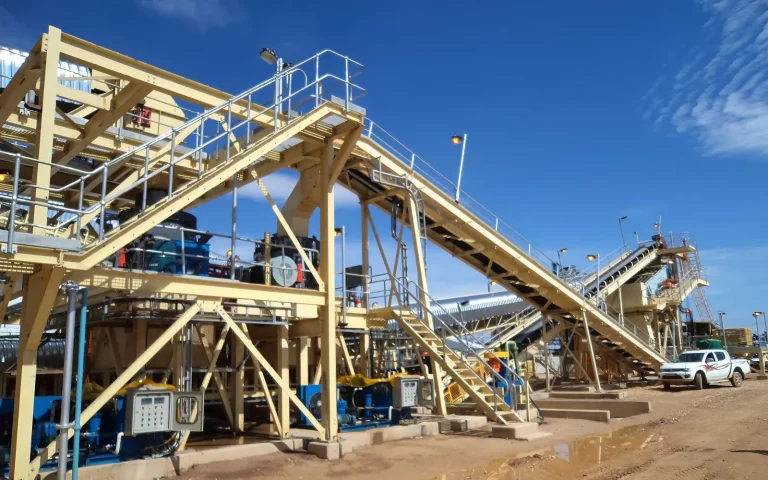
Kuoshwa kwa lita ni chaguo nzuri kwa mmiliki wa mradi kuanza katika hatua ya mwanzo ili kuokoa uwekezaji
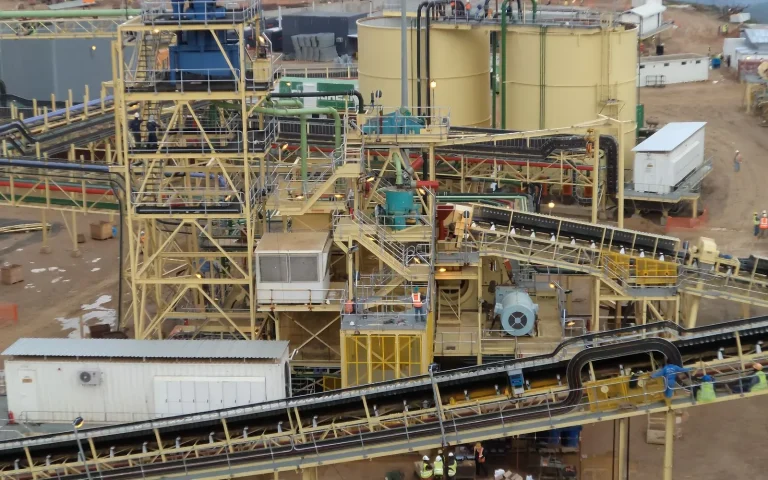
Flotashi ndiyo njia maarufu zaidi ya usindikaji katika mradi wa usindikaji wa dhahabu. Kwa sababu mchakato wa flotashi
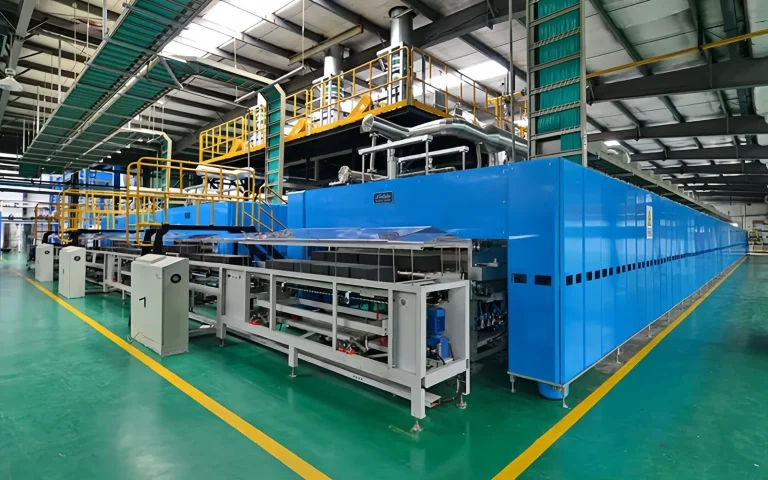
Nyenzo za anode za grafiti ya bandia zimetengenezwa hasa kutoka kwa coke ya petroli yenye ubora wa juu na maudhui ya sulfuri ya chini

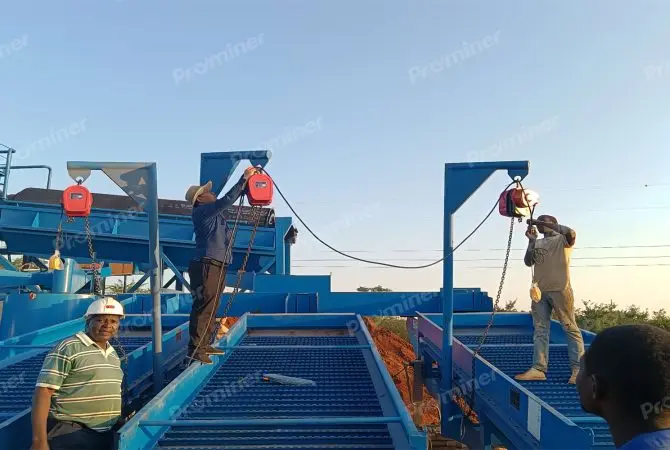
Madini Ghafi: Dhahabu ya alluvial kutoka kwenye mto Daraja la Dhahabu: 0.8 g/t
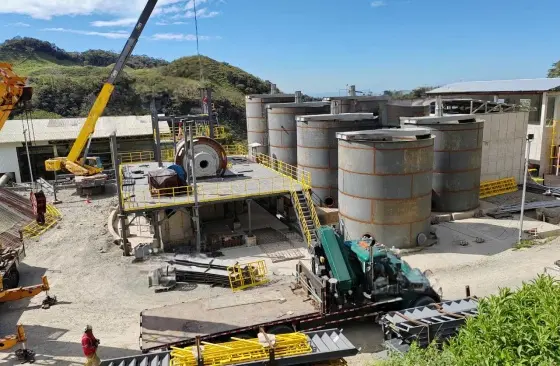
Malighafi: Madini ya Dhahabu ya Oxide ya bure-ya kuyeyushwa Kiwango cha Dhahabu: 1.5-3.5 g/t Bidhaa ya Mwisho: Bar ya Dhahabu ya Dore (Au+Ag≥90%)
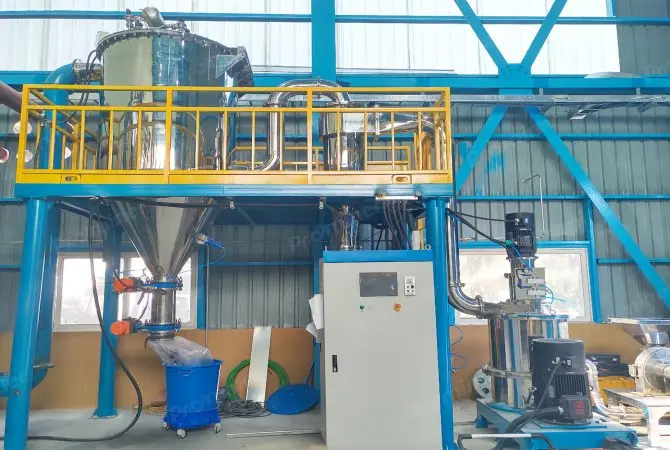
Malighafi: Grafiti ya asili, Kauri ya sindano na kauri ya mafuta.
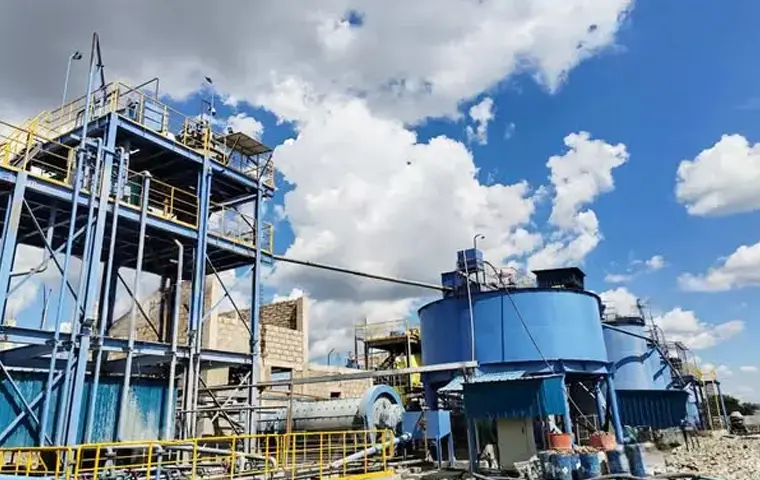
Malighafi: Madini ya Shaba-Dhahabu Asilimia ya Shaba: 1.2% Asilimia ya Dhahabu: 1.5 g/t Kiasi cha Uvuna: Shaba 89%, Dhahabu 88%
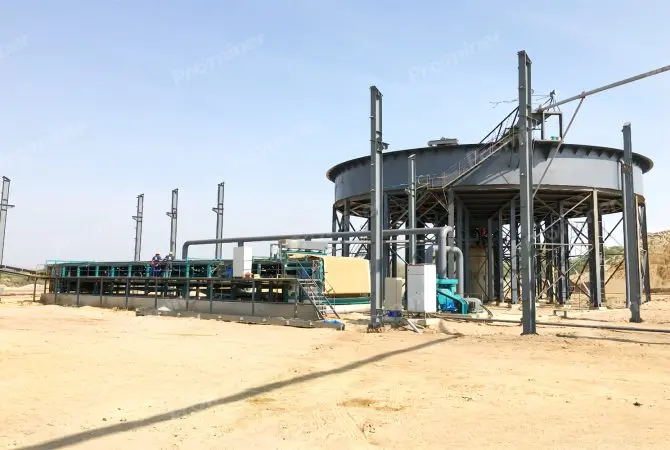
Madini Ghafi: Madini ya Dhahabu ya Cu ya Sulfidi Daraja la Dhahabu: 4 g/t
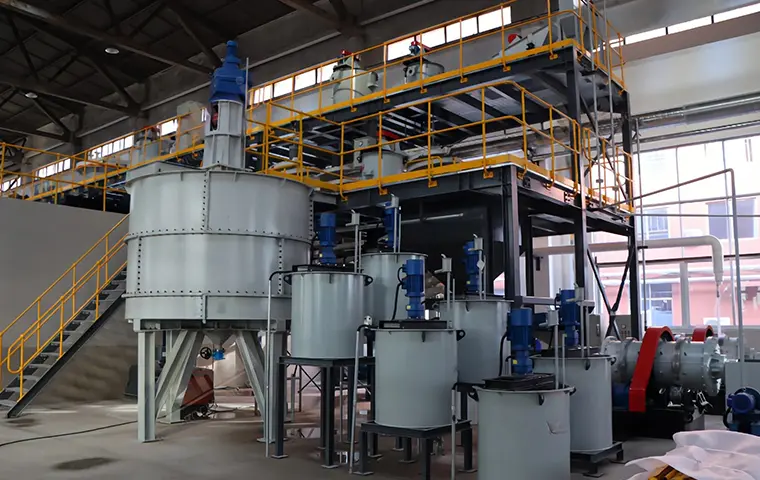
Muktadha wa Mradi: Upanuzi na Uboreshaji wa Kitaalamu wa Kiwanda kilichopo cha Kuoshwa kwa Floti
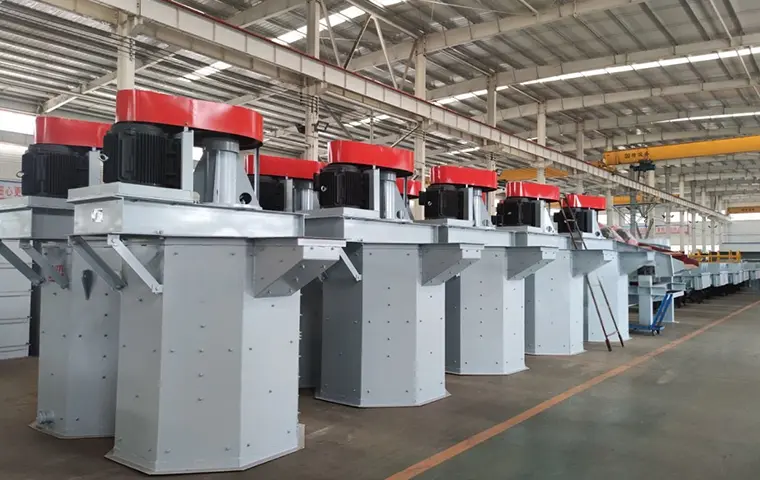
Malighafi: Ore ya quartz yenye uchafu (Fe, Al, nk.) Daraja la Quartz: 98.5% SiO₂ bidhaa ya Mwisho: Mchanga wa quartz wa usafi wa juu (99.9% SiO₂)
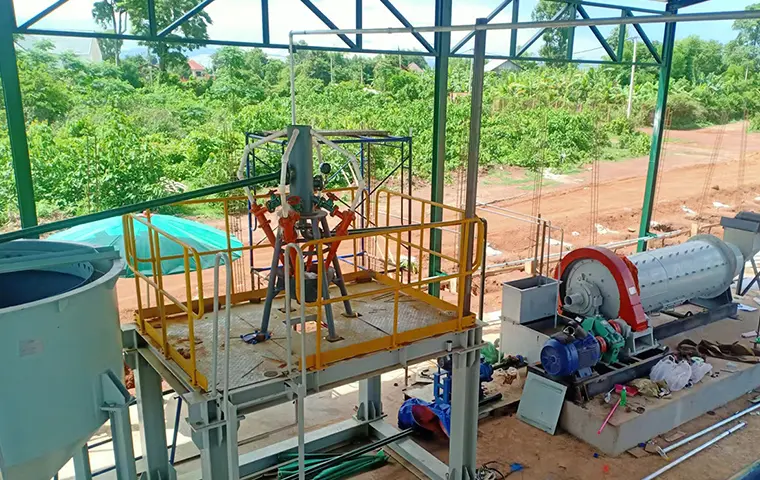
Vipengele: Mpangilio wa kompakt, kifuniko kamili cha mchakato, gharama ya uwekezaji yenye gharama nafuu, na upelekaji wa haraka. Imepangwa kwa ajili ya Kuzindua Biashara Ndogo na Madini Madogo — Suluhisho lako la dhahabu lenye kubadilika na lenye ufanisi!
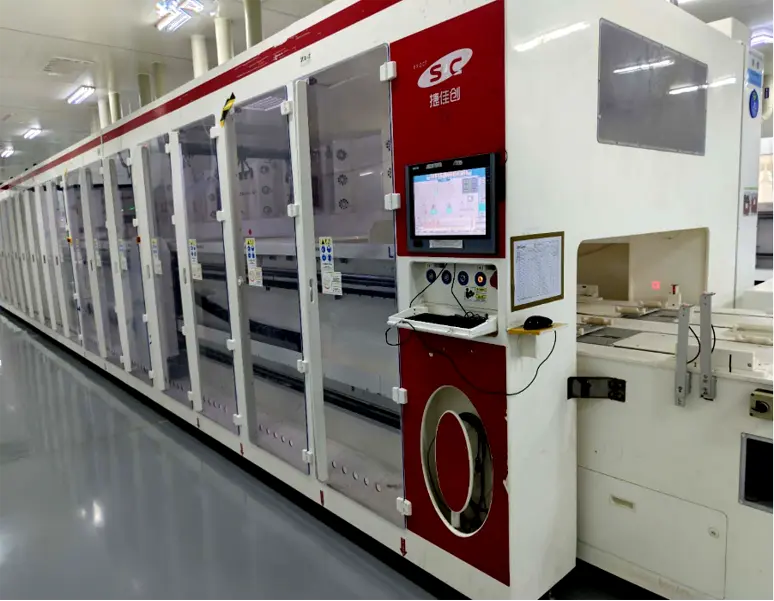
Kama vile: tanuru ya kuyeyusha boroni, kuondoa BSG, mashine ya kupiga polishing ya alkali, PE-POLY…
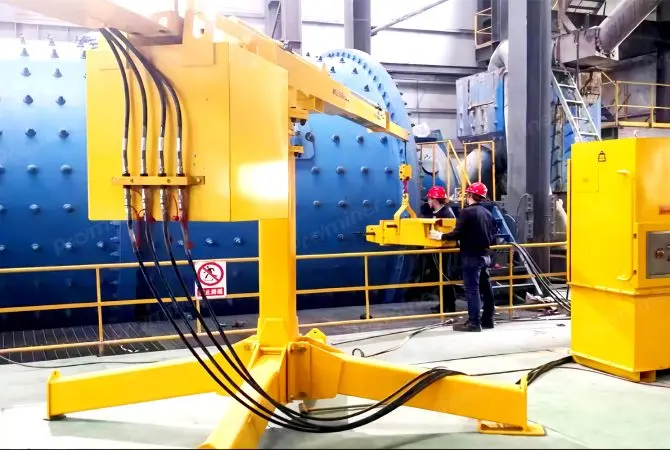
Tunaweza kutengeneza Bolt Hammer yenye nguvu na isiyo na upinzani ya kuondoa
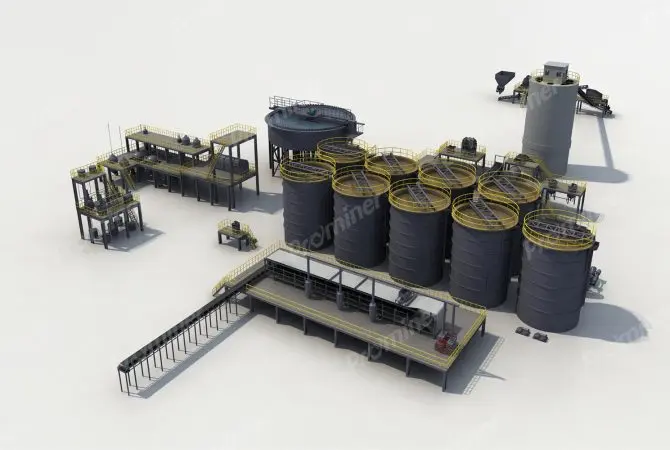
Prominer inaweza kutoa suluhisho kamili kwa mfumo wa CIL (kaboni katika uchimbaji)
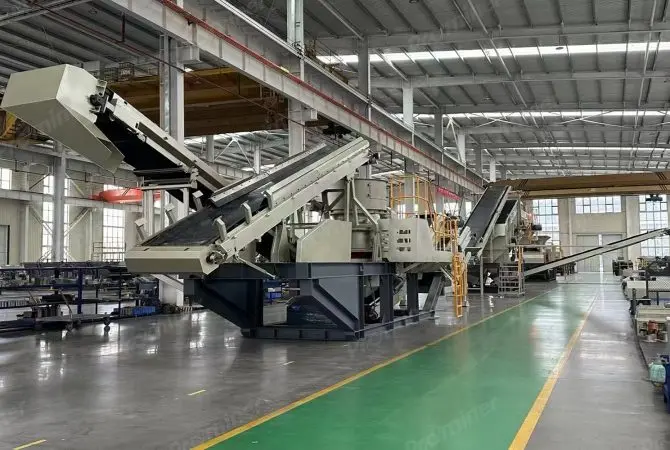
Crusher inayoweza kuhamasika iliyowekwa kwenye skid, kulingana na mahitaji ya soko ya kusonga kwa urahisi kutoka eneo moja
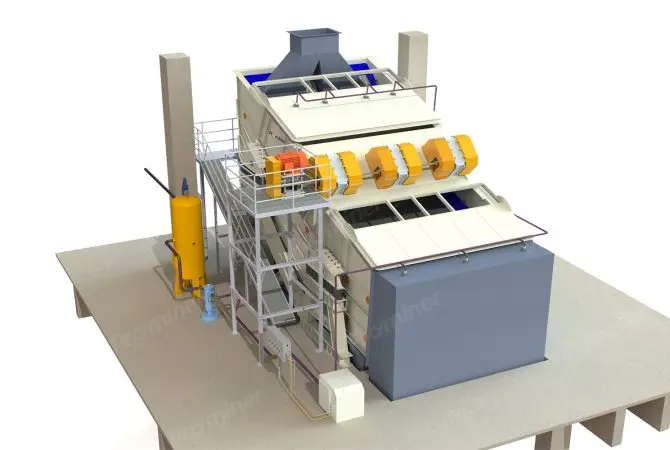
Paneli ya skrini ya flip-flow inaendelea kupanuka na kupungua ili kufanikisha viwango vya juu vya kasi
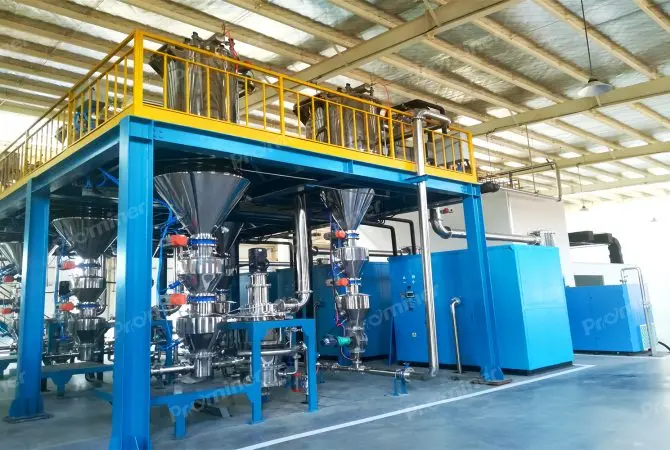
Jet mill pia inaitwa fluidized bed jet mill kwa kutumia vichwa vya ndege vingi kuunda mtiririko wa hewa wa kasi ya sauti
Kujua zaidi kuhusu bidhaa zetu na suluhisho, tafadhali jaza fomu hapa chini na mmoja wa wataalamu wetu atakujibu hivi karibuni
Mradi wa Flotashi ya Dhahabu ya 3000 TPD katika Mkoa wa Shandong
2500TPD Lithium Ore Flotation katika Sichuan
Fax: (+86) 021-58779592
Address: Chumba 606, Jengo D3, Awamu ya II, Kituo cha Biashara cha Chuansha, 777 Long, Barabara ya Miaochuan, Eneo Jipya la Pudong, Shanghai, China
Haki miliki © 2023. Prominer (Shanghai) Mining Technology Co., Ltd.


