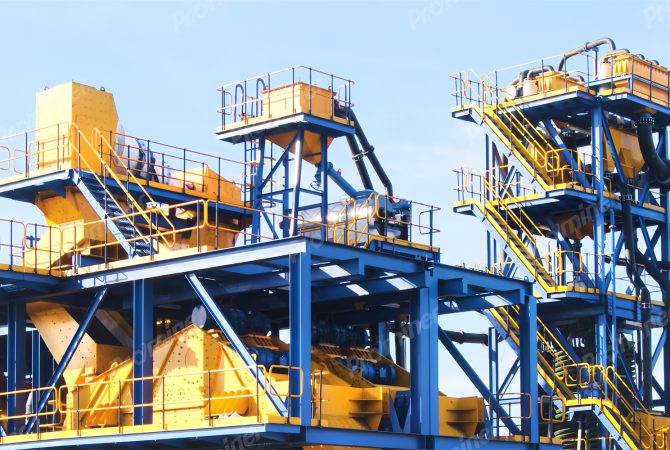
பாம்பு ஏரி உப்புப் பொட்டுங்கள் லிதியம் மீட்டெடுக்க நேரடி லிதியம் அகழ்வுப்படுத்தல் (DLE) தீர்வை வழங்கலாம்

/
/
தூய்மைத்தன்மை கிராஃபைடு ضد கிரிப்டோகிரிஸ்தலின்: சுரங்க வகைகள் செயலாக்க பணிகளுக்கு எப்படி வழிகாட்டுகின்றன?


கிராபடைட் என்பது பட்டியலிடும், வெப்பக்குரையும், நிவாரணங்களிலும், மேம்பட்ட பொருட்களிலும் பயன்படுத்தப்படும் பலதுறை தொழில் தாது. இருப்பினும், அனைத்து கிராபடைடின் வகைகளும் ஒன்றே இல்லாமல் են. கிராபடைட் நடைபெறும் நிலவரம்—தொகுப்பான (பிளேக் அல்லது ஊடல்) அல்லது குறுகியதொகுப்பான (அமோர்பஸ்)—தொகுப்பானது அதை எவ்வாறு செயலாக்க வேண்டும் என்பதை நேரடியாக அறிவிக்கும். இவ்விரு வேறுபாட்டு விளக்கங்களை புரிந்துகொள்ளுதல், சிறந்த பயனாளிகளுக்கான பிரிவுக் கருவிகளையும், சிறந்த உற்பத்தி தரத்தையும் பெற உதவுகிறது.
தாழேண்டில், கல் குணாதிசயங்கள் செயலாக்க திட்டங்களை எப்படி வழிநடத்த அமைக்கின்றன என்பதைப் பார்.
கிரிஸ்டலின் கிராப்பைட் பொதுவாக ஷிஸ்ட் மற்றும் குட்டித் గ్రனிட் போன்ற மெய்ம்படுத்தப்பட்ட சலெல்கள் அல்லது நகுகளைப் பெற்று வருகின்றது. நகையின் அளவு நுண்ணியதிலிருந்து முத்திரையாக்கியது வரை மாறுபடலாம், மற்றும் நகையின் ஒருங்கிணைபை பாதுகாக்கும் பணிப்புரியும் பெரும்பாலும் முக்கிய செயலாக்க நோக்கமாகும், ஏனெனில் பெரிய நகைகள் அதிக சந்தைய मूल्यத்தை கொண்டுள்ளன.
கிரிப்டோகிராஃபைட், பொதுவாக அமோர்ஃபஸ் கிரைப்பிட் எனப்படும், மிகவும் சிறிய கிரைப்பிட் துகள்களால் ஆனது, அவை சதுரங்கல் அல்லது குறைந்த தரமான அர்க்கமெட்டிக் கற்கள் உள்ளே பங்கிடப்பட்டுள்ளது. பெயரைப்பற்றிலும், அது நசுங்கும் அளவில் கிரிஸ்டலாக உள்ளது, ஆனால் அந்த கிரிஸ்டல் வடிவமைப்பு Ашும் மிகவும் சிறியது, அதனால் கண் முன்னிலையிலும் பார்க்க முடியாத வகையில் உள்ளது.
இந்த கட்டமைப்புகளின் வேறுபாடுகள் விரைவு மற்றும் முளுகுவிக்கும் போதில் விடுதலைப் பழக்கவழக்கத்தில் மிக முக்கியமான தாக்கத்தை ஏற்படுத்துகின்றன.
பூண்டு (பிளேக்) கிராபிட் கனிகளில், கிராபிட் பிளேக்குகள் பொதுவாக சிலிகேட் கேங்க் கனிகள் உடன் ஒருங்கிணைக்கப்படுகின்றன. முக்கிய சவால் என்பது, மிகுதியான அளவு குறைவு செய்வதற்கு முன்னால் பிளேக்களை விடுவிப்பதும் ஆகும். மீள்ச்சி grinding பிளேக் அளவை குறைக்கும் மற்றும் தயாரிப்பு மதிப்பை தாழ்க்கும்.
இதனால், செயலாக்க வழிகள் சீராக உள்ளடக்கப்படுகிறது:
தோல்வியை கட்டுக்குள் கொண்டு வருவதைக் குறிக்கோள் என்றும், அதே நேரத்தில் பலகை அளவைக் காக்கவும் பரிமாற்றப்படmektedir.
எதிர்க்காணும்போது, கிரிப்டோகிரிஸ்டலின் கிராபைட் ஏற்கனவே மிகவும் நுண்ணுத்த் துண்டுகளாகவும், கேஞ் கனிமங்களுடன் நெருக்கமாகவும் உள்ளடக்கப்பட்டுள்ளது. விடுதலை அடைப்படும் போது மிக அதிகமான கரண்டி உழைப்பு தேவைப்படலாம். பொருள் மதிப்பு உருண்டைக் கிடைக்கும் அளவின் மீது அல்லாததால், கூடுதலான உழைப்பு அதே பணபுரியாத பொருளாதார சேதத்தை ஏற்படுத்தாது.
புன்நீர் பூச்சு என்பது சந்தீதிக் கிராம்பற்களின் முதன்மை வளரும் முறையாகும். கிராம்பற்களின் இயல்பான நீர்ப்பணலுத்தல் அதன் மேலே பூச்சுக்கான அதிகமான திறனை வழங்குகிறது, இதில் சிக்கலான ரசாயனப் பொருட்கள் தேவையில்லை.
பழைய வழி வரைபடங்கள் உள்ளன:
அ Elevated தரமான கான்செண்ட்ரேட்டுகள் (90–97% கார்பன்) தெளிவைப்படுத்தப்படுவதால், குறைந்தபட்சம் ஃபிளேக் உடைந்துவிடும் அளவில் வீச்செய்யும் தொடர்ச்சியான சுத்திகரிப்பின் மூலம் பெற முடியும்.
கிரிப்டோகிராசினை கிராபைட் தட்டுகள் பெரும்பாலும் குறைந்த தரமானவை ஆகும் மற்றும் அடையாளம் காண்பதற்கு சிக்கலான பல நிலை பொங்கல் சுற்றுக்கள் நீட்டிக்கப்பட முடியாது. கையளவு நியமிக்கப்படுமானால், செயலாக்கம் பின்வருமாறு இருக்கலாம்:
சில சூழ்ச்சிகளில், உலோகம் கைமுறை வகைப்படுத்தப்படவோ அல்லது தேர்ந்து எடுக்கும் போர்வையாக, உள்ளடக்கிய கார்பன் உள்ளடக்கம் அதிகமானதால்.
உயர் தொழில்நுட்ப பயன்பாடுகளுக்கான லித்ium-அயன் சல்யூட் அண்ணிகள் போன்றவற்றிற்கு, கிராபைட் தூய்மை 99.9% கார்பன் மீது அதிகமாக இருக்க வேண்டும்.
கிரிஸ்டாலின் ஃபிளேக் கிராபைட் பொதுவாக மேலதிக சுத்திகரிப்பு செயல்முறைகளுக்கு உட்படுத்தப்படுகிறது, যেমন:
கிரிப்டாக்கிருஷ்டலின் கிரேஃபைட், அதன் சிறிய தணிக்கை வடிவமைப்பு மற்றும் அழுக்கு விநியோகத்தின் காரணமாக, மிக உயர்ந்த தூய்மைக்கு சுத்தப்படுத்துவது மேலும் சவால்மிகவும் மற்றும் செலவழிக்கும் ஆகும். ஆகையால், இது கம்பி மற்றும் நரம்புகள், கம்பி மாற்றங்கள் மற்றும் பூட்டிகள் போன்ற உப்புரிமை பயன்பாடுகளில் பதிலாக பயன்படுத்தப்படுகிறது, பட்டறை பயன்பாடுகளுக்கு விட அதிகமாக.
தயார் வகை நேரடியாக தாக்கம் செலுத்தும்:
கிரிஸ்டலின் துகள்கள் பெட்டக கிராஃபைட் செயல்பாடுகள் பொதுவாக அதிக சூழ்ச்சி கொண்ட பிளாட்டேஷன் சுற்றுப்பயணங்களை தேவைபடும், ஆனால் அதிக மதிப்புள்ள தயாரிப்புகளை உற்பத்தி செய்கின்றன. துகள் அளவை பாதுகாப்பது இலாபதன்மையை கொண்டிருக்க முக்கியமானது.
க்ரிப்டோகிரிஸ்டல்லைட் கிராபைட் செயல்பாடுகள் எளிமையான செயலாக்கத்தை அடைகலாம், ஆனால் பெரும்பாலும் குறைந்த வருமான விளைவுகளான சந்தைகளை நோக்குகின்றன. பொருளாதாரம் தகுதிநிலையும் இறந்த பயனாளர்களுக்குள்ள ஒட்டுமொத்தத்துடனும் பெரிதும் சார்ந்துள்ளது.
பரருணையாக்கும் கிரிஸ்தலை மற்றும் கிரிப்டோகிரிஸ்தலை கருக்கும் சுரங்கங்கள் இடையே அடிப்படையிலான வேறுபாடுகள் முற்றிலும் வேறுபட்ட செயலாக்கக் கொள்கைகளைப் பின்பற்றும் படிப்படியாகும்.
கிராபிட் செயலாக்கத்தில், புவியியல் விதி. ஒரு நன்கு வடிவமைக்கப்பட்ட ஓட்டச்சுருள் தாயார், பிளாண்ட்లో ஆரம்பிப்பதில்லை, அடிக்கடி குடும்பச் சொத்துகளின் ஆழமான புரிதலில் ஆரம்பிக்கிறது.
A: கனியத்தின் பண்புகள் ஒரே சுரங்க நுணுக்கத்தில் மிகவும் மாறுபடும். ஒரு தொழில்முறை சோதனை (அல்லது வேதியியல் பரிசோதனை, XRD, மற்றும் SEM போன்றவை) உங்கள் குறிப்பிட்ட கனியை வகைப்படுத்தும் அளவும் விடுதலையும் பொருத்தமாக வைத்திருப்பதை உறுதி செய்கிறது. இதனால் விலை உயர்ந்த உபகரணங்களின் தவறான பொருத்தங்கள் தவிர்க்கப்படுவதோடு, உங்கள் திட்டத்திற்கு மிகவும் உயர்ந்த மீட்டெடுக்கும்கூறுகளை உறுதி செய்கிறது.
A: நாங்கள் அடிப்படை அணிதிருத்தப் பகுதிகளின் (கிரஷர் லைனர்கள், திரை மெஷ்கள், மற்றும் முளைக்கருவிகள் போன்றவை) நிரந்தர ஸ்டாக் களைப் புகாரளிக்கிறோம். சர்வதேச வாடிக்கையாளர்களுக்கு, ஆரம்ப வாங்குதலிற்கு “2-ஆண்டு மேம்பாடு பகுதிகளின் பட்டியல்” என்பதனை வழங்குகிறோம். தொழில்நுட்ப ஆதரவு 24/7 தொலைநகல் வீடியோ மூலம் கிடைக்கிறது, மற்றும் சிக்கலான பராமரிப்பு தேவைகளுக்கு உரிய இடத்திற்கான பார்வைகளை ஏற்பாடு செய்யலாம்.
ஆா: ஆம். நாங்கள் உபகரணங்களின் நிறுவுதல், ஆணை செய்வது மற்றும் சுமை சோதனை செய்வதற்காக தளத்தில் மூத்த இயந்திர மற்றும் மின்துறையினரின் குழுவினரை அனுப்புகிறோம். உங்கள் உள்ளூர் இயக்குனர்களுக்கு நீண்ட கால செயல்திறனை உறுதிப்படுத்த மானிடங்கால பயிற்சிகளையும் வழங்குகிறோம்.
A: தவிட்டு இல்லை. எங்களைப் பகுப்பாய்வில் பெருந்தொகை அளிக்கும் EPCM (அனுமதி, வாங்குதல், கட்டுமான மேலாண்மை) சேவைகளை வழங்குவதில் நாங்கள் சிறப்பு பெற்றுள்ளோம். இது ஆரம்ப மற்றும் சுரங்க வடிவமைப்பு ஆகியவற்றிலிருந்து உள்கட்டமைப்பு உற்பத்தி, ஏற்றுமதி, மற்றும் முழுமையான உற்பத்தி ஒருங்கிணைப்பிற்கு சீரான கடமைகளை உறுதி செய்கிறது.
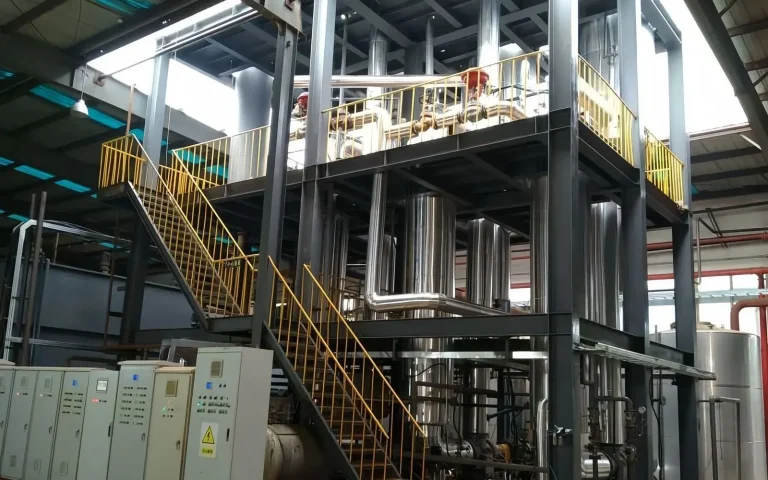
பாம்பு ஏரி உப்புப் பொட்டுங்கள் லிதியம் மீட்டெடுக்க நேரடி லிதியம் அகழ்வுப்படுத்தல் (DLE) தீர்வை வழங்கலாம்
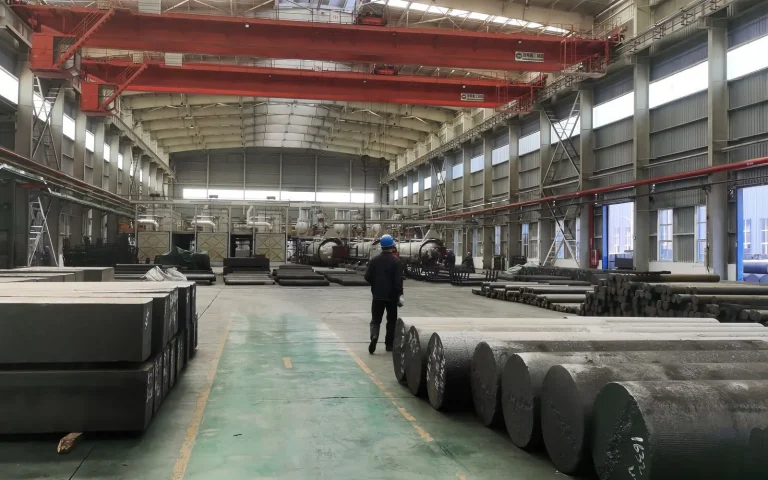
எஃகு உருக்கும் தொழிலில் மிக அதிக சக்தி கொண்ட மின்சார வில் உலைகளுக்கு UHP கிராஃபைட் மின்முனை முக்கியமாகப் பயன்படுத்தப்படுகிறது.
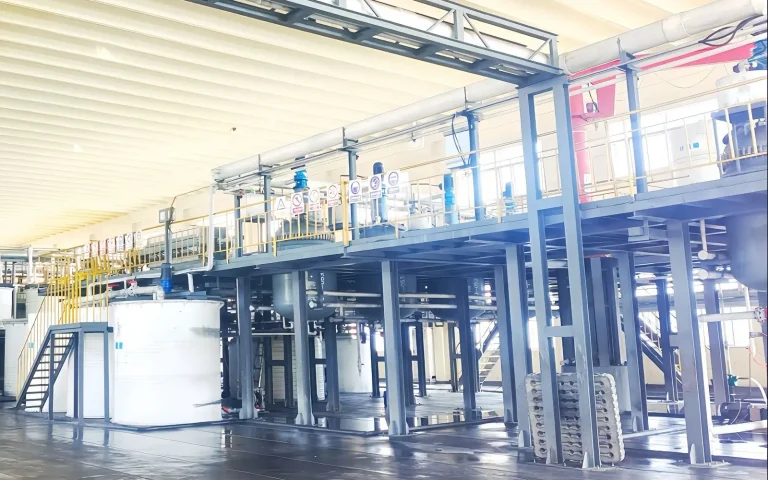
ஃபிளேக் கிராஃபைட்டை உயர் கார்பன் கிராஃபைட், உயர் சுத்திகரிக்கப்பட்ட கிராஃபைட், விரிவாக்கக்கருக்களை உருவாக்க பயன்படுத்தலாம்

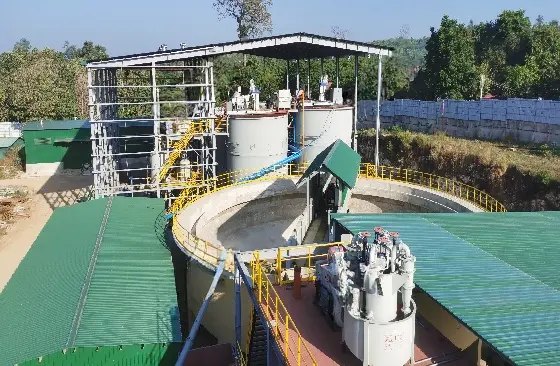
இடம்: தான்சானியா, ஆப்பிரிக்கா மற்றும் மத்திய கலிமந்தான், இந்தோனேசியா தாது வகை: குறைந்த தரம் கொண்ட சல்ஃபைட் தாது (1.2–1.8 g/t Au)
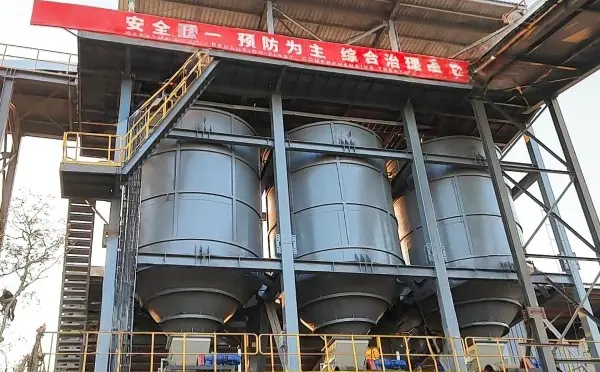
தொழில்நுட்பக் கனிமம்: லெபிடோலைட், ஸ்பாடூமீன், கழிவு கனிமங்கள்: குவார்ட்ஸ், பீல்டஸ்பார், மைக்கா Li₂O தரம்: 0.8%
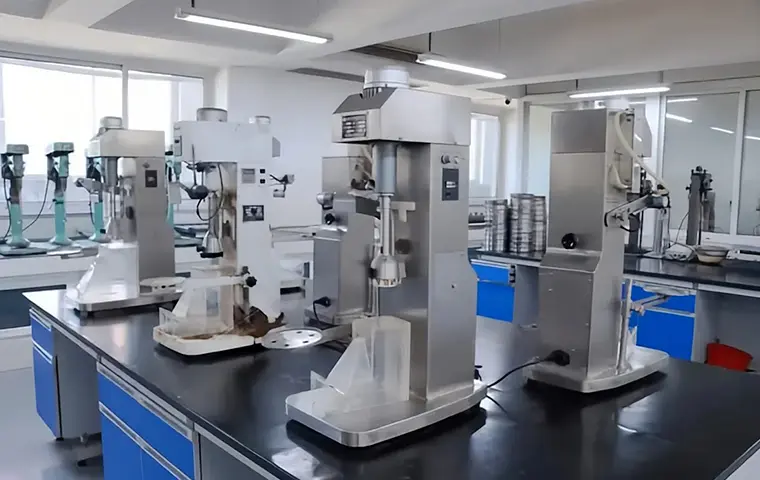
கச்சா பொருள்: பல்வேறு வகையான அனைத்துப்பொருள் மாதிரிகள் (பொன், லிதியம், கிராஃபைட், போன்றவை) lab திறன்: நாள் தோற்று 50–100 மாதிரிகள்
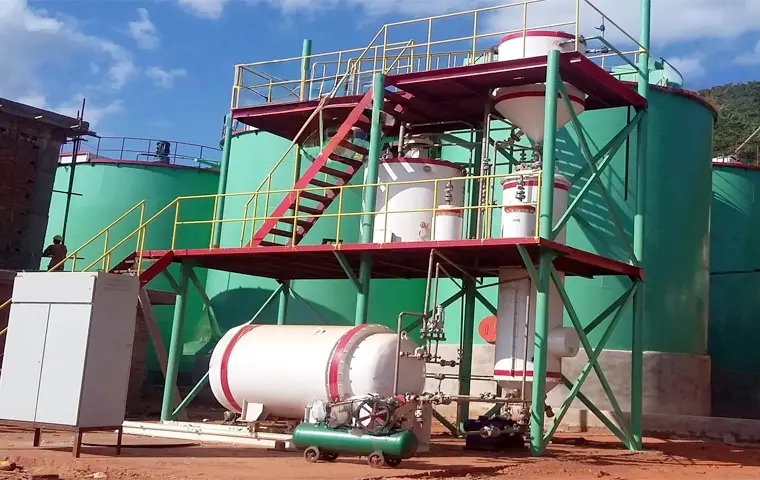
தொழில்நுட்பக் கனிமம்: காந்த இரும்புச் சத்து மற்றும் இரும்புச் சத்து கலந்த கங்கைப் பொன் (சராசரி சியரா மாதிரி இருப்பு)
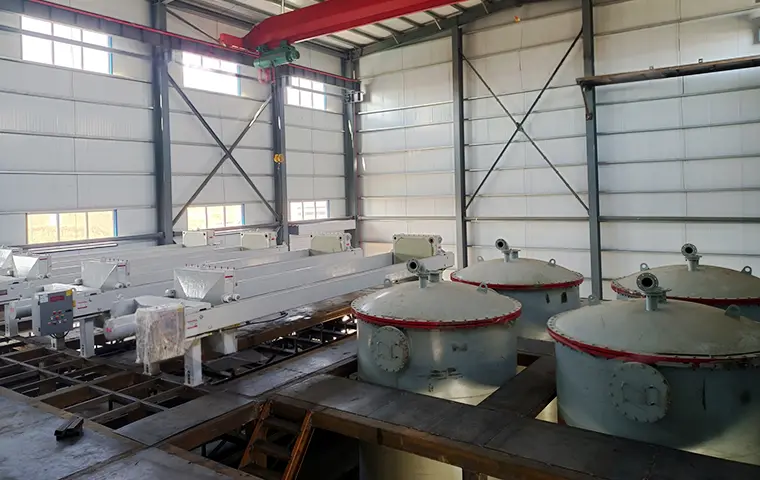
கச்சா உலோகம்: வெள்ளி-பல உலோகங்களை கொண்ட சல்பைடு உலோகம் (Ag, Pb, Zn அடங்கும்) வெள்ளியின் தரம்: 180 g/t எல respectoன்றின் தரம்: 4.2% சிங்கத்தின் தரம்: 5.8%
கச்சா சுரப்பு: ஆற்றின் கிணறு சுடுமுதல் உப்பு தங்கம் தங்கம் தரம்: 0.8 கி/டி
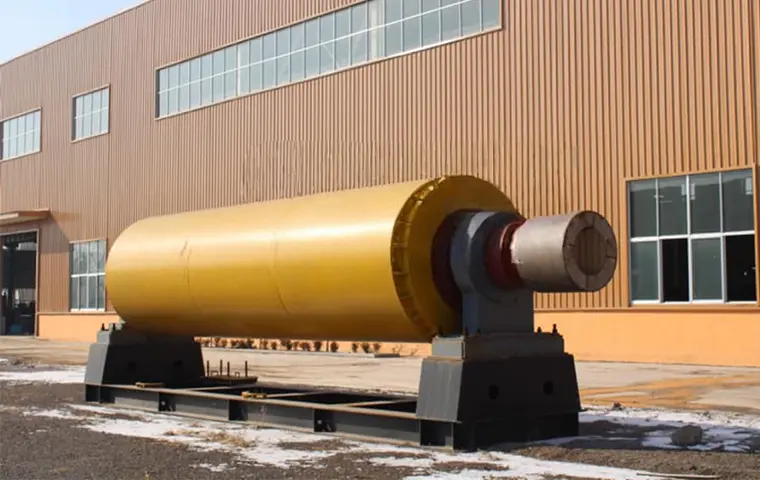
அழுக்குநோய்: தங்கம் கொண்ட ஆக்சைட் அழுக்குநோய் / தனியார் அழுக்குநோய் மாதிரிகள் பருகும் அளவு: 12 மிமீக்கு கீழ் இலக்கு மிப்பின் கூர்மை: 200 மெஷ் (74μm) D80
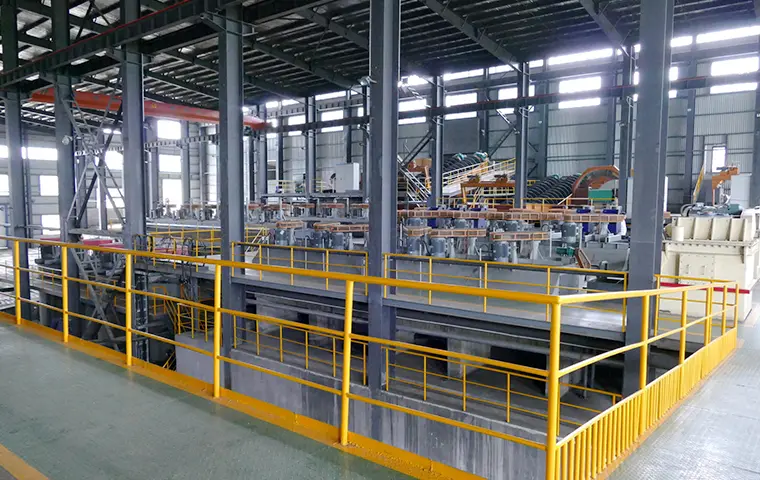
RAW MATERIAL: சுற்று கிராஃபைட், பிச்சு பைண்டர், கூடுதல்கள் திட்ட திறன்: 5,000 ஆணோட் பொருள்; ஆண்டுக்கு 20 காணொளி கிராஃபேன்
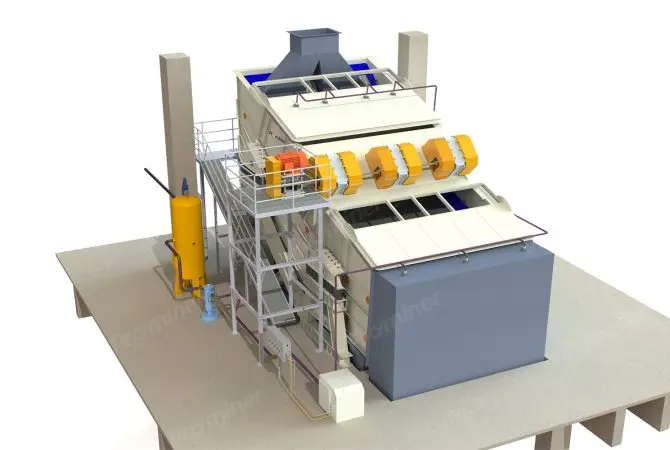
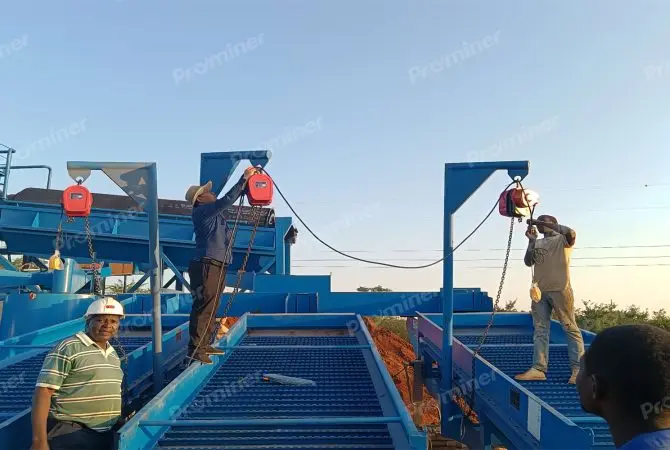
ஃபிளிப்-ஃப்ளோ திரை பேனல் தொடர்ந்து விரிவடைந்து சுருங்குவதால் அதிக முடுக்க விகிதங்களை அடையலாம்.
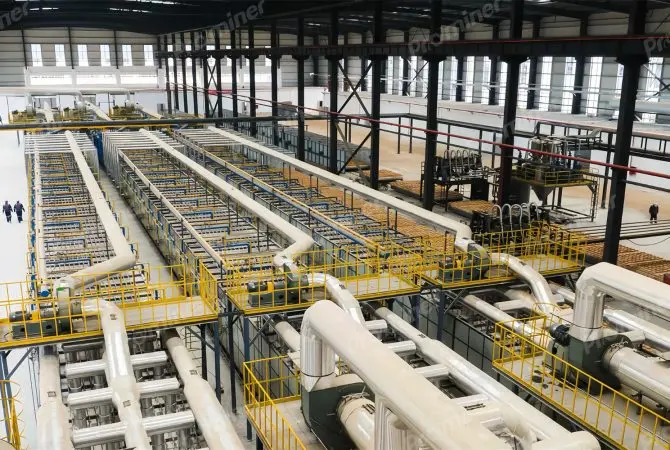
பிரோமினர் கார்பன் பிறப்புக்கு முதன்மை மற்றும் இரண்டாம் முறையான பேக்கிங் செய்ய பலவகை செச்களை வழங்குகிறது
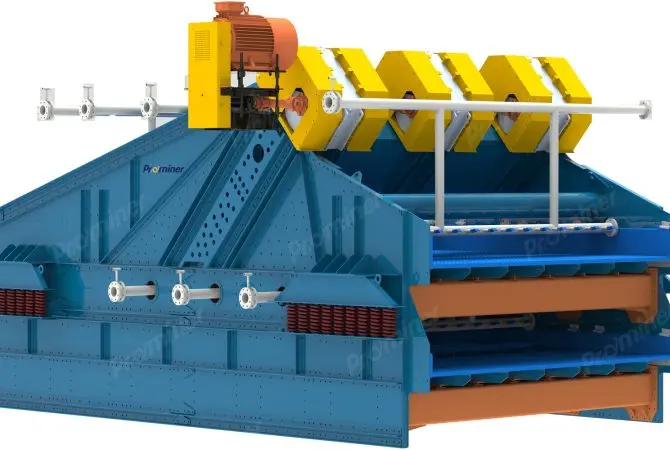
பிரோமினர் கனிம வகையீட்டிற்கு, பொருளின் அளவை, நீரிழிவு செய்ய அனைத்து வகையான நேரியல் திரைகளை வழங்கலாம்
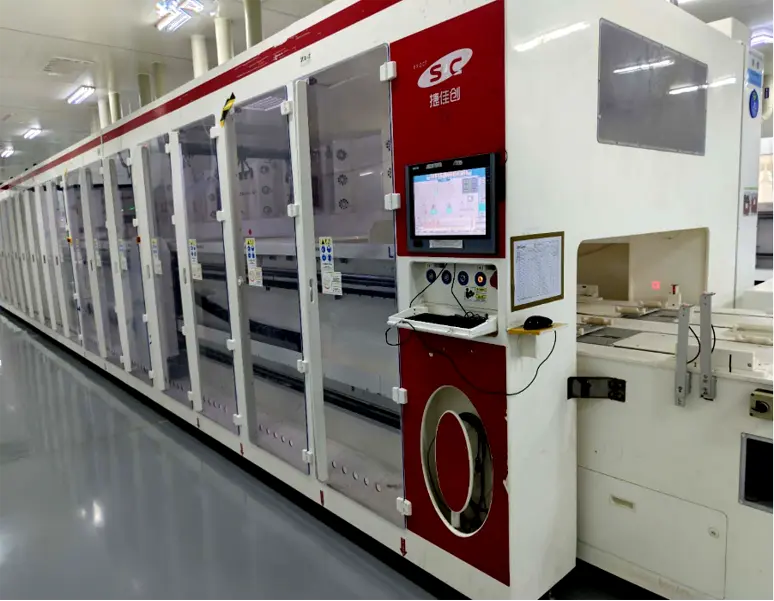
எடுத்துக்காட்டாக: போரான் பரவல் அடுப்பு, BSG நீக்கம், காரி பாலிஷிங் இயந்திரம், PE-POLY…
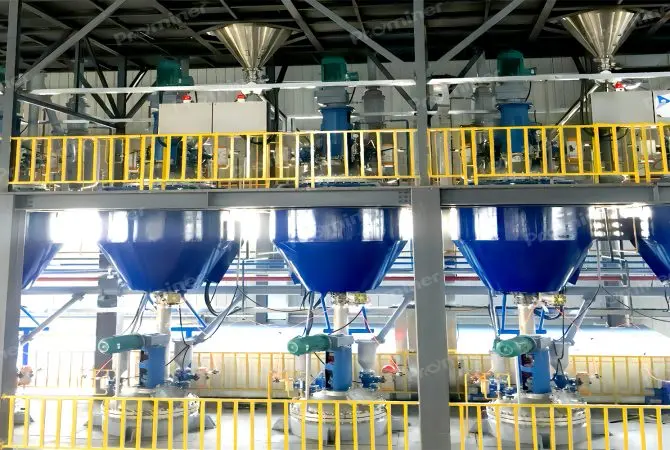
எங்கள் கிரானுலேஷன் பதக்கு, காப்புறை மற்றும் கிரானுலேஷன் செயலாக்க செயல்களை ஒருங்கிணைக்கிறது
எங்கள் தயாரிப்புகள் மற்றும் தீர்வுகளுக்காக மேலும் தகவல்களைப் பெற, கீழ்காணும் வடிவத்தைச் சரியாகப் பதிவு செய்யவும் மற்றும் எங்கள் ஒரு நிபுணர் மொத்தமாக உங்களுக்குப் பின்னணியில் சற்றே நன்றியுடன் வருவதற்குத் தயாராக இருப்பார்
3000 TPD பொன் மூழ்கு திட்டம் ஷாந்தொங் மாகாணத்தில்
2500 TPD லித்தியம் கனிகேல் மூழ்கியில் சிச்சுவான்
ஃபாக்ஸ்: (+86) 021-58779592
முகவரி:அறை 606, கட்டிடம் D3, நிலையாக II, ஊவான்சா தொழிற்சாலை மையம், 777 லாம், மியோசுவான் சாலை, புங்கோங் புதிய பகுதிநிலையில், ஷாங்காய், சீனா
காப்புரிமை © 2023.ப்ரோமினர் (ஷாங்காய்) மைனிங் டெக்னாலஜி கோ., லிமிடெட்.