แร่กราไฟต์ธรรมชาติมีอยู่ 2 ประเภท ได้แก่ กราไฟต์ผลึกและกราไฟต์อสัณฐาน




การบำบัดทรายควอตซ์เป็นกระบวนการสำคัญในอุตสาหกรรมต่าง ๆ เช่น การผลิตแก้ว อิเล็กทรอนิกส์ เครื่องเคลือบเซรามิก และการผลิตซิลิคอนความบริสุทธิ์สูง ประสิทธิภาพของการบำบัดส่งผลโดยตรงต่อคุณภาพของผลิตภัณฑ์ ประสิทธิภาพการใช้งาน และความคุ้มค่าในด้านต้นทุน ปัจจัยสำคัญหลายประการต้องได้รับการพิจารณาอย่างรอบคอบเพื่อให้ได้ผลการบำบัดที่เป็นที่น่าพอใจสูงสุด
คุณภาพเริ่มต้นของทรายควอตซ์เป็นตัวกำหนดความซับซ้อนและต้นทุนของกระบวนการทำให้บริสุทธิ์ ทรายควอตซ์ดิบอาจมีสิ่งเจือปน เช่น เหล็ก สังกะสี อมิลาคา เฟลด์สปาร์ แร่ดินเหนียว และสารอินทรีย์ การเข้าใจประเภท การกระจายตัว และความเข้มข้นของสิ่งเจือปนเหล่านี้เป็นสิ่งสำคัญก่อนเลือกวิธีการทำให้บริสุทธิ์
การวิเคราะห์ทางเคมีและการศึกษาทางแร่ธาตุช่วยในการระบุว่ามีสิ่งเจือปนอยู่ในรูปแบบของสิ่งสกปรกบนพื้นผิว การแทรกซึมภายใน หรือองค์ประกอบที่เชื่อมโยงกันทางโครงสร้าง การประเมินนี้เป็นแนวทางในการเลือกใช้กระบวนการบำบัดเชิงกล เคมี หรือความร้อนที่เหมาะสม
ขนาดอนุภาคมีอิทธิพลต่อประสิทธิภาพในการทำให้บริสุทธิ์อย่างมีนัยสำคัญ อนุภาคขนาดเล็กจะเพิ่มพื้นที่ผิว ทำให้การกำจัดสิ่งปนเปื้อนมีประสิทธิภาพมากขึ้นในกระบวนการชะล้างทางเคมี อย่างไรก็ตาม อนุภาคที่มีขนาดเล็กเกินไปอาจทำให้กระบวนการกรองและการแยกเป็นเรื่องยุ่งยาก
การรักษาการกระจายขนาดอนุภาคให้เป็นไปอย่างควบคุมและเป็นเนื้อเดียวกัน จะช่วยให้มีประสิทธิภาพที่ดีขึ้นในกระบวนการล้าง การแยกด้วยแม่เหล็ก การลอยตัว และการบำบัดด้วยกรด กระบวนการบดละเอียด การบด และการจัดประเภทอย่างเหมาะสมเป็นสิ่งสำคัญเพื่อปรับแต่งพารามิเตอร์นี้ให้เหมาะสม
เหล็กเป็นหนึ่งในสิ่งปนเปื้อนที่พบได้บ่อยและไม่ต้องการในทรายควอตซ์ โดยเฉพาะอย่างยิ่งสำหรับการใช้งานความบริสุทธิ์สูง เช่น กระจกแก้วและการผลิตเซมิคอนดักเตอร์ แม้แต่ปริมาณเพียงเล็กน้อยก็สามารถส่งผลต่อความใสและคุณสมบัติทางไฟฟ้าได้
วิธีการกำจัดเหล็กประกอบด้วยการแยกด้วยแม่เหล็ก การลอยตัว และการละลายด้วยกรด การเลือกวิธีขึ้นอยู่กับว่าเหล็กมีอยู่ในรูปแบบของอนุภาคอิสระ เคลือบอยู่ หรืออยู่ภายในผลึกผลึก การแยกด้วยแม่เหล็กแรงสูงและการบำบัดด้วยกรดที่เข้มข้นมักจำเป็นสำหรับมาตรฐานความบริสุทธิ์สูงมาก
การละลายด้วยกรดถูกนำไปใช้อย่างแพร่หลายเพื่อกำจัดออกไซด์ของโลหะและสิ่งสกปรกอื่น ๆ ชนิดของกรด (เช่น กรดไฮโดรคลอริก กรดซัลฟิวริก หรือกรดไฮโดรฟลูออริก) ความเข้มข้น อุณหภูมิ และเวลาปฏิกิริยา ต้องควบคุมอย่างรอบคอบ
สภาพเคมีที่ไม่เหมาะสมอาจนำไปสู่การกำจัดสิ่งเจือปนไม่เพียงพอหรือการสูญเสียควอตซ์ที่ไม่จำเป็น นอกจากนี้ การใช้งกรดมากเกินไปยังเพิ่มความเสี่ยงต่อสิ่งแวดล้อมและต้นทุนการดำเนินงาน การปรับปรุงกระบวนการช่วยให้ได้ประสิทธิภาพในการทำความบริสุทธิ์สูงสุดในขณะที่ลดของเสียให้น้อยที่สุด
น้ำมีบทบาทสำคัญในการล้าง การจำแนก และการลอยตัว สิ่งเจือปนในน้ำที่ใช้ในการประมวลผลสามารถนำสิ่งปนเปื้อนกลับเข้าสู่ทรายควอตซ์ที่ผ่านการทำให้บริสุทธิ์แล้วได้
การใช้น้ำสะอาดหรือผ่านการบำบัดช่วยป้องกันการปนเปื้อนรอง ระบบล้างที่มีประสิทธิภาพยังสามารถกำจัดเคลือบผิว เช่น โคลนและอนุภาคละเอียด ทำให้ความสะอาดโดยรวมดีขึ้นและความสม่ำเสมอของสินค้าเพิ่มขึ้น
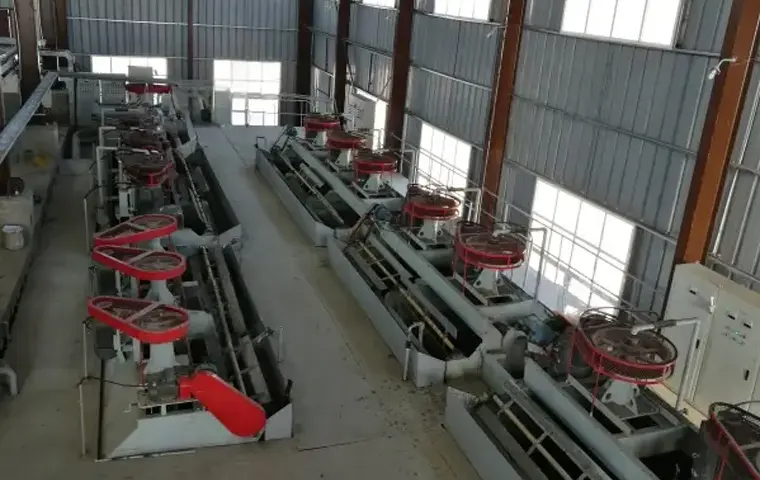
การเลือกอุปกรณ์ที่เหมาะสมเป็นสิ่งสำคัญสำหรับการบรรลุระดับความบริสุทธิ์ที่ต้องการ ตัวแยกแม่เหล็ก, เครื่องลอย, ตัวขัดถู, และปฏิกิริยารีดักชันด้วยกรด ต้องสอดคล้องกับคุณสมบัติของแร่ควอตซ์
กระบวนการไหลที่ออกแบบมาอย่างดีช่วยลดการสูญเสียของวัสดุ การใช้พลังงาน และเวลาที่ไม่ทำงาน ระบบอัตโนมัติและการตรวจสอบแบบเรียลไทม์สามารถเสริมสร้างความเสถียรของกระบวนการและคุณภาพของผลิตภัณฑ์เพิ่มเติมได้
การบำบัดทรายควอทซ์มักเกี่ยวข้องกับสารเคมีและฝุ่นละเอียด ซึ่งทั้งสองอย่างเสี่ยงต่อสิ่งแวดล้อมและสุขภาพ การจัดการของเสียที่เหมาะสม ระบบควบคุมฝุ่น และกระบวนการจัดการสารเคมีเป็นสิ่งสำคัญ
การปฏิบัติตามระเบียบข้อบังคับด้านสิ่งแวดล้อมและการดำเนินมาตรการความปลอดภัย ไม่เพียงแต่ช่วยปกป้องแรงงานและชุมชนรอบข้างเท่านั้น แต่ยังช่วยปรับปรุงความยั่งยืนของการดำเนินงานในระยะยาวอีกด้วย
อุตสาหกรรมต่าง ๆ ต้องการระดับความบริสุทธิ์ที่แตกต่างกัน ตัวอย่างเช่น ควอตซ์สำหรับก่อสร้างมีความต้องการความบริสุทธิ์ที่ต่ำกว่าควอตซ์สำหรับเซมิคอนดักเตอร์
ความเข้าใจตลาดเป้าหมายและข้อกำหนดที่จำเป็น เช่น ปริมาณ SiO₂ ความเข้มข้นของเหล็ก และขนาดอนุภาค ช่วยให้กระบวนการทำให้บริสุทธิ์ได้รับการปรับแต่งให้เหมาะสม การทดสอบคุณภาพอย่างต่อเนื่องเพื่อให้แน่ใจว่าสินค้าสุดท้ายเป็นไปตามมาตรฐานอุตสาหกรรม
โดยการบริหารจัดการลักษณะของวัตถุดิบ พารามิเตอร์กระบวนการ การเลือกใช้อุปกรณ์ และข้อควรคำนึงด้านสิ่งแวดล้อมอย่างรอบคอบ ผู้ผลิตสามารถบรรลุการทำความสะอาดทรายควอตซ์ได้อย่างมีประสิทธิภาพและคุ้มค่า การใส่ใจในปัจจัยเหล่านี้จะทำให้ได้ผลผลิตคุณภาพสูงที่เหมาะสมสำหรับการใช้งานในอุตสาหกรรมหลากหลายประเภท
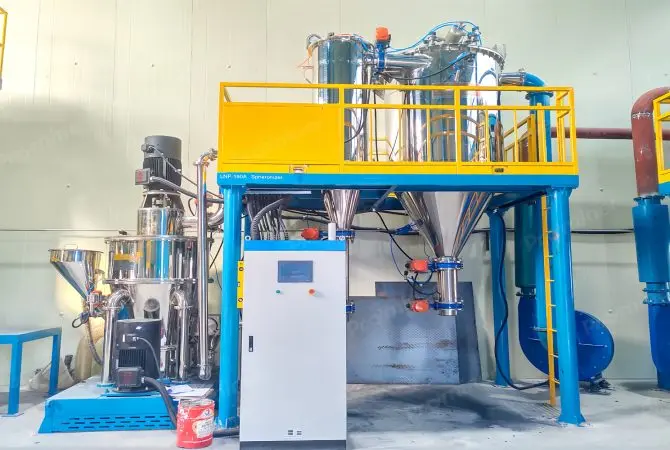
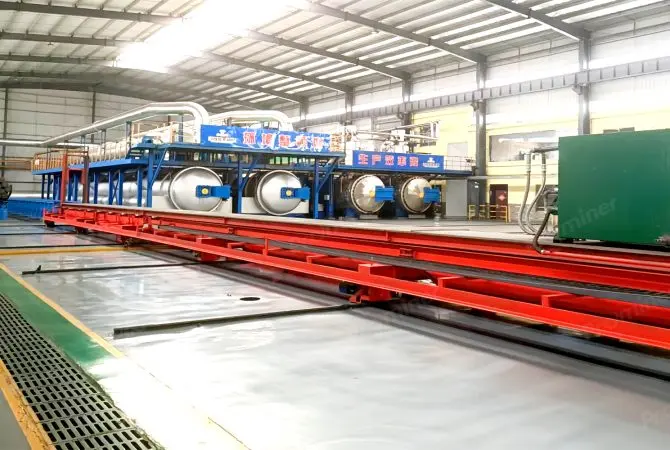
A: สำหรับทรัพยากรกราไฟต์ คำตอบที่สมบูรณ์ควรครอบคลุมทั้งการลอยตัวของกราไฟต์ธรรมชาติและการประมวลผลเชิงลึก ระบบเครื่องบดลูกและระบบไซโคลนไฮโดรเป็นขั้นตอนการบดเบื้องต้น สำหรับการผลิตวัสดุขั้วไฟฟ้าขั้นสูง การหมุนขึ้นรูปเป็นสิ่งจำเป็นเพื่อปรับปรุงความหนาแน่นของแท่งและลดพื้นผิวเฉพาะ นอกจากนี้ ระบบเคลือบ Prominer ซึ่งรวมฟังก์ชันการเคลือบและการกลายเป็นเม็ดเป็นขั้นตอนสำคัญในการประมวลผลวัสดุขั้วไฟฟ้าที่มีกำไรสูง
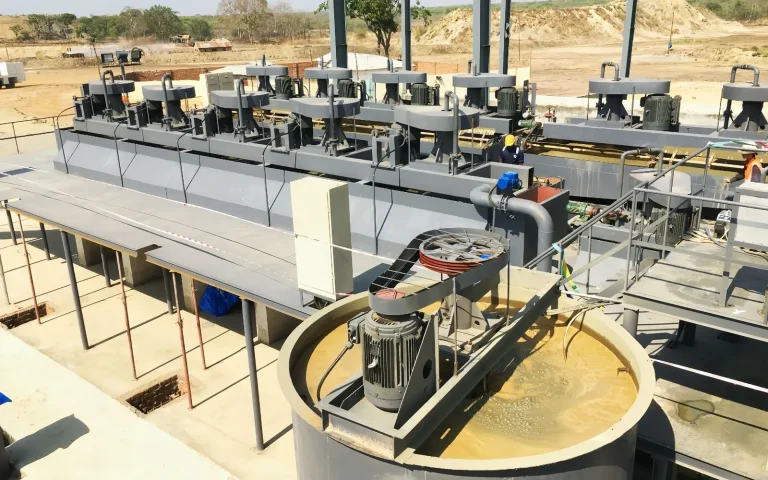
A: การเลือกกระบวนการขึ้นอยู่กับลักษณะของแร่เป็นหลัก กระบวนการ Gold CIL/CIP เป็นวิธีที่ได้รับความนิยมและมีประสิทธิภาพสูงในการแปรรูปแร่ทองคำประเภทออกไซด์คุณภาพสูง สำหรับโครงการทองคำอื่น ๆ การลอยตัวยังคงเป็นวิธีการแปรรูปที่ได้รับความนิยมมากที่สุด สำหรับเจ้าของที่ต้องการประหยัดงบประมาณในขั้นต้น การปล่อยแร่ในถัง (vat leaching) หรือ การปล่อยแร่เป็นกอง (heap leaching) เป็นทางเลือกที่ยืดหยุ่นและคุ้มค่า เราแนะนำให้เริ่มต้นด้วยการทดสอบในห้องปฏิบัติการและการทดสอบนำร่องเพื่อกำหนดกระบวนการที่มีประสิทธิภาพและเป็นวิทยาศาสตร์มากที่สุด
A: การแยกแม่เหล็กเป็นสิ่งสำคัญสำหรับการปรับปรุงแร่ธาตุ เราให้บริการแยกแม่เหล็กทั้ง HIMS (ความเข้มสูง) และ LIMS (ความเข้มต่ำ) เพื่อจัดการกับคุณสมบัติแม่เหล็กของแร่ธาตุต่าง ๆ ในการออกแบบโรงงานที่ได้รับการปรับปรุง เทคโนโลยีนี้จะถูกผสมผสานกับระบบบดละเอียดประสิทธิภาพสูง—โดยใช้เครื่องบดทรงกระบอกเดี่ยวหรือเครื่องบดทรงกระบอกหลายลูกสูบ—and ระบบบดละเอียด เพื่อให้แน่ใจว่าหินปนเปื้อนถูกคัดออกในขั้นต้น ซึ่งจะช่วยปรับปรุงผลผลิตอย่างมากและประหยัดพลังงาน
A: การออกแบบโรงงานที่ประสบความสำเร็จต้องอาศัยบริการ EPC (วิศวกรรม, จัดซื้อ, ก่อสร้าง) ที่ครอบคลุม ประกอบด้วยการพิจารณาหลักเช่น การออกแบบวิศวกรรม (สำรวจพื้นที่ แนวทางการเก็บตัวอย่าง และแบบร่าง PFD) และการปรับแต่งอุปกรณ์เพื่อให้แน่ใจว่าเครื่องจักรตรงกับลักษณะของแร่ที่เฉพาะเจาะจง ตัวอย่างเช่น Prominer สามารถปรับแต่งหน้าจอแนวนอนความกว้างสูงสุด 5.1 เมตร สำหรับการแยกและระบายน้ำแบบขนาดใหญ่ ในที่สุด บริการบนพื้นที่มืออาชีพ รวมทั้งการกำกับดูแลงานก่อสร้างและการเริ่มใช้งาน เป็นสิ่งสำคัญสำหรับการดำเนินงานที่เสถียรในระยะยาว
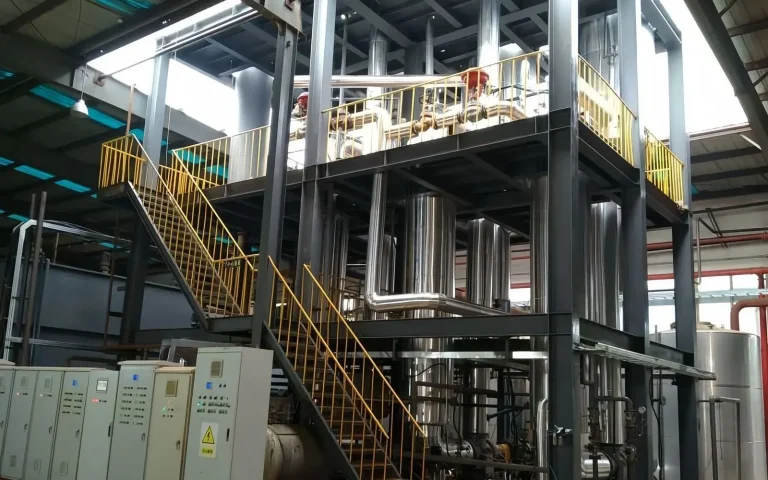
เราสามารถให้โซลูชันการสกัดลิเธียมโดยตรง (DLE) เพื่อกู้คืนลิเธียมจากน้ำเกลือในทะเลสาบเกลือ
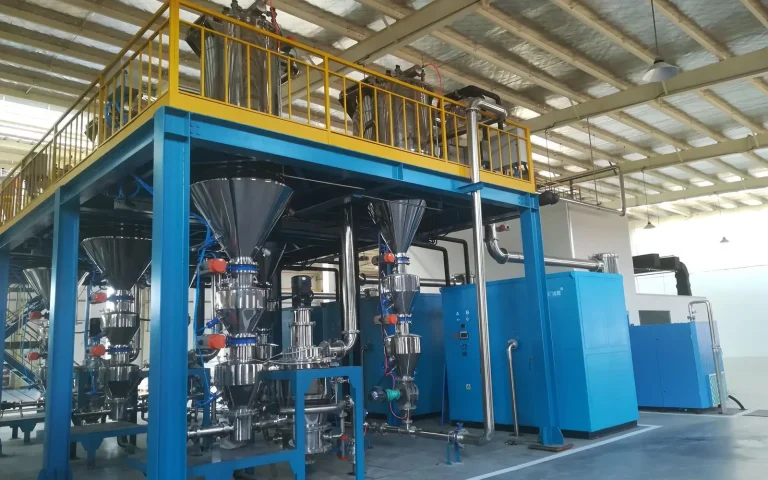
แอโนดที่มีพื้นฐานจากซิลิกอนเป็นวัสดุแอโนดคอมโพสิตชนิดหนึ่งที่เกิดจากการรวมซิลิกอน

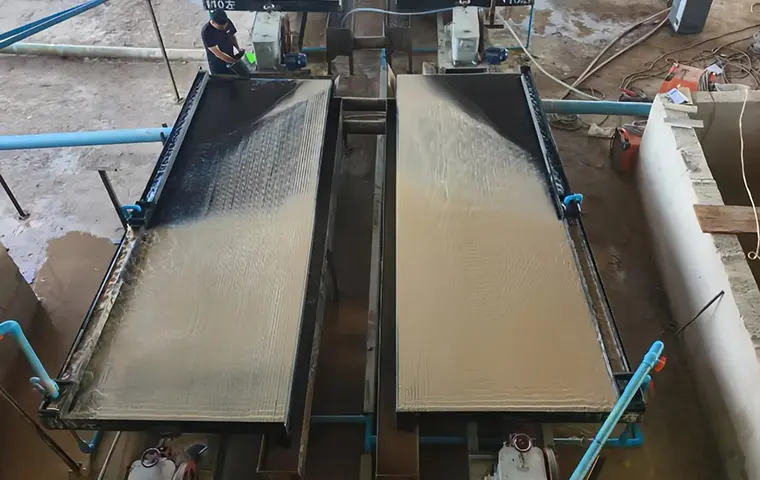
แร่ดิบ: แร่ซัลไฟด์แอนติโมไนด์ที่มีสายแร่ควอตซ์ เกรด Sb: 3.5% เกรดเข้มข้น: 55%
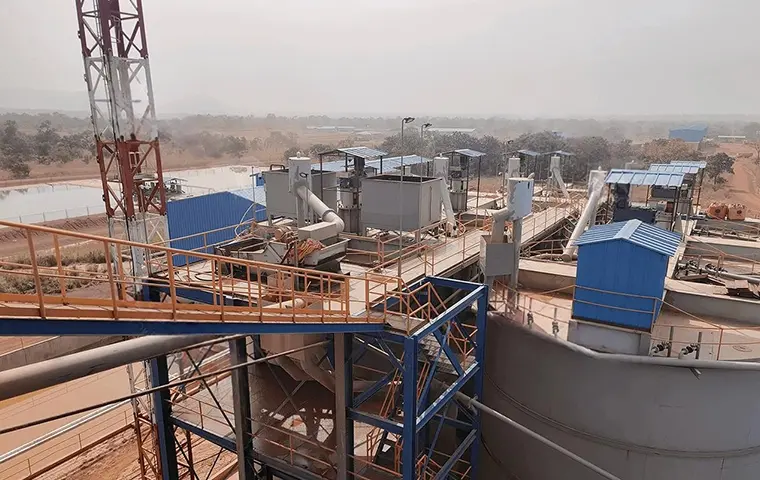
แร่ดิบ: แร่ทองแดงซัลไฟด์ (มีปริมาณไพไรต์เล็กน้อย) เกรดทองแดง: 1.2% เกรดสารสกัด 25% Cu
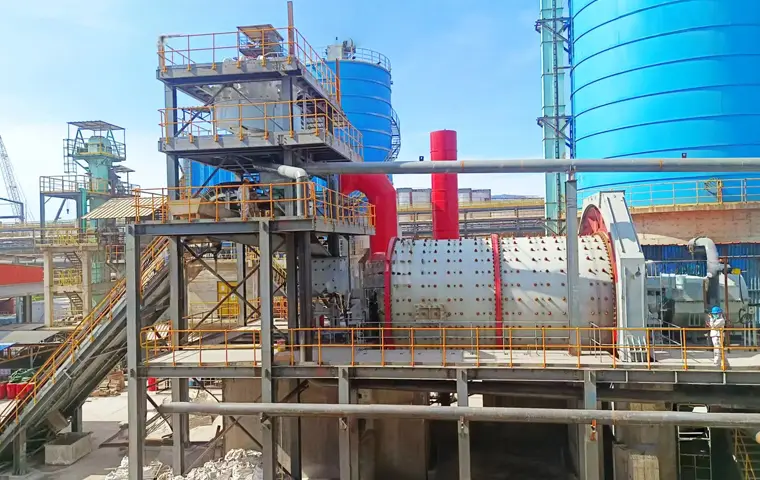
วัตถุดิบ: หินปูนแคลเซียมสูง ผลิตภัณฑ์สุดท้าย: ซีเมนต์ ผงวัตถุดิบ (200 เมช) และวัสดุก่อสร้าง
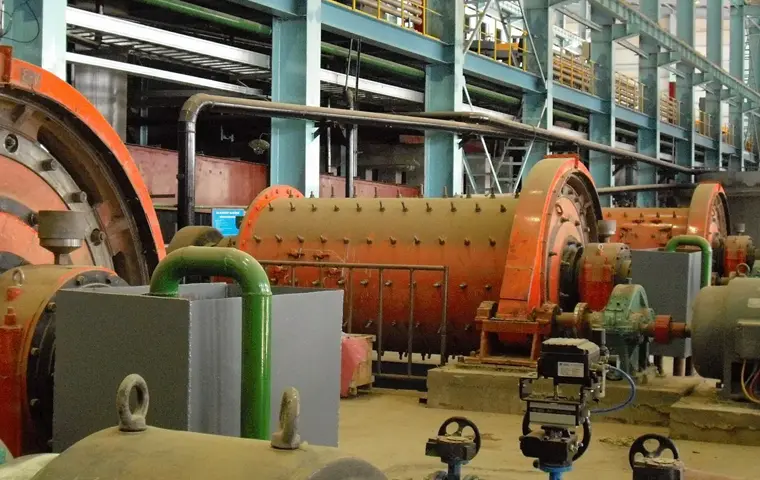
แร่ดิบ: แร่โมลิบดีนัมประเภทซัลไฟด์ (ส่วนใหญ่เป็นโมลิบดีไนต์) เกรดโมลิบดีนัม: 0.15% เกรดผลิตภัณฑ์: 45% Mo
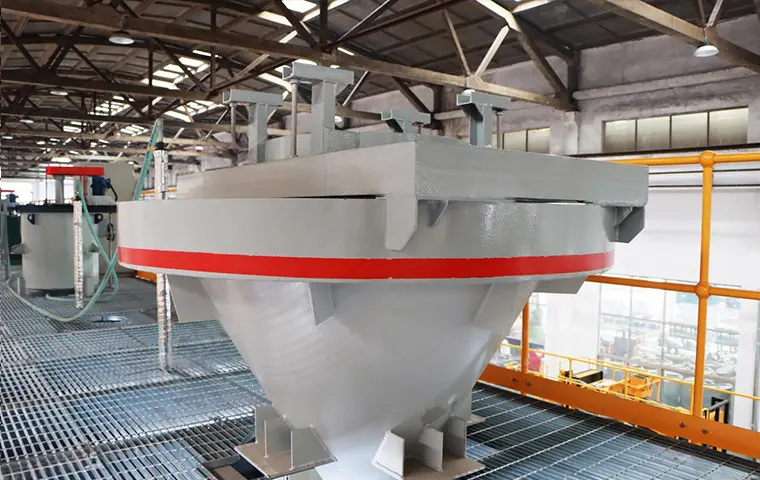
แร่ดิบ: แร่ทองคำประเภทซัลไฟด์ เกรดทอง: 3.5 กรัม/ตัน ผลิตภัณฑ์สุดท้าย: ทองคำแท่ง อัตราการกู้คืนทองคำ: 96%
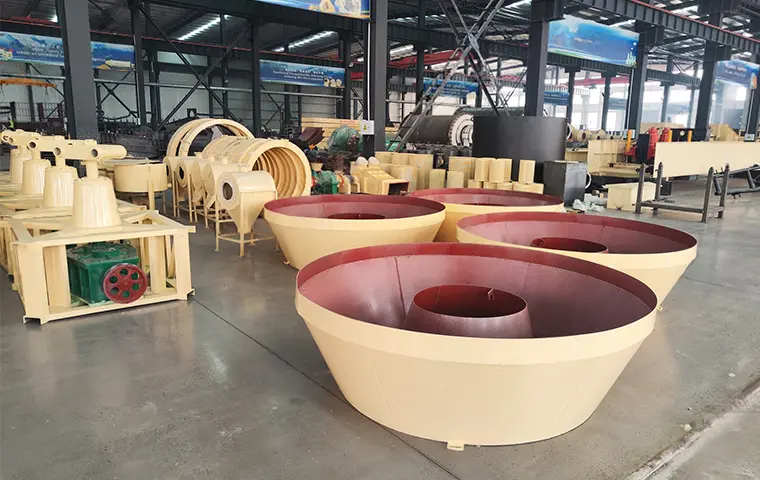
แร่ดิบ: แร่ทองคำจากตะกอน / แร่ทองคำแข็งออกไซด์ (ที่มีทองคำที่บดละเอียดได้) เกรดทองคำ: 2.5 กรัม/ตัน อัตราการกู้คืนทองคำ: > 88%
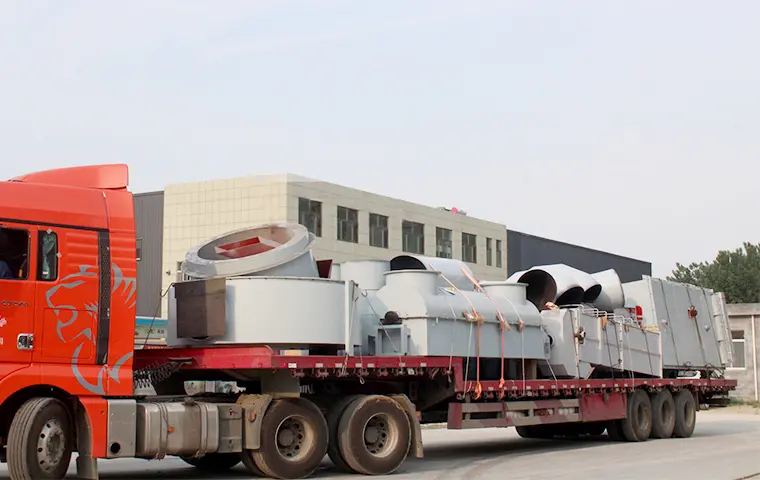
วัสดุดิบ: แร่ควอตซ์ ประเภทโครงการ: การจัดหาและติดตั้งอุปกรณ์
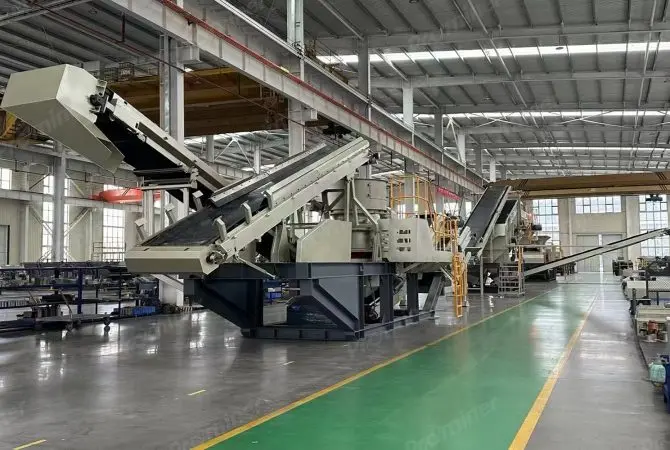
เครื่องบดพกพาติดตั้งบนสกิด, ตามความต้องการของตลาดที่ต้องการการเคลื่อนย้ายที่ง่ายจากไซต์หนึ่งไปยังอีกไซต์หนึ่ง
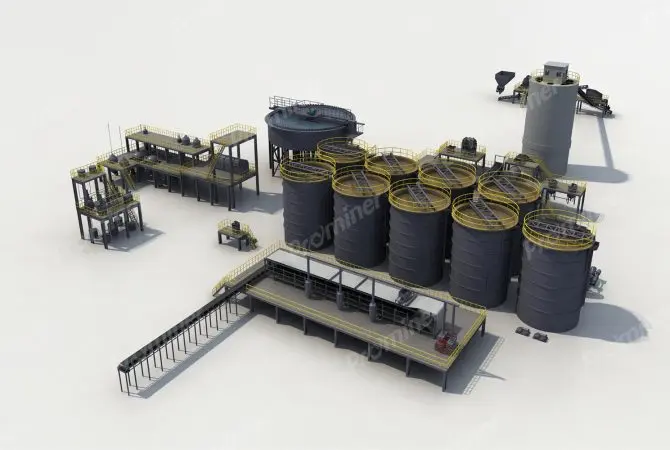
Prominer สามารถให้บริการโซลูชันครบวงจรสำหรับระบบ CIL (คาร์บอนในสารละลาย)
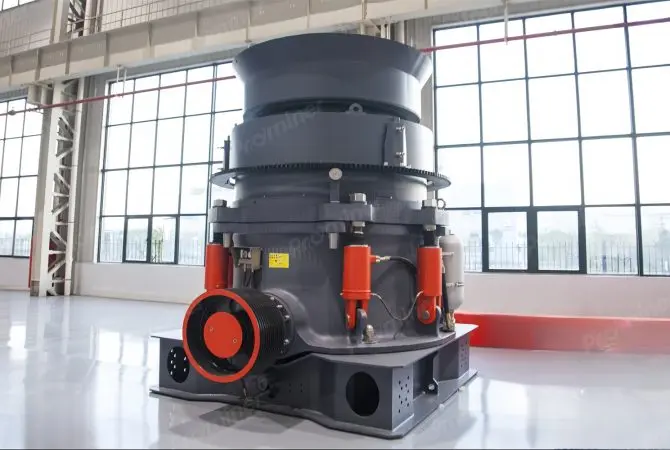
เครื่องบดกรวยไฮดรอลิกหลายกระบอกรวมความเร็วของเครื่องบด, ความเบี่ยงเบนและรูปแบบห้อง
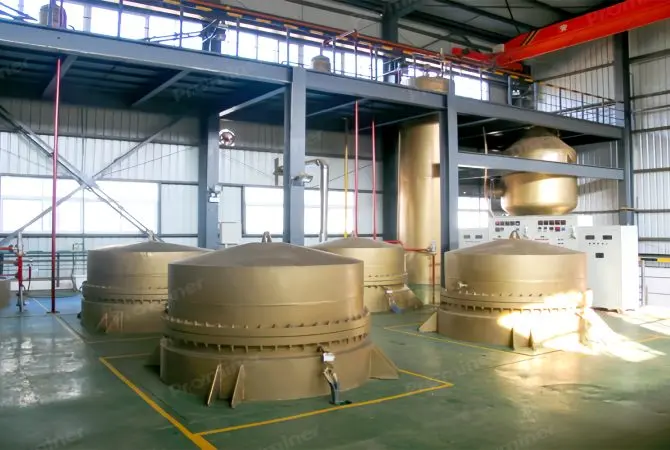
Prominer สามารถออกแบบและจัดหาโรงกลั่นและระบบการหลอมที่สมบูรณ์สำหรับโครงการ CIL ทองคำ
หากต้องการทราบข้อมูลเพิ่มเติมเกี่ยวกับผลิตภัณฑ์และโซลูชันของเรา โปรดกรอกแบบฟอร์มด้านล่างและผู้เชี่ยวชาญของเราจะติดต่อกลับหาคุณในไม่ช้า
โครงการฟลอทเตชั่นทองคำ 3000 TPD ในมณฑลซานตง
ฟลอทเตชั่นแร่ลิเธียม 2500 TPD ในเสฉวน
Fax: (+86) 021-58779592
ที่อยู่: ห้อง 606 อาคาร D3 เฟส II ศูนย์ธุรกิจฉวนซา 777 ถนนหลง เมียโอฉวน ถัง เขตผู่ตงใหม่ เซี่ยงไฮ้ ประเทศจีน
ลิขสิทธิ์ © 2023. บริษัท โปรมิเนอร์ (เซี่ยงไฮ้) ไมนิ่ง เทคโนโลยี จำกัด