

Existen dos tipos de mineral de grafito natural: grafito cristalino y grafito amorfo


/
/
¿Qué factores requieren atención durante la purificación de arena de cuarzo?


La purificación de arena de cuarzo es un proceso crucial en industrias como la fabricación de vidrio, electrónica, cerámica y producción de silicio de alta pureza. La efectividad de la purificación impacta directamente en la calidad, el rendimiento y la eficiencia de costos del producto. Varios factores clave deben ser contemplados cuidadosamente para lograr resultados óptimos de purificación.
La calidad inicial de la arena de cuarzo determina la complejidad y el costo de la purificación. El cuarzo crudo puede contener impurezas como hierro, aluminio, mica, feldespato, minerales de arcilla y materia orgánica. Comprender el tipo, la distribución y la concentración de estas impurezas es esencial antes de seleccionar los métodos de purificación.
Los análisis químicos y estudios mineralógicos ayudan a determinar si las impurezas están presentes como contaminantes superficiales, inclusiones embebidas o elementos unidos estructuralmente. Esta evaluación orienta la selección de procesos de tratamiento mecánico, químico o térmico adecuados.
El tamaño de las partículas influye significativamente en la eficiencia de la purificación. Las partículas más finas pueden aumentar la superficie, haciendo que la eliminación de impurezas sea más eficaz durante el lixiviado químico. Sin embargo, partículas excesivamente finas pueden complicar los procesos de filtración y separación.
Mantener una distribución de tamaño de partículas controlada y uniforme garantiza un mejor rendimiento durante el lavado, la separación magnética, la flotación y el tratamiento con ácido. Los procesos adecuados de trituración, molienda y clasificación son esenciales para optimizar este parámetro.
El hierro es uno de los contaminantes más comunes e indeseables en la arena de cuarzo, especialmente para aplicaciones de alta pureza como la fabricación de vidrio óptico y semiconductores. Incluso trazas de hierro pueden afectar la transparencia y las propiedades eléctricas.
Los métodos de eliminación de hierro incluyen la separación magnética, la flotación y la lixiviación con ácido. La elección depende de si el hierro existe como partículas libres, recubrimientos o dentro de la red cristalina. Los separadores magnéticos de alto gradiente y los tratamientos con ácidos fuertes suelen ser necesarios para cumplir con estándares de pureza ultra alta.
El lixiviado ácido se utiliza ampliamente para eliminar óxidos metálicos y otras impurezas. El tipo de ácido (por ejemplo, ácido clorhídrico, sulfúrico o hidrofluórico), concentración, temperatura y tiempo de reacción deben ser cuidadosamente controlados.
Las condiciones químicas inadecuadas pueden conducir a una eliminación insuficiente de impurezas o a una pérdida innecesaria de cuarzo. Además, el uso excesivo de ácido aumenta los riesgos ambientales y los costos operativos. La optimización del proceso garantiza la máxima eficiencia de purificación mientras minimiza los residuos.
El agua juega un papel vital en las etapas de lavado, clasificación y flotación. Las impurezas en el agua de proceso pueden volver a introducir contaminantes en la arena de cuarzo purificada.
El uso de agua limpia o tratada previene la contaminación secundaria. Los sistemas de lavado eficientes también eliminan recubrimientos superficiales como arcilla y partículas finas, mejorando la pureza general y la consistencia del producto.
Elegir el equipo adecuado es fundamental para lograr los niveles de pureza deseados. Los separadores magnéticos, máquinas de flotación, lavadores y reactores de lixiviación ácida deben coincidir con las características del material de cuarzo.
Los flujos de proceso bien diseñados reducen la pérdida de material, el consumo de energía y el tiempo de inactividad. Los sistemas de automatización y monitoreo en tiempo real pueden mejorar aún más la estabilidad del proceso y la calidad del producto.
La purificación de arena de cuarzo a menudo implica productos químicos y polvo fino, ambos con riesgos para el medio ambiente y la salud. El tratamiento adecuado de los residuos, los sistemas de control de polvo y los procedimientos de manejo de productos químicos son esenciales.
El cumplimiento de las normativas ambientales y la implementación de protocolos de seguridad no solo protegen a los trabajadores y comunidades cercanas, sino que también mejoran la sostenibilidad operativa a largo plazo.
Diferentes industrias requieren diferentes niveles de pureza. Por ejemplo, el cuarzo de grado de construcción tiene requisitos de pureza más bajos en comparación con el cuarzo de grado semiconductor.
Comprender el mercado objetivo y las especificaciones requeridas, como el contenido de SiO₂, la concentración de hierro y el tamaño de partícula, ayuda a adaptar el proceso de purificación en consecuencia. Las pruebas continuas de calidad garantizan que el producto final cumpla con los estándares de la industria.
Al gestionar cuidadosamente las características de las materias primas, los parámetros del proceso, la selección del equipo y las consideraciones ambientales, los fabricantes pueden lograr una purificación de arena de cuarzo eficiente y rentable. La atención a estos factores garantiza un producto de alta calidad adecuado para diversas aplicaciones industriales.
A: Para los recursos de grafito, una solución completa debe cubrir tanto la flotación de grafito natural como el procesamiento profundo. El molino de bolas y el sistema de hidrociclón sirven como la etapa básica de molienda. Para la producción de materiales de ánodo avanzados, la prensa de conformado es esencial para mejorar la densidad de enlace y reducir la superficie específica. Además, el sistema de recubrimiento Prominer, que combina funciones de recubrimiento y granulación, es un paso clave en el procesamiento de materiales de ánodo de alto beneficio.
A: La selección del proceso depende completamente de las características del mineral. El proceso Gold CIL/CIP es una forma muy popular y efectiva para procesar minerales de oro de tipo óxido de alta ley. Para muchos otros proyectos de oro, la flotación sigue siendo el método de procesamiento más popular. Para los propietarios que buscan ahorrar en inversión en la etapa inicial, la lixiviación en tinas o la lixiviación a cielo abierto son opciones flexibles y económicas. Recomendamos comenzar con una prueba de laboratorio y piloto para determinar el flujo de proceso más eficiente y científico.
A: La separación magnética es fundamental para la mejora de minerales. Ofrecemos separadores magnéticos HIMS (Alta Intensidad) y LIMS (Baja Intensidad) para manejar diferentes propiedades magnéticas de los minerales. En un diseño de planta optimizado, esta tecnología se integra con un sistema de trituración de alto rendimiento—utilizando trituradoras de cono hidráulico de cilindro simple o múltiple—y un sistema de molienda. Esto garantiza que las rocas de desecho sean rechazadas tempranamente, lo que mejora significativamente la productividad y ahorra energía.
A: Diseñar una planta exitosa requiere un servicio completo de EPC (Ingeniería, Procura y Construcción). Las consideraciones clave incluyen el diseño de ingeniería (levantamientos del sitio, orientación para muestreo y dibujos de PFD) y la personalización del equipo para garantizar que la maquinaria se adapte a las características específicas del mineral. Por ejemplo, Prominer puede personalizar pantallas lineales de hasta 5.1 m de ancho para clasificación y deshidratación a gran escala. Finalmente, los servicios profesionales en el sitio, que incluyen supervisión de trabajos civiles y puesta en marcha, son fundamentales para una operación estable a largo plazo.
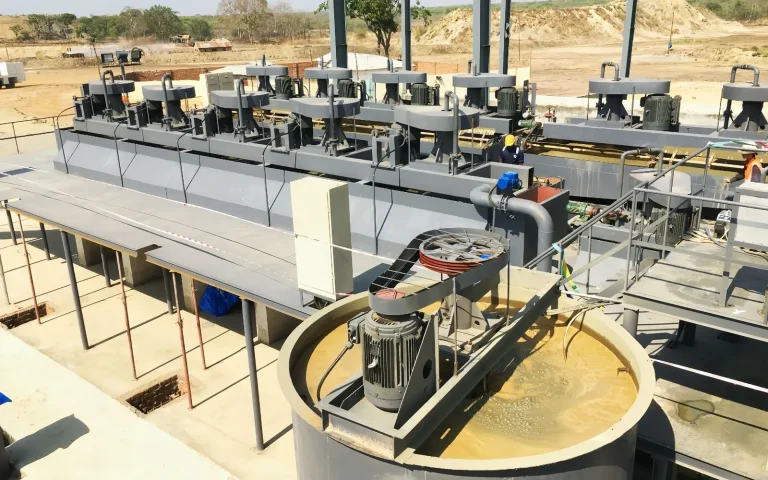
Existen dos tipos de mineral de grafito natural: grafito cristalino y grafito amorfo
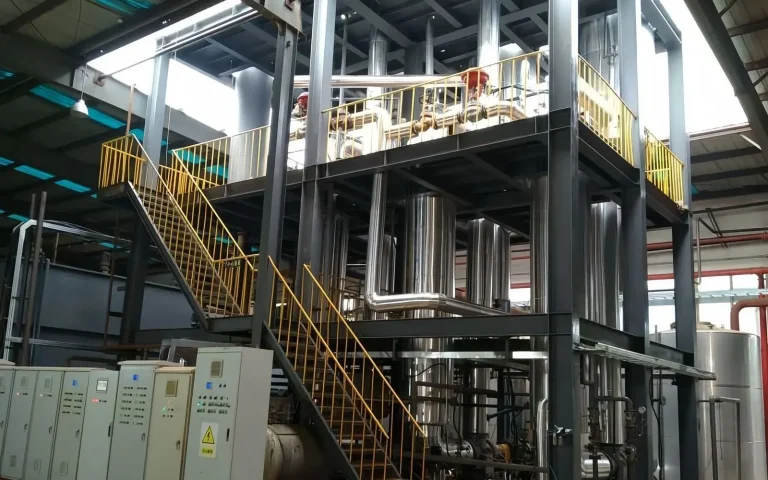
Podemos proporcionar una solución de extracción directa de litio (DLE) para recuperar el litio de la salmuera de lagos salinos
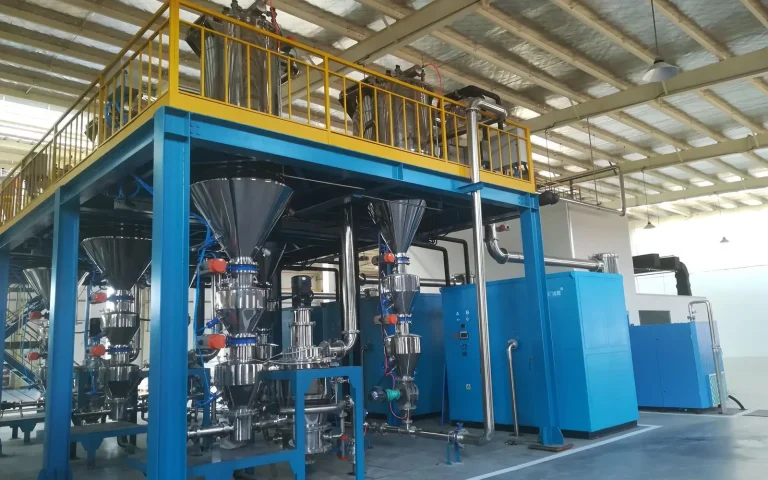
El ánodo basado en silicio es un tipo de material de ánodo compuesto mediante la combinación de silicio

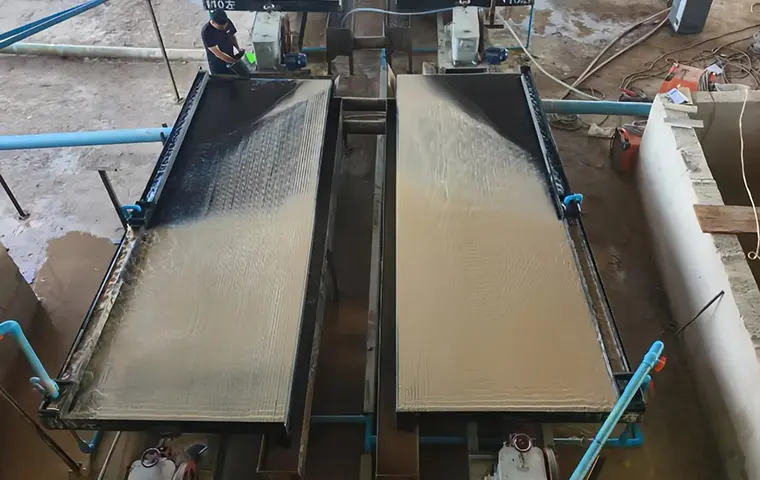
Mineral en Bruto: Mineral de sulfuro de antimonio con veta de cuarzo Grado de Sb: 3.5% Grado de Concentrado: 55%
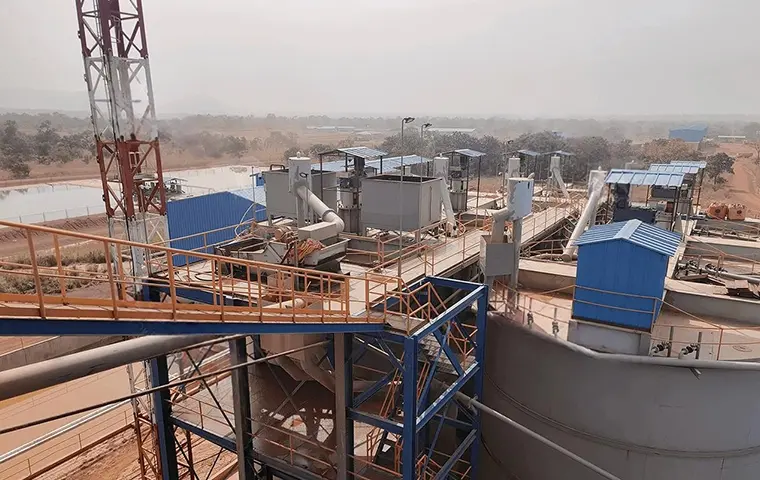
Mineral en bruto: Mineral de cobre sulfuroso (con contenido menor de pirita) Grado de cobre: 1.2% Grado de concentrado: 25% Cu
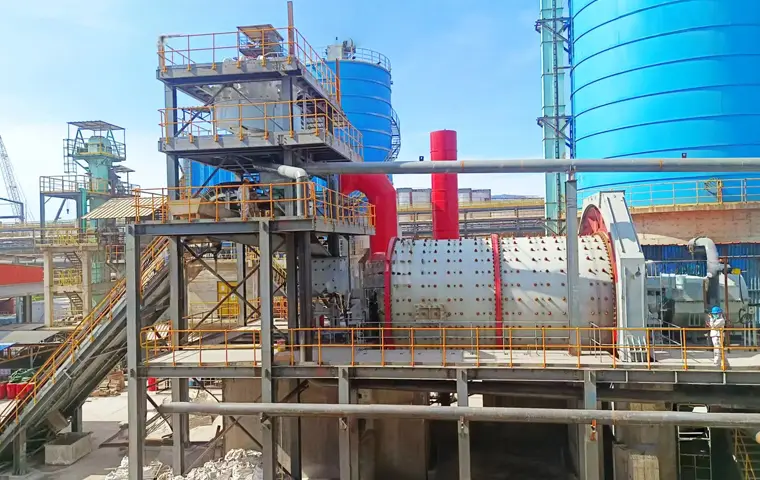
Materia Prima: Caliza de Alto Contenido de Calcio Producto Final: Polvo de Materia Prima de Cemento (malla 200) y Agregados de Construcción
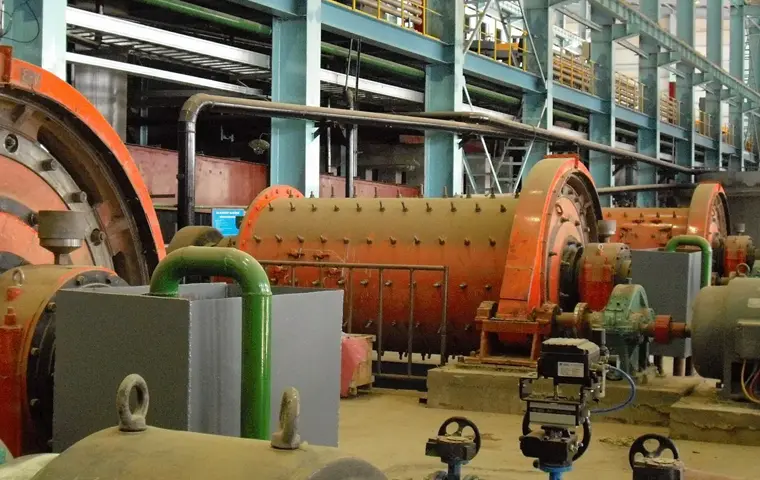
Mineral en bruto: Mineral de molibdeno tipo sulfuros (principalmente molibdenita) Grado de Mo: 0.15% Grado de concentrado: 45% Mo
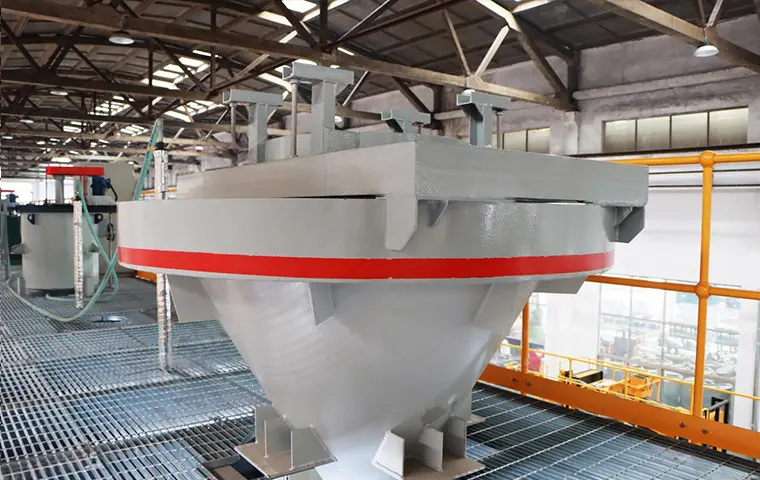
Mineral en bruto: Mineral de oro tipo sulfuro Grado de oro: 3.5 g/t Producto final: Lingote de oro Tasa de recuperación de oro: 96%
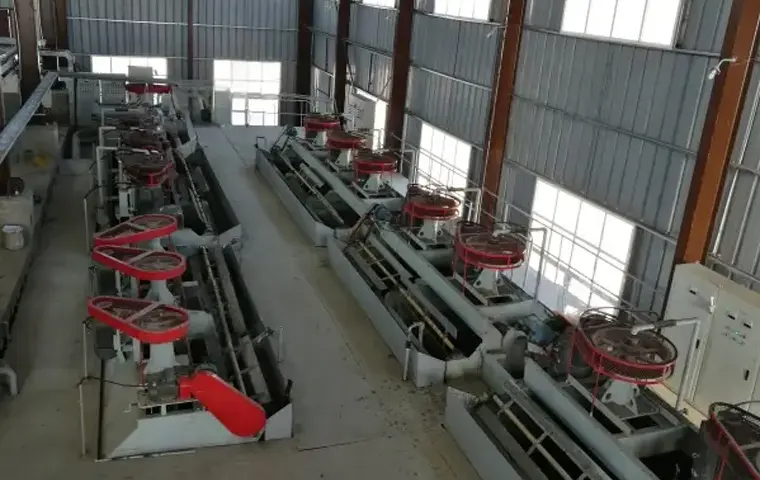
Mineral crudo: Roca fosfatada sedimentaria, Grado de P2O5: 22-26%
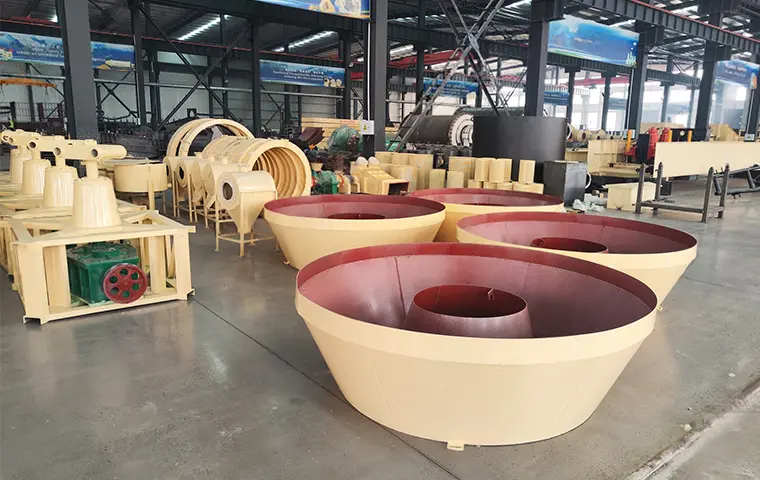
Mineral en bruto: Mineral de oro aluvial / de roca dura con óxido (con oro de libre molienda) Ley de oro: 2.5 g/t Tasa de recuperación de oro: > 88%
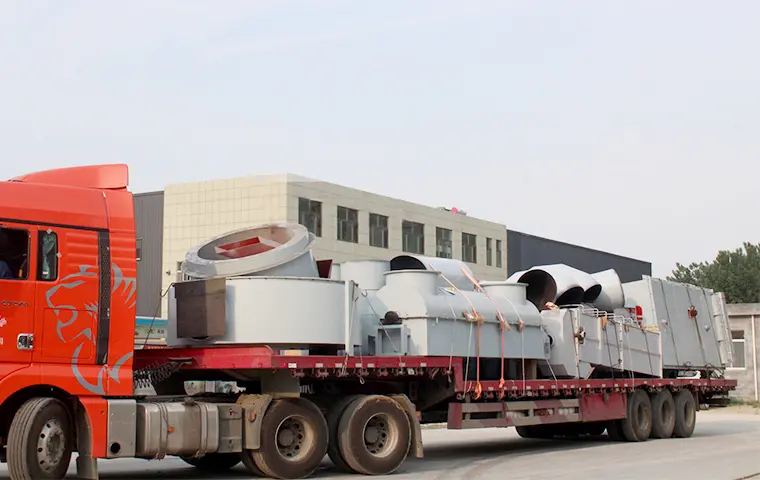
Materia Prima: Mineral de Cuarzo Tipo de Proyecto: Suministro de Equipos y Soporte de Instalación
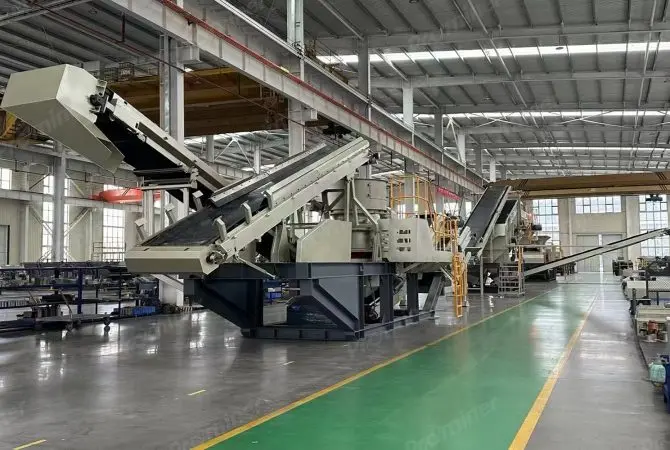
Trituradora portátil montada sobre patines, basada en los requisitos del mercado para facilitar el movimiento de un sitio a otro
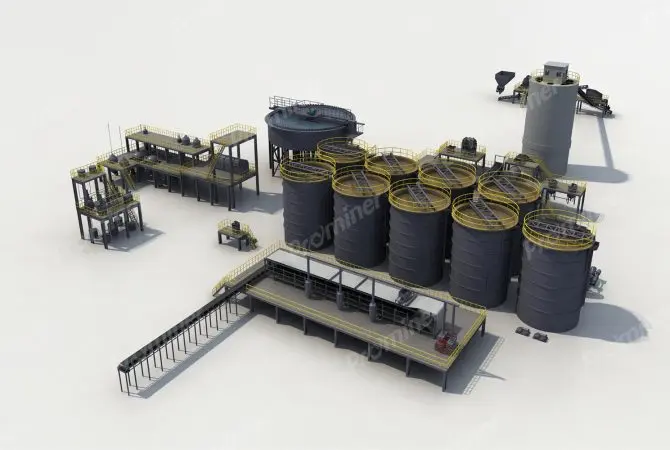
Prominer puede proporcionar la solución completa para el sistema CIL (carbono en lixiviación)
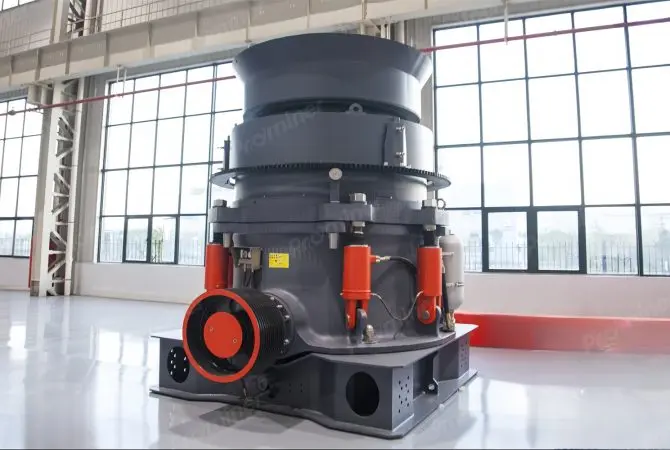
La trituradora de cono hidráulica multicilíndrica combina la velocidad del triturador, la excentricidad y el perfil de la cavidad
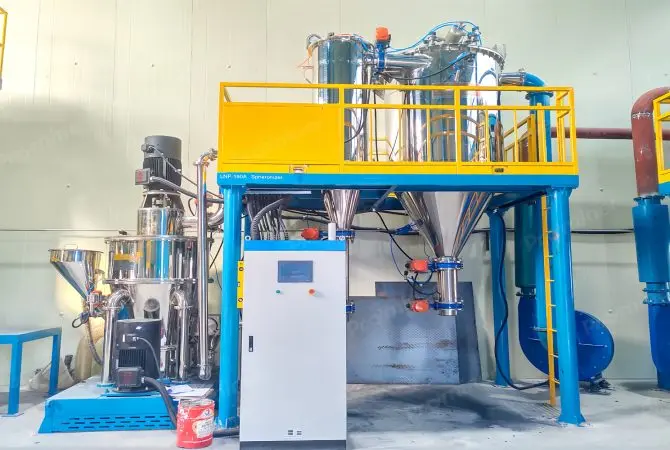
Además de los estrictos requisitos de PSD, Anode Graphite también requiere una forma esférica para
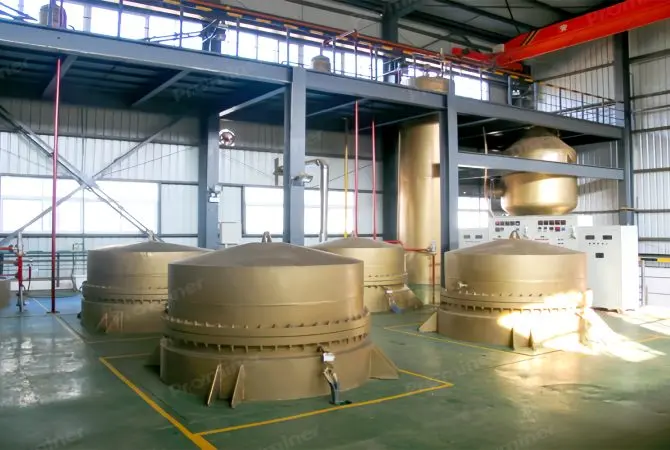
Prominer puede diseñar y proporcionar el sistema completo de refinación y fundición para un proyecto CIL de oro
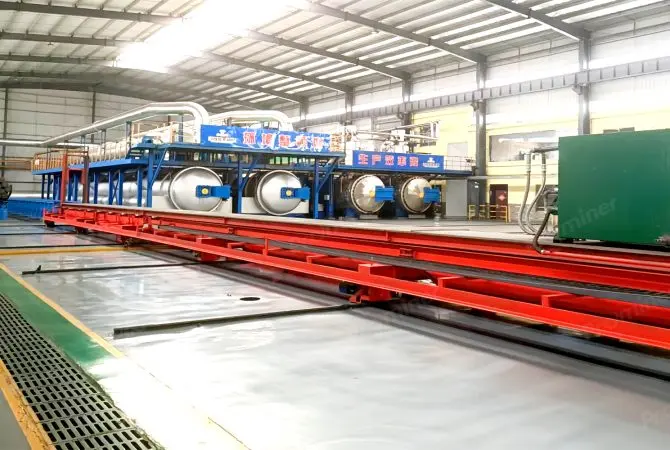
Podemos proporcionar impregnación a alta presión de tipo caliente en y fría fuera de grafito cocido una vez
Para obtener más información sobre nuestros productos y soluciones, complete el formulario a continuación y uno de nuestros expertos se pondrá en contacto con usted pronto
Proyecto de Flotación de Oro de 3000 TPD en la Provincia de Shandong
Flotación de Minerales de Litio de 2500 TPD en Sichuan
Fax: (+86) 021-58779592
Dirección: Habitación 606, Edificio D3, Fase II, Centro de Negocios Chuansha, 777 Long, Calle Miaochuan, Área de Pudong Nuevo, Shanghái, China.
Copyright © 2023. Prominer (Shanghai) Mining Technology Co., Ltd.


