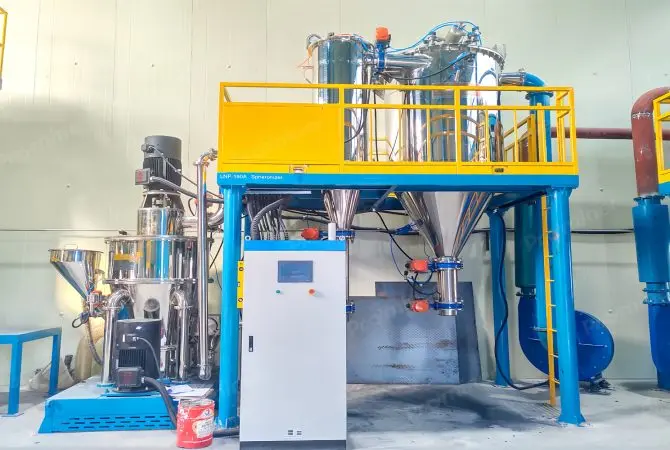
Esistono due tipi di minerale di grafite naturale, tra cui grafite cristallina e grafite amorfa


/
/
Quali fattori richiedono attenzione durante la purificazione della sabbia di quarzo?


La purificazione della sabbia di quarzo è un processo fondamentale in settori come la produzione di vetro, l'elettronica, la ceramica e la produzione di silicio ad alta purezza. L'efficacia della purificazione influisce direttamente sulla qualità del prodotto, sulle prestazioni e sui costi. Diversi fattori chiave devono essere attentamente considerati per ottenere risultati di purificazione ottimali.
La qualità iniziale della sabbia di quarzo determina la complessità e il costo della purificazione. Il quarzo grezzo può contenere impurità come ferro, alluminio, mica, feldspato, minerali argillosi e materia organica. Comprendere il tipo, la distribuzione e la concentrazione di queste impurità è essenziale prima di selezionare i metodi di purificazione.
Le analisi chimiche e gli studi mineralogici aiutano a determinare se le impurità sono presenti come contaminanti superficiali, inclusioni incorporate o elementi chimicamente legati strutturalmente. Questa valutazione guida la scelta dei processi di trattamento meccanico, chimico o termico più appropriati.
La dimensione delle particelle influenza significativamente l'efficienza della purificazione. Particelle più fini possono aumentare la superficie, rendendo più efficace la rimozione delle impurità durante il trattamento chimico. Tuttavia, particelle troppo fini possono complicare i processi di filtrazione e separazione.
Mantenere una distribuzione delle dimensioni delle particelle controllata e uniforme garantisce una migliore resa durante il lavaggio, la separazione magnetica, la flottazione e il trattamento con acido. Processi appropriati di frantumazione, macinazione e classificazione sono essenziali per ottimizzare questo parametro.
Il ferro è una delle impurità più comuni e indesiderate nella sabbia di quarzo, soprattutto per applicazioni a elevata purezza come il vetro ottico e la produzione di semiconduttori. Anche tracce di ferro possono influire sulla trasparenza e sulle proprietà elettriche.
I metodi di rimozione del ferro includono la separazione magnetica, la flottazione e l'estrazione acida. La scelta dipende dal fatto che il ferro sia presente come particelle libere, rivestimenti o all'interno della maglia cristallina. Spesso è necessario utilizzare separator magnetici a elevata intensità e trattamenti acidi forti per raggiungere standard di purezza ultra elevati.
Liscivia acida viene ampiamente utilizzata per rimuovere ossidi metallici e altre impurità. Il tipo di acido (ad esempio, acido cloridrico, solforico o fluoridrico), la concentrazione, la temperatura e il tempo di reazione devono essere accuratamente controllati.
Condizioni chimiche inadeguate possono portare a una rimozione insufficiente delle impurità o a una perdita inutile di quarzo. Inoltre, un uso eccessivo di acidi aumenta i rischi ambientali e i costi operativi. L'ottimizzazione del processo garantisce la massima efficienza di purificazione riducendo al minimo gli sprechi.
L'acqua svolge un ruolo fondamentale nelle fasi di lavaggio, classificazione e flottazione. Le impurità presenti nell'acqua di processo possono reintrodurre contaminanti nella sabbia di quarzo purificata.
L'uso di acqua pulita o trattata previene la contaminazione secondaria. I sistemi di lavaggio efficienti rimuovono anche rivestimenti superficiali come argilla e particelle fini, migliorando la purezza complessiva e la consistenza del prodotto.
Scegliere l'attrezzatura appropriata è fondamentale per ottenere i livelli di purezza desiderati. Separatori magnetici, macchine a flottazione, lavatrici e reattori di lisciviazione acida devono essere compatibili con le caratteristiche del materiale quarzifero.
I flussi di processo ben progettati riducono la perdita di materiali, il consumo di energia e i tempi di inattività. L'automazione e i sistemi di monitoraggio in tempo reale possono ulteriormente migliorare la stabilità del processo e la qualità del prodotto.
La purificazione della sabbia di quarzo spesso coinvolge sostanze chimiche e polveri sottili, entrambe comportano rischi per l'ambiente e la salute. È essenziale un corretto trattamento dei rifiuti, sistemi di controllo della polvere e procedure di gestione delle sostanze chimiche.
Conformità alle normative ambientali e attuazione di protocolli di sicurezza non solo proteggono i lavoratori e le comunità circostanti, ma migliorano anche la sostenibilità operativa a lungo termine.
Diversi settori richiedono diversi livelli di purezza. Ad esempio, il quarzo di qualità edilizia ha requisiti di purezza inferiori rispetto al quarzo di qualità semiconduttore.
Comprendere il mercato di riferimento e le specifiche richieste—come il contenuto di SiO₂, la concentrazione di ferro e la dimensione delle particelle—aiuta ad adattare di conseguenza il processo di purificazione. I test di qualità continui garantiscono che il prodotto finale soddisfi gli standard del settore.
Gestendo attentamente le caratteristiche delle materie prime, i parametri di processo, la scelta delle apparecchiature e le considerazioni ambientali, i produttori possono ottenere una purificazione del sabbia di quarzo efficiente e a costi contenuti. L'attenzione a questi fattori garantisce un prodotto di alta qualità adatto a diversi utilizzi industriali.
A: Per le risorse di grafite, una soluzione completa dovrebbe coprire sia la flottazione della grafite naturale che la lavorazione profonda. Il molino a sfere e il sistema di cicloni sono la fase di macinazione di base. Per la produzione di materiali anodici avanzati, il moinho di modellatura è essenziale per migliorare la densità di carico e ridurre l'area superficiale specifica. Inoltre, il sistema di rivestimento Prominer, che combina funzioni di rivestimento e granulazione, è un passaggio chiave nella lavorazione di materiali anodici ad alto profitto.
A: La selezione del processo dipende completamente dalle caratteristiche del minerale. Il processo Gold CIL/CIP è un metodo molto popolare ed efficace per trattare minerali di oro ossidati ad alta gradazione. Per molti altri progetti auriferi, la flottazione rimane il metodo di lavorazione più diffuso. Per i proprietari che desiderano risparmiare sugli investimenti iniziali, il tusso in barile o l'estrazione a pila sono opzioni flessibili ed economiche. Si consiglia di iniziare con un test di laboratorio e pilota per determinare il flusso di processo più efficiente e scientifico.
A: La separazione magnetica è fondamentale per il miglioramento dei minerali. Forniamo separatori magnetici sia HIMS (Alta Intensità) sia LIMS (Bassa Intensità) per gestire diverse proprietà magnetiche dei minerali. In un progetto di impianto ottimizzato, questa tecnologia viene integrata con un sistema di frantumazione ad alte prestazioni—utilizzando frantoi a cilindro singolo o multi-cilindro a cono idraulici—e con un sistema di macinazione. Ciò garantisce che la roccia di scarto sia eliminata tempestivamente, migliorando significativamente la produttività e risparmiando energia.
A: La progettazione di un impianto di successo richiede un servizio EPC (Ingegneria, Approvvigionamento e Costruzione) completo. Le considerazioni chiave includono la progettazione ingegneristica (sondaggi del sito, linee guida per il campionamento e disegni PFD) e la personalizzazione delle attrezzature per garantire che le macchine siano adatte alle caratteristiche specifiche del minerale. Ad esempio, Prominer può personalizzare schermi lineari fino a 5,1 m di larghezza per la calibrazione e la disidratazione su larga scala. Infine, i servizi professionali in loco, tra cui la supervisione dei lavori civili e la messa in funzione, sono fondamentali per un funzionamento stabile a lungo termine.
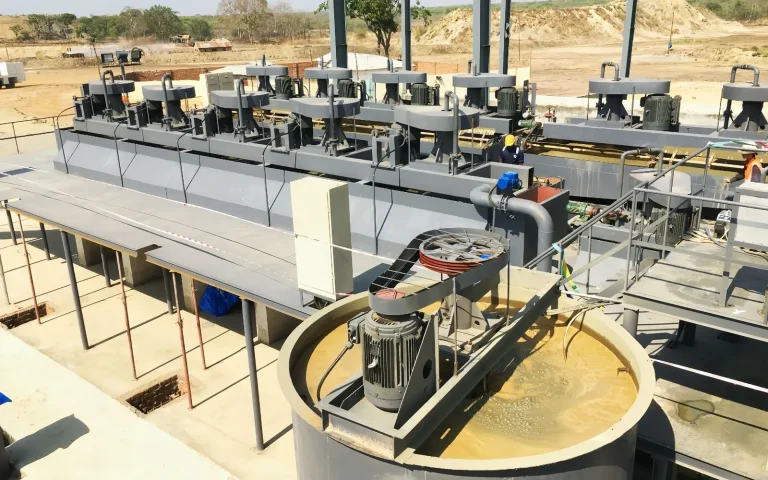
Esistono due tipi di minerale di grafite naturale, tra cui grafite cristallina e grafite amorfa
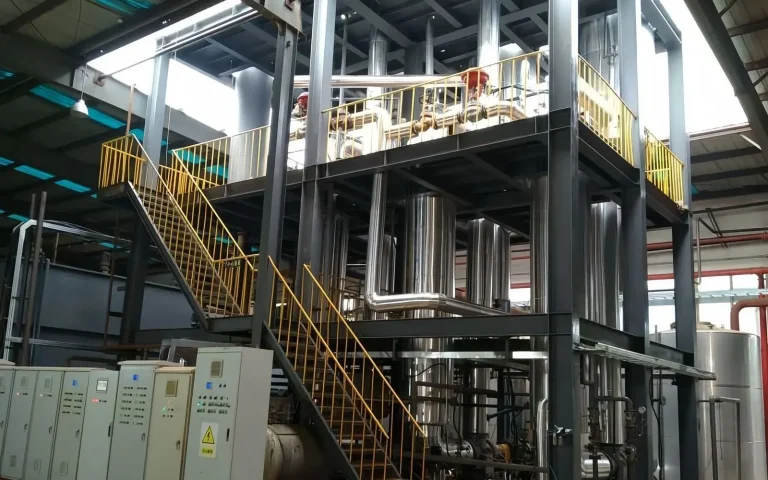
Possiamo fornire una soluzione di estrazione diretta di litio (DLE) per recuperare il litio dalla salamoia di laghi salati
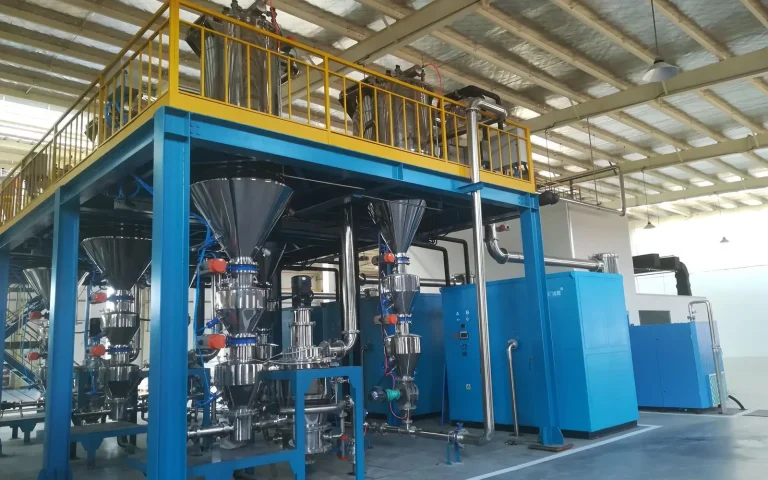
Un anodo a base di silicio è un tipo di materiale composito per anodo ottenuto combinando silicio

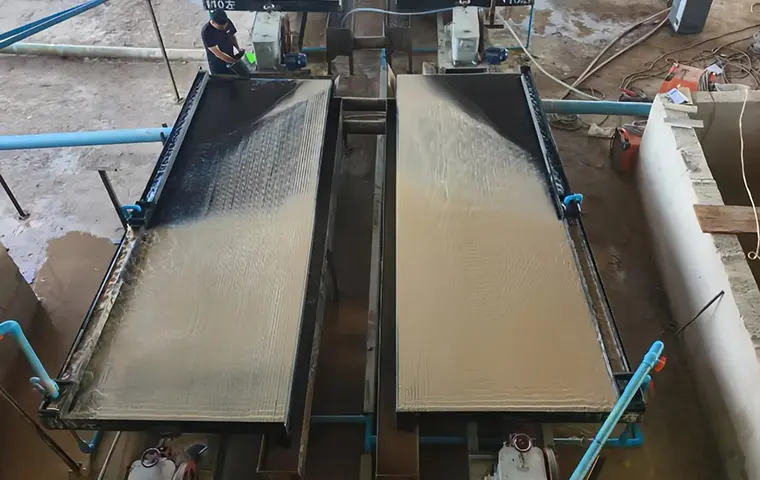
Minerale grezzo: Minerale di antimonio sulfuro con vena di quarzo Grado di Sb: 3,5% Grado di concentrato: 55%
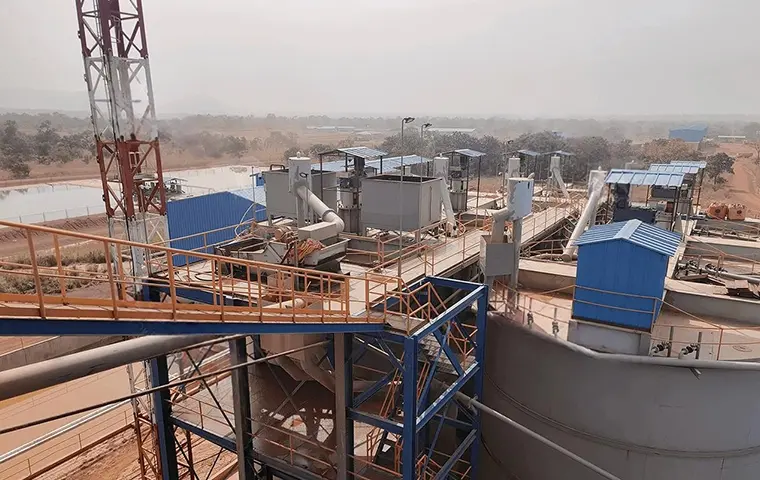
Minerale grezzo: Minerale di rame solfuroso (con minor contenuto di pirite) Tenore di rame: 1,2% Tenore di concentrato: 25% Cu
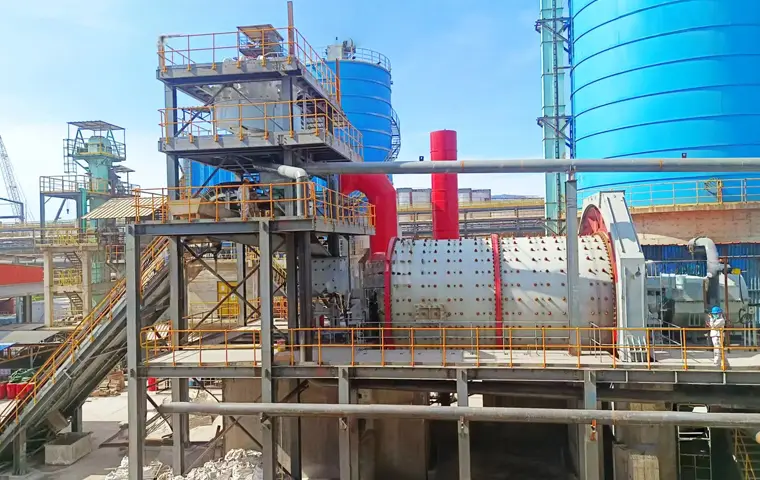
Materia prima: Calcare ad alto tenore di calcio Prodotto finale: Farina di calcare per cemento (maglia 200) e ghiaia da costruzione
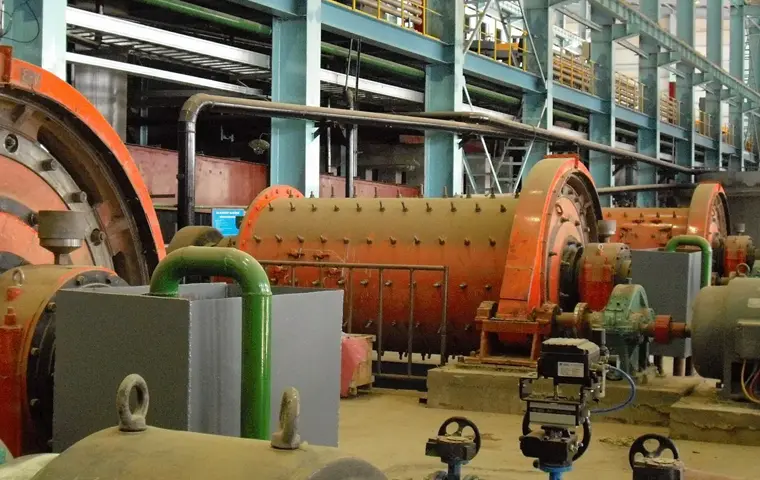
Minerale Grezzo: Minerale di Molibdeno Tipo Solfuro (Principalmente Molibdenite) Grado di Mo: 0,15% Grado di Concentrato: 45% Mo
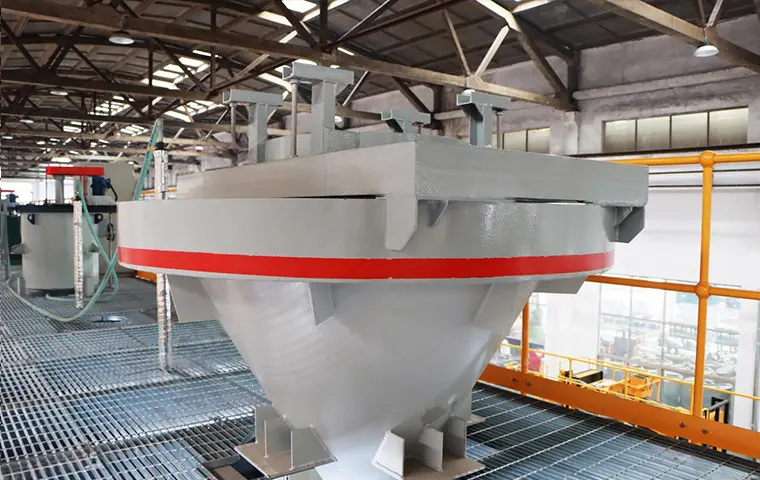
Minerale Grezzo: Minerale d'Oro Tipo Solfuro Grado dell'Oro: 3.5 g/t Prodotto Finale: Lingotto d'Oro Percentuale di Recupero dell'Oro: 96%
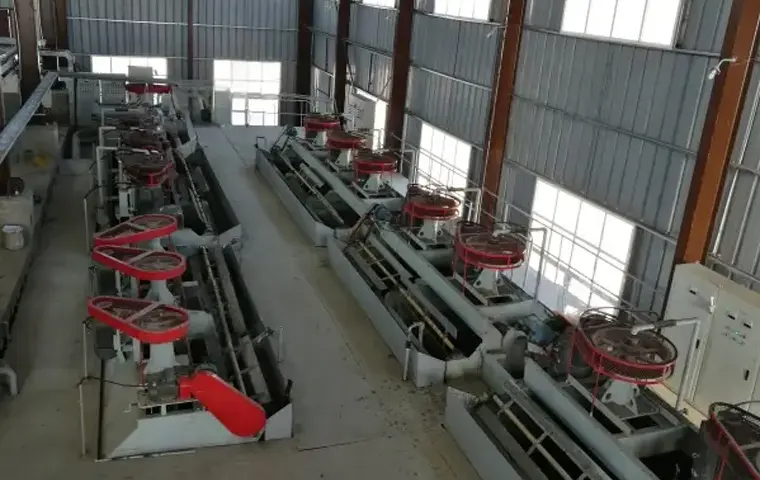
Minerale grezzo: Roccia fosfatica sedimentaria, Grado P2O5: 22-26%
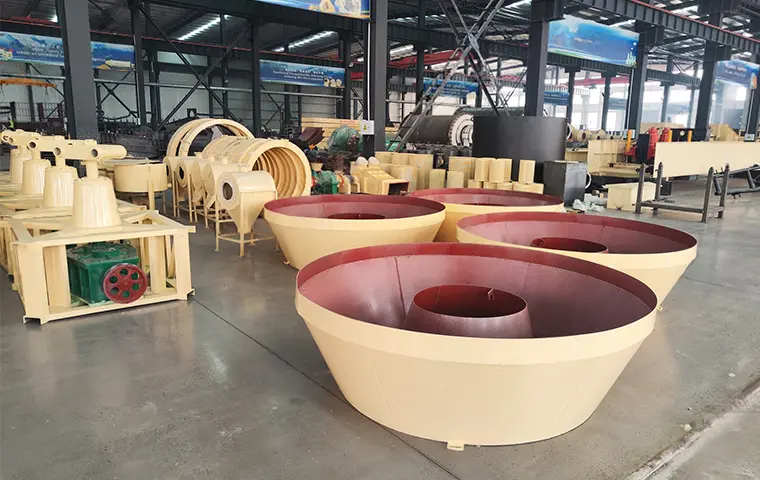
Minerale Grezzo: Oro Ossidato Alluviale / da Roccia Dura (con oro a vaglio libero) Grado d'Oro: 2.5 g/t Percentuale di Recupero dell'Oro: > 88%
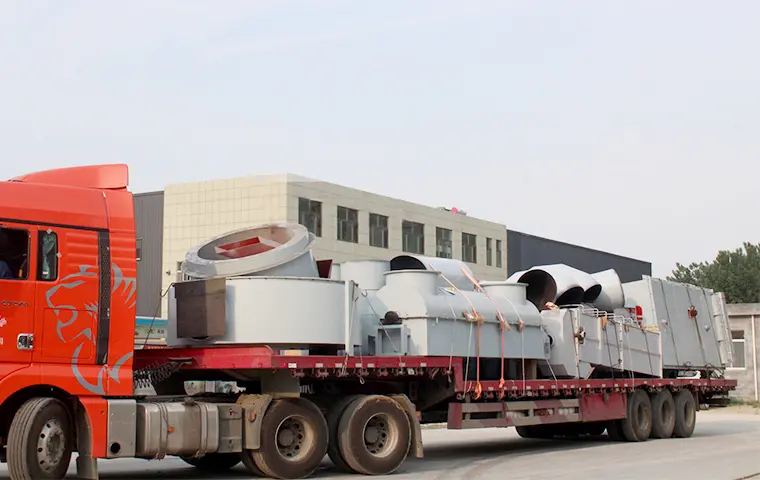
Materia Prima: Minerale di Quarzo Tipo di Progetto: Fornitura e Installazione di Attrezzature
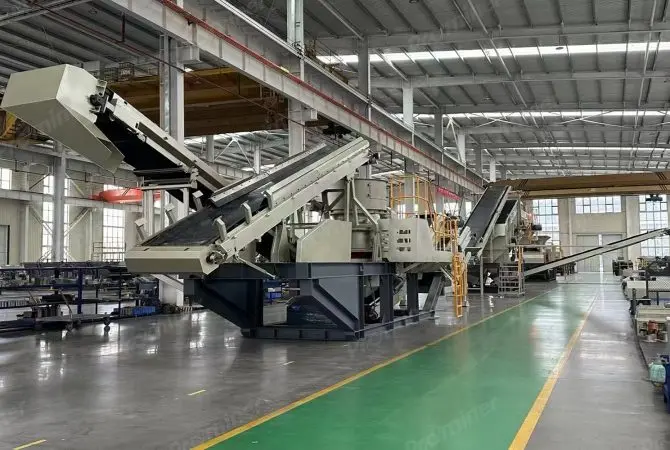
Frantoio portatile montato su skid, basato sui requisiti di mercato per un movimento più facile da un sito all'altro
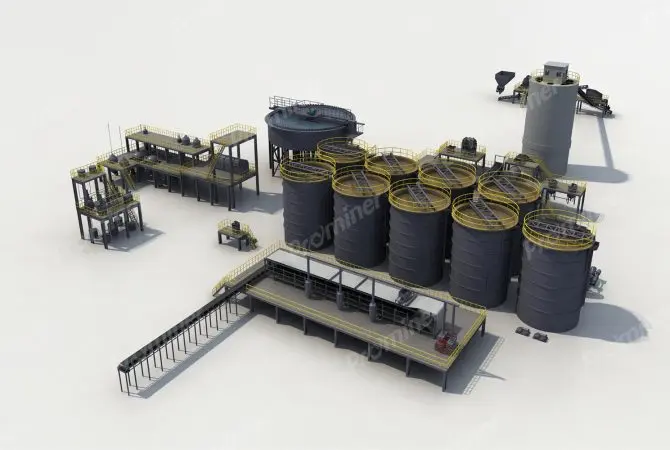
Prominer può fornire la soluzione completa per il sistema CIL (carbon in leaching)
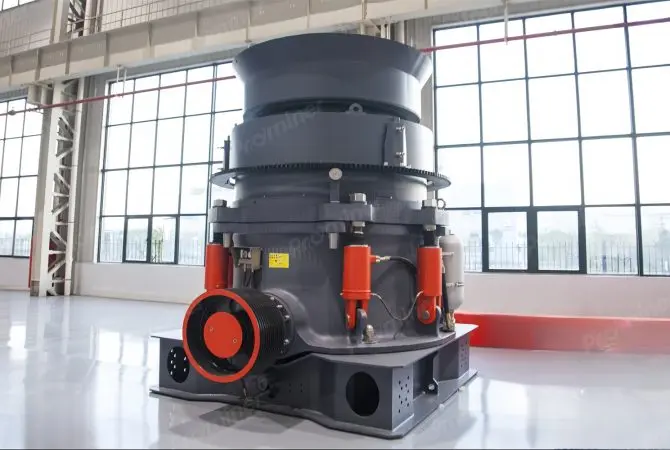
Il frantoio conico idraulico a multi-cilindro combina la velocità del frantoio, l'eccentricità e il profilo della cavità
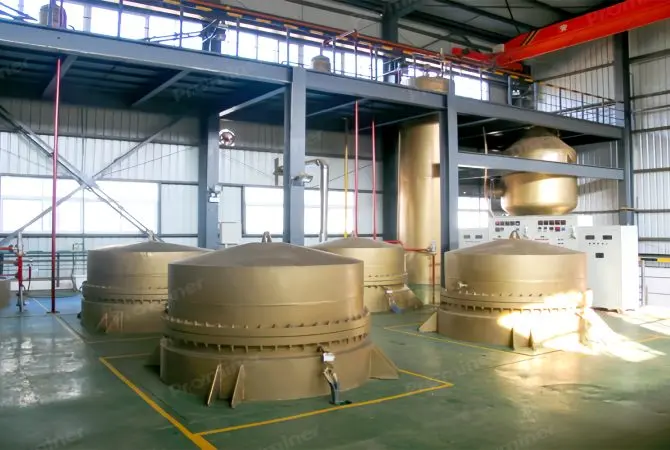
Prominer può progettare e fornire il sistema completo di raffinazione e fusione per il progetto CIL dell'oro
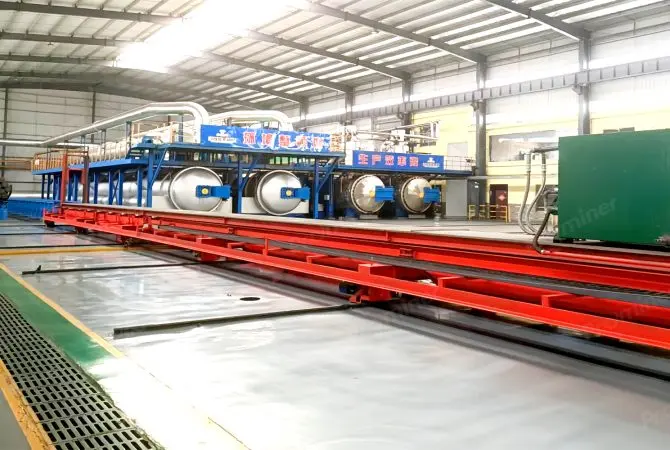
Possiamo fornire un'impregnazione ad alta pressione di tipo hot-in e cold-out della grafite una volta cotta
Per saperne di più sui nostri prodotti e soluzioni, si prega di compilare il modulo qui sotto e uno dei nostri esperti ti ricontatterà a breve
Progetto di flottazione d'oro da 3000 TPD nella provincia di Shandong
Flottazione di minerale di litio da 2500TPD in Sichuan
Fax: (+86) 021-58779592
Indirizzo: Stanza 606, Edificio D3, Fase II, Centro Commerciale Chuansha, 777 Long, Miaochuan Road, Distretto di Pudong Nuova Area, Shanghai, Cina
Copyright © 2023. Prominer (Shanghai) Mining Technology Co., Ltd.