

Fournir la solution complète pour la fabrication d'anodes en graphite, comprenant le broyage, le façonnage, la purification...


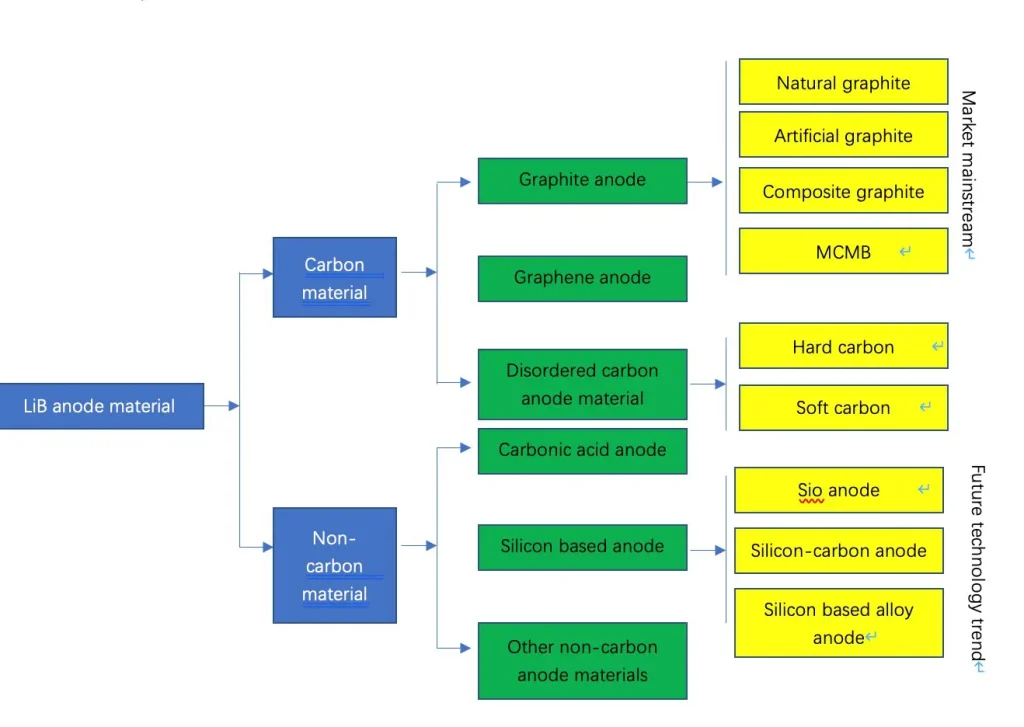
Les matériaux d'anodesont principalement divisés en deux catégories : matériaux carbonés et matériaux non carbonés. Le carbone fait référence aux systèmes à base de carbone, incluant principalement des microsphères de mésocarbone, du graphite artificiel, du graphite naturel et du carbone dur. Actuellement, les matériaux carbonés les plus largement utilisés sont les matériaux d'anode en graphite, parmi lesquels le graphite artificiel et le graphite naturel ont des applications industrielles à grande échelle. Les matériaux non carbonés incluent principalement des matériaux à base de silicium, à base d'étain, du titanate de lithium, etc. Parmi eux, les matériaux d'anode à base de silicium sont les principaux objets de recherche des principaux fabricants de matériaux d'anode à l'heure actuelle, et constituent l'un des nouveaux matériaux d'anode qui ont le plus de chances d'être appliqués à grande échelle dans le futur.
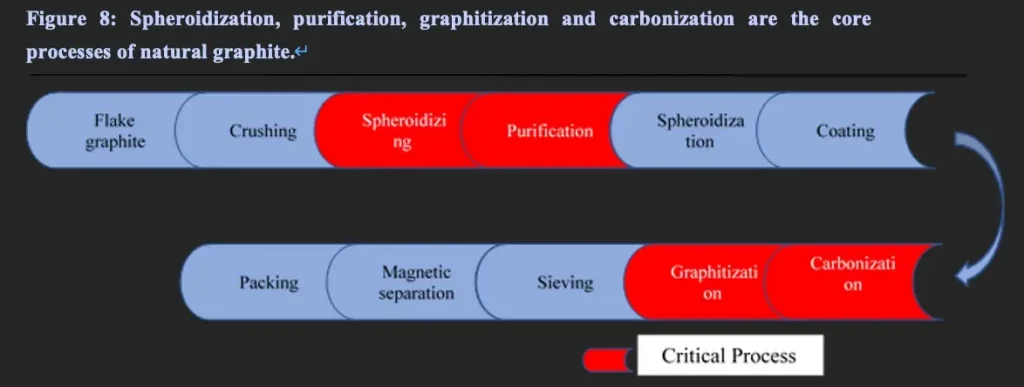
Traitement du graphite naturel
Le matériau d'anode en graphite naturel est à base de graphite en flocons naturel comme matière première, aprèsmoulage, classement, sphéroïdisation,purification, traitement de surface et d'autres processus préparés à partir du matériau cathodique.
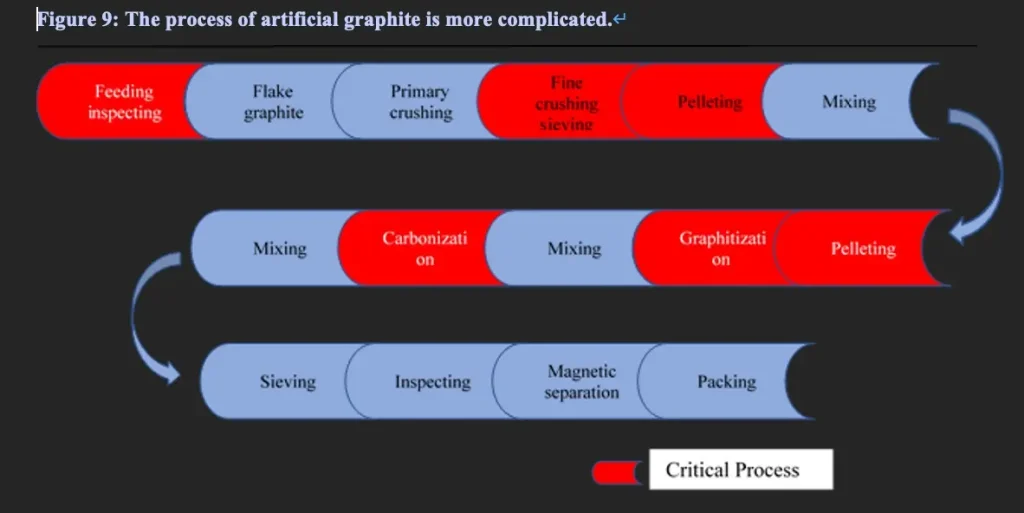
Processus de préparation du matériau d'anode en graphite artificiel
Artificial graphite manufacturing process can be divided into four steps, more than ten small procedures, granulation and graphitization is the key.
Le processus de production du matériau d'anode en graphite artificiel peut être divisé en quatre étapes :
1) prétraitement
2) granulation
3) graphitisation
4) broyage à billes et tamisage.
Among the four steps, crushing and screening are relatively simple, and granulation and graphitization are the two links that reflect the technical threshold and production level of the anode industry.
Specific to the production process, firstly, one or more of the coke and conductive particles, carbon nanotubes, carbon black, acetylene black are premixed, and then the mixed material and carbon are sintered and coated once, and the prepared particles are graphitized. Graphitized materials and resin materials for secondary coating; Surface treatment with solvent, centrifugation, precipitation and other methods to separate solid particles from the solvent, and then carbonization, 5-20um particles, to obtain a high rate of carbon anode material. In this method, by mixing and fabricating particles, the particles are coated twice to fill the inner shell of the material, so that the internal structure of the material is stable, so that the carbon anode material has the advantages of high rate performance, high pressure compaction, high specific capacity and so on.
(1) Prétraitement
Graphite raw material (needle coke or petroleum coke) is mixed with binder for air milling (crushing).According to the different products, the graphite raw materials and adhesive (graphitization) according to different proportions, the mixing ratio is 100 :(5~20), the material through the vacuum feeding machine into the hopper, and then the hopper into the air flow mill for air moulage, moulage 5~10mm diameter of the raw and auxiliary materials to 5-10 microns. After air moulage, cyclone dust collector is used to collect the required particle size materials, the dust collection rate is about 80%, the tail gas is filtered by the filter core filter and discharged, the dust removal efficiency is more than 99%. The material of the filter element is the filter cloth with pores less than 0.2 micron, which can intercept all the dust above 0.2 micron. The fan control system is in negative pressure state.
Différence : pretreatment mill is divided into mechanical mill and jet mill, now the mainstream is jet mill. There are more kinds of adhesives, such as petroleum asphalt, coal asphalt, phenolic resin or epoxy resin.
(2) Granulation/Granulation Secondaire
Granulation is a key step in artificial graphite processing. Granulation is divided into pyrolysis process and ball milling process.
Processus de Pyrolyse : the intermediate material 1 is put into the reaction reactor and electrically heated according to a certain temperature curve in inert gas atmosphere and under a certain pressure. It is stirred at 200-300 ℃ for 1-3h and then heated to 400-500℃ to obtain the material with a particle size of 10-20mm. The material is cooled and discharged, namely the intermediate material
2. Ball mill and sieve division of labor: vacuum feeding, conveying intermediate material 2 to the ball mill for mechanical ball moulage, moulage 10~20mm material into 6~10 micron particle size material, and screening to get intermediate material
3. The material on the screen is transported back to the ball mill by vacuum pipe for ball moulage.
The size, distribution and morphology of graphite particles affect many properties of anode materials. In general, the smaller the particle size, the better the rate performance and cycle life, but the first efficiency and compaction density (affecting the volume energy density and specific capacity) are worse, and vice versa. Reasonable particle size distribution (mixing large particles with small particles, later process) can improve the specific capacity of the negative electrode. The particle morphology also has a great influence on the rate and low temperature performance.
Granulation Secondaire : small particles have large specific surface area, more channels and shorter paths for lithium ion migration, good rate performance, and large particles have high compaction density and large capacity. How to take into account the advantages of large and small particles, and achieve high capacity and high rate at the same time? The answer is to take secondary granulation. Using the base material such as small grain petroleum coke and needle coke, by adding coating materials and additives, under the condition of high temperature agitation, by controlling the material proportion, temperature rise curve and agitation speed, the small grain base material can be granulated twice, and the product with larger grain size can be obtained. Compared with the product of the same particle size, the secondary granulation can effectively improve the liquid retention performance of the material and reduce the expansion coefficient of the material (there are concave holes between small particles and small particles), shorten the diffusion path of lithium ions, improve the rate performance, but also improve the high and low temperature performance and cycling performance of the material.
Différences : The secondary granulation process has high barriers, many types of coating materials and additives, and is prone to problems such as uneven coating or coating shedding, or poor coating effect, etc. It is an important process for high-end artificial graphite.
(3) La graphitisation
Graphitisation is the orderly transformation of thermodynamically unstable carbon atoms from chaotic layer structure to graphite crystal structure by thermal activation. Therefore, high temperature heat treatment (HTT) is used in the graphitization process to provide energy for atomic rearrangement and structural transformation. In order to improve the graphitization degree of refractory carbon materials, catalysts can also be added.
Pour obtenir un meilleur effet de graphitisation, trois aspects doivent être pris en compte :
1. Maîtriser la méthode de chargement des matériaux résistants et des matériaux dans le four (chargement horizontal, chargement vertical, dislocation et chargement mixte, etc.), et pouvoir ajuster la distance entre les matériaux en fonction des différentes performances des matériaux résistants ;
2. according to the different capacity and product specifications of the graphitization furnace, different power curve is used to control the rate of rise and fall in the process of graphitization;
3, in specific circumstances, in the ingredients to add catalyst, improve the degree of graphitization, that is, “catalytic graphitization”.
Différences : Different qualities of artificial graphite have different heating and cooling rates, holding time, catalysts, etc. It is expected that the types of graphitization furnaces used are different, resulting in relatively large differences in performance and cost. Graphitisation separated from the front-end and back-end processes, especially the heating and cooling process, is basically programmed, but the graphitization time is long and the equipment investment is large, so more outsourced processing is required, and there is no risk of technology leakage.
(4) Carbonisation revêtue
La carbonisation revêtue: La carbonisation revêtue uses a graphite-like carbon material as a “core”, and coats a layer of uniform amorphous carbon material on its surface to form particles similar to a “core-shell” structure. The precursors of commonly used amorphous carbon materials include low-temperature pyrolysis carbon materials such as phenolic resin, pitch, and citric acid. The interlayer spacing of amorphous carbon materials is larger than that of graphite, which can improve the diffusion performance of lithium ions in it. SEI film, improve the first effect, cycle life, etc.
Différences : Different manufacturers choose different precursors and different heating procedures, so that the thickness and uniformity of the coating layer are also different, so the product cost and performance will also be different.
(5) Criblage/Dopage
Les matériaux graphités sont transportés au broyeur à billes par aspiration, puis subissent un mélange physique et un broyage à billes. Ils sont tamisés avec un tamis moléculaire de 270 mailles, et le matériau sous le tamis est inspecté, mesuré, emballé et stocké. Le matériau sur le tamis est ensuite broyé à nouveau pour répondre aux exigences de taille des particules et est ensuite tamisé.

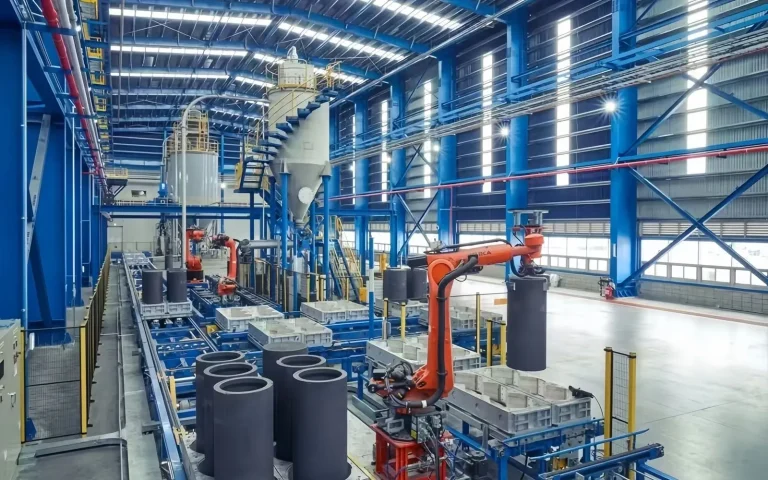
Fournir la solution complète pour la fabrication d'anodes en graphite, comprenant le broyage, le façonnage, la purification...
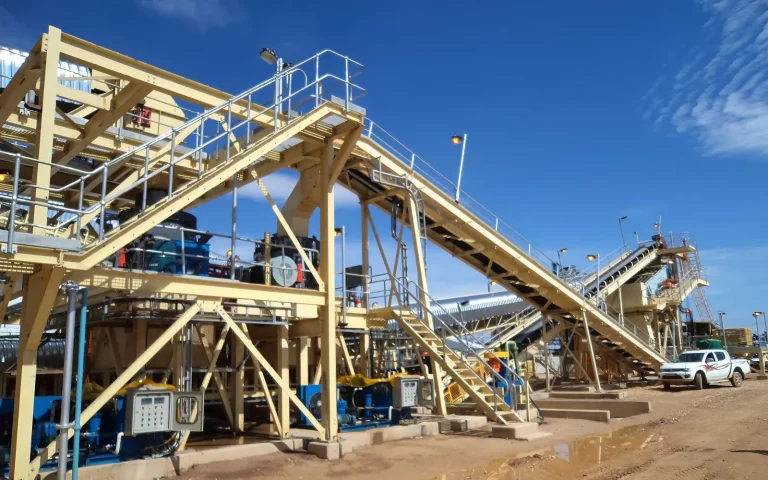
La lixiviation en vrac est une bonne option pour le propriétaire du projet de commencer au stade initial pour économiser des investissements
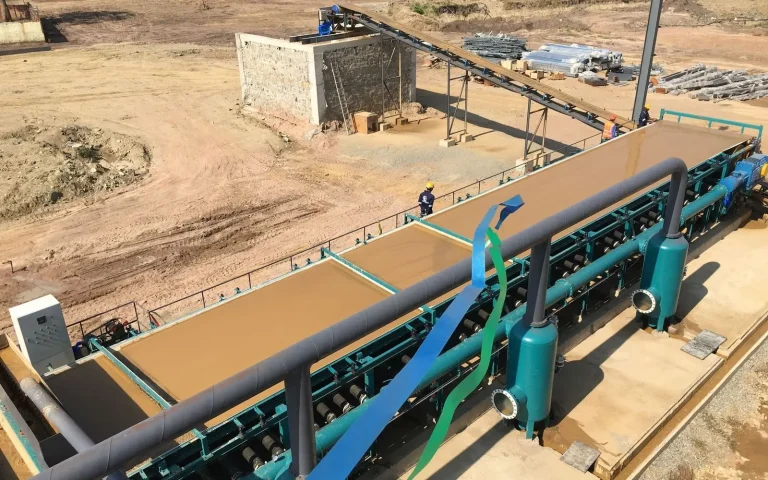
Le processus Gold CIL (carbone en lixiviation) est une méthode très populaire pour traiter le minerai d'or de type oxyde de haute qualité
Prominer peut fournir la solution complète pour fabriquer des matériaux d'anode en graphite naturel, y compris le broyage
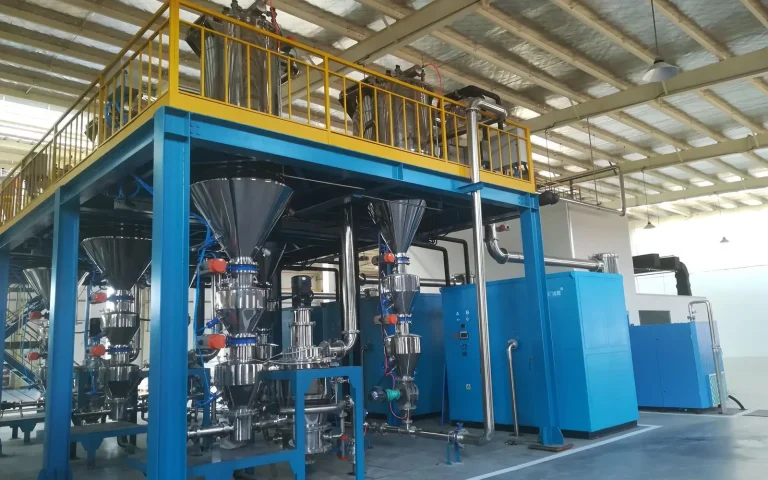
Un anode en silicone est un type de matériau composite d'anode par composition de silicone
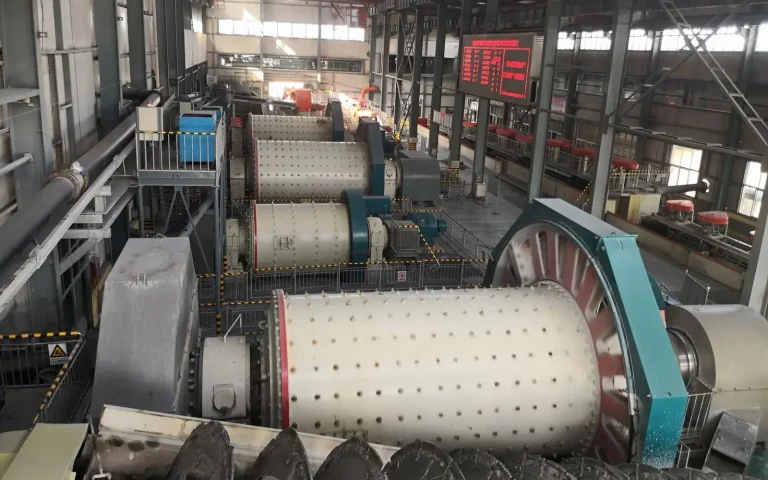
Le spodumène et la lépidolite sont des minéraux riches en lithium très importants et faciles à récupérer
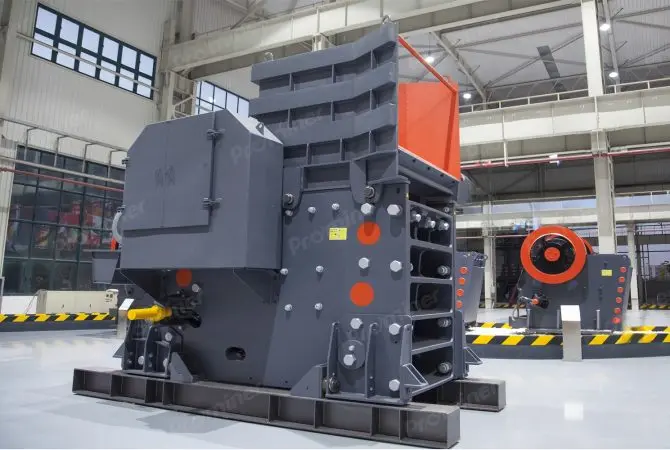
Le concasseur à mâchoires, dont la taille d'ouverture détermine sa taille de chargement maximale. La chambre de concassage d'un concasseur à mâchoires
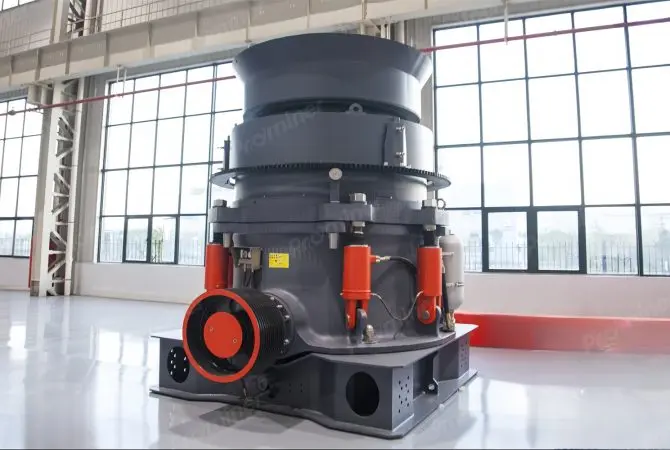
Le concasseur à cône hydraulique multi-cylindre combine la vitesse du concasseur, l'excentricité et le profil de la cavité
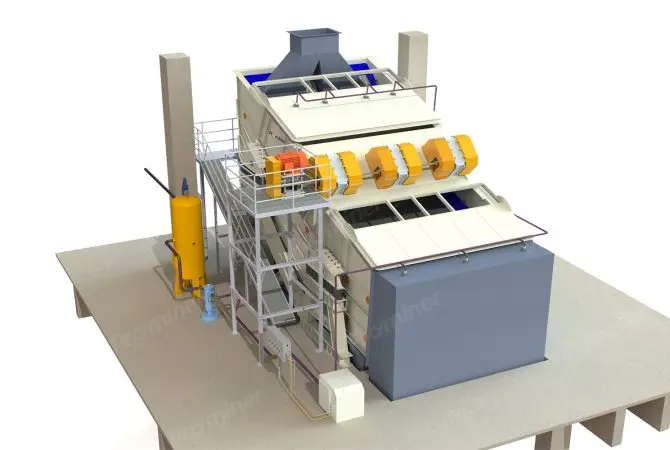
Panneau de criblage à circulation continue d'expansion et de contraction afin d'atteindre des taux d'accélération élevés
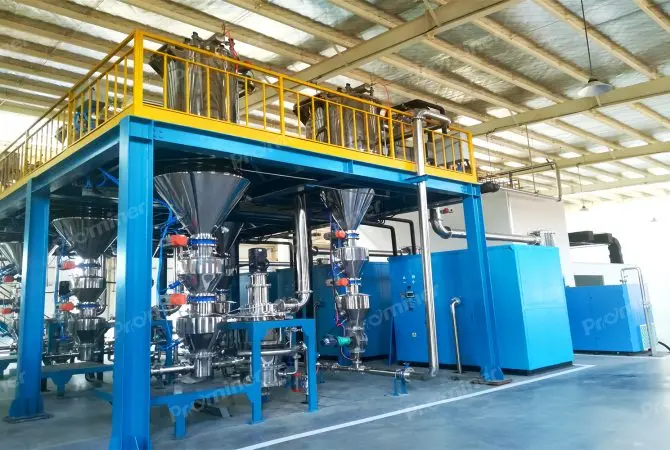
Le broyeur à jet est également appelé broyeur à jet de lit fluidisé en utilisant plusieurs buses pour former un flux d'air à la vitesse sonique
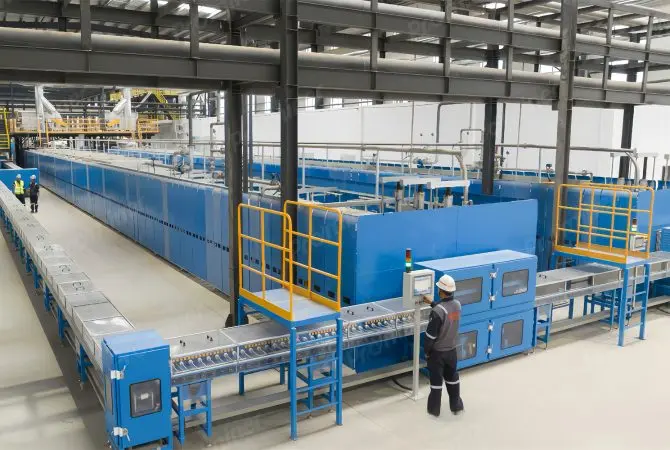
Nous pouvons fournir la solution complète pour le système de traitement par carbonisation à haute température
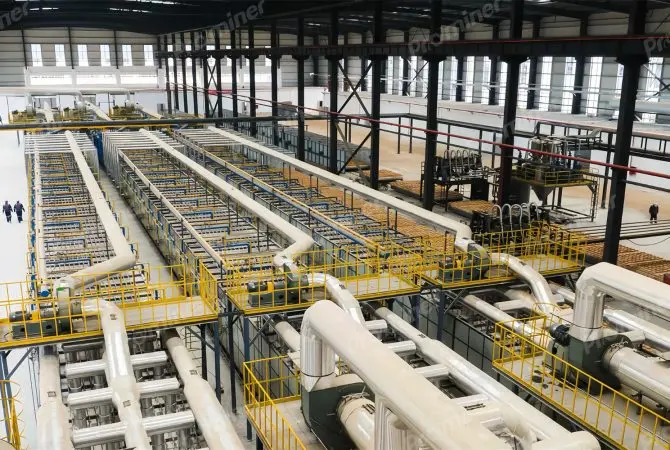
Prominer fournit divers types de fours pour la cuisson primaire et secondaire du carbone
Pour en savoir plus sur nos produits et solutions, veuillez remplir le formulaire ci-dessous et l'un de nos experts vous répondra sous peu
Projet de flottation de l'or de 3000 TPD dans la province du Shandong
Flottation de minerai de lithium de 2500 TPD au Sichuan
Fax: (+86) 021-58779592
Adresse : Chambre 606, Bâtiment D3, Phase II, Centre d'affaires de Chuansha, 777 Long, Route Miaochuan, Zone de Pudong, Shanghai, Chine
Droits d'auteur © 2023. Prominer (Shanghai) Mining Technology Co., Ltd.


