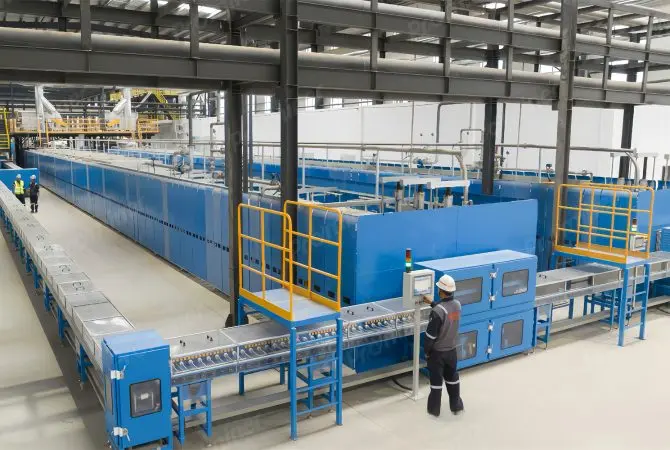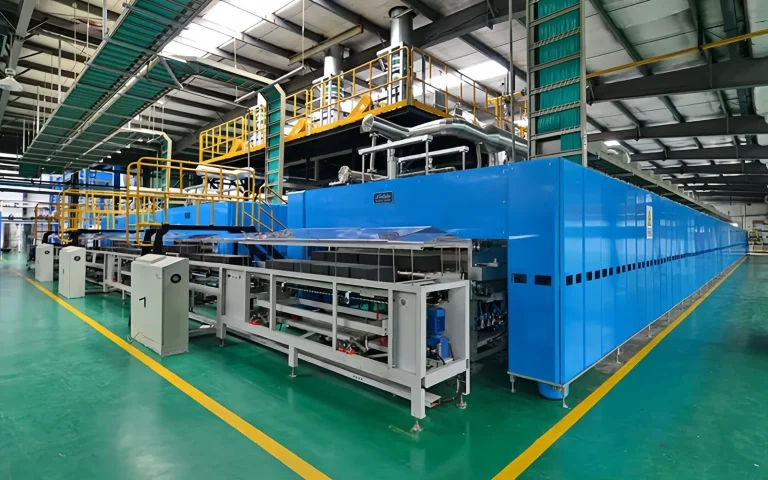
人工グラファイトアノード材料は主に高品質で硫黄含量が少ない石油コークスから作られています



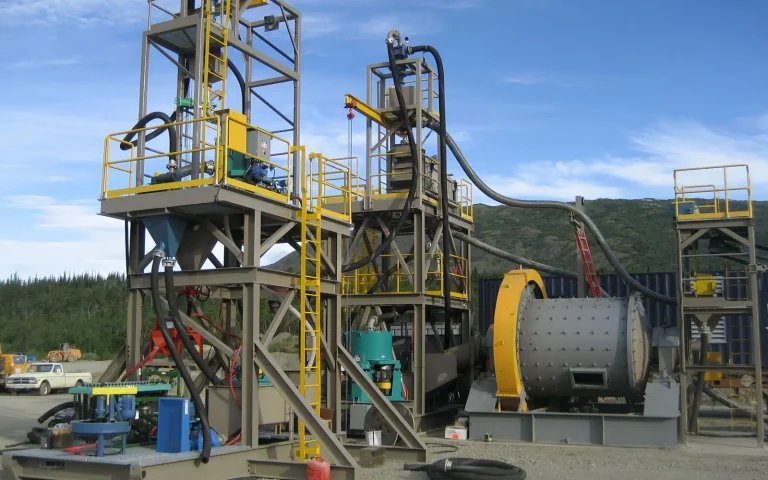
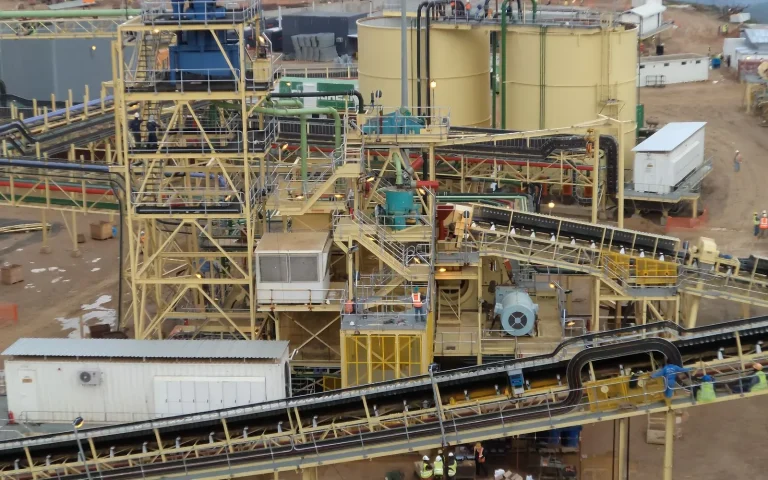
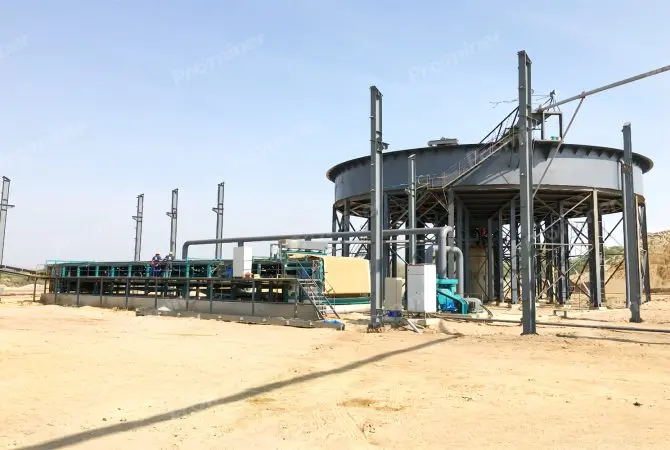
カスティライト (SnO₂)、すなわち錫の主鉱石は、錫の効率的な抽出を実現するために特定の処理技術を必要とします。今日のカスティライト鉱石処理における最も効果的な技術は、次の通りです:
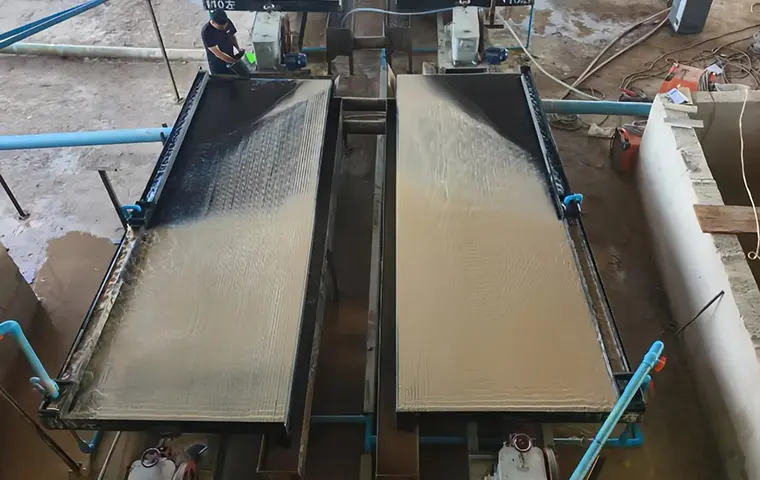
スズ鉱石は高い比重を持っており、重力選別が処理の基本的な方法となります。現代の重力による技術には、次のものが含まれます:
カシタライトはその化学特性のため、通常は浮選に反応しませんが、浮選試薬の進歩(例:スルホスシン酸塩コレクター)により、特に細かい粒子に対するカシタライトの浮選効率が向上しました。この技術は、より良い結果を得るために重力法と併用して使用されることがあります。
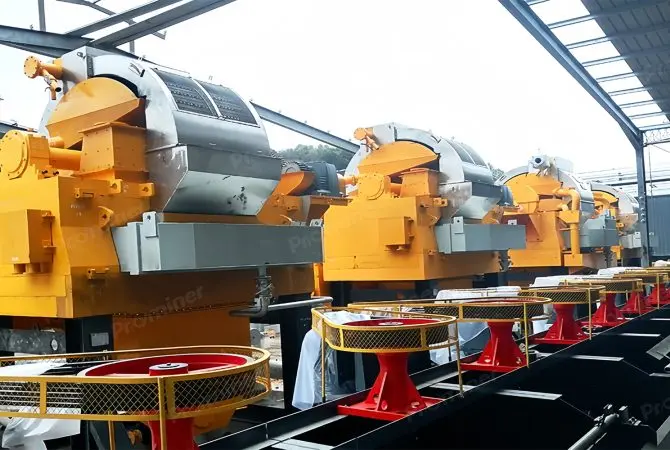
カシタサイトの処理では、鉄やその他の不純物(例:磁鉄鉱や赤鉄鉱)を取り除くことがよく行われます。高強度の磁気セパレーターが、磁性不純物から非磁性のカシタサイトを分離するために使用されます。
カシタライトは、多くの関連鉱物と比べて電気を導通します。静電分離装置は、微細に粉砕された材料を効果的に処理し、カシタライトを不純物から分離します。
非常に細かいスズ鉱(カシタライト)の処理において、フルオリンイオンによる活性化はフロテーションへの反応を改善します。これは、回収が難しい超微細粒子にとって特に重要です。
新興の水冶金法は、スズを直接移動させるための化学処理に焦点を当てています。これらの方法は、重力や浮遊選鉱があまり効果的でない複雑な鉱石や耐火鉱石の処理に特に有用です。
自動鉱石選別技術の進展により、X線蛍光(XRF)や近赤外分光法を活用して、廃棄物から価値のある鉱物を区別することで、スズ鉱石の効率的な前濃縮が可能となります。
スズの需要が増加しているため、超微細カシタライトを回収する技術の開発が必要となっています。改良された微細粒子回収技術は、特殊なフローテーション剤、ハイドロサイクロン、そして現代的な分級機を利用しています。
鉱石の品位が低下する中、二次資源(例えば、電子廃棄物やはんだ)からのスズのリサイクルは、鉱石の精錬にとって重要な補足となっています。
A combination of these technologies is often employed in cassiterite processing plants to optimize tin recovery and meet modern production requirements.
A:鉱物の特性は、同じ鉱床内でも大きく異なります。プロのテスト(化学分析、XRD、SEMなど)は、フローチャートが特定の鉱石グレードと解放サイズに最適化されていることを保証します。これにより、高価な機器のミスマッチを防ぎ、プロジェクトのために可能な限り高い回収率を保証します。
A: 当社は、コア摩耗部品(例えば、クラッシャーライナー、スクリーンメッシュ、グラインディングメディア)の常時在庫を維持しています。国際的な顧客には、初回購入時に推奨される「2年用予備部品リスト」を提供しています。技術サポートは、リモートビデオを通じて24時間年中無休で利用可能であり、複雑なメンテナンスニーズには現地訪問を手配することもできます。
A: はい。私たちは、機器の設置、試運転、負荷テストを監督するために、シニア機械エンジニアと電気エンジニアのチームを現地に派遣します。また、地元のオペレーターが円滑に長期的に運用できるよう、包括的な現地トレーニングも提供します。
A: もちろんです。私たちはEPCM(エンジニアリング、調達、建設管理)サービスを提供することを専門としています。これには、初期の鉱石テストや鉱山設計から、設備製造、物流、フルスケールのプラント統合まで、緑地から生産へのシームレスな移行を確保するすべてが含まれます。

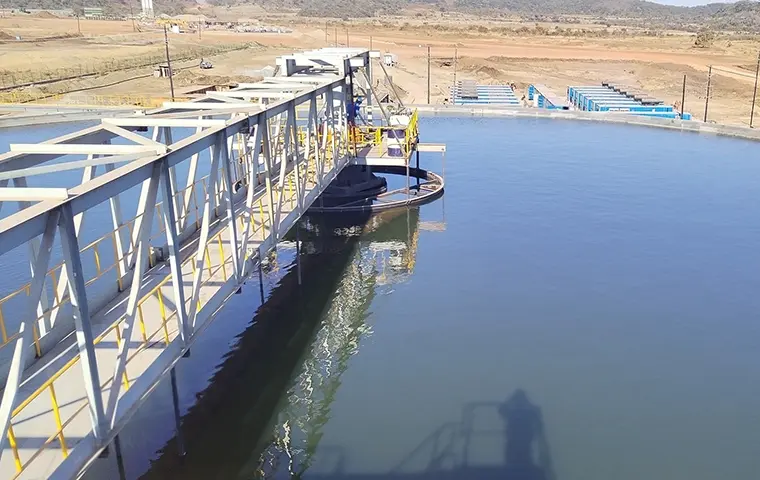
原鉱: 方解石鉱石 CaCO3 グレード: 85% 最終製品: コーティング済みおよび未コーティングの方解石粉 (325 ~ 2500 メッシュ)
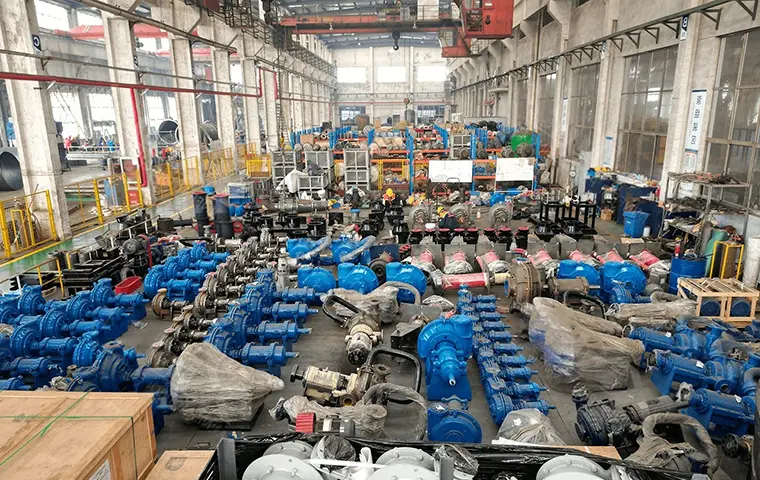
原鉱: 結晶フレークグラファイト鉱石 供給炭素含有量: 8–12%(変動あり) 最終製品: 高純度フレークグラファイト濃縮物
私たちの製品とソリューションについて詳しく知るためには、以下のフォームに記入してください。私たちの専門家の一人がすぐにご連絡いたします
ファックス: (+86) 021-60870195
住所:中国、上海、浦東、秀浦路2555号
著作権 © 2023.プロマイナー(上海)鉱業技術有限公司