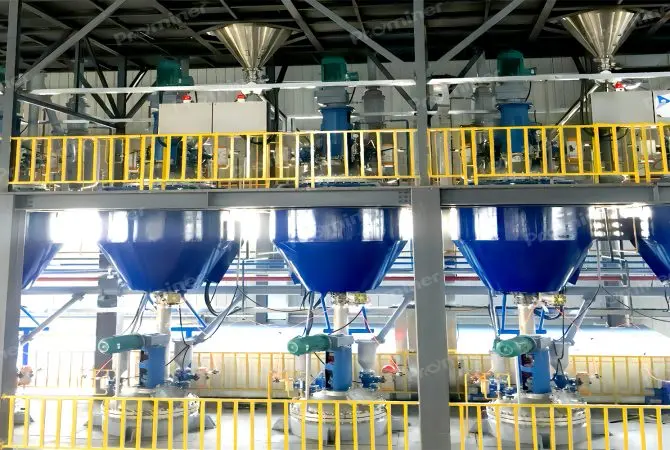
Wij kunnen een directe lithiumextractie (DLE) oplossing bieden om lithium uit zoutmeerbrijn te recupereren

/
/
Kristallijns vs. Cryptocrystallijn Graphiet: Hoe bepalen oertypen de verwerkingsstromen?


Grafiet is een veelzijdig industrieel mineraal dat wordt gebruikt in batterijen, refractory materialen, smeermiddelen en geavanceerde materialen. Echter, niet alle grafiet is hetzelfde. De geologische vorm waarin grafiet voorkomt—kristallijn (vlok- of adermineraal) of cryptocrystalline (amorfe)—bepaalt rechtstreeks hoe het moet worden verwerkt. Het begrijpen van deze verschillen is essentieel voor het ontwerpen van efficiënte beneficationeestromen en het bereiken van de optimale productkwaliteit.
Hieronder onderzoeken we hoe eigenschappen van ertsen de verwerkingsstrategieën bepalen.
Kristallijn grafiet komt meestal voor als goed gevormde vlokken of aderen in metamorfe gesteenten zoals schist en gneis. Vlokkengroottes kunnen variëren van fijn tot grof, en het behouden van de integriteit van de vlokken is vaak een belangrijk doel in de verwerking, omdat grotere vlokken een hogere marktwaarde hebben.
Cryptocrystallijn grafiet, vaak aangeduid als amorf grafiet, bestaat uit uiterst fijne grafietdeeltjes die verspreid voorkomen in sedimentaire of laaggradige metaberglagen. Ondanks de naam is het nog steeds kristallijn op microniveau, maar de kristalstructuur is te fijn om met het blote oog zichtbaar te zijn.
Deze structurele verschillen beïnvloeden het bevrijdingsgedrag tijdens breken en malen aanzienlijk.
In kristallijne (vlok) grafietmijnen groeien grafietvlokken meestal samen met silikaat-gangue-mineralen. De belangrijkste uitdaging is om de vlokken te bevrijden zonder dat ze te veel verkleinen. Overpolijsten vermindert de vlokkengrootte en verlaagt de waarde van het product.
Als gevolg hiervan omvatten verwerkingsstromen doorgaans:
Het doel is om geleidelijk grafiet te bevrijden terwijl de schilgrootte behouden blijft.
Daarentegen is cryptocrystalline grafiet al uiterst fijnkorrelig en nauw verbonden met gangemineralen. Bevrijding vereist vaak een intensievermaalproces. Aangezien de waarde van het product niet afhankelijk is van de bladenmaat, brengt fijner malen niet hetzelfde economische nadeel met zich mee.
Froth flotation is de belangrijkste vergrotende methode voor kristallijn grafiet. De natuurlijke hydrofoobiteit van grafiet maakt het zeer geschikt voor flotation zonder de noodzaak van complexe reagentia.
Typische stroomdiagrammen bevatten:
Hogewaardig concentraten (90–97% koolstof) kunnen worden bereikt door herhaalde reiniging terwijl schade aan de vlokken wordt geminimaliseerd.
Cryptocrystallijn grafieterts zijn vaak van lagere kwaliteit en kunnen het niet rechtvaardigen om complexe meerstaps flotatiecirkels toe te passen. Afhankelijk van de depositum kan de verwerking bestaan uit:
In sommige gevallen wordt het ertsmateriaal met de hand gesorteerd of selectief gewonnen vanwege de relatief hoge aanwezige koolstofgehalte.
Voor hightechtoepassingen zoals lithium-ion batterij-anodes moet de grafietzuiverheid meer dan 99,9% koolstof bedragen.
Kristallijn flakegraphiet wordt doorgaans onderworpen aan aanvullende zuiveringsprocessen zoals:
Cryptocrystallijn grafiet, vanwege de fijne deeltjesgrootte en de impuriteitsverdeling, kan moeilijker en kostbaarder zijn om te zuiveren tot ultra-hoge niveaus. Daarom wordt het vaker gebruikt in refractaire stoffen, malingsoppervlakken en smeermiddelen dan in batterijtoepassingen.
Soort ore beïnvloedt direct:
Kristallijne vlokgrafietactiviteiten vereisen doorgaans meer geavanceerde scheidingsinstallaties, maar leveren hogerwaardige producten op. Het behoud van de vlokgrootte is van cruciaal belang om de winstgevendheid te behouden.
Cryptocrystalline grafietactiviteiten kunnen leiden tot eenvoudiger verwerkingsprocessen, maar richten zich vaak op markten met lagere marges. De economische haalbaarheid hangt in grote mate af van de kwaliteit van de afdeling en de nabijheid van eindgebruikers.
De fundamentele verschillen tussen kristallijn en cryptocrystalline grafieterts bepalen volledig verschillende verwerkingsfilosofieën.
Bij de verwerking van grafiet is geologie de bepalende factor. Een goed ontworpen stroomdiagram begint niet in de fabriek, maar in een grondige kennis van het orebestand zelf.
A: Minerale kenmerken variëren aanzienlijk, zelfs binnen hetzelfde ertslichaam. Een professionele test (zoals chemische analyse, XRD en SEM) zorgt ervoor dat het stroomdiagram geoptimaliseerd is voor jouw specifieke ertskwaliteit en liberatiegrootte. Dit voorkomt kostbare apparatuur mismatchen en garandeert de hoogste mogelijke terugwinningspercentages voor jouw project.
A: We houden een permanente voorraad van kernslijtagedelen aan (zoals breker-liners, zeefgaas en slijpmiddelen). Voor internationale klanten bieden we een aanbevolen “2-jaar reserveonderdelenlijst” bij de initiële aankoop. Technische ondersteuning is 24/7 beschikbaar via video op afstand, en bedrijfsbezoeken kunnen worden geregeld voor complexe onderhoudsbehoeften.
A: Ja. We sturen een team van senior mechanische en elektrische ingenieurs naar de locatie om de installatie, inbedrijfstelling en belastingtesting van de apparatuur te superviseren. We bieden ook uitgebreide on-site training voor uw lokale operators om een soepele werking op lange termijn te waarborgen.
A: Absoluut. Wij zijn gespecialiseerd in het aanbieden van EPCM (Engineering, Procurement, Construction Management) diensten. Dit omvat alles van initiële ertsbeproeving en mijnontwerp tot apparatuurfabricage, logistiek en volledige plantintegratie, wat een naadloze overgang van greenfield naar productie waarborgt.
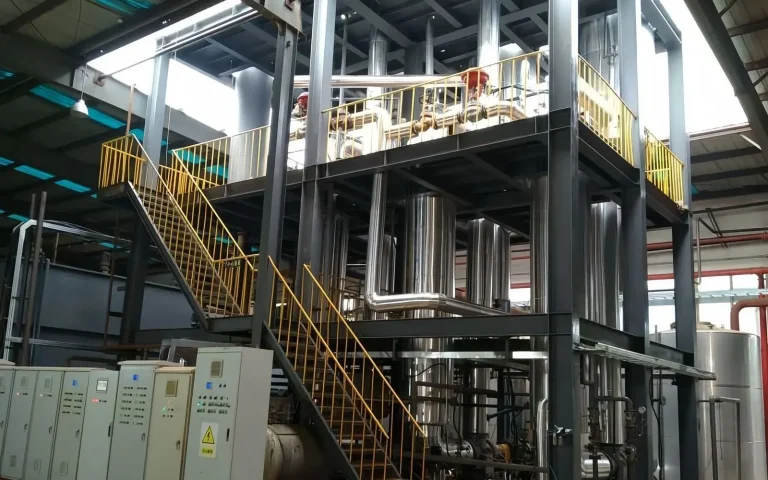
Wij kunnen een directe lithiumextractie (DLE) oplossing bieden om lithium uit zoutmeerbrijn te recupereren
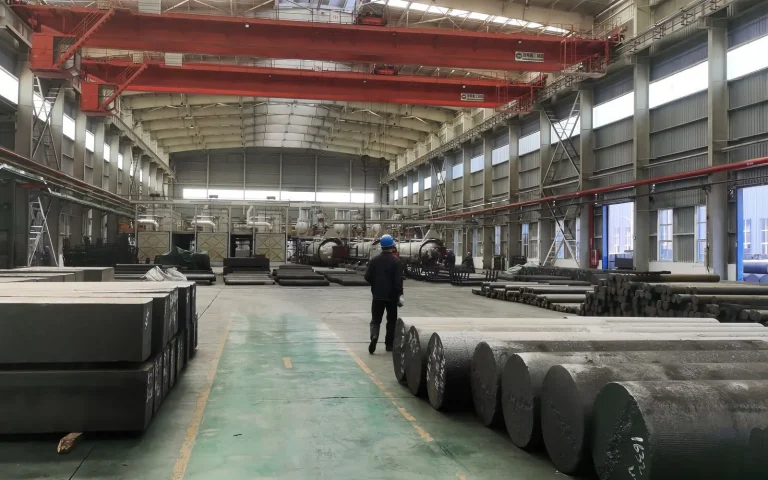
UHP grafietelektrode wordt voornamelijk gebruikt voor ultra hoge vermogen elektrische boogovens in de staalsmeltindustrie
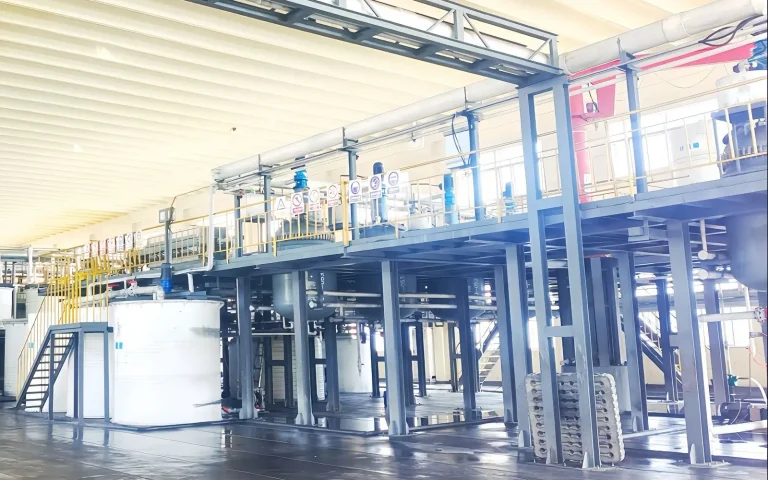
Vlakke grafiet kan worden gebruikt om hoog koolstofgrafiet, hoogzuivere grafiet, uitbreidbare grafiet te produceren

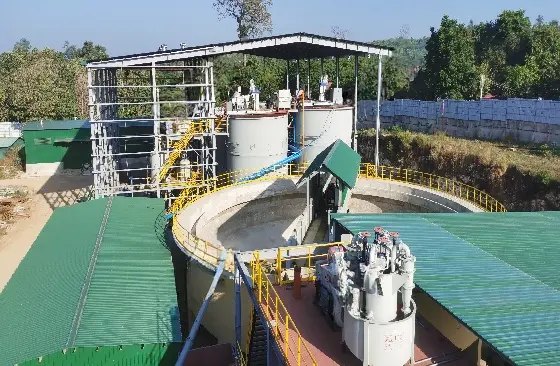
Locatie: Tanzania, Afrika & Centraal Kalimantan, Indonesië Erts type: Lage-graad sulfideerts (1,2–1,8 g/t Au)
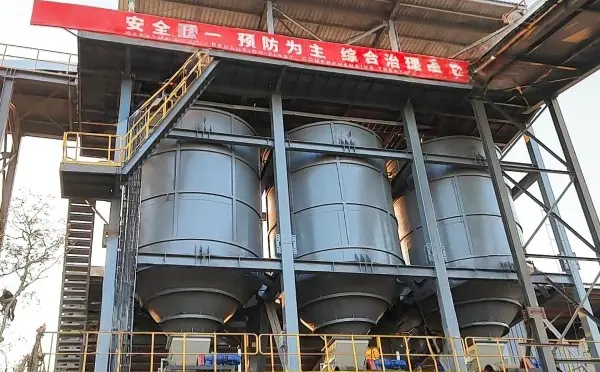
Ruw erts: Lepidoliet, Spodumen, Gangmineralen: Kwarts, Veldspat, Mica Li₂O-gehalte: 0,8%
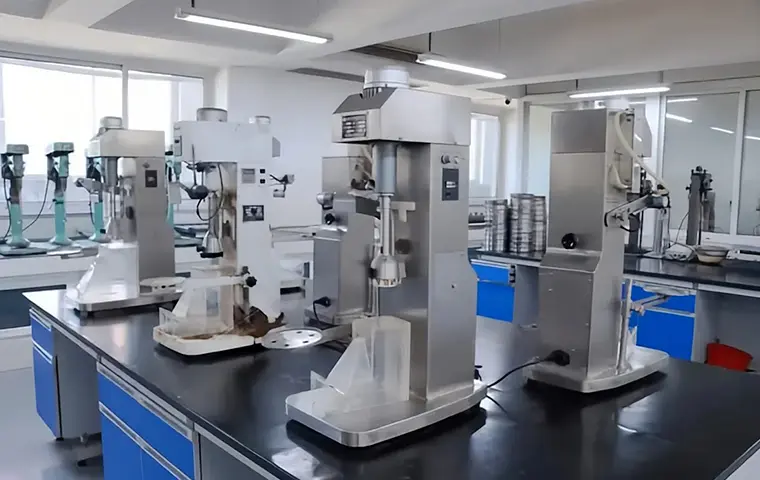
Grondstof: Verschillende soorten ertsmonsters (goud, lithium, grafiet, enz.) Laboratoriumcapaciteit: 50–100 monsters per dag
Ruwe erts: Alluviaal goud met magnetiet en hematiet (typisch Sierra Madre afzetting)
Ruwe Ores: Zilveren Polymetallische Sulfide erts (bevat Ag, Pb, Zn) Zilvergrade: 180 g/t Loodgrade: 4,2% Zinkgrade: 5,8%
Ruwe Ores: Alluviaal gouderts uit rivierbedding Goudgehalte: 0,8 g/t
Ruweerts: Goudhoudend oxideerts / aangepaste ermonsters Voermaat: 12 mm en daaronder Doelmaalgraad: 200 mesh (74μm) D80
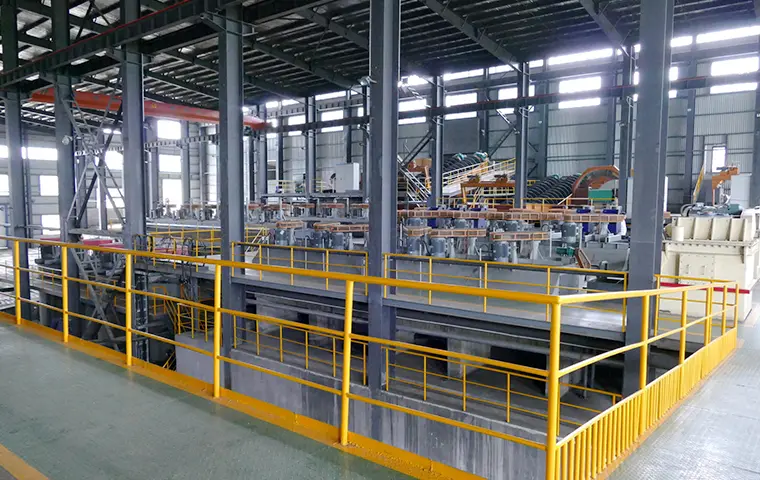
Grondstof: Sferisch grafiet, teer bindmiddel, additieven Projectcapaciteit: 5.000 ton anodemateriaal; 20 ton grafeen per jaar
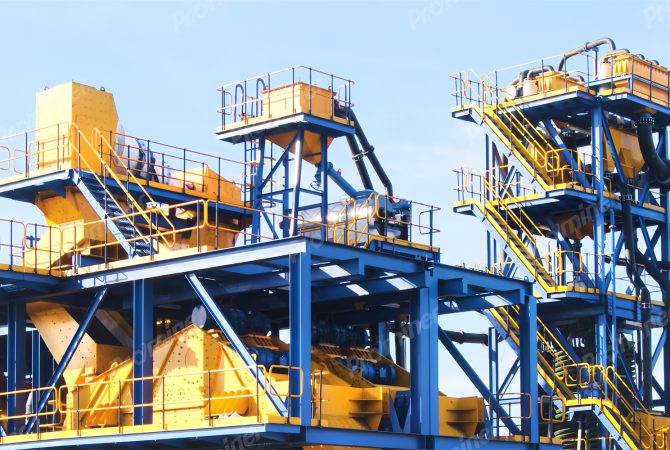
Prominer kan verschillende LIMS (Low Intensity Magnetic Separator) magnetische separators bieden
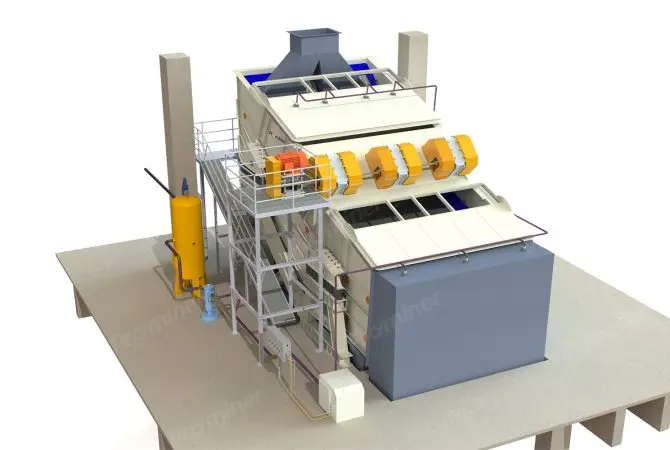
Flip-flow schermpaneel blijft zich uitbreiden en samentrekken om hoge versnellingstarieven te bereiken.
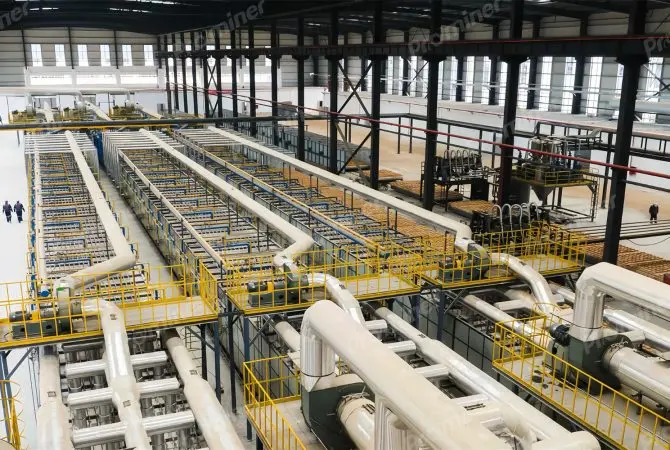
Prominer biedt verschillende soorten ovens voor primaire en secundaire bakprocessen van koolstof
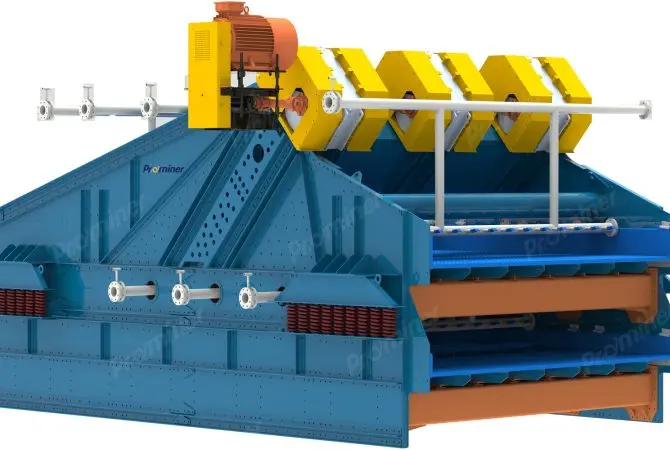
Prominer kan alle soorten lineaire schermen bieden voor mineraalgrading, materiaalgrootte, ontwatering
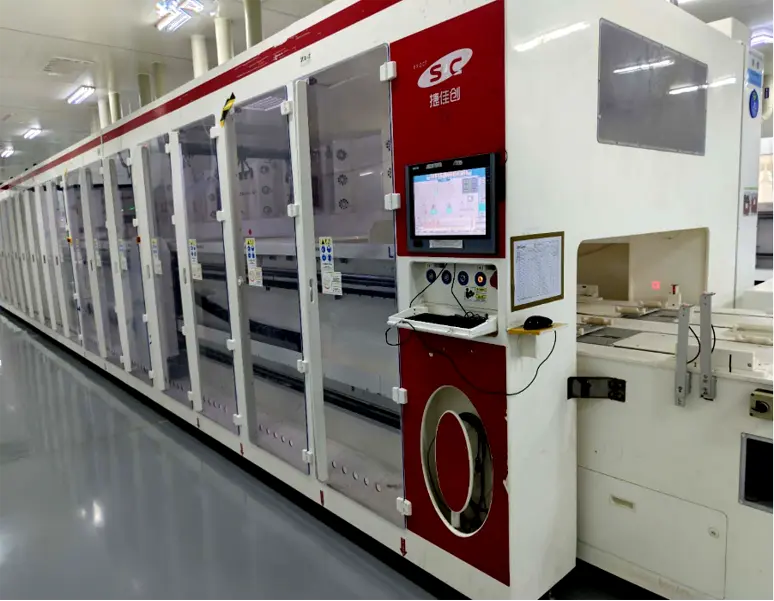
Zoals: boordiffusievuur, BSG-verwijdering, alkali-polijstmachine, PE-POLY…
Om meer te weten te komen over onze producten en oplossingen, vul alstublieft het onderstaande formulier in en een van onze experts zal u binnenkort terugbellen
3000 TPD goud flotatieproject in de provincie Shandong
2500 TPD lithiumerts flotatie in Sichuan
Fax: (+86) 021-58779592
Adres:Kamer 606, Gebouw D3, Fase II, Chuansha Business Center, Long 777, Miaochuan Road, Pudong Nieuwgebied, Shanghai, China
Auteursrecht © 2023.Prominer (Shanghai) Mining Technology Co., Ltd.