

Siliziumbasierte Anoden sind eine Art von Verbundanodenmaterial durch Zusammensetzung von Silizium


/
/
Wie beeinflussen Verunreinigungsgrade und Graphitflocken-Größe die Effizienz der Mineralverarbeitung?


Grafit ist ein bedeutendes industrielles Mineral, das in Anwendungen von Feuerfestmaterialien und Schmierstoffen bis hin zu Batterien und fortschrittlichen Verbundwerkstoffen eingesetzt wird. Die Effizienz der Graphit-Mineralverarbeitung—insbesondere bei Zerkleinerung, Mahlen, Flotation und Reinigung—hängt stark von zwei Schlüsselfaktoren ab: Schadstoffgehalte und die Korngröße der Graphitflocken. Das Verständnis dafür, wie diese Variablen die Verarbeitungsleistung beeinflussen, ist entscheidend, um die Rückgewinnung zu maximieren, Kosten zu senken und Produktspezifikationen zu erfüllen.
Verunreinigungen im Graphitvorkommen umfassen typischerweise Silikate, Tonminerale, Eisenoxide, Sulfide und Carbonate. Die Art, Verteilung und Konzentration dieser Verunreinigungen beeinflussen die Verarbeitungseffizienz erheblich.
Hohe Verunreinigungsgrade erfordern in der Regel eine intensivere Aufbereitung. Dies bedeutet oft zusätzliche Mahlschritte, mehrere Flotationsstufen oder chemische Reinigungsprozesse. Jeder zusätzliche Schritt erhöht den Energieverbrauch, den Einsatz von Reagenzien und die Betriebskosten.
Bestimmte Verunreinigungen sind besonders problematisch. Zum Beispiel:
Wenn Verunreinigungen fein in Graphitflocken verteilt sind, wird die Erreichung eines hohen Kohlenstoffreinheitsgrades schwieriger. Dies kann zu niedrigeren Rückgewinnungsraten führen, da ein zu starkes Mahlen zur Freisetzung der Verunreinigungen auch die Graphitflocken beschädigen kann.
Graphitflockengröße ist einer der wichtigsten Qualitätsparameter auf dem Markt. Größere Fasern erzielen in der Regel höhere Preise aufgrund ihrer besseren Leistung bei expandiertem Graphit, Feuerfestmaterialien und bestimmten Batteriezusätzen.
Aus Sicht der Verarbeitung beeinflusst die Korngröße direkt:
Große Flocken sind anfälliger für Brüche beim Zerkleinern und Mahlen. Übermahlung verringert nicht nur den Anteil großer Flocken, sondern senkt auch den Gesamtwert des Produkts. Daher setzen Verarbeitungsanlagen häufig auf stufenweises Mahlen und eine sorgfältige Steuerung der Mahldauer, um die Integrität der Flocken zu erhalten.
Im Gegensatz dazu kann feines Graphit granuliert werden, um eine stärkere Zerkleinerung zur Erreichung einer ausreichenden Freisetzung aus Gangreakalminen zu erfordern. Allerdings können feinere Partikel die Flotationseffizienz verringern, da die Kollisionswahrscheinlichkeit mit Luftblasen geringer ist.
Freisetzungsgröße bezieht sich auf die Partikelgröße, bei der Graphitflocken ausreichend von Gang- und Begleitmineralien getrennt sind. Dieser Parameter hängt sowohl von der Verteilung der Verunreinigungen als auch von der ursprünglichen Flossengröße ab.
Wenn Graphit bei relativ groben Größen gut gelöst ist, wird die Verarbeitung effizienter. Die grobe Befreiung ermöglicht:
Wenn jedoch Verunreinigungen in Flocken eingeschlossen oder eng verwachsen sind, ist ein feineres Mahlen erforderlich. Dies erhöht den Energieverbrauch und kann die Flockenstärke beeinträchtigen, wodurch ein Kompromiss zwischen Reinheit und Partikelgrößenverteilung entsteht.
Die Optimierung der Liberation, ohne übermäßige Schuppenbildung zu verursachen, ist eine der zentralen Herausforderungen in der Graphit-Mineralverarbeitung.
Schrühstoffflotation ist die primäre Methode zur Konzentrierung von Graphit. Sowohl Verunreinigungsgrade als auch die Korngröße der Fasern beeinflussen die Flotationsleistung erheblich.
Graphit ist von Natur aus hydrophob, was ihm einen Vorteil beim Flotationsprozess verschafft. Allerdings:
Große Flake schweben in der Regel leichter und können selektiv einfacher zurückgewonnen werden. Wenn große Flake jedoch mit feinen Verunreinigungen oder Schleim bedeckt sind, kann ihre Hydrophobizität verringert werden, was eine zusätzliche Reagenzjustierung oder Vorbehandlungsschritte wie Deslime erfordert.
Die kombinierte Wirkung von Verunreinigungsgraden und Flockengröße beeinflusst direkt:
Erze mit geringem Verunreinigungsgehalt und groben, gut gelösten Flöcken sind in der Regel kostengünstiger zu verarbeiten und ergeben höherwertige Produkte. Im Gegensatz dazu erfordern Erze mit komplexer Mineralogie und feinem Graphit aufwändigere Aufbereitungskreisläufe, was die Investitions- und Betriebskosten erhöht.
Strategische Minenplanung und Erzvermischung können dazu beitragen, konstante Futtereigenschaften zu gewährleisten, die Gesamteffizienz der Anlage zu verbessern und die Produktkonsistenz zu erhöhen.
Impuritätsgehalte und Graphitflocken-Größe sind entscheidende Faktoren für die Effizienz der Mineralverarbeitung. Hohe Impuritätskonzentrationen erhöhen die Verarbeitungskomplexität und die Kosten, während die Flockenlänge sowohl die Rückgewinnungsleistung als auch den Marktwert beeinflusst. Das Erreichen einer optimalen Effizienz erfordert eine Balance zwischen ausreichender Impuritätsentfernung und dem Erhalt der Flockenintegrität.
Durch sorgfältige Steuerung der Mahdintensität, Flotationsbedingungen und Reinigungsstrategien können Betreiber die Rückgewinnung maximieren, eine gewünschte Flake-Größe-Verteilung aufrechterhalten und hochwertige Graphitkonzentrate entsprechend den Marktanforderungen produzieren.
A: Die Mineralmerkmale variieren erheblich, selbst innerhalb des gleichen Erzkörpers. Ein professioneller Test (wie chemische Analyse, Röntgenbeugung und Elektronenmikroskopie) gewährleistet, dass das Flussdiagramm für Ihre spezifische Erzqualität und Freisetzungsgröße optimiert ist. Dies verhindert kostspielige Fehlanpassungen der Ausrüstung und garantiert die höchstmöglichen Rückgewinnungsraten für Ihr Projekt.
A: Wir halten einen ständigen Lagerbestand an Kernverschleißteilen (wie Brecherverkleidungen, Siebgewebe und Mahlinnen). Für internationale Kunden stellen wir eine empfohlene „Ersatzteil-Liste für 2 Jahre“ mit dem Erstkauf zur Verfügung. Technische Unterstützung ist rund um die Uhr über Video-Remote verfügbar, und vor Ort Besuche können für komplexe Wartungsbedürfnisse arrangiert werden.
A: Ja. Wir schicken ein Team von erfahrenen Maschinenbau- und Elektroingenieuren zur Baustelle, um die Installation, Inbetriebnahme und Lasttests der Ausrüstung zu überwachen. Wir bieten auch umfassende Schulungen vor Ort für Ihre örtlichen Bediener an, um einen reibungslosen Betrieb auf lange Sicht zu gewährleisten.
A: Absolut. Wir sind auf die Bereitstellung von EPCM-Dienstleistungen (Engineering, Procurement, Construction Management) spezialisiert. Dazu gehört alles von der ersten Erzprüfung und dem Minendesign über die Fertigung von Ausrüstungen, Logistik bis hin zur vollständigen Integration von Anlagen, um einen nahtlosen Übergang von der grünen Wiese zur Produktion zu gewährleisten.
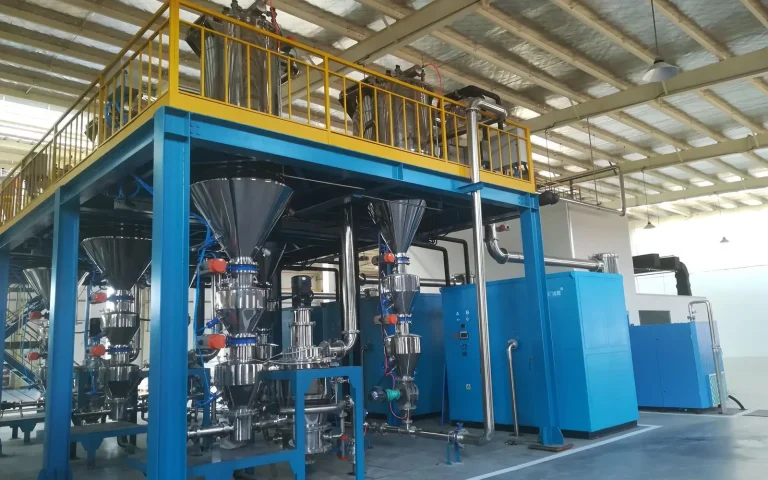
Siliziumbasierte Anoden sind eine Art von Verbundanodenmaterial durch Zusammensetzung von Silizium
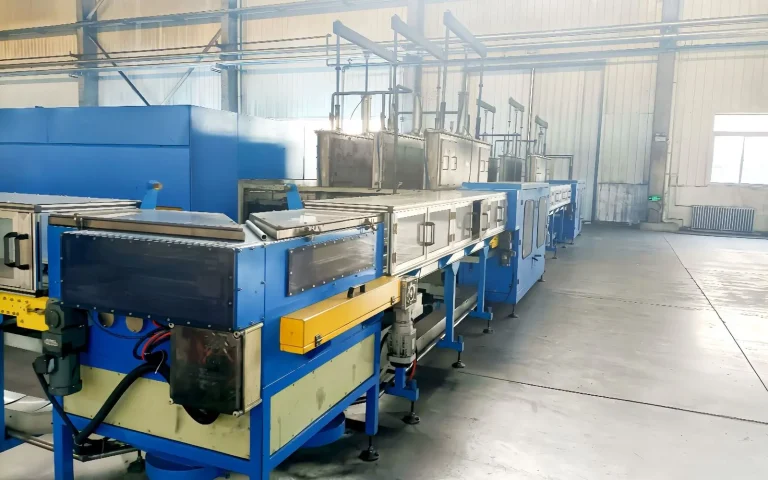
Hartkohleanodenmaterial ist das bevorzugte Material für die Kommerzialisierung von Natrium-Ionen-Batterien
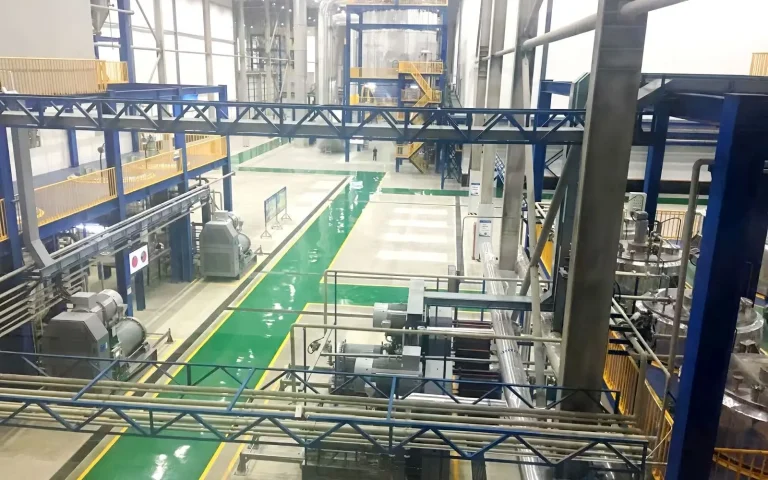
Kathodenmaterial ist eines der entscheidenden Materialien, um die Leistung von Lithium-Ionen-Batterien zu bestimmen.

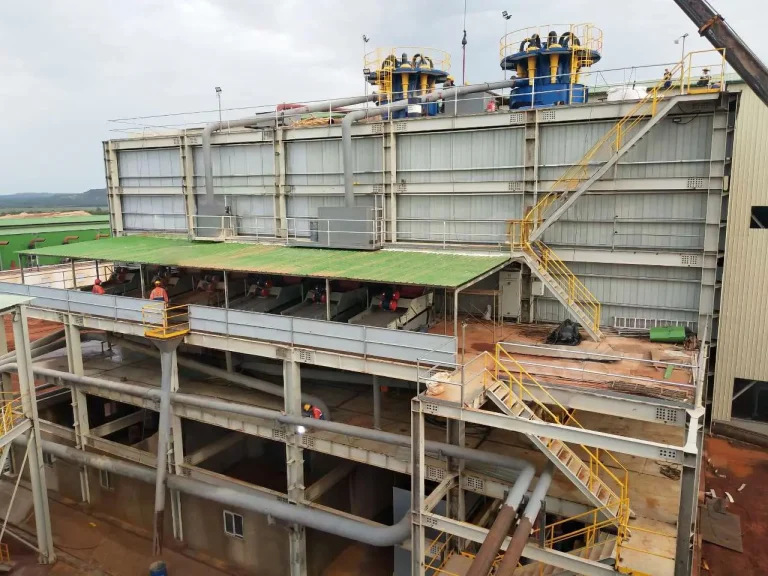
Roherz: Alluvialgold aus Flussablagerungen Goldgehalt: 0,7 g/t (durchschnittlich) Rückgewinnungsrate: 90 %
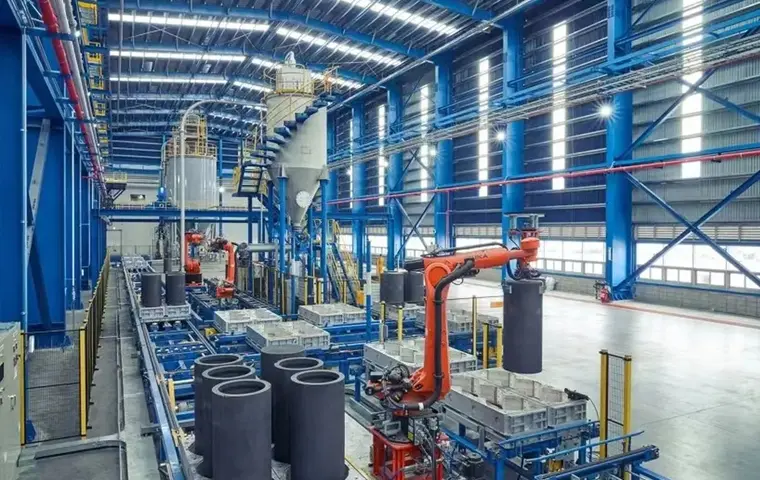
Rohmaterial: Grüner Petroleumkoks, grüner Nadelkoks und hochweicher Pitch
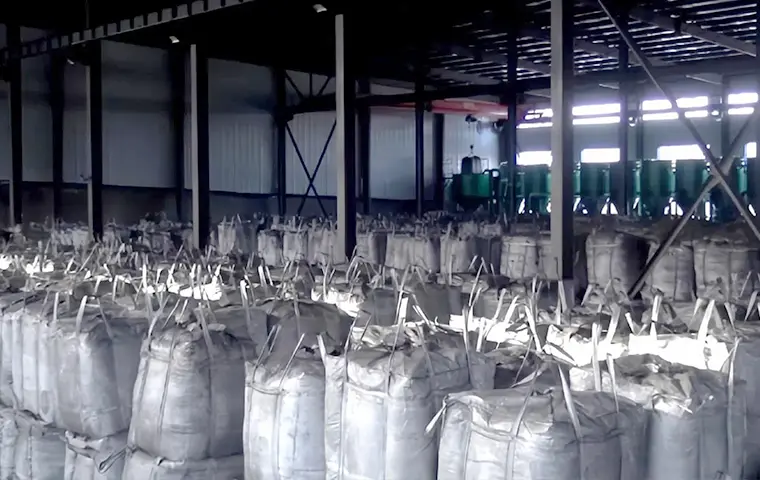
Rohstoff: Graphit-Flotationskonzentrat (95 % C) Projektkapazität: 10.000 Tonnen pro Jahr
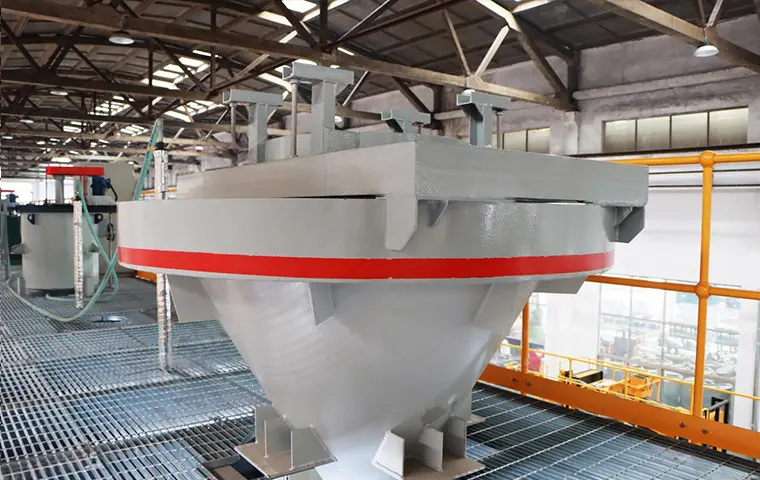
Roherz: Sulfidtyp Golderz Goldgehalt: 3,5 g/t Endprodukt: Goldbarren Goldrückgewinnungsrate: 96%
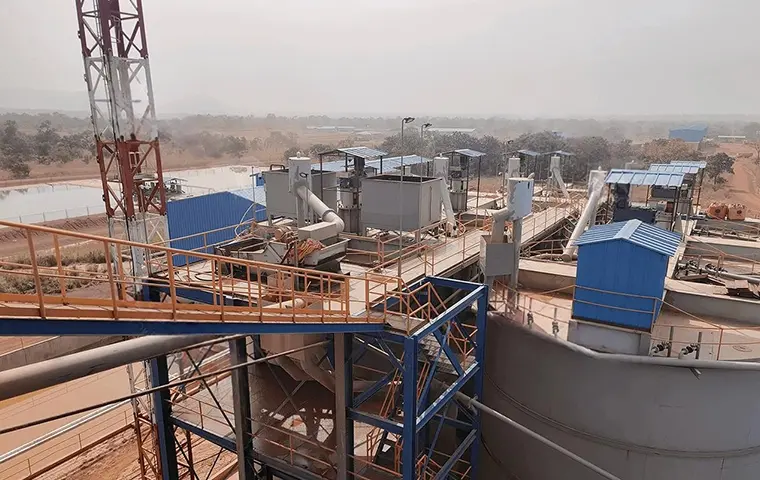
Roherz: Sulfidkupfererz (mit geringem Pyritgehalt) Kupfergehalt: 1,2% Konzentratgehalt: 25% Cu
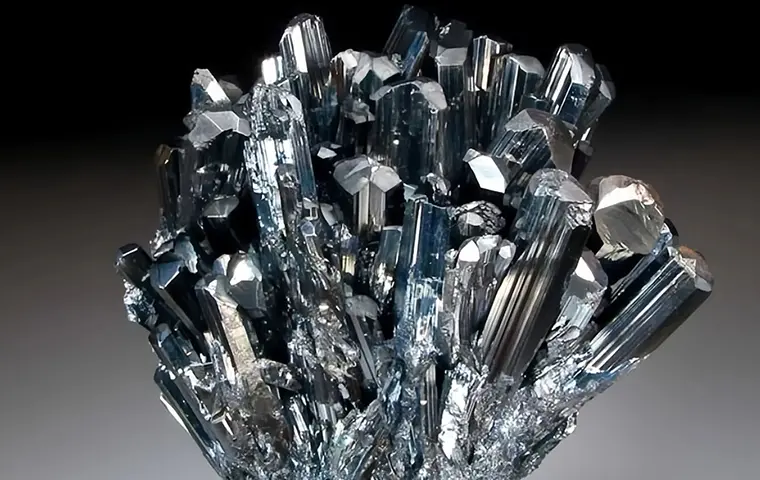
Roherz: Stibnit (Antimon-Sulfiderz) Sb-Gehalt: 3,5% Konzentrationsgehalt: 55% Sb
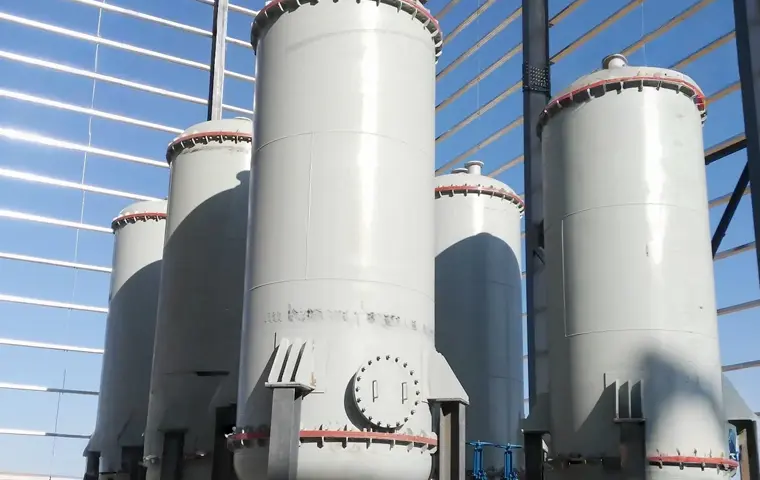
Roherz: Sulfidisches Golderz Goldgehalt: 1,2 g/t Betriebshöhe: 4.200 Meter
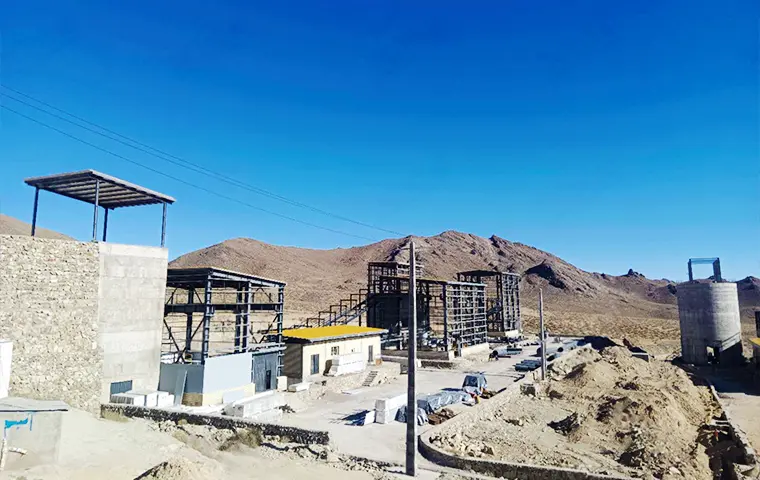
Rohmaterial: Sulfidtyp Kupfererz Kupfergehalt: 0,8 % Endprodukt: Kupferkonzentrat
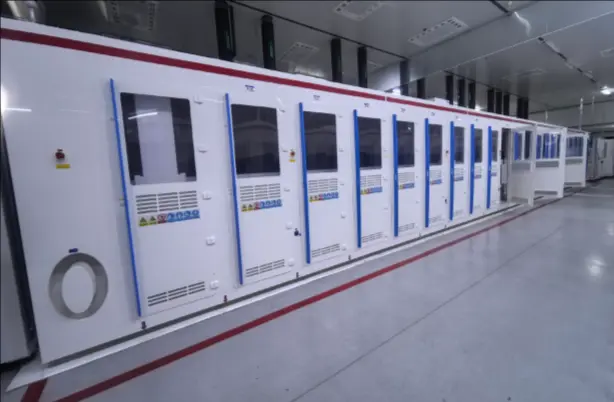
einkaufen Sie: Einkristalline Batch-Texturierungsanlage, Batch-Texturierungs-Belader/Entlader, Niederdruck-Softlanding-Geschlossenes-Rohr-Diffusionsystem
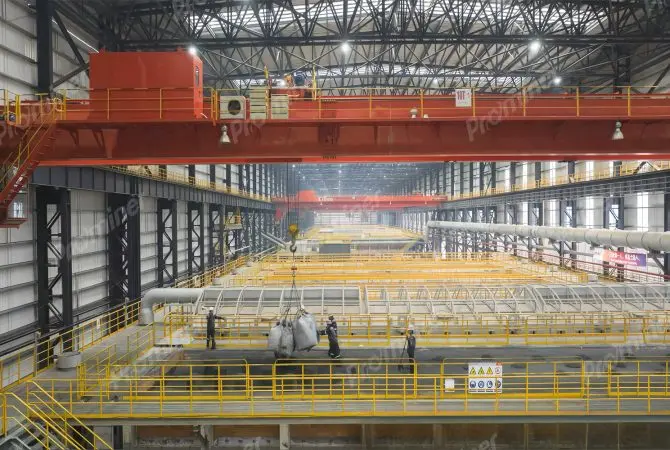
Wir können verschiedene Arten von Graphitierungsöfen für die Umwandlung von Kohlenstoffmaterial bereitstellen
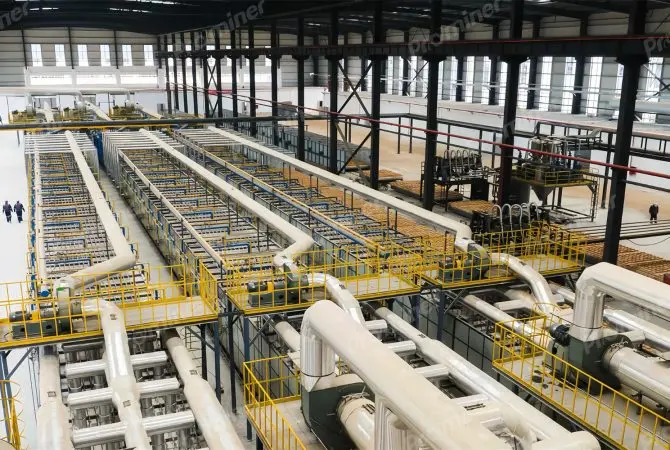
Prominer bietet verschiedene Arten von Öfen für die primäre und sekundäre Aushärtung von Kohlenstoff an
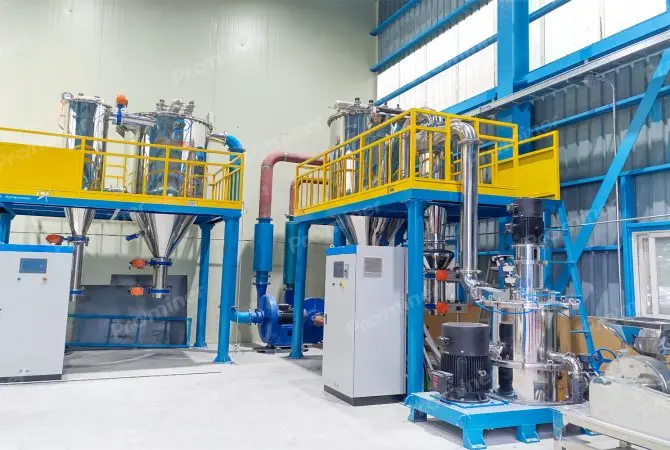
Unsere Impact-Mühle ist eine Hochgeschwindigkeitsmechanikmühle, die ultrafeines Mahlen durchführt und hauptsächlich
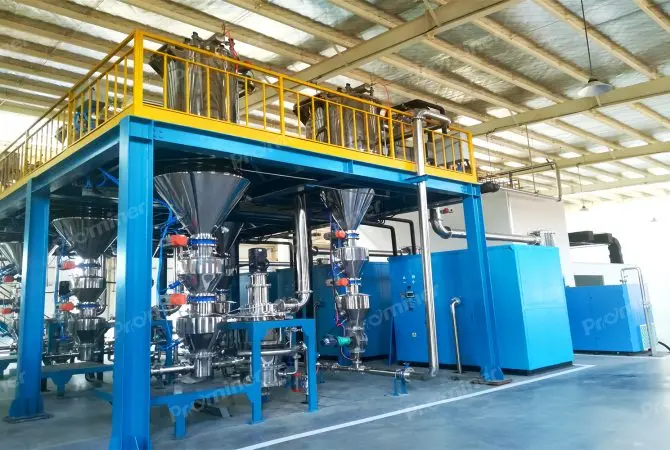
Die Jet-Mühle wird auch als Wirbelschicht-Jet-Mühle bezeichnet, da sie mehrere Düsen verwendet, um einen Luftstrom in Schallgeschwindigkeit zu erzeugen.
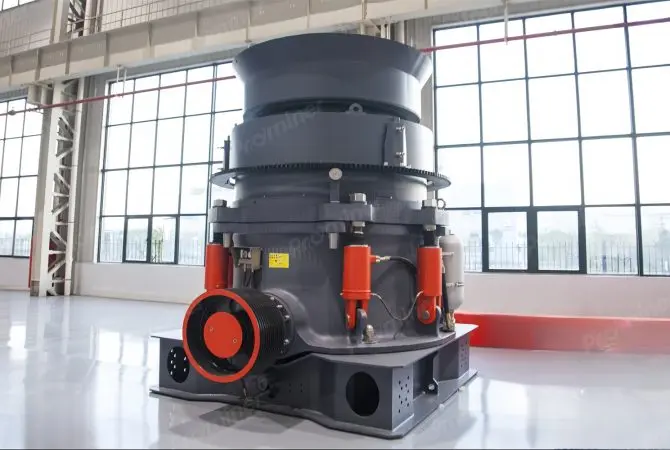
Multi-Zylinder hydraulischer Kegelbrecher kombiniert Brechgeschwindigkeit, Exzentrizität und Kavitätsprofil
Um mehr über unsere Produkte und Lösungen zu erfahren, füllen Sie bitte das untenstehende Formular aus, und einer unserer Experten wird sich in Kürze bei Ihnen melden.
3000 TPD Goldflotationsprojekt in der Provinz Shandong
2500 TPD Lithiumerzfloation in Sichuan
Fax: (+86) 021-58779592
Adresse:Nr. 2555, Xiupu Straße, Pudong, Shanghai
Urheberrecht © 2023.Prominer (Shanghai) Mining Technology Co., Ltd.


