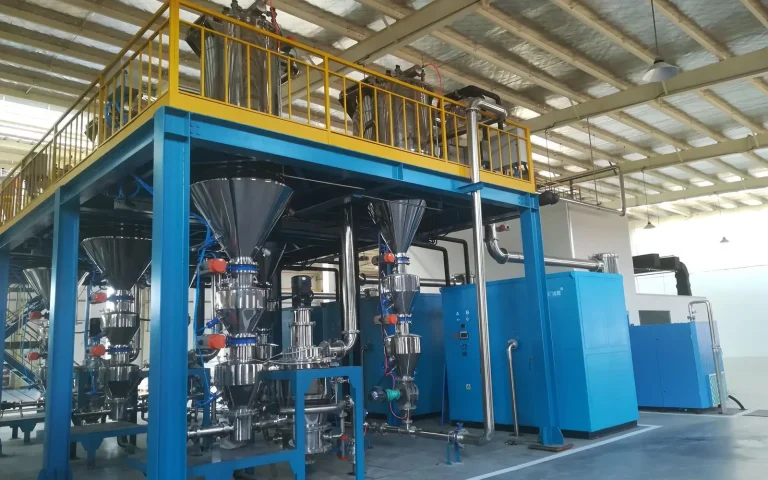
シリコンベースのアノードは、シリコンを複合化した一種の複合アノード材料です




グラファイトは、耐火物や潤滑剤からバッテリーや先進複合材までさまざまな用途で使用される重要な工業用鉱物です。グラファイト鉱物の処理効率—特に破砕、研磨、浮選、精製—は、主に二つの重要な要因に大きく影響されます:不純物レベルとグラファイト薄片のサイズです。これらの変数が処理性能にどのように影響するかを理解することは、回収率の最大化、コストの削減、製品仕様の満たしに不可欠です。
グラファイト鉱石に含まれる不純物には、シリカ、粘土鉱物、酸化鉄、硫化物、炭酸塩などがあります。これらの不純物の種類、分布、および濃度は、処理効率に大きく影響します。
高い不純物レベルは、一般的により集中的な選鉱を必要とします。これには、追加の粉砕工程、複数の浮選工程、または化学的精製プロセスが含まれることが多いです。各工程の追加により、エネルギー消費、薬品の使用量、運営コストが増加します。
特定の不純物は特に問題となります。例えば:
不純物が微細にグラファイト片内部に分散している場合、高純度の炭素を達成することがより難しくなります。これにより、過剰な粉砕によって不純物を解放しようとすると、グラファイト片が損傷しやすくなり、回収率が低下する可能性があります。
グラファイト片のサイズは、市場における最も重要な品質パラメータのひとつです。より大きな片は、膨張性グラファイト、耐火物、特定のバッテリー用途において優れた性能を発揮するため、一般的に高値で取引されます。
処理の観点から、フレークの大きさは直接影響します:
大きなフレークは破砕や研削中に壊れやすくなります。過度の研削は、大きなフレークの割合を減らすだけでなく、全体的な製品の価値も低下させます。そのため、加工工場では段階的な研削や粉砕強度の慎重な制御を採用し、フレークの完全性を保つよう努めています。
それに対して、細片の黒鉛は、鉱脈鉱物からの十分な遊離を達成するために、より過酷な研削が必要になる場合があります。しかし、より細かい粒子は、空気泡との衝突確率が低いため、浮選効率を低下させることがあります。
解放サイズとは、石墨片が界山鉱物から十分に分離される粒子の大きさを指します。このパラメータは、不純物の分布と元の片状の大きさの両方に依存します。
もしグラファイトが比較的粗い粒度で十分に解離している場合、処理はより効率的になります。粗い解離によって次のことが可能です:
しかし、不純物がフレーク内に閉じ込められるか密接に結合している場合、より細かい粉砕が必要となる。これによりエネルギー消費が増加し、フレークのサイズが劣化する可能性があるため、純度と製品の粒度分布との間にトレードオフが生じる。
過剰な脆片破損を伴わない解放の最適化は、黒鉛鉱物処理における中心的な課題の一つです。
泡沫浮選は、黒鉛を濃縮するために主に使用される方法です。不純物のレベルとフレークの大きさは、浮選の性能に大きく影響します。
グラファイトは自然に疎水性であり、これによって浮選の利点があります。しかしながら:
大きなフレークは一般的に浮きやすく、選択的に回収しやすいです。ただし、大きなフレークに微細な不純物やぬめりが付着している場合、疎水性が低下することがあり、そのため追加の薬品調整や前処理(デスリーミングなど)が必要となることがあります。
不純物濃度とフレークサイズの併存効果は直接影響します:
不純物含有量が低く、大きくてよく分離されたフレークを持つ鉱石は、通常、処理コストが低く、価値の高い製品を得ることができます。それに対して、複雑な鉱物組成や微細な黒鉛を含む鉱石は、より高度な処理回路を必要とし、資本費および運転費が増加します。
戦略的な鉱山計画と鉱石のブレンドは、一定の供給特性を維持し、プラントの全体的な効率と製品の一貫性を向上させるのに役立ちます。
不純物レベルと黒鉛片のサイズは、鉱物処理の効率にとって重要な決定要因です。高い不純物濃度は処理の複雑さとコストを増加させる一方、片のサイズは回収性能や市場価値に影響します。最適な効率を達成するには、不純物の除去と片の完全性の保持をバランスよく調整する必要があります。
研磨強度、浮選条件、純化戦略を慎重に管理することで、操作者は回収率を最大化し、望ましい片状の粒径分布を維持し、市場の需要に合わせた高品質な黒鉛濃縮物を生産することができます。
A:鉱物の特性は、同じ鉱床内でも大きく異なります。プロのテスト(化学分析、XRD、SEMなど)は、フローチャートが特定の鉱石グレードと解放サイズに最適化されていることを保証します。これにより、高価な機器のミスマッチを防ぎ、プロジェクトのために可能な限り高い回収率を保証します。
A: 当社は、コア摩耗部品(例えば、クラッシャーライナー、スクリーンメッシュ、グラインディングメディア)の常時在庫を維持しています。国際的な顧客には、初回購入時に推奨される「2年用予備部品リスト」を提供しています。技術サポートは、リモートビデオを通じて24時間年中無休で利用可能であり、複雑なメンテナンスニーズには現地訪問を手配することもできます。
A: はい。私たちは、機器の設置、試運転、負荷テストを監督するために、シニア機械エンジニアと電気エンジニアのチームを現地に派遣します。また、地元のオペレーターが円滑に長期的に運用できるよう、包括的な現地トレーニングも提供します。
A: もちろんです。私たちはEPCM(エンジニアリング、調達、建設管理)サービスを提供することを専門としています。これには、初期の鉱石テストや鉱山設計から、設備製造、物流、フルスケールのプラント統合まで、緑地から生産へのシームレスな移行を確保するすべてが含まれます。

私たちの製品とソリューションについて詳しく知るためには、以下のフォームに記入してください。私たちの専門家の一人がすぐにご連絡いたします
ファックス: (+86) 021-58779592
住所:中国、上海、浦東、秀浦路2555号
著作権 © 2023.プロマイナー(上海)鉱業技術有限公司