산업에서 수년간의 수요는 점점 더 엄격해지는 특수 흑연 및 탄소에 대한 것입니다.



그래파이트는 내화물, 윤활제, 배터리, 첨단 복합소재 등 다양한 산업 분야에서 사용되는 중요한 광물입니다. 그래파이트 광물 처리의 효율성—특히 분쇄, 연마, 플로테이션, 정제—는 두 가지 핵심 요인에 크게 좌우됩니다: 불순물 함량과 그래파이트 조각 크기. 이러한 변수들이 처리 성능에 미치는 영향을 이해하는 것은 회수율 극대화, 비용 절감, 제품 사양 충족을 위해 매우 중요합니다.
흑연 광석에 함유된 불순물에는 일반적으로 실리카, 점토 광물, 산화철, 황화물, 탄산염 등이 포함됩니다. 이러한 불순물의 종류, 분포 및 농도는 가공 효율에 큰 영향을 미칩니다.
높은 불순물 함량은 일반적으로 더 집중적인 정제 과정을 필요로 합니다. 이는 종종 추가적인 분쇄 단계, 여러 플로테이션 단계 또는 화학 정제 과정을 의미합니다. 각 단계가 추가될수록 에너지 소비, 시약 사용량 및 운영 비용이 증가합니다.
특정 불순물들은 특히 문제를 일으킵니다. 예를 들어:
불순물이 흑연 조각 내에 미세하게 분산되어 있을 경우, 높은 탄소 순도를 달성하는 것이 더 어려워집니다. 이는 과도한 분쇄로 불순물을 분리하려고 할 때 흑연 조각이 손상될 수도 있어 회수율이 낮아질 수 있습니다.
흑연 플레이트 크기는 시장에서 가장 중요한 품질 parameters 중 하나입니다. 더 큰 플레이트는 팽창성 흑연, 내화물, 특정 배터리 응용 분야에서 뛰어난 성능 때문에 일반적으로 더 높은 가격을 받습니다.
가공 관점에서, 조각 크기는 직접적으로 영향을 미칩니다:
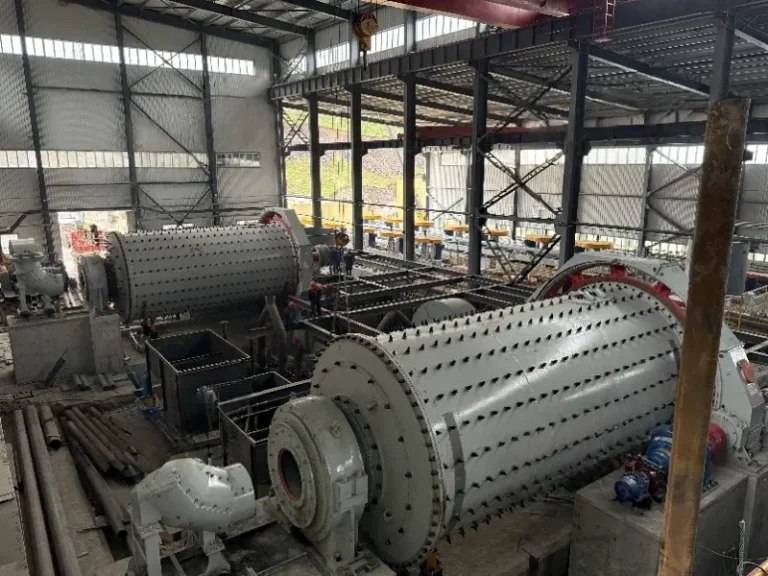
큰 조각은 분쇄 및 연삭 중에 파손되기 쉽습니다. 과도한 연삭은 큰 조각의 비율을 낮추는 것뿐만 아니라 전체 제품 가치를 감소시킵니다. 따라서 가공 공장에서는 단계적인 연삭과 밀링 강도의 신중한 조절을 통해 조각의 무결성을 유지하는 경우가 많습니다.
반면에, 미세 플래이크 흑연은 광석의 광물을 충분히 해방시키기 위해 더 강한 연마가 필요할 수 있습니다. 그러나 더 작은 입자는 공기 거품과의 충돌 확률이 낮아 플로테이션 효율을 저하시킬 수 있습니다.
해방 크기(liberation size)는 흑연 조각이 광석 광물로부터 충분히 분리되는 입자 크기를 의미합니다. 이 매개변수는 불순물 분포와 원래의 조각 크기 모두에 따라 달라집니다.
그래파이트가 비교적 거친 크기에서 잘 분리될 경우, 가공이 더 효율적이 됩니다. 거친 분리는 다음을 가능하게 합니다:
그러나 불순물이 플레이크 내에 갇혀 있거나 밀접하게 결합되어 있을 경우 더 미세한 분쇄가 필요합니다. 이는 에너지 사용량을 증가시키고 플레이크 크기를 떨어뜨릴 수 있어 순도와 제품 크기 분포 간에 균형을 맞춰야 합니다.
과도한 편석 손상 없이 방출을 최적화하는 것은 흑연 광물 처리의 핵심 과제 중 하나입니다.
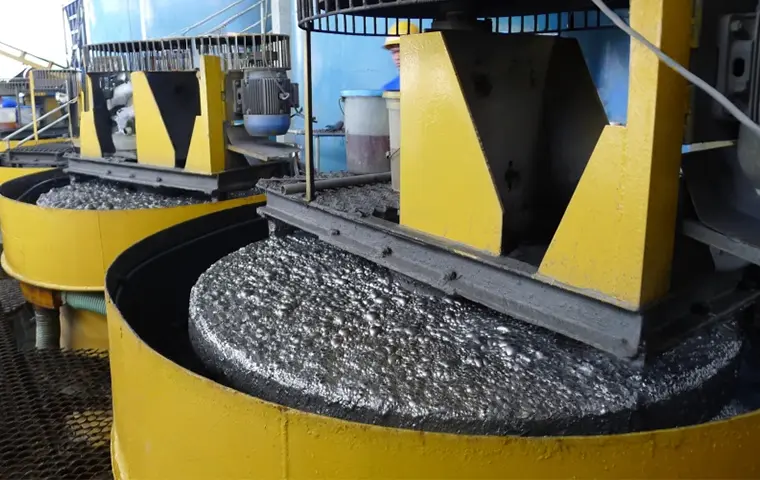
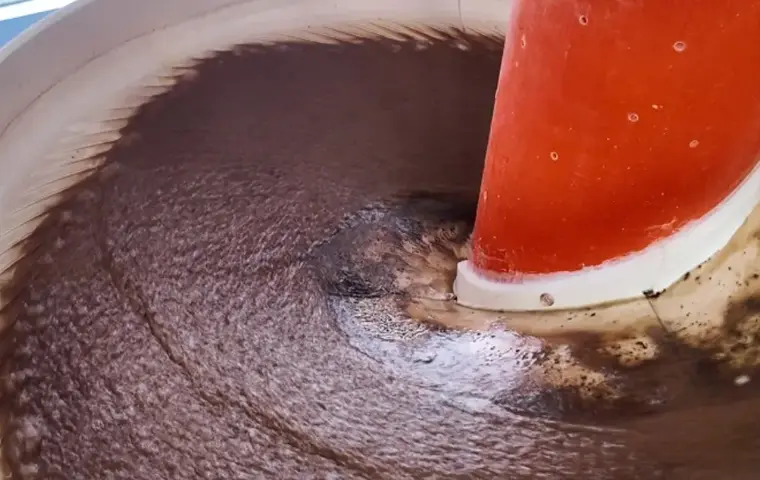
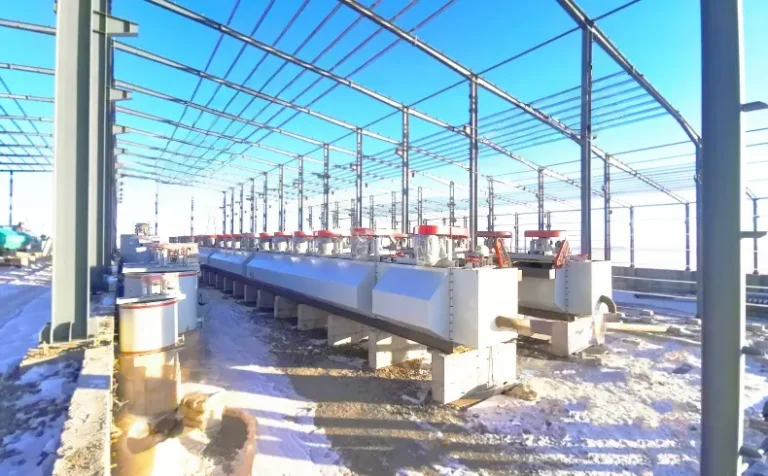
발생법은 흑연을 농축하는 데 사용되는 기본 방법입니다. 불순물 수준과 조각 크기는 모두 부유성 성능에 강한 영향을 미칩니다.
흑연은 자연적으로 소수성을 띄어 부력상 이점을 가집니다. 하지만:
큰 조각은 일반적으로 더 쉽게 떠오르고 선택적으로 회수하기가 용이합니다. 그러나 큰 조각이 미세 불순물이나 점액으로 코팅되어 있을 경우, 소수성을 낮출 수 있어 추가 시약 조정이나 디슬리밍과 같은 선행 처리 단계가 필요할 수 있습니다.
불순물 수준과 조각 크기의 결합된 영향은 다음에 직접적인 영향을 미친다:
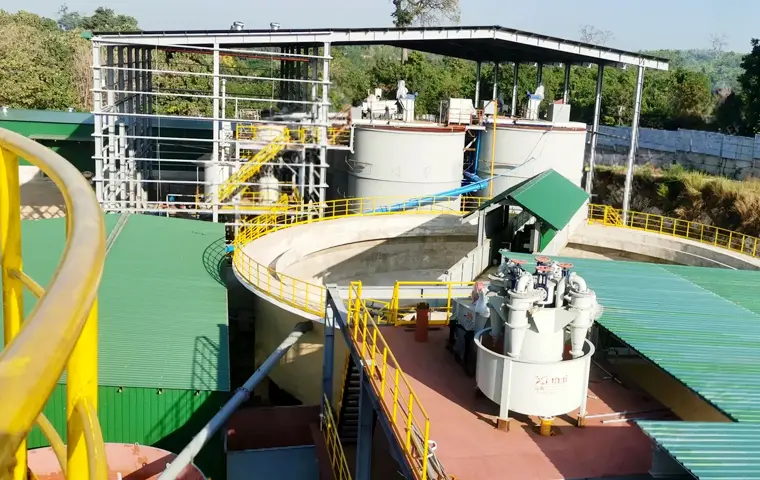
불순물 함량이 낮고 조각이 거칠며 잘 풀린 광석은 일반적으로 가공 비용이 적게 들고 더 높은 가치의 제품을 생산합니다. 반면, 복잡한 광물학적 특성과 미세한 흑연이 포함된 광석은 더 정교한 가공 회로를 필요로 하며, 이는 설비 투자와 운영 비용을 증가시킵니다.
전략적인 광산 계획과 광석 혼합은 일관된 원료 특성을 유지하는 데 도움을 주어 전체 플랜트 효율성과 제품 일관성을 향상시킬 수 있습니다.
불순물 수준과 흑연 조각 크기는 광물 처리 효율의 중요한 결정 요소입니다. 높은 불순물 농도는 처리의 복잡성과 비용을 증가시키며, 조각 크기는 회수 성능과 시장 가치 모두에 영향을 미칩니다. 최적의 효율성을 달성하기 위해서는 적절한 불순물 제거와 조각의 무결성 유지 사이의 균형을 맞추는 것이 필요합니다.
연마 강도, 부선 조건, 정제 전략을 신중하게 조절함으로써 운영자는 회수율을 극대화하고 바람직한 편광 크기 분포를 유지하며 시장 요구에 맞는 고품질 흑연 농축물을 생산할 수 있습니다.
A: 광물의 특성은 동일한 광맥 내에서도 상당히 다를 수 있습니다. 전문적인 테스트(화학 분석, XRD, SEM 등)는 흐름도가 귀하의 특정 광석 등급과 해방 크기에 최적화되도록 보장합니다. 이는 비용이 많이 드는 장비 불일치를 방지하고 귀하의 프로젝트에 대해 가능한 가장 높은 회수율을 보장합니다.
A: We maintain a permanent stock of core wear parts (such as crusher liners, screen meshes, and grinding media). For international clients, we provide a recommended “2-year spare parts list” with the initial purchase. Technical support is available 24/7 via remote video, and site visits can be arranged for complex maintenance needs.
A: 네. 우리는 장비의 설치, 시운전 및 하중 테스트를 감독하기 위해 현장에 고위 기계 및 전기 엔지니어 팀을 보냅니다. 또한 귀하의 현지 운영자를 위한 포괄적인 현장 교육을 제공하여 원활한 장기 운영을 보장합니다.
A: 확실히. 우리는 EPCM(엔지니어링, 조달, 건설 관리) 서비스를 제공하는 전문가입니다. 이에는 초기 광석 테스트와 광산 설계부터 장비 제조, 물류, 그리고 전체 규모의 플랜트 통합까지 모든 것이 포함되어 있으며, 이는 녹지에서 생산으로의 원활한 전환을 보장합니다.

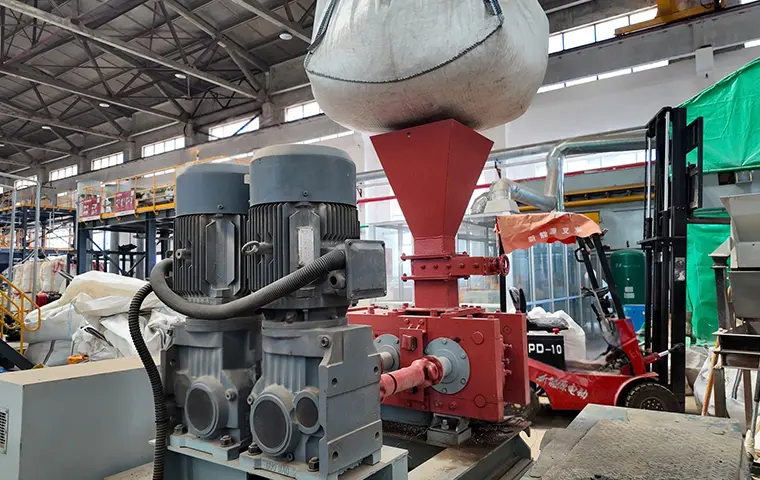
프로젝트 목표: 최적의 처리 공정을 결정하고 전체 규모의 플랜트에 대한 규모 확대 데이터를 제공하는 것.
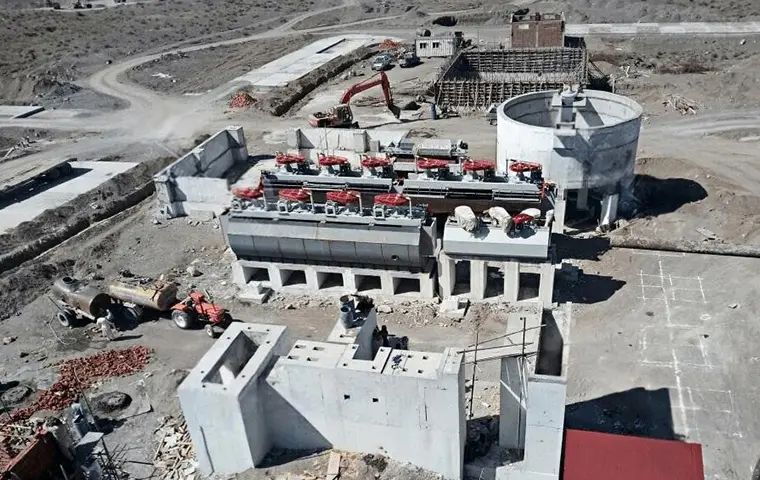
원광: 니켈-코발트 라테라이트 광석 (리모나이트 및 사프로라이트 층) 평균 원료 등급: Ni: 1.2%, Co: 0.15%
제품 및 솔루션에 대해 더 알아보시려면 아래 양식을 작성해 주시면, 저희 전문가 중 한 명이 곧 연락드리겠습니다.
Fax: (+86) 021-58779592
주소: 중국 상하이 푸동 신구 목천지구 롱 777, 묘천로, 2단계, D3동 606호, 슈안샤 비즈니스 센터
저작권 © 2023. 프로마이너(상하이) 채굴 기술 유한회사