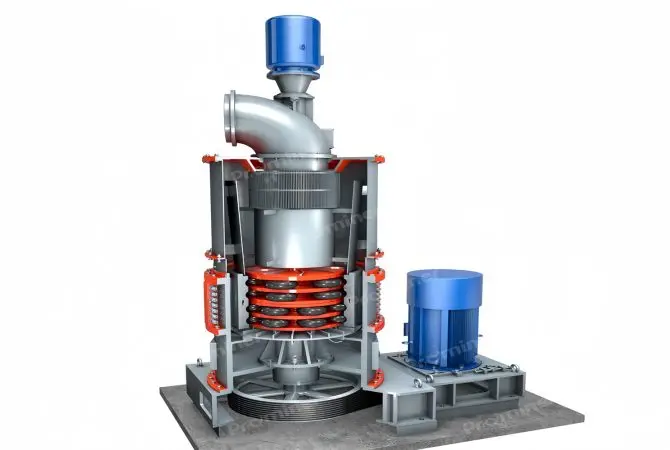
Artificial graphite anode material are mainly made from high quality low sulphur content petroleum coke




Choosing between Carbon-in-Leach (CIL) and Carbon-in-Pulp (CIP) is one of the most important design decisions in a gold processing plant. Both methods use activated carbon to recover dissolved gold from cyanide slurry, and both are widely used in the mining industry. However, they differ in process flow, operating efficiency, capital cost, and suitability for different ore types.
This article explains how each process works, compares their strengths and limitations, and helps you determine which option is better for your plant.
Both CIL and CIP are hydrometallurgical processes used to recover gold from ore after crushing, grinding, and cyanidation.
The main difference is simple:
CIL combines leaching and adsorption, while CIP separates them into two stages.
In a CIL circuit, ground ore slurry is mixed with cyanide and oxygen in a series of tanks. Activated carbon is added directly into these tanks, so dissolved gold is adsorbed onto the carbon as leaching continues.
Typical CIL process steps include:
Because adsorption happens immediately after dissolution, CIL can reduce the concentration of dissolved gold in solution, which may help improve overall recovery in some ores.
In a CIP plant, gold leaching is completed before the slurry enters the adsorption section. After sufficient leach residence time, the gold-bearing pulp flows into a separate series of tanks containing activated carbon.
Typical CIP process steps include:
Since leaching and adsorption are separated, plant operators can optimize each stage independently.
Although the two processes are similar, several operational differences can affect plant performance.
This makes CIL generally more compact, while CIP often requires more tanks and a larger footprint.
In some cases, early adsorption in CIL can reduce losses from preg-robbing or competing reactions.
This can influence both capital expenditure and plant layout.
CIP may be attractive when metallurgical conditions vary and tighter control over each stage is needed.
Carbon performance depends on ore chemistry, dissolved impurities, and slurry conditions. In some operations, CIL may expose carbon to harsher leach conditions for longer periods, while CIP allows carbon to contact fully leached slurry under more controlled adsorption conditions.
CIL is often selected for modern gold plants because of its simplicity and efficiency.
Key advantages include:
CIL is especially attractive where space is limited or where simplified plant design is a priority.
CIP remains a strong option, particularly when metallurgical control is important.
Key advantages include:
For plants treating variable ore blends, the separation of stages can be a meaningful advantage.
Despite its benefits, CIL is not always the best choice.
Potential drawbacks include:
If the ore has unusual cyanide consumption, high preg-robbing behavior, or significant carbon fouling risk, deeper testwork is essential before choosing CIL.
CIP also has trade-offs.
Potential drawbacks include:
For some ores, this delay in adsorption can slightly reduce recovery compared with well-designed CIL systems.
The right choice between CIL and CIP depends heavily on ore characteristics. Important factors include:
For example:
No rule of thumb can replace metallurgical testwork.
Cost is a major factor in process selection.
CIL often offers:
However, operating costs still depend on cyanide use, carbon activity, maintenance, and recovery efficiency.
CIP may involve:
But in some plants, better process control can offset these costs through improved stability and optimized reagent use.
The size and layout of your operation can also affect the decision.
CIL is often preferred when:
CIP may be preferred when:
For brownfield expansions, the existing infrastructure may strongly influence which system is easier to install.
Before selecting either CIL or CIP, comprehensive laboratory and pilot-scale testwork should be completed. This should include:
The final decision should be based on data, not just general industry practice.
There is no universal winner between CIL and CIP.
In many cases, CIL is favored for its efficiency and lower equipment requirements, but CIP remains highly valuable where metallurgical complexity justifies a more separated process design.
CIL and CIP are both proven gold recovery technologies, but the best choice depends on your ore, recovery targets, plant constraints, and economic priorities. A well-designed process backed by solid testwork will almost always outperform a “standard” flowsheet chosen without detailed evaluation.
If you are planning a new gold plant or upgrading an existing one, comparing CIL and CIP through metallurgical testing and engineering review is the most reliable way to select the right process for long-term performance.
A: The right process depends on your ore’s mineralogy, grade, particle size, and liberation characteristics — not on guesswork. The reliable way is to run laboratory and pilot tests first. These tests define whether flotation, gravity separation, magnetic separation, or leaching (or a combination) will deliver the best recovery and grade. We start every project with ore characterization and bench-scale tests, then scale up to pilot validation before committing to plant design — a testing-first approach that avoids costly process mistakes later.
A: Reagent selection depends on the mineral’s surface chemistry and the ore’s gangue composition. Collectors, frothers, depressants, and modifiers are chosen — and their dosages fine-tuned — through laboratory flotation tests on your actual ore sample, not from generic recipes. Over- or under-dosing both hurt recovery. Our metallurgical lab tests reagents on your ore to lock in the right combination and dosage before plant-scale operation, then re-optimizes during commissioning.
A: Heap leaching suits low-grade, high-tonnage ores — crushed ore is stacked and irrigated with a leaching solution, giving low capital and operating cost but slower, weather-dependent recovery. CIL (carbon-in-leach) and CIP (carbon-in-pulp) both use cyanide solution and activated carbon, but differ in where adsorption happens: CIL adds carbon during leaching, which suits clayey or high-fines ores; CIP adds carbon after leaching, which suits clean, free-filtering pulps. The choice comes down to ore type, grade, and throughput — we evaluate all three against your ore to recommend the most economical route.
A: Start by diagnosing where the loss occurs — usually in grinding, classification, or the separation stage itself. Common levers include: optimizing grind size for better liberation, upgrading to more efficient separation equipment (flotation cells, magnetic separators, spirals), automating control for steadier operation, and re-running metallurgical tests when the ore type changes. A structured audit plus targeted equipment or process upgrades typically recovers 2–5% more metal. We provide exactly this — process audits, equipment upgrades, and full EPC retrofits — to lift both recovery and grade.
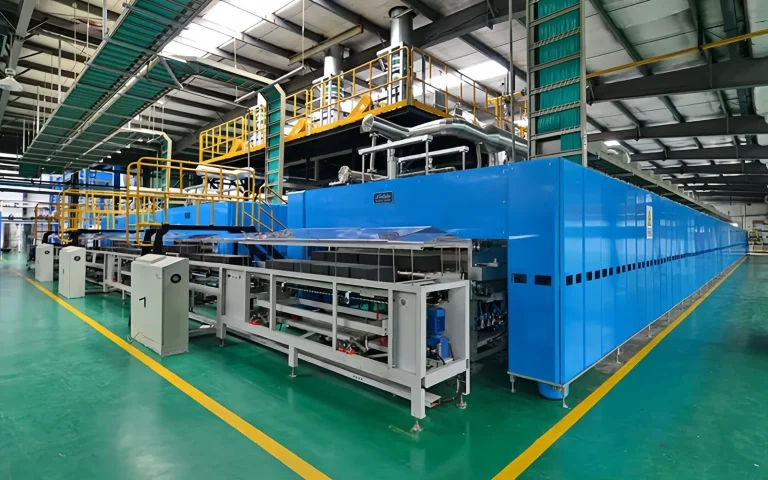
Artificial graphite anode material are mainly made from high quality low sulphur content petroleum coke
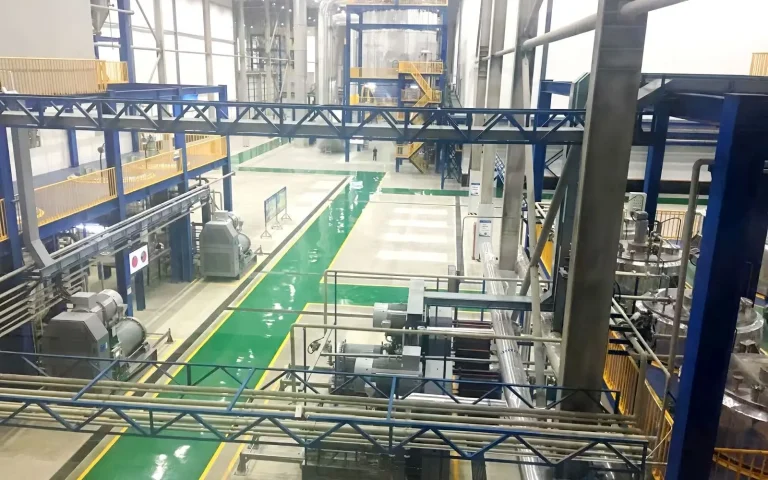
Cathode material is one of the key materials to determine the performance of lithium-ion batteries
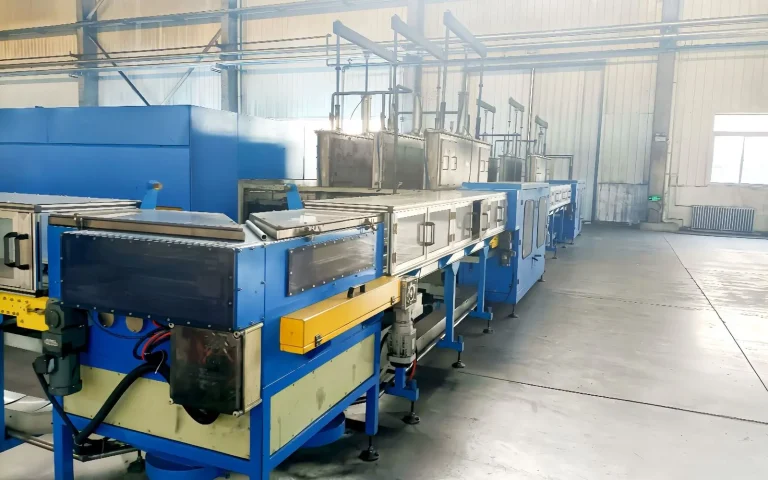
Hard carbon anode material is the most preferred materials for commercialization of sodium-ion battery

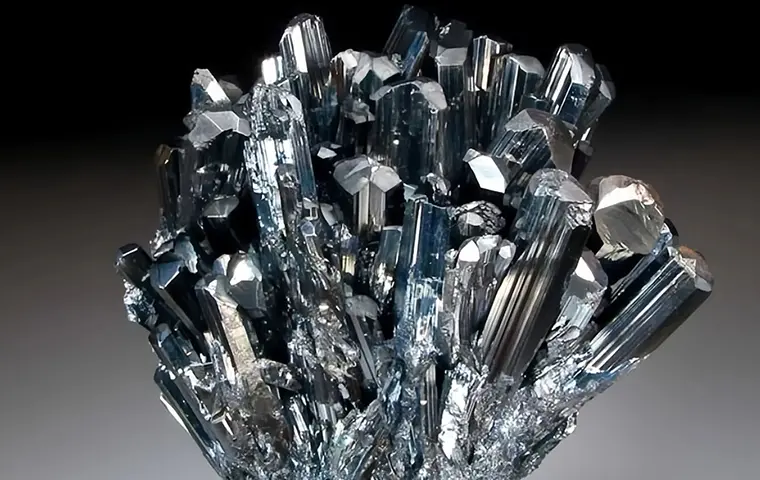
Raw Ore: Stibnite (Antimony Sulfide Ore) Sb Grade: 3.5% Concentrate Grade: 55% Sb
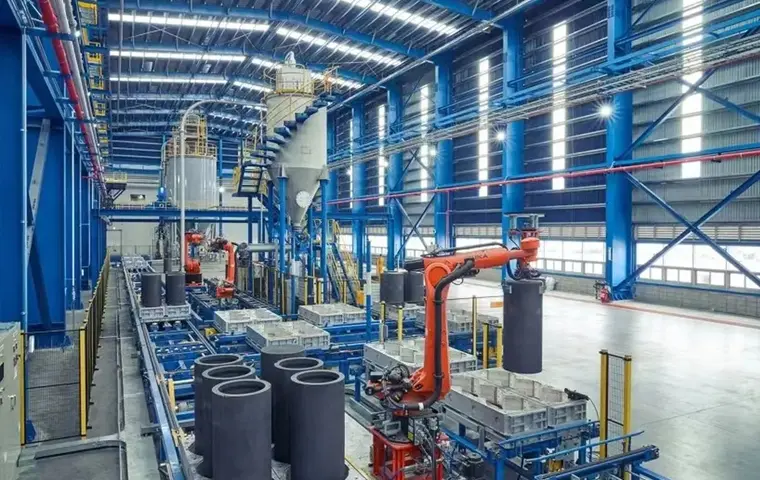
Raw Material: Green Petroleum Coke, Green Needle Coke and High soft point pitch
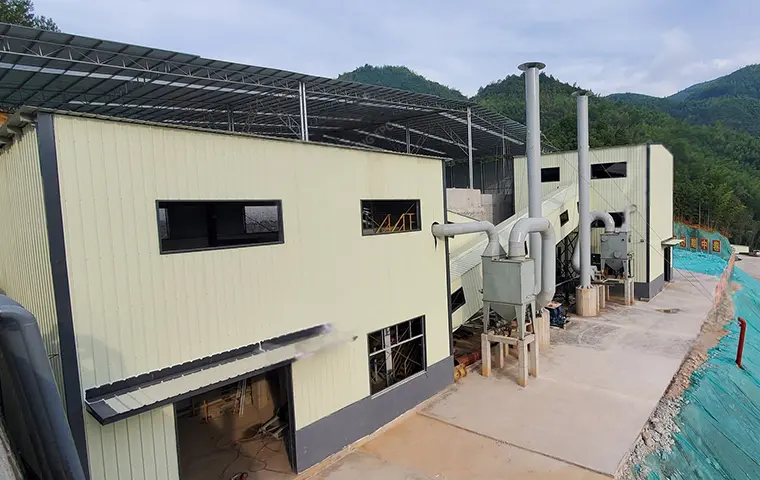
Raw Ore: High-Grade Fluorite Ore from Deep Veins Fluorspar Grade: 38% CaF₂ Concentrate Grade: 97.2% CaF₂
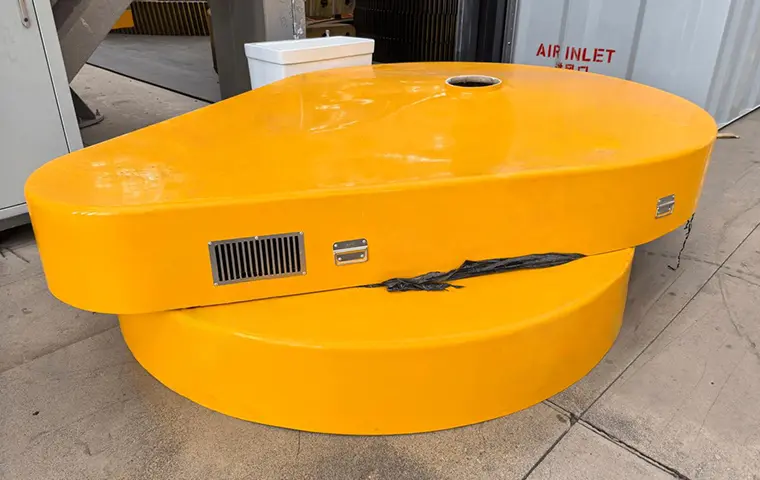
Raw Ore: Suitable for sulfide/oxide gold, copper, lithium, zinc, lead, and other non-ferrous metals
Raw Ore: Oxide Type Gold Ore Gold Grade: 2.5 g/t Gold Ingot Purity: 92%
Raw Ore: Sulfide Type Copper Ore (Low-grade, heterogeneous) Feed Copper Grade: 0.45% Concentrate Copper Grade: 25%
Raw Ore: Sulfide Copper Ore (with minor pyrite content) Copper Grade: 1.2% Concentrate Grade 25% Cu
Project Type: World-Class Integrated Graphite Mining & Advanced Materials Industrial Park Raw Material: Natural Flake Graphite Ore Resource
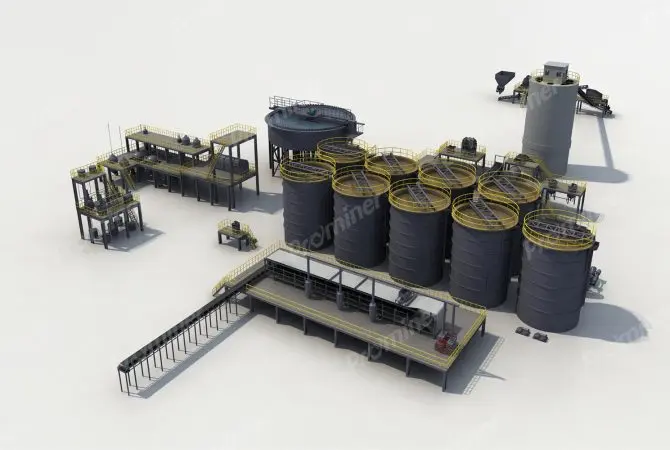
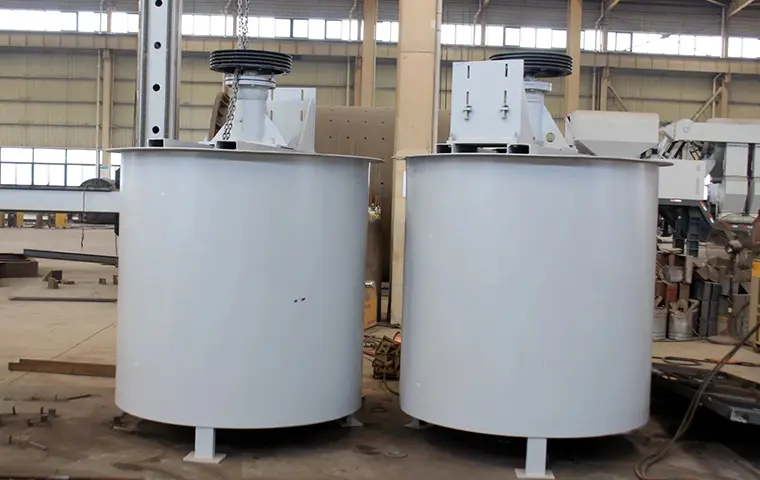
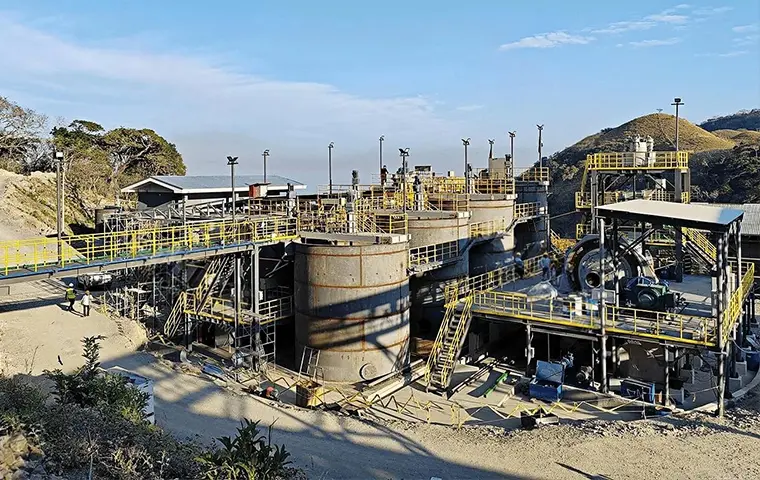
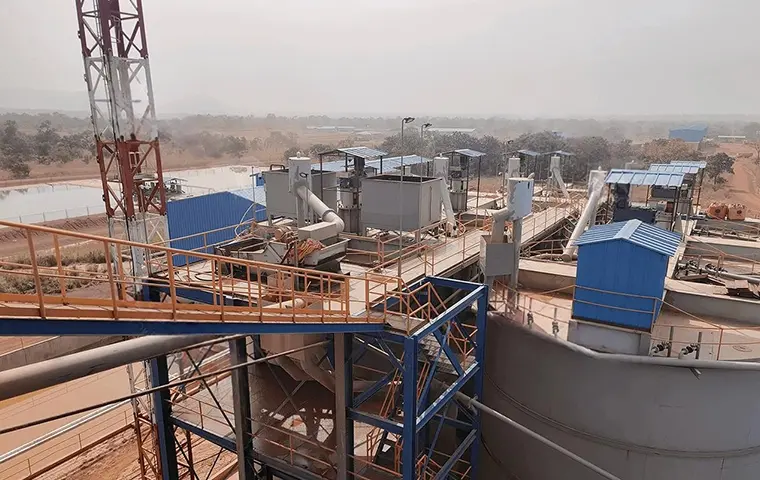
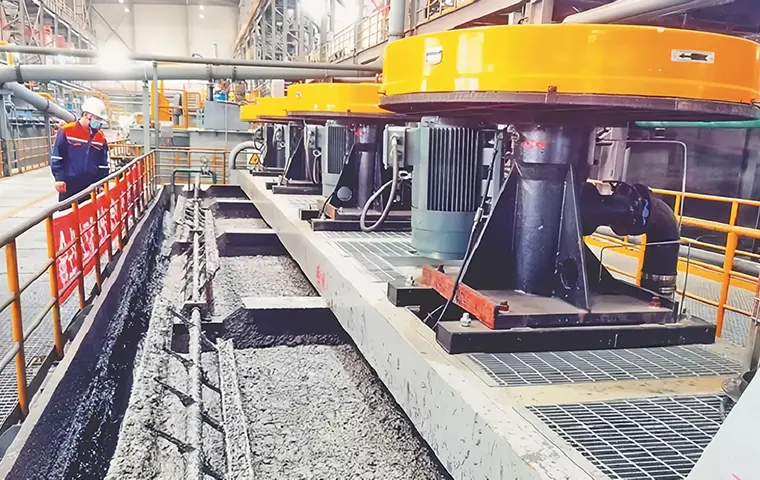
Prominer can provide the complete solution for CIL (carbon in leaching) system
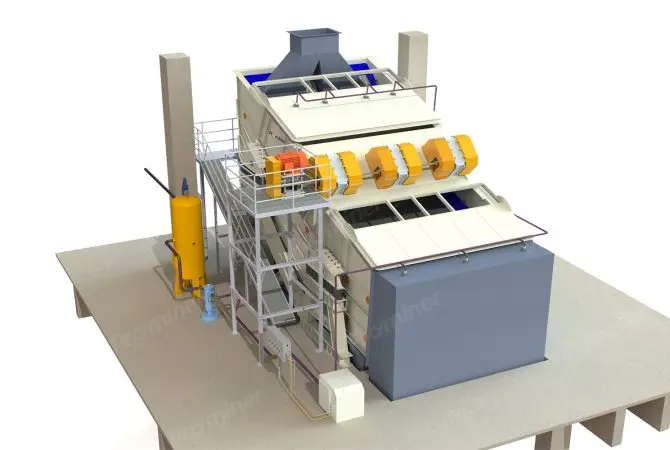
Flip-flow screen panel continues expanding and contracting so achieve a high acceleration rates
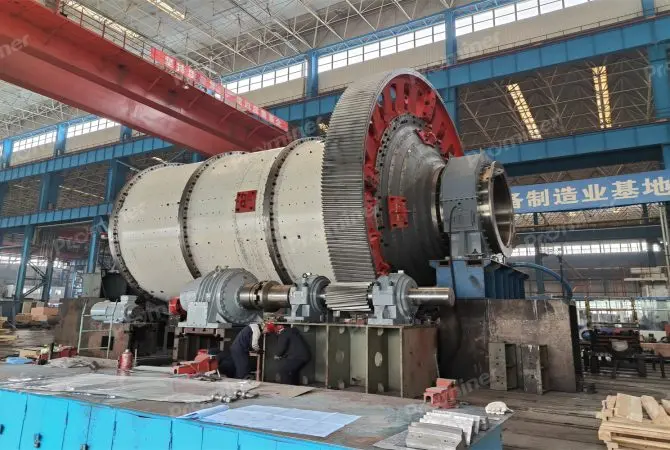
We can design and manufacture grate type ball mill for mineral primary grinding
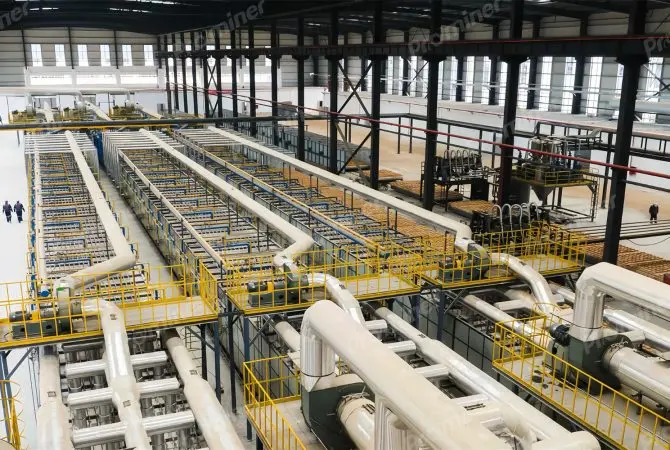
Prominer provides various types of furnaces for primary and secondary baking of carbon
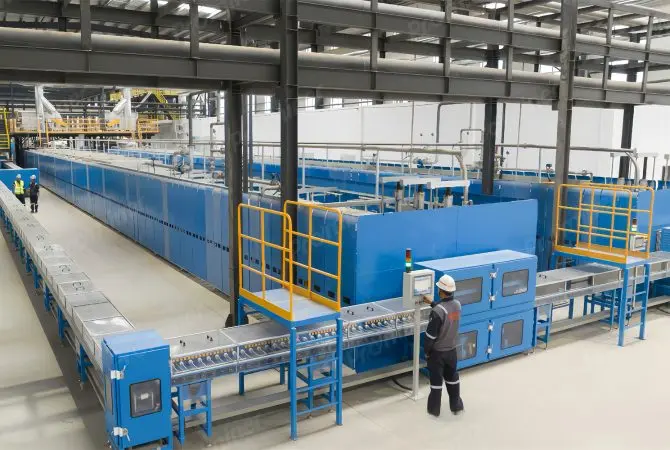
We can provide the complete solution for high temperature carbonization treatment system
To find out more about our products and solutions, please fll out the form below and one of our experts will get back to you shortly
3000 TPD Gold Flotation Project in Shandong Province
2500TPD Lithium Ore Flotation in Sichuan
Fax: (+86) 021-58779592
Address: Room 606, Building D3, Phase II, Chuansha Business Center, 777 Long, Miaochuan Road, Pudong New Area, Shanghai,China
Copyright © 2023. Prominer (Shanghai) Mining Technology Co.,Ltd.