



The best-known of the exogenetic ores is alluvial gold which also called placer gold. Alluvial gold refers


Stage grinding is a valuable strategy in mineral processing because it helps balance liberation, energy use, and flotation performance. Instead of grinding the entire ore to a very fine size in one step, stage grinding breaks the process into multiple grinding and separation stages. This approach can significantly improve flotation efficiency by reducing overgrinding, enhancing mineral liberation, and lowering operating costs.
Stage grinding is a process in which ore is ground in more than one step, with intermediate separation or classification between stages. After the first grinding stage, material that is already adequately liberated can be removed for flotation, while the coarser, still-locked particles are sent for further grinding.
This differs from single-stage grinding, where all material is ground to the same target size regardless of how well individual minerals have already been liberated.
Flotation relies on the separation of valuable minerals from gangue based on surface chemistry. For flotation to work efficiently, valuable minerals must be sufficiently liberated from the surrounding waste rock.
If the ore is not ground enough, valuable minerals remain locked and cannot attach effectively to flotation bubbles. If the ore is ground too fine, however, slimes can form, reagent consumption may rise, and flotation selectivity can decline. Stage grinding helps find the right balance.
One of the main advantages of stage grinding is that it allows progressive liberation. In many ores, not all particles require the same amount of grinding. Some minerals are liberated early, while others remain locked until further size reduction.
By removing liberated material after an initial grind, stage grinding prevents already-freed particles from being exposed to unnecessary additional grinding. This leads to:
Overgrinding is a common problem in mineral processing. When particles are ground finer than necessary, they can become difficult to recover by flotation. Very fine particles often have poor bubble-particle attachment and may increase entrainment of unwanted gangue.
Stage grinding reduces overgrinding by separating out material that is already at the optimal size before it enters the next grinding step. Only the coarser or partially liberated fraction is reground. This targeted treatment helps preserve particle size ranges that are most favorable for flotation.
Stage grinding can enhance flotation performance in several ways:
Grinding is one of the most energy-intensive steps in mineral processing. Stage grinding can reduce unnecessary energy use by avoiding the fine grinding of particles that are already liberated.
This can lower:
Although stage grinding may require more complex circuit design, the savings from improved recovery and reduced energy use often outweigh the added complexity.
Stage grinding is especially effective for ores with:
It is commonly used in sulfide flotation circuits, base metal processing, and polymetallic ore treatment where selective liberation is critical.
Classification is essential in stage grinding because it controls which particles proceed to flotation and which require additional grinding. Equipment such as hydrocyclones, screens, or classifiers helps separate particles based on size.
Accurate classification ensures that:
Without effective classification, the benefits of stage grinding are greatly reduced.
To optimize stage grinding for flotation efficiency, operators should evaluate:
Metallurgical testing is important to determine the most effective number of grinding stages and the ideal cut points for intermediate separation.
Stage grinding optimizes flotation process efficiency by improving mineral liberation while minimizing overgrinding. By grinding ore progressively and removing liberated material early, operators can increase recovery, improve concentrate grade, reduce reagent use, and lower energy costs.
For many flotation circuits, especially those treating complex ores, stage grinding is not just a grinding strategy—it is a key method for achieving more efficient and economical mineral separation.
A: The choice depends entirely on your ore’s mineral characteristics:
Gravity Separation: Best for coarse-grained minerals with large density differences (e.g., placer gold).
Flotation: Ideal for fine-grained base metals (e.g., copper oxide) or removing impurities from non-metallic minerals (e.g., quartz sand).
Cyanidation (CIP): Necessary for fine, encapsulated precious metals (e.g., rock gold) to maximize chemical extraction.
A: This approach prevents over-grinding (creating excessive ultra-fine particles), which ruins flotation efficiency. By grinding in stages and immediately separating recovered minerals or waste at each stage, you significantly reduce energy consumption, minimize steel media wear, and protect valuable minerals from turning into unrecoverable slime.
A: Fine particles have low mass and high surface areas, making them hard to float. Key solutions include:
Advanced Reagents: Using highly selective collectors and flocculants to aggregate fine particles.
Micro-bubble Technology: Utilizing flotation columns that generate smaller bubbles to increase particle-bubble collision rates.
Desliming: Removing harmful ultra-fine slimes before the flotation stage to clear the process environment.
A: Relying on a single method is rarely enough. The key is a combined metallurgical flowsheet:
For High-Purity Quartz: Integrate scrubbing, magnetic separation (to remove iron), flotation (for feldspar), and acid leaching for the ultimate purity.
For Precious Metals: Combine gravity separation (to catch coarse gold early) with flotation and CIP (to extract fine gold), ensuring zero valuable minerals are wasted.
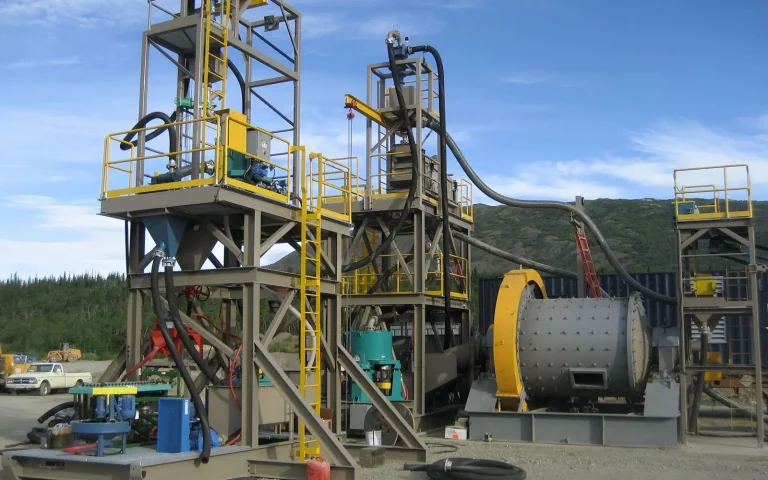
The best-known of the exogenetic ores is alluvial gold which also called placer gold. Alluvial gold refers
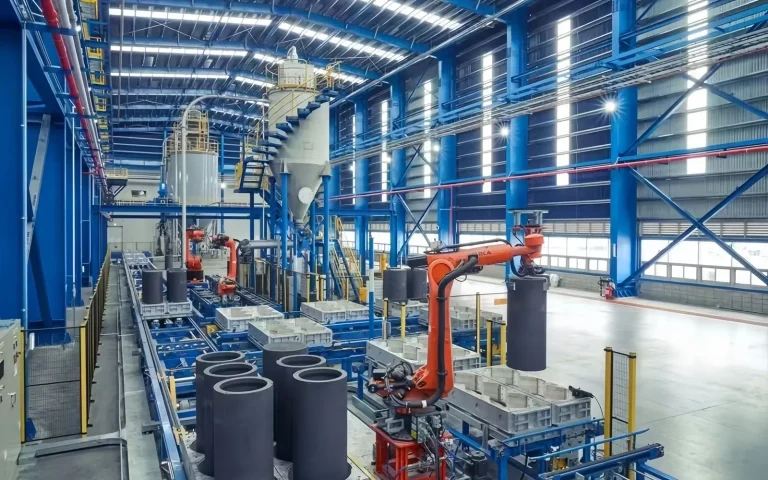
Prominer can provide the complete solution for making natrual graphite anode materials include grinding
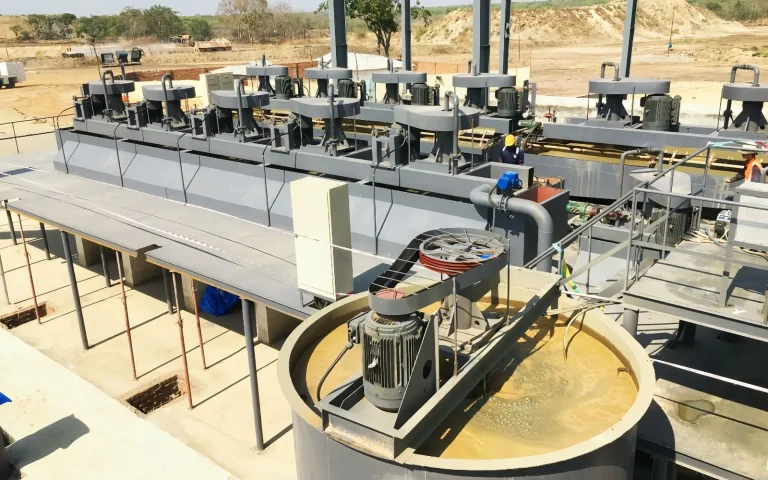
There are two types natural graphite ore include crystalline graphite and amorphous graphite

Project Objective: To determine the optimal processing flowsheet and provide scale-up data for a full-scale plant.
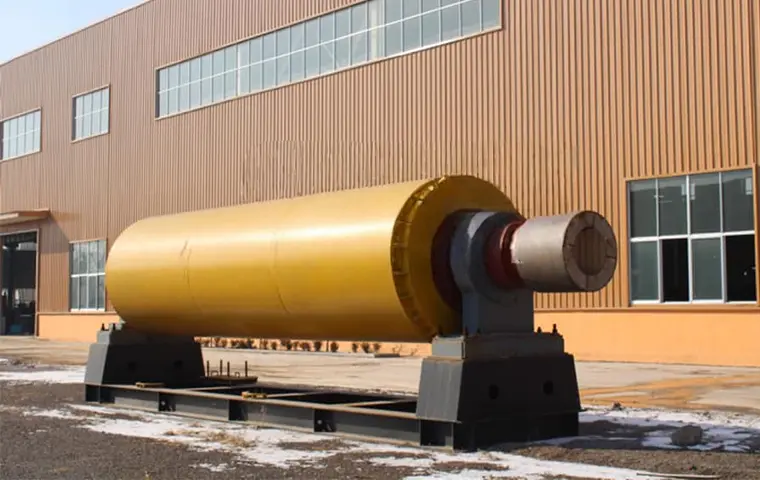
Raw Ore: Gold-bearing oxide ore / customised ore samples Feed Size: 12 mm below Target Grinding Fineness: 200 mesh (74μm) D80
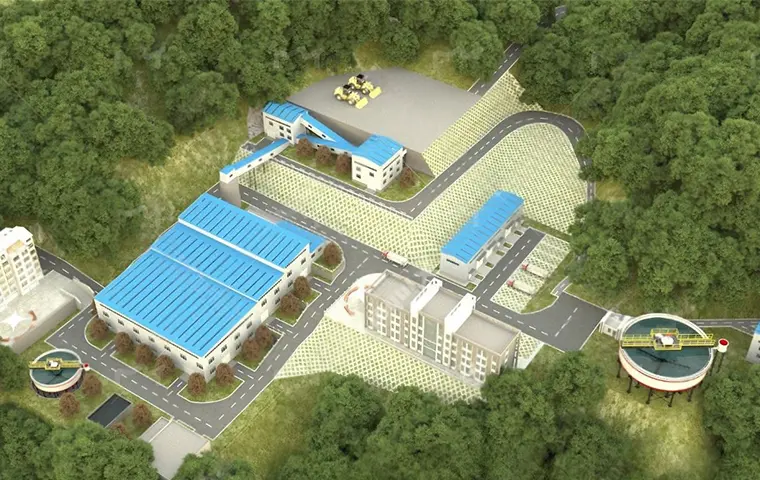
Raw Material: Fluorite Ore (CaF₂) Fluorspar Grade: 35% CaF₂ Concentrate Grade: 97% CaF₂
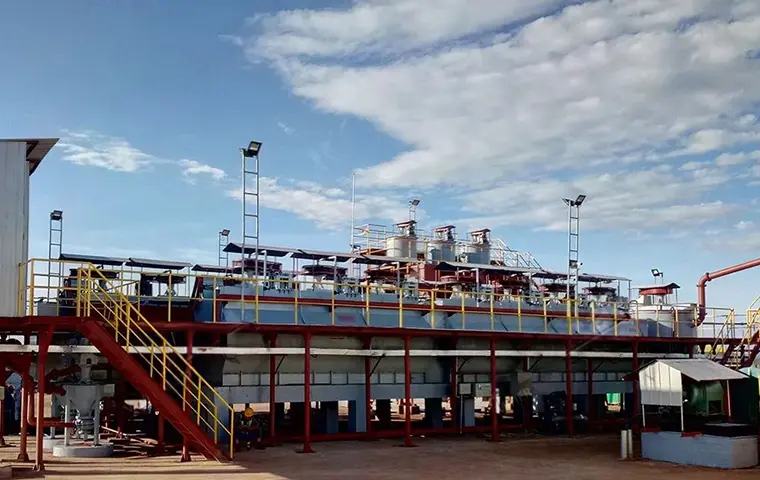
Raw Ore: Gold ore with high arsenic content Gold Grade: 3.5 g/t Arsenic Content: 2.1%
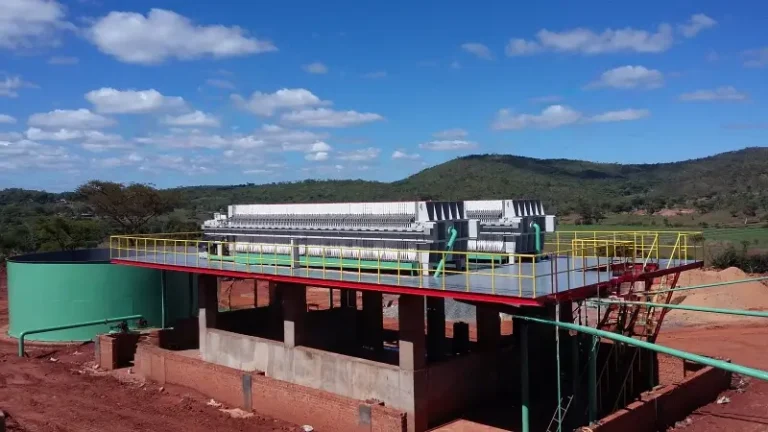
Raw Ore: Sulfide-Bearing Gold Ore (30% Sulfide) Gold Grade: 3.2 g/t Final Product: 98.99% Gold Ingot
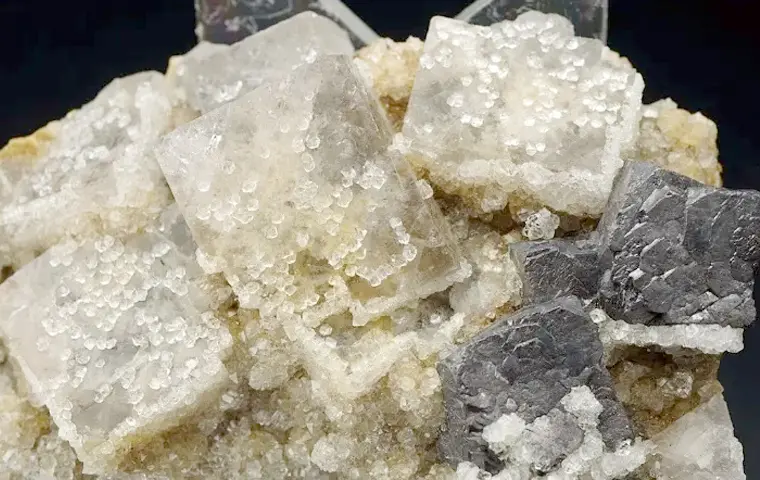
Raw Material: Polymetallic Ore Containing Galena (PbS) and Fluorite (CaF₂) Lead Grade: 3.5% Fluorite Grade: 35%
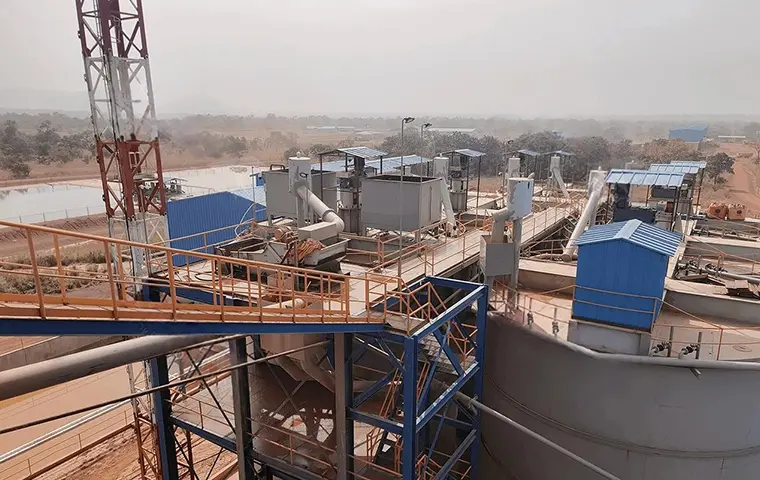
Raw Ore: Sulfide Copper Ore (with minor pyrite content) Copper Grade: 1.2% Concentrate Grade 25% Cu
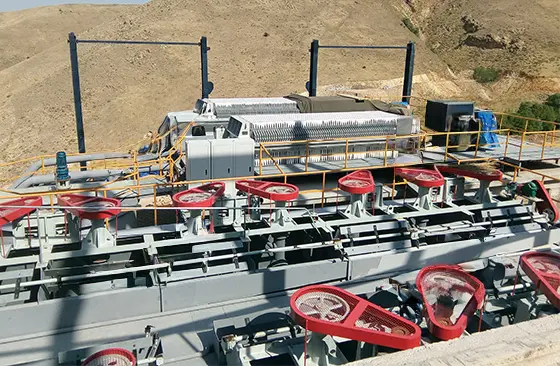
Raw Ore: Siliceous-Phosphate with Magnetite Inclusions Feed Composition: P₂O₅: 19-23%;Fe₂O₃: 8-12%;SiO₂: 25-35%;CaO: 32-38%
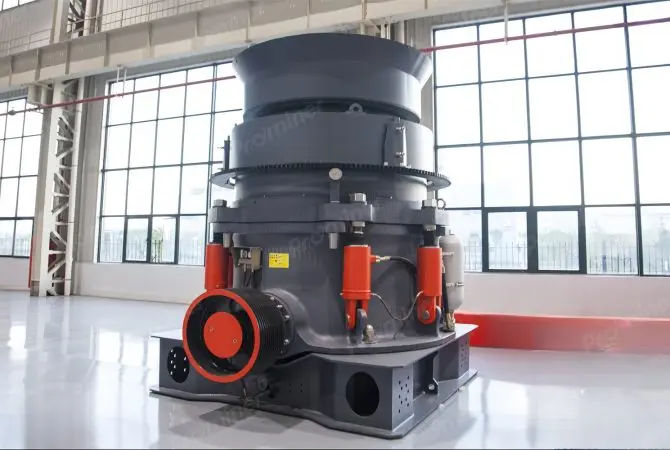
Multi-cylinder hydraulic cone crusher combines crusher speed, eccentricity and cavity profile
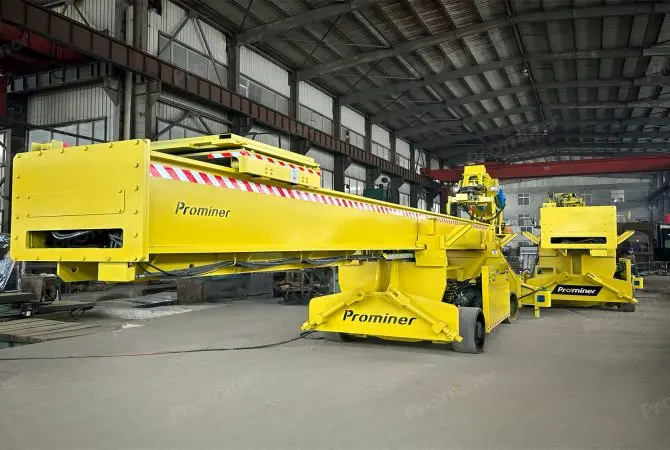
We can design and manufacture the mill relining machine (or called mill relining manipulator)
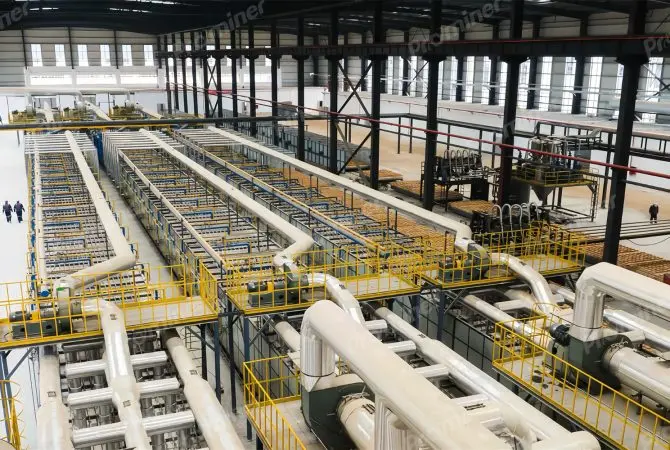
Prominer provides various types of furnaces for primary and secondary baking of carbon
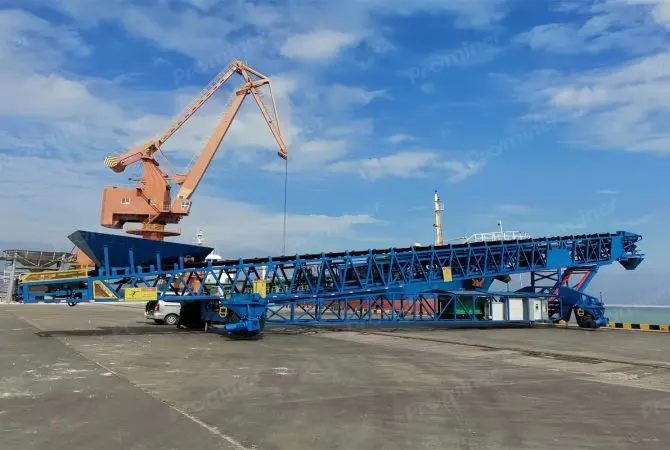
Our engineer team can design and manufacture the mobile type radial stacker, loader
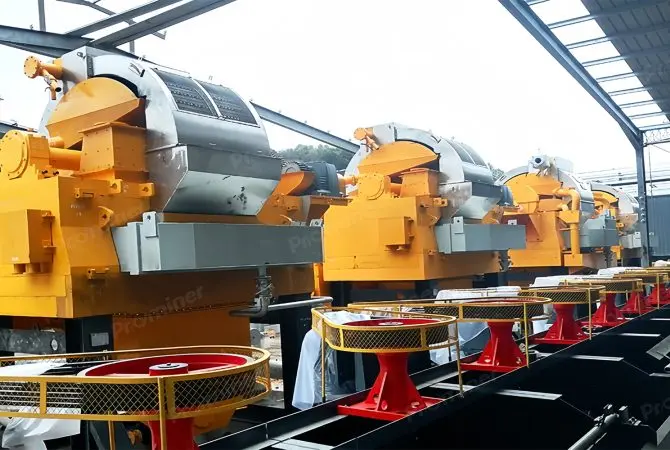
Prominer can provide different HIMS (High Intensity Magnetic separator) magnetic separators
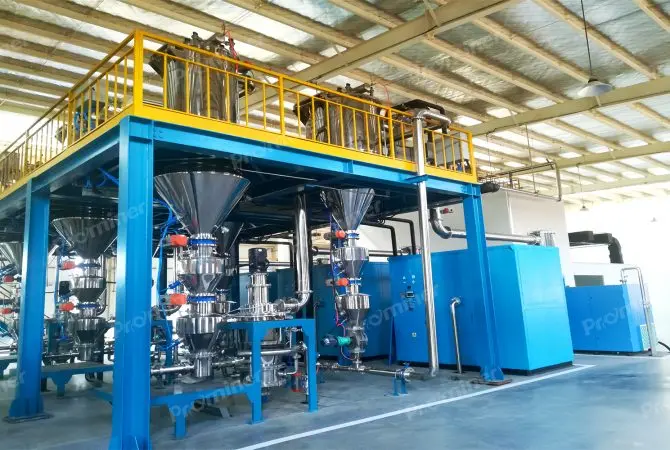
Jet mill is also called fluidized bed jet mill by using multiple nozzles to form sonic speed air flow
To find out more about our products and solutions, please fll out the form below and one of our experts will get back to you shortly
3000 TPD Gold Flotation Project in Shandong Province
2500TPD Lithium Ore Flotation in Sichuan
Fax: (+86) 021-58779592
Address: Room 606, Building D3, Phase II, Chuansha Business Center, 777 Long, Miaochuan Road, Pudong New Area, Shanghai,China
Copyright © 2023. Prominer (Shanghai) Mining Technology Co.,Ltd.


