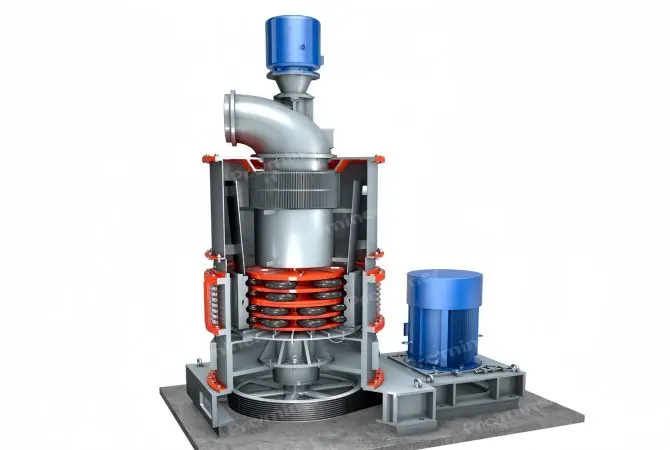
Artificial graphite anode material are mainly made from high quality low sulphur content petroleum coke




Grinding efficiency is one of the most important factors in milling operations because it directly affects energy consumption, product size, throughput, and operating cost. In any grinding system, mill parameters determine how effectively energy is transferred to the material being processed. When these parameters are poorly set, the mill may consume more power while producing a lower-quality product. When optimized, the same system can deliver better fineness, improved capacity, and more stable performance.
Understanding how mill parameters affect grinding efficiency helps operators improve productivity and reduce wear on equipment. The most influential variables typically include mill speed, media size and load, feed size, slurry density or moisture content, liner design, residence time, and mill dimensions. Each of these interacts with the others, so efficiency is usually the result of balancing multiple settings rather than changing a single variable.
Mill speed has a major impact on the motion of grinding media and, therefore, on the grinding mechanism inside the mill. At lower speeds, the media tend to roll or cascade, producing more attrition-based grinding. At higher speeds, the media are lifted and then fall, creating stronger impact forces. Both mechanisms are useful, but their effectiveness depends on the material and the desired product size.
If the mill runs too slowly, the media may not generate enough force to break particles efficiently. If it runs too fast, the media can be pinned to the mill wall by centrifugal force, reducing effective grinding action. For this reason, mills are often operated at a percentage of their critical speed, where the balance between cascading and cataracting motion is most favorable.
Selecting the right speed improves particle breakage, lowers wasted energy, and helps maintain a consistent product size distribution.
The characteristics of the grinding media strongly influence grinding efficiency. Larger media deliver greater impact energy and are more effective for breaking coarse feed particles. Smaller media create more contact points and are generally better for fine grinding and achieving a narrower particle size distribution.
Media shape also matters. Spherical balls are commonly used because they provide predictable motion and wear patterns, while other shapes may be chosen for specific milling conditions. In addition, the total media load inside the mill affects how much grinding action occurs. Too little media reduces collision frequency, while too much media can limit movement and reduce space for the material to be ground.
An optimized media charge balances impact and attrition, supports efficient breakage, and minimizes unnecessary wear.
Feed characteristics are another key factor in mill performance. Coarser feed requires more energy to break down, which can reduce overall grinding efficiency if the mill is not designed for that particle size. A feed that is too coarse can also overload the mill and lead to uneven grinding.
Feed rate is equally important. If material enters the mill too quickly, residence time may become too short for adequate size reduction. If the feed rate is too low, the mill may operate below capacity and waste energy. Stable, controlled feeding is essential for efficient operation.
Pre-crushing or classification before grinding is often used to improve efficiency by ensuring that the mill receives material within an appropriate size range.
In wet grinding, slurry or pulp density significantly affects grinding behavior. If the slurry is too thick, movement inside the mill becomes restricted, reducing media action and transport efficiency. If it is too dilute, impact forces may be dampened and the mill may lose grinding intensity.
In dry grinding, moisture content plays a similar role. Excess moisture can cause particles to agglomerate, coat the media and liners, and reduce effective grinding. Proper material flow depends on maintaining a suitable balance so that particles move through the mill without packing or sticking.
Controlling density or moisture improves transport, reduces energy loss, and supports more uniform grinding.
Mill liners do more than protect the shell from wear. Their design influences the trajectory of grinding media, lifting action, and the overall motion inside the mill. Liners with the wrong profile may fail to raise the media to the desired height, limiting impact energy. On the other hand, well-designed liners improve media movement and promote effective breakage.
Internal geometry, including lifter bars and chamber design, also affects how material and media interact. As liners wear, their ability to lift the media declines, which can gradually reduce grinding efficiency over time.
Routine liner inspection and timely replacement are important for maintaining consistent mill performance.
Residence time refers to how long material remains inside the mill. This parameter must be carefully controlled because it directly influences the final particle size. If residence time is too short, particles may leave the mill before reaching the desired fineness. If it is too long, the material may be overground, wasting energy and producing unwanted ultra-fine particles.
The right residence time depends on feed size, mill speed, media characteristics, and the target product specification. Efficient grinding means supplying just enough energy and time to achieve the required size reduction without unnecessary overprocessing.
Classification systems, such as screens or separators, are often used with mills to return oversized material and improve overall circuit efficiency.
The physical design of the mill also affects grinding efficiency. Mill diameter influences media motion and impact energy, while mill length affects residence time and the extent of grinding. A larger diameter can increase energy transfer, while a longer mill may provide more opportunity for size reduction.
Different mill configurations are suited to different applications. For example, ball mills, rod mills, and stirred mills each rely on distinct grinding mechanisms. Choosing the right type and size of mill for the material and production target is essential for efficient operation.
Even a well-operated mill will perform poorly if its design does not match the grinding duty.
One of the most important points in grinding optimization is that mill parameters do not operate independently. Changing one variable often affects several others. Increasing mill speed may require adjustments to media size, feed rate, or liner design. Changing slurry density can alter residence time and breakage behavior. Because of these interactions, efficiency is best improved through a system-wide approach.
Careful monitoring, testing, and process control allow operators to identify the combination of parameters that delivers the best performance under actual operating conditions.
Mill parameters affect grinding efficiency by controlling how energy is applied, how particles move, and how long material remains in the grinding zone. Speed, media characteristics, feed conditions, slurry density or moisture, liner design, residence time, and mill geometry all play essential roles in determining performance.
Optimizing these variables can increase throughput, improve product quality, lower energy use, and reduce equipment wear. Since the parameters are closely connected, the most effective strategy is to evaluate the entire milling system and adjust it based on the material, operating goals, and process data.
A: A handful of variables drive most of the variation in recovery and grade: grind size (liberation), pulp density, reagent type and dosage, residence time, pH, and — for magnetic separation — field intensity and feed rate. Changing one without adjusting the others usually backfires. The practical way to find your optimum is a structured test program: vary one parameter at a time on your actual ore and measure recovery and grade at each point. We run this kind of parameter study during lab and pilot testing, then carry the settings into the plant design and re-tune them during commissioning.
A: Three properties matter most: whether the valuable mineral is sulfide or oxide, how coarsely or finely it is disseminated in the gangue, and what gangue minerals accompany it. Coarse, high-density minerals respond well to gravity separation; magnetic minerals to magnetic separation; fine sulfide minerals to flotation; oxide or low-grade ores often to leaching. Many ores need a staged combination. Because two deposits carrying the same metal can behave completely differently, the flowsheet has to be built from your ore’s own test data — not copied from a similar project.
A: A single method rarely hits both target recovery and target grade when the ore contains multiple valuable minerals, spans a wide particle size range, or carries problematic gangue. Then a combined flowsheet is justified — for example, gravity pre-concentration to reject coarse waste early, magnetic separation ahead of flotation to remove magnetic minerals, or staged grinding and classification to liberate progressively. The added circuit costs more, but it usually pays back through higher overall recovery and lower reagent and energy consumption per tonne.
A: Refractory ores resist standard processing — gold locked inside sulfide minerals, ores that consume excessive reagents, carbonaceous ores that re-adsorb dissolved gold, fine or clay-rich ores that slime badly, or oxide ores that float poorly. Treatment usually adds a step ahead of or instead of the conventional circuit: finer grinding, oxidation pre-treatment, roasting, or a switch from flotation to leaching. Identifying the specific cause through diagnostic testwork is essential, because each cause has a different fix and the wrong one wastes capital.
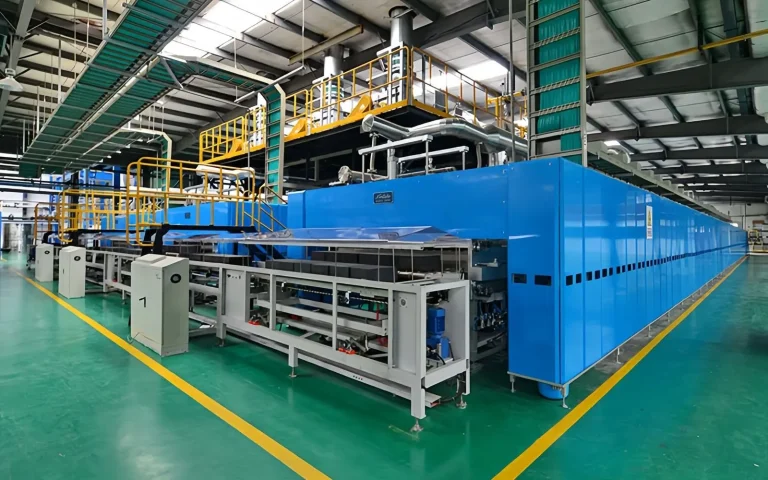
Artificial graphite anode material are mainly made from high quality low sulphur content petroleum coke
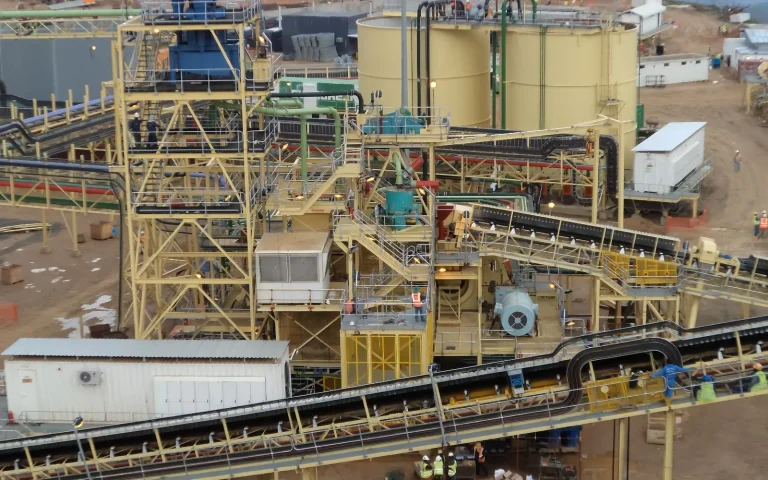
Flotation is the most popular processing way in gold ore processing project. Because the flotation process
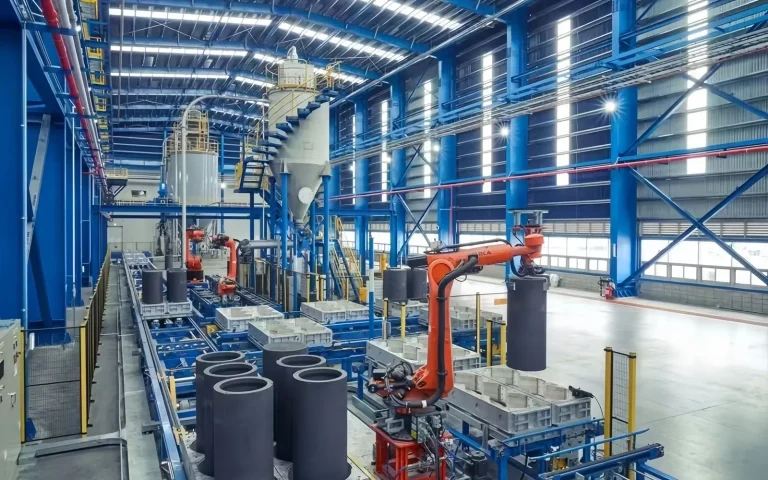
Provide the complete solution for making graphite anode materials include grinding, shaping, purification…

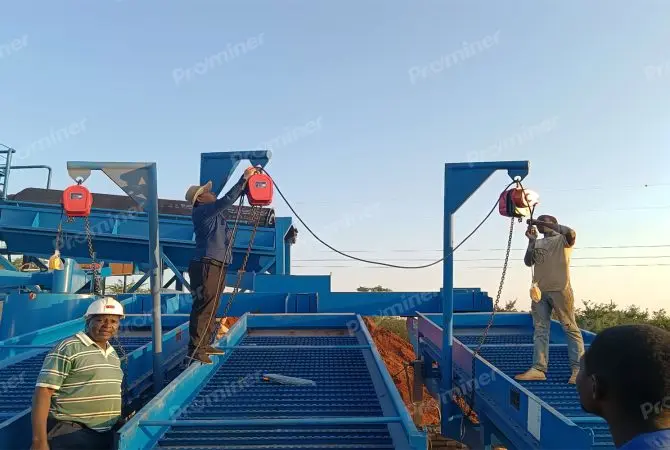
Raw Ore: Alluvial gold ore from river bed Gold Grade: 0.8 g/t
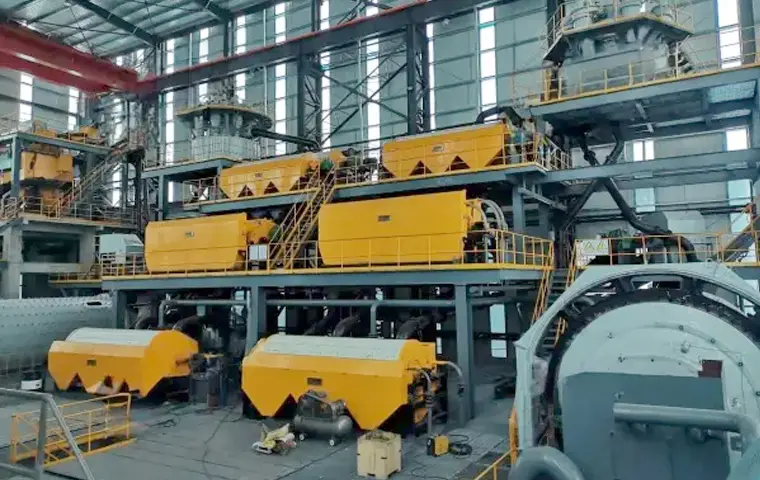
Raw Ore: Magnetite Iron Ore with Hematite Banding Fe Grade: 28-32% Final Product: High-Grade Iron Concentrate
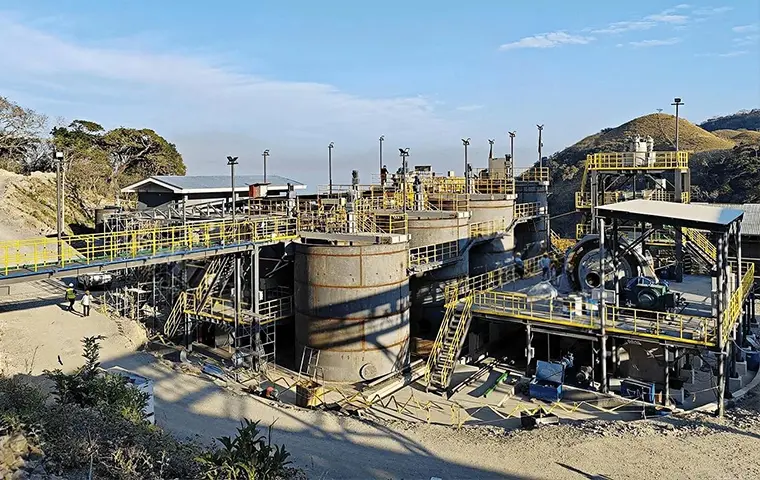
Raw Ore: Sulfide Type Copper Ore (Low-grade, heterogeneous) Feed Copper Grade: 0.45% Concentrate Copper Grade: 25%
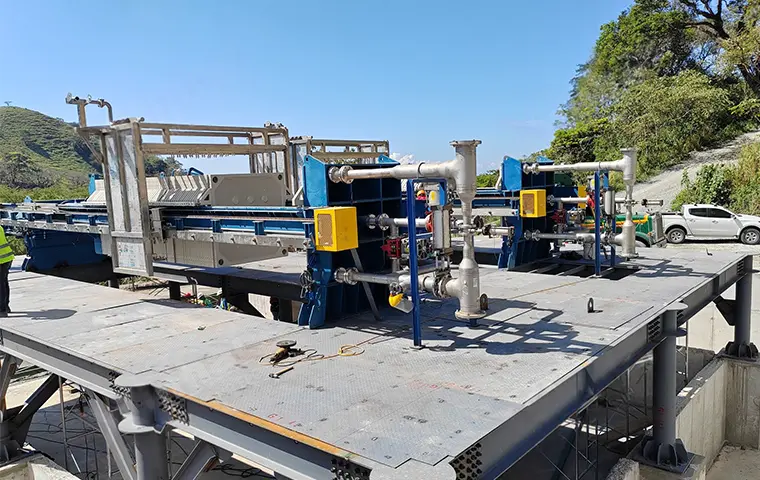
Raw Ore: Oxide and Transition Gold Ore Gold Grade: 3.5 g/t Gold Recovery Rate: 93%
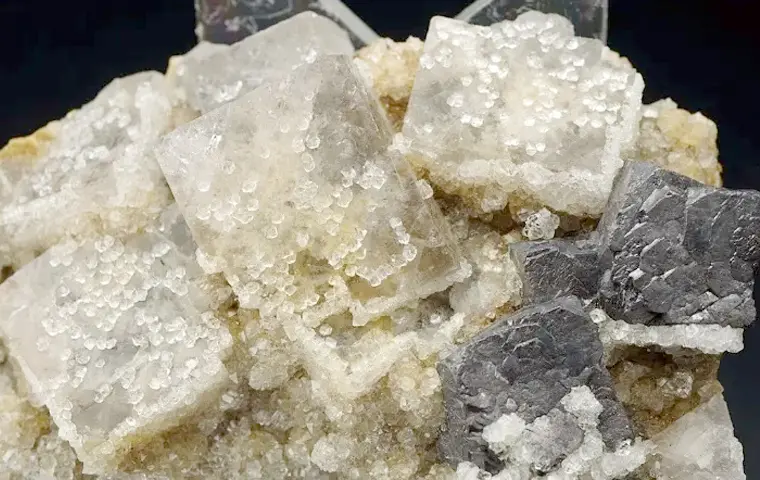
Raw Material: Polymetallic Ore Containing Galena (PbS) and Fluorite (CaF₂) Lead Grade: 3.5% Fluorite Grade: 35%
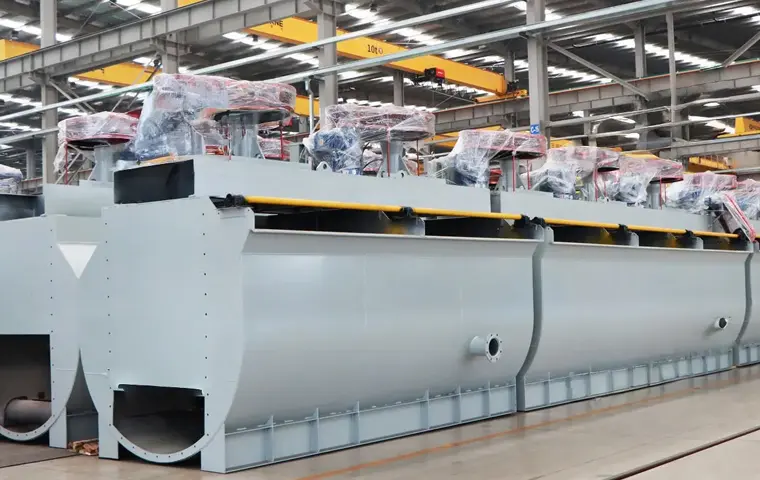
Raw Ore: Sulfide Type Gold Ore with Pyrite Gold Grade: 3.8 g/t Concentrate Grade: 42 g/t Au
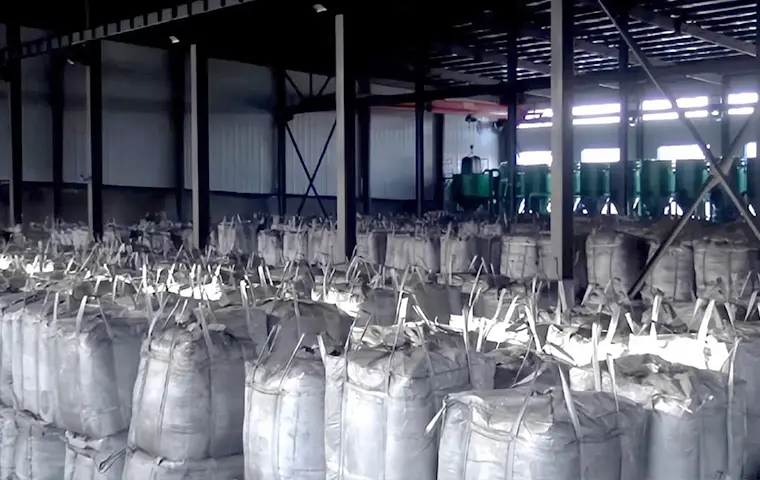
Raw Material: Graphite Flotation Concentrate (95% C) Project Capacity: 10,000 tons per annum
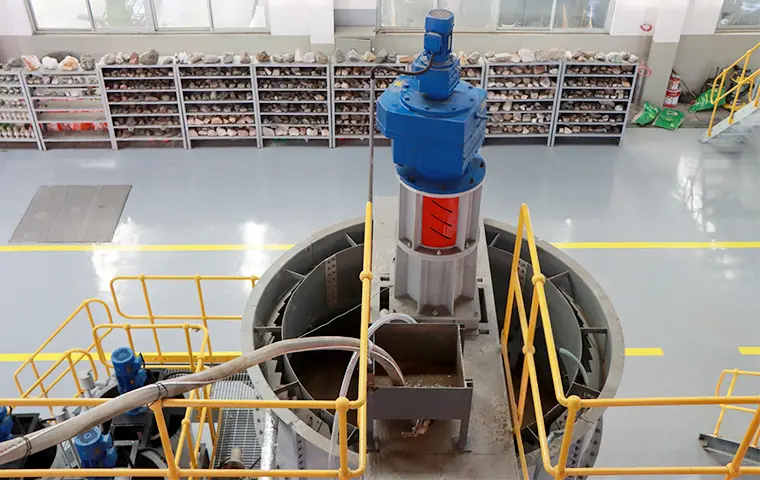
Raw Ore: High-Silica Phosphate Ore P2O5 Grade: 22% SiO2 Content: 35%
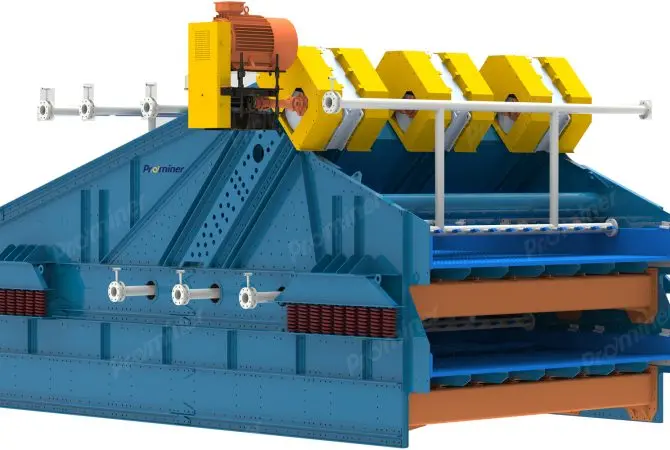
Prominer can provide all kinds of linear screen for mineral grading, material sizing, dewatering
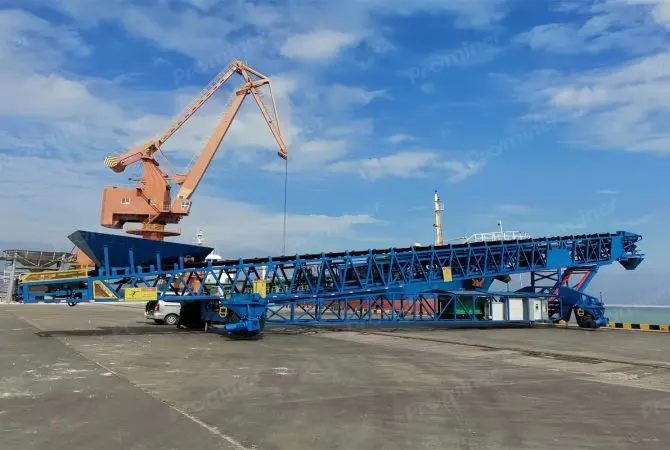
Our engineer team can design and manufacture the mobile type radial stacker, loader
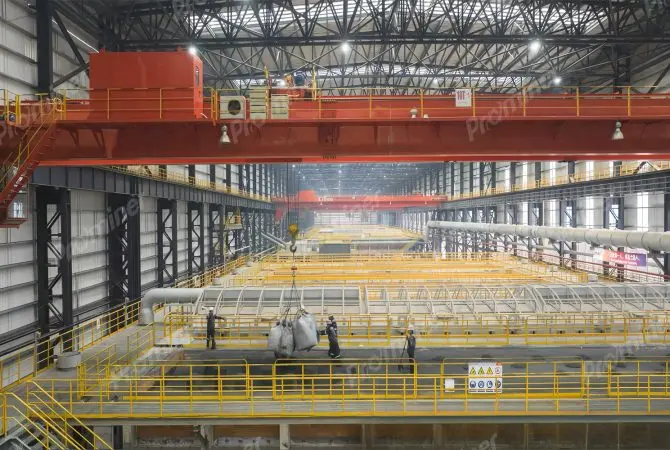
We can provide different type graphitization furnace for changing carbon material
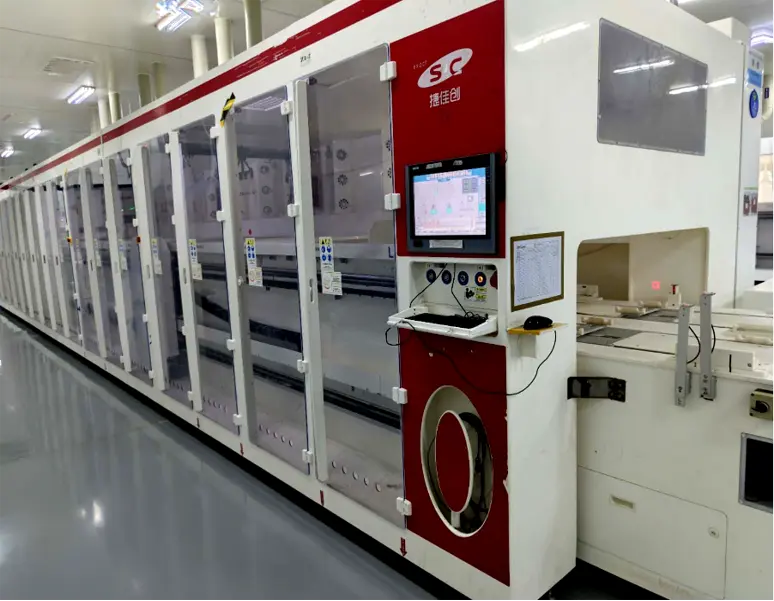
Such as: Boron diffusion furnace, BSG removal, Alkali polishing machine, PE-POLY…
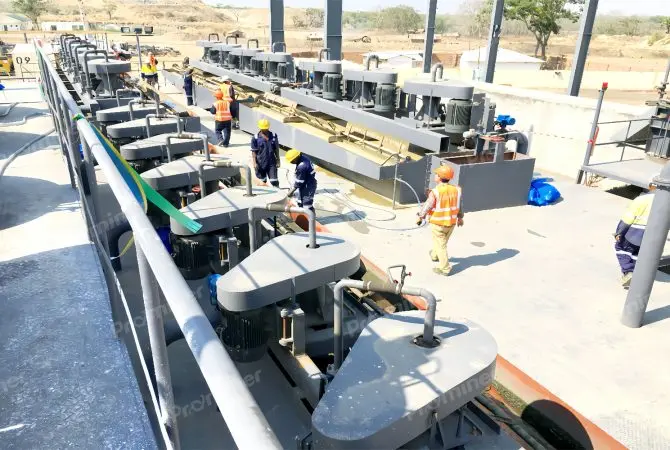
Prominer can provide SF series self-priming flotation machine and XCF/KYF series pneumatic flotation cell
To find out more about our products and solutions, please fll out the form below and one of our experts will get back to you shortly
3000 TPD Gold Flotation Project in Shandong Province
2500TPD Lithium Ore Flotation in Sichuan
Fax: (+86) 021-58779592
Address: Room 606, Building D3, Phase II, Chuansha Business Center, 777 Long, Miaochuan Road, Pudong New Area, Shanghai,China
Copyright © 2023. Prominer (Shanghai) Mining Technology Co.,Ltd.