

Hard carbon anode material is the most preferred materials for commercialization of sodium-ion battery




Ore dressing tests play a crucial role in improving fluorite ore utilization by identifying the best processing methods, reducing waste, and increasing recovery rates. Because fluorite deposits often vary in grade, mineral composition, and impurity content, testing helps determine the most efficient way to separate valuable fluorite from gangue minerals.
The first step in ore dressing testing is analyzing the fluorite ore’s composition, structure, and associated minerals. This helps reveal important factors such as:
With this information, engineers can understand how the ore behaves during crushing, grinding, and separation, which is essential for selecting the right beneficiation process.
Different fluorite ores require different treatment methods. Ore dressing tests help determine whether the ore is better suited for:
By testing different workflows, producers can choose the process that delivers the highest fluorite recovery and concentrate quality. This avoids trial-and-error in full-scale production and reduces unnecessary processing costs.
Ore dressing tests help optimize operating conditions such as reagent dosage, grinding fineness, pulp pH, and flotation time. These parameters directly affect how much fluorite can be recovered and how pure the final concentrate will be.
A well-designed test can:
This means more usable fluorite is extracted from the same ore body.
When ore dressing tests identify the most efficient separation route, less material is wasted during processing. This improves overall resource utilization and reduces the volume of tailings produced.
As a result, companies benefit from:
Better testing leads to more economical and sustainable fluorite production.
No two fluorite deposits are exactly alike. Ore dressing tests allow processing systems to be customized for specific ore types, whether the deposit is high-grade, low-grade, fine-grained, or highly intergrown.
This tailored approach ensures that each ore body is processed in the most effective way, extending the life of the mine and maximizing the value of the resource.
Ore dressing tests improve fluorite ore utilization by revealing ore characteristics, selecting the right beneficiation process, optimizing recovery conditions, and reducing waste. In short, they turn uncertain raw ore into a more efficient, profitable, and sustainable resource.
A: The right process depends on your ore’s mineralogy, grade, particle size, and liberation characteristics — not on guesswork. The reliable way is to run laboratory and pilot tests first. These tests define whether flotation, gravity separation, magnetic separation, or leaching (or a combination) will deliver the best recovery and grade. We start every project with ore characterization and bench-scale tests, then scale up to pilot validation before committing to plant design — a testing-first approach that avoids costly process mistakes later.
A: Reagent selection depends on the mineral’s surface chemistry and the ore’s gangue composition. Collectors, frothers, depressants, and modifiers are chosen — and their dosages fine-tuned — through laboratory flotation tests on your actual ore sample, not from generic recipes. Over- or under-dosing both hurt recovery. Our metallurgical lab tests reagents on your ore to lock in the right combination and dosage before plant-scale operation, then re-optimizes during commissioning.
A: Heap leaching suits low-grade, high-tonnage ores — crushed ore is stacked and irrigated with a leaching solution, giving low capital and operating cost but slower, weather-dependent recovery. CIL (carbon-in-leach) and CIP (carbon-in-pulp) both use cyanide solution and activated carbon, but differ in where adsorption happens: CIL adds carbon during leaching, which suits clayey or high-fines ores; CIP adds carbon after leaching, which suits clean, free-filtering pulps. The choice comes down to ore type, grade, and throughput — we evaluate all three against your ore to recommend the most economical route.
A: Start by diagnosing where the loss occurs — usually in grinding, classification, or the separation stage itself. Common levers include: optimizing grind size for better liberation, upgrading to more efficient separation equipment (flotation cells, magnetic separators, spirals), automating control for steadier operation, and re-running metallurgical tests when the ore type changes. A structured audit plus targeted equipment or process upgrades typically recovers 2–5% more metal. We provide exactly this — process audits, equipment upgrades, and full EPC retrofits — to lift both recovery and grade.
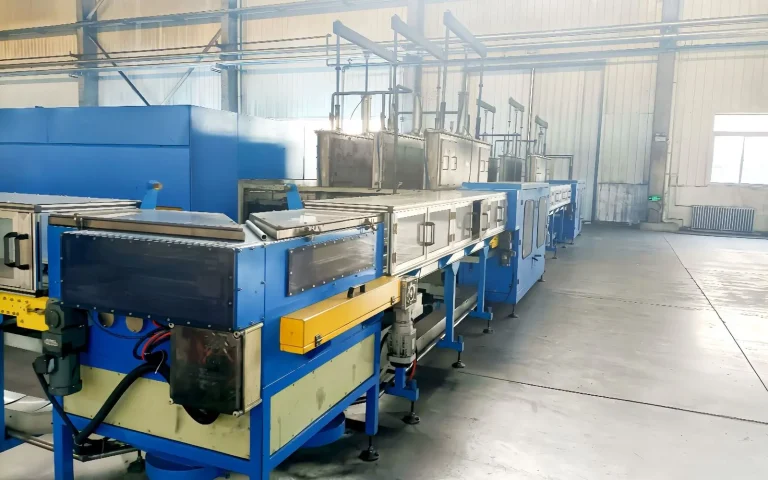
Hard carbon anode material is the most preferred materials for commercialization of sodium-ion battery
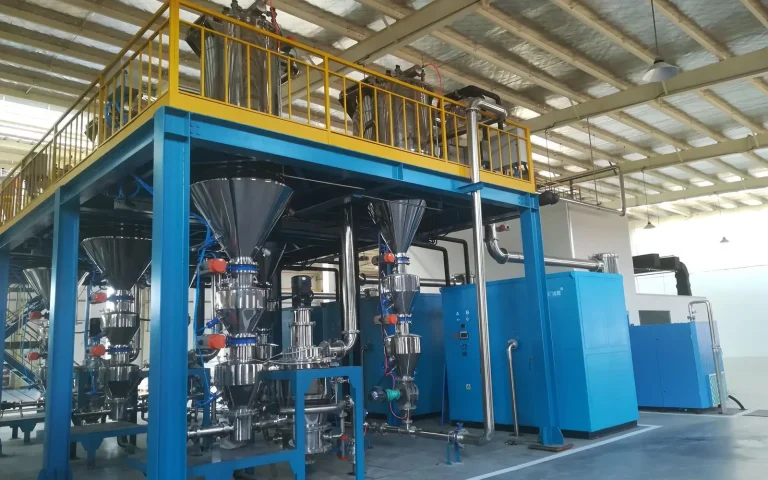
Silicon based anode is one kind of composite anode material by compounding silicon
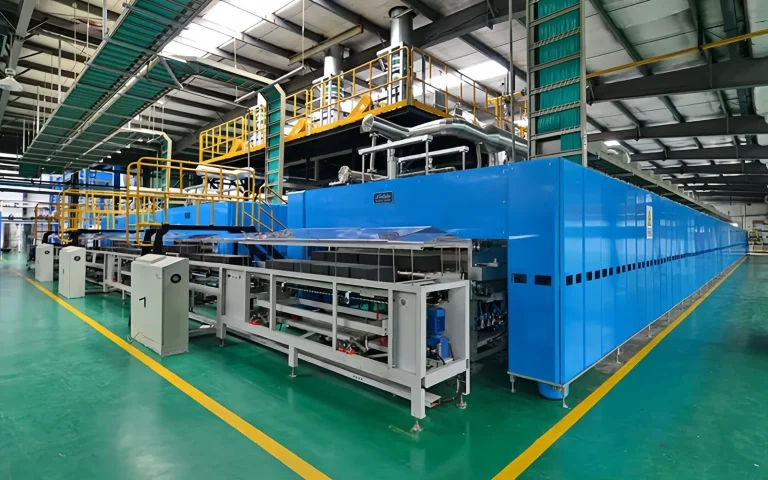
Artificial graphite anode material are mainly made from high quality low sulphur content petroleum coke

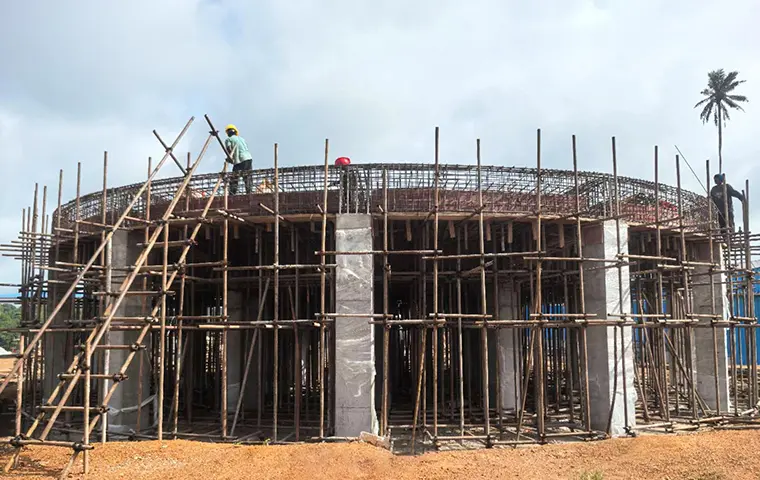
Raw Ore: Alluvial Tin Ore (Cassiterite) Tin Grade: 0.8% Concentrate Grade: 65%
Feed Material: Historically Stockpiled Gold Tailings Tailings Gold Grade: 1.5 g/t Target Gold Recovery Rate: 88%
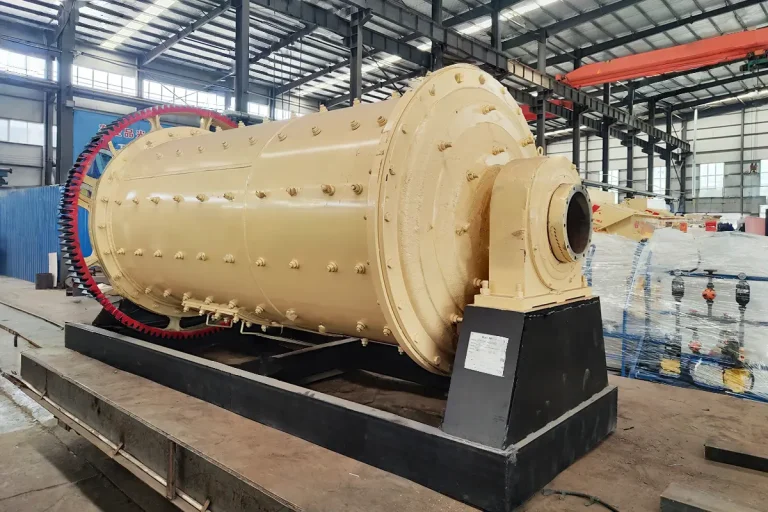
Raw Ore: Copper Ore (Chalcopyrite) Copper Grade: 0.85% Final Products: Grinded ore slurry for flotation
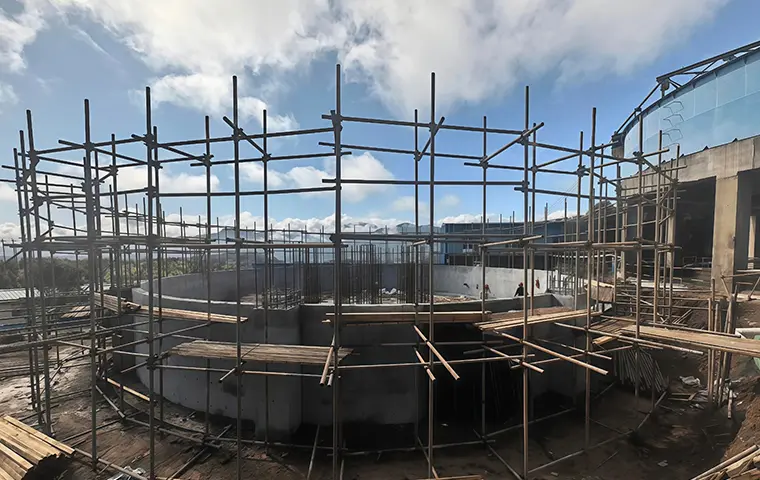
Raw Ore: Sulfide Type Gold Ore Gold Grade: 3.5 g/t Gold Recovery Rate: 92%
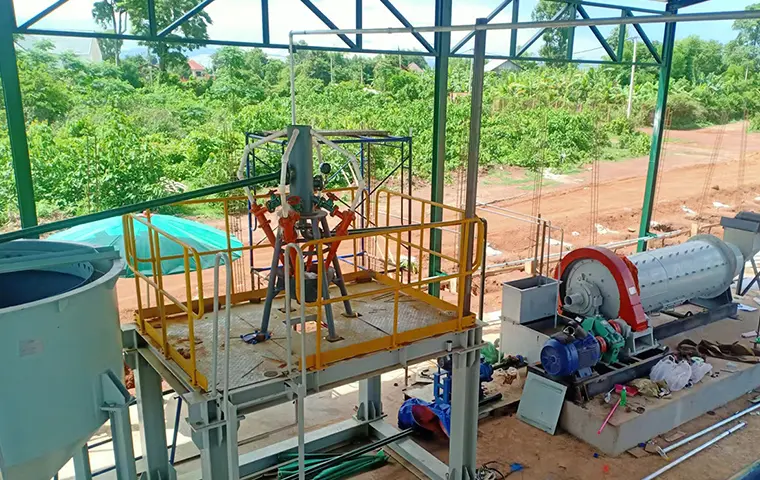
Features: Compact layout, full process coverage, low investment cost, and fast deployment. Designed for Startups & Small Mines — Your flexible and efficient gold solution!
Raw Ore: Silver-Polymetallic Sulfide Ore (containing Ag, Pb, Zn) Silver Grade: 180 g/t Lead Grade: 4.2% Zinc Grade: 5.8%
Raw Ore: Alluvial gold ore / Vein gold ore after crushing Gold Grade: 1.5 – 2.5 g/t Gold Ingot Purity: ≥ 90%
Raw Ore: Nickel-Cobalt Laterite Ore (Limonite & Saprolite Layers) Average Feed Grade: Ni: 1.2%, Co: 0.15%
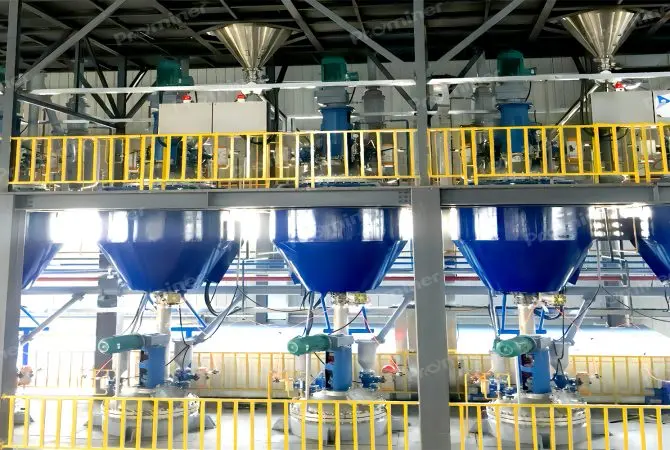
Our granulation reactor combines the coating and granulation processing functions together
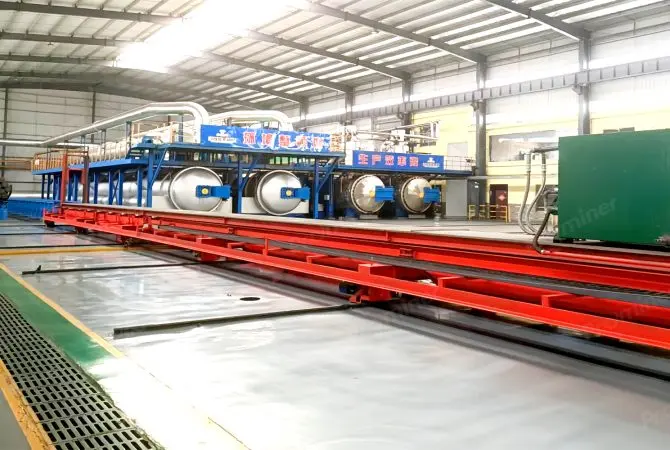
We can provide hot-in and cold-out type high-pressure impregnation of once-baked graphite
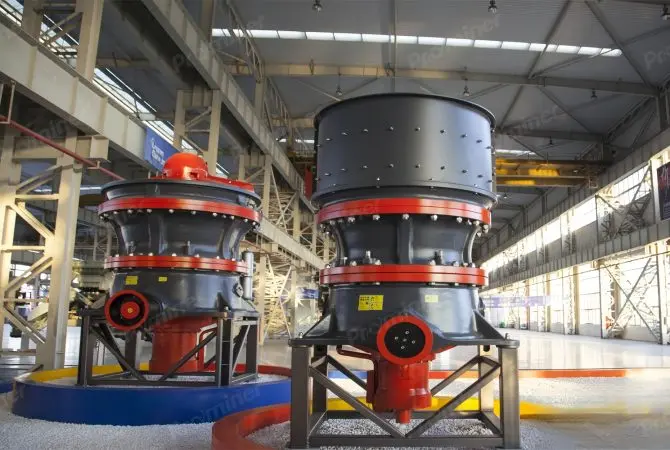
Single-cylinder hydraulic cone crusher have two series based on different cavity, S-cavity is designed
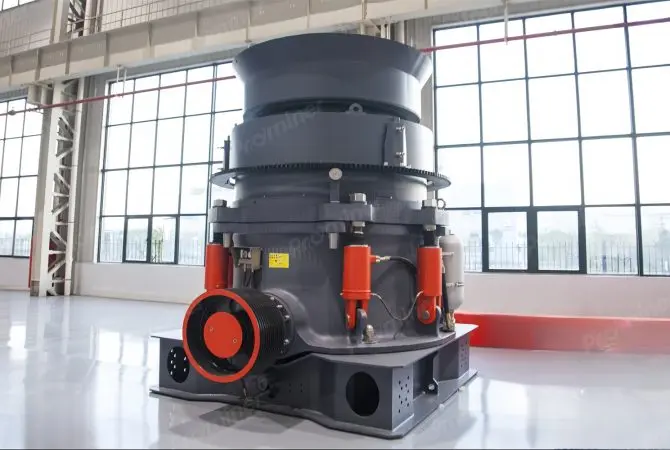
Multi-cylinder hydraulic cone crusher combines crusher speed, eccentricity and cavity profile
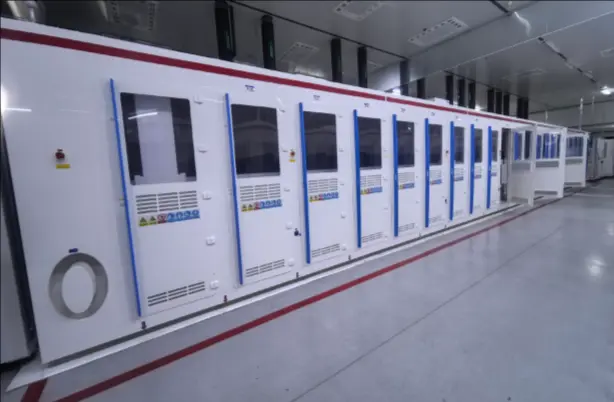
Include: Monocrystalline Batch Texturing Equipment, Batch Texturing Loader/Unloader, Low-Pressure…
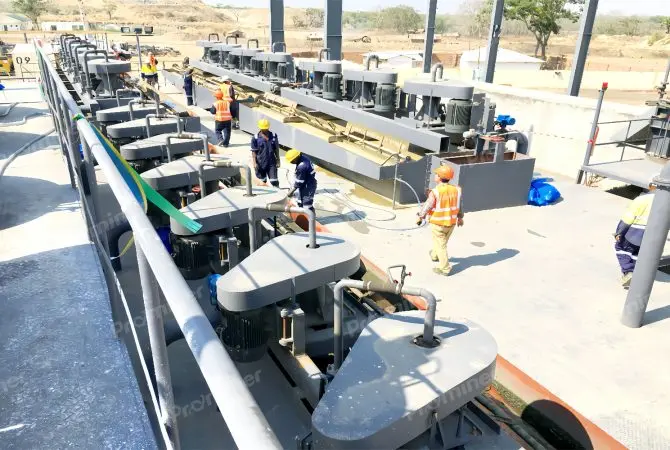
Prominer can provide SF series self-priming flotation machine and XCF/KYF series pneumatic flotation cell
To find out more about our products and solutions, please fll out the form below and one of our experts will get back to you shortly
3000 TPD Gold Flotation Project in Shandong Province
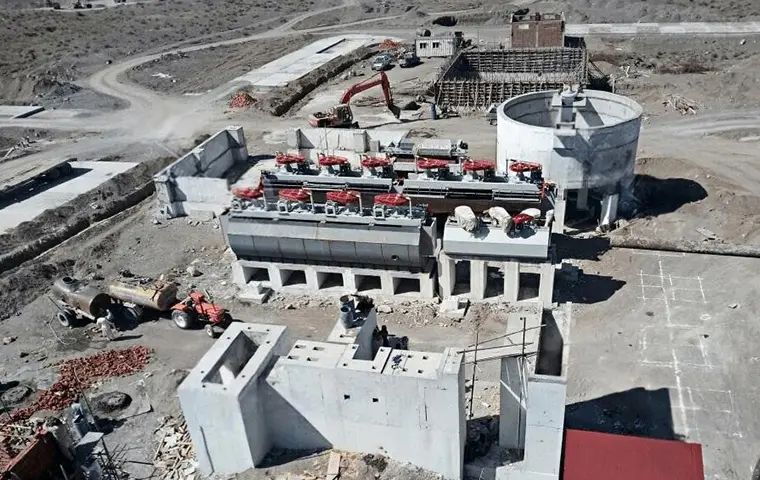
2500TPD Lithium Ore Flotation in Sichuan
Fax: (+86) 021-58779592
Address: Room 606, Building D3, Phase II, Chuansha Business Center, 777 Long, Miaochuan Road, Pudong New Area, Shanghai,China
Copyright © 2023. Prominer (Shanghai) Mining Technology Co.,Ltd.


