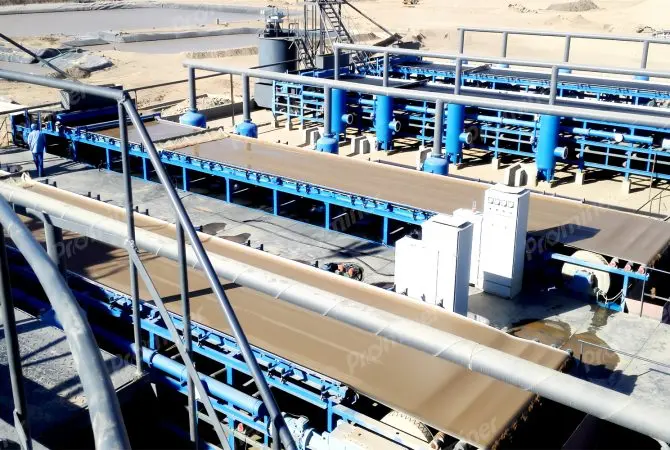
Heap leaching is a traditional cyanide leaching processing way which is flexible and economic to extract gold




In gold heap leaching, the spray system controls how evenly the leaching solution reaches the ore. If the solution is distributed uniformly, more gold-bearing material comes into contact with the cyanide solution, improving dissolution efficiency. Poor spraying can leave dry zones, reducing recovery.
Too much spray in one area can cause ponding, channeling, or compaction of the heap. This reduces permeability and prevents the solution from moving through the ore properly. A well-controlled spraying method helps maintain heap structure and keeps solution flowing through the full pile.
Fine mist sprays may cover the surface well but can be lost to wind or evaporation. Larger droplets penetrate better but may create local saturation. The best spraying method balances coverage and penetration so the solution can percolate through the heap effectively.
A poor spray pattern can cause the solution to follow the easiest path through the heap, leaving much of the ore untreated. Using overlapping spray patterns or drip systems can reduce channeling and improve gold recovery by ensuring more uniform leaching.
Different ores respond differently to spraying methods. Fine ores may require gentler application to avoid clogging, while coarse ores may tolerate higher flow rates. Matching spray rate to heap permeability is essential for maximizing recovery.
Stable, continuous spraying helps maintain ideal cyanide concentration and moisture levels throughout the heap. Interruptions or uneven application can slow gold dissolution and extend leach cycles, lowering overall recovery efficiency.
The choice between sprinklers, drip lines, or other irrigation systems depends on heap design, ore characteristics, and climate. A properly designed spraying method improves solution distribution, minimizes losses, and ultimately increases gold recovery.
Spraying methods have a direct impact on gold heap leaching recovery. The best system delivers solution evenly, preserves heap permeability, and matches the ore’s characteristics. When spray application is well controlled, gold recovery rates are typically higher and more consistent.
A: The right process depends on your ore’s mineralogy, grade, particle size, and liberation characteristics — not on guesswork. The reliable way is to run laboratory and pilot tests first. These tests define whether flotation, gravity separation, magnetic separation, or leaching (or a combination) will deliver the best recovery and grade. We start every project with ore characterization and bench-scale tests, then scale up to pilot validation before committing to plant design — a testing-first approach that avoids costly process mistakes later.
A: Reagent selection depends on the mineral’s surface chemistry and the ore’s gangue composition. Collectors, frothers, depressants, and modifiers are chosen — and their dosages fine-tuned — through laboratory flotation tests on your actual ore sample, not from generic recipes. Over- or under-dosing both hurt recovery. Our metallurgical lab tests reagents on your ore to lock in the right combination and dosage before plant-scale operation, then re-optimizes during commissioning.
A: Heap leaching suits low-grade, high-tonnage ores — crushed ore is stacked and irrigated with a leaching solution, giving low capital and operating cost but slower, weather-dependent recovery. CIL (carbon-in-leach) and CIP (carbon-in-pulp) both use cyanide solution and activated carbon, but differ in where adsorption happens: CIL adds carbon during leaching, which suits clayey or high-fines ores; CIP adds carbon after leaching, which suits clean, free-filtering pulps. The choice comes down to ore type, grade, and throughput — we evaluate all three against your ore to recommend the most economical route.
A: Start by diagnosing where the loss occurs — usually in grinding, classification, or the separation stage itself. Common levers include: optimizing grind size for better liberation, upgrading to more efficient separation equipment (flotation cells, magnetic separators, spirals), automating control for steadier operation, and re-running metallurgical tests when the ore type changes. A structured audit plus targeted equipment or process upgrades typically recovers 2–5% more metal. We provide exactly this — process audits, equipment upgrades, and full EPC retrofits — to lift both recovery and grade.
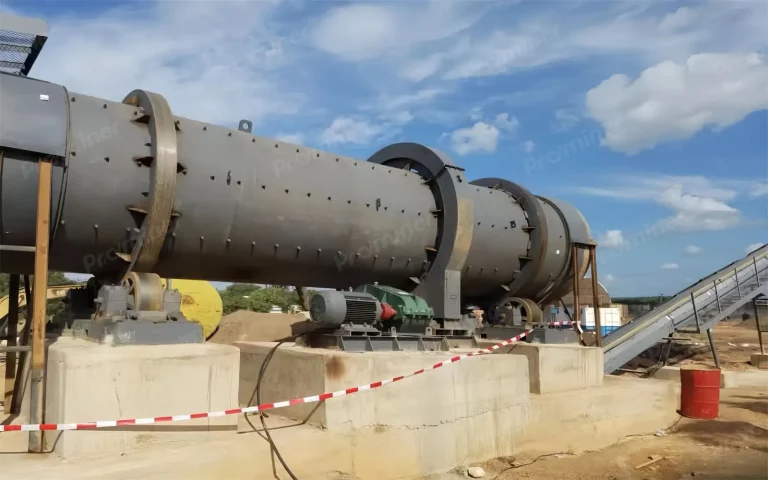
Heap leaching is a traditional cyanide leaching processing way which is flexible and economic to extract gold
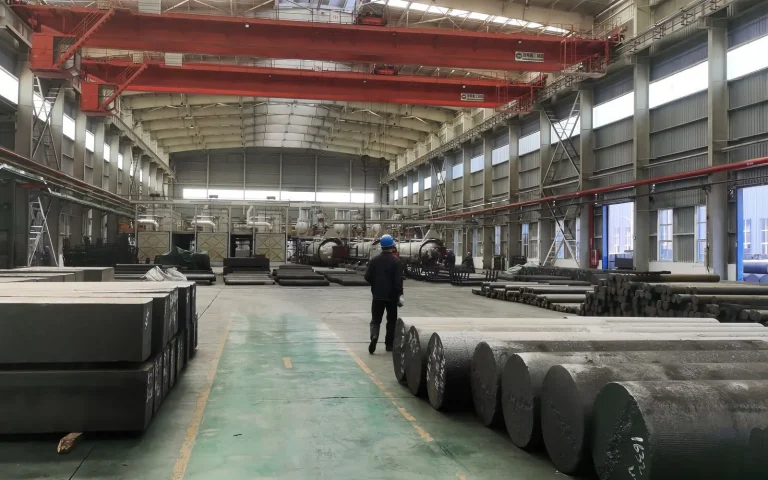
UHP graphite electrode is mainly used for ultra high power electric arc furnaces in steel smelting industry
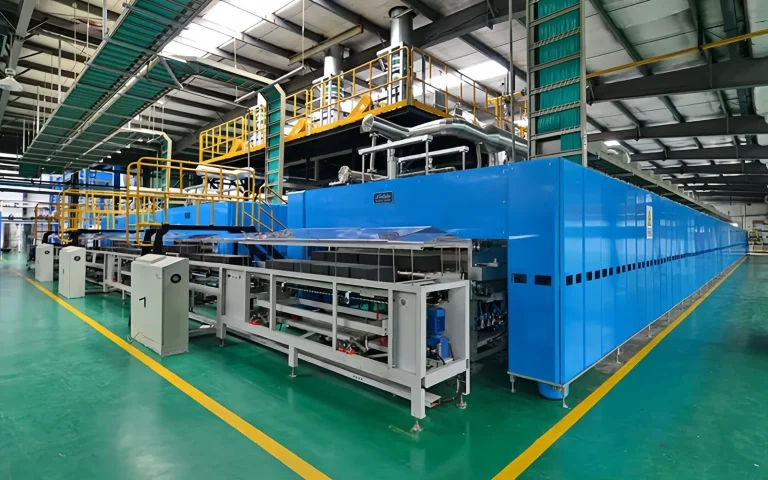
Artificial graphite anode material are mainly made from high quality low sulphur content petroleum coke

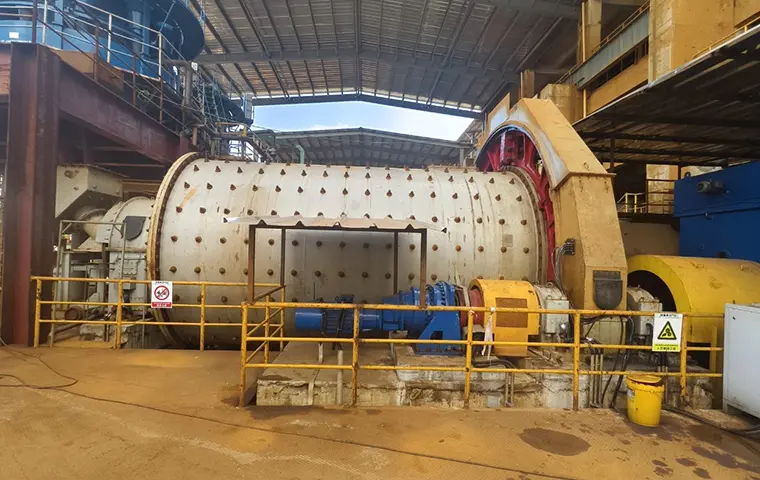
Located in Indonesia, this project focuses on the efficient regrinding of nickel ore to enhance mineral upgrading and deep processing. Prominer (Shanghai) Mining Technology Co., Ltd.
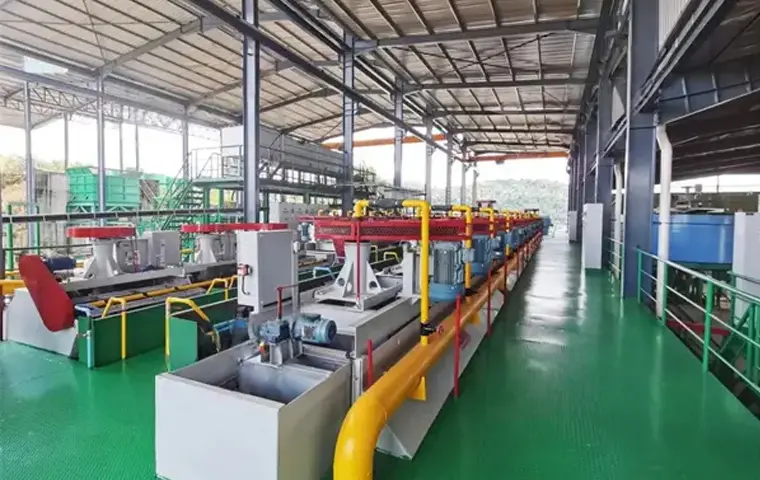
Raw Ore: Alluvial Coltan (Tantalite-Columbite) with Cassiterite Ore Grade: Ta₂O₅: 0.025-0.04%; Nb₂O₅: 0.02-0.035%; SnO₂: 0.1-0.3%
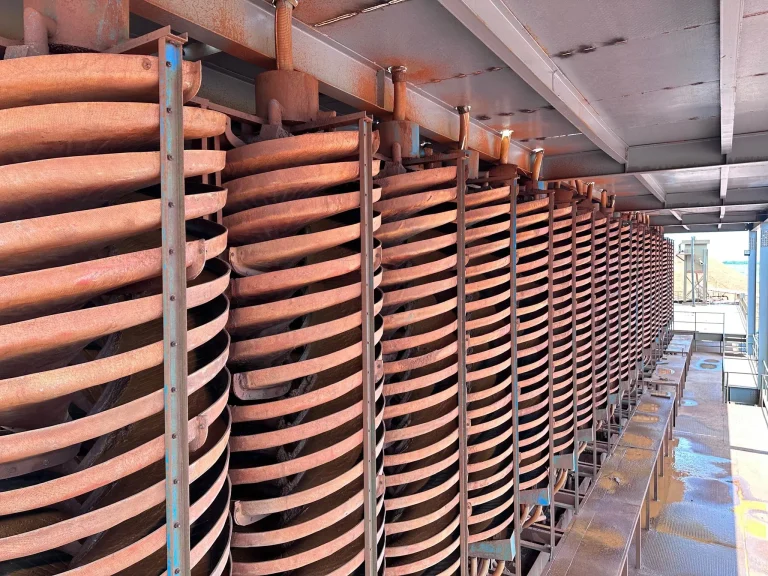
Raw Ore: Titanium Zirconium Beach Sand Ore TiO₂ Grade: 4.5% ZrO₂ Grade: 3.2%
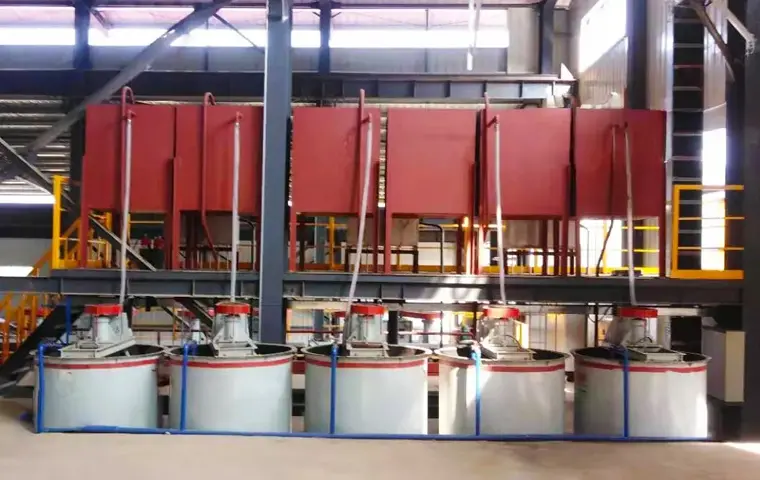
Raw Ore: Mixed Type Gold Ore (Oxide & Sulfide) Gold Grade: 2.8 g/t Gold Recovery Rate: 92% (Post-Optimization)
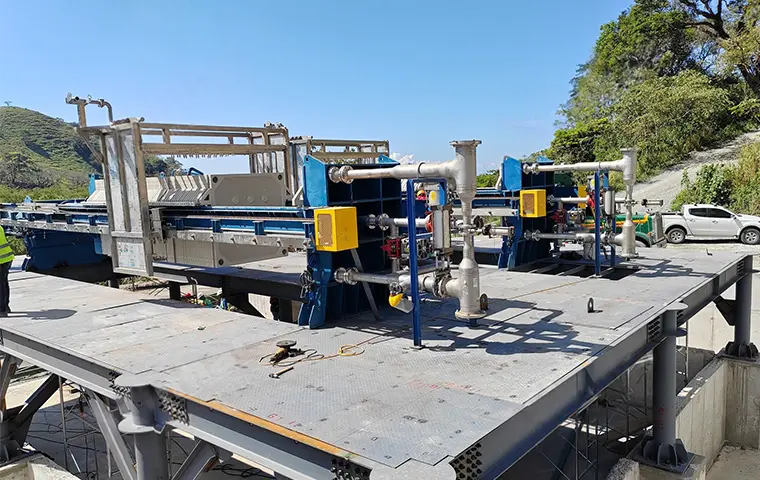
Raw Ore: Oxide and Transition Gold Ore Gold Grade: 3.5 g/t Gold Recovery Rate: 93%
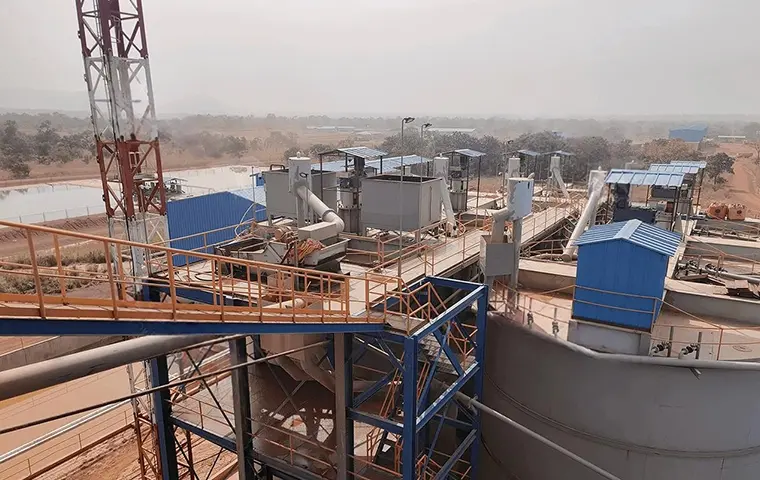
Raw Ore: Sulfide Copper Ore (with minor pyrite content) Copper Grade: 1.2% Concentrate Grade 25% Cu
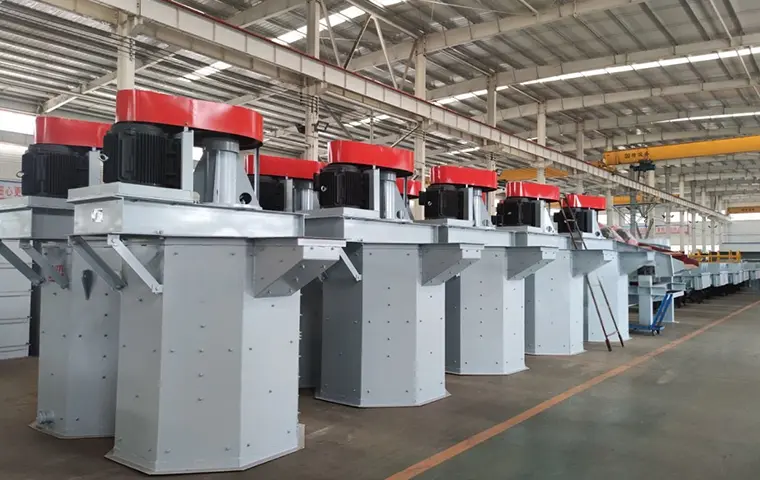
Raw Material: Quartz ore with impurities (Fe, Al, etc.) Quartz Grade: 98.5% SiO₂ Final Product: High-purity quartz sand (99.9% SiO₂)
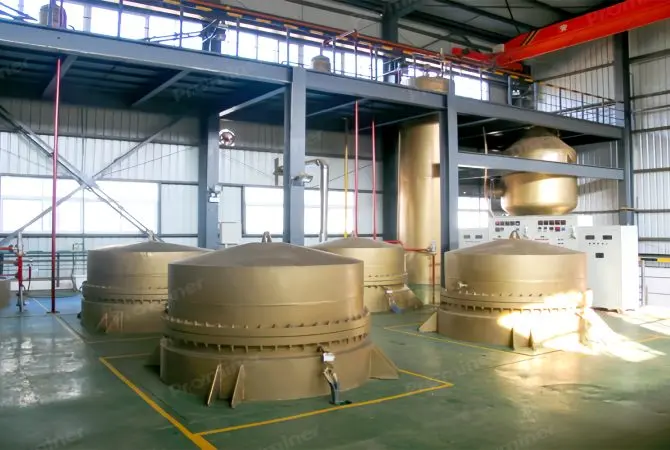
Prominer can design and provide the complete refinery and smelting system for gold CIL project
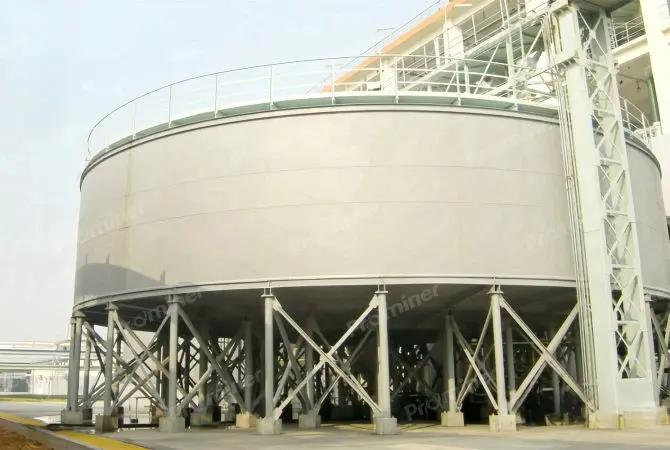
Prominer can provide different kinds of thickeners include center driving thickener, peripheral traction thickener
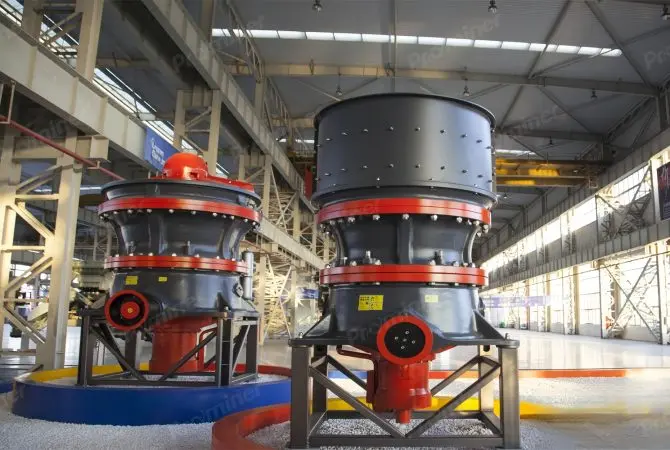
Single-cylinder hydraulic cone crusher have two series based on different cavity, S-cavity is designed
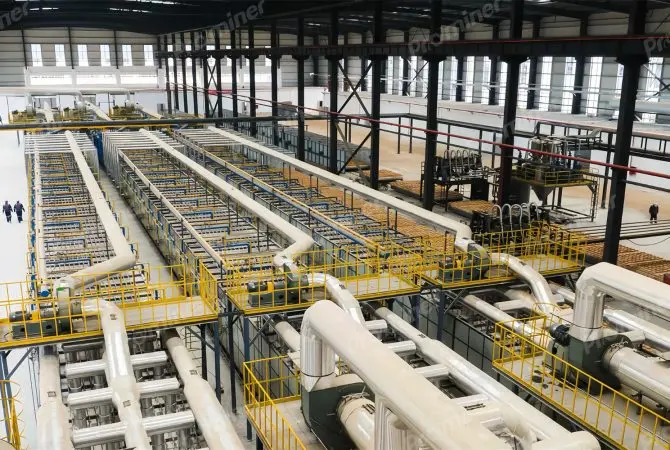
Prominer provides various types of furnaces for primary and secondary baking of carbon
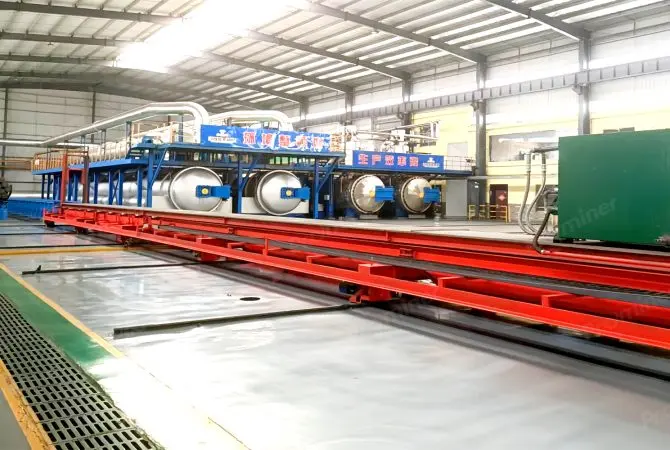
We can provide hot-in and cold-out type high-pressure impregnation of once-baked graphite
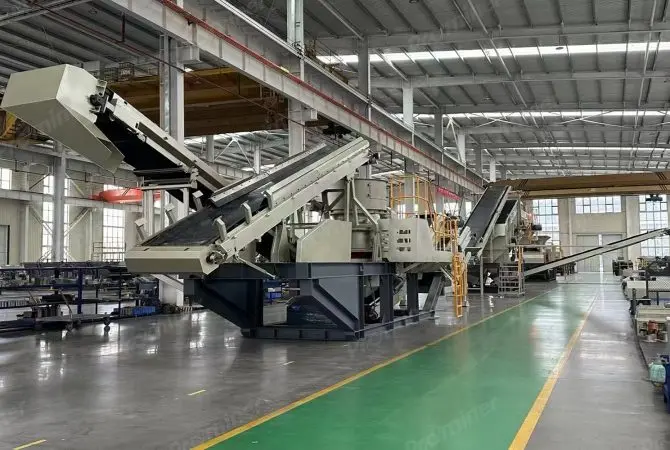
Skid mounted Portable Crusher, based on market requirements of easier moving from one site
To find out more about our products and solutions, please fll out the form below and one of our experts will get back to you shortly
3000 TPD Gold Flotation Project in Shandong Province
2500TPD Lithium Ore Flotation in Sichuan
Fax: (+86) 021-58779592
Address: Room 606, Building D3, Phase II, Chuansha Business Center, 777 Long, Miaochuan Road, Pudong New Area, Shanghai,China
Copyright © 2023. Prominer (Shanghai) Mining Technology Co.,Ltd.