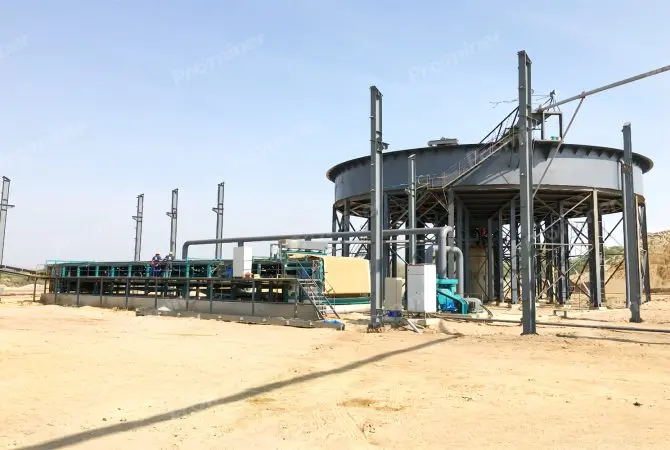
The best-known of the exogenetic ores is alluvial gold which also called placer gold. Alluvial gold refers




Cyanide is the main gold-dissolving agent in heap leaching. If the concentration is too low, gold dissolves slowly and extraction drops. If it is too high, reagent consumption rises and operating costs increase, while benefits may be limited. The best concentration is usually a controlled balance between dissolution rate and economics.
Heap leaching solutions must stay strongly alkaline, typically using lime or caustic soda. A high pH prevents cyanide losses as toxic HCN gas and helps maintain safe, efficient leaching. If pH falls, cyanide decomposes faster and gold recovery can decline sharply.
Gold dissolution needs both cyanide and oxygen. Low oxygen levels slow the leaching reaction, especially in large heaps where solution flow may be uneven. Adequate aeration or natural oxygen supply in the solution improves extraction efficiency.
Some dissolved ions and minerals consume cyanide or interfere with gold dissolution. Copper, zinc, iron sulfides, and certain organic compounds can increase reagent consumption and reduce gold recovery. The more reactive the ore, the more carefully the solution chemistry must be managed.
In some cases, additives are used to improve leaching performance or control impurities. These can help stabilize the solution chemistry, but they must be selected carefully. Poorly chosen additives may compete with gold for cyanide and reduce overall extraction.
High chloride or salt content can change how gold and other metals behave in solution. In some ores, this may help or hinder extraction depending on mineralogy. Excess salts can also affect permeability, solution flow, and downstream recovery.
Warmer solutions generally speed up gold dissolution. However, heap leaching is usually influenced more by ambient conditions than by direct heating. Extremely high temperatures may increase evaporation and reagent loss, so the effect must be managed economically.
Gold heap leaching works best when the leaching solution is chemically balanced: enough cyanide, stable high pH, sufficient oxygen, and minimal interfering impurities. Because ore types vary widely, solution composition often needs to be adjusted through testing and monitoring rather than using a fixed formula.
Leaching solution composition directly controls gold dissolution rate, reagent consumption, and final extraction. By optimizing cyanide level, pH, oxygen availability, and impurity control, operators can significantly improve heap leaching performance and gold recovery.
A: The right process depends on your ore’s mineralogy, grade, particle size, and liberation characteristics — not on guesswork. The reliable way is to run laboratory and pilot tests first. These tests define whether flotation, gravity separation, magnetic separation, or leaching (or a combination) will deliver the best recovery and grade. We start every project with ore characterization and bench-scale tests, then scale up to pilot validation before committing to plant design — a testing-first approach that avoids costly process mistakes later.
A: Reagent selection depends on the mineral’s surface chemistry and the ore’s gangue composition. Collectors, frothers, depressants, and modifiers are chosen — and their dosages fine-tuned — through laboratory flotation tests on your actual ore sample, not from generic recipes. Over- or under-dosing both hurt recovery. Our metallurgical lab tests reagents on your ore to lock in the right combination and dosage before plant-scale operation, then re-optimizes during commissioning.
A: Heap leaching suits low-grade, high-tonnage ores — crushed ore is stacked and irrigated with a leaching solution, giving low capital and operating cost but slower, weather-dependent recovery. CIL (carbon-in-leach) and CIP (carbon-in-pulp) both use cyanide solution and activated carbon, but differ in where adsorption happens: CIL adds carbon during leaching, which suits clayey or high-fines ores; CIP adds carbon after leaching, which suits clean, free-filtering pulps. The choice comes down to ore type, grade, and throughput — we evaluate all three against your ore to recommend the most economical route.
A: Start by diagnosing where the loss occurs — usually in grinding, classification, or the separation stage itself. Common levers include: optimizing grind size for better liberation, upgrading to more efficient separation equipment (flotation cells, magnetic separators, spirals), automating control for steadier operation, and re-running metallurgical tests when the ore type changes. A structured audit plus targeted equipment or process upgrades typically recovers 2–5% more metal. We provide exactly this — process audits, equipment upgrades, and full EPC retrofits — to lift both recovery and grade.
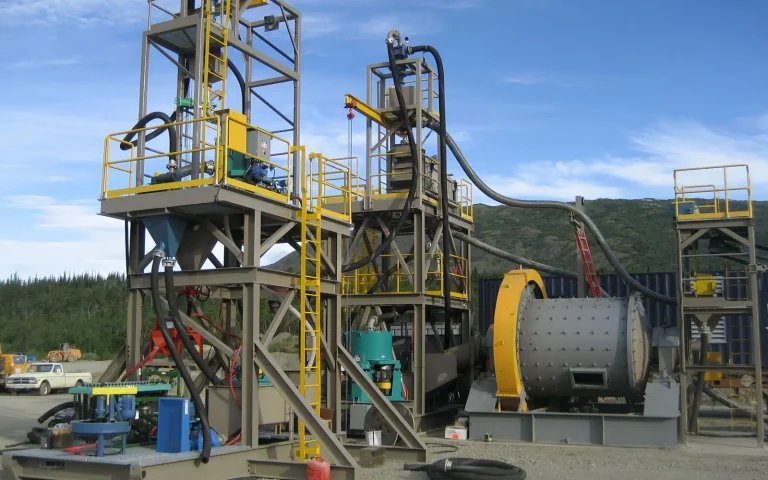
The best-known of the exogenetic ores is alluvial gold which also called placer gold. Alluvial gold refers
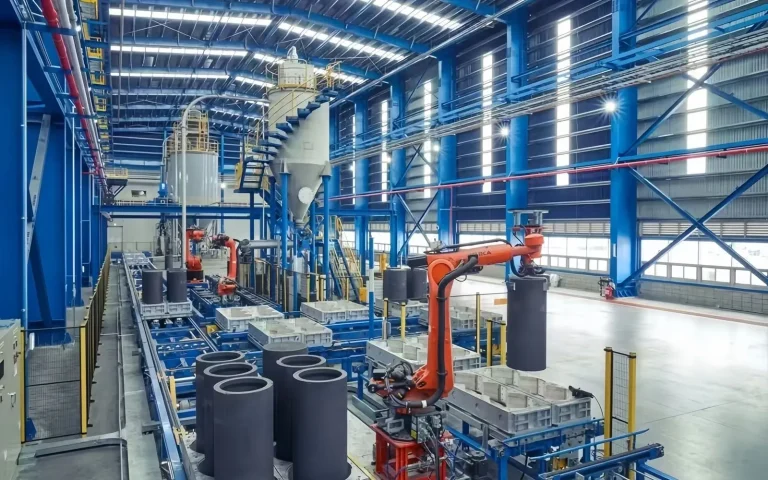
Provide the complete solution for making graphite anode materials include grinding, shaping, purification…
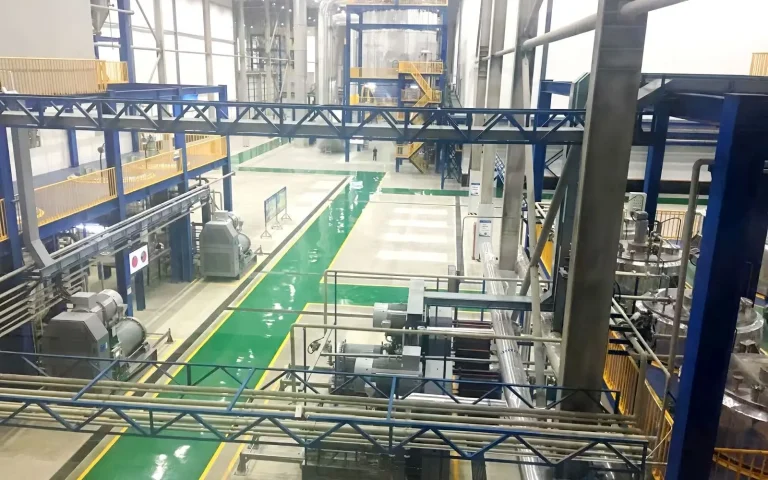
Cathode material is one of the key materials to determine the performance of lithium-ion batteries

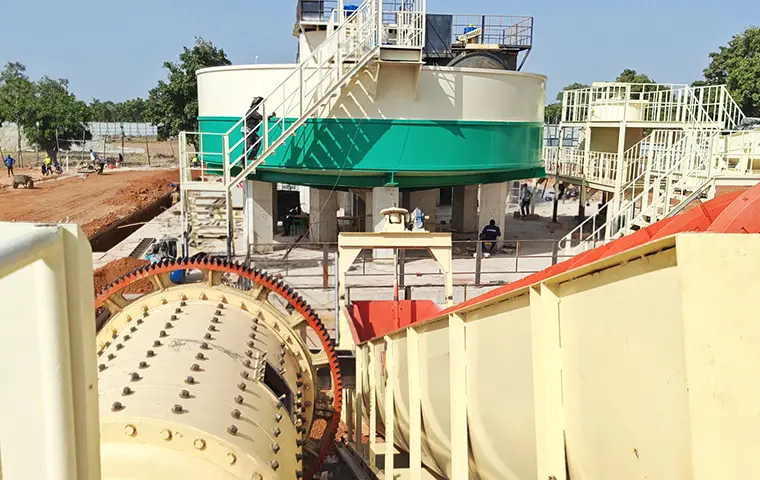
Raw Ore: Oxide and Sulfide Type Gold Ore Gold Grade: 2.5 g/t Final Product: Gold Bullion
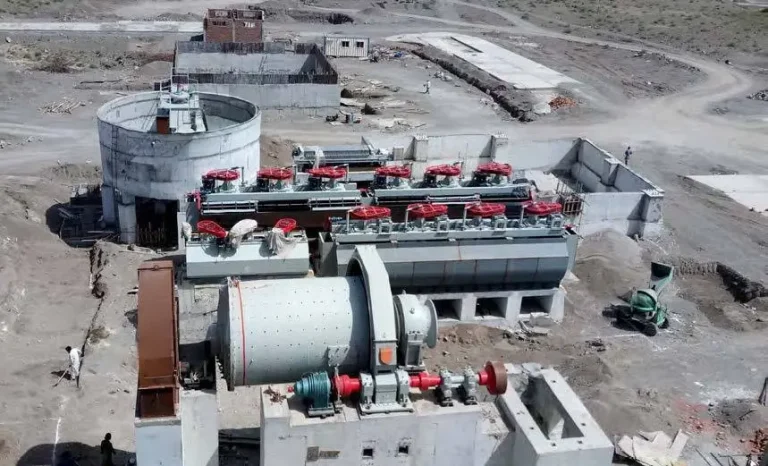
Raw Ore: Mixed Oxide-Sulfide Copper Ore (Chalcocite/Malachite) Copper Grade: 1.2% | Silver: 15g/t
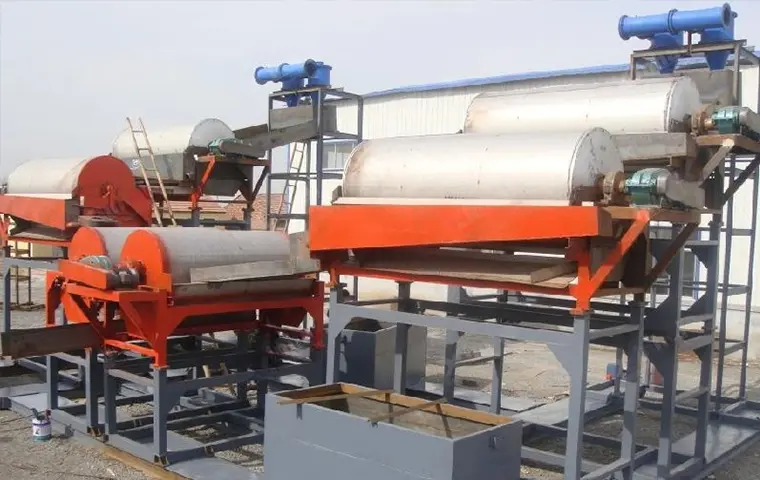
Raw Ore: Hausmannite Ore (Mn₃O₄) Mn Grade: 35% Final Product: Hausmannite Concentrate Mn Recovery Rate: 88%
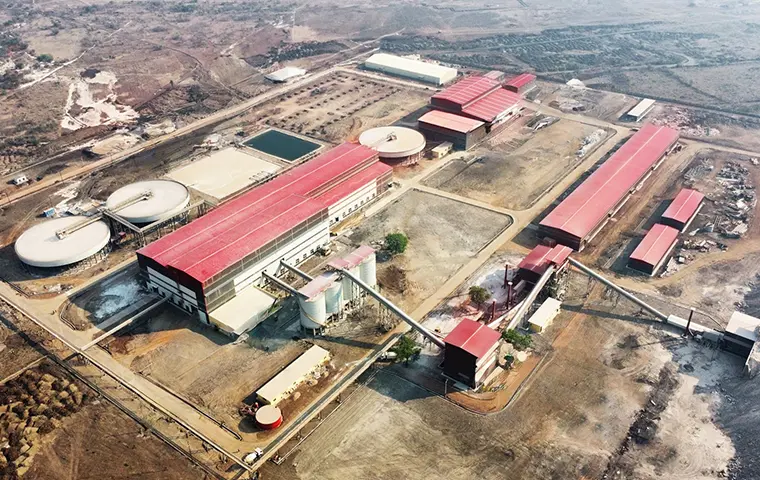
Raw Ore: Multi-metal sulfide ore (Cu, Zn, Au) Ore Grade: Cu 1.2%, Zn 2.5%, Au 1.5 g/t
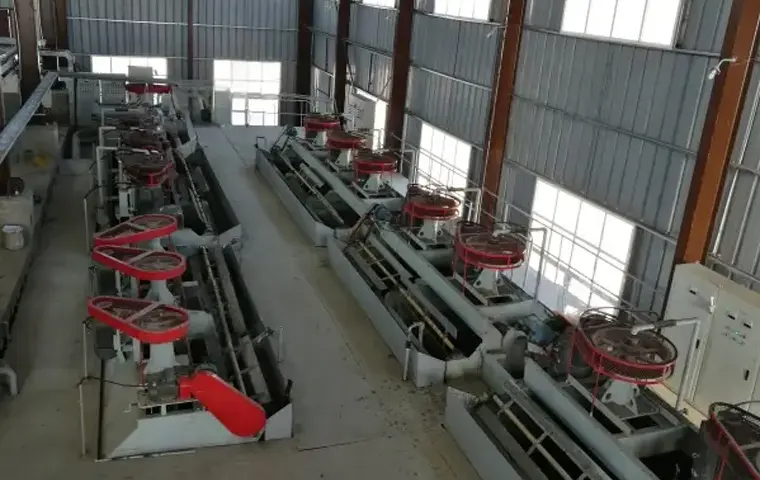
Raw Ore: Sedimentary Phosphate Rock P2O5 Grade: 22-26%
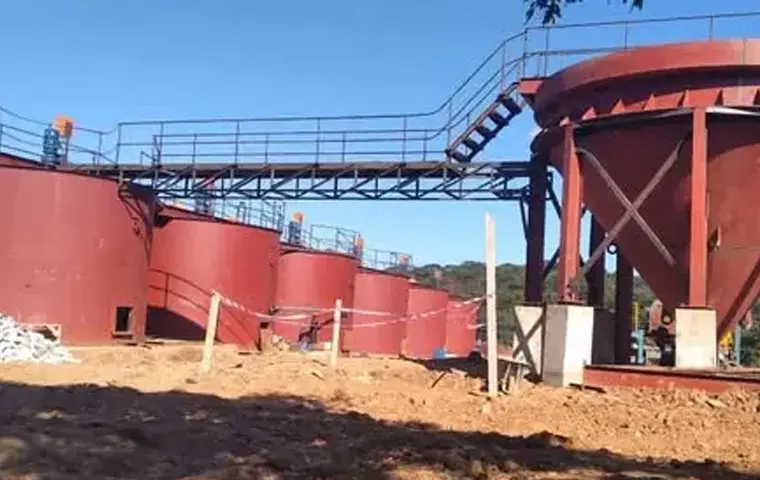
Raw Ore: Clay-rich oxidized gold ore (with minor sulfides) Gold Grade: 2.8 g/t Gold Ingot Purity: 89.5%
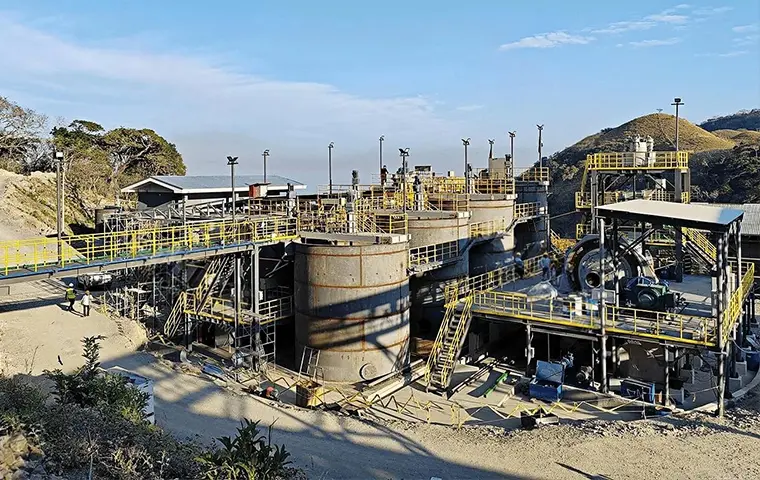
Raw Ore: Sulfide Type Copper Ore (Low-grade, heterogeneous) Feed Copper Grade: 0.45% Concentrate Copper Grade: 25%
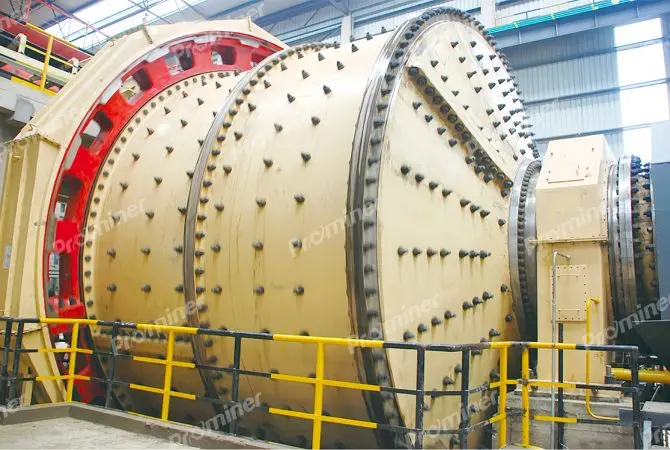
AG/SAG is short for autogenous mill and semi-autogenous mill, it combines with two functions of crushing
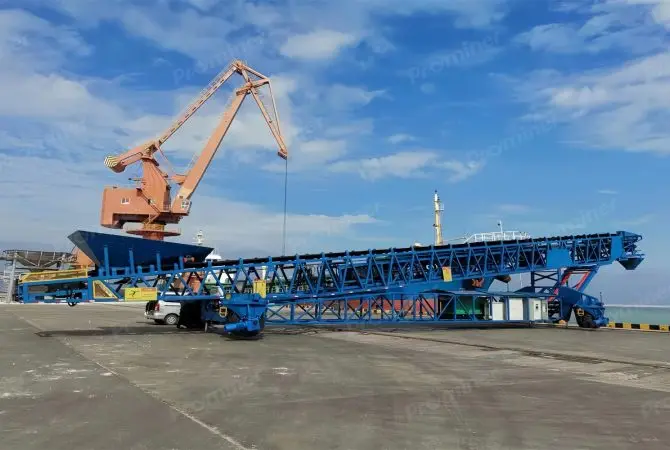
Our engineer team can design and manufacture the mobile type radial stacker, loader
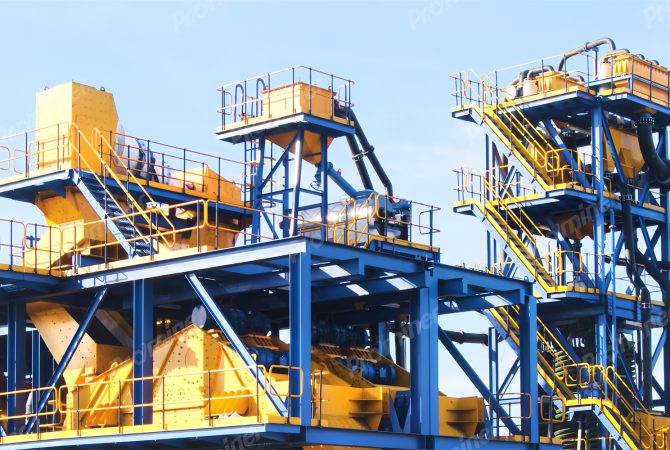
Prominer can provide different LIMS (Low Intensity Magnetic separator) magnetic separators
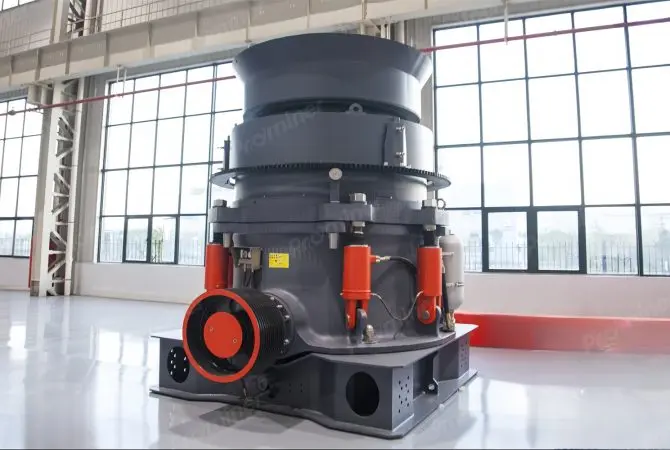
Multi-cylinder hydraulic cone crusher combines crusher speed, eccentricity and cavity profile
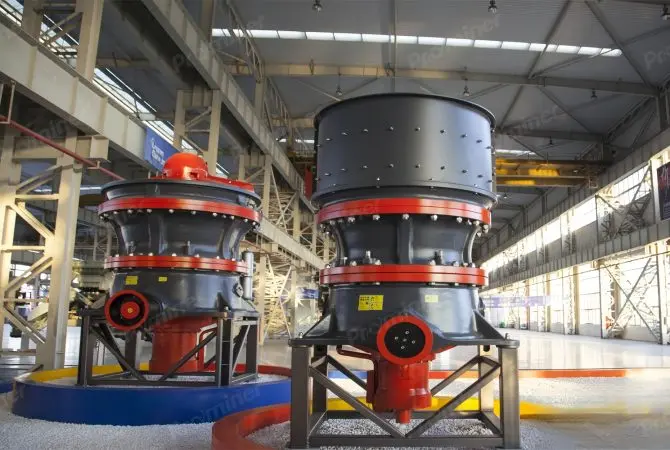
Single-cylinder hydraulic cone crusher have two series based on different cavity, S-cavity is designed
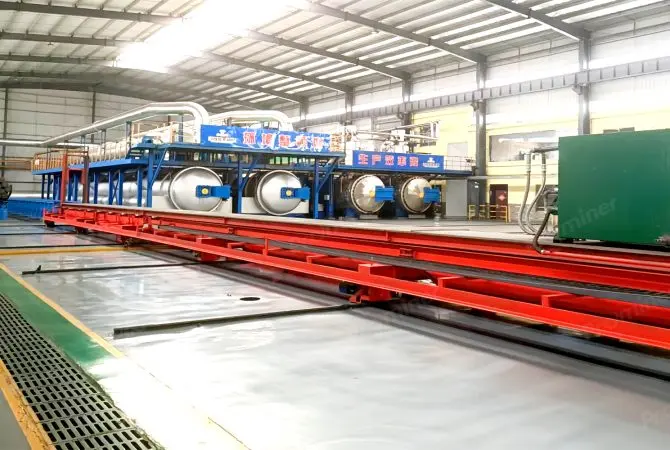
We can provide hot-in and cold-out type high-pressure impregnation of once-baked graphite
To find out more about our products and solutions, please fll out the form below and one of our experts will get back to you shortly
3000 TPD Gold Flotation Project in Shandong Province
2500TPD Lithium Ore Flotation in Sichuan
Fax: (+86) 021-58779592
Address: Room 606, Building D3, Phase II, Chuansha Business Center, 777 Long, Miaochuan Road, Pudong New Area, Shanghai,China
Copyright © 2023. Prominer (Shanghai) Mining Technology Co.,Ltd.