

The demand from the industry over the years has been for special graphite and carbon with increasingly tighter




Copper ore beneficiation is the process of increasing the concentration of copper minerals to make them suitable for smelting and refining. However, oxidation can significantly influence the efficiency and economics of this process. When copper ores are exposed to air, water, or certain chemical environments, oxidation alters their mineralogical and surface properties, which directly impacts recovery rates and processing methods.
Below, we explore how oxidation affects copper ore beneficiation at different stages.
Oxidation alters the chemical structure of copper minerals. Sulfide minerals such as chalcopyrite (CuFeS₂), bornite (Cu₅FeS₄), and chalcocite (Cu₂S) may partially or fully oxidize into oxide minerals like malachite (Cu₂CO₃(OH)₂), azurite (Cu₃(CO₃)₂(OH)₂), or cuprite (Cu₂O).
This transformation affects beneficiation because:
As oxidation increases, the ore may transition from being easily floatable to more difficult to process using conventional sulfide flotation methods.
Flotation is the most common beneficiation method for copper sulfide ores. It relies on differences in surface hydrophobicity between valuable minerals and gangue. Oxidation affects this process in several ways:
As a result, recovery rates may decrease, concentrate grades may drop, and reagent consumption may increase.
Oxidation can lead to the formation of fine iron oxides, clays, and secondary minerals. These materials may coat copper mineral surfaces, creating a barrier between the mineral and flotation reagents.
This phenomenon, often referred to as slime coating, can:
Consequently, beneficiation efficiency declines, and additional cleaning stages may be required.
Oxidized ores often exhibit different mechanical properties compared to fresh sulfide ores. They may be:
Excessive fines can negatively affect flotation by increasing reagent consumption and reducing recovery. Proper grinding control becomes critical when processing oxidized copper ores.
While oxidation can hinder sulfide flotation, it may enhance leaching performance in some cases. Oxidized copper minerals are generally more amenable to acid leaching than primary sulfides.
For example:
Therefore, highly oxidized copper ores are often processed through hydrometallurgical methods such as heap leaching, followed by solvent extraction and electrowinning (SX-EW), rather than traditional flotation.
Oxidation influences not only technical performance but also operational costs:
Mining operations must carefully evaluate the degree of oxidation in ore bodies to design an appropriate beneficiation strategy. Geometallurgical studies and mineralogical analysis play a crucial role in determining the optimal processing route.
Oxidation significantly affects copper ore beneficiation by altering mineral composition, flotation behavior, grinding characteristics, and processing options. While it can reduce sulfide flotation efficiency, it may also make ores more suitable for leaching methods. Understanding the extent and nature of oxidation is essential for selecting the most effective and economical beneficiation approach.
A: Absolutely. Mineral characteristics vary significantly by region. All our beneficiation machinery—from crushers and ball mills to flotation cells and magnetic separators—can be customized in terms of capacity, lining materials, and technical configurations based on your raw ore’s mineralogy and required output.
A: The most reliable way is through a professional mineral laboratory test. We highly recommend sending a representative ore sample ($20\text{–}50\text{ kg}$) to our engineers. We will conduct free or subsidized crushing, grinding, and separation tests to design an optimized, high-recovery flowchart backed by real data.
A: To give you the most cost-effective and precise solution, please share:The primary mineral type (e.g., copper sulfide, magnetite, oxide gold ore).Your expected processing capacity (e.g., Tons Per Hour or Tons Per Day).The feeding particle size and your target concentrate grade ($Fe\%$, $Cu\%$, etc.).
A: Yes, we provide comprehensive global support. Our experienced technical team offers layout planning, foundation drawing designs, and on-site or remote video guidance for equipment installation, commissioning, and local operator training to ensure your plant runs smoothly.
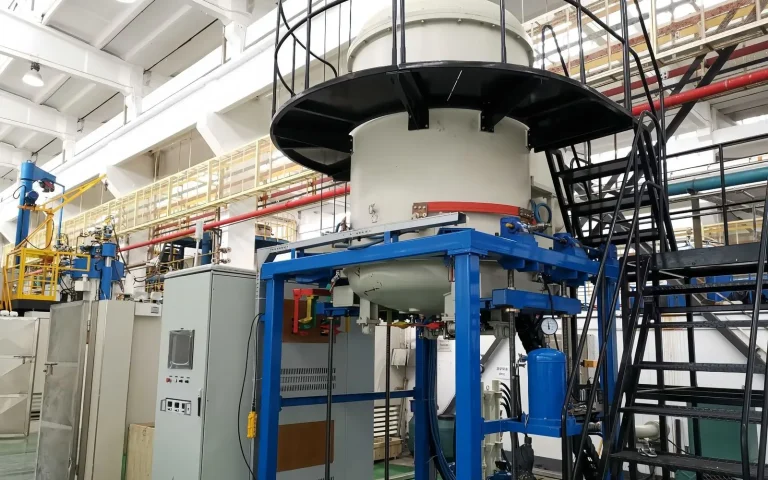
The demand from the industry over the years has been for special graphite and carbon with increasingly tighter
Spodumene and lepidolite are very important lithium bearing minerals and they are very easy to recover
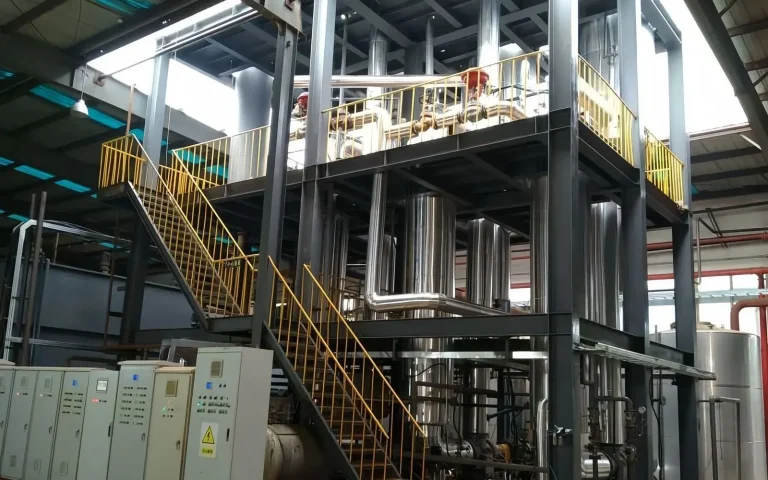
We can provide direct lithium extraction (DLE) solution to recover the lithium from salt lake brine

Raw Material: High-Purity Graphite (99.95% C) Project Capacity: 10,000 tons per annum
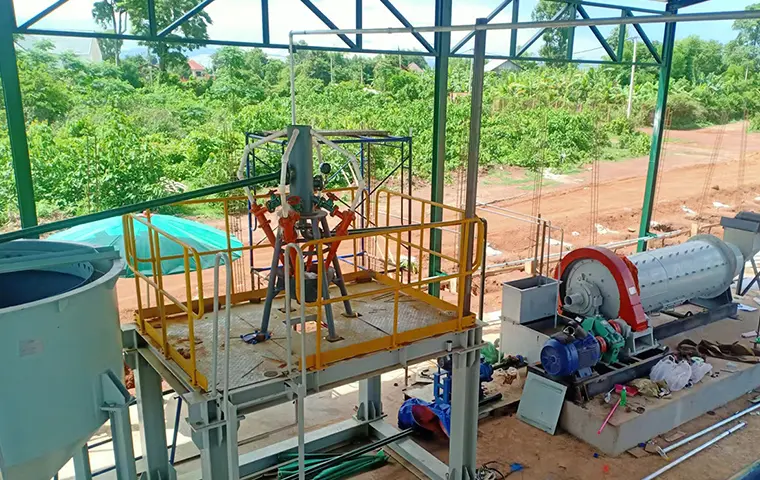
Features: Compact layout, full process coverage, low investment cost, and fast deployment. Designed for Startups & Small Mines — Your flexible and efficient gold solution!
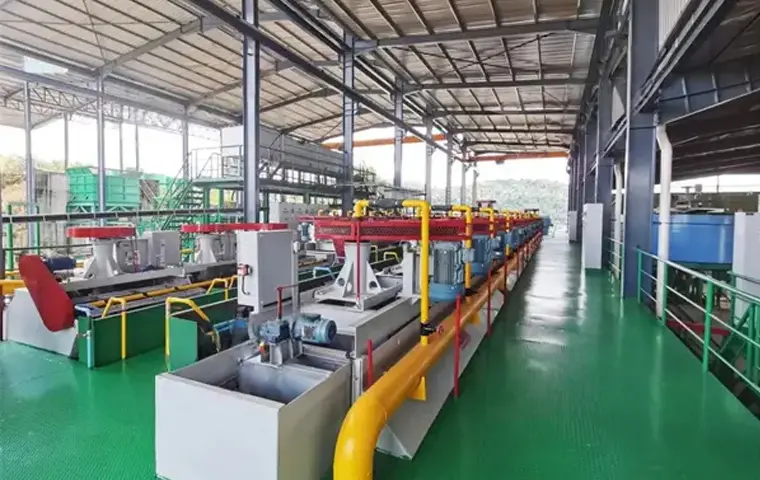
Raw Ore: Alluvial Coltan (Tantalite-Columbite) with Cassiterite Ore Grade: Ta₂O₅: 0.025-0.04%; Nb₂O₅: 0.02-0.035%; SnO₂: 0.1-0.3%
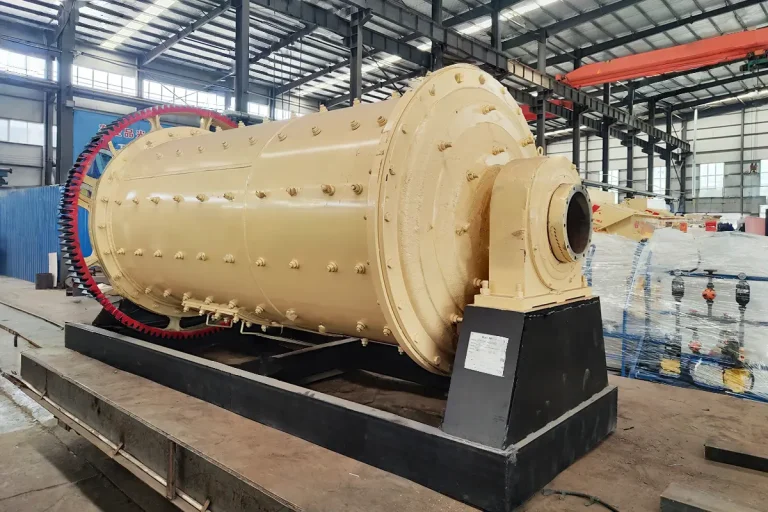
Raw Ore: Copper Ore (Chalcopyrite) Copper Grade: 0.85% Final Products: Grinded ore slurry for flotation
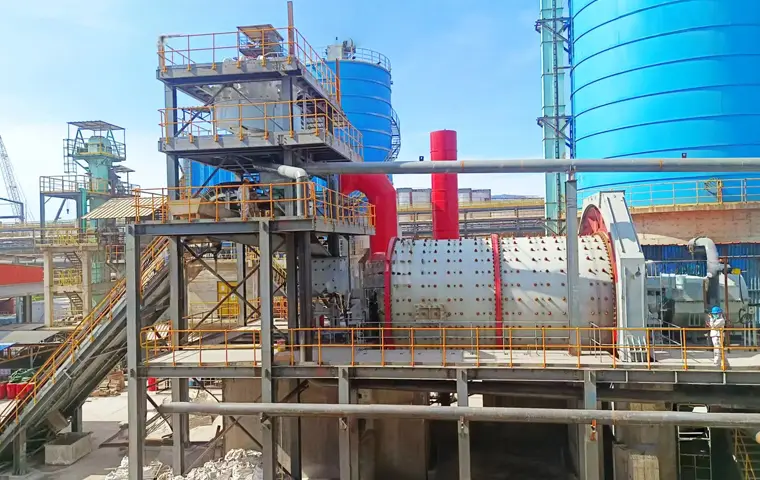
Raw Material: High-Calcium Limestone Final Product: Cement Raw Material Powder (200 mesh) & Construction Aggregate
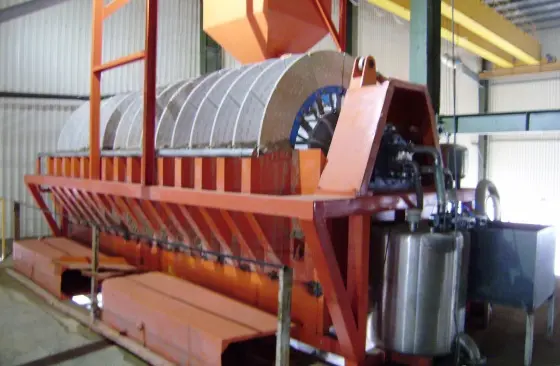
Client: Heavy Mineral Sands Producer Feedstock: Ilmenite Concentrate (TiO₂ 52-55%) Final Product: Rutile-Grade TiO₂ (≥94% purity)
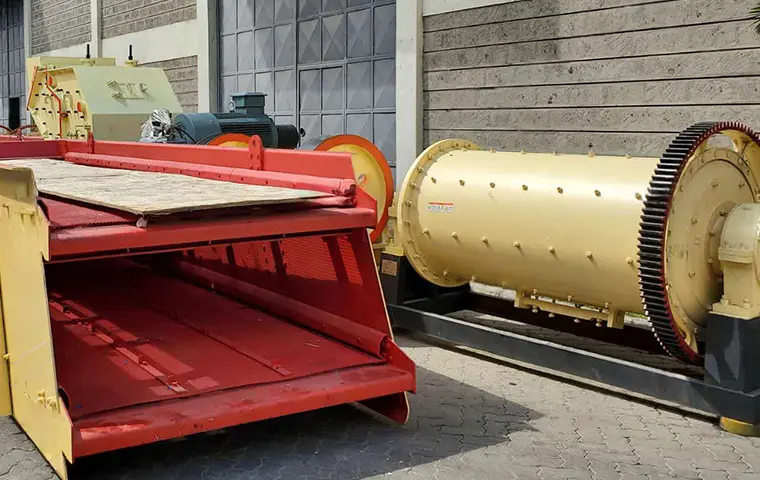
Raw Ore: Mixed Oxide and Sulfide Gold Ore Gold Grade: 3.5 g/t Gold Recovery Rate: 92%
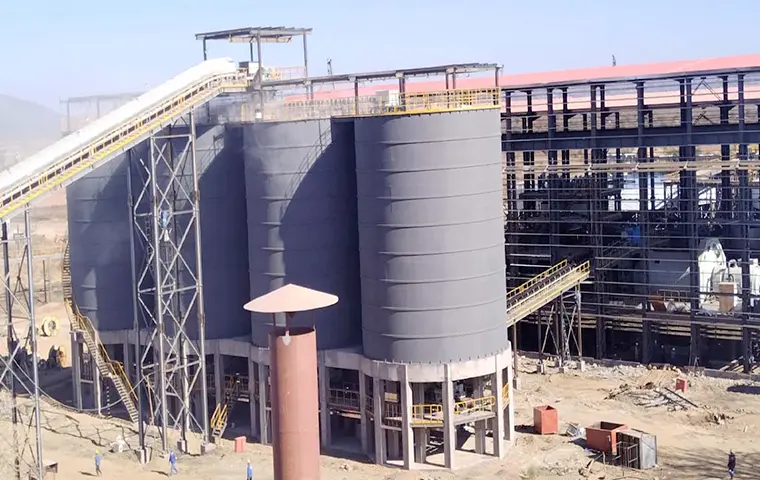
Raw Ore: Lithium-bearing pegmatite ore (mainly Spodumene) Li₂O Grade: 1.15% Concentrate Grade: 5.5% Li₂O
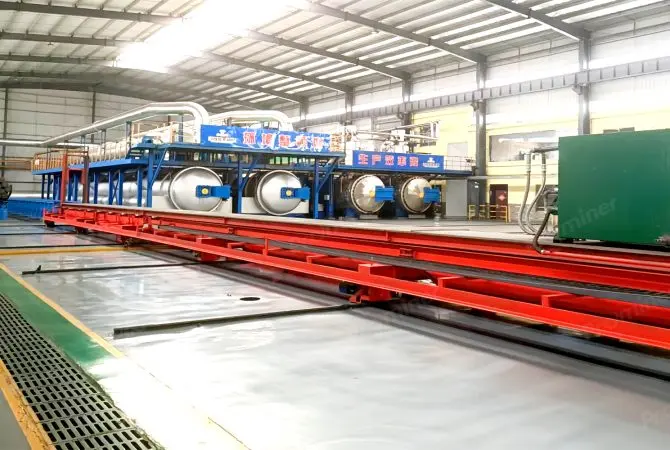
We can provide hot-in and cold-out type high-pressure impregnation of once-baked graphite
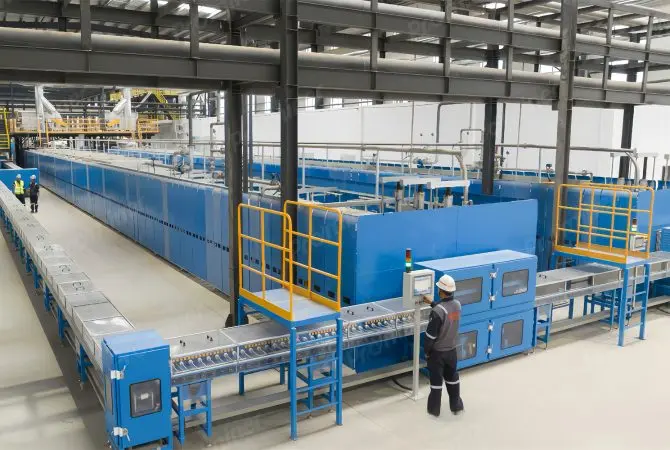
We can provide the complete solution for high temperature carbonization treatment system
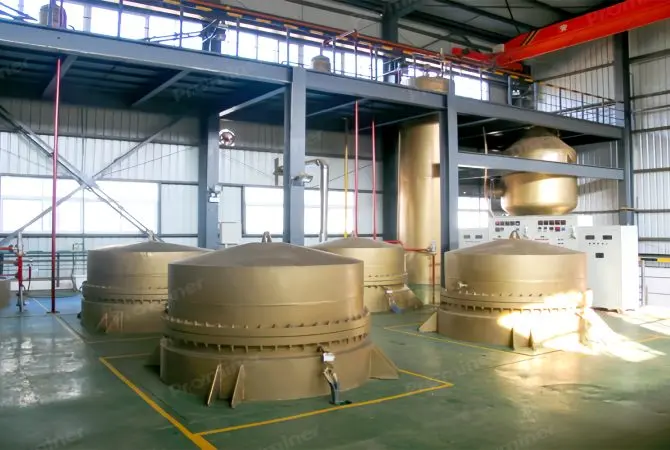
Prominer can design and provide the complete refinery and smelting system for gold CIL project
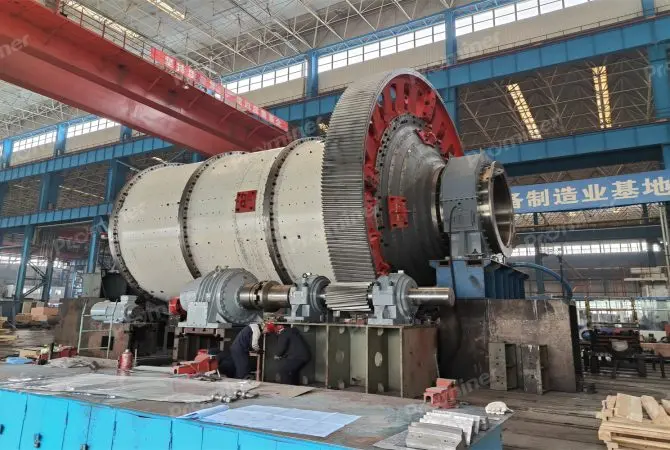
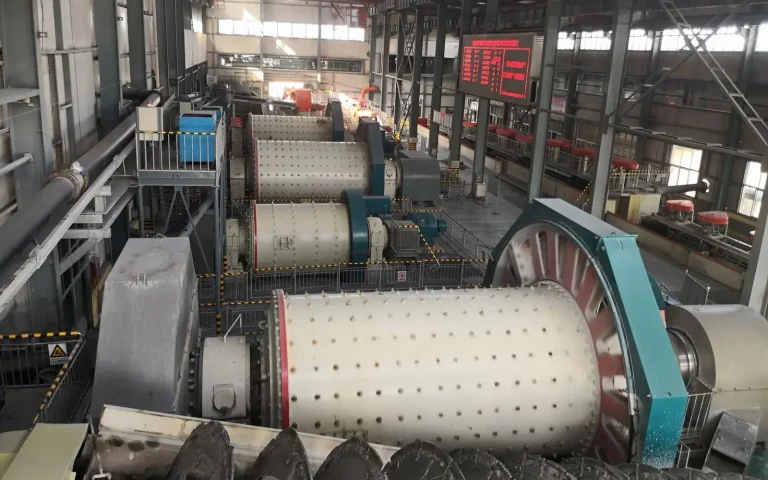
We can design and manufacture grate type ball mill for mineral primary grinding
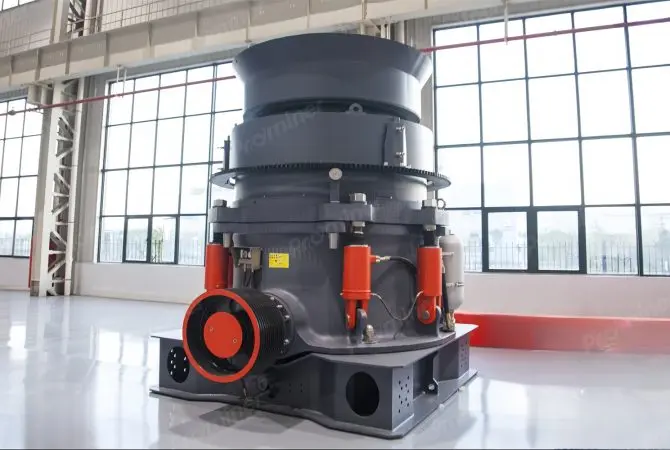
Multi-cylinder hydraulic cone crusher combines crusher speed, eccentricity and cavity profile
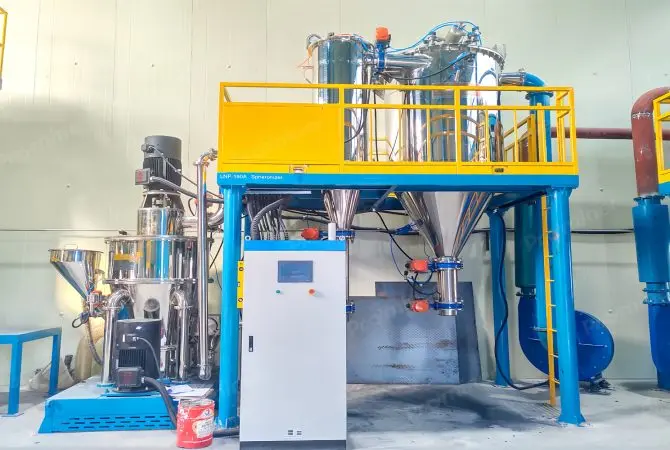
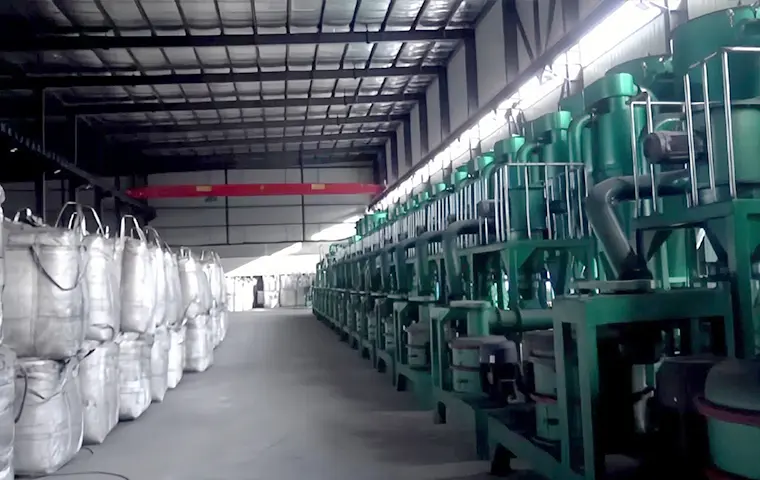
Besides strict PSD requirements, Anode Graphite also requires a spherical shape in order
To find out more about our products and solutions, please fll out the form below and one of our experts will get back to you shortly
3000 TPD Gold Flotation Project in Shandong Province
2500TPD Lithium Ore Flotation in Sichuan
Fax: (+86) 021-58779592
Address: Room 606, Building D3, Phase II, Chuansha Business Center, 777 Long, Miaochuan Road, Pudong New Area, Shanghai,China
Copyright © 2023. Prominer (Shanghai) Mining Technology Co.,Ltd.


