



Provide the complete solution for making graphite anode materials include grinding, shaping, purification…


Activated carbon plays a supporting but important role in some lead-zinc ore processing operations. While it is not usually the primary reagent in the main flotation circuit, it can be used in several stages of mineral processing and wastewater treatment because of its strong adsorption capacity, high surface area, and chemical stability.
Activated carbon is a porous carbon material made from sources such as coal, wood, coconut shells, or other carbon-rich raw materials. It is processed to create a very large internal surface area, which allows it to adsorb dissolved organic compounds, residual flotation reagents, oils, and certain metal-containing substances from liquids and slurries.
In mining and mineral processing, activated carbon is valued mainly for purification, recovery support, and environmental control rather than for direct metal separation in the flotation stage.
In lead-zinc ore processing, activated carbon may be used where adsorption is needed to improve process efficiency or reduce contamination. Its applications depend on the ore type, the plant design, and the chemicals used in beneficiation.
Lead-zinc beneficiation commonly relies on flotation reagents such as collectors, frothers, depressants, and modifiers. After flotation, some of these chemicals remain in process water or tailings slurry.
Activated carbon can adsorb residual reagents, including:
By removing these substances, activated carbon helps improve water quality and can support water recirculation within the plant.
Modern lead-zinc concentrators often recycle process water to reduce freshwater consumption and meet environmental standards. However, recycled water may contain dissolved organics and residual chemicals that interfere with flotation selectivity.
Activated carbon can be added in water treatment systems to clean recycled water before it is returned to the plant. This may help:
Some lead-zinc ores contain carbonaceous or organic matter, or they may pick up oils and hydrocarbons from mining and plant equipment. These contaminants can affect flotation performance and downstream treatment.
Activated carbon is effective for removing many of these organic compounds from water streams. In some cases, it is used in polishing stages after sedimentation, clarification, or chemical treatment.
Tailings water and plant effluents from lead-zinc operations may contain not only suspended solids but also dissolved organics and trace contaminants. Activated carbon is often used as a final treatment medium after other treatment steps.
In effluent treatment, it can help reduce:
This makes activated carbon useful in plants that must meet strict wastewater discharge standards.
Although lead-zinc ores are most commonly processed by crushing, grinding, and flotation, some operations use hydrometallurgical methods for specific concentrates, secondary materials, or oxidized ores.
In these circuits, activated carbon may be used to:
Its function here is usually purification rather than direct adsorption of lead or zinc values.
When properly applied, activated carbon offers several benefits:
These advantages can make it a valuable auxiliary material in mineral processing plants.
Despite its benefits, activated carbon is not a universal solution. Its use in lead-zinc ore processing must be evaluated based on economics and process needs.
Key considerations include:
Also, activated carbon is generally more effective for organic substances than for dissolved inorganic salts or high concentrations of heavy metals unless used with additional treatment technologies.
The form of activated carbon selected depends on the treatment system.
Typical options include:
Granular activated carbon is often preferred in continuous water treatment applications because it can be used in columns and may be regenerated.
In a lead-zinc processing plant, activated carbon is usually integrated into side-stream or end-of-pipe treatment systems rather than the core flotation circuit. A typical arrangement may include:
This setup helps maintain cleaner circulating water and reduces the environmental impact of plant operations.
Activated carbon is used in lead-zinc ore processing mainly as an adsorption medium for water purification, reagent removal, and effluent treatment. While it is not typically a direct agent for separating lead and zinc minerals, it provides important support functions that can improve water recycling, stabilize plant performance, and help operations meet environmental standards.
As lead-zinc plants continue to focus on efficiency and sustainable water management, activated carbon remains a practical tool for controlling organic contaminants and improving overall process quality.
A: A handful of variables drive most of the variation in recovery and grade: grind size (liberation), pulp density, reagent type and dosage, residence time, pH, and — for magnetic separation — field intensity and feed rate. Changing one without adjusting the others usually backfires. The practical way to find your optimum is a structured test program: vary one parameter at a time on your actual ore and measure recovery and grade at each point. We run this kind of parameter study during lab and pilot testing, then carry the settings into the plant design and re-tune them during commissioning.
A: Three properties matter most: whether the valuable mineral is sulfide or oxide, how coarsely or finely it is disseminated in the gangue, and what gangue minerals accompany it. Coarse, high-density minerals respond well to gravity separation; magnetic minerals to magnetic separation; fine sulfide minerals to flotation; oxide or low-grade ores often to leaching. Many ores need a staged combination. Because two deposits carrying the same metal can behave completely differently, the flowsheet has to be built from your ore’s own test data — not copied from a similar project.
A: A single method rarely hits both target recovery and target grade when the ore contains multiple valuable minerals, spans a wide particle size range, or carries problematic gangue. Then a combined flowsheet is justified — for example, gravity pre-concentration to reject coarse waste early, magnetic separation ahead of flotation to remove magnetic minerals, or staged grinding and classification to liberate progressively. The added circuit costs more, but it usually pays back through higher overall recovery and lower reagent and energy consumption per tonne.
A: Refractory ores resist standard processing — gold locked inside sulfide minerals, ores that consume excessive reagents, carbonaceous ores that re-adsorb dissolved gold, fine or clay-rich ores that slime badly, or oxide ores that float poorly. Treatment usually adds a step ahead of or instead of the conventional circuit: finer grinding, oxidation pre-treatment, roasting, or a switch from flotation to leaching. Identifying the specific cause through diagnostic testwork is essential, because each cause has a different fix and the wrong one wastes capital.
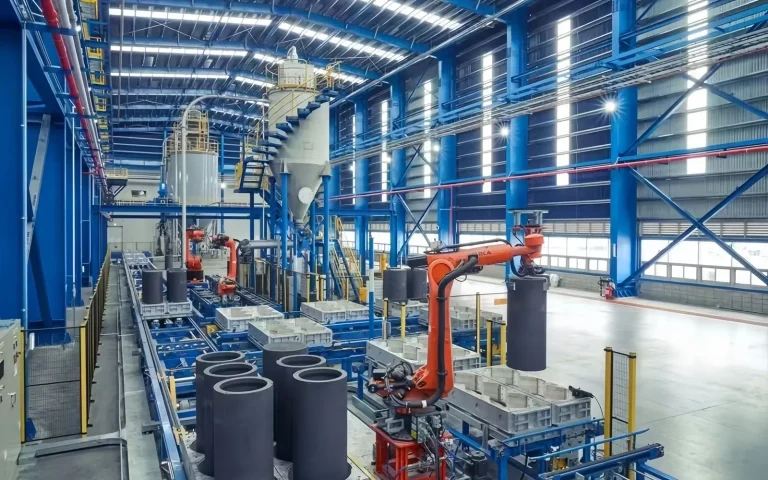
Provide the complete solution for making graphite anode materials include grinding, shaping, purification…
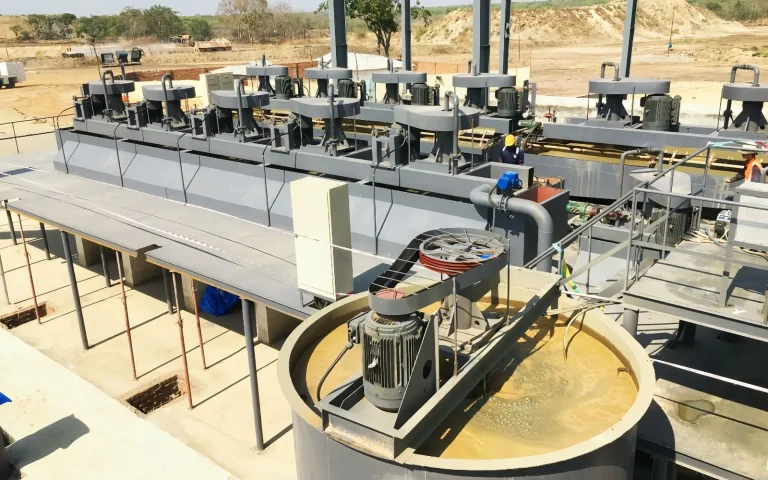
There are two types natural graphite ore include crystalline graphite and amorphous graphite
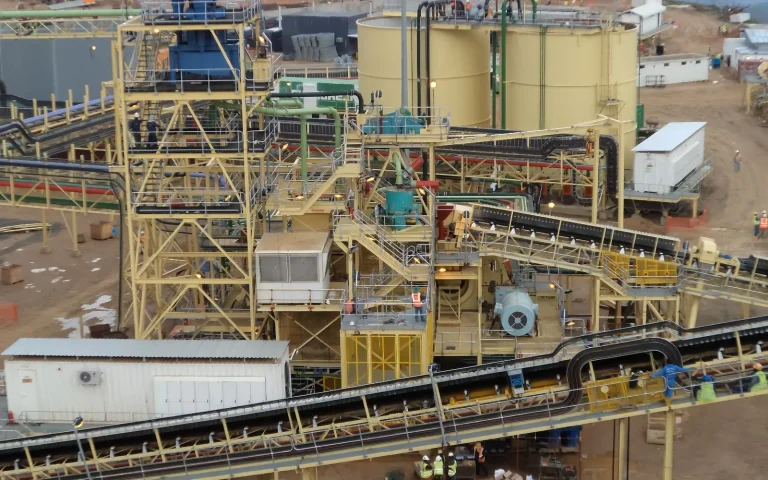
Flotation is the most popular processing way in gold ore processing project. Because the flotation process


Raw Ore: Lithium-Rich Hectorite Clay (Li₂O: 0.6-1.0%) Final Product: Battery-Grade Lithium Carbonate
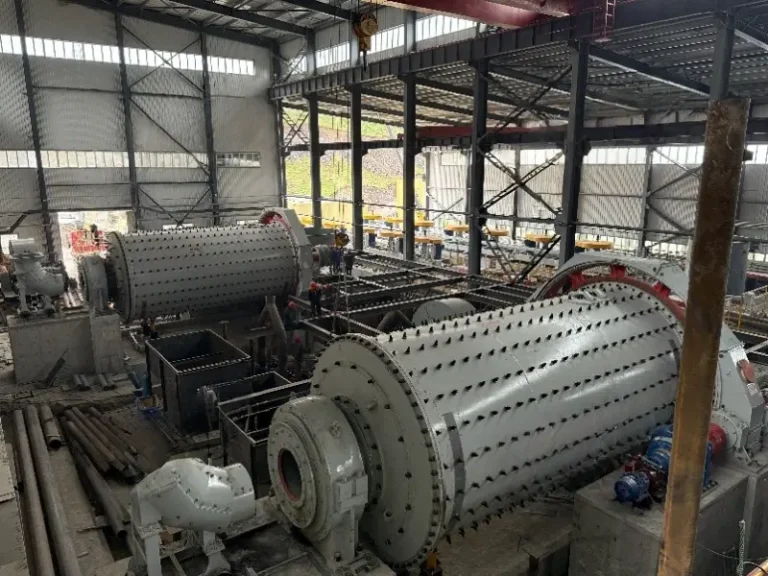
Raw Ore: Limonite Type Laterite Nickel Ore Ni Grade: 1.2% Co Grade: 0.12%
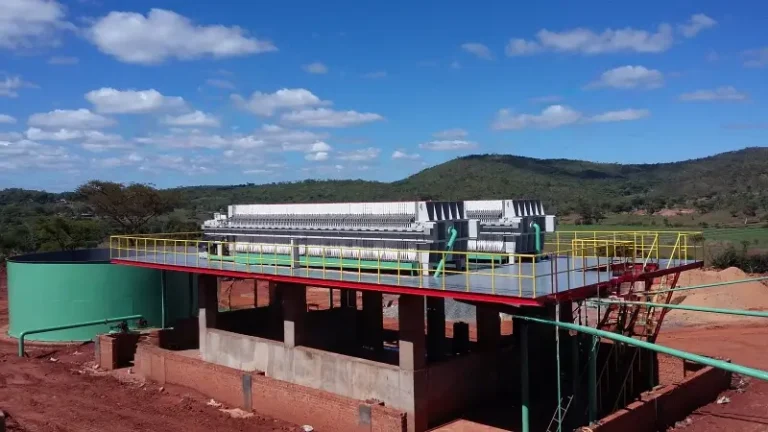
Raw Ore: Sulfide-Bearing Gold Ore (30% Sulfide) Gold Grade: 3.2 g/t Final Product: 98.99% Gold Ingot
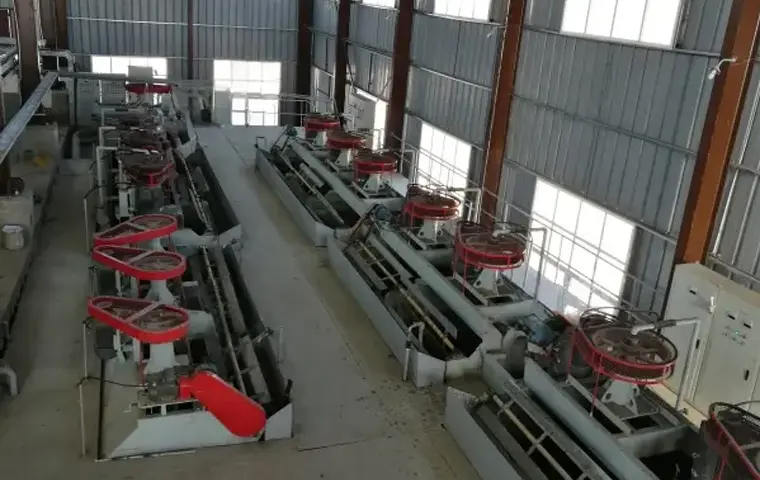
Raw Ore: Sedimentary Phosphate Rock P2O5 Grade: 22-26%
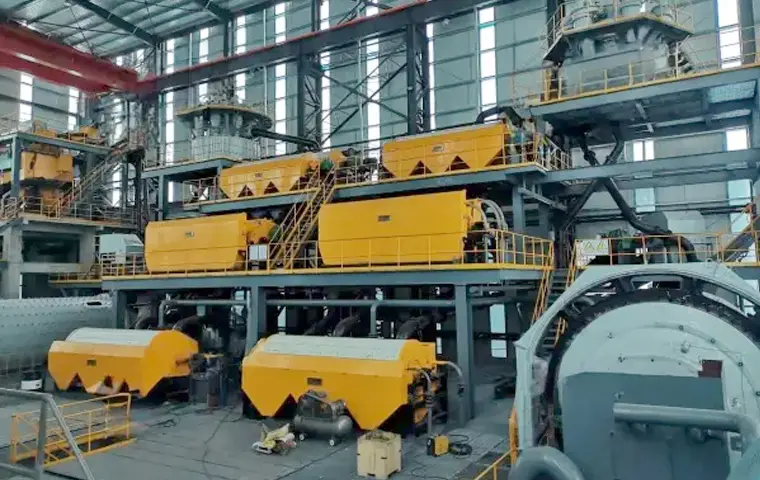
Raw Ore: Magnetite Iron Ore with Hematite Banding Fe Grade: 28-32% Final Product: High-Grade Iron Concentrate
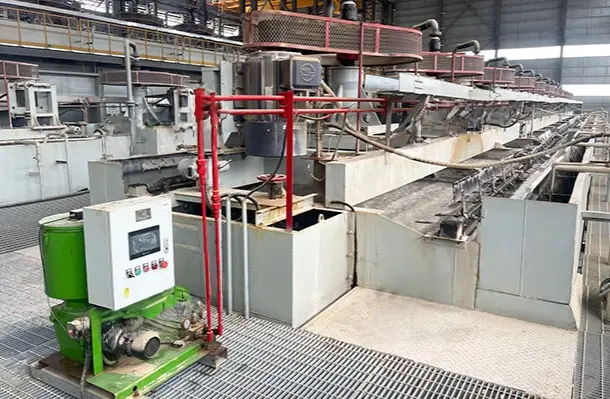
Raw Ore: Porphyry Gold-Copper Ore Gold Grade: 0.8-1.5 g/t Copper Grade: 0.6-0.9%
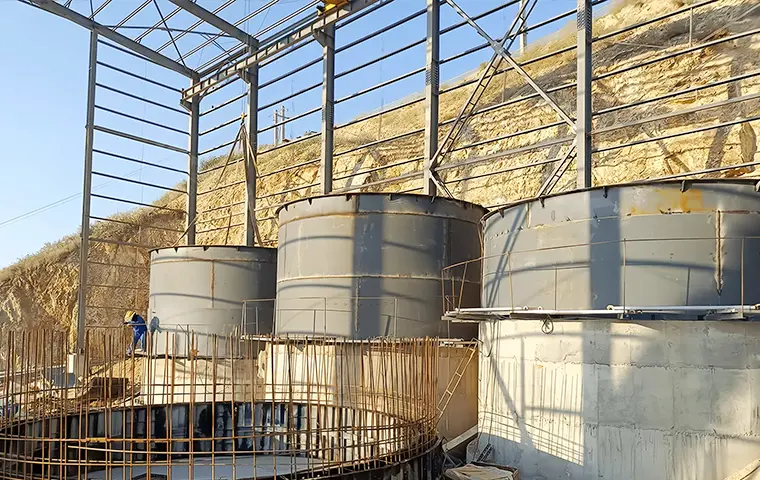
Raw Ore: Weathered Oxide Gold Ore Gold Grade: 1.8 g/t Gold Recovery Rate: 90.5%

Raw Ore: Sulfide Type Copper Ore (with associated gold) Gold Grade: 0.6 g/t Copper Grade: 1.2%
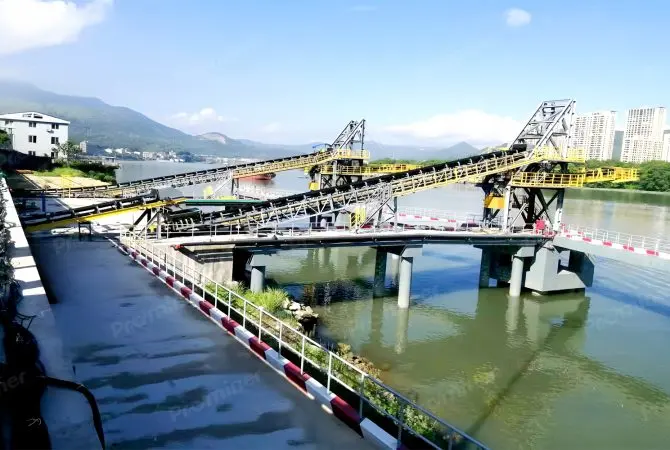
We can provide the solution of belt conveyors for different purposes include steeply inclined belt conveyor
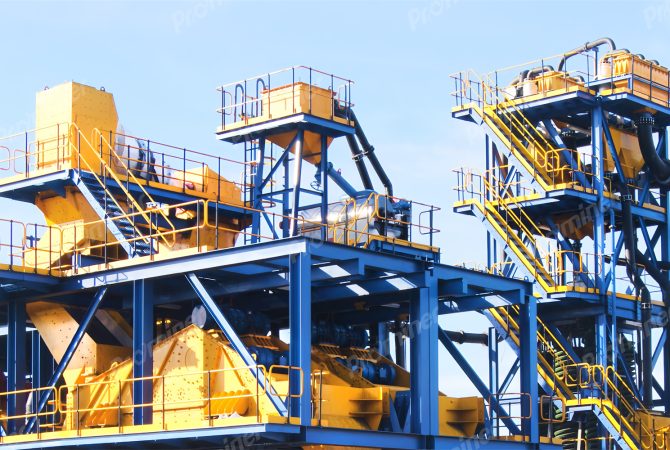
Prominer can provide different LIMS (Low Intensity Magnetic separator) magnetic separators
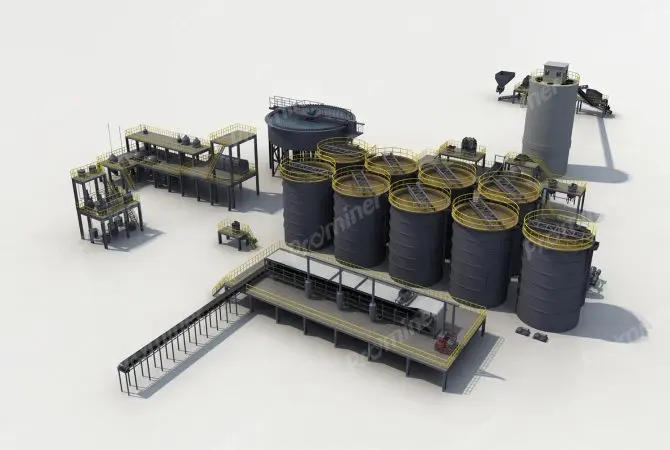
Prominer can provide the complete solution for CIL (carbon in leaching) system
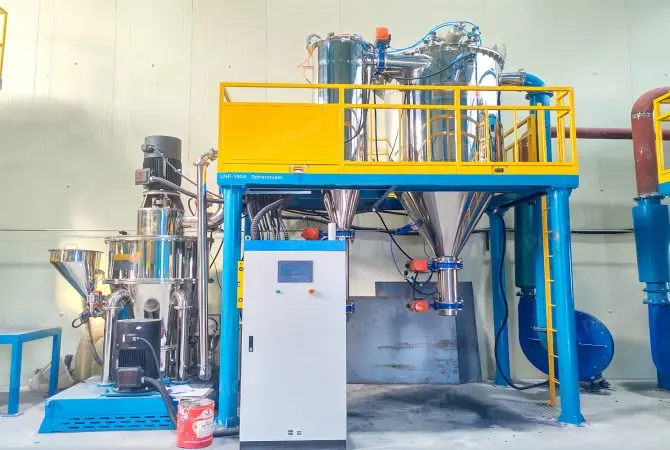
Besides strict PSD requirements, Anode Graphite also requires a spherical shape in order
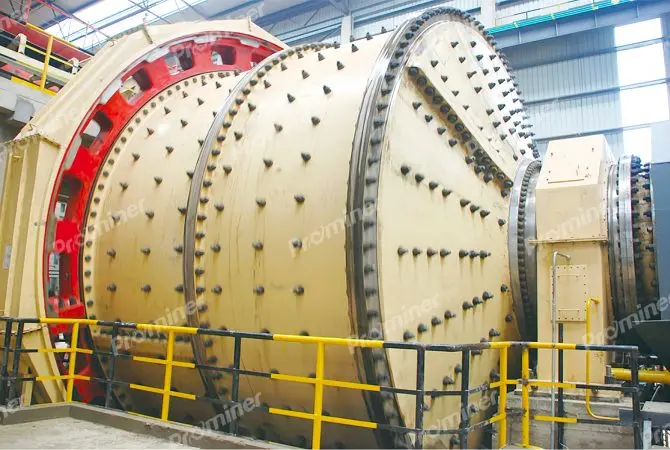
AG/SAG is short for autogenous mill and semi-autogenous mill, it combines with two functions of crushing
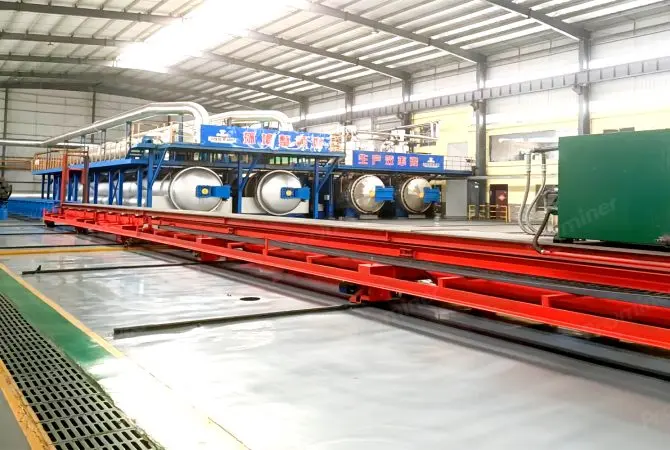
We can provide hot-in and cold-out type high-pressure impregnation of once-baked graphite
To find out more about our products and solutions, please fll out the form below and one of our experts will get back to you shortly
3000 TPD Gold Flotation Project in Shandong Province
2500TPD Lithium Ore Flotation in Sichuan
Fax: (+86) 021-58779592
Address: Room 606, Building D3, Phase II, Chuansha Business Center, 777 Long, Miaochuan Road, Pudong New Area, Shanghai,China
Copyright © 2023. Prominer (Shanghai) Mining Technology Co.,Ltd.


