

Flake graphite can be used to produce high carbon graphite, high purity graphite, expandable graphite




Phosphate ore dressing technology is evolving rapidly as the mining and fertilizer industries respond to declining ore grades, stricter environmental regulations, and rising demand for efficient resource use. Traditional beneficiation methods are still important, but modern operations increasingly rely on smarter, cleaner, and more precise technologies to improve phosphate recovery and product quality.
One of the biggest drivers of change in phosphate ore dressing is the depletion of easily processed, high-grade deposits. Many current phosphate resources contain more impurities, finer particle sizes, and more complex mineral associations than in the past. As a result, dressing technology has had to become more selective and adaptable.
New process flowsheets are being designed to handle ores with high levels of silica, carbonate, clay, iron, aluminum, and magnesium. These impurities can interfere with downstream fertilizer production, so beneficiation plants are under pressure to remove them more effectively while minimizing phosphate losses.
The early stages of ore preparation are becoming more efficient through better comminution and particle-size control. Modern crushing and grinding systems are designed to reduce overgrinding, which is especially important in phosphate processing because excessive fines can reduce flotation efficiency and increase reagent consumption.
Advanced hydrocyclones, high-frequency screens, and optimized classifiers are now used to achieve tighter particle-size distributions. This helps ensure that phosphate minerals are liberated at the right size, improving the performance of subsequent separation stages.
Flotation remains one of the most important methods in phosphate ore dressing, and it has seen major technological progress. Reverse flotation and direct flotation are being refined to cope with increasingly difficult ores. Plants are adopting customized reagent schemes that target specific gangue minerals more selectively than older formulations.
Collectors, frothers, depressants, and modifiers are being improved to enhance separation efficiency while reducing chemical use. In some cases, multi-stage flotation circuits are used to maximize concentrate grade and recovery. There is also growing interest in low-temperature and low-reagent flotation systems that reduce both costs and environmental impact.
For many phosphate ores, especially sedimentary types, washing and desliming are critical steps. Fine clay slimes can negatively affect flotation and screening, so more operations are investing in better scrubbing and desliming equipment.
Attrition scrubbers are increasingly used to break up coatings and remove surface impurities from phosphate particles. This allows downstream separation processes to work more efficiently. Improved water management systems are also helping plants recover usable water from desliming circuits, reducing freshwater demand.
Although flotation dominates many phosphate beneficiation flowsheets, physical separation methods are also playing a larger role. Gravity separation can be useful where there are sufficient density differences between phosphate minerals and gangue. Magnetic separation is being applied in some cases to remove iron-bearing impurities or to pre-concentrate feed before flotation.
Hybrid flowsheets that combine washing, classification, flotation, magnetic separation, and gravity concentration are becoming more common. These integrated approaches allow operators to tailor beneficiation strategies to the mineralogical characteristics of each ore body.
Digital transformation is becoming a key part of phosphate ore dressing technology. Modern plants are adopting online analyzers, automated sampling systems, and real-time process monitoring tools to improve control over grade, recovery, and reagent addition.
Artificial intelligence, machine learning, and advanced process control systems are being introduced to optimize flotation performance, stabilize circuits, and reduce operating variability. By using data-driven models, plants can respond more quickly to changes in ore composition and maintain more consistent concentrate quality.
Environmental concerns are strongly influencing the evolution of phosphate beneficiation. Ore dressing plants are under growing pressure to reduce water consumption, lower tailings volumes, and minimize the environmental risks associated with waste disposal.
Closed-loop water circuits, tailings thickening, paste disposal, and dry stacking are receiving more attention. At the same time, cleaner reagent systems and improved waste management practices are helping reduce the environmental footprint of phosphate processing. Sustainability is no longer a secondary concern; it is now central to process design.
Another important trend is the effort to recover more value from the ore. In addition to improving phosphate recovery, some operations are exploring ways to extract associated minerals or useful elements from beneficiation streams and tailings.
This broader resource-utilization approach supports the economic viability of lower-grade deposits and aligns with circular economy principles. Reprocessing old tailings and waste dumps is also gaining interest, especially where historical processing methods left behind recoverable phosphate.
Modern phosphate ore dressing is becoming more mineralogy-driven. Instead of applying standard process schemes across all deposits, operators are investing more in detailed ore characterization before plant design or optimization.
Techniques such as automated mineralogy, scanning electron microscopy, and advanced chemical analysis help engineers understand liberation behavior, impurity distribution, and mineral associations. This information supports the design of more targeted and efficient beneficiation circuits.
Overall, phosphate ore dressing technology is evolving toward higher precision, greater efficiency, and improved sustainability. As ore quality becomes more challenging and environmental expectations rise, producers are combining advanced mineral processing methods with automation, digital tools, and responsible resource management.
The future of phosphate beneficiation will likely depend on flexible flowsheets, intelligent control systems, and technologies that can recover more phosphate while using less water, less energy, and fewer chemicals. In that sense, the evolution of phosphate ore dressing is not just about better separation—it is about building a more resilient and sustainable phosphate industry.
A: A handful of variables drive most of the variation in recovery and grade: grind size (liberation), pulp density, reagent type and dosage, residence time, pH, and — for magnetic separation — field intensity and feed rate. Changing one without adjusting the others usually backfires. The practical way to find your optimum is a structured test program: vary one parameter at a time on your actual ore and measure recovery and grade at each point. We run this kind of parameter study during lab and pilot testing, then carry the settings into the plant design and re-tune them during commissioning.
A: Three properties matter most: whether the valuable mineral is sulfide or oxide, how coarsely or finely it is disseminated in the gangue, and what gangue minerals accompany it. Coarse, high-density minerals respond well to gravity separation; magnetic minerals to magnetic separation; fine sulfide minerals to flotation; oxide or low-grade ores often to leaching. Many ores need a staged combination. Because two deposits carrying the same metal can behave completely differently, the flowsheet has to be built from your ore’s own test data — not copied from a similar project.
A: A single method rarely hits both target recovery and target grade when the ore contains multiple valuable minerals, spans a wide particle size range, or carries problematic gangue. Then a combined flowsheet is justified — for example, gravity pre-concentration to reject coarse waste early, magnetic separation ahead of flotation to remove magnetic minerals, or staged grinding and classification to liberate progressively. The added circuit costs more, but it usually pays back through higher overall recovery and lower reagent and energy consumption per tonne.
A: Refractory ores resist standard processing — gold locked inside sulfide minerals, ores that consume excessive reagents, carbonaceous ores that re-adsorb dissolved gold, fine or clay-rich ores that slime badly, or oxide ores that float poorly. Treatment usually adds a step ahead of or instead of the conventional circuit: finer grinding, oxidation pre-treatment, roasting, or a switch from flotation to leaching. Identifying the specific cause through diagnostic testwork is essential, because each cause has a different fix and the wrong one wastes capital.
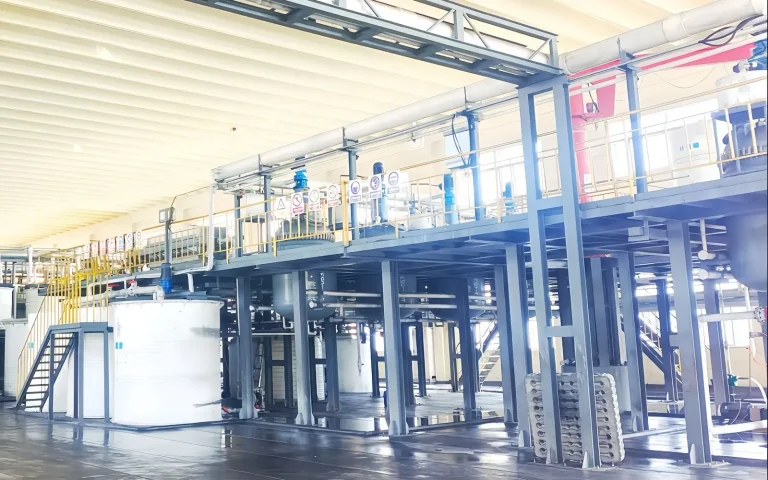
Flake graphite can be used to produce high carbon graphite, high purity graphite, expandable graphite
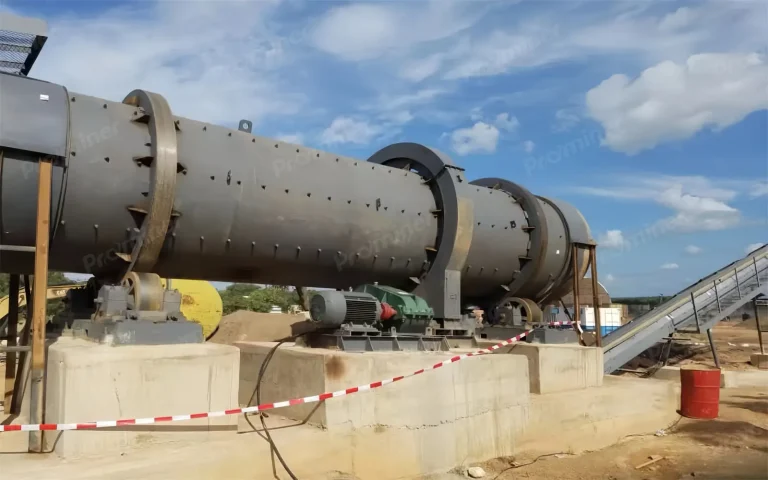
Heap leaching is a traditional cyanide leaching processing way which is flexible and economic to extract gold
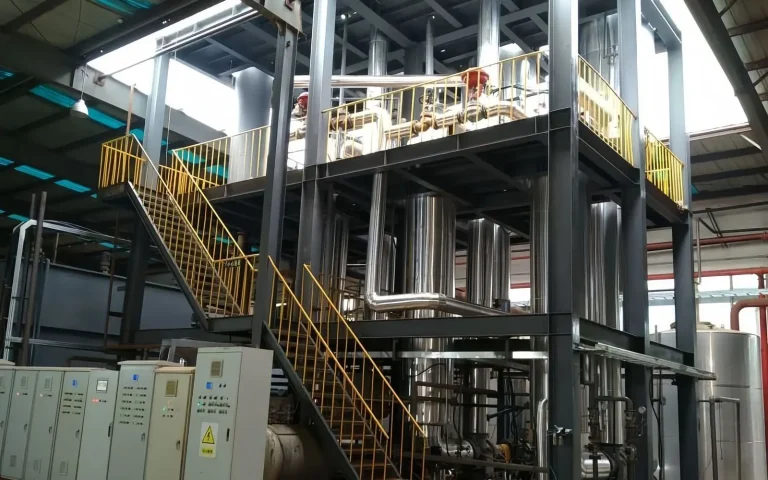
We can provide direct lithium extraction (DLE) solution to recover the lithium from salt lake brine

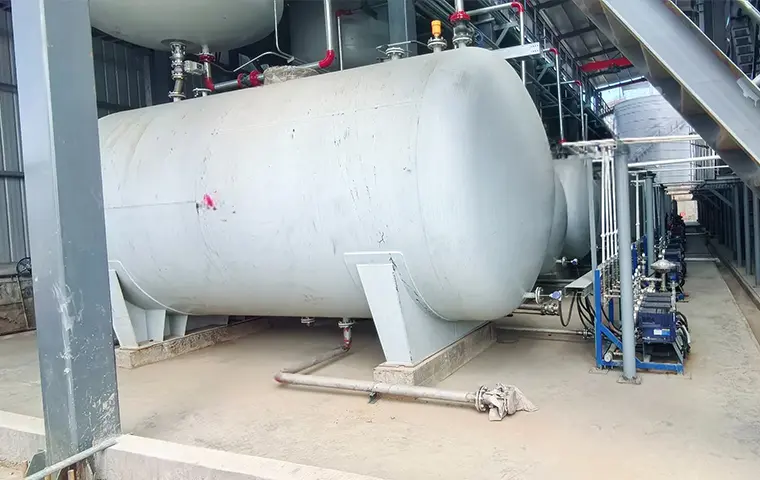
Raw Ore: Spodumene Lithium Ore Li2O Grade: 1.5% Concentrate Grade: 6.0%
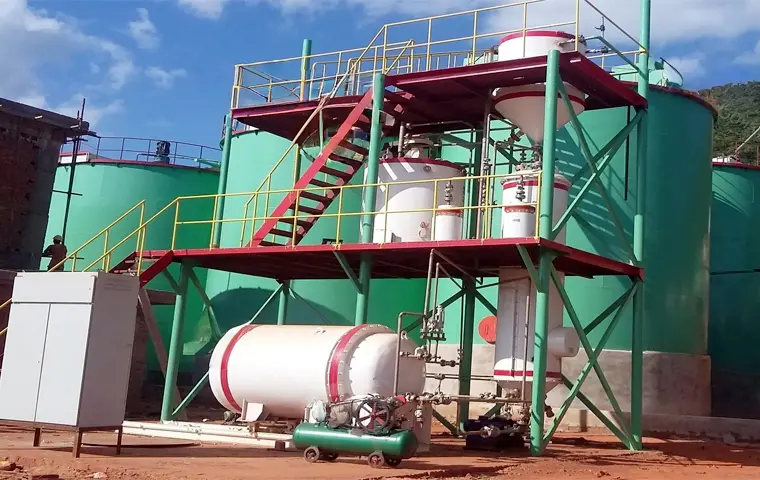
Raw Ore: Alluvial Gold with Magnetite & Hematite (Typical Sierra Madre Deposit)
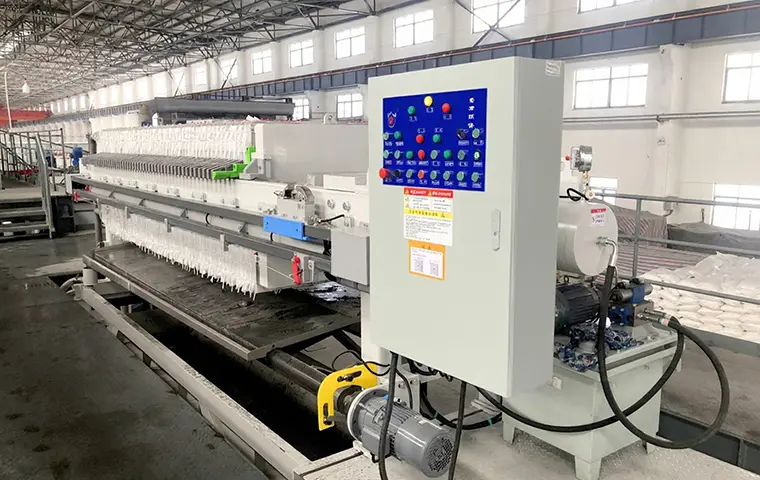
Raw Material: Carbon-slag from aluminum electrolysis Feed Grade: 15–20% Cryolite content Final Product: Recycled Cryolite ( purity ≥ 92% )
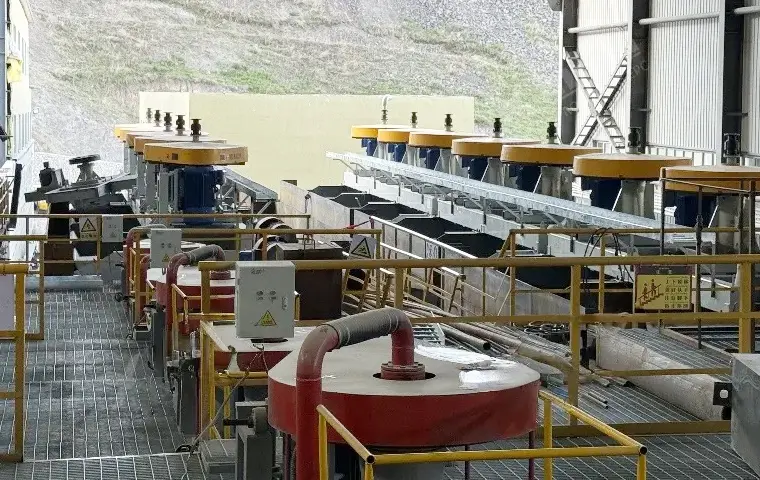
Raw Ore: Sulfide Type Gold Ore (with associated Pyrite and Arsenopyrite) Gold Grade: 4.2 g/t
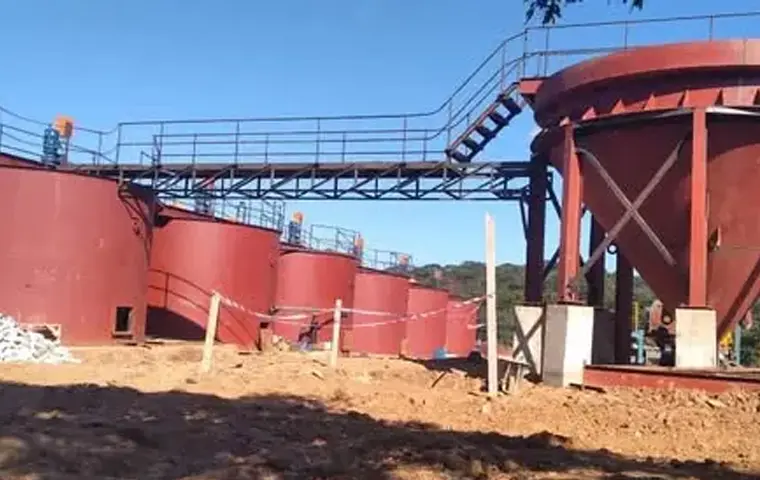
Raw Ore: Clay-rich oxidized gold ore (with minor sulfides) Gold Grade: 2.8 g/t Gold Ingot Purity: 89.5%
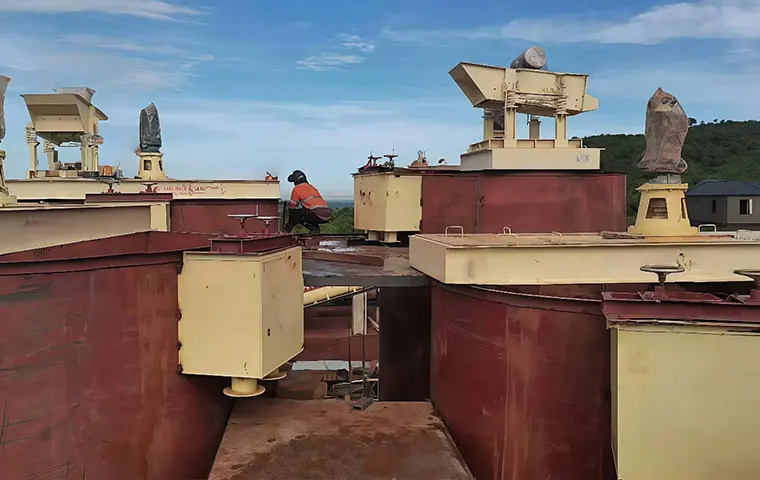
Raw Ore: Oxide Type Gold Ore Gold Grade: 3.5 g/t Gold Ingot Purity: 99.5%
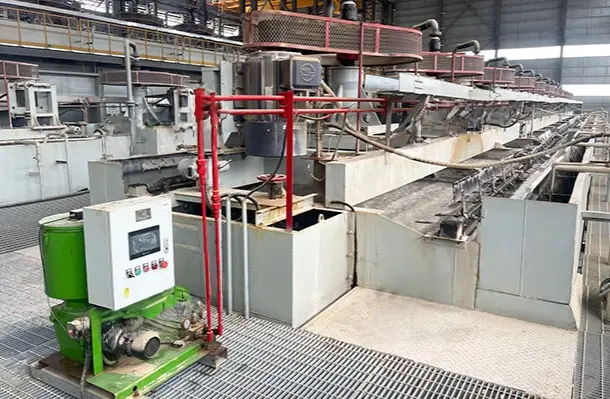
Raw Ore: Porphyry Gold-Copper Ore Gold Grade: 0.8-1.5 g/t Copper Grade: 0.6-0.9%
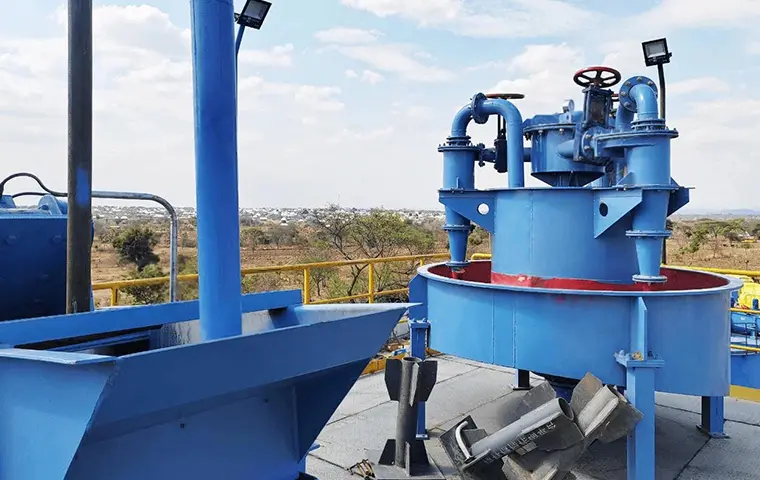
Capacity Target: Increase processing capacity from 500 TPD to 850 TPD in phases without halting production.
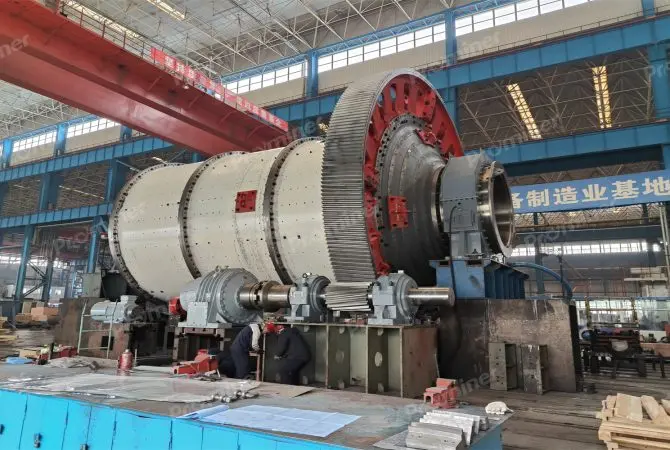
We can design and manufacture grate type ball mill for mineral primary grinding
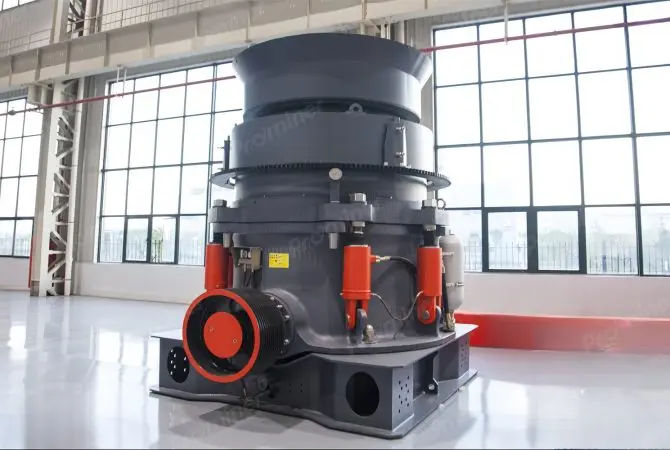
Multi-cylinder hydraulic cone crusher combines crusher speed, eccentricity and cavity profile
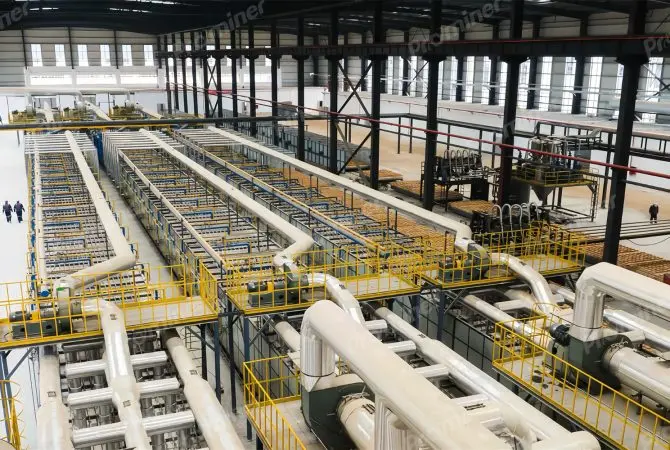
Prominer provides various types of furnaces for primary and secondary baking of carbon
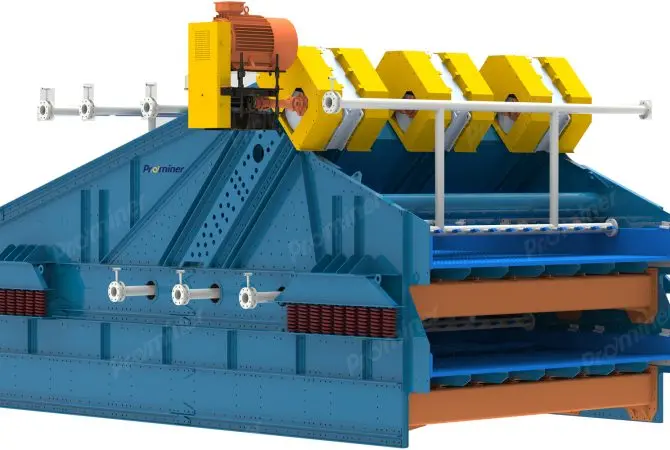
Prominer can provide all kinds of linear screen for mineral grading, material sizing, dewatering
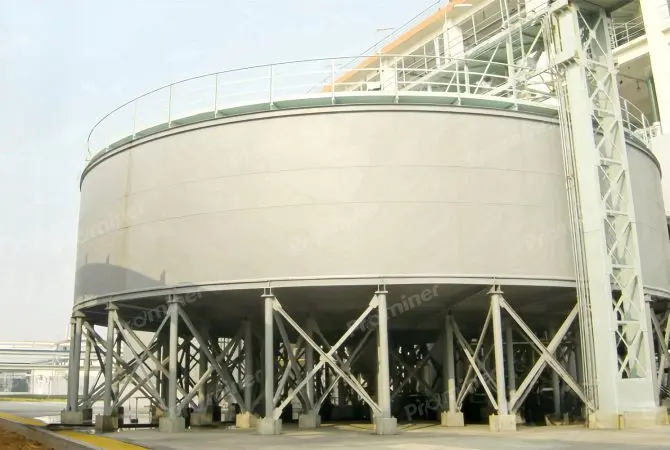
Prominer can provide different kinds of thickeners include center driving thickener, peripheral traction thickener
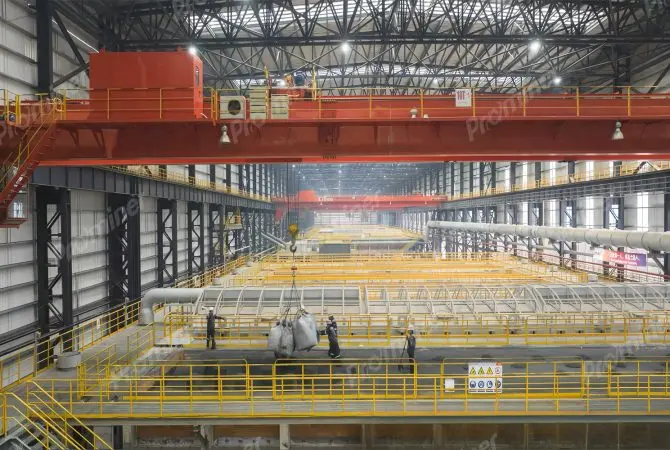
We can provide different type graphitization furnace for changing carbon material
To find out more about our products and solutions, please fll out the form below and one of our experts will get back to you shortly
3000 TPD Gold Flotation Project in Shandong Province
2500TPD Lithium Ore Flotation in Sichuan
Fax: (+86) 021-58779592
Address: Room 606, Building D3, Phase II, Chuansha Business Center, 777 Long, Miaochuan Road, Pudong New Area, Shanghai,China
Copyright © 2023. Prominer (Shanghai) Mining Technology Co.,Ltd.


