



Provide the complete solution for making graphite anode materials include grinding, shaping, purification…


Quartz sand is an important industrial raw material used in glassmaking, foundry applications, ceramics, electronics, construction, and water filtration. To meet the requirements of different industries, raw quartz sand must go through a series of beneficiation stages to remove impurities and improve its purity, grain size distribution, and performance.
Below is a clear overview of how quartz sand is processed at each beneficiation stage.
The first step in quartz sand beneficiation is the preparation of the raw ore.
Large pieces of quartz ore are fed into crushing equipment such as jaw crushers or cone crushers to reduce them to smaller sizes. After crushing, the material is screened to separate particles according to size.
This stage serves several purposes:
The goal is to create a uniform feed material for the next beneficiation stage.
After crushing and screening, the quartz sand usually contains clay, dust, and fine slime coatings on the particle surfaces. These impurities can negatively affect product quality.
Washing and desliming are used to remove these unwanted materials. Common equipment includes:
During this stage, water is used to clean the sand and separate fine mud and clay from the coarser quartz particles.
Key benefits of washing and desliming include:
In some quartz sand processing plants, grinding is necessary to further liberate quartz from associated minerals such as feldspar, mica, or iron-bearing materials.
The crushed and washed material enters grinding mills, where it is reduced to the required particle size. After grinding, classification equipment such as spiral classifiers or hydrocyclones separates the material into different size fractions.
This stage is important because:
Careful control of grinding is essential, since overgrinding can produce too many fines and reduce product yield.
Quartz sand often contains iron impurities in the form of hematite, magnetite, limonite, biotite, or other iron-bearing minerals. These impurities can lower the quality of the final product, especially for glass and electronic applications.
Magnetic separation is used to remove magnetic and weakly magnetic minerals. Depending on the impurity type, processors may use:
At this stage, the quartz sand passes through a magnetic field, which attracts and removes iron-containing minerals.
The main advantages of magnetic separation are:
When quartz sand contains non-magnetic impurities such as feldspar, mica, and heavy minerals, flotation may be used.
Flotation works by adding chemical reagents that selectively attach to certain mineral surfaces. Air bubbles are introduced into the slurry, causing target impurities to float to the surface, where they are removed, while quartz remains behind.
This process is especially useful for separating:
Flotation can significantly improve quartz purity, but it requires careful reagent selection, pH control, and operating conditions.
For high-purity quartz sand, physical beneficiation alone may not be enough. Some impurities, especially thin iron films or embedded metal oxides, remain attached to the quartz surface or occur within microcracks.
Acid leaching is used to dissolve these residual impurities. Common acids include:
In this stage, the quartz sand is treated with acid under controlled temperature and time conditions. The acid reacts with iron oxides, aluminum oxides, and other contaminant minerals, helping to produce a much purer product.
Acid leaching offers several advantages:
After leaching, the sand is thoroughly washed to remove residual acid.
Once beneficiation is complete, the quartz sand contains excess moisture that must be removed before storage or sale.
Dewatering is usually carried out using:
After dewatering, the sand may be dried in rotary dryers, fluidized bed dryers, or other thermal drying systems.
This stage ensures:
Drying is especially important for products intended for precise industrial applications.
In the final stage, the dried quartz sand is screened and graded into specific particle size ranges according to market requirements.
Different industries require different sand sizes and purity levels. For example:
After grading, the finished quartz sand is packaged in bags, jumbo bags, or shipped in bulk.
This final step ensures that the product meets technical specifications and is ready for commercial use.
Modern quartz sand beneficiation plants also pay close attention to environmental management.
The washing, desliming, flotation, and leaching stages generate tailings and wastewater. These streams are treated to recover usable water and reduce environmental impact.
Typical measures include:
Efficient tailings treatment helps lower production costs, conserve water, and support sustainable plant operation.
Quartz sand beneficiation is a multi-stage process designed to improve purity, remove impurities, and produce sand that meets strict industrial standards. From crushing and washing to magnetic separation, flotation, acid leaching, drying, and final grading, each stage plays a specific role in upgrading the raw material.
The exact process flow depends on the nature of the raw quartz deposit and the quality requirements of the final application. By carefully selecting and controlling each beneficiation stage, producers can manufacture quartz sand for a wide range of industries, from ordinary construction materials to ultra-high-purity technological applications.
A: A handful of variables drive most of the variation in recovery and grade: grind size (liberation), pulp density, reagent type and dosage, residence time, pH, and — for magnetic separation — field intensity and feed rate. Changing one without adjusting the others usually backfires. The practical way to find your optimum is a structured test program: vary one parameter at a time on your actual ore and measure recovery and grade at each point. We run this kind of parameter study during lab and pilot testing, then carry the settings into the plant design and re-tune them during commissioning.
A: Three properties matter most: whether the valuable mineral is sulfide or oxide, how coarsely or finely it is disseminated in the gangue, and what gangue minerals accompany it. Coarse, high-density minerals respond well to gravity separation; magnetic minerals to magnetic separation; fine sulfide minerals to flotation; oxide or low-grade ores often to leaching. Many ores need a staged combination. Because two deposits carrying the same metal can behave completely differently, the flowsheet has to be built from your ore’s own test data — not copied from a similar project.
A: A single method rarely hits both target recovery and target grade when the ore contains multiple valuable minerals, spans a wide particle size range, or carries problematic gangue. Then a combined flowsheet is justified — for example, gravity pre-concentration to reject coarse waste early, magnetic separation ahead of flotation to remove magnetic minerals, or staged grinding and classification to liberate progressively. The added circuit costs more, but it usually pays back through higher overall recovery and lower reagent and energy consumption per tonne.
A: Refractory ores resist standard processing — gold locked inside sulfide minerals, ores that consume excessive reagents, carbonaceous ores that re-adsorb dissolved gold, fine or clay-rich ores that slime badly, or oxide ores that float poorly. Treatment usually adds a step ahead of or instead of the conventional circuit: finer grinding, oxidation pre-treatment, roasting, or a switch from flotation to leaching. Identifying the specific cause through diagnostic testwork is essential, because each cause has a different fix and the wrong one wastes capital.
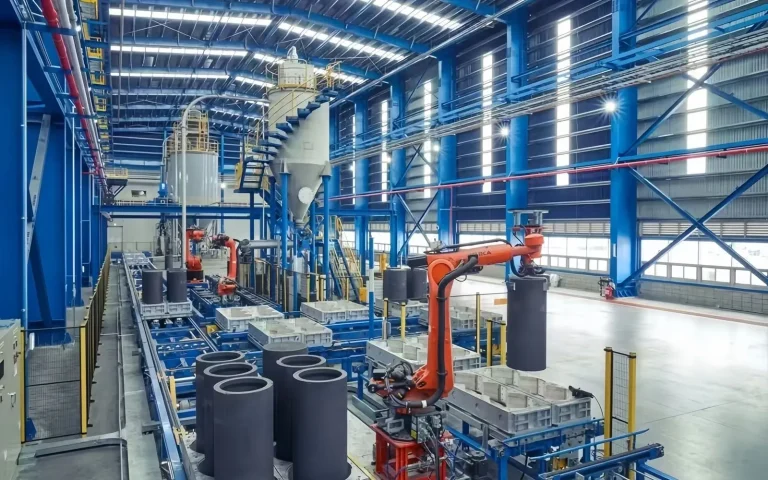
Provide the complete solution for making graphite anode materials include grinding, shaping, purification…
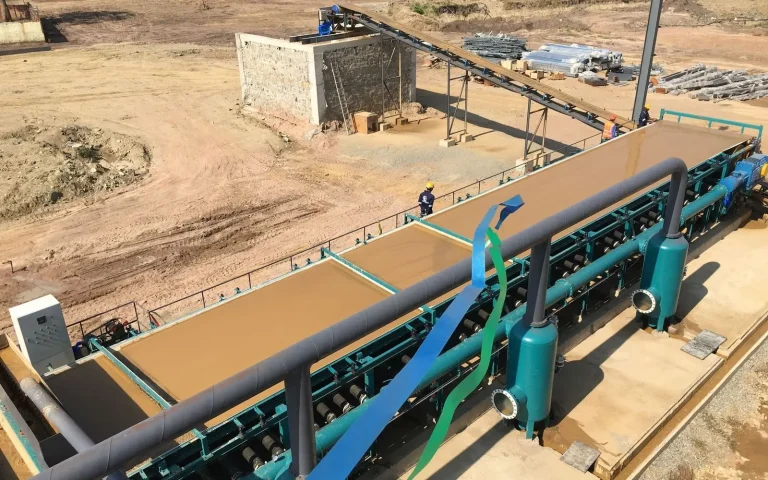
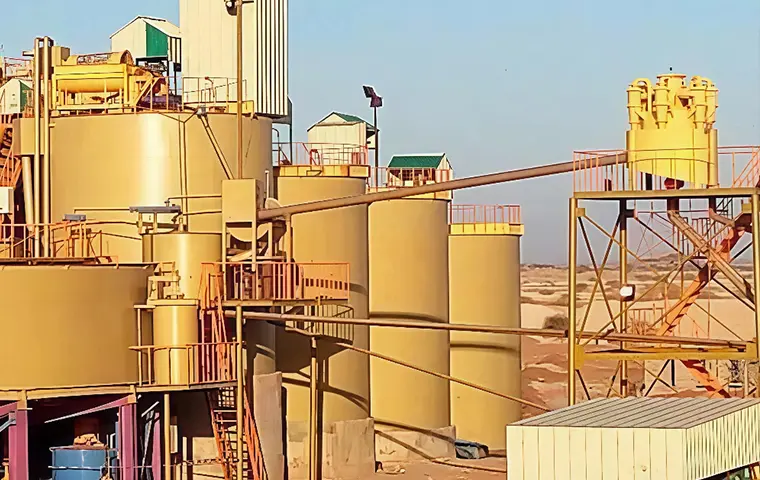
Gold CIL process (carbon in leaching) is very popular way to process the high grade oxide type gold ore
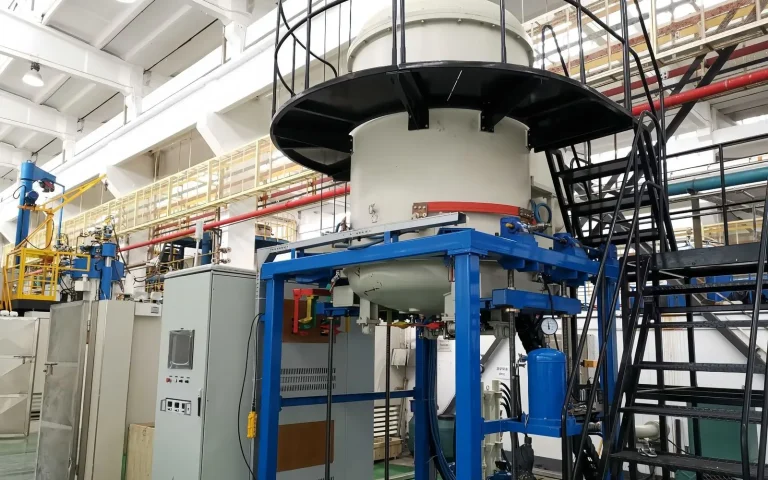
The demand from the industry over the years has been for special graphite and carbon with increasingly tighter

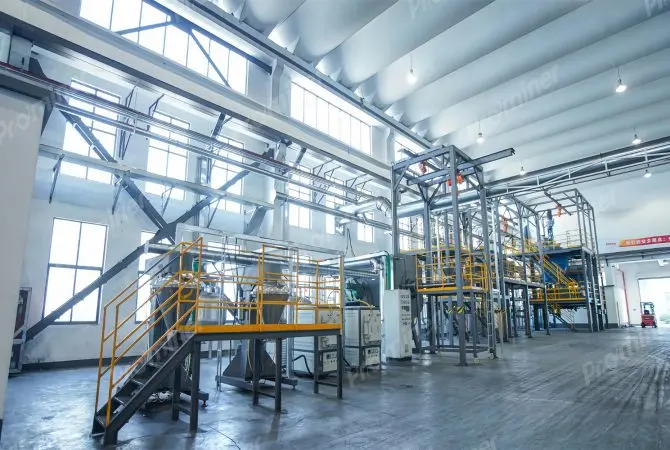
Raw Material: Needle coke and petroleum coke Project Capacity: 50 kgs per hour
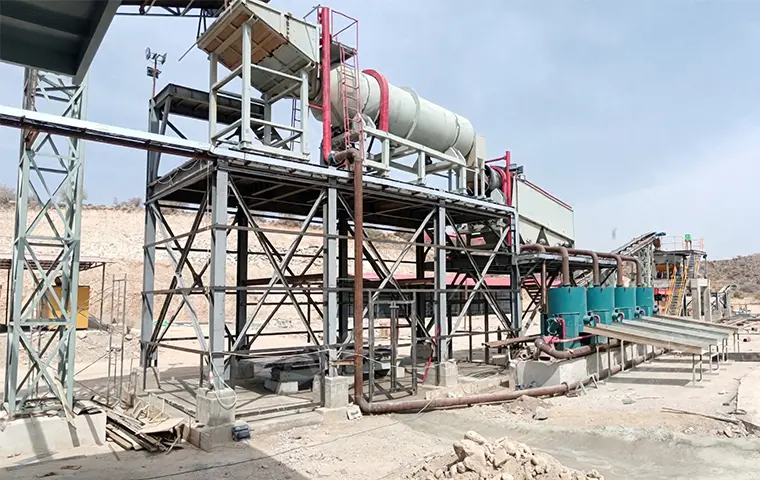
Raw Ore: Alluvial gold ore from dry river bed (Wadi) Gold Grade: 1.2 g/t Gold Recovery Rate: >92%
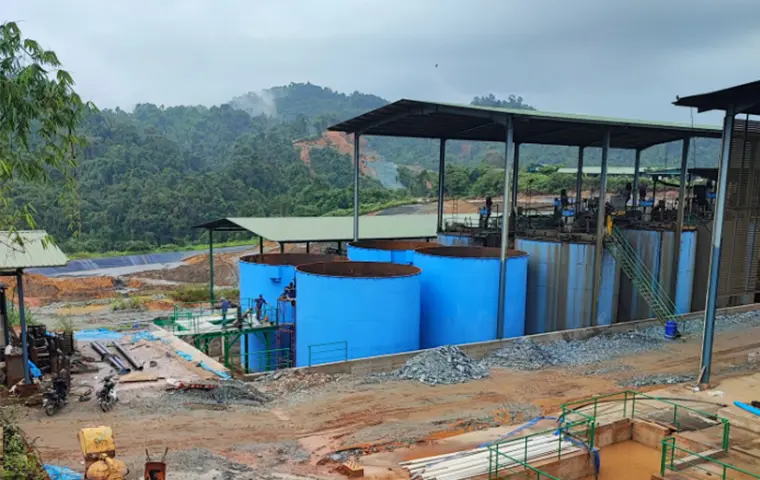
Raw Ore: Refractory and Semi-Refractory Sulfide Gold Ore Gold Grade: 2.65 g/t Gold Ingot Purity: ≥95.5%
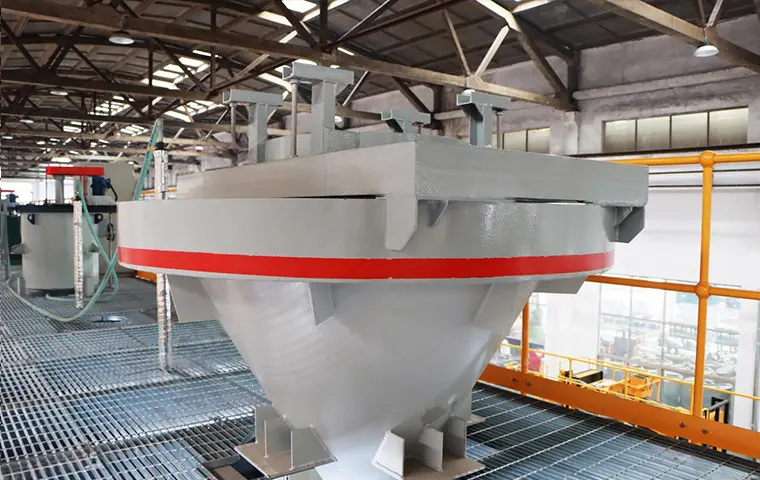
Raw Ore: Sulfide Type Gold Ore Gold Grade: 3.5 g/t Final Product: Gold Ingot Gold Recovery Rate: 96%
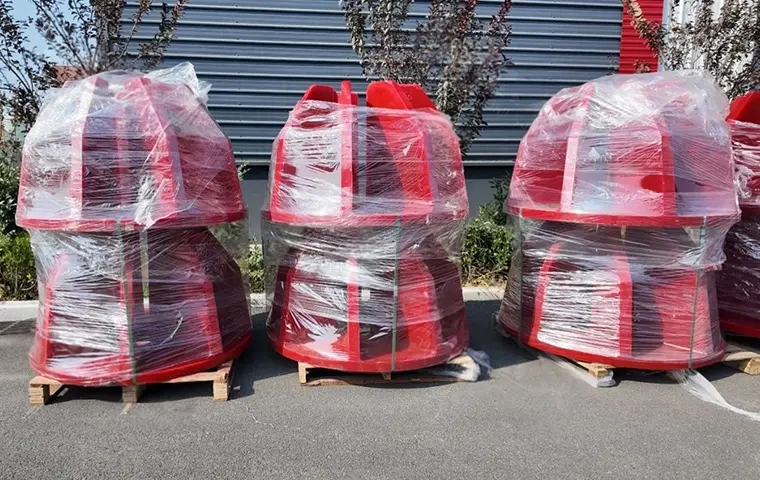
Raw Ore: Sulfide Copper Ore Copper Grade: 1.2% Target Flotation Recovery Rate: 92%
Raw Material: Spent gold leaching solution (cyanide-based) Gold Concentration in Solution 2-5 ppm
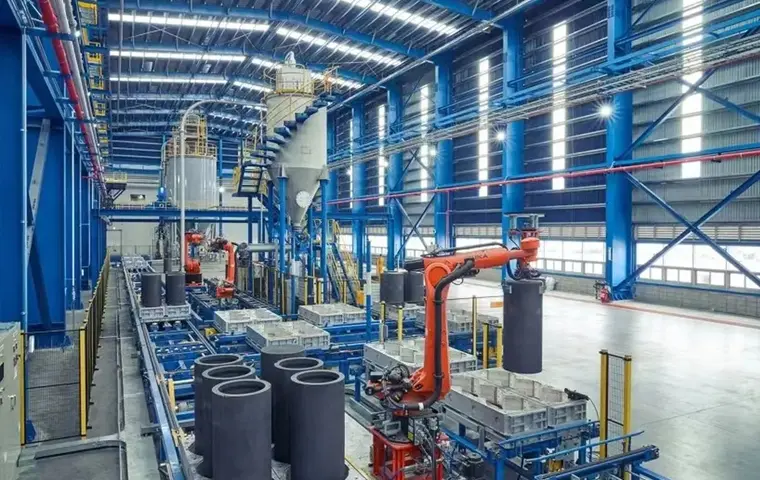
Raw Material: Green Petroleum Coke, Green Needle Coke and High soft point pitch
Boosting copper recovery and reducing energy consumption through cutting-edge pre-concentration and Prominer’s 15+ years of EPC expertise
AG/SAG is short for autogenous mill and semi-autogenous mill, it combines with two functions of crushing
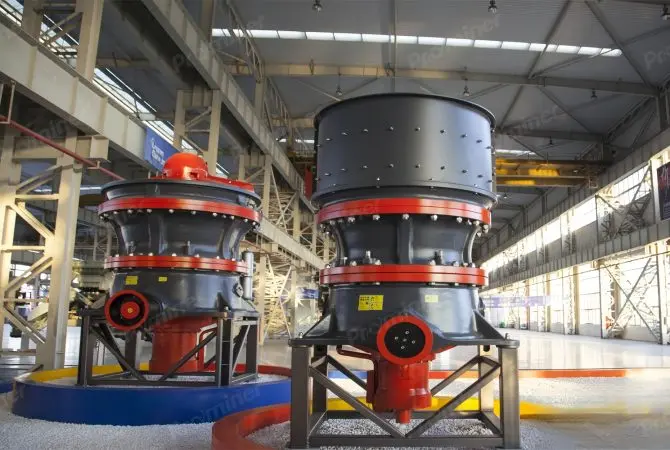
Single-cylinder hydraulic cone crusher have two series based on different cavity, S-cavity is designed
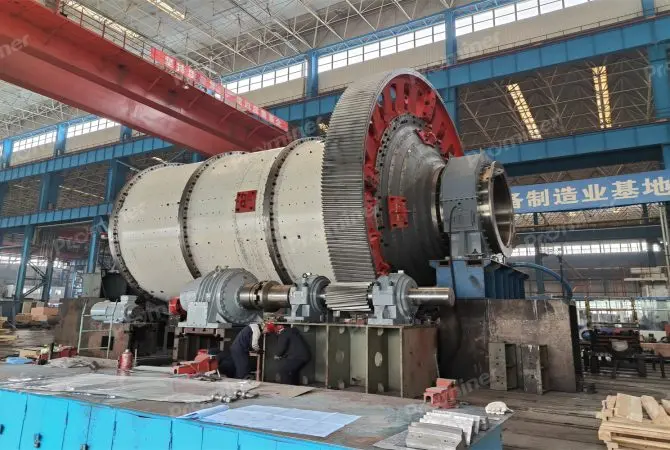
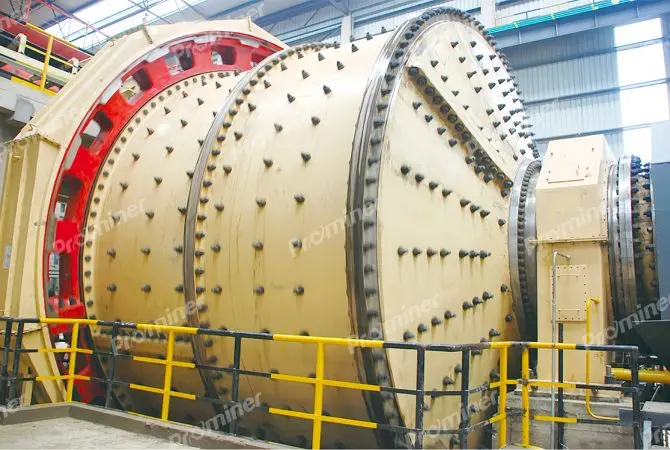
We can design and manufacture grate type ball mill for mineral primary grinding
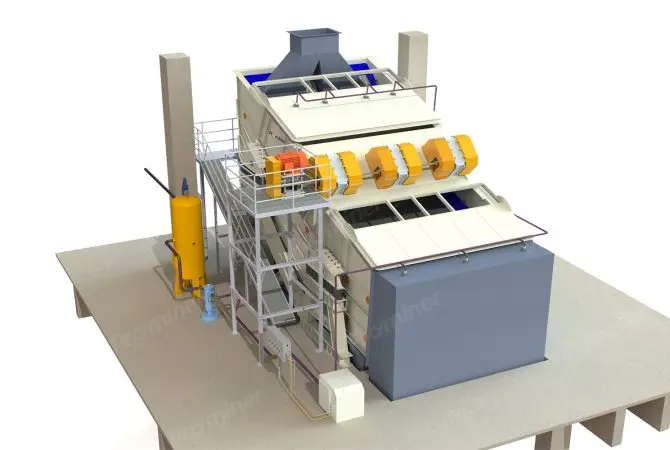
Flip-flow screen panel continues expanding and contracting so achieve a high acceleration rates
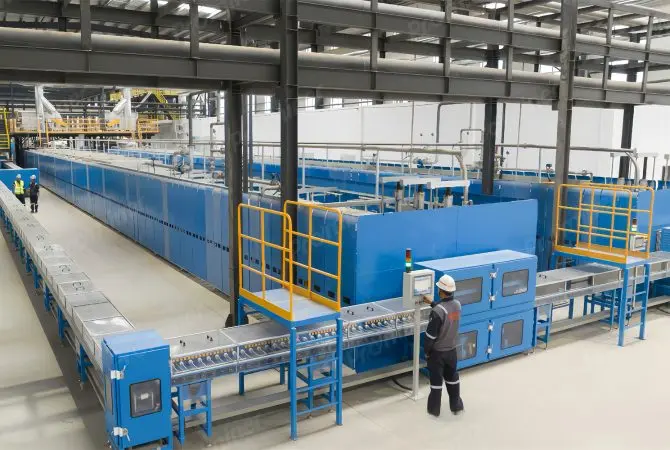
We can provide the complete solution for high temperature carbonization treatment system
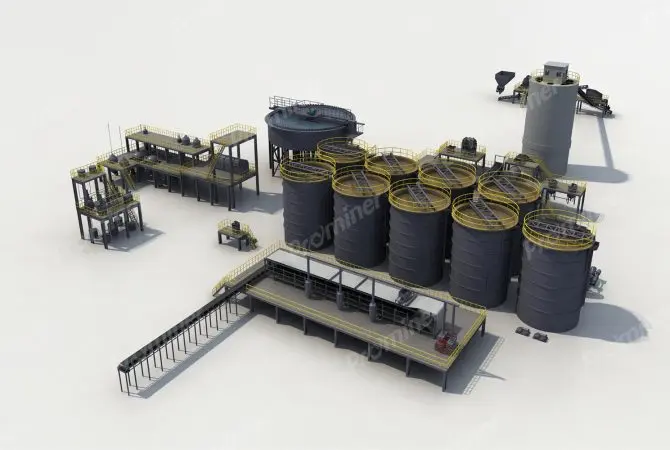
Prominer can provide the complete solution for CIL (carbon in leaching) system
To find out more about our products and solutions, please fll out the form below and one of our experts will get back to you shortly
3000 TPD Gold Flotation Project in Shandong Province
2500TPD Lithium Ore Flotation in Sichuan
Fax: (+86) 021-58779592
Address: Room 606, Building D3, Phase II, Chuansha Business Center, 777 Long, Miaochuan Road, Pudong New Area, Shanghai,China
Copyright © 2023. Prominer (Shanghai) Mining Technology Co.,Ltd.


