

Gold CIL process (carbon in leaching) is very popular way to process the high grade oxide type gold ore




Quartz sand purification is a critical process in industries that require high-purity silica, such as glass manufacturing, electronics, photovoltaics, ceramics, and foundry applications. The presence of impurities like iron, aluminum, feldspar, mica, clay, and organic matter can significantly reduce the value and usability of quartz sand. To achieve higher purity efficiently, producers must combine proper raw material evaluation, well-designed processing steps, and advanced purification technologies.
Efficient quartz sand purification starts with a detailed understanding of the raw ore. Different quartz deposits contain different types and levels of impurities. Some impurities are present as surface contaminants, while others are embedded inside the quartz grains or associated with other minerals.
Key factors to evaluate include:
A thorough mineralogical analysis helps determine which purification methods will be most effective and cost-efficient.
Washing is one of the most basic but essential purification steps. It removes surface dust, clay, and loose fine particles that can carry impurities. Desliming further separates very fine particles, which often contain higher concentrations of iron, aluminum, and other unwanted materials.
This stage improves the effectiveness of downstream processes by:
Efficient washing equipment and hydrocyclone-based desliming systems are commonly used in this stage.
Attrition scrubbing is highly effective for removing impurities attached to the surface of quartz grains. During scrubbing, quartz particles rub against each other, dislodging iron films, clay coatings, and other contaminants.
This method is especially useful when:
Optimizing scrubbing time, slurry concentration, and agitation intensity can greatly improve purification performance.
Iron is one of the most common and problematic impurities in quartz sand. Magnetic separation is widely used to remove magnetic and weakly magnetic minerals such as hematite, magnetite, ilmenite, and biotite.
Depending on the impurity type, producers may use:
This step is critical for producing quartz sand suitable for high-grade glass and electronic applications. For best results, magnetic separation is often used after washing and scrubbing, when surface coatings have already been reduced.
Flotation is an effective technique for removing non-magnetic impurity minerals such as feldspar, mica, and heavy minerals. In this process, chemical reagents are used to selectively separate unwanted minerals from quartz.
Flotation is especially beneficial when:
To achieve good results, it is important to carefully control:
Well-designed flotation circuits can significantly increase quartz purity while minimizing silica loss.
When extremely high purity is needed, acid leaching is often the most effective final purification step. This method dissolves residual metallic impurities that remain after physical separation.
Common acids used include:
Acid leaching is particularly useful for removing:
However, this method requires strict control of temperature, acid concentration, reaction time, and environmental safety measures. Proper wastewater treatment is also essential.
Particle size plays a major role in purification efficiency. If quartz sand is too coarse, impurities may remain locked inside the grains. If it is too fine, processing becomes more difficult and product loss may increase.
An optimized grinding and classification strategy helps:
The ideal particle size depends on the ore characteristics and the purity target.
No single purification method can handle all impurity types effectively. The most efficient quartz sand purification process usually involves a combination of methods tailored to the deposit.
A typical high-efficiency process may include:
By combining these steps in the right sequence, producers can maximize impurity removal while controlling processing costs.
Stable product quality depends on consistent process control. Advanced monitoring and automation systems can improve purification efficiency by reducing variability and ensuring optimal operating conditions.
Important control points include:
Automation also helps reduce labor requirements, minimize reagent waste, and improve overall plant productivity.
Efficient purification is not only about achieving higher purity but also about balancing cost and environmental impact. Water recycling, reagent optimization, tailings management, and energy-efficient equipment all contribute to a more sustainable operation.
To improve both environmental and economic performance, operators should:
A sustainable purification process supports long-term profitability and regulatory compliance.
Achieving efficient quartz sand purification for higher purity requires a systematic approach that starts with understanding the raw material and continues through carefully selected physical and chemical treatment methods. Washing, scrubbing, magnetic separation, flotation, acid leaching, and particle size optimization all play important roles. The best results come from integrating these methods into a well-controlled process that balances purity, recovery, cost, and environmental responsibility.
For producers targeting premium quartz sand markets, investing in process design, testing, and automation is the key to consistent high-purity output.
A: The choice depends entirely on your ore’s mineral characteristics:
Gravity Separation: Best for coarse-grained minerals with large density differences (e.g., placer gold).
Flotation: Ideal for fine-grained base metals (e.g., copper oxide) or removing impurities from non-metallic minerals (e.g., quartz sand).
Cyanidation (CIP): Necessary for fine, encapsulated precious metals (e.g., rock gold) to maximize chemical extraction.
A: This approach prevents over-grinding (creating excessive ultra-fine particles), which ruins flotation efficiency. By grinding in stages and immediately separating recovered minerals or waste at each stage, you significantly reduce energy consumption, minimize steel media wear, and protect valuable minerals from turning into unrecoverable slime.
A: Fine particles have low mass and high surface areas, making them hard to float. Key solutions include:
Advanced Reagents: Using highly selective collectors and flocculants to aggregate fine particles.
Micro-bubble Technology: Utilizing flotation columns that generate smaller bubbles to increase particle-bubble collision rates.
Desliming: Removing harmful ultra-fine slimes before the flotation stage to clear the process environment.
A: Relying on a single method is rarely enough. The key is a combined metallurgical flowsheet:
For High-Purity Quartz: Integrate scrubbing, magnetic separation (to remove iron), flotation (for feldspar), and acid leaching for the ultimate purity.
For Precious Metals: Combine gravity separation (to catch coarse gold early) with flotation and CIP (to extract fine gold), ensuring zero valuable minerals are wasted.
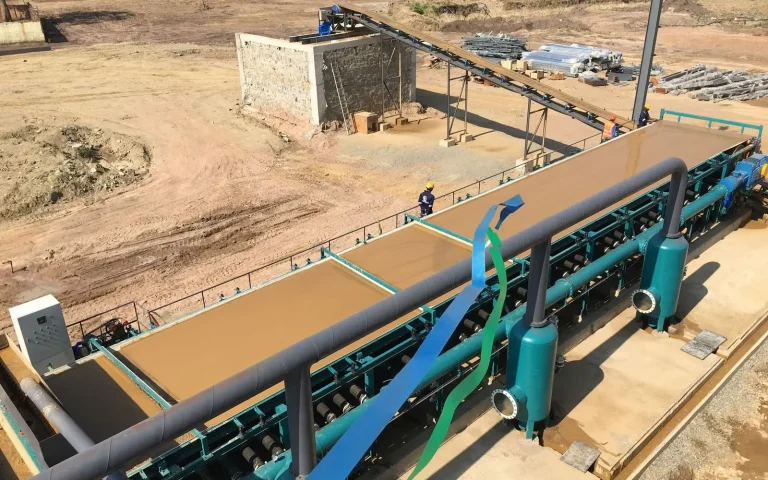
Gold CIL process (carbon in leaching) is very popular way to process the high grade oxide type gold ore
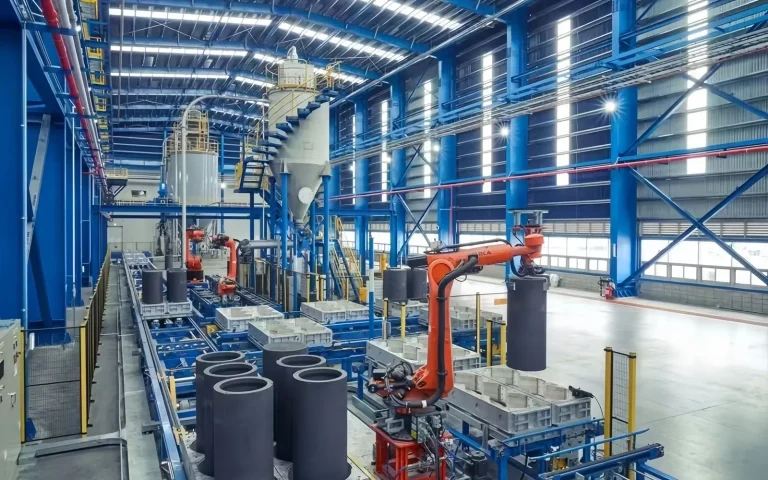
Provide the complete solution for making graphite anode materials include grinding, shaping, purification…
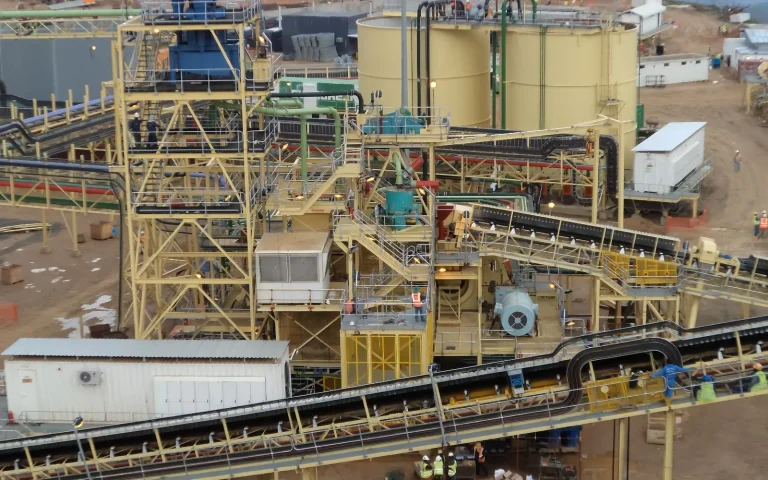
Flotation is the most popular processing way in gold ore processing project. Because the flotation process


Raw Material: Fluorite Ore (CaF₂) Fluorspar Grade: 35% CaF₂ Concentrate Grade: 97% CaF₂
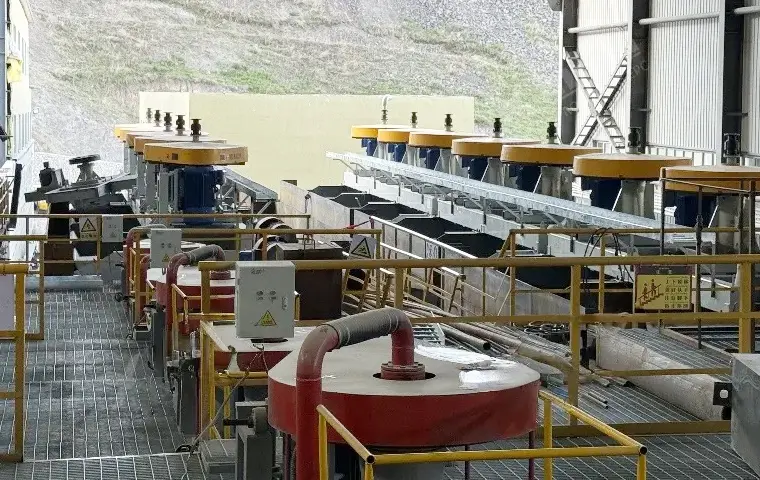
Raw Ore: Sulfide Type Gold Ore (with associated Pyrite and Arsenopyrite) Gold Grade: 4.2 g/t
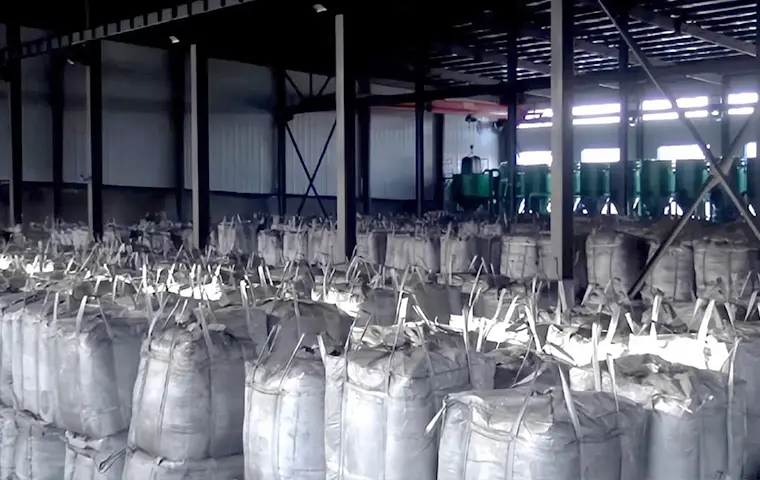
Raw Material: Graphite Flotation Concentrate (95% C) Project Capacity: 10,000 tons per annum
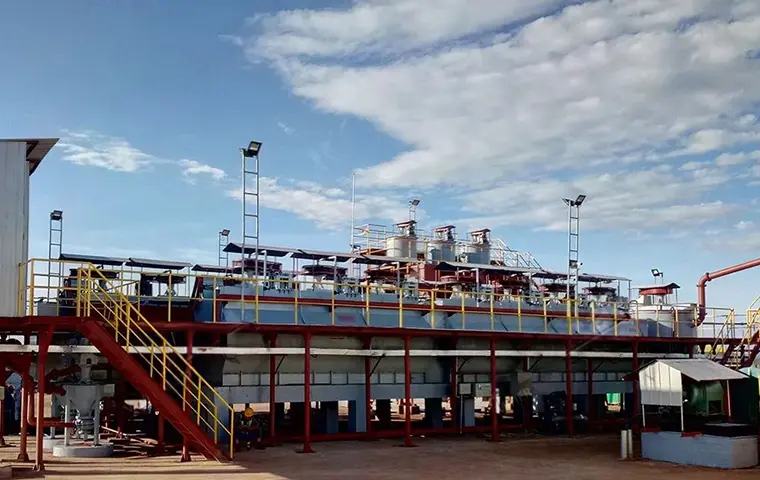
Raw Ore: Gold ore with high arsenic content Gold Grade: 3.5 g/t Arsenic Content: 2.1%
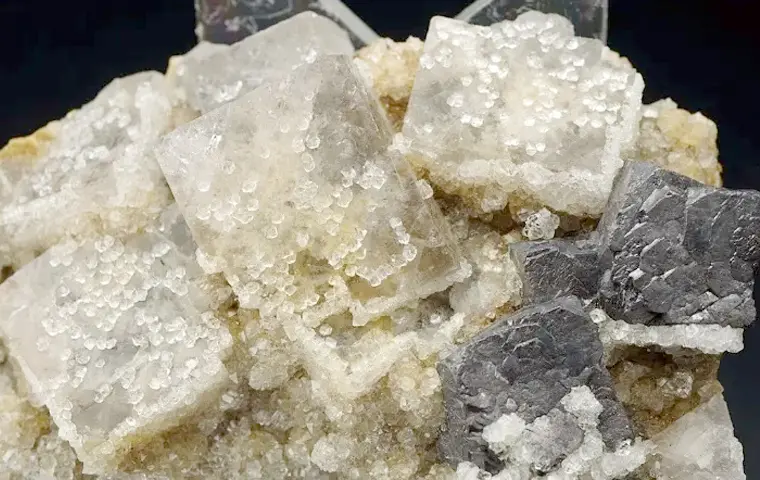
Raw Material: Polymetallic Ore Containing Galena (PbS) and Fluorite (CaF₂) Lead Grade: 3.5% Fluorite Grade: 35%
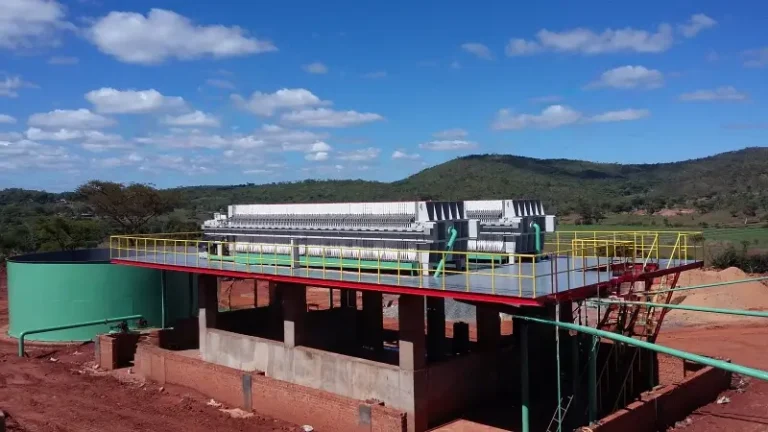
Raw Ore: Sulfide-Bearing Gold Ore (30% Sulfide) Gold Grade: 3.2 g/t Final Product: 98.99% Gold Ingot
Raw Material: Lithium Brine (from Lithium Triangle: Chile/Argentina/Bolivia); Spodumene Ore (from Australia and China)
Raw Ore: Copper Sulfide Ore Copper Grade: 0.85% Final Product: Copper Concentrate
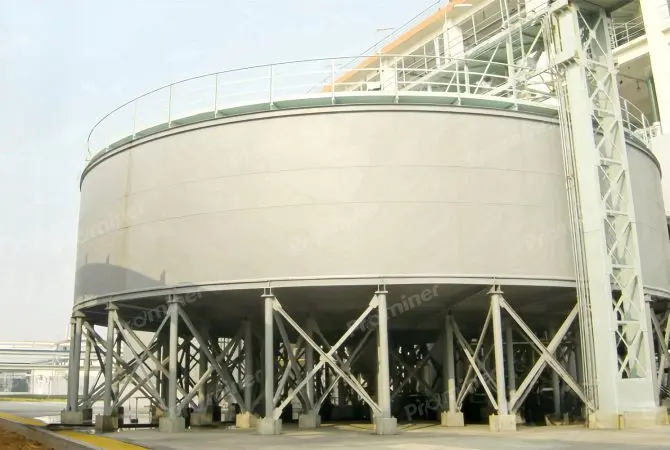
Prominer can provide different kinds of thickeners include center driving thickener, peripheral traction thickener
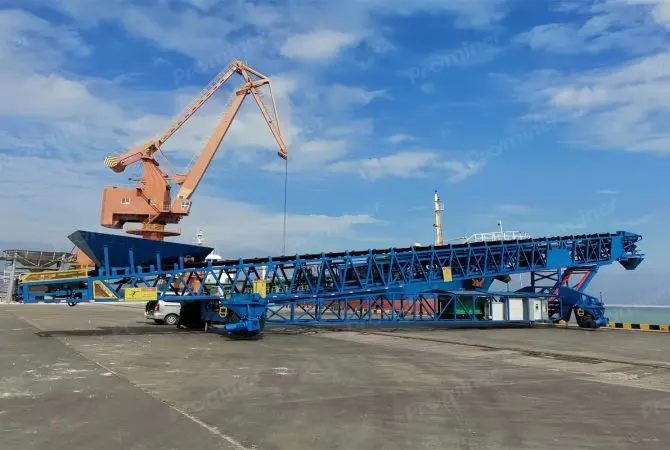
Our engineer team can design and manufacture the mobile type radial stacker, loader
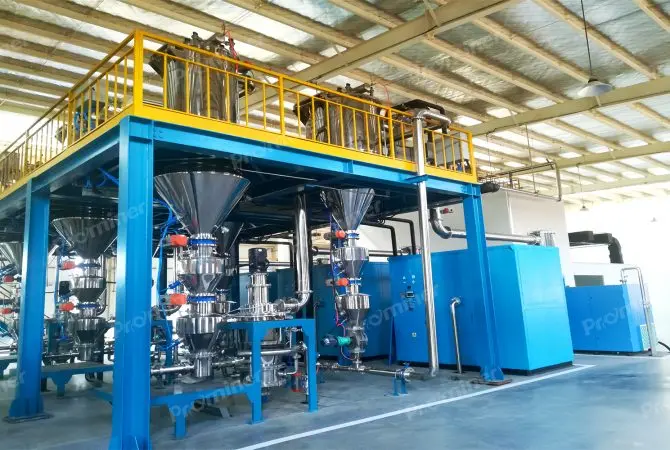
Jet mill is also called fluidized bed jet mill by using multiple nozzles to form sonic speed air flow
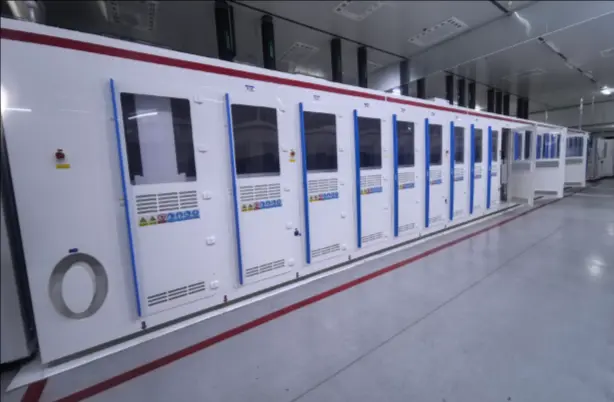
Include: Monocrystalline Batch Texturing Equipment, Batch Texturing Loader/Unloader, Low-Pressure…
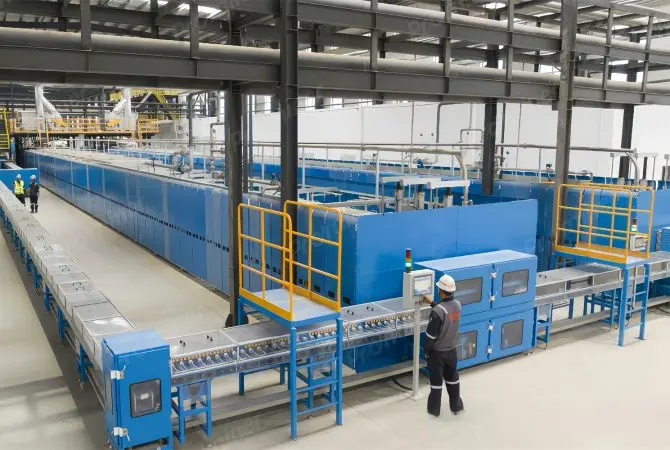
We can provide the complete solution for high temperature carbonization treatment system
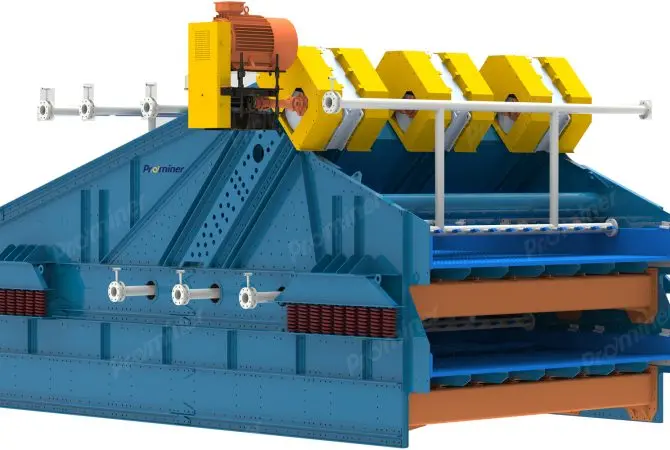
Prominer can provide all kinds of linear screen for mineral grading, material sizing, dewatering
To find out more about our products and solutions, please fll out the form below and one of our experts will get back to you shortly
3000 TPD Gold Flotation Project in Shandong Province
2500TPD Lithium Ore Flotation in Sichuan
Fax: (+86) 021-58779592
Address: Room 606, Building D3, Phase II, Chuansha Business Center, 777 Long, Miaochuan Road, Pudong New Area, Shanghai,China
Copyright © 2023. Prominer (Shanghai) Mining Technology Co.,Ltd.


