

Provide the complete solution for making graphite anode materials include grinding, shaping, purification…




Low-grade iron ore dressing is one of the most important challenges in modern mineral processing. As high-grade iron ore reserves continue to decline, mining companies are increasingly turning to lower-grade resources to meet steel industry demand. However, processing low-grade iron ore efficiently requires advanced technology, optimized workflows, and careful control of each beneficiation stage.
This article explores the key strategies for achieving high efficiency in low-grade iron ore dressing.
The first step in improving dressing efficiency is to fully understand the ore itself. Low-grade iron ore typically contains:
A detailed mineralogical analysis helps determine:
Without this understanding, it is difficult to design an efficient and cost-effective dressing plant.
Crushing and grinding are critical stages in low-grade iron ore dressing because they directly affect mineral liberation. If the ore is not ground finely enough, valuable iron minerals remain locked with gangue. If it is ground too finely, overgrinding can produce slimes, increase energy consumption, and reduce separation efficiency.
To optimize this stage:
Efficient grinding improves liberation while minimizing energy use, which is essential for both economic and environmental performance.
Different low-grade iron ores require different beneficiation methods depending on their mineral properties.
Common methods include:
In many cases, a single method is not enough. Combined flowsheets such as magnetic separation plus flotation, or gravity separation plus magnetic separation, can significantly improve concentrate grade and recovery.
Pre-concentration is an effective way to reject waste rock early and reduce the amount of material entering the grinding and beneficiation circuits. This can lead to:
Pre-concentration techniques may include:
By removing barren or low-value material before fine grinding, plants can improve overall efficiency substantially.
Modern equipment plays a major role in increasing the efficiency of low-grade iron ore dressing. High-performance separation devices can improve both recovery and concentrate quality.
Examples include:
Advanced automation and process control systems also help operators monitor changes in ore characteristics and adjust parameters in real time.
A significant portion of iron in low-grade ores may be distributed in fine or ultra-fine particles. Traditional separation methods often struggle to recover these particles effectively.
To improve fine particle recovery:
Recovering fine iron minerals efficiently can greatly increase total resource utilization and reduce tailings losses.
In beneficiation processes such as flotation, reagent selection and dosage have a direct impact on efficiency. Excessive or improper reagent use can increase costs, lower selectivity, and create environmental challenges.
Best practices include:
Water management is especially important in dressing plants because stable water quality can improve process consistency and reduce fresh water consumption.
Low-grade iron ore dressing requires continuous optimization. Ore properties may vary over time, so plants should not rely only on initial design data.
Important measures include:
Continuous testing allows operators to identify bottlenecks and maintain high efficiency under changing conditions.
Tailings from low-grade iron ore dressing may still contain valuable iron minerals, especially when older processes were less efficient. Reprocessing tailings can improve metal recovery and reduce environmental impact.
Useful approaches include:
A comprehensive resource utilization strategy increases the economic value of the operation and supports sustainable mining.
Digitalization is becoming an important tool for improving efficiency in mineral processing. Intelligent control systems can stabilize operations and reduce human error.
Key technologies include:
Automation helps plants respond quickly to fluctuations in feed grade and operating conditions, leading to more stable production and better results.
Achieving high efficiency in low-grade iron ore dressing requires a systematic approach. It begins with a deep understanding of ore characteristics and extends through optimized crushing, grinding, separation, reagent control, water management, automation, and tailings utilization.
There is no single universal solution for all low-grade iron ores. The most effective strategy is to combine suitable beneficiation technologies, modern equipment, and continuous process optimization based on the specific properties of the ore.
As the mining industry continues to face declining ore grades and rising sustainability demands, efficient low-grade iron ore dressing will remain essential for maximizing resource value and maintaining long-term competitiveness.
A: The choice depends entirely on your ore’s mineral characteristics:
Gravity Separation: Best for coarse-grained minerals with large density differences (e.g., placer gold).
Flotation: Ideal for fine-grained base metals (e.g., copper oxide) or removing impurities from non-metallic minerals (e.g., quartz sand).
Cyanidation (CIP): Necessary for fine, encapsulated precious metals (e.g., rock gold) to maximize chemical extraction.
A: This approach prevents over-grinding (creating excessive ultra-fine particles), which ruins flotation efficiency. By grinding in stages and immediately separating recovered minerals or waste at each stage, you significantly reduce energy consumption, minimize steel media wear, and protect valuable minerals from turning into unrecoverable slime.
A: Fine particles have low mass and high surface areas, making them hard to float. Key solutions include:
Advanced Reagents: Using highly selective collectors and flocculants to aggregate fine particles.
Micro-bubble Technology: Utilizing flotation columns that generate smaller bubbles to increase particle-bubble collision rates.
Desliming: Removing harmful ultra-fine slimes before the flotation stage to clear the process environment.
A: Relying on a single method is rarely enough. The key is a combined metallurgical flowsheet:
For High-Purity Quartz: Integrate scrubbing, magnetic separation (to remove iron), flotation (for feldspar), and acid leaching for the ultimate purity.
For Precious Metals: Combine gravity separation (to catch coarse gold early) with flotation and CIP (to extract fine gold), ensuring zero valuable minerals are wasted.
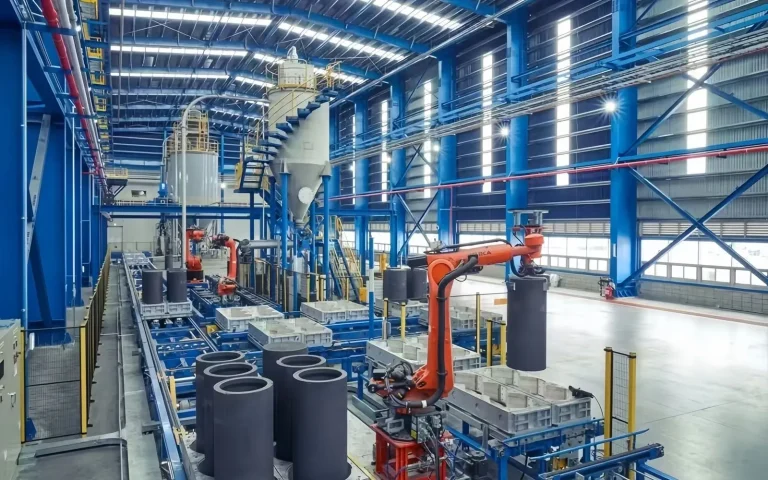
Provide the complete solution for making graphite anode materials include grinding, shaping, purification…
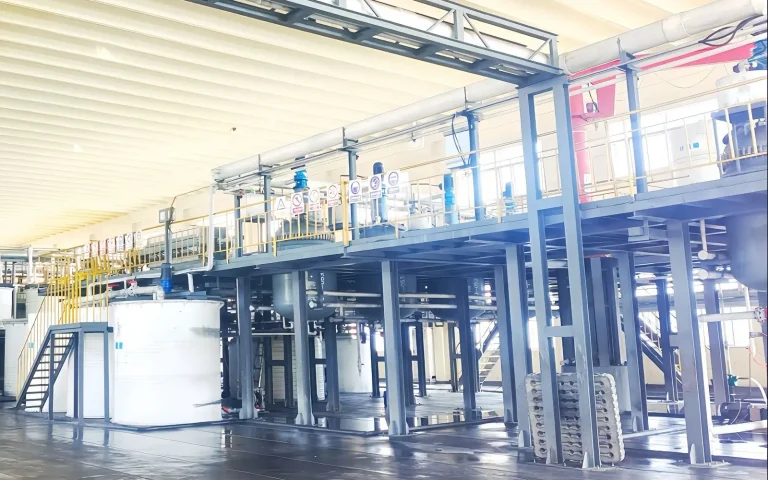
Flake graphite can be used to produce high carbon graphite, high purity graphite, expandable graphite
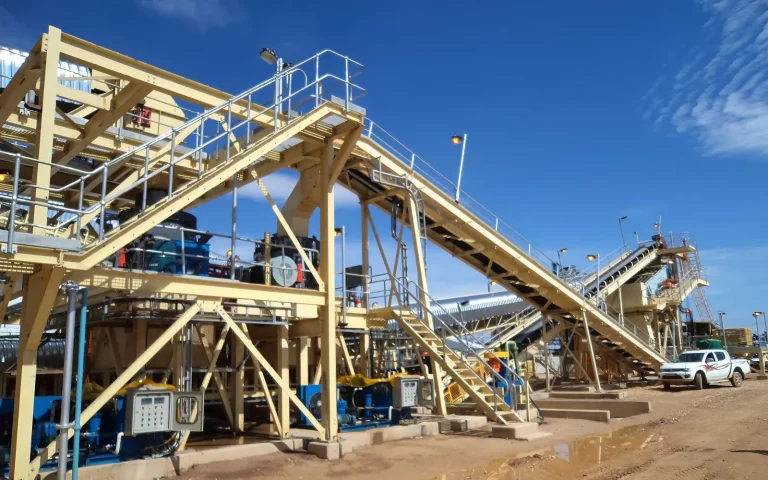
Vat leaching is a good option for the project owner to start at initial stage to save investment

Raw Ore: Siliceous-Phosphate with Magnetite Inclusions Feed Composition: P₂O₅: 19-23%;Fe₂O₃: 8-12%;SiO₂: 25-35%;CaO: 32-38%
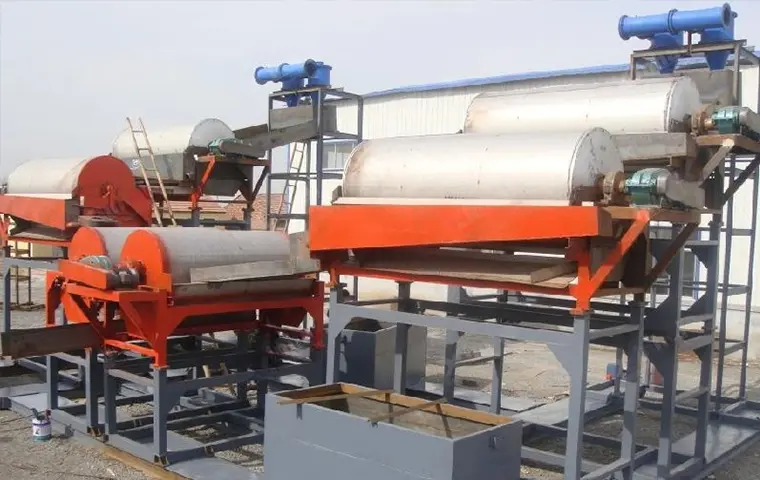
Raw Ore: Hausmannite Ore (Mn₃O₄) Mn Grade: 35% Final Product: Hausmannite Concentrate Mn Recovery Rate: 88%
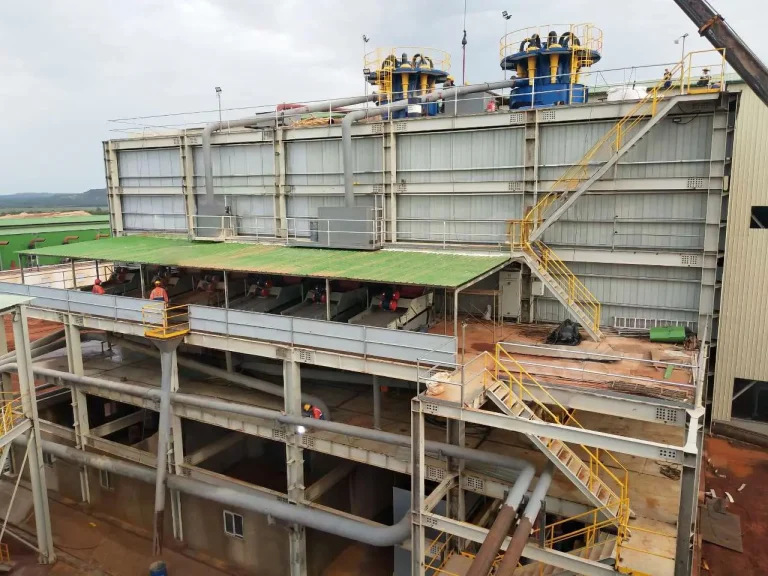
Raw Ore: Alluvial Gold Ore from River Deposits Gold Grade: 0.7 g/t (average) Recovery Rate: 90%
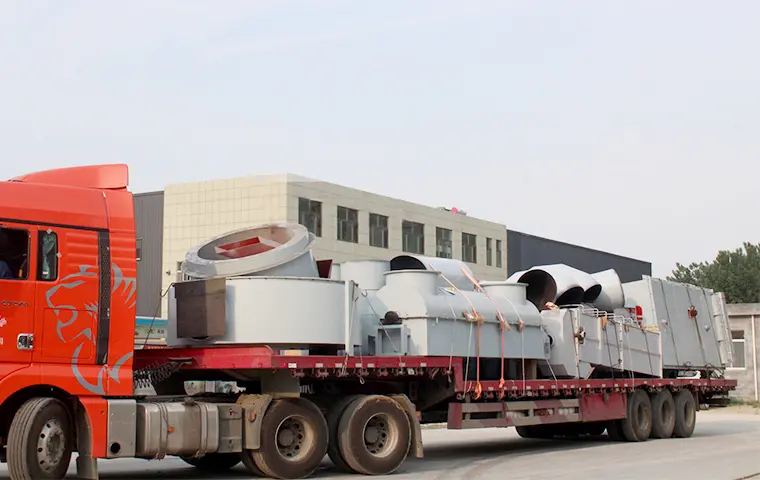
Raw Material: Quartz Ore Project Type: Equipment Supply & Installation Support
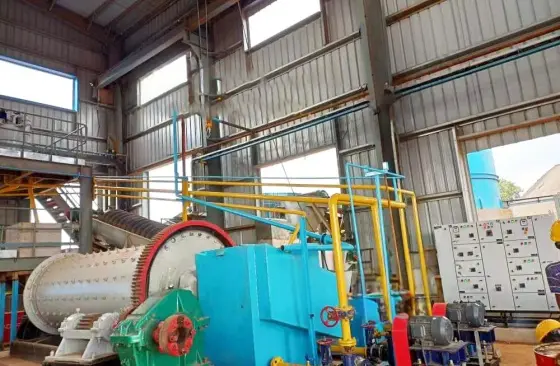
Raw Material: Sulfide Flotation Copper Tailings Metal Concentrate: Copper: 0.8%,Gold: 0.3 g/t,Silver: 5 g/t,Iron: 25%
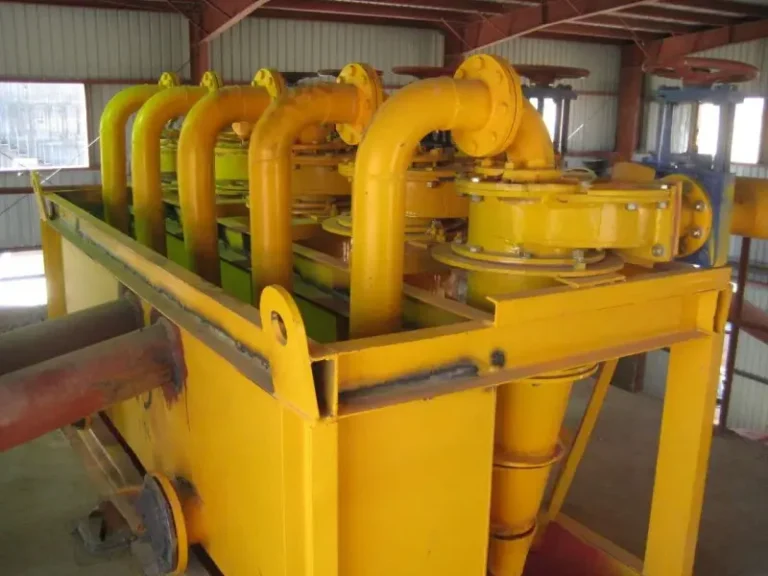
Raw Ore: Alluvial Tin Ore (Cassiterite) Tin Grade: 0.8% Concentrate Grade: 65%
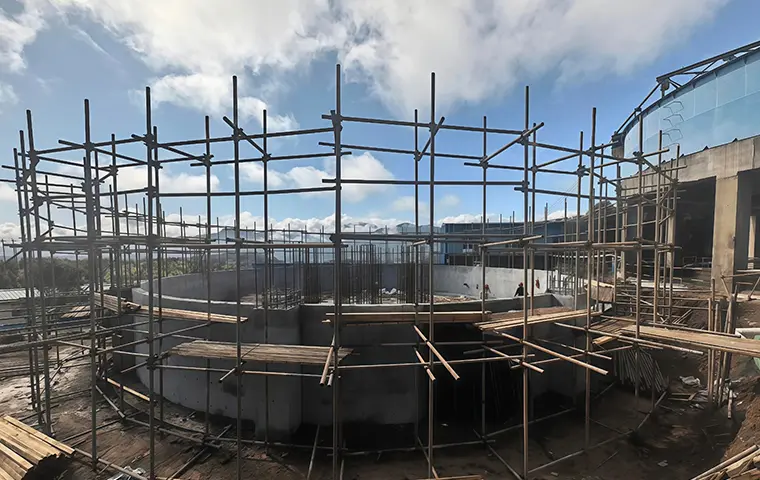
Raw Ore: Sulfide Type Gold Ore Gold Grade: 3.5 g/t Gold Recovery Rate: 92%
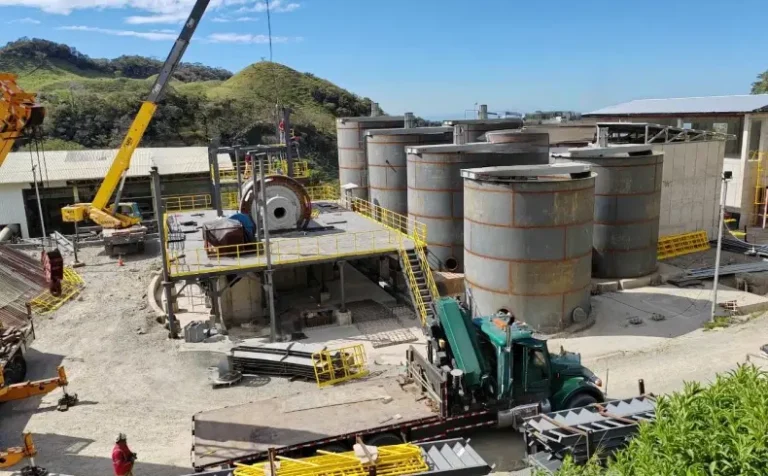
Raw Ore: Oxide-Sulfide Mixed Gold Ore Gold Grade: 3.5-7 g/t Gold Ingot Purity: 99.5%
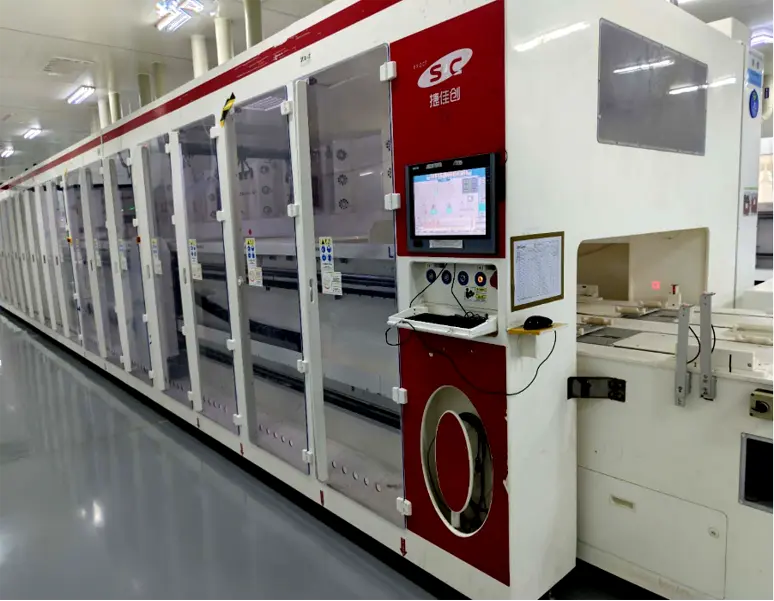
Such as: Boron diffusion furnace, BSG removal, Alkali polishing machine, PE-POLY…
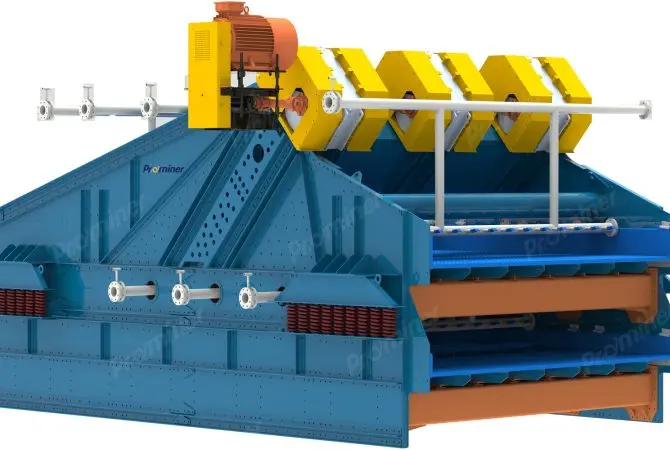
Prominer can provide all kinds of linear screen for mineral grading, material sizing, dewatering
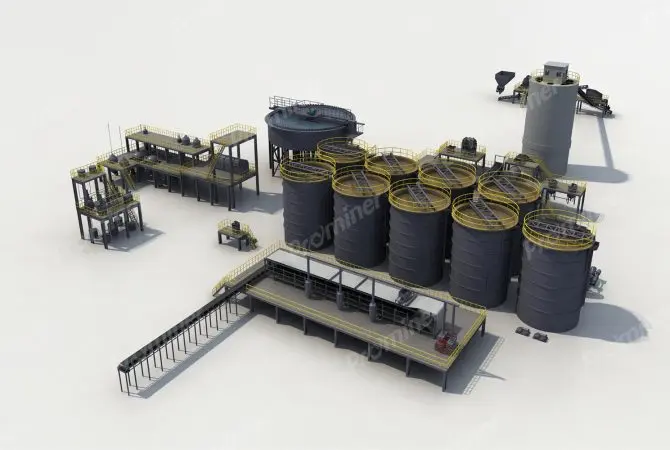
Prominer can provide the complete solution for CIL (carbon in leaching) system
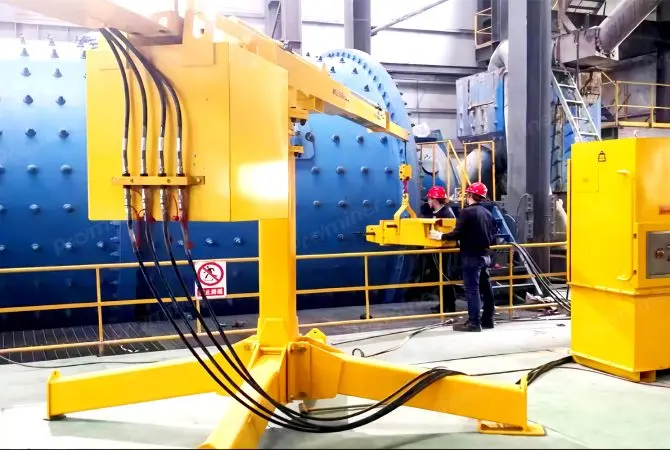
We can manufacture the highly automated and powerful recoilless Bolt Hammer to remove
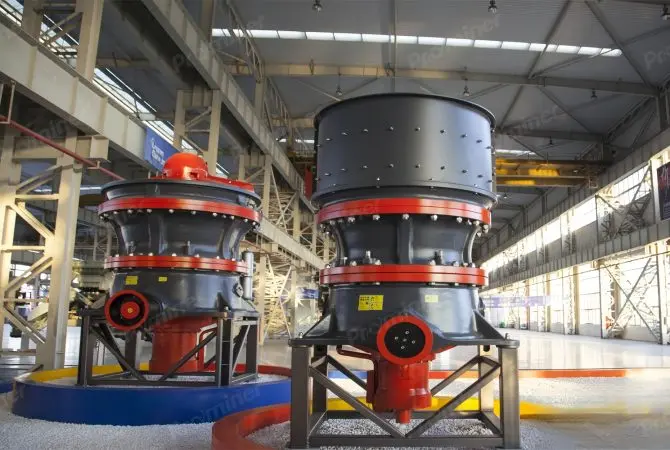
Single-cylinder hydraulic cone crusher have two series based on different cavity, S-cavity is designed
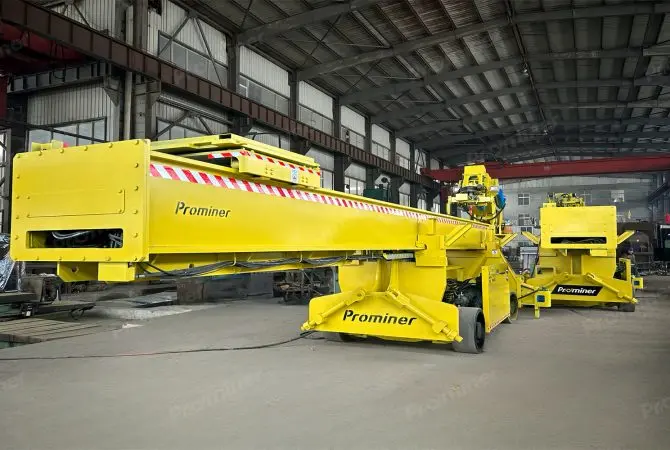
We can design and manufacture the mill relining machine (or called mill relining manipulator)
To find out more about our products and solutions, please fll out the form below and one of our experts will get back to you shortly
3000 TPD Gold Flotation Project in Shandong Province
2500TPD Lithium Ore Flotation in Sichuan
Fax: (+86) 021-58779592
Address: Room 606, Building D3, Phase II, Chuansha Business Center, 777 Long, Miaochuan Road, Pudong New Area, Shanghai,China
Copyright © 2023. Prominer (Shanghai) Mining Technology Co.,Ltd.


