

We can provide direct lithium extraction (DLE) solution to recover the lithium from salt lake brine




High-purity quartz sand is an essential raw material in industries such as semiconductors, photovoltaics, optical glass, precision ceramics, and high-end refractory products. Its value depends largely on its chemical purity, especially the reduction of impurities such as iron, aluminum, titanium, feldspar, mica, and other trace contaminants. To produce quartz sand that meets strict industrial standards, manufacturers must use a combination of advanced purification processes rather than relying on a single method.
Before designing a purification process, it is important to define the target purity level. Different applications require different specifications. For example, ordinary glass production may accept relatively low impurity levels, while semiconductor and solar applications demand extremely low concentrations of iron, alkali metals, and other trace elements.
High-purity quartz sand generally requires:
Knowing the mineralogical characteristics of the raw quartz ore is the first step in selecting the right purification route.
Advanced purification begins with the selection of suitable raw material. Even the most sophisticated processing technologies have limitations if the starting ore contains too many inclusions or structurally bound impurities.
Ideal raw quartz ore should have:
Careful geological evaluation, sampling, and laboratory analysis help identify whether a deposit is suitable for high-purity quartz production.
The first processing stage is physical preparation. Quartz ore is crushed and screened to achieve the desired particle size range. Washing then removes surface dust, clay, and loose contaminants that can interfere with later purification steps.
This stage improves efficiency by:
Although this is a basic step, it is essential because poor feed preparation can reduce the effectiveness of advanced separation methods.
Iron is one of the most common and problematic impurities in quartz sand. Magnetic separation is widely used to remove weakly or strongly magnetic minerals such as hematite, magnetite, biotite, and ilmenite.
Depending on the impurity profile, producers may use:
Modern high-gradient magnetic separators are particularly effective for fine quartz sand and can significantly reduce iron contamination before chemical treatment.
Flotation is an important purification technique when quartz is associated with feldspar, mica, and other gangue minerals. By adjusting reagents, pH, and operating conditions, specific impurities can be selectively separated from quartz.
Flotation is especially useful for:
This process requires precise control and laboratory optimization, as reagent selection has a major impact on recovery and final purity.
Acid leaching is one of the most critical steps in producing high-purity quartz sand. It removes impurities attached to particle surfaces, trapped in microcracks, or present as thin coatings. Common acids include hydrochloric acid, sulfuric acid, hydrofluoric acid, and nitric acid, depending on the impurity type and required purity level.
Acid leaching helps remove:
For better results, leaching parameters such as temperature, acid concentration, reaction time, and solid-liquid ratio must be carefully controlled.
Thermal treatment can be used before or after chemical purification to enhance impurity removal. Heating quartz may cause inclusions, coatings, or fluid-filled defects to crack or expand, making them easier to eliminate in subsequent washing or leaching stages.
Thermal processing can:
However, temperature must be controlled carefully to avoid damaging quartz grains or causing unwanted phase transformations.
Some impurities are tightly attached to the quartz grain surface and cannot be removed by simple washing. In these cases, ultrasonic cleaning or mechanical scrubbing is used to break down surface films and dislodge fine contaminant particles.
These methods are effective for:
Combining scrubbing with washing often increases the efficiency of the full purification process.
Particle size plays a major role in product quality. After purification, quartz sand is often classified into specific size fractions to meet customer requirements. Fine particles may contain a higher impurity load, while oversized particles may not meet processing or application standards.
Accurate classification helps:
Hydrocyclones, vibrating screens, and air classifiers are commonly used in this stage.
Even when purification technology is advanced, poor process control can reintroduce contamination. Water, equipment liners, pipes, storage tanks, and drying systems must all be selected to minimize impurity pickup.
Key contamination control measures include:
For ultra-high-purity quartz sand, contamination control is just as important as impurity removal.
Continuous testing is necessary throughout the purification process. Chemical analysis, mineralogical studies, and particle size testing help confirm whether each stage is performing effectively.
Common quality control methods include:
Regular testing allows process adjustments that improve yield, reduce reagent use, and ensure that the final product meets required purity standards.
No single purification method can usually produce high-purity quartz sand from raw ore on its own. The most successful operations combine several techniques into an optimized flow sheet. A typical advanced purification route may include:
The exact sequence depends on the raw material characteristics and the final application. Process integration is the key to achieving both high purity and economic efficiency.
Achieving high-purity quartz sand requires a systematic approach that combines raw material selection, physical separation, chemical treatment, thermal enhancement, and strict contamination control. Advanced purification processes such as magnetic separation, flotation, acid leaching, scrubbing, and thermal treatment each play a specific role in removing unwanted minerals and trace elements.
By carefully analyzing the quartz ore and designing a tailored purification flow, producers can manufacture quartz sand that meets the demanding standards of high-tech industries. In modern quartz processing, success depends not only on advanced equipment, but also on precise process control, laboratory verification, and a deep understanding of impurity behavior.
A: The choice depends entirely on your ore’s mineral characteristics:
Gravity Separation: Best for coarse-grained minerals with large density differences (e.g., placer gold).
Flotation: Ideal for fine-grained base metals (e.g., copper oxide) or removing impurities from non-metallic minerals (e.g., quartz sand).
Cyanidation (CIP): Necessary for fine, encapsulated precious metals (e.g., rock gold) to maximize chemical extraction.
A: This approach prevents over-grinding (creating excessive ultra-fine particles), which ruins flotation efficiency. By grinding in stages and immediately separating recovered minerals or waste at each stage, you significantly reduce energy consumption, minimize steel media wear, and protect valuable minerals from turning into unrecoverable slime.
A: Fine particles have low mass and high surface areas, making them hard to float. Key solutions include:
Advanced Reagents: Using highly selective collectors and flocculants to aggregate fine particles.
Micro-bubble Technology: Utilizing flotation columns that generate smaller bubbles to increase particle-bubble collision rates.
Desliming: Removing harmful ultra-fine slimes before the flotation stage to clear the process environment.
A: Relying on a single method is rarely enough. The key is a combined metallurgical flowsheet:
For High-Purity Quartz: Integrate scrubbing, magnetic separation (to remove iron), flotation (for feldspar), and acid leaching for the ultimate purity.
For Precious Metals: Combine gravity separation (to catch coarse gold early) with flotation and CIP (to extract fine gold), ensuring zero valuable minerals are wasted.
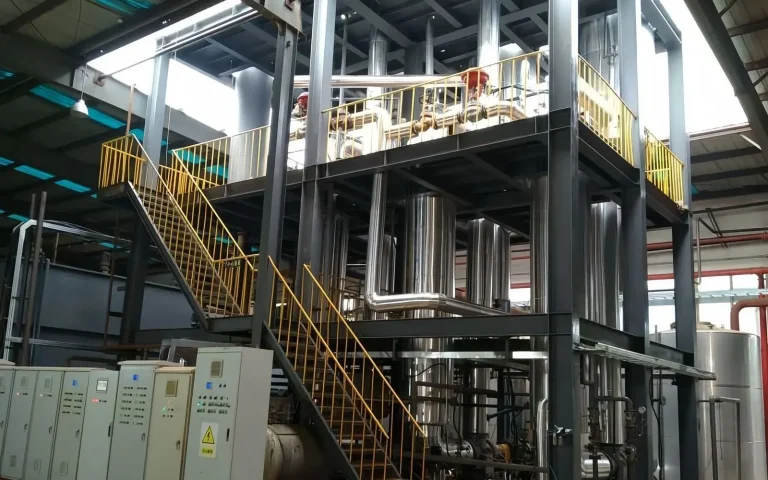
We can provide direct lithium extraction (DLE) solution to recover the lithium from salt lake brine
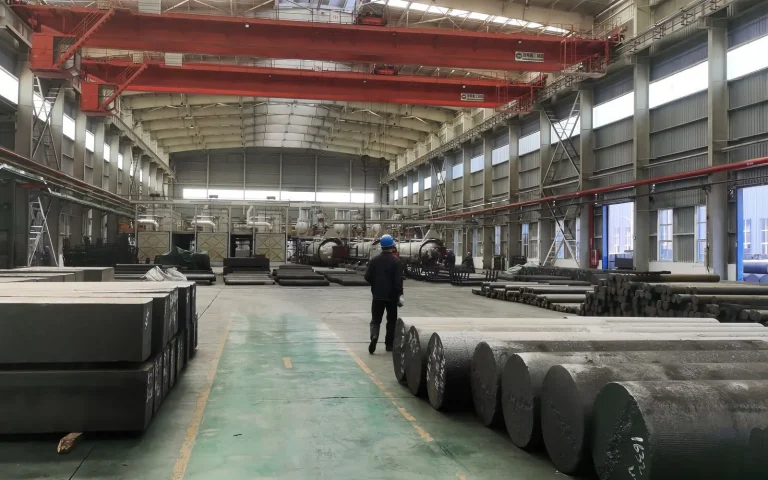
UHP graphite electrode is mainly used for ultra high power electric arc furnaces in steel smelting industry
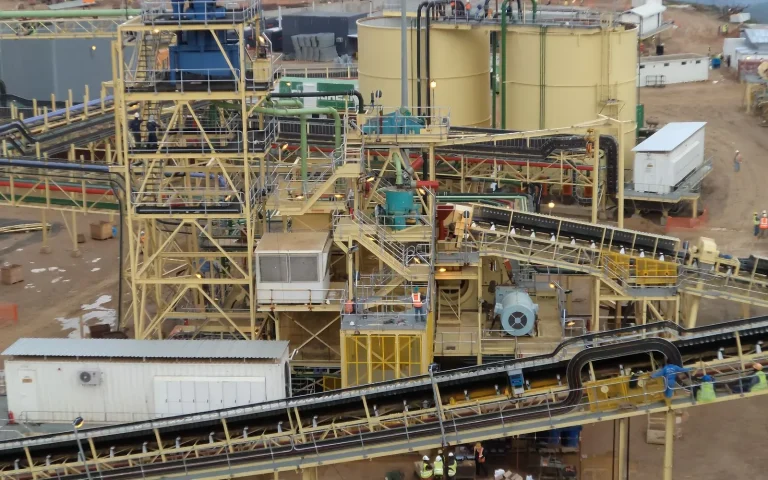
Flotation is the most popular processing way in gold ore processing project. Because the flotation process

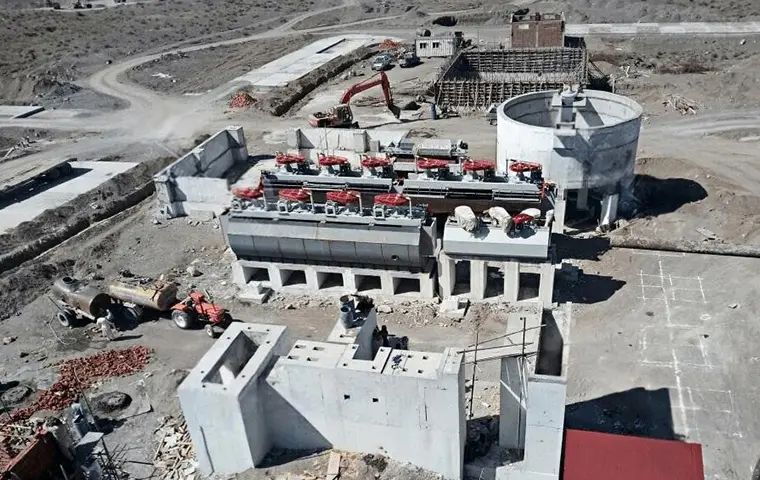
Raw Ore: Nickel-Cobalt Laterite Ore (Limonite & Saprolite Layers) Average Feed Grade: Ni: 1.2%, Co: 0.15%
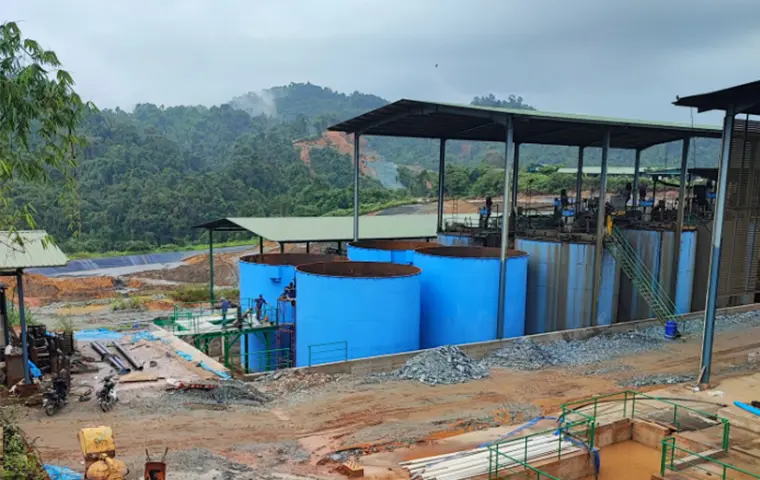
Raw Ore: Refractory and Semi-Refractory Sulfide Gold Ore Gold Grade: 2.65 g/t Gold Ingot Purity: ≥95.5%
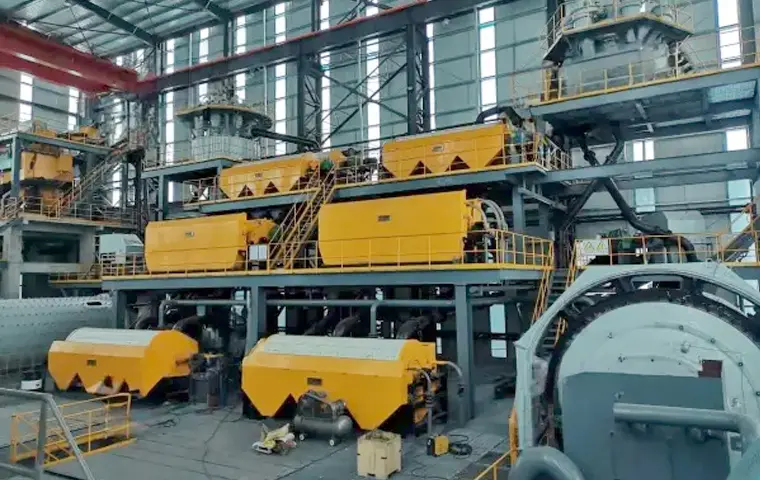
Raw Ore: Magnetite Iron Ore with Hematite Banding Fe Grade: 28-32% Final Product: High-Grade Iron Concentrate
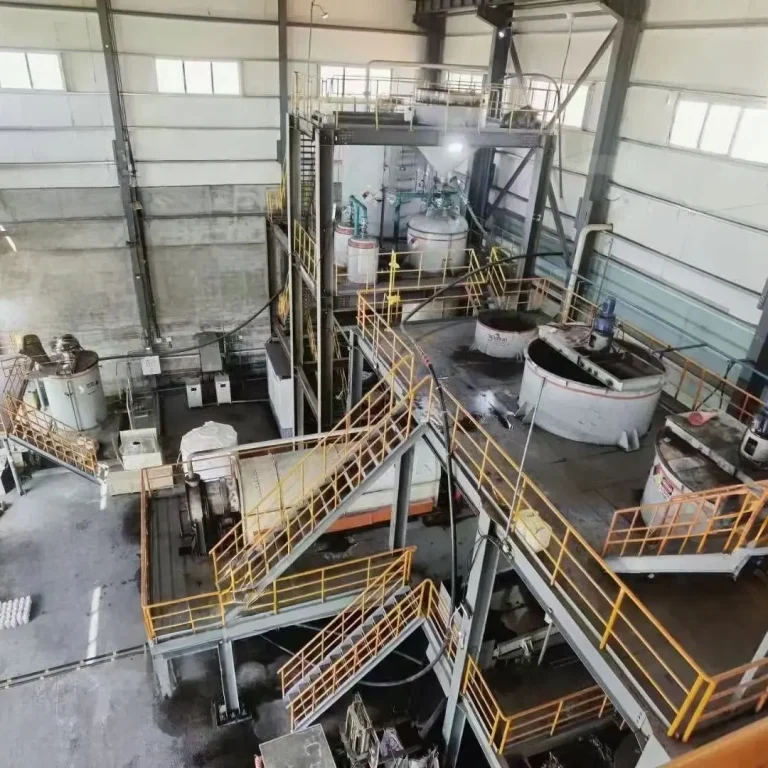
Raw Ore: Oxide/Sulfide Mixed Gold Ore Gold Grade: 3.5 g/t Gold Ingot Purity: 99.5%
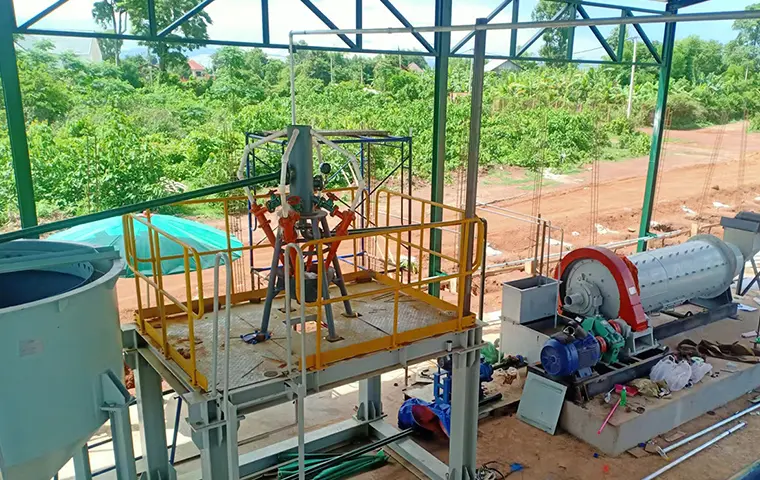
Features: Compact layout, full process coverage, low investment cost, and fast deployment. Designed for Startups & Small Mines — Your flexible and efficient gold solution!
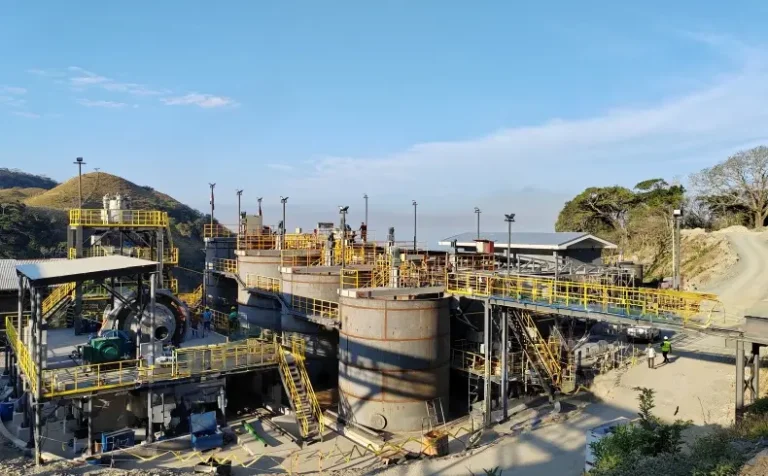
Raw Ore: Sulfide-Refractory Gold Ore (25% Sulfide) Gold Grade: 2.8-4.1 g/t Final Product: 99.99% Gold Ingot
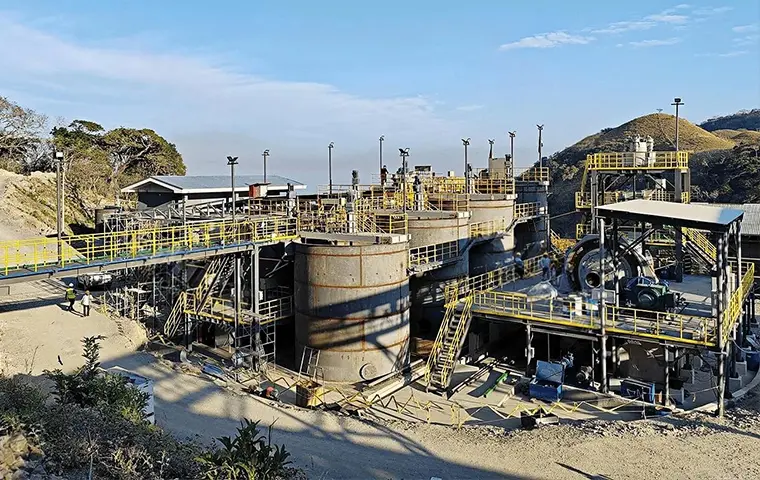
Raw Ore: Sulfide Type Copper Ore (Low-grade, heterogeneous) Feed Copper Grade: 0.45% Concentrate Copper Grade: 25%
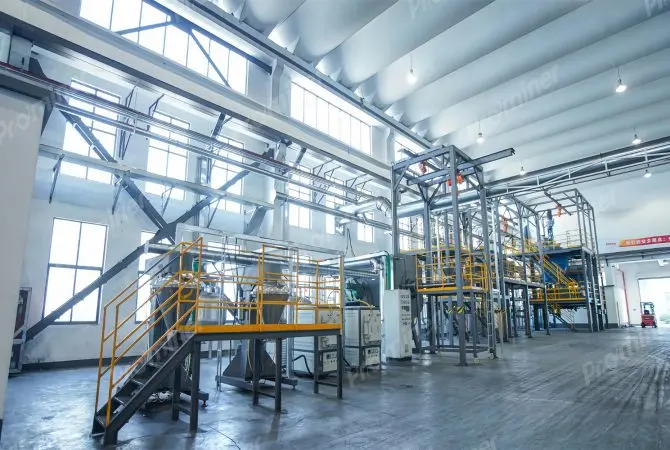
Raw Material: Needle coke and petroleum coke Project Capacity: 50 kgs per hour
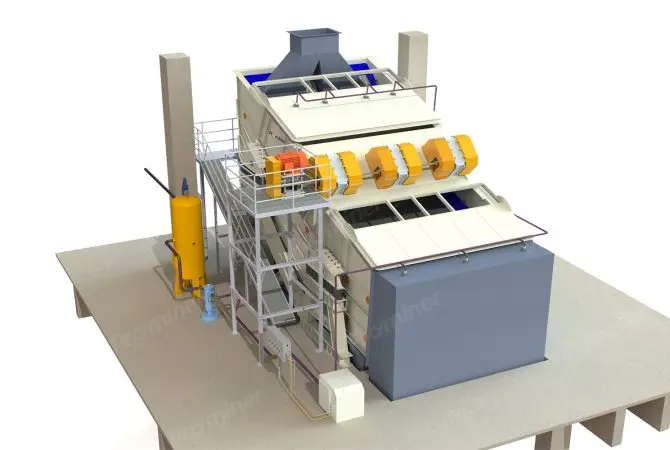
Flip-flow screen panel continues expanding and contracting so achieve a high acceleration rates
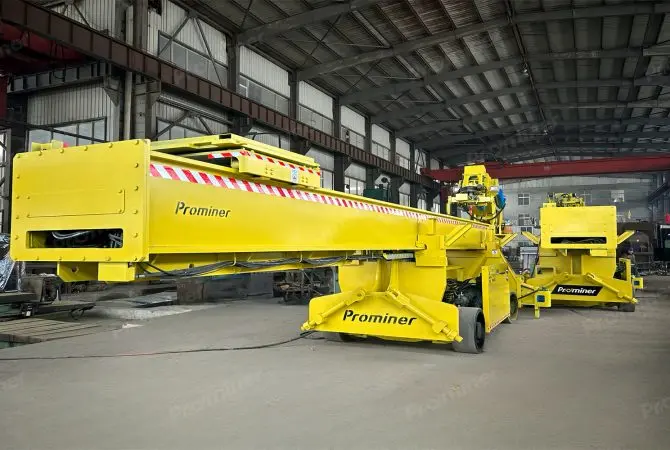
We can design and manufacture the mill relining machine (or called mill relining manipulator)
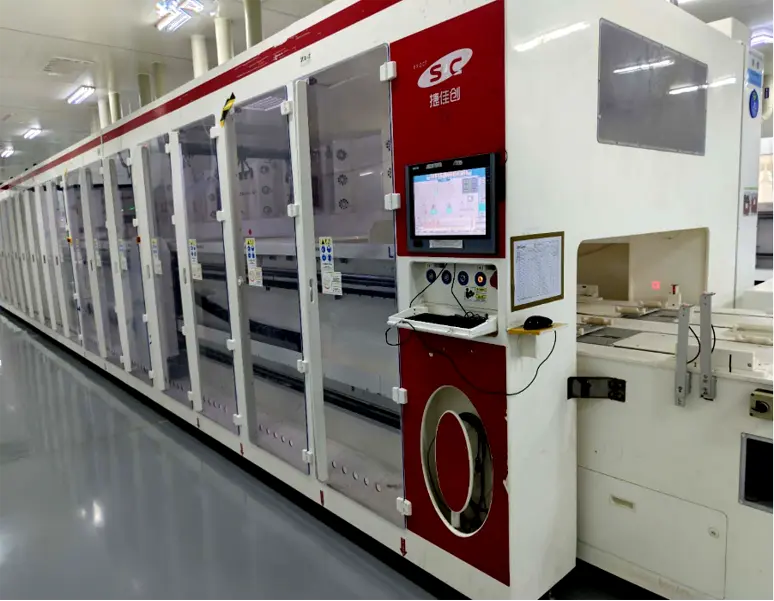
Such as: Boron diffusion furnace, BSG removal, Alkali polishing machine, PE-POLY…
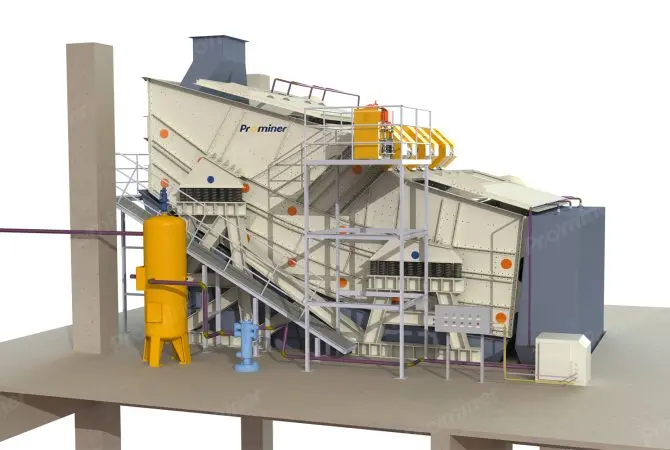
Banana screen is also well known as constant bed thickness screen. Prominer has the ability to supply dry
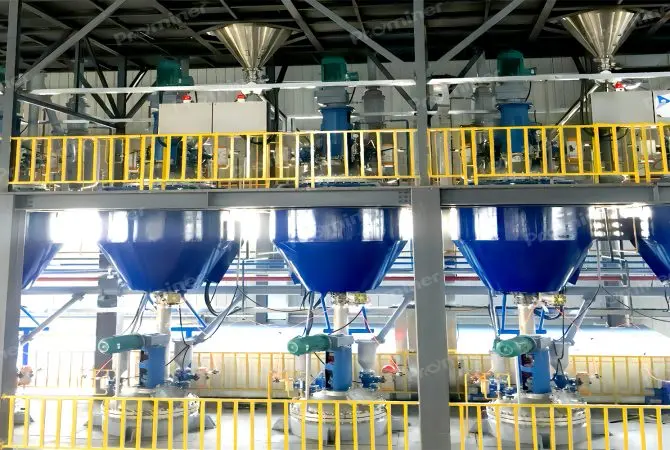
Our granulation reactor combines the coating and granulation processing functions together
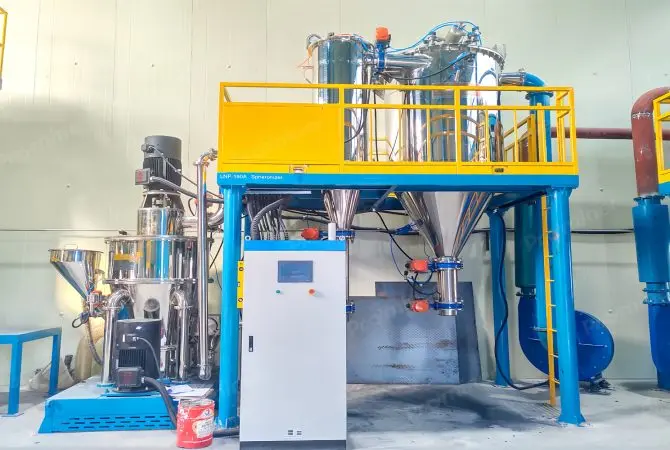
Besides strict PSD requirements, Anode Graphite also requires a spherical shape in order
To find out more about our products and solutions, please fll out the form below and one of our experts will get back to you shortly
3000 TPD Gold Flotation Project in Shandong Province
2500TPD Lithium Ore Flotation in Sichuan
Fax: (+86) 021-58779592
Address: Room 606, Building D3, Phase II, Chuansha Business Center, 777 Long, Miaochuan Road, Pudong New Area, Shanghai,China
Copyright © 2023. Prominer (Shanghai) Mining Technology Co.,Ltd.


