Cathode material is one of the key materials to determine the performance of lithium-ion batteries




Selecting the right gold extraction process is one of the most important decisions in gold mining and mineral processing. Different ores behave very differently during treatment, so there is no single process that works best for every deposit. The ideal method depends on the ore’s mineralogy, gold particle size, oxidation state, gangue composition, and economic factors such as capital cost, recovery target, and environmental requirements.
Below is a structured guide to choosing the optimal gold extraction process for different ores.
The first step in process selection is to fully understand the nature of the ore. Gold ores are commonly divided into several broad categories:
A detailed mineralogical study, including microscopy, fire assay, and chemical analysis, is essential before choosing any extraction route.
Gold particle size has a major influence on the processing method.
Liberation testing helps determine how finely the ore must be ground to expose the gold. Overgrinding can increase operating cost and create slime problems, while insufficient grinding lowers recovery.
Gravity separation is often the most economical option when gold occurs as coarse, free particles.
Typical gravity methods include:
This method is especially effective for:
Gravity recovery is often used as a first-stage concentration step before flotation or cyanidation, reducing downstream processing load and improving overall efficiency.
Cyanidation remains one of the most widely used methods for gold extraction, particularly for free-milling and oxidized ores.
Common cyanidation options include:
Cyanidation is generally preferred when:
Bottle-roll tests and leach kinetics studies are important when evaluating cyanidation performance.
When gold is closely associated with sulfide minerals, flotation is often the best way to preconcentrate the valuable fraction.
Flotation works well for ores containing:
In these cases, flotation produces a gold-bearing concentrate that can then be treated by:
Flotation is particularly useful when direct cyanidation of the whole ore would produce low recovery or high reagent consumption.
Refractory gold ores require pretreatment because the gold is physically or chemically inaccessible to cyanide. Without pretreatment, recovery can be very poor.
Main pretreatment options include:
The best pretreatment depends on:
Testwork is critical because refractory ores can vary greatly in behavior.
Heap leaching is often the preferred method for large-tonnage, low-grade oxide deposits.
Its advantages include:
However, heap leaching is best suited when the ore has:
Agglomeration may be necessary if the ore contains fines or clays that reduce solution flow.
Some ores contain natural carbonaceous matter that adsorbs dissolved gold from solution, a phenomenon known as preg-robbing. These ores can perform poorly in standard cyanidation circuits.
Possible solutions include:
Correctly identifying preg-robbing behavior during laboratory testing is essential to avoid major recovery losses.
Technical suitability is only one part of process selection. The optimal process must also make economic sense.
Key economic factors include:
For example, a high-recovery process may not be the best choice if it requires very high capital investment for a relatively small deposit. In contrast, a large, long-life mine may justify more complex pretreatment technology.
No gold extraction process should be selected without proper metallurgical testing. Laboratory and pilot-scale testwork help confirm the most effective and economical route.
Typical testwork includes:
Variability testing is especially important because ore characteristics may change across the deposit.
In many cases, the best solution is not a single method but a combined flowsheet. Examples include:
Hybrid flowsheets often improve recovery while controlling costs, especially for complex ores with both free and locked gold.
Modern gold processing must account for environmental performance from the beginning. Process choice should consider:
A technically effective process may still be unsuitable if it creates unacceptable environmental or permitting risks.
Choosing the optimal gold extraction process for different ores requires a balance of geology, metallurgy, engineering, economics, and environmental responsibility. Free-milling ores may respond well to gravity separation and cyanidation, while sulfide and refractory ores often need flotation and pretreatment before gold can be recovered efficiently.
The best approach always starts with detailed ore characterization and metallurgical testwork. With a clear understanding of ore behavior and project objectives, mining companies can design a process flowsheet that maximizes gold recovery, controls cost, and supports long-term operational success.
A: The choice depends entirely on your ore’s mineral characteristics:
Gravity Separation: Best for coarse-grained minerals with large density differences (e.g., placer gold).
Flotation: Ideal for fine-grained base metals (e.g., copper oxide) or removing impurities from non-metallic minerals (e.g., quartz sand).
Cyanidation (CIP): Necessary for fine, encapsulated precious metals (e.g., rock gold) to maximize chemical extraction.
A: This approach prevents over-grinding (creating excessive ultra-fine particles), which ruins flotation efficiency. By grinding in stages and immediately separating recovered minerals or waste at each stage, you significantly reduce energy consumption, minimize steel media wear, and protect valuable minerals from turning into unrecoverable slime.
A: Fine particles have low mass and high surface areas, making them hard to float. Key solutions include:
Advanced Reagents: Using highly selective collectors and flocculants to aggregate fine particles.
Micro-bubble Technology: Utilizing flotation columns that generate smaller bubbles to increase particle-bubble collision rates.
Desliming: Removing harmful ultra-fine slimes before the flotation stage to clear the process environment.
A: Relying on a single method is rarely enough. The key is a combined metallurgical flowsheet:
For High-Purity Quartz: Integrate scrubbing, magnetic separation (to remove iron), flotation (for feldspar), and acid leaching for the ultimate purity.
For Precious Metals: Combine gravity separation (to catch coarse gold early) with flotation and CIP (to extract fine gold), ensuring zero valuable minerals are wasted.
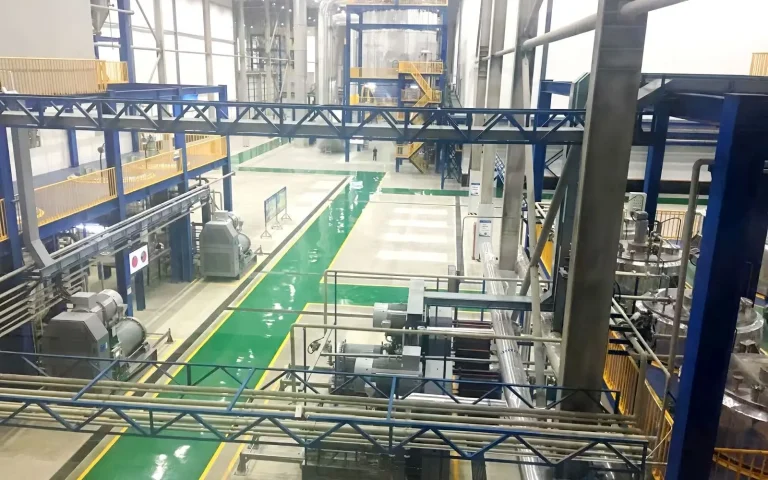
Cathode material is one of the key materials to determine the performance of lithium-ion batteries
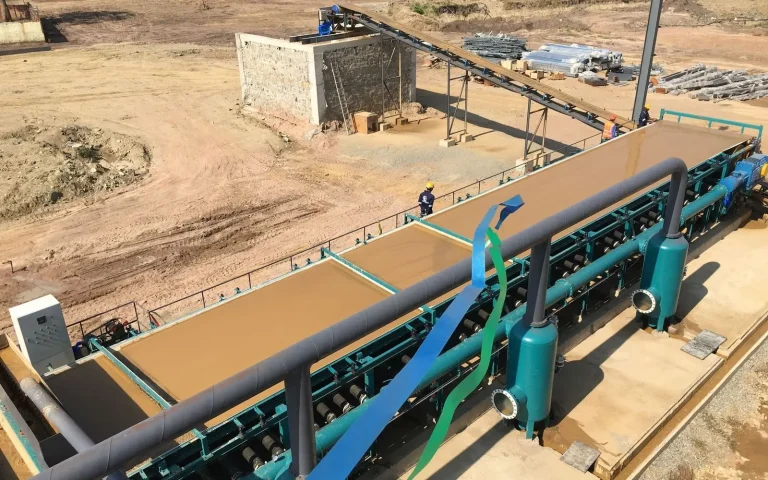
Gold CIL process (carbon in leaching) is very popular way to process the high grade oxide type gold ore
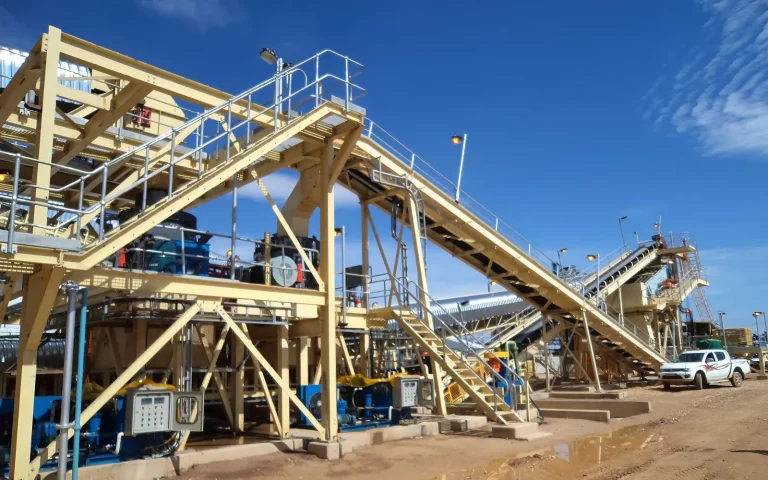
Vat leaching is a good option for the project owner to start at initial stage to save investment

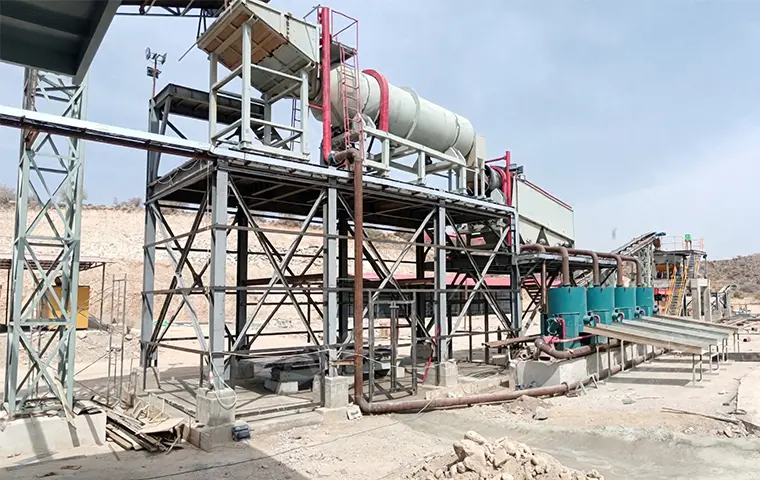
Raw Ore: Alluvial gold ore from dry river bed (Wadi) Gold Grade: 1.2 g/t Gold Recovery Rate: >92%
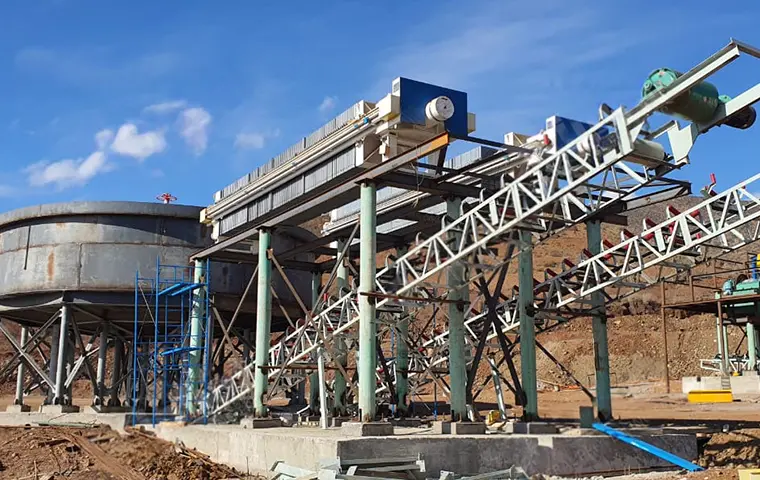
From laboratory testing to final commissioning, Prominer delivered a customized 20 TPH solution
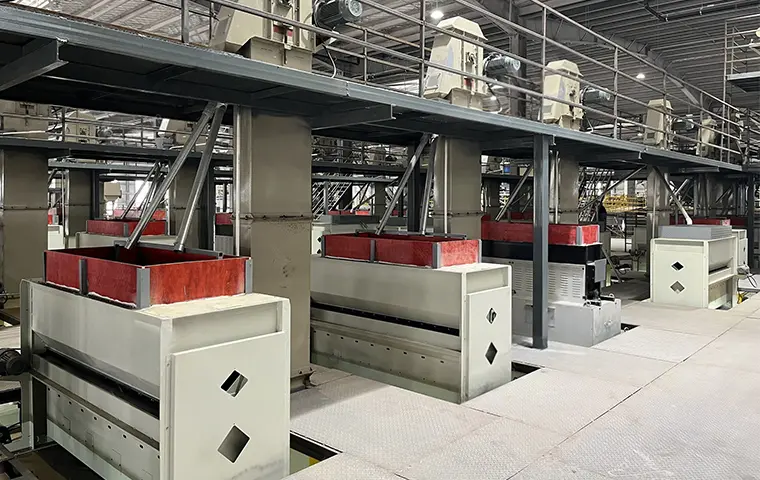
Raw Ore: Alluvial Placer from Inland River Systems in Southwest China, containing Zircon, Rutile, Ilmenite, and other Heavy Minerals
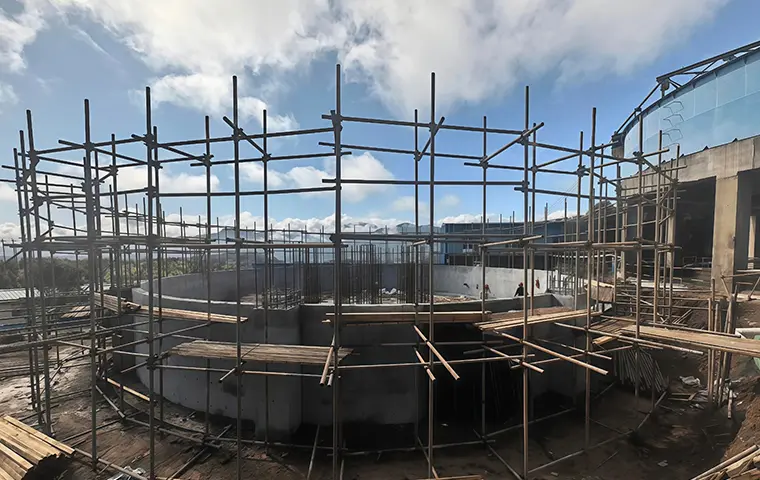
Raw Ore: Sulfide Type Gold Ore Gold Grade: 3.5 g/t Gold Recovery Rate: 92%
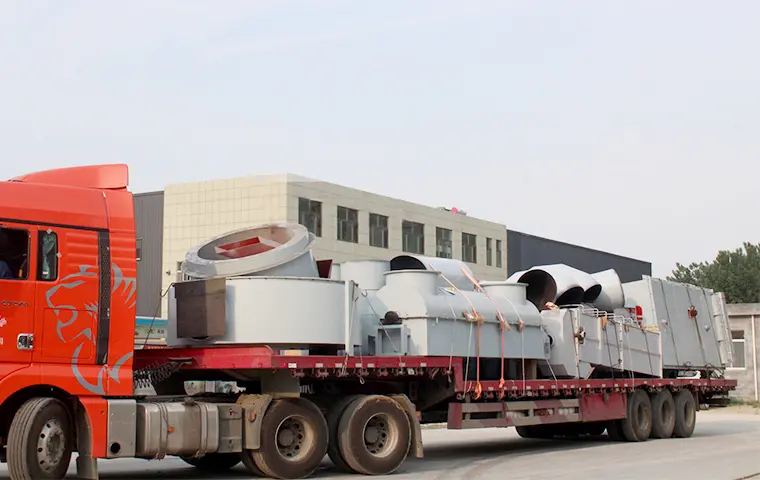
Raw Material: Quartz Ore Project Type: Equipment Supply & Installation Support

Raw Material: Fluorite Ore (CaF₂) Fluorspar Grade: 35% CaF₂ Concentrate Grade: 97% CaF₂
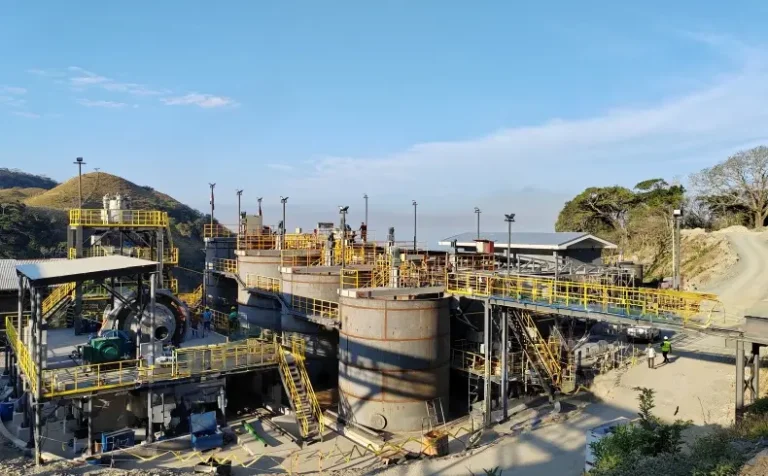
Raw Ore: Sulfide-Refractory Gold Ore (25% Sulfide) Gold Grade: 2.8-4.1 g/t Final Product: 99.99% Gold Ingot
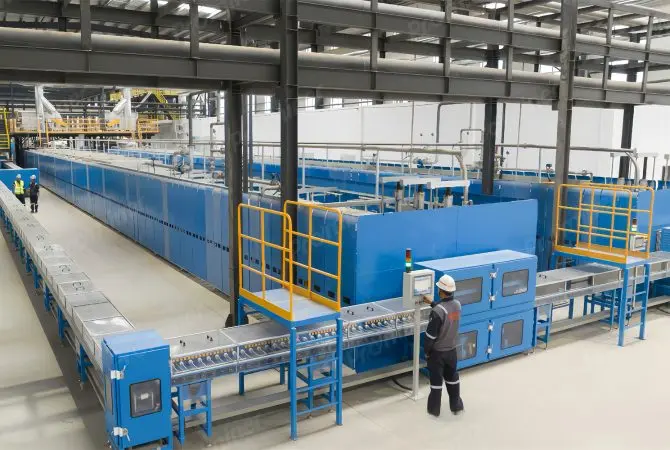
We can provide the complete solution for high temperature carbonization treatment system
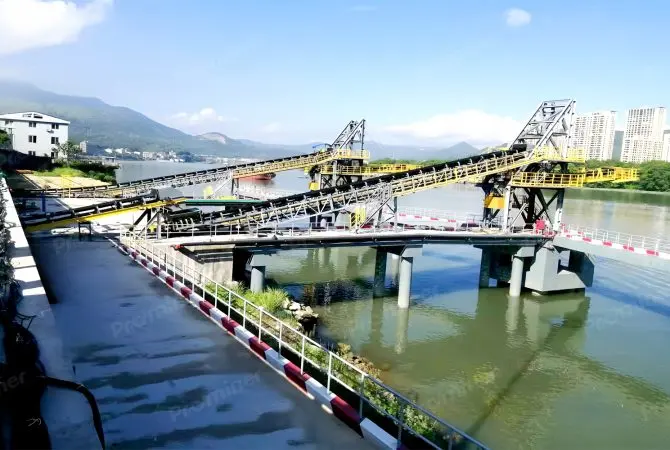
We can provide the solution of belt conveyors for different purposes include steeply inclined belt conveyor
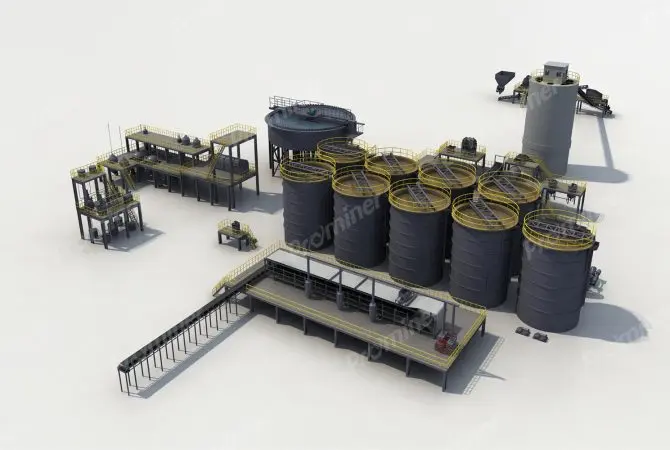
Prominer can provide the complete solution for CIL (carbon in leaching) system
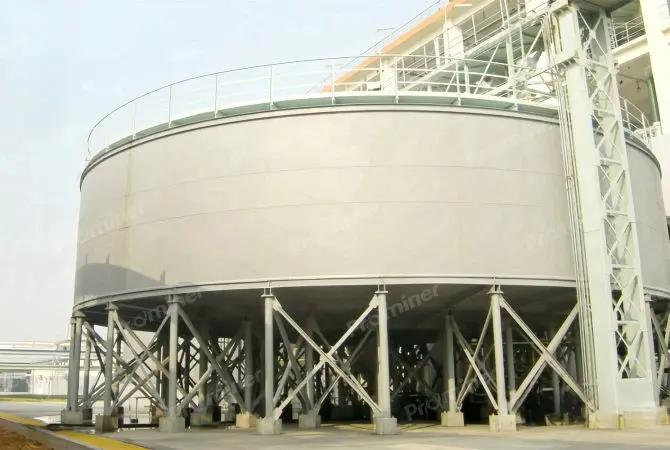
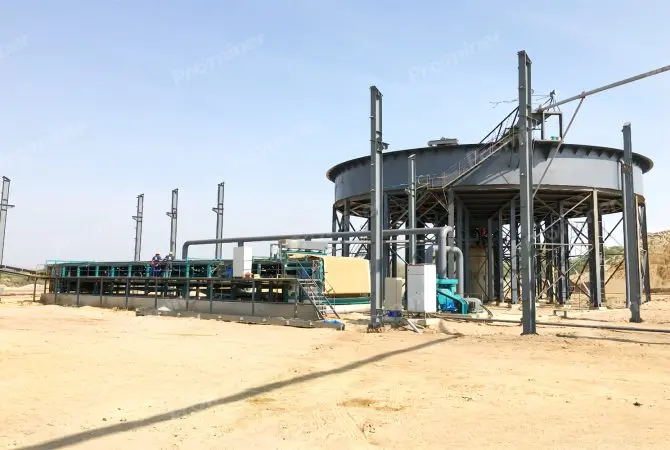
Prominer can provide different kinds of thickeners include center driving thickener, peripheral traction thickener
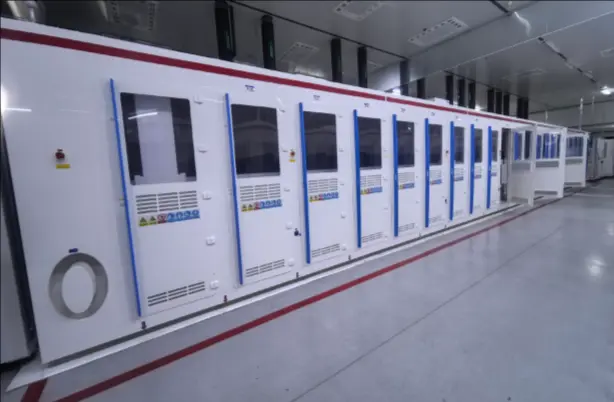
Include: Monocrystalline Batch Texturing Equipment, Batch Texturing Loader/Unloader, Low-Pressure…
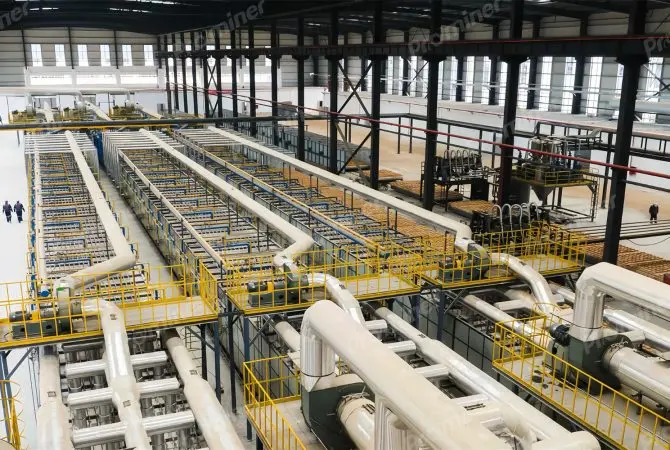
Prominer provides various types of furnaces for primary and secondary baking of carbon
To find out more about our products and solutions, please fll out the form below and one of our experts will get back to you shortly
3000 TPD Gold Flotation Project in Shandong Province
2500TPD Lithium Ore Flotation in Sichuan
Fax: (+86) 021-58779592
Address: Room 606, Building D3, Phase II, Chuansha Business Center, 777 Long, Miaochuan Road, Pudong New Area, Shanghai,China
Copyright © 2023. Prominer (Shanghai) Mining Technology Co.,Ltd.