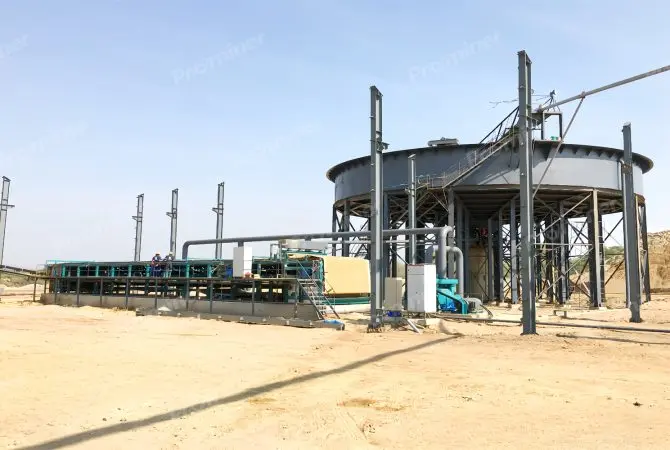
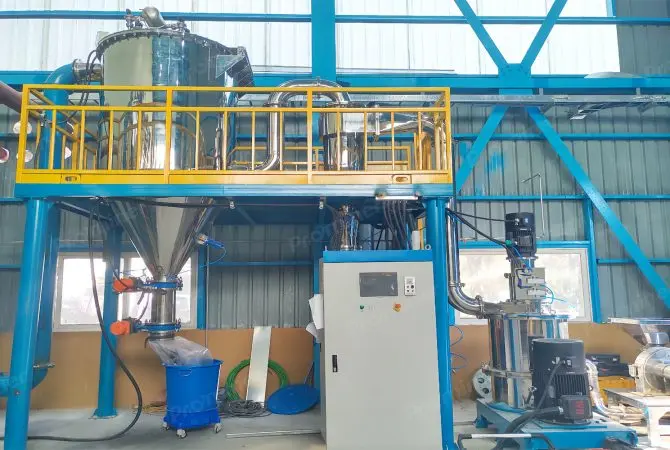
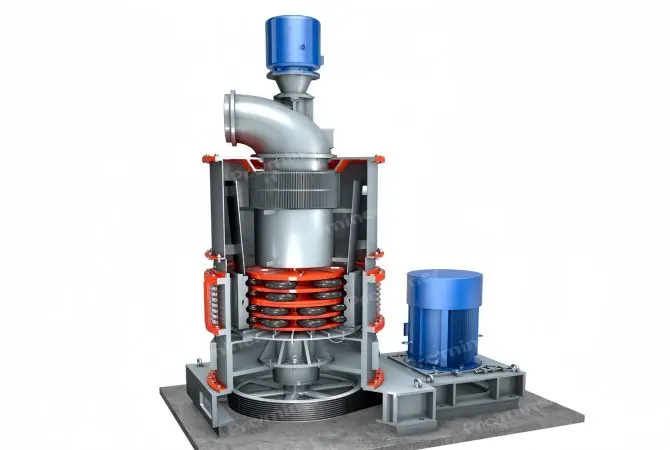
Spodumene and lepidolite are very important lithium bearing minerals and they are very easy to recover




Placer gold beneficiation is the process of recovering gold from alluvial, eluvial, or river-deposited materials using methods based mainly on gravity separation. Because placer gold is usually free and has a much higher density than gangue minerals, a well-designed process can achieve high recovery with relatively simple equipment. However, efficiency depends on ore characteristics, particle size distribution, clay content, water supply, and plant layout.
Below is a practical guide to designing an efficient placer gold beneficiation process.
The first step in process design is to fully understand the raw material. Different placer deposits behave very differently during washing, screening, and gravity recovery.
Key factors to evaluate include:
A thorough sampling and testing program is essential. Representative bulk samples should be collected from different mining zones and analyzed to determine how gold is distributed across various size fractions. This helps identify the most suitable recovery equipment and process sequence.
Before selecting equipment, the plant designer should establish clear technical and economic objectives.
Important targets include:
A small mobile placer plant may prioritize flexibility and low capital investment, while a large fixed plant may focus on high throughput and automation. The process design should match the project’s scale and production goals.
In many placer operations, poor washing is one of the main causes of gold loss. If clay-bound material is not properly broken down, fine gold can remain trapped and pass through the circuit unrecovered.
Efficient washing should aim to:
Common washing equipment includes:
For clay-rich placer deposits, a rotary scrubber is often the preferred choice because it combines strong disintegration with continuous operation. The washing stage should be designed to avoid overgrinding or excessive slime generation, which can reduce downstream gravity recovery efficiency.
Screening is critical because different gold particle sizes often require different recovery methods. Oversized rocks should be removed early, while finer size fractions can be directed to appropriate gravity separators.
Typical screening objectives are:
Common equipment includes:
For example, the feed may be divided into coarse, medium, and fine fractions. Coarse fractions may be treated by jigs or sluices, while fine fractions may require shaking tables, centrifugal concentrators, or fine gold recovery units.
Because placer gold has a high specific gravity, gravity separation is the most important recovery principle in most placer gold plants. The choice of equipment depends mainly on gold size, feed size, and processing capacity.
Widely used gravity equipment includes:
Each device has strengths and limitations:
An efficient placer gold beneficiation process often combines several gravity devices rather than relying on a single unit.
Gold size has a major influence on flowsheet design. A good plant should recover coarse, medium, and fine gold separately whenever possible.
A typical approach may include:
If the deposit contains significant ultrafine gold, the design must pay special attention to slime control, water flow stability, and concentrate cleaning. Fine gold is easily lost if the washing and classification stages are poorly controlled.
High clay and slime content can seriously reduce gold recovery. Slimes increase pulp viscosity, disturb gravity separation, and may carry fine gold away in tailings.
To minimize these problems:
Hydrocyclones, settling systems, or desliming screens may be added when the material contains excessive fines. However, desliming should be carefully controlled to avoid losing fine gold together with the slime fraction.
Water is essential in placer gold processing, especially for washing, screening, and gravity concentration. An efficient design should ensure a stable water supply while minimizing waste and environmental impact.
Important water management considerations include:
In remote areas, water recycling can significantly reduce operating costs. A closed or semi-closed water circuit may also help meet environmental regulations.
A common mistake in placer plant design is making the process more complex than necessary. Since placer gold is usually free-milling, the flowsheet should remain simple, robust, and easy to operate.
A typical efficient flowsheet may include:
The exact arrangement depends on the deposit, but the general principle is to recover gold as early as possible and avoid sending valuable material through unnecessary stages.
Process efficiency depends not only on metallurgy but also on local operating conditions. Equipment selection should consider:
For small or remote placer mines, modular or mobile plants may be more suitable than complex stationary systems. For long-term commercial operations, a fixed plant with stronger automation and higher throughput may provide better economics.
The rough concentrate produced by sluices, jigs, or centrifugal concentrators often contains black sand and other heavy minerals. Additional cleaning stages improve concentrate grade and reduce smelting or refining costs.
Typical concentrate cleaning equipment includes:
A well-designed cleaning circuit should maximize gold recovery while producing a manageable final concentrate.
Even though placer gold beneficiation is usually simpler than hard rock processing, tailings and wastewater still require proper management.
A responsible design should include:
Efficient environmental management not only reduces risk but also supports long-term project sustainability.
No placer gold flowsheet should be finalized based only on assumptions. Laboratory testing and pilot-scale operation help verify the process and reduce design risk.
Useful test work may include:
Pilot trials can reveal practical issues such as screen blinding, unstable slurry flow, fine gold losses, or excessive concentrate mass pull. These findings can greatly improve the final design.
Even a well-designed plant needs ongoing optimization during operation. Feed conditions often change across different sections of the deposit, so operators should regularly monitor key performance indicators.
Important metrics include:
Routine sampling of feed, concentrate, and tailings is essential. If losses increase, adjustments may be needed in washing intensity, screen aperture, water flow, feed rate, or gravity separator settings.
Designing an efficient placer gold beneficiation process requires a balance of geology, metallurgy, equipment selection, and practical site engineering. The most successful plants are built around the actual characteristics of the placer deposit, with strong washing, accurate screening, properly matched gravity recovery equipment, and effective water management.
In most cases, the best results come from a simple but well-optimized flowsheet that recovers gold early, minimizes slime interference, and adapts to changing feed conditions. With proper testing, thoughtful design, and continuous operational control, a placer gold plant can achieve high recovery, low operating cost, and reliable long-term performance.
A: The choice depends entirely on your ore’s mineral characteristics:
Gravity Separation: Best for coarse-grained minerals with large density differences (e.g., placer gold).
Flotation: Ideal for fine-grained base metals (e.g., copper oxide) or removing impurities from non-metallic minerals (e.g., quartz sand).
Cyanidation (CIP): Necessary for fine, encapsulated precious metals (e.g., rock gold) to maximize chemical extraction.
A: This approach prevents over-grinding (creating excessive ultra-fine particles), which ruins flotation efficiency. By grinding in stages and immediately separating recovered minerals or waste at each stage, you significantly reduce energy consumption, minimize steel media wear, and protect valuable minerals from turning into unrecoverable slime.
A: Fine particles have low mass and high surface areas, making them hard to float. Key solutions include:
Advanced Reagents: Using highly selective collectors and flocculants to aggregate fine particles.
Micro-bubble Technology: Utilizing flotation columns that generate smaller bubbles to increase particle-bubble collision rates.
Desliming: Removing harmful ultra-fine slimes before the flotation stage to clear the process environment.
A: Relying on a single method is rarely enough. The key is a combined metallurgical flowsheet:
For High-Purity Quartz: Integrate scrubbing, magnetic separation (to remove iron), flotation (for feldspar), and acid leaching for the ultimate purity.
For Precious Metals: Combine gravity separation (to catch coarse gold early) with flotation and CIP (to extract fine gold), ensuring zero valuable minerals are wasted.
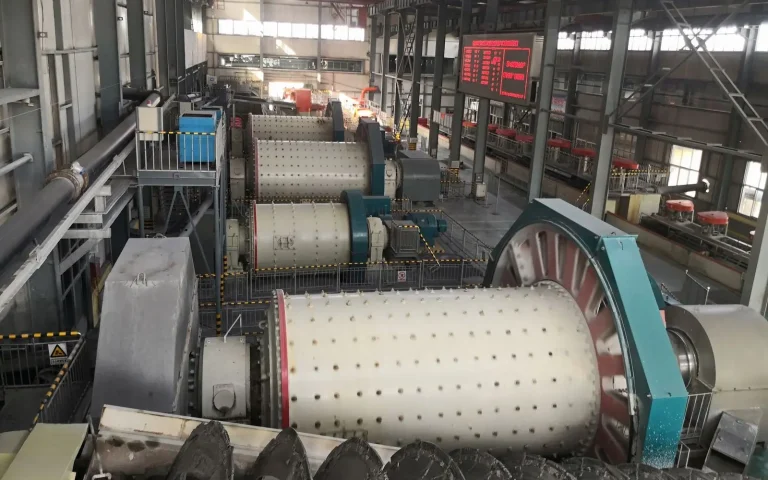
Spodumene and lepidolite are very important lithium bearing minerals and they are very easy to recover
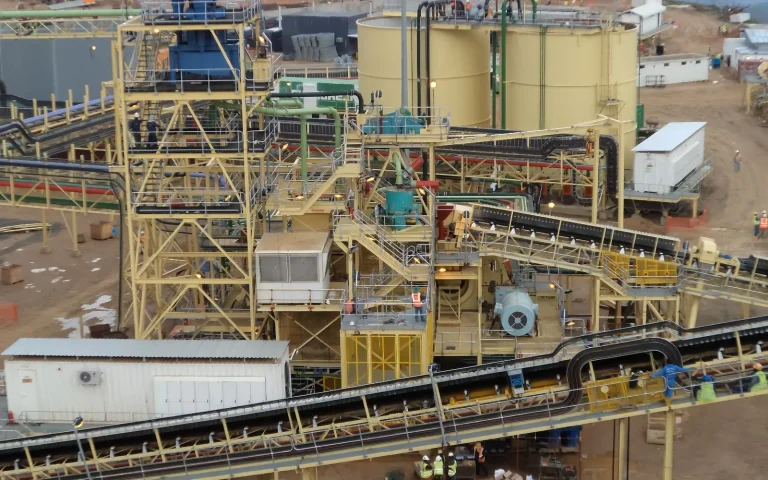
Flotation is the most popular processing way in gold ore processing project. Because the flotation process
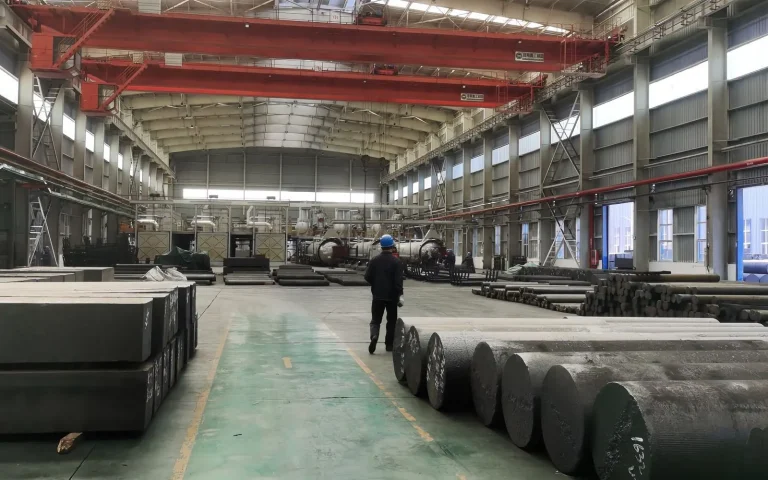
UHP graphite electrode is mainly used for ultra high power electric arc furnaces in steel smelting industry

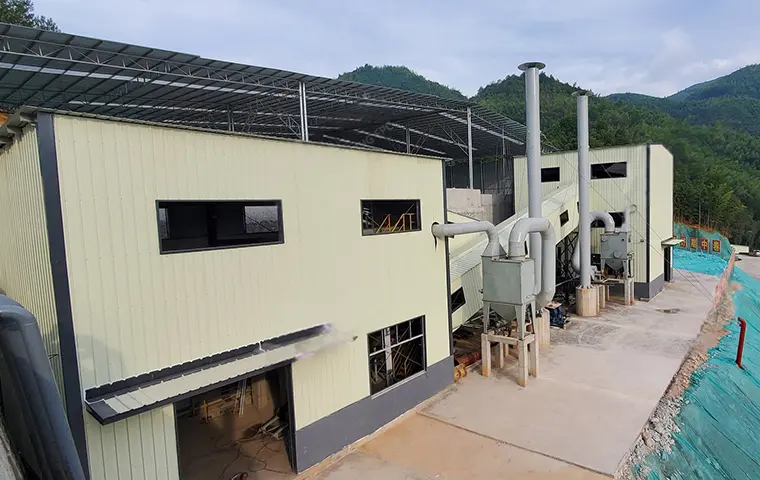
Raw Ore: High-Grade Fluorite Ore from Deep Veins Fluorspar Grade: 38% CaF₂ Concentrate Grade: 97.2% CaF₂
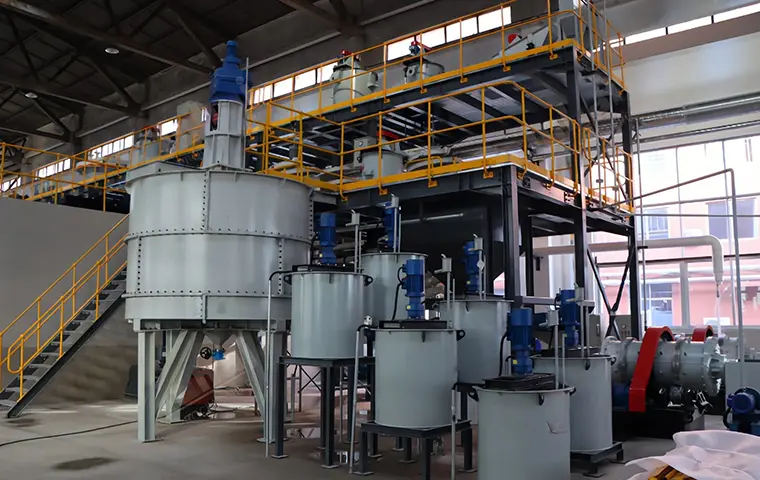
Project Background: Expansion and Technological Upgrade of an Existing Flotation Plant
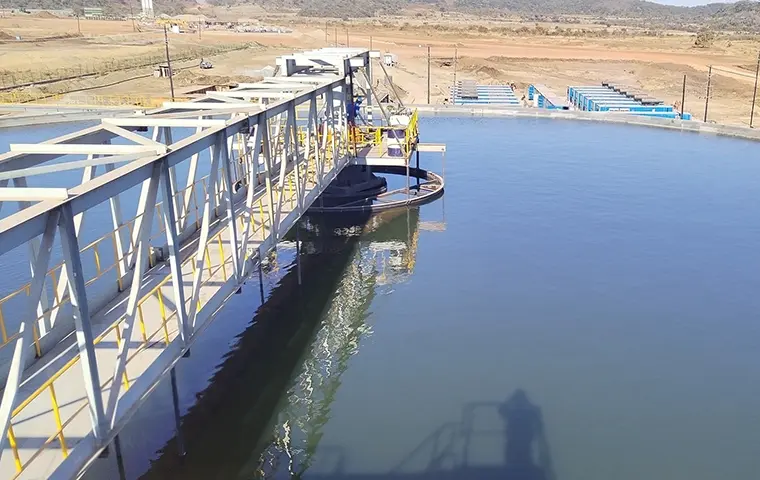
Raw Ore: Calcite Ore CaCO3 Grade: 85% Final Product: Coated & Uncoated Calcite Powder (325 – 2500 mesh)
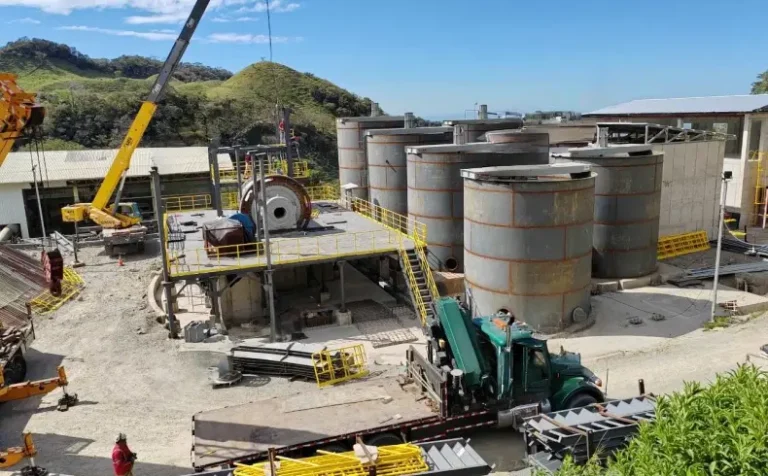
Raw Ore: Oxide-Sulfide Mixed Gold Ore Gold Grade: 3.5-7 g/t Gold Ingot Purity: 99.5%
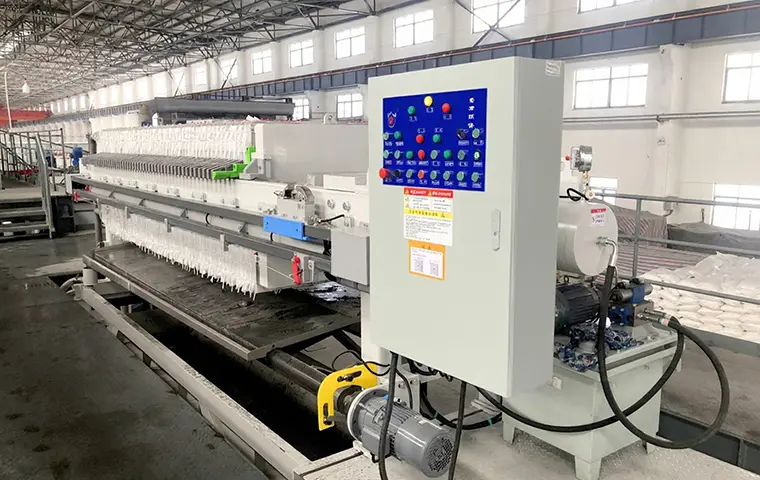
Raw Material: Carbon-slag from aluminum electrolysis Feed Grade: 15–20% Cryolite content Final Product: Recycled Cryolite ( purity ≥ 92% )
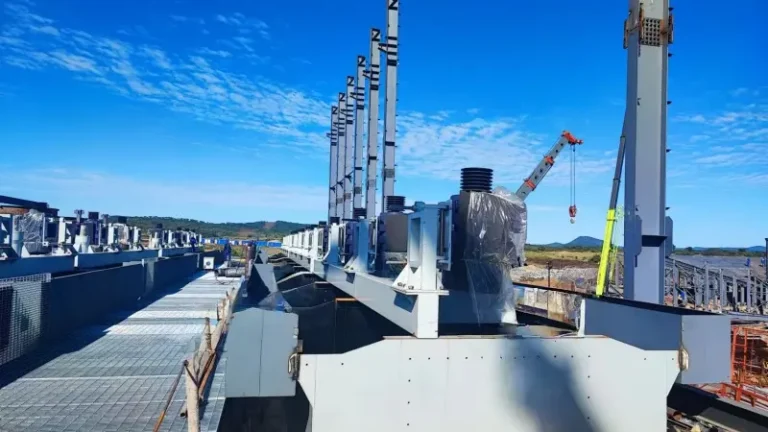
Raw Material: Lithium Brine (from Lithium Triangle: Chile/Argentina/Bolivia); Spodumene Ore (from Australia and China)
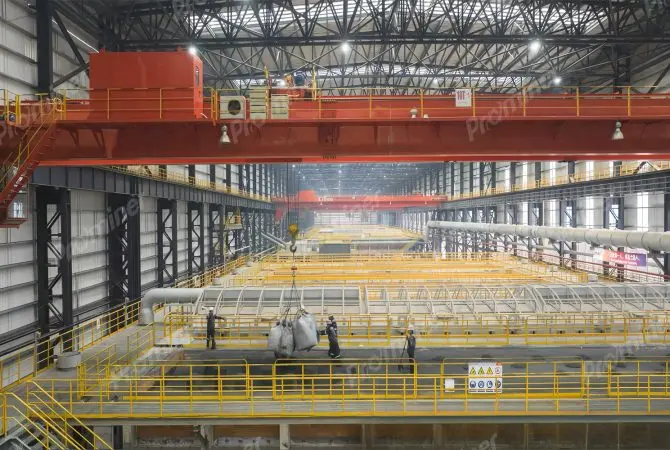
We can provide different type graphitization furnace for changing carbon material
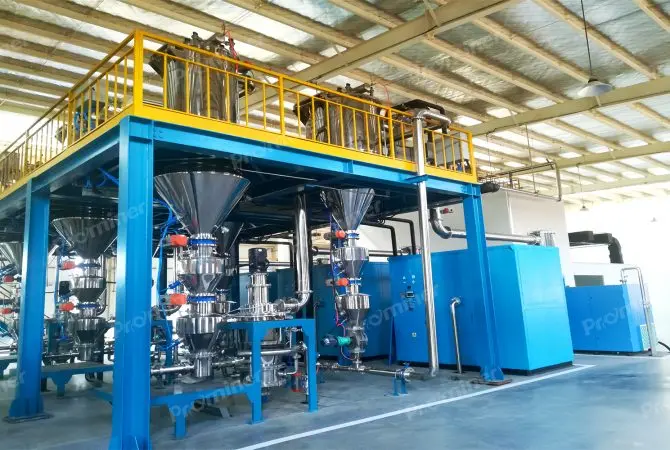
Jet mill is also called fluidized bed jet mill by using multiple nozzles to form sonic speed air flow
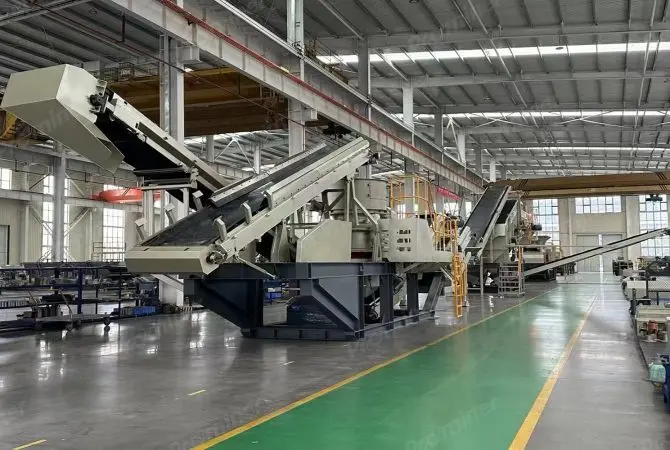
Skid mounted Portable Crusher, based on market requirements of easier moving from one site
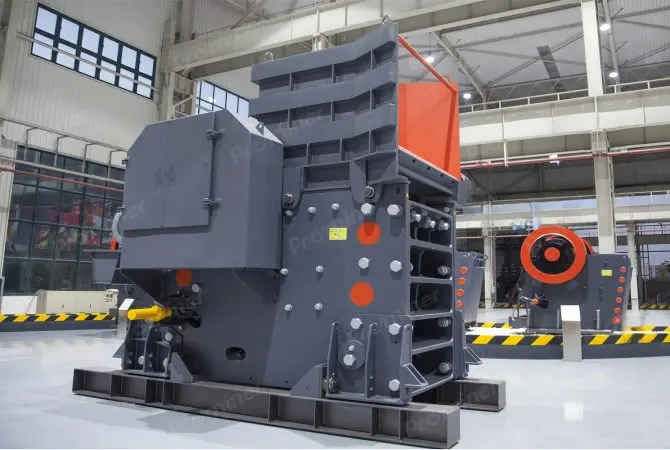
Jaw Crusher, its opening size determines its max feeding size. The crushing chamber of a jaw crusher
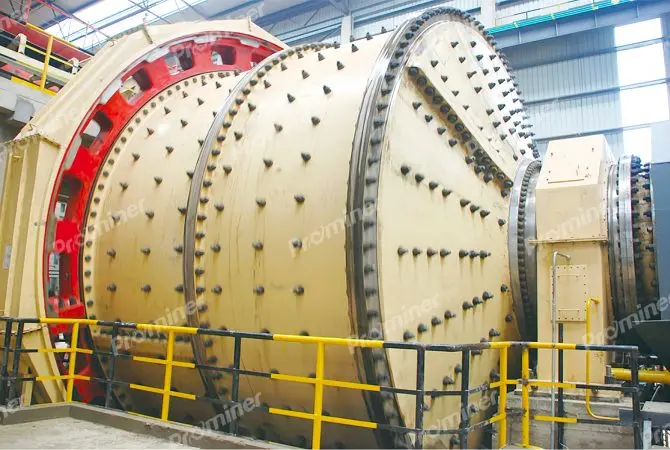
AG/SAG is short for autogenous mill and semi-autogenous mill, it combines with two functions of crushing
To find out more about our products and solutions, please fll out the form below and one of our experts will get back to you shortly
3000 TPD Gold Flotation Project in Shandong Province
2500TPD Lithium Ore Flotation in Sichuan
Fax: (+86) 021-58779592
Address: Room 606, Building D3, Phase II, Chuansha Business Center, 777 Long, Miaochuan Road, Pudong New Area, Shanghai,China
Copyright © 2023. Prominer (Shanghai) Mining Technology Co.,Ltd.