

UHP graphite electrode is mainly used for ultra high power electric arc furnaces in steel smelting industry




Designing and optimizing a flotation circuit is one of the most important steps in improving mineral recovery, concentrate grade, and overall plant performance. A well-designed circuit does more than simply separate valuable minerals from gangue. It helps stabilize the operation, reduce reagent consumption, improve economics, and adapt to changes in ore characteristics over time.
Because flotation is influenced by many interacting variables—including ore mineralogy, liberation size, pulp chemistry, equipment configuration, and operating strategy—successful circuit design requires both sound engineering principles and continuous optimization.
The first step in flotation circuit design is to fully understand the ore body and its metallurgical behavior. No circuit can consistently deliver good recovery if it is built on incomplete knowledge of the feed material.
This stage typically includes:
A detailed ore characterization program helps determine whether the material is suited to simple bulk flotation, selective flotation, reverse flotation, or a more complex multi-stage approach.
Before selecting equipment or arranging cells, the plant must define what “better recovery” actually means in practical terms. In some operations, the priority is maximum recovery of valuable minerals. In others, concentrate grade, impurity rejection, or reagent cost may be more important.
Key objectives may include:
Clear objectives allow engineers to make better decisions about roughing, cleaning, scavenging, regrinding, and recirculation.
The flotation circuit layout has a direct effect on both recovery and grade. Most circuits are built around a combination of the following stages:
The best configuration depends on ore complexity and the separation challenge. A simple ore may respond well to a basic rougher-cleaner-scavenger setup. More complex ores may require:
A good circuit balances recovery and grade without introducing excessive complexity or circulating load.
Grinding and flotation are closely linked. If the ore is too coarse, valuable minerals may remain locked with gangue and fail to float. If it is too fine, slimes can reduce flotation efficiency, increase reagent demand, and affect froth stability.
To optimize grind size:
The goal is not simply the finest possible grind. It is the most economical grind that provides sufficient liberation for effective flotation.
Equipment selection plays a major role in flotation circuit efficiency. Cell type, size, air dispersion capability, froth handling, and residence time all affect metallurgical performance.
Important equipment considerations include:
When sizing flotation cells, engineers must ensure adequate residence time for the target mineral to float. Under-sized cells may sacrifice recovery, while oversized cells can increase cost and reduce operational responsiveness.
Equipment should also match the nature of the ore. For example, slow-floating ores may need longer retention times, while friable ores may require gentle handling to avoid excess fines generation.
Reagents are at the heart of flotation performance. The right combination of collectors, frothers, modifiers, activators, and depressants determines which minerals float and which remain in the pulp.
A strong reagent strategy includes:
Pulp chemistry must be tightly controlled because small changes in pH, dissolved ions, water quality, or oxidation conditions can cause major shifts in recovery and concentrate grade.
Optimization often involves laboratory testing, pilot trials, and ongoing plant adjustments to identify the most stable and cost-effective reagent regime.
High mass pull does not always mean better performance. Pulling too much material into the froth can dilute concentrate grade and overload downstream cleaning stages. Pulling too little can leave valuable minerals in tailings.
To control mass pull effectively:
Froth behavior offers valuable real-time insight into flotation performance. Operators often use visual inspection, cameras, and advanced control systems to monitor bubble size, color, texture, and mobility.
An inefficient flotation circuit may lose performance through excessive recirculation of middlings or poor handling of intermediate streams. Large circulating loads can destabilize the circuit, reduce effective residence time, and increase energy and reagent costs.
To reduce internal losses:
A simpler, better-balanced circuit often performs better than a more complex circuit with poorly managed recycles.
Flotation circuit design should always be based on test work rather than assumptions. Laboratory and pilot-scale testing provide the data needed to predict how the ore will behave in a full-scale plant.
Useful test programs include:
These tests help estimate recovery, grade, reagent requirements, residence time, and recirculating load behavior. They also reduce the risk of installing a circuit that performs well in theory but poorly in operation.
Even a well-designed flotation circuit can underperform without proper monitoring and control. Flotation is dynamic, and feed conditions can change quickly. Instrumentation helps the plant respond before recovery is lost.
Useful control tools include:
Automated control can improve stability by adjusting air, reagent dosage, pulp level, and froth depth in real time. This reduces operator variability and helps maintain the circuit closer to its optimum operating point.
Optimization is only possible when performance is measured consistently. Plants should track key performance indicators that reflect both metallurgy and operating efficiency.
Common flotation KPIs include:
Trend analysis can reveal gradual performance losses that are easy to miss in daily operation. Regular audits and plant surveys also help identify opportunities for improvement.
Many flotation circuits are designed around average ore conditions, but real ore bodies are rarely average for long. Changes in hardness, mineral associations, oxidation state, clay content, and head grade can all affect flotation response.
To handle variability better:
A circuit that is robust under varying conditions usually delivers better long-term recovery than one optimized only for a narrow feed range.
Human factors and maintenance practices have a major impact on flotation results. Even the best circuit design can fail if operators do not understand the process or if equipment performance declines.
Best practices include:
Stable operation depends on both technical design and disciplined execution.
Flotation optimization is not a one-time activity. As ore conditions, production targets, and market requirements change, the circuit must be reassessed and refined.
Continuous improvement methods include:
Small improvements in multiple areas can add up to significant gains in recovery and profitability over time.
Designing and optimizing a flotation circuit for better recovery requires a combination of mineralogical understanding, sound circuit configuration, proper equipment selection, reagent optimization, and strong process control. The most successful circuits are not simply those with the most equipment, but those that are carefully matched to the ore and managed with reliable data.
By understanding ore characteristics, setting clear metallurgical goals, controlling grind size and pulp chemistry, minimizing internal losses, and committing to continuous optimization, plants can improve both recovery and concentrate quality while keeping operating costs under control.
A: A handful of variables drive most of the variation in recovery and grade: grind size (liberation), pulp density, reagent type and dosage, residence time, pH, and — for magnetic separation — field intensity and feed rate. Changing one without adjusting the others usually backfires. The practical way to find your optimum is a structured test program: vary one parameter at a time on your actual ore and measure recovery and grade at each point. We run this kind of parameter study during lab and pilot testing, then carry the settings into the plant design and re-tune them during commissioning.
A: Three properties matter most: whether the valuable mineral is sulfide or oxide, how coarsely or finely it is disseminated in the gangue, and what gangue minerals accompany it. Coarse, high-density minerals respond well to gravity separation; magnetic minerals to magnetic separation; fine sulfide minerals to flotation; oxide or low-grade ores often to leaching. Many ores need a staged combination. Because two deposits carrying the same metal can behave completely differently, the flowsheet has to be built from your ore’s own test data — not copied from a similar project.
A: A single method rarely hits both target recovery and target grade when the ore contains multiple valuable minerals, spans a wide particle size range, or carries problematic gangue. Then a combined flowsheet is justified — for example, gravity pre-concentration to reject coarse waste early, magnetic separation ahead of flotation to remove magnetic minerals, or staged grinding and classification to liberate progressively. The added circuit costs more, but it usually pays back through higher overall recovery and lower reagent and energy consumption per tonne.
A: Refractory ores resist standard processing — gold locked inside sulfide minerals, ores that consume excessive reagents, carbonaceous ores that re-adsorb dissolved gold, fine or clay-rich ores that slime badly, or oxide ores that float poorly. Treatment usually adds a step ahead of or instead of the conventional circuit: finer grinding, oxidation pre-treatment, roasting, or a switch from flotation to leaching. Identifying the specific cause through diagnostic testwork is essential, because each cause has a different fix and the wrong one wastes capital.
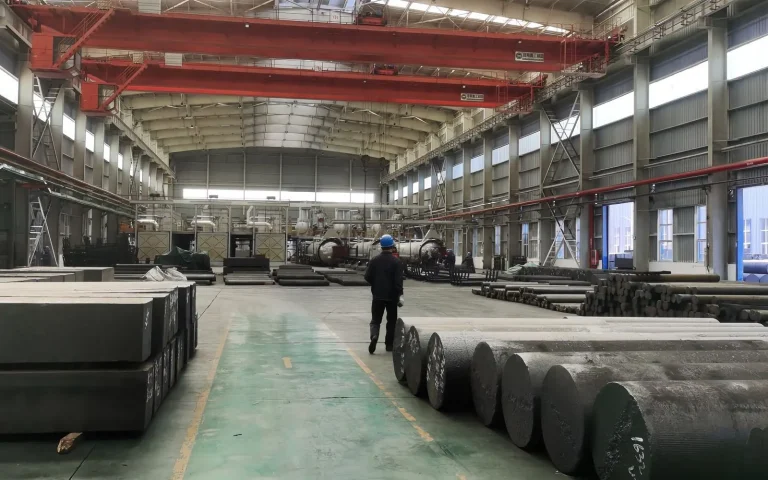
UHP graphite electrode is mainly used for ultra high power electric arc furnaces in steel smelting industry
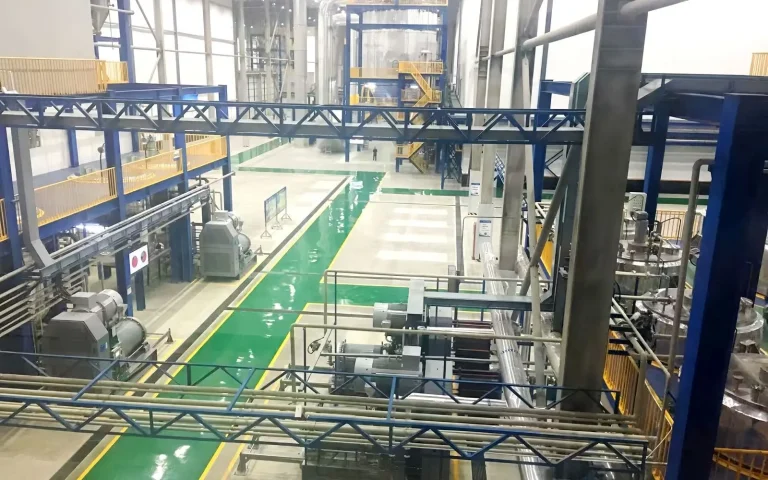
Cathode material is one of the key materials to determine the performance of lithium-ion batteries
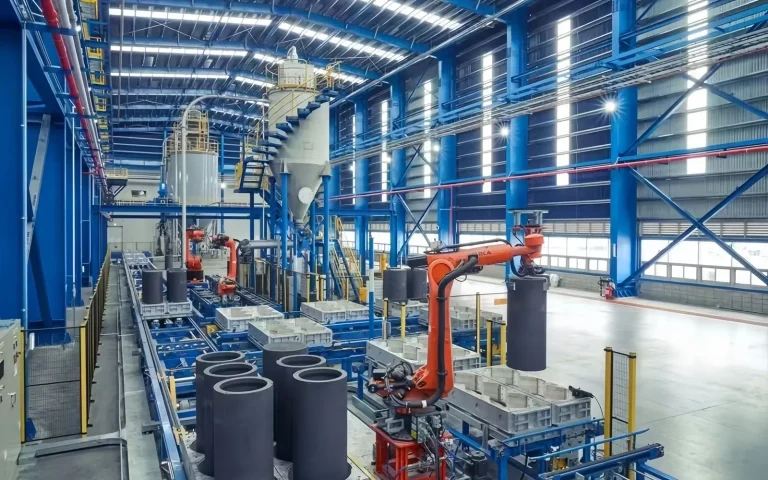
Provide the complete solution for making graphite anode materials include grinding, shaping, purification…

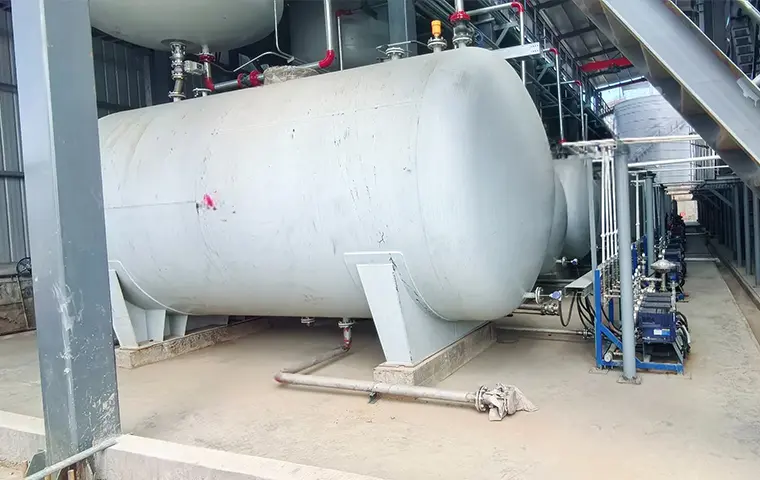
Raw Ore: Spodumene Lithium Ore Li2O Grade: 1.5% Concentrate Grade: 6.0%
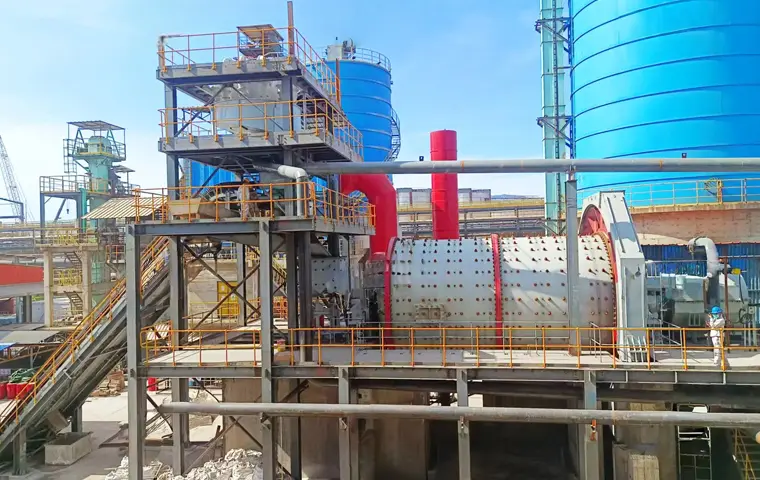
Raw Material: High-Calcium Limestone Final Product: Cement Raw Material Powder (200 mesh) & Construction Aggregate
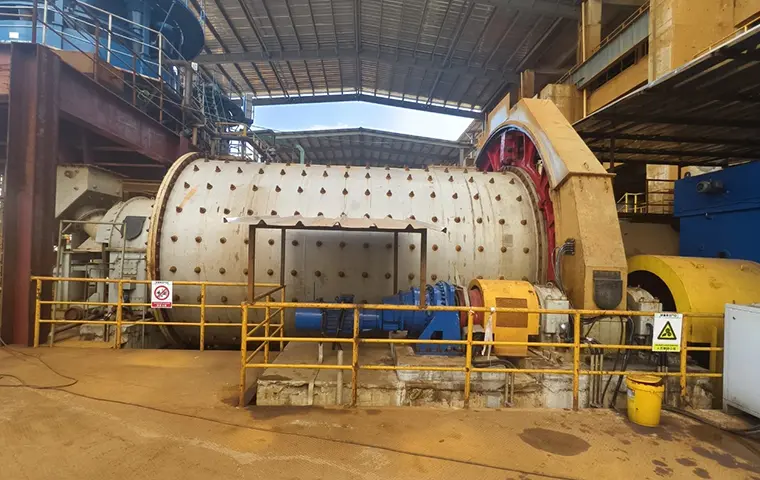
Located in Indonesia, this project focuses on the efficient regrinding of nickel ore to enhance mineral upgrading and deep processing. Prominer (Shanghai) Mining Technology Co., Ltd.
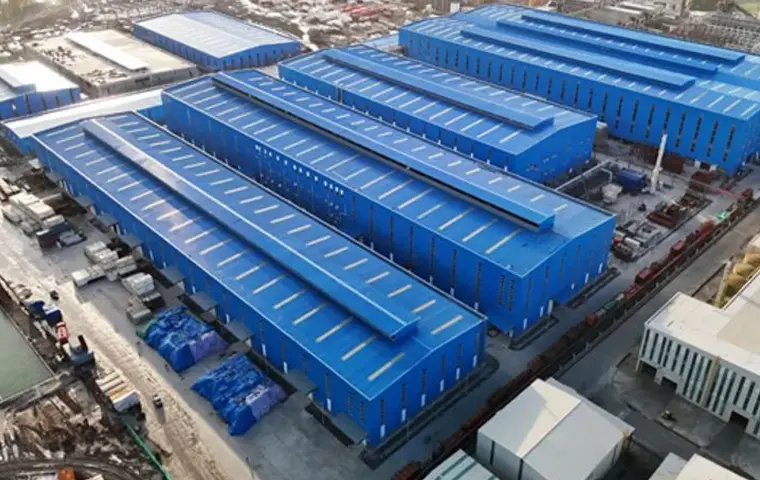
Raw Material: Petroleum Coke, Needle Coke, Pitch Binder Project Capacity: 50,000 Tons Per Annum
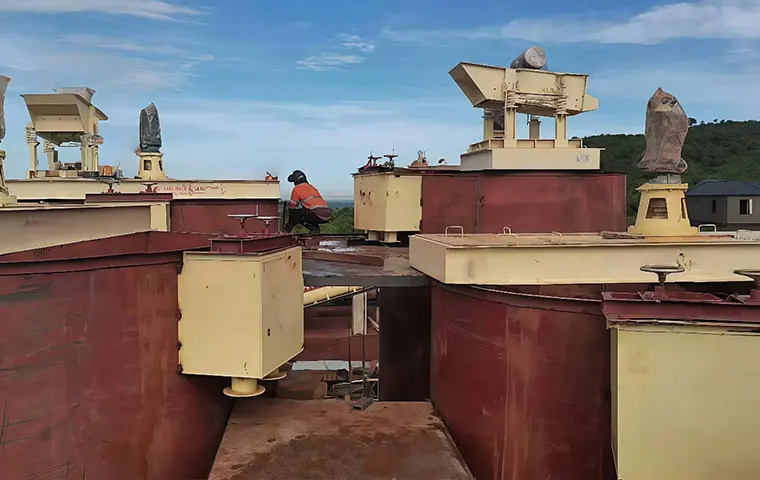
Raw Ore: Oxide Type Gold Ore Gold Grade: 3.5 g/t Gold Ingot Purity: 99.5%
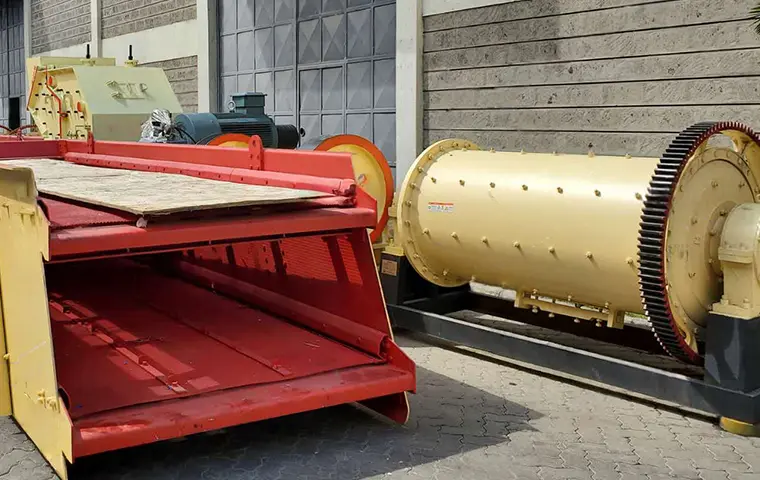
Raw Ore: Mixed Oxide and Sulfide Gold Ore Gold Grade: 3.5 g/t Gold Recovery Rate: 92%
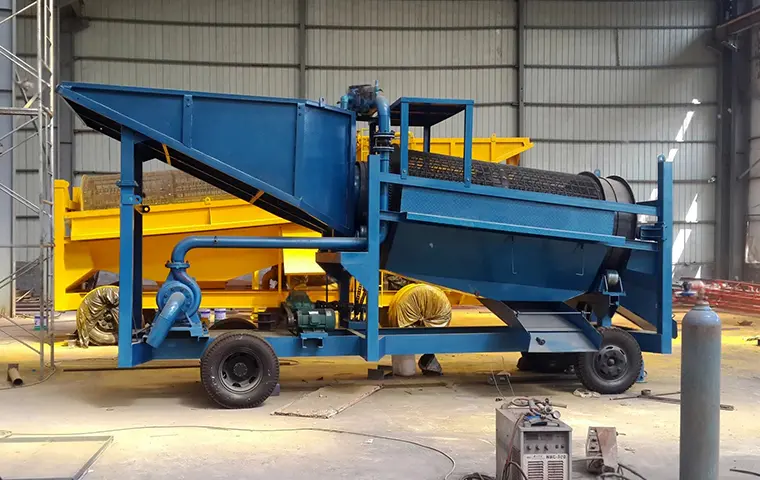
Raw Ore: Alluvial gold ore from riverbed and terrace deposits Gold Grade: 1.5 g/t Gold Recovery Rate: 92%
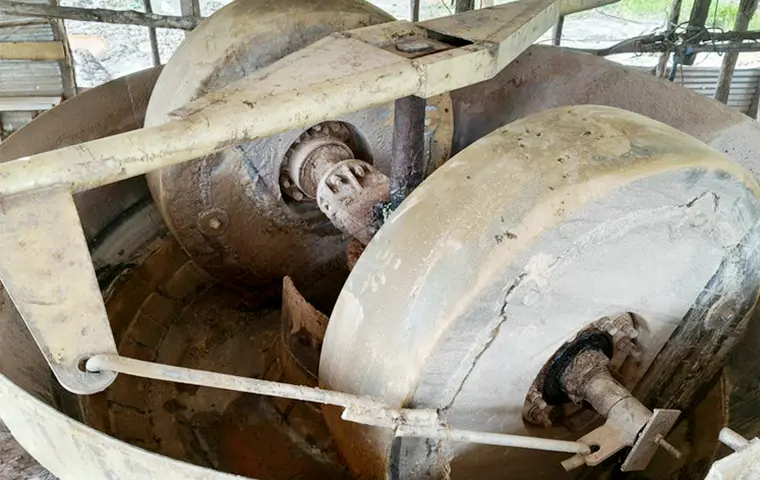
Raw Ore: Alluvial gold ore / Vein gold ore after crushing Gold Grade: 1.5 – 2.5 g/t Gold Ingot Purity: ≥ 90%
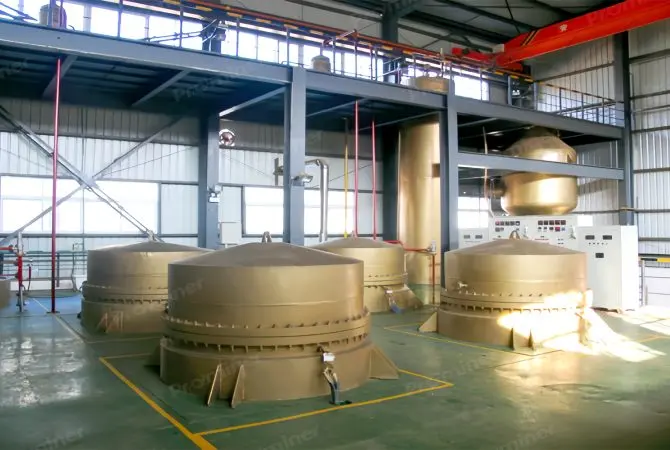
Prominer can design and provide the complete refinery and smelting system for gold CIL project
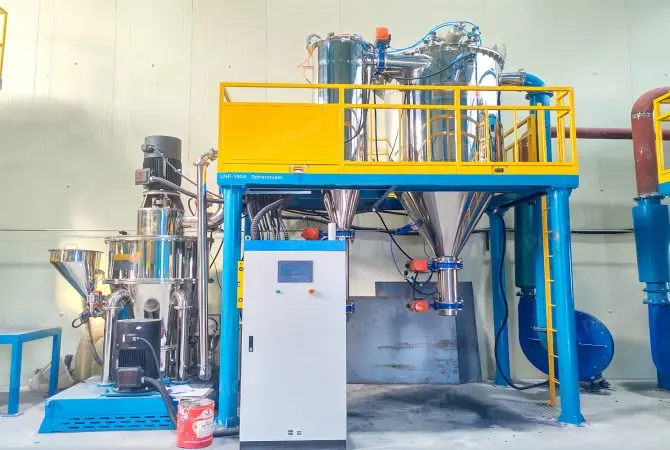
Besides strict PSD requirements, Anode Graphite also requires a spherical shape in order
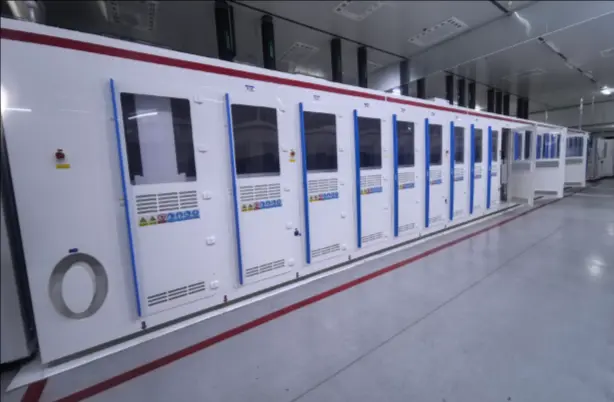
Include: Monocrystalline Batch Texturing Equipment, Batch Texturing Loader/Unloader, Low-Pressure…
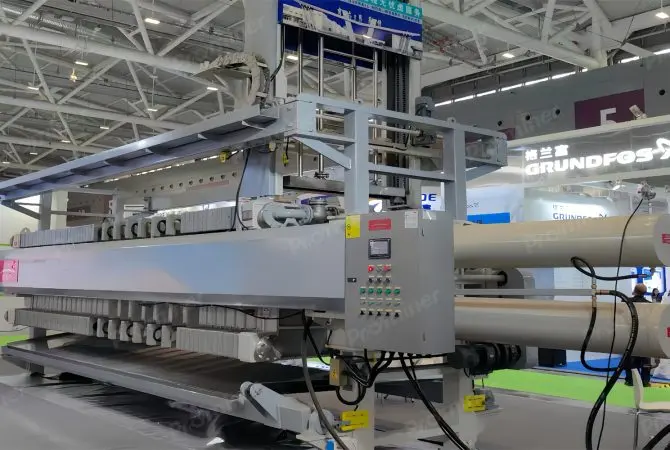
Prominer can provide press filter, belt vacuum filter, disk vacuum filter and ceramic filter
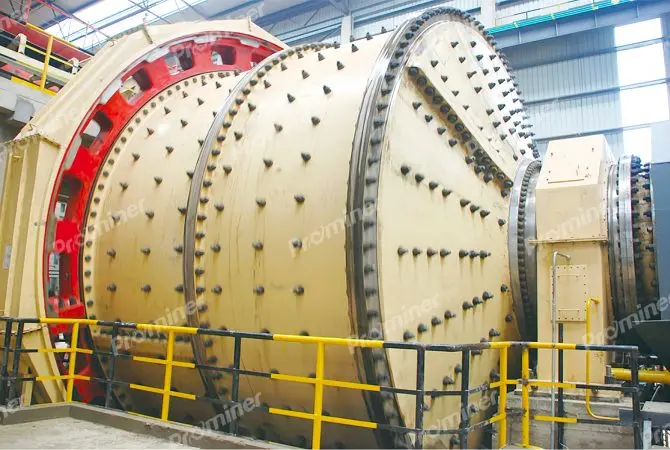
AG/SAG is short for autogenous mill and semi-autogenous mill, it combines with two functions of crushing
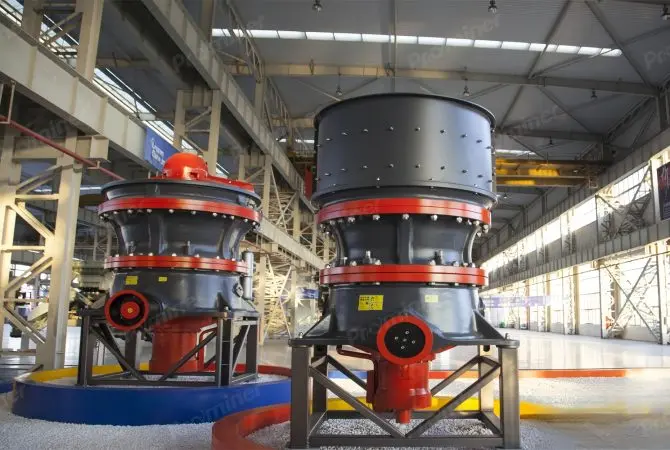
Single-cylinder hydraulic cone crusher have two series based on different cavity, S-cavity is designed
To find out more about our products and solutions, please fll out the form below and one of our experts will get back to you shortly
3000 TPD Gold Flotation Project in Shandong Province
2500TPD Lithium Ore Flotation in Sichuan
Fax: (+86) 021-58779592
Address: Room 606, Building D3, Phase II, Chuansha Business Center, 777 Long, Miaochuan Road, Pudong New Area, Shanghai,China
Copyright © 2023. Prominer (Shanghai) Mining Technology Co.,Ltd.


