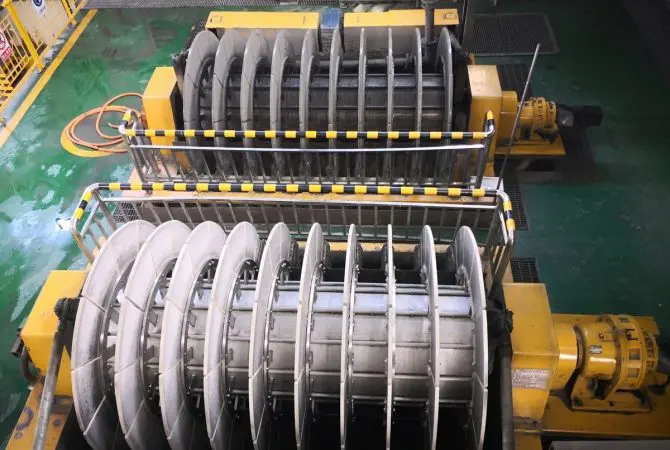
Heap leaching is a traditional cyanide leaching processing way which is flexible and economic to extract gold




Refractory gold ores are among the most challenging resources in the mining industry. Unlike free-milling ores, they resist conventional cyanidation because the gold is either locked within sulfide minerals, trapped in carbonaceous matter, or associated with compounds that inhibit extraction. As high-grade, easily processed deposits continue to decline, improving recovery from refractory ores has become essential for maintaining gold production and project profitability.
Advanced technologies now offer mining companies more effective ways to unlock gold from these complex ores. By combining mineralogical analysis, pretreatment methods, process optimization, and modern automation, operators can significantly improve recovery rates while reducing environmental impact and operating costs.
Before selecting a treatment method, it is important to understand what makes an ore refractory. In many cases, gold particles are encapsulated in sulfide minerals such as pyrite or arsenopyrite, preventing leaching solutions from accessing the metal. In other ores, naturally occurring carbonaceous materials adsorb dissolved gold during processing, a phenomenon known as preg-robbing. Some ores also contain tellurides or other minerals that complicate extraction.
A detailed characterization program is the foundation of improved recovery. Techniques such as QEMSCAN, X-ray diffraction, scanning electron microscopy, and fire assay help determine gold occurrence, liberation size, gangue composition, and the presence of harmful elements. With this information, operators can choose the most suitable technology rather than relying on trial and error.
Modern gold recovery starts with data. Advanced ore characterization enables precise process design by revealing how gold is distributed within the ore body. Variability mapping can identify different ore domains, each of which may require a different treatment approach.
Geometallurgical modeling is especially valuable. It links geological data with metallurgical performance so that plant operators can predict recovery behavior before the ore reaches the mill. This helps in blending ores strategically, stabilizing feed quality, and improving downstream processing efficiency. A well-informed flowsheet design often leads to higher recovery with fewer processing bottlenecks.
One of the simplest ways to improve recovery from refractory ore is to increase mineral liberation through fine grinding. If gold is physically locked within sulfide particles, reducing particle size can expose more gold to subsequent pretreatment and leaching stages.
Technologies such as stirred media mills, IsaMills, and vertical mills have made ultra-fine grinding more practical and energy-efficient than in the past. These systems can achieve the small particle sizes needed for liberation while maintaining better control over power consumption. However, grinding alone is rarely enough for highly refractory ores, so it is often combined with oxidation or other pretreatment methods.
Flotation is commonly used to concentrate sulfide minerals before more intensive treatment. By rejecting barren gangue and producing a smaller, higher-grade concentrate, flotation reduces the volume of material that must undergo costly refractory ore processing.
Advanced flotation reagents, improved froth control, and real-time monitoring systems can enhance concentrate quality and gold recovery. Selective flotation also allows operators to separate problematic minerals that might interfere with oxidation or leaching. In many operations, optimizing flotation is a critical first step toward better overall plant performance.
Pressure oxidation is one of the most effective technologies for treating sulfide-hosted refractory gold ores. In this process, sulfide concentrates are oxidized in an autoclave at elevated temperature and pressure in the presence of oxygen. This destroys the sulfide matrix and exposes the encapsulated gold for cyanide leaching.
The main advantage of pressure oxidation is its high recovery potential and relatively fast reaction kinetics. It can also stabilize certain deleterious elements, depending on process conditions. Although capital costs are significant, pressure oxidation is often justified for large-scale operations with consistent refractory feed. Modern autoclave systems, improved materials of construction, and better control strategies have made the process more reliable and efficient.
Roasting has long been used to oxidize sulfide minerals and liberate gold. In this process, ore or concentrate is heated in the presence of oxygen, converting sulfides into oxides and releasing sulfur as gas. Once the sulfide structure is broken down, the gold becomes more amenable to cyanidation.
Today’s roasting technologies are more advanced than older systems, with better temperature control, improved gas handling, and more effective emission treatment. However, environmental management remains a key concern, especially where arsenic or sulfur dioxide emissions are involved. For the right ore type and regulatory setting, roasting can still be a highly effective option.
Biological oxidation, or bio-oxidation, uses naturally occurring microorganisms to break down sulfide minerals and release trapped gold. This technology is especially attractive for ores and concentrates that are too complex for direct cyanidation but may not justify the cost of pressure oxidation.
Bio-oxidation generally operates at lower temperatures and pressures than autoclave-based systems, reducing energy requirements. It can also offer environmental advantages when properly managed. Processes such as BIOX have been successfully deployed at commercial scale in several gold operations around the world. While bio-oxidation may require longer retention times, it can be a cost-effective and sustainable solution for certain refractory ores.
When carbonaceous matter is present, dissolved gold can be re-adsorbed before it is recovered, leading to poor leach performance. This preg-robbing behavior requires specialized treatment strategies.
One common approach is the use of kerosene, diesel, or chemical blinding agents to deactivate the carbonaceous surfaces. Another is resin-in-leach or carbon-in-leach modifications designed to capture gold more rapidly than the natural carbon can adsorb it. In some cases, roasting or oxidation pretreatment can alter or destroy the preg-robbing material. Correctly diagnosing preg-robbing behavior is essential to selecting an effective remedy.
Although cyanidation remains the dominant gold leaching method, alternative lixiviants are gaining attention for certain refractory applications. Thiosulfate, glycine, chloride systems, and other reagent technologies may offer advantages where cyanide consumption is high or where environmental restrictions are strict.
These alternatives are not universal replacements, but they can be useful in niche applications, particularly for ores with high copper content or strong preg-robbing tendencies. Ongoing advances in reagent chemistry, process control, and recovery circuits are making these systems more commercially viable. For some operations, combining advanced pretreatment with non-cyanide leaching may unlock better economics and improved sustainability.
Sensor-based ore sorting is emerging as a valuable tool for improving refractory gold processing. By using X-ray transmission, near-infrared, or other sensing technologies, operators can identify and reject waste before grinding and pretreatment.
Preconcentration reduces the amount of material entering energy-intensive circuits, lowering costs and increasing effective plant capacity. It can also improve feed consistency, which is especially important in refractory ore treatment where process performance depends heavily on mineralogical stability. When integrated into the mine-to-mill strategy, ore sorting can contribute meaningfully to overall gold recovery improvement.
Advanced digital technologies are transforming how refractory gold plants are operated. Real-time sensors, machine learning, and predictive control systems can monitor variables such as particle size, pulp chemistry, oxygen levels, and leach performance, allowing operators to respond quickly to changing ore conditions.
Digital twins and process simulation models can also help optimize plant design and operational strategy. These tools support better decision-making, reduce downtime, and improve metallurgical consistency. In complex flowsheets where small changes can have a large impact on recovery, digitalization provides a significant competitive advantage.
Enhancing gold recovery is not only a technical challenge but also an environmental and economic one. Many advanced refractory ore technologies involve significant capital investment, specialized infrastructure, and strict environmental controls. The best solution is not always the one with the highest laboratory recovery, but the one that delivers the best balance of recovery, cost, risk, and compliance.
Water use, energy demand, tailings stability, emissions, and reagent handling must all be considered during technology selection. Lifecycle cost analysis and pilot-scale testing are essential to validate the preferred flowsheet before full-scale deployment. A well-designed process should maximize gold extraction while maintaining long-term operational and social sustainability.
No single technology can solve every refractory gold problem. The most successful operations use an integrated approach that combines detailed ore characterization, selective mining, preconcentration, comminution, pretreatment, optimized leaching, and advanced control systems.
For example, an operation may use geometallurgical modeling to guide ore blending, flotation to produce a sulfide concentrate, pressure oxidation to destroy sulfides, and digital process control to maintain optimal conditions in the leach circuit. Another site may combine ultra-fine grinding with bio-oxidation and alternative leaching to achieve a more sustainable result. The key is to match the technology suite to the specific ore characteristics and project objectives.
Enhancing gold recovery from refractory ores requires a deeper understanding of ore mineralogy and a willingness to apply advanced technologies strategically. From pressure oxidation and bio-oxidation to ultra-fine grinding, flotation optimization, ore sorting, and digital process control, today’s mining industry has a growing range of tools for unlocking value from difficult deposits.
As ore bodies become more complex and sustainability pressures increase, the future of refractory gold processing will depend on integrated, data-driven solutions. Companies that invest in the right combination of characterization, pretreatment, and smart plant optimization will be best positioned to improve recovery, lower costs, and maximize the value of their gold resources.
A: The choice depends entirely on your ore’s mineral characteristics:
Gravity Separation: Best for coarse-grained minerals with large density differences (e.g., placer gold).
Flotation: Ideal for fine-grained base metals (e.g., copper oxide) or removing impurities from non-metallic minerals (e.g., quartz sand).
Cyanidation (CIP): Necessary for fine, encapsulated precious metals (e.g., rock gold) to maximize chemical extraction.
A: This approach prevents over-grinding (creating excessive ultra-fine particles), which ruins flotation efficiency. By grinding in stages and immediately separating recovered minerals or waste at each stage, you significantly reduce energy consumption, minimize steel media wear, and protect valuable minerals from turning into unrecoverable slime.
A: Fine particles have low mass and high surface areas, making them hard to float. Key solutions include:
Advanced Reagents: Using highly selective collectors and flocculants to aggregate fine particles.
Micro-bubble Technology: Utilizing flotation columns that generate smaller bubbles to increase particle-bubble collision rates.
Desliming: Removing harmful ultra-fine slimes before the flotation stage to clear the process environment.
A: Relying on a single method is rarely enough. The key is a combined metallurgical flowsheet:
For High-Purity Quartz: Integrate scrubbing, magnetic separation (to remove iron), flotation (for feldspar), and acid leaching for the ultimate purity.
For Precious Metals: Combine gravity separation (to catch coarse gold early) with flotation and CIP (to extract fine gold), ensuring zero valuable minerals are wasted.
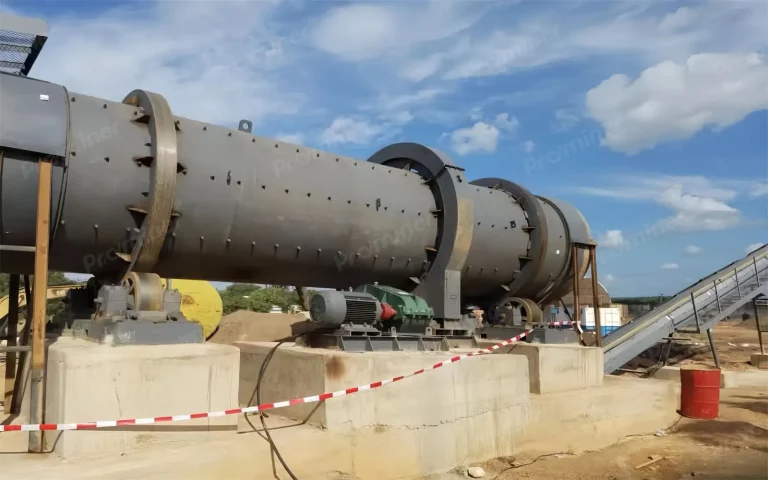
Heap leaching is a traditional cyanide leaching processing way which is flexible and economic to extract gold
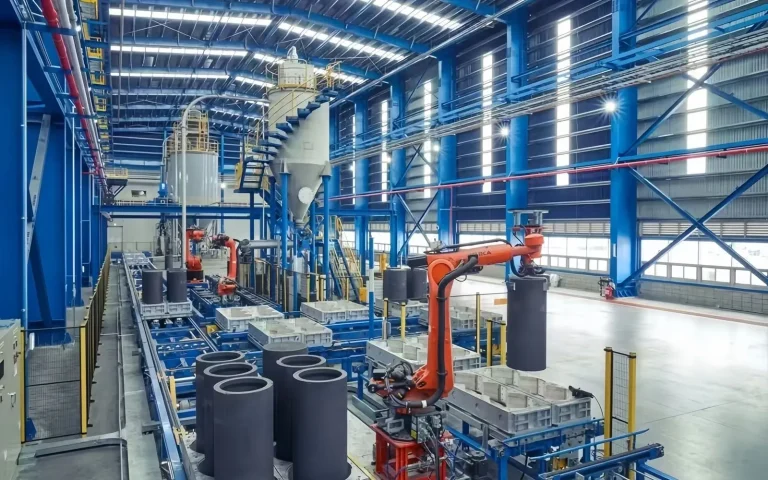
Prominer can provide the complete solution for making natrual graphite anode materials include grinding
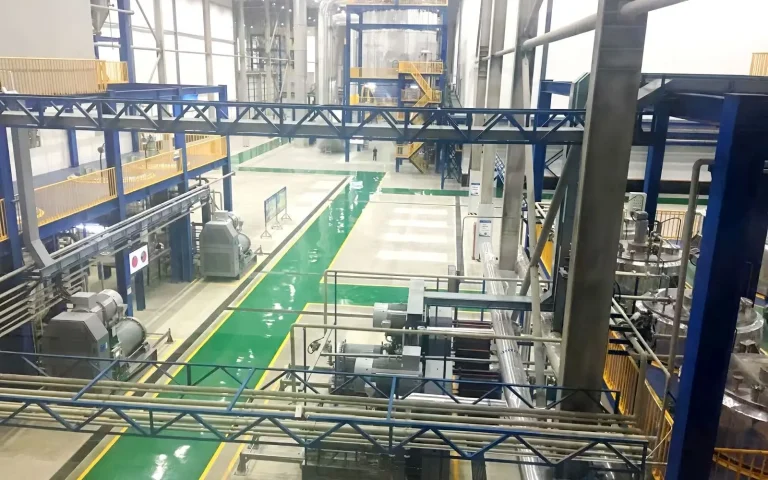
Cathode material is one of the key materials to determine the performance of lithium-ion batteries

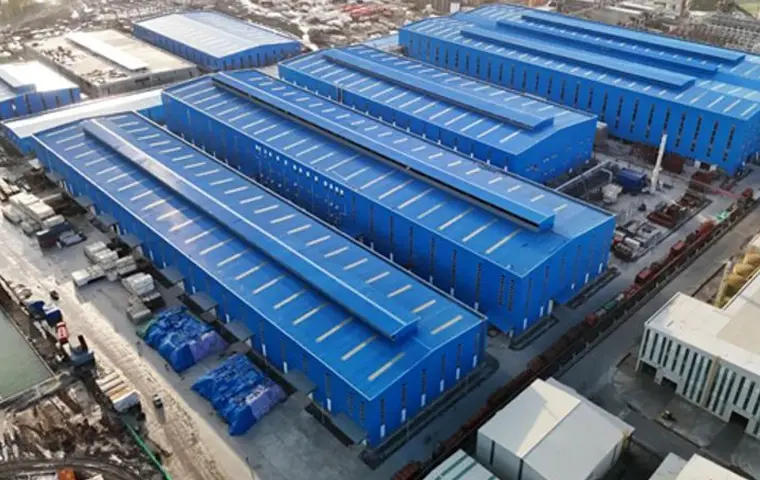
Raw Material: Petroleum Coke, Needle Coke, Pitch Binder Project Capacity: 50,000 Tons Per Annum
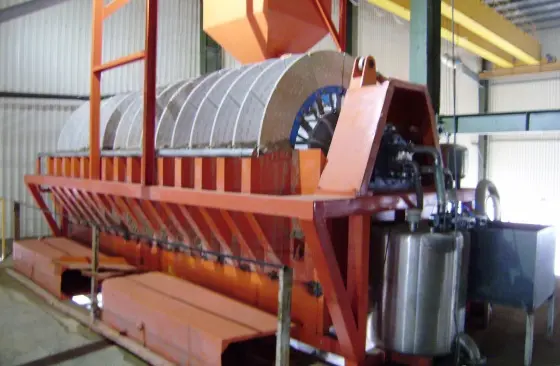
Client: Heavy Mineral Sands Producer Feedstock: Ilmenite Concentrate (TiO₂ 52-55%) Final Product: Rutile-Grade TiO₂ (≥94% purity)
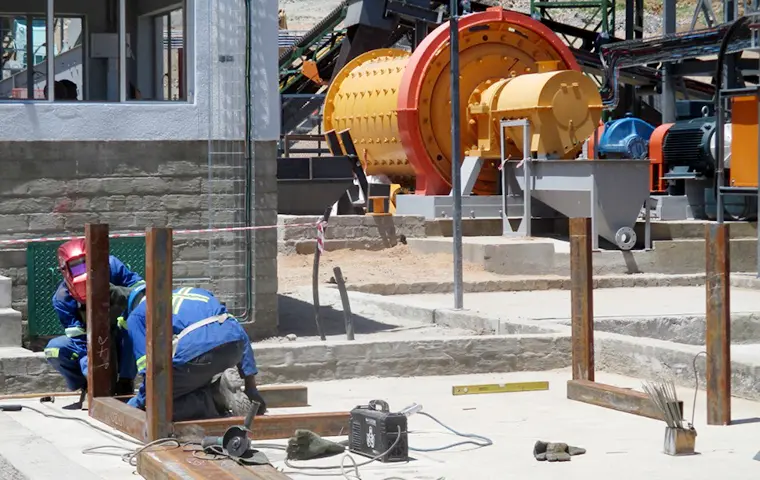
Raw Ore: High-Grade Crystalline Vein Graphite Ore Feed Grade: 18% C Concentrate Grade: 95% C (TGC)
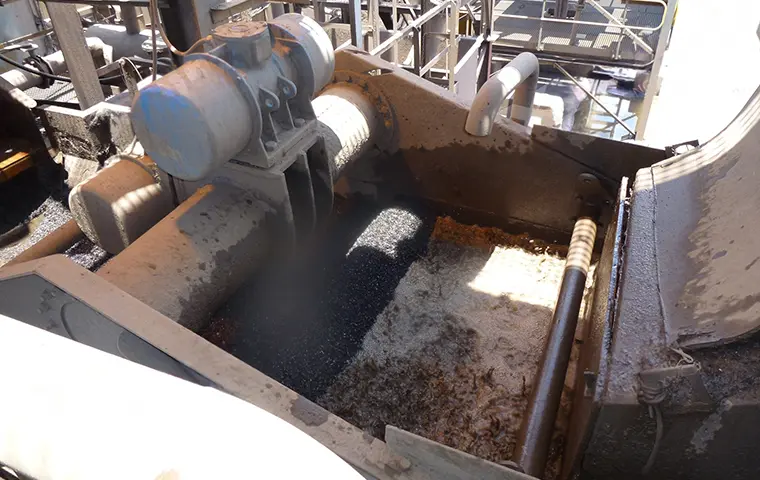
Raw Material: Weathered Granite Type Gold Ore & Associated Granitic Saprolite
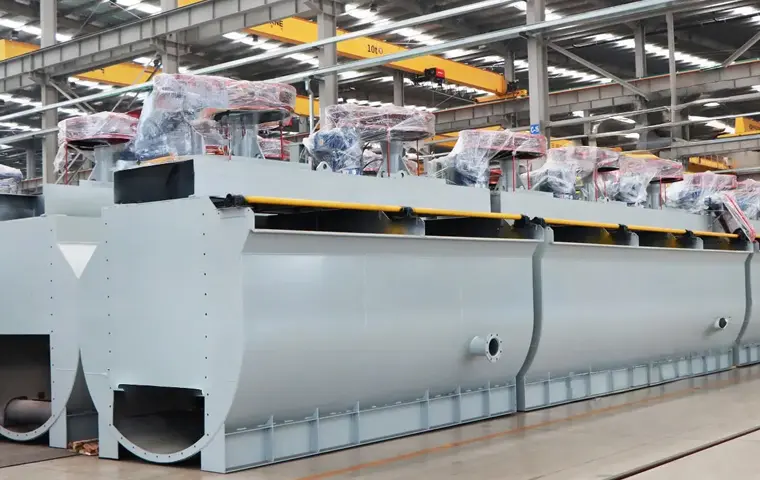
Raw Ore: Sulfide Type Gold Ore with Pyrite Gold Grade: 3.8 g/t Concentrate Grade: 42 g/t Au
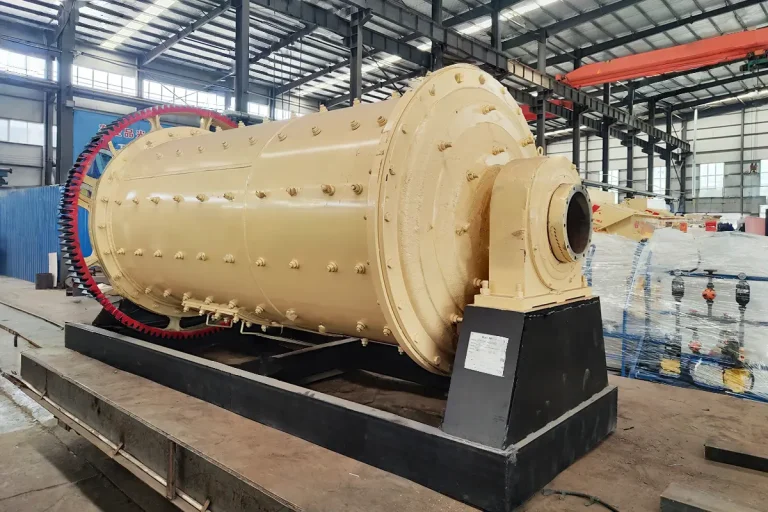
Raw Ore: Copper Ore (Chalcopyrite) Copper Grade: 0.85% Final Products: Grinded ore slurry for flotation
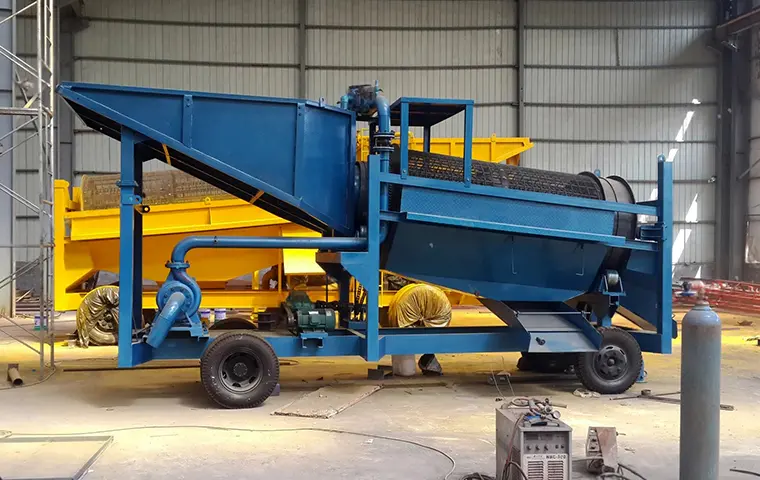
Raw Ore: Alluvial gold ore from riverbed and terrace deposits Gold Grade: 1.5 g/t Gold Recovery Rate: 92%
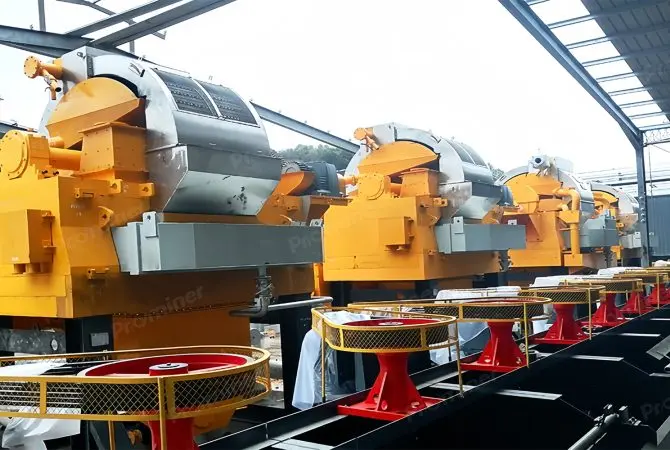
Prominer can provide different HIMS (High Intensity Magnetic separator) magnetic separators
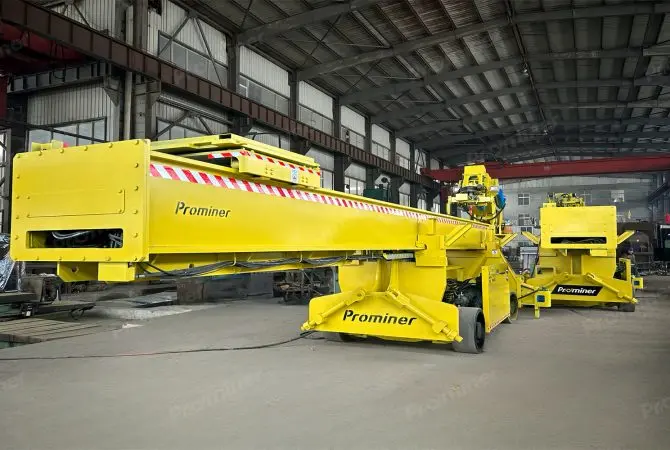
We can design and manufacture the mill relining machine (or called mill relining manipulator)
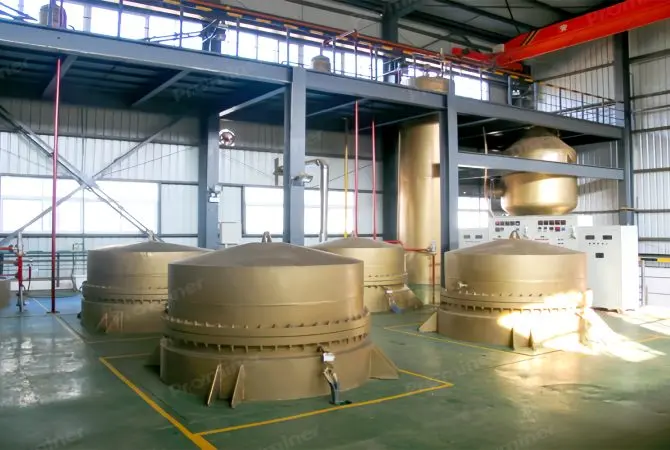
Prominer can design and provide the complete refinery and smelting system for gold CIL project
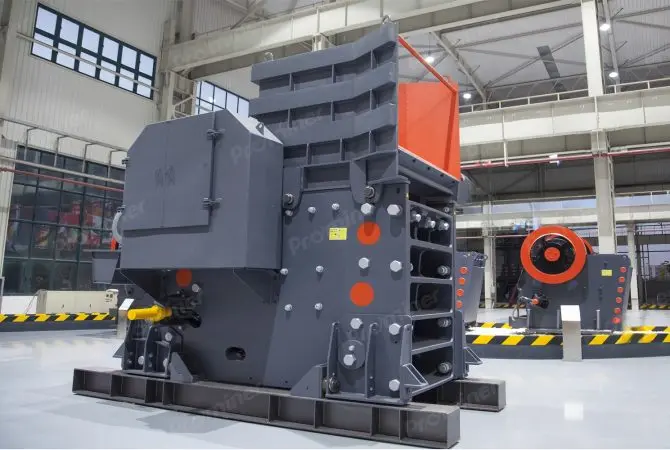
Jaw Crusher, its opening size determines its max feeding size. The crushing chamber of a jaw crusher
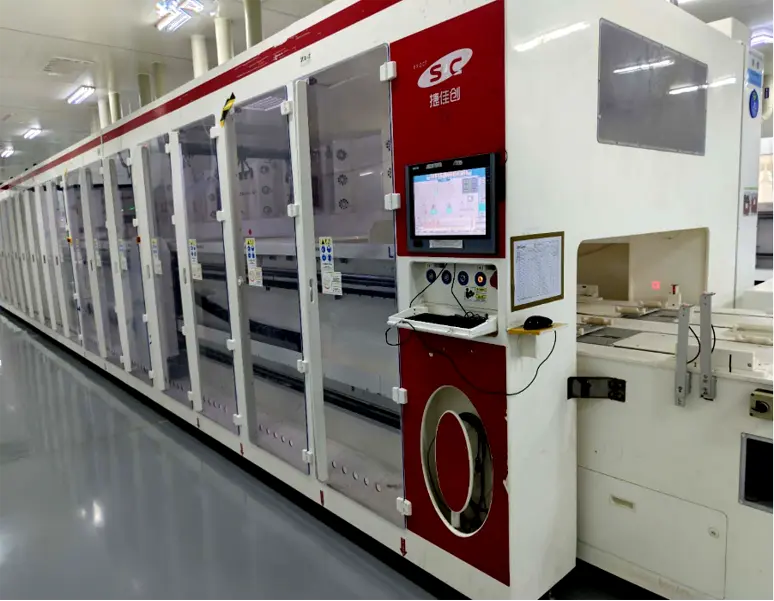
Such as: Boron diffusion furnace, BSG removal, Alkali polishing machine, PE-POLY…
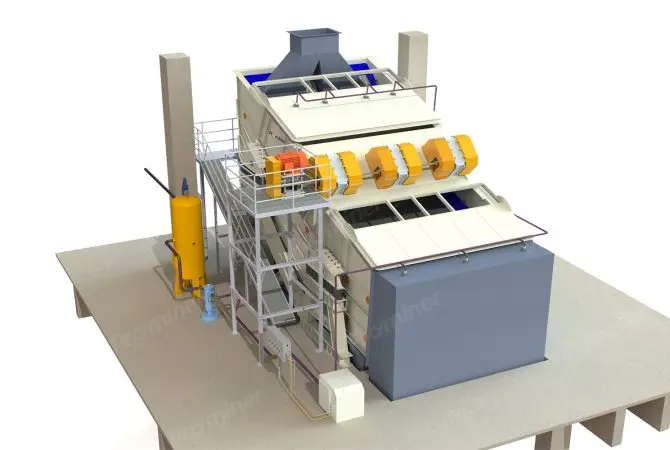
Flip-flow screen panel continues expanding and contracting so achieve a high acceleration rates
To find out more about our products and solutions, please fll out the form below and one of our experts will get back to you shortly
3000 TPD Gold Flotation Project in Shandong Province
2500TPD Lithium Ore Flotation in Sichuan
Fax: (+86) 021-58779592
Address: Room 606, Building D3, Phase II, Chuansha Business Center, 777 Long, Miaochuan Road, Pudong New Area, Shanghai,China
Copyright © 2023. Prominer (Shanghai) Mining Technology Co.,Ltd.