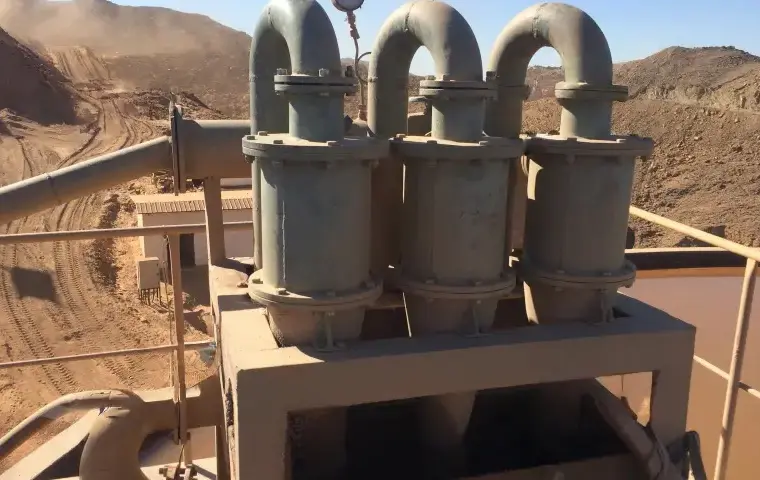
Silicon based anode is one kind of composite anode material by compounding silicon




Fine-grained hematite is one of the most challenging iron ores to beneficiate due to its weak magnetic properties and extremely fine particle dissemination. As high-grade iron ore resources continue to decline, improving the recovery rate of fine-grained hematite has become increasingly important for mineral processing plants. Magnetic separation, when properly optimized, can significantly enhance recovery efficiency. Below are key strategies to improve recovery rates of fine-grained hematite.
Adequate mineral liberation is the foundation of efficient magnetic separation. Fine-grained hematite is often closely associated with gangue minerals such as quartz, clay, or silicates. Insufficient grinding results in incomplete liberation, while over-grinding may produce excessive slimes that reduce separation efficiency.
To optimize grinding:
Proper control of particle size ensures that hematite particles are sufficiently liberated for effective magnetic capture.
Hematite is a weakly magnetic mineral, requiring high-intensity magnetic fields for effective separation. Conventional low-intensity magnetic separators are typically ineffective for fine-grained hematite.
Recommended equipment includes:
These systems generate stronger magnetic fields and higher field gradients, which enhance the capture of fine weakly magnetic particles.
Magnetic field intensity and pulsation frequency directly influence recovery rates. Increasing magnetic field strength improves the attraction of weakly magnetic hematite particles. However, excessively high intensity may also attract unwanted gangue minerals.
Key considerations:
Proper tuning of magnetic parameters improves selectivity and reduces entrainment of non-magnetic materials.
Fine particles tend to agglomerate due to surface forces, which reduces magnetic separation efficiency. Maintaining proper slurry concentration and dispersion is essential.
Effective measures include:
Well-dispersed particles are more easily captured by the magnetic field, improving recovery rates.
Single-stage magnetic separation may not achieve satisfactory recovery for fine-grained hematite. Multi-stage processes can significantly improve performance.
Typical process configurations:
This staged approach increases overall recovery while maintaining acceptable concentrate grade.
In some cases, magnetic separation alone may not be sufficient. Combining it with other beneficiation techniques can enhance overall recovery.
Common combined methods:
For ultra-fine hematite, selective flocculation followed by magnetic separation has shown particularly promising results.
Equipment condition directly affects separation efficiency. Worn magnetic matrices, unstable magnetic fields, or poor flow distribution can reduce recovery.
Best practices include:
Consistent maintenance ensures stable performance and higher recovery rates.
Each ore body has unique mineralogical characteristics. Continuous laboratory and pilot-scale testing helps identify optimal operating parameters.
Process optimization should focus on:
Data-driven adjustments can lead to sustained improvements in both recovery and concentrate quality.
Improving the recovery rate of fine-grained hematite via magnetic separation requires a systematic approach. Key factors include optimizing grinding for adequate liberation, using high-intensity magnetic equipment, controlling slurry conditions, implementing multi-stage separation, and combining processes when necessary. With proper equipment selection, parameter optimization, and ongoing process control, mineral processing plants can significantly enhance the recovery and economic value of fine-grained hematite resources.
A: Absolutely. Mineral characteristics vary significantly by region. All our beneficiation machinery—from crushers and ball mills to flotation cells and magnetic separators—can be customized in terms of capacity, lining materials, and technical configurations based on your raw ore’s mineralogy and required output.
A: The most reliable way is through a professional mineral laboratory test. We highly recommend sending a representative ore sample ($20\text{–}50\text{ kg}$) to our engineers. We will conduct free or subsidized crushing, grinding, and separation tests to design an optimized, high-recovery flowchart backed by real data.
A: To give you the most cost-effective and precise solution, please share:The primary mineral type (e.g., copper sulfide, magnetite, oxide gold ore).Your expected processing capacity (e.g., Tons Per Hour or Tons Per Day).The feeding particle size and your target concentrate grade ($Fe\%$, $Cu\%$, etc.).
A: Yes, we provide comprehensive global support. Our experienced technical team offers layout planning, foundation drawing designs, and on-site or remote video guidance for equipment installation, commissioning, and local operator training to ensure your plant runs smoothly.
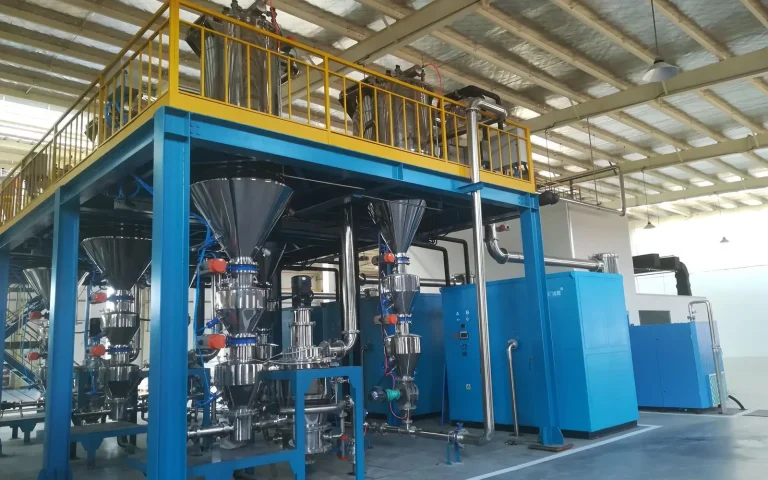
Silicon based anode is one kind of composite anode material by compounding silicon
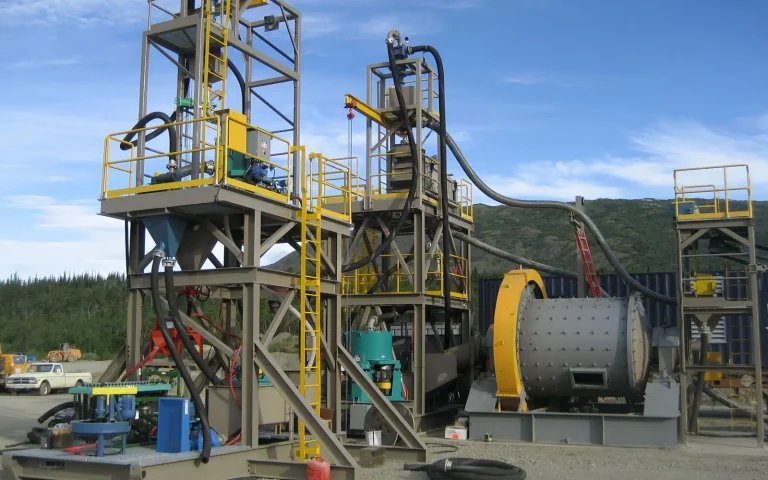
The best-known of the exogenetic ores is alluvial gold which also called placer gold. Alluvial gold refers
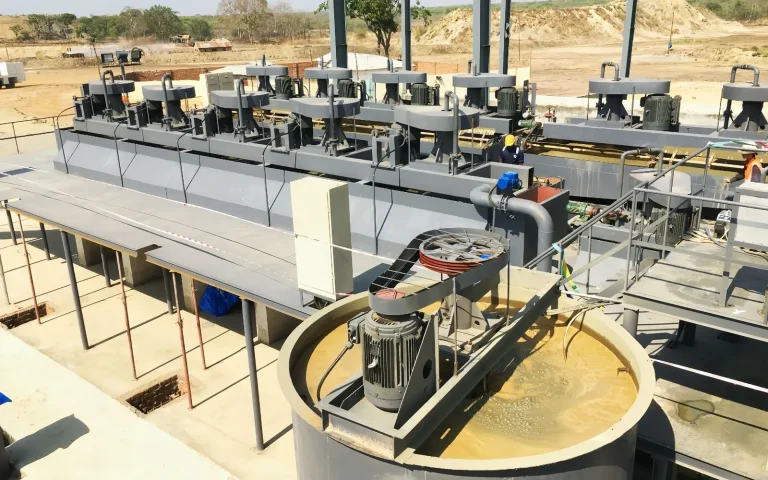
There are two types natural graphite ore include crystalline graphite and amorphous graphite

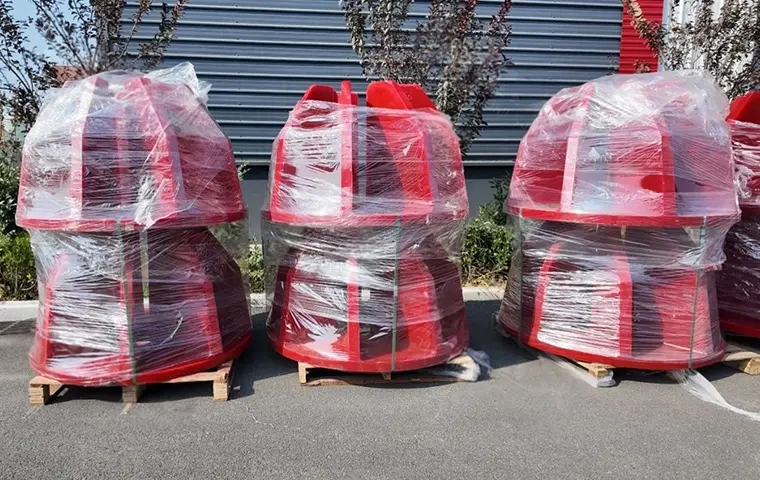
Raw Ore: Sulfide Copper Ore Copper Grade: 1.2% Target Flotation Recovery Rate: 92%
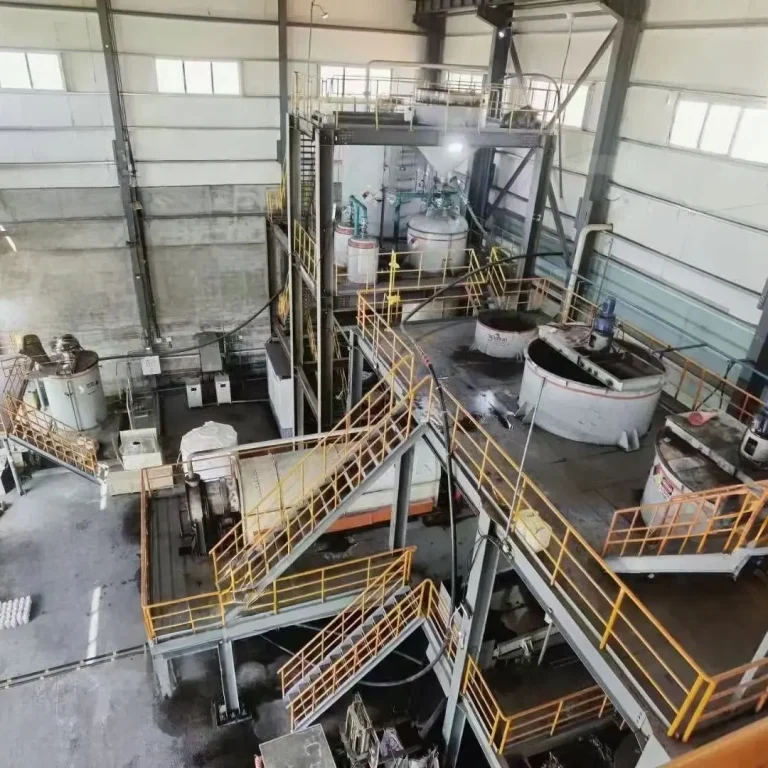
Raw Ore: Oxide/Sulfide Mixed Gold Ore Gold Grade: 3.5 g/t Gold Ingot Purity: 99.5%
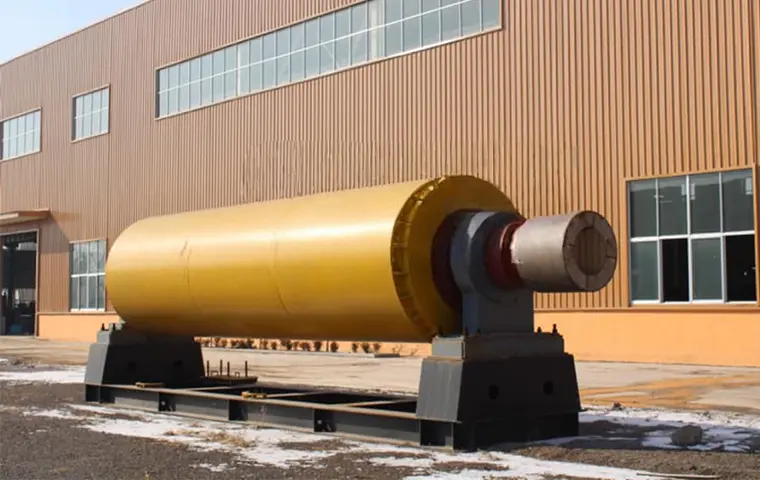
Raw Ore: Gold-bearing oxide ore / customised ore samples Feed Size: 12 mm below Target Grinding Fineness: 200 mesh (74μm) D80
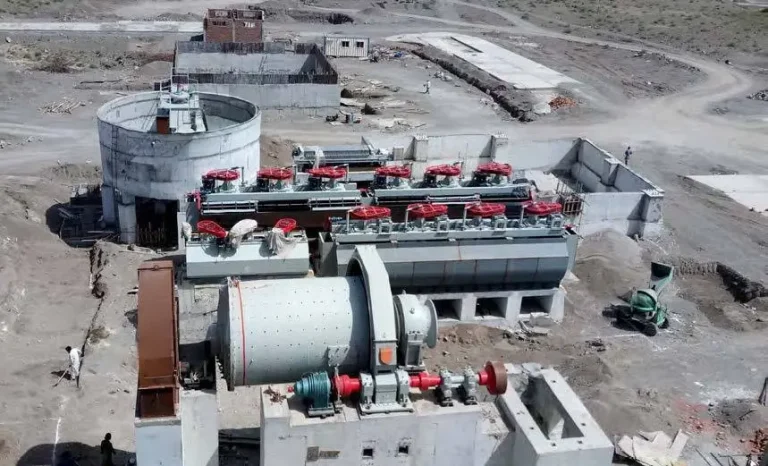
Raw Ore: Mixed Oxide-Sulfide Copper Ore (Chalcocite/Malachite) Copper Grade: 1.2% | Silver: 15g/t
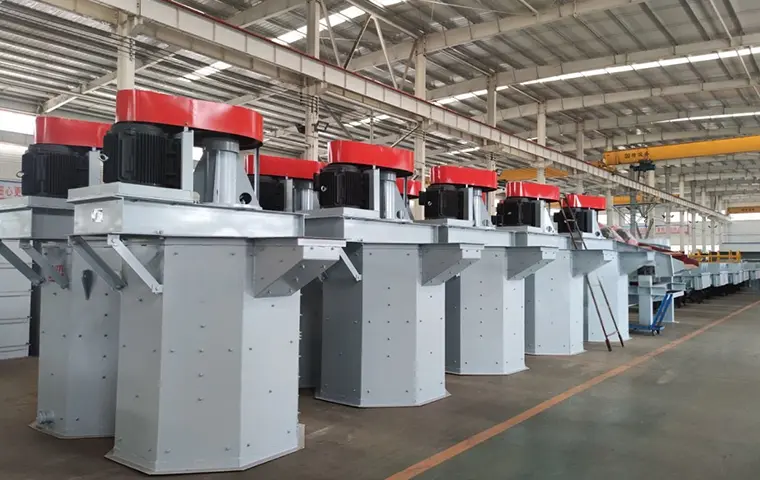
Raw Material: Quartz ore with impurities (Fe, Al, etc.) Quartz Grade: 98.5% SiO₂ Final Product: High-purity quartz sand (99.9% SiO₂)
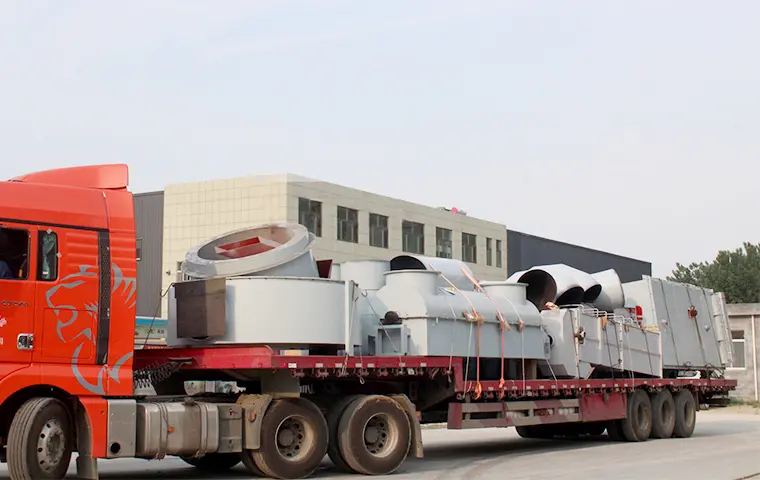
Raw Material: Quartz Ore Project Type: Equipment Supply & Installation Support
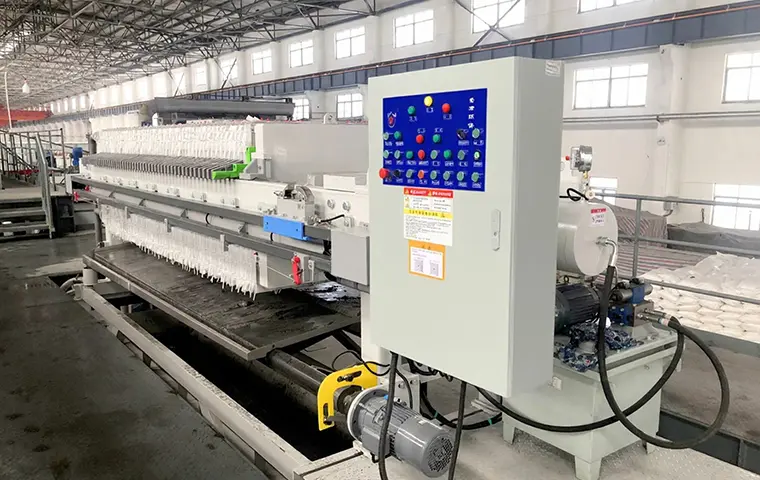
Raw Material: Carbon-slag from aluminum electrolysis Feed Grade: 15–20% Cryolite content Final Product: Recycled Cryolite ( purity ≥ 92% )
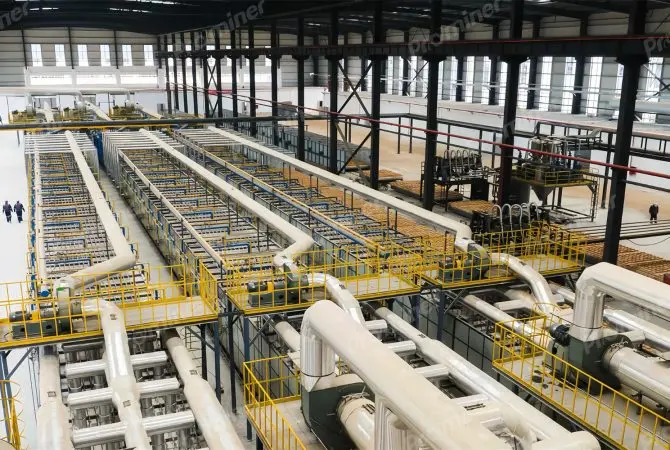
Prominer provides various types of furnaces for primary and secondary baking of carbon
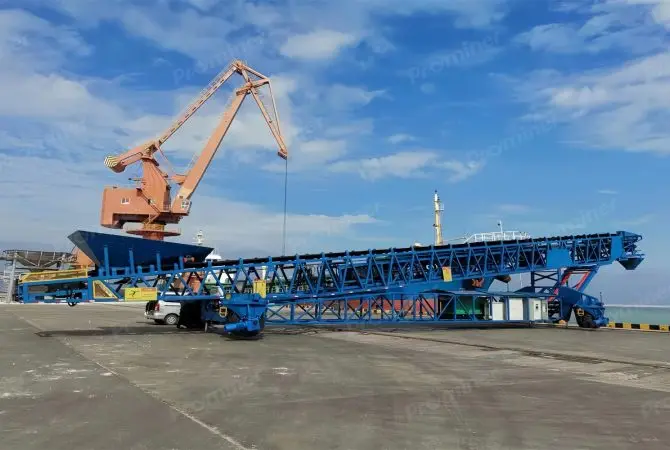
Our engineer team can design and manufacture the mobile type radial stacker, loader
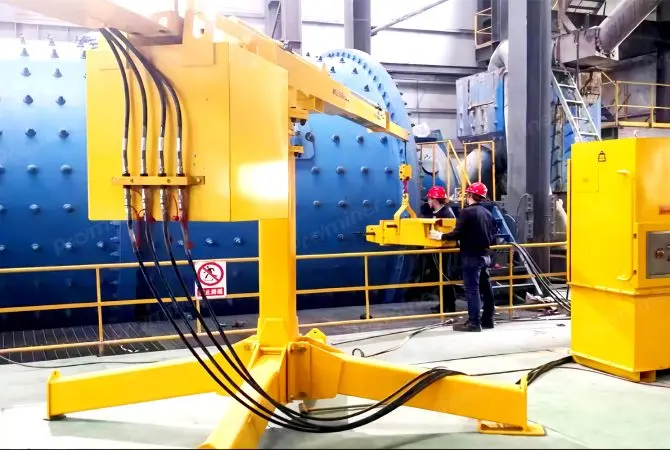
We can manufacture the highly automated and powerful recoilless Bolt Hammer to remove
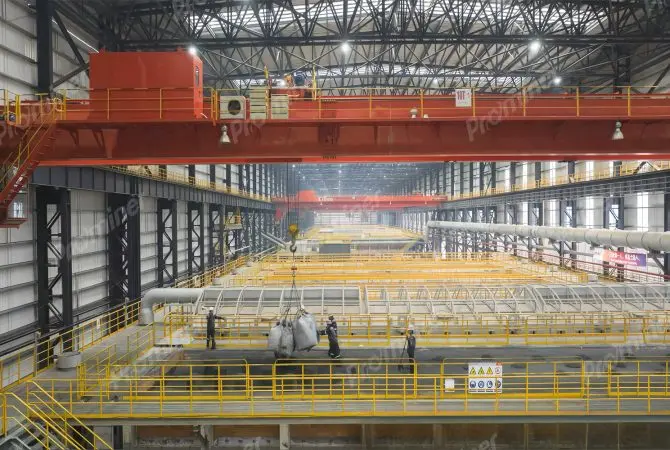
We can provide different type graphitization furnace for changing carbon material
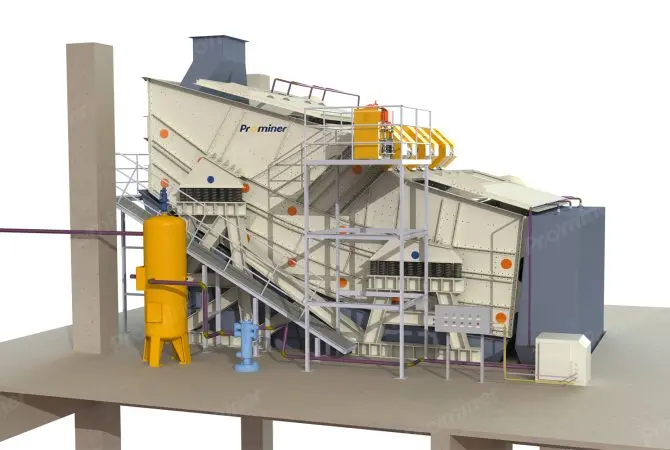
Banana screen is also well known as constant bed thickness screen. Prominer has the ability to supply dry
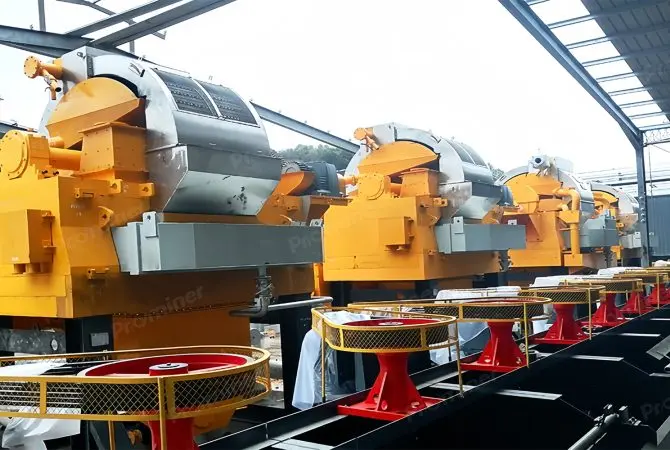
Prominer can provide different HIMS (High Intensity Magnetic separator) magnetic separators
To find out more about our products and solutions, please fll out the form below and one of our experts will get back to you shortly
3000 TPD Gold Flotation Project in Shandong Province
2500TPD Lithium Ore Flotation in Sichuan
Fax: (+86) 021-58779592
Address: Room 606, Building D3, Phase II, Chuansha Business Center, 777 Long, Miaochuan Road, Pudong New Area, Shanghai,China
Copyright © 2023. Prominer (Shanghai) Mining Technology Co.,Ltd.