UHP graphite electrode is mainly used for ultra high power electric arc furnaces in steel smelting industry




Spodumene is one of the most important hard-rock lithium minerals used in the production of lithium chemicals for batteries, ceramics, glass, and industrial applications. As global lithium demand continues to rise, improving spodumene extraction efficiency has become a priority for mining and processing operations. Higher efficiency means better lithium recovery, lower operating costs, reduced waste, and improved sustainability.
This article explores practical ways to improve spodumene extraction efficiency across mining, beneficiation, thermal treatment, and hydrometallurgical processing.
The first step in improving extraction efficiency is understanding the mineralogical characteristics of the ore body. Spodumene deposits vary significantly in grade, texture, gangue composition, weathering, and impurity levels. These factors directly affect the success of crushing, grinding, separation, and chemical extraction.
Detailed ore characterization should include:
With accurate mineralogical data, operators can design a process flow sheet tailored to the specific ore rather than relying on a generic approach.
Comminution plays a critical role in spodumene recovery. The goal is to achieve sufficient liberation of spodumene from gangue minerals without overgrinding, which can generate fines and slimes that reduce separation performance.
Key strategies include:
Energy-efficient grinding technologies and classification systems can help maintain the right balance between liberation and particle preservation. A well-optimized crushing and grinding circuit improves downstream flotation and gravity separation results.
Ore sorting and pre-concentration can significantly improve processing efficiency by removing barren or low-grade material before it enters the main plant. This reduces energy consumption, reagent use, and equipment load.
Common pre-concentration methods include:
By upgrading the feed grade early in the process, operations can increase throughput and improve the economics of lithium recovery.
Flotation is one of the most widely used methods for concentrating spodumene. However, flotation efficiency depends on several process variables, including reagent selection, pulp chemistry, particle size, and impurity management.
To improve flotation performance:
Testing different reagent schemes through laboratory and pilot-scale trials is essential. Even small improvements in flotation recovery can have a major impact on overall lithium yield.
Fine slimes and clay-rich ores are major challenges in spodumene processing. These materials can coat mineral surfaces, consume reagents, reduce flotation selectivity, and increase water management problems.
Effective slime control measures include:
Managing slimes properly helps improve concentrate grade and recovery while stabilizing plant performance.
A critical step in lithium extraction from spodumene is the conversion of naturally occurring alpha-spodumene into the more reactive beta-spodumene phase. This phase transformation is typically achieved through high-temperature roasting.
Efficiency can be improved by:
Thermal conversion has a major influence on downstream acid roasting or alkaline leaching performance. Poor conversion reduces lithium extraction and increases reagent consumption.
After thermal conversion, beta-spodumene is commonly treated by sulfuric acid roasting followed by water leaching to dissolve lithium as lithium sulfate. The efficiency of this stage depends on reaction conditions and process control.
Important optimization factors include:
Careful control of these variables helps maximize lithium dissolution while minimizing acid consumption and impurity solubilization.
Even when a plant produces a saleable concentrate, significant lithium losses can still occur in tailings due to poor liberation, ineffective flotation, fine particle losses, or incomplete chemical extraction.
To reduce losses:
A tailings-focused recovery strategy can uncover hidden value and improve total resource utilization.
Modern process control systems can greatly improve spodumene extraction efficiency by reducing variability and enabling rapid response to changing ore and plant conditions.
Useful technologies include:
Automation supports more stable operations, better recovery, and improved consistency in concentrate quality.
Water quality and reagent efficiency are often underestimated in lithium processing. Poor water chemistry can interfere with flotation and leaching, while excessive reagent use raises costs and may reduce selectivity.
Best practices include:
Efficient water and reagent management contributes to both process performance and environmental compliance.
Spodumene extraction circuits should not remain static. Ore characteristics may change over time, and market conditions may justify process improvements. Continuous test work is essential for maintaining high efficiency.
Recommended activities include:
A culture of continuous improvement allows operators to respond proactively rather than reactively.
Improving extraction efficiency is not only about maximizing lithium recovery. It is also about reducing the environmental footprint of processing operations. Efficient plants use less energy, water, and chemicals while generating less waste.
Sustainability-focused improvements may include:
These measures can strengthen both economic performance and social license to operate.
Improving spodumene extraction efficiency in lithium processing requires a full-process approach. Success depends on understanding ore characteristics, optimizing comminution and beneficiation, improving flotation, controlling slimes, refining thermal conversion and leaching, and applying modern monitoring technologies.
By combining sound metallurgy, process control, and continuous testing, lithium producers can increase recovery, reduce costs, and build more sustainable operations. As demand for lithium continues to expand, efficient spodumene processing will remain a key competitive advantage in the battery materials supply chain.
A: A handful of variables drive most of the variation in recovery and grade: grind size (liberation), pulp density, reagent type and dosage, residence time, pH, and — for magnetic separation — field intensity and feed rate. Changing one without adjusting the others usually backfires. The practical way to find your optimum is a structured test program: vary one parameter at a time on your actual ore and measure recovery and grade at each point. We run this kind of parameter study during lab and pilot testing, then carry the settings into the plant design and re-tune them during commissioning.
A: Three properties matter most: whether the valuable mineral is sulfide or oxide, how coarsely or finely it is disseminated in the gangue, and what gangue minerals accompany it. Coarse, high-density minerals respond well to gravity separation; magnetic minerals to magnetic separation; fine sulfide minerals to flotation; oxide or low-grade ores often to leaching. Many ores need a staged combination. Because two deposits carrying the same metal can behave completely differently, the flowsheet has to be built from your ore’s own test data — not copied from a similar project.
A: A single method rarely hits both target recovery and target grade when the ore contains multiple valuable minerals, spans a wide particle size range, or carries problematic gangue. Then a combined flowsheet is justified — for example, gravity pre-concentration to reject coarse waste early, magnetic separation ahead of flotation to remove magnetic minerals, or staged grinding and classification to liberate progressively. The added circuit costs more, but it usually pays back through higher overall recovery and lower reagent and energy consumption per tonne.
A: Refractory ores resist standard processing — gold locked inside sulfide minerals, ores that consume excessive reagents, carbonaceous ores that re-adsorb dissolved gold, fine or clay-rich ores that slime badly, or oxide ores that float poorly. Treatment usually adds a step ahead of or instead of the conventional circuit: finer grinding, oxidation pre-treatment, roasting, or a switch from flotation to leaching. Identifying the specific cause through diagnostic testwork is essential, because each cause has a different fix and the wrong one wastes capital.
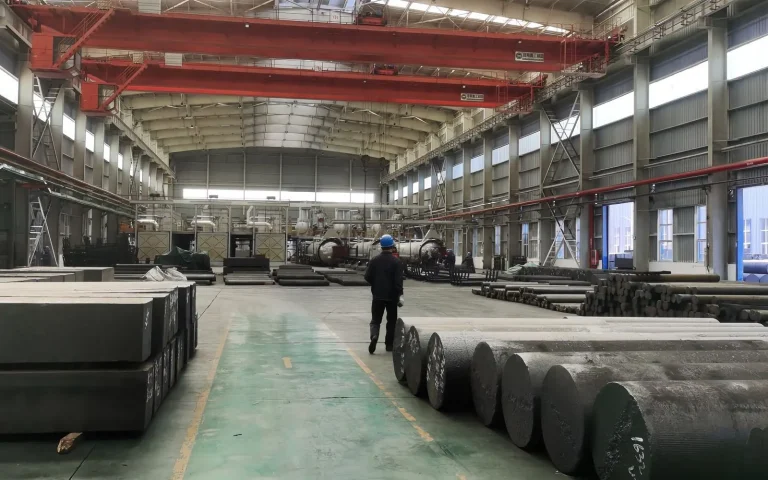
UHP graphite electrode is mainly used for ultra high power electric arc furnaces in steel smelting industry
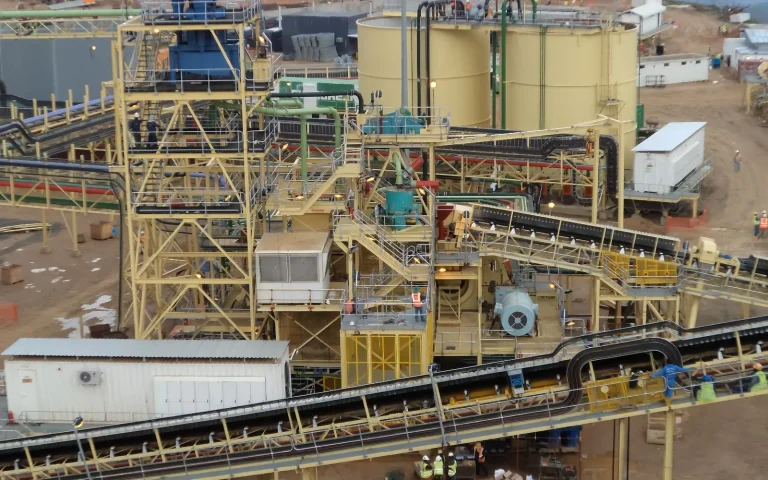
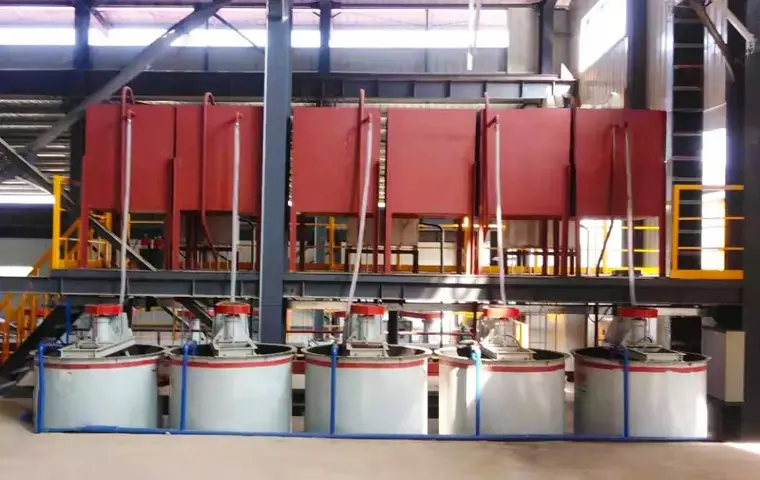
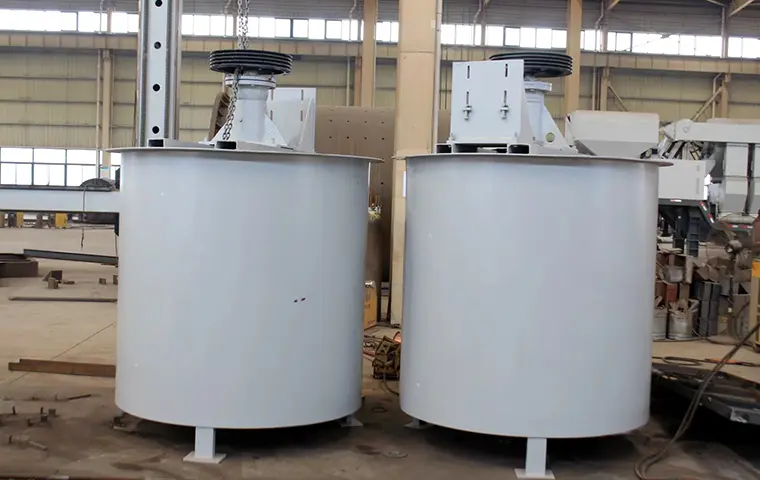
Provide important equipment in the gold ore processing process, such as CIL/CIP System, Flotation Cell…
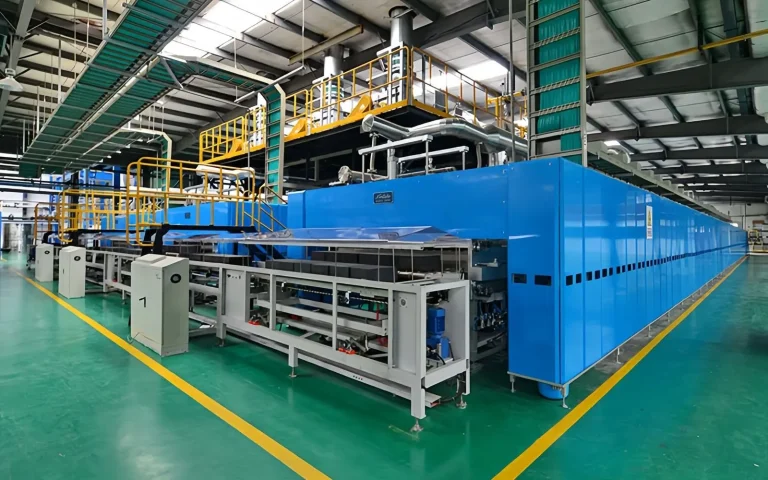
Artificial graphite anode material are mainly made from high quality low sulphur content petroleum coke

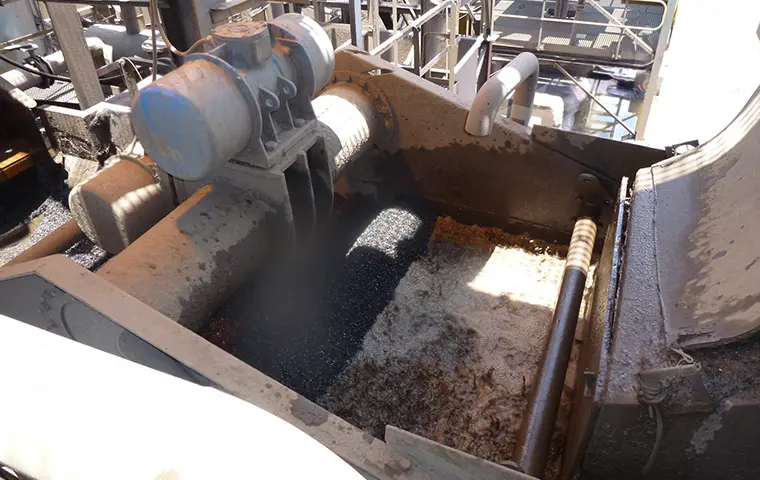
Raw Material: Weathered Granite Type Gold Ore & Associated Granitic Saprolite
Raw Ore: Mixed Type Gold Ore (Oxide & Sulfide) Gold Grade: 2.8 g/t Gold Recovery Rate: 92% (Post-Optimization)
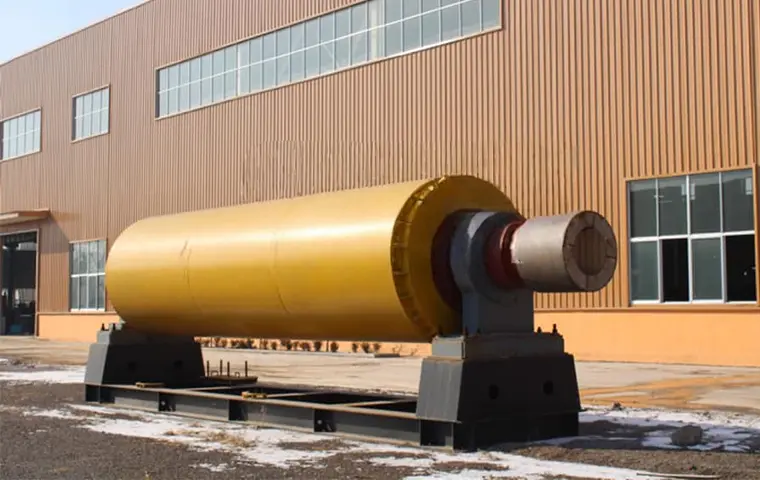
Raw Ore: Gold-bearing oxide ore / customised ore samples Feed Size: 12 mm below Target Grinding Fineness: 200 mesh (74μm) D80
Raw Ore: Alluvial gold ore from river bed Gold Grade: 0.8 g/t
Raw Ore: Oxide Type Gold Ore Gold Grade: 2.5 g/t Gold Ingot Purity: 92%
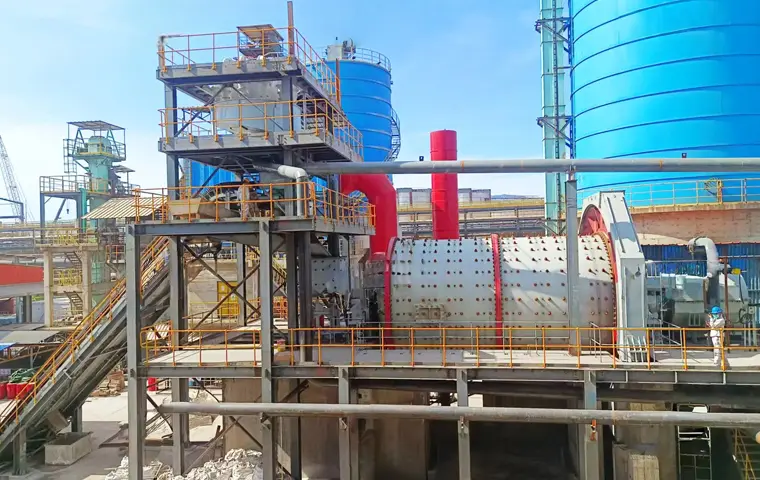
Raw Material: High-Calcium Limestone Final Product: Cement Raw Material Powder (200 mesh) & Construction Aggregate
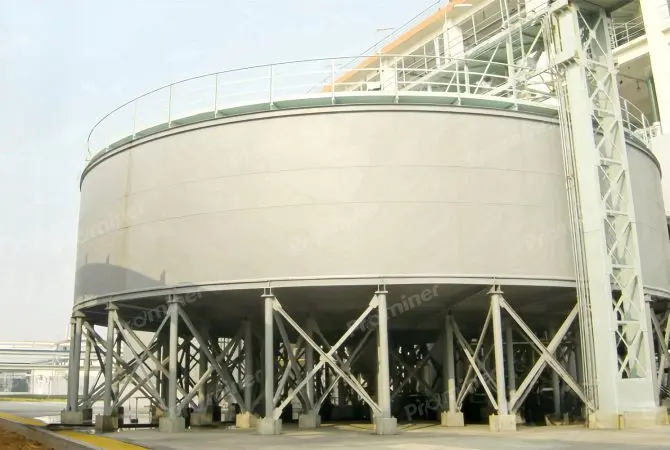
Prominer can provide different kinds of thickeners include center driving thickener, peripheral traction thickener
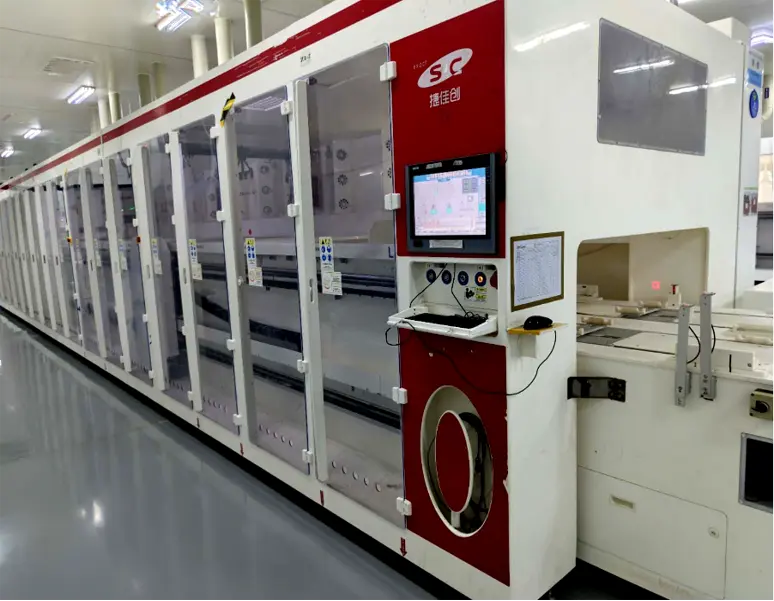
Such as: Boron diffusion furnace, BSG removal, Alkali polishing machine, PE-POLY…
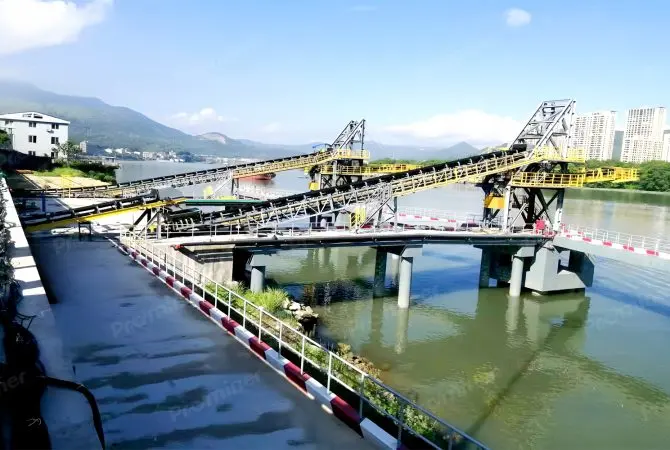
We can provide the solution of belt conveyors for different purposes include steeply inclined belt conveyor
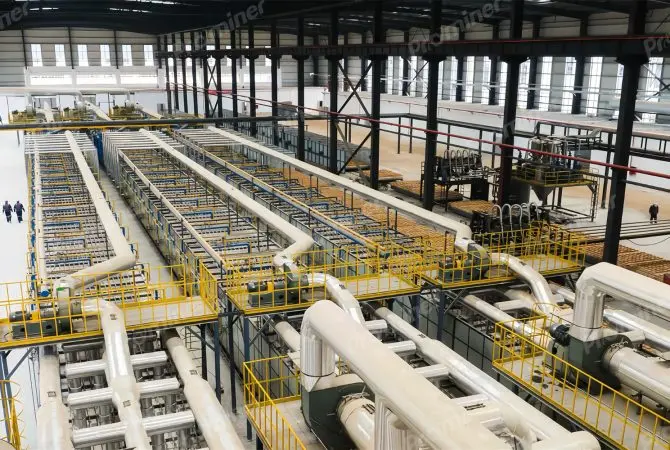
Prominer provides various types of furnaces for primary and secondary baking of carbon
To find out more about our products and solutions, please fll out the form below and one of our experts will get back to you shortly
3000 TPD Gold Flotation Project in Shandong Province
2500TPD Lithium Ore Flotation in Sichuan
Fax: (+86) 021-58779592
Address: Room 606, Building D3, Phase II, Chuansha Business Center, 777 Long, Miaochuan Road, Pudong New Area, Shanghai,China
Copyright © 2023. Prominer (Shanghai) Mining Technology Co.,Ltd.