
Heap leaching is a traditional cyanide leaching processing way which is flexible and economic to extract gold


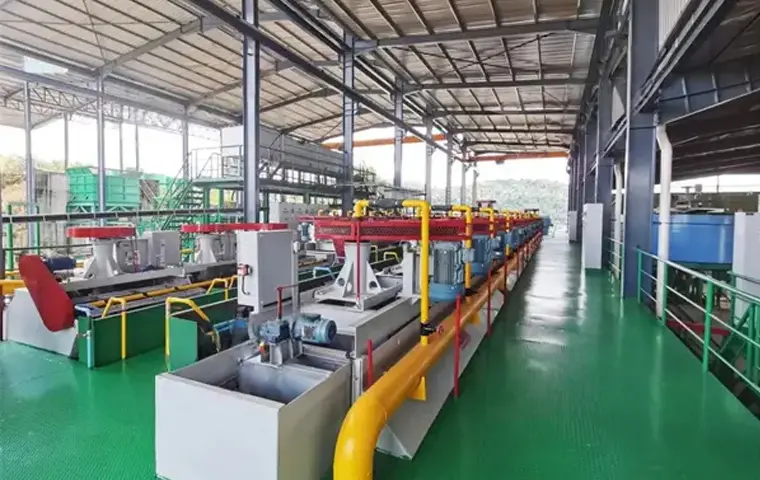
Copper flotation is one of the most widely used methods for recovering copper minerals from ore, but there is no single flotation scheme that works equally well for every deposit. The mineral composition, oxidation degree, gangue type, particle size distribution, and slime content all influence flotation performance. To optimize recovery and concentrate grade, the flotation process must be tailored to the specific type of copper ore being treated.
The first step in optimizing copper flotation is to identify the ore’s mineralogy. Different copper ores contain different valuable minerals, such as chalcopyrite, bornite, chalcocite, covellite, or malachite, and each responds differently to flotation reagents and circuit conditions.
A detailed mineralogical study should focus on:
This information forms the basis for selecting the right grinding fineness, reagent system, pulp chemistry, and flotation flowsheet.
Sulfide copper ores, such as chalcopyrite and bornite ores, are generally the easiest copper ores to float. They are usually treated using conventional froth flotation with xanthate-type collectors and frothers.
Key optimization measures include:
For sulfide ores with high pyrite content, depressants may be needed to improve copper selectivity. Circuit design should aim to maximize copper recovery while minimizing iron sulfide contamination.
Oxide copper ores, such as malachite, azurite, cuprite, and chrysocolla, are much more difficult to recover by direct flotation because they do not respond well to conventional sulfide collectors.
Common optimization strategies include:
Because oxide copper flotation is sensitive and often unstable, laboratory testing is essential to determine the best sulfurization and collector combination.
Mixed copper ores contain both sulfide and oxide copper minerals. These ores are especially challenging because sulfide minerals and oxide minerals often require different flotation conditions.
Optimization approaches include:
The best solution for mixed ores is usually ore-specific and depends heavily on the relative proportion of oxide and sulfide copper.
Many copper ores contain clay minerals or produce excessive fines during grinding. These materials can seriously reduce flotation efficiency by increasing pulp viscosity, coating mineral surfaces, and causing unwanted gangue entrainment.
To reduce these negative effects:
Fine particle flotation may also benefit from modified reagent schemes, column flotation, or improved hydrodynamic conditions.
Reagent selection is one of the most important parts of copper flotation optimization. The same reagent scheme will not work equally well across different ore types.
Typical reagent considerations include:
Reagent dosage should be optimized through systematic test work rather than fixed by experience alone.
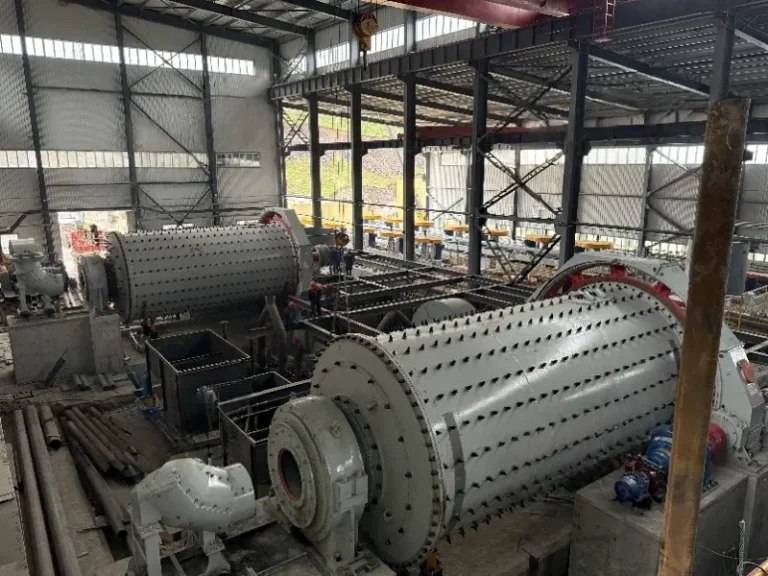
Flotation performance depends strongly on how well copper minerals are liberated from gangue. Insufficient grinding leaves locked particles unrecovered, while overgrinding creates slimes that reduce flotation selectivity.
Best practices include:
Each ore has an optimal grind size, and this should be confirmed by flotation testing rather than assumed.
Even with the right reagents and grind size, flotation results can suffer if the circuit is not properly configured or controlled.
Useful optimization methods include:
For difficult ores, pilot-scale testing can help confirm the most effective circuit design before full-scale implementation.
Because copper ores vary so much, optimization should always be based on testing rather than general assumptions. Laboratory flotation tests help define:
Pilot tests are especially valuable when treating mixed or variable ores, where plant-scale performance may differ from laboratory expectations.
Optimizing flotation for different types of copper ore requires a clear understanding of ore mineralogy and a process strategy matched to that ore’s specific characteristics. Sulfide ores generally respond well to conventional flotation, oxide ores often need sulfurization or specialized collectors, and mixed ores demand more flexible flowsheets. In all cases, success depends on proper liberation, reagent selection, pulp chemistry control, and circuit design.
The most effective copper flotation plants rely on continuous testing, monitoring, and adjustment. By tailoring the flotation process to the ore type, operators can improve copper recovery, raise concentrate grade, and reduce operating costs.
A: The right process depends on your ore’s mineralogy, grade, particle size, and liberation characteristics — not on guesswork. The reliable way is to run laboratory and pilot tests first. These tests define whether flotation, gravity separation, magnetic separation, or leaching (or a combination) will deliver the best recovery and grade. We start every project with ore characterization and bench-scale tests, then scale up to pilot validation before committing to plant design — a testing-first approach that avoids costly process mistakes later.
A: Reagent selection depends on the mineral’s surface chemistry and the ore’s gangue composition. Collectors, frothers, depressants, and modifiers are chosen — and their dosages fine-tuned — through laboratory flotation tests on your actual ore sample, not from generic recipes. Over- or under-dosing both hurt recovery. Our metallurgical lab tests reagents on your ore to lock in the right combination and dosage before plant-scale operation, then re-optimizes during commissioning.
A: Heap leaching suits low-grade, high-tonnage ores — crushed ore is stacked and irrigated with a leaching solution, giving low capital and operating cost but slower, weather-dependent recovery. CIL (carbon-in-leach) and CIP (carbon-in-pulp) both use cyanide solution and activated carbon, but differ in where adsorption happens: CIL adds carbon during leaching, which suits clayey or high-fines ores; CIP adds carbon after leaching, which suits clean, free-filtering pulps. The choice comes down to ore type, grade, and throughput — we evaluate all three against your ore to recommend the most economical route.
A: Start by diagnosing where the loss occurs — usually in grinding, classification, or the separation stage itself. Common levers include: optimizing grind size for better liberation, upgrading to more efficient separation equipment (flotation cells, magnetic separators, spirals), automating control for steadier operation, and re-running metallurgical tests when the ore type changes. A structured audit plus targeted equipment or process upgrades typically recovers 2–5% more metal. We provide exactly this — process audits, equipment upgrades, and full EPC retrofits — to lift both recovery and grade.
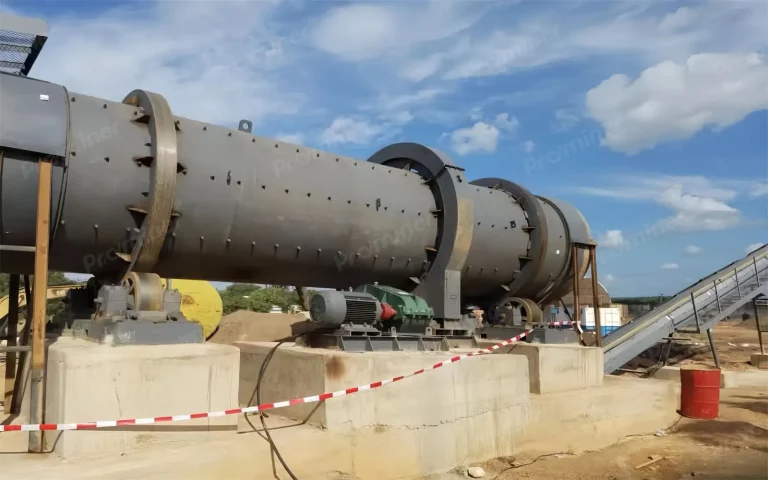
Heap leaching is a traditional cyanide leaching processing way which is flexible and economic to extract gold
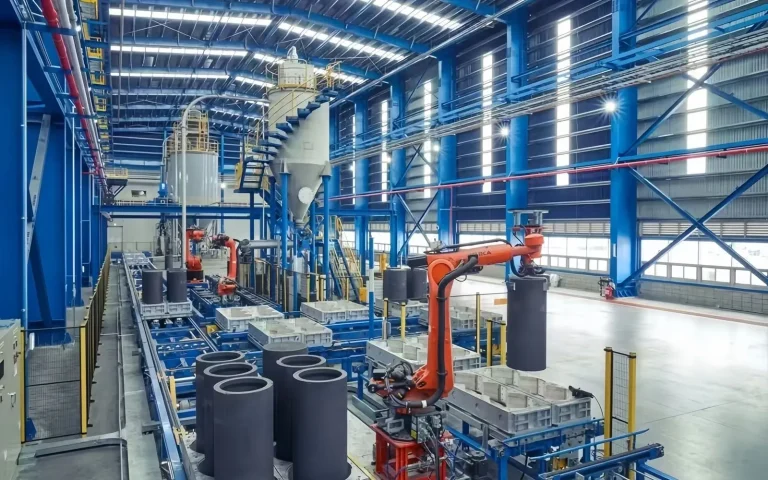
Prominer can provide the complete solution for making natrual graphite anode materials include grinding
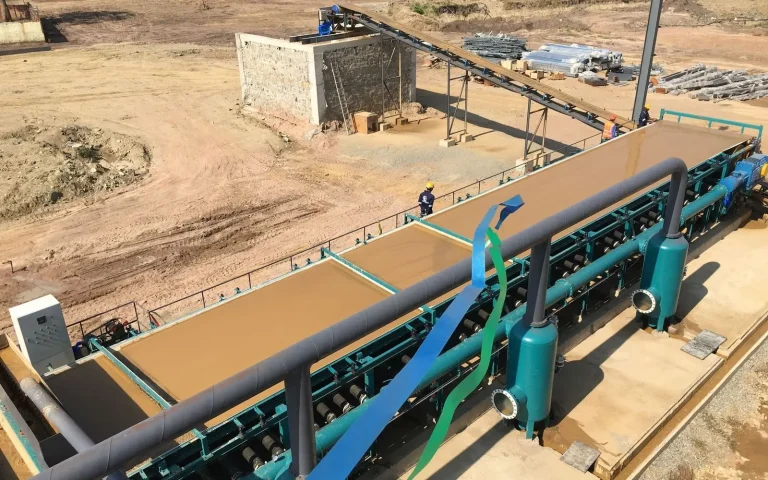
Gold CIL process (carbon in leaching) is very popular way to process the high grade oxide type gold ore

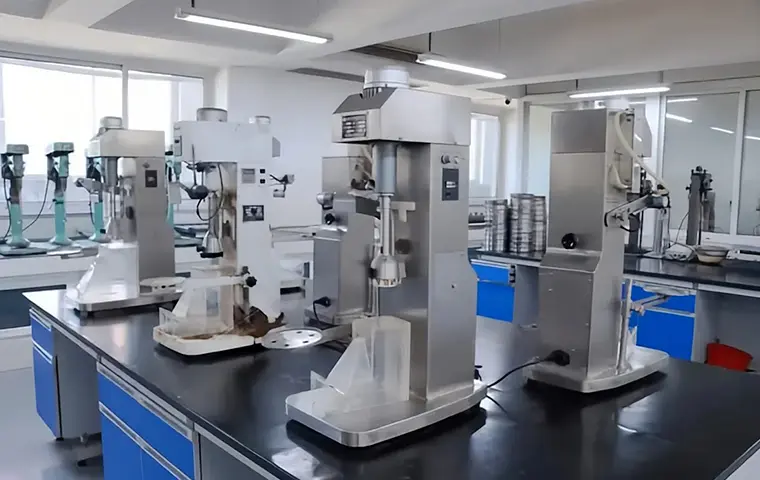
Raw Material: Various types of ore samples (gold, lithium, graphite, etc.) Lab Capacity: 50–100 samples per day
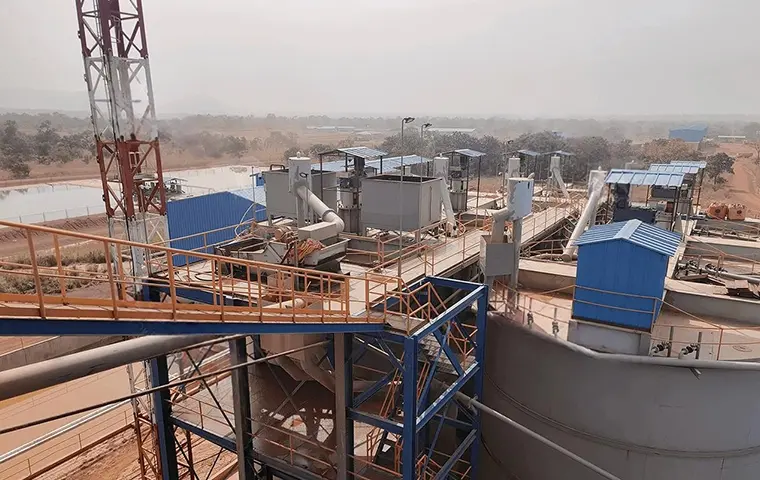
Raw Ore: Sulfide Copper Ore (with minor pyrite content) Copper Grade: 1.2% Concentrate Grade 25% Cu
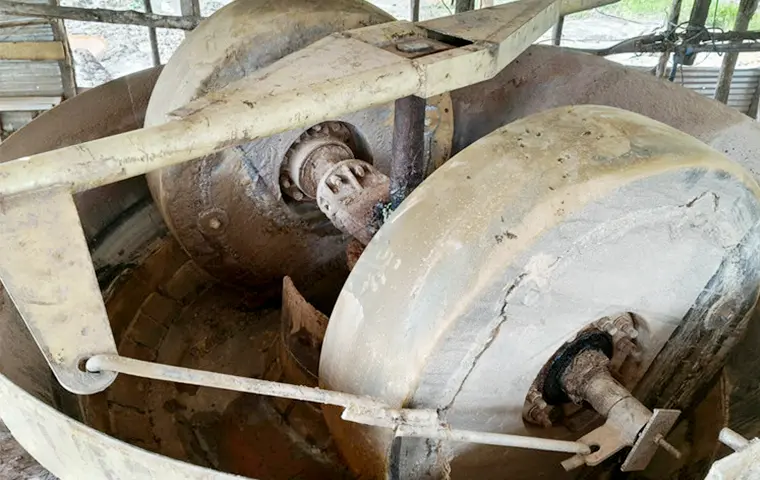
Raw Ore: Alluvial gold ore / Vein gold ore after crushing Gold Grade: 1.5 – 2.5 g/t Gold Ingot Purity: ≥ 90%
Raw Ore: Alluvial Coltan (Tantalite-Columbite) with Cassiterite Ore Grade: Ta₂O₅: 0.025-0.04%; Nb₂O₅: 0.02-0.035%; SnO₂: 0.1-0.3%
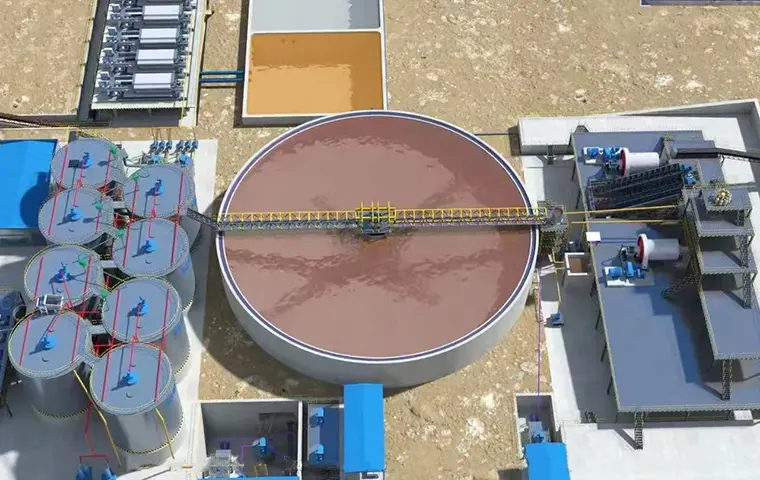
Raw Ore: Sulfide Type Copper Ore (Mainly Chalcopyrite) Copper Grade: 0.8% Final Product: Copper Concentrate
Raw Ore: Limonite Type Laterite Nickel Ore Ni Grade: 1.2% Co Grade: 0.12%
Raw Ore: High-Grade Fluorite Ore from Deep Veins Fluorspar Grade: 38% CaF₂ Concentrate Grade: 97.2% CaF₂
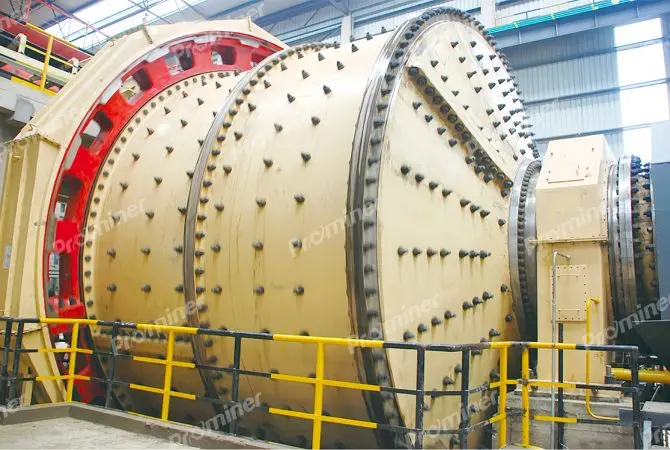
AG/SAG is short for autogenous mill and semi-autogenous mill, it combines with two functions of crushing
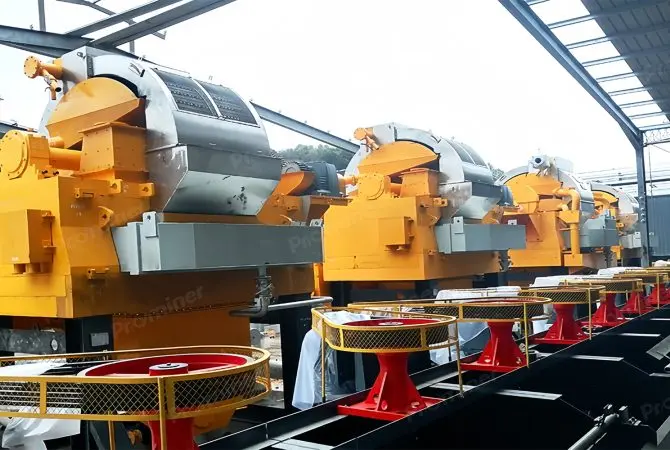
Prominer can provide different HIMS (High Intensity Magnetic separator) magnetic separators
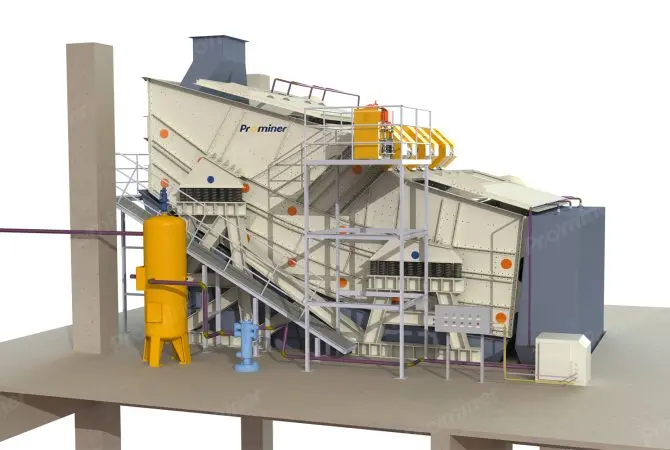
Banana screen is also well known as constant bed thickness screen. Prominer has the ability to supply dry
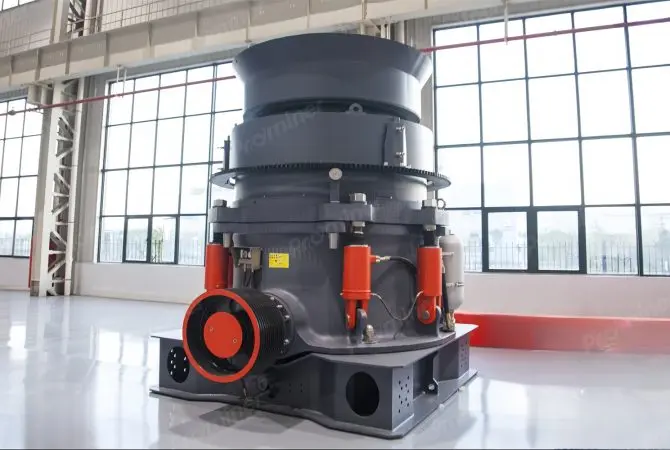
Multi-cylinder hydraulic cone crusher combines crusher speed, eccentricity and cavity profile
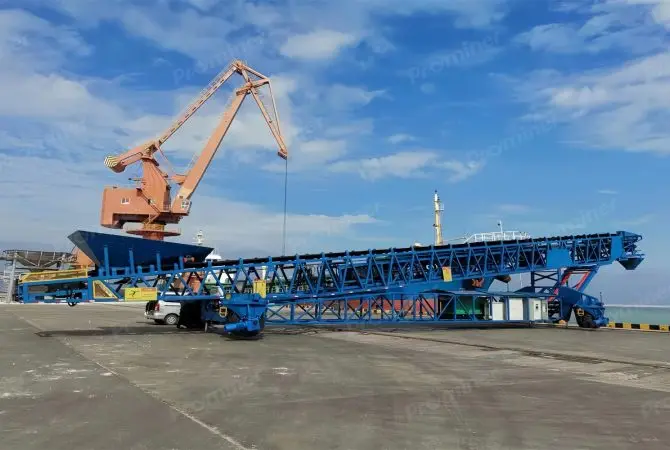
Our engineer team can design and manufacture the mobile type radial stacker, loader
To find out more about our products and solutions, please fll out the form below and one of our experts will get back to you shortly
3000 TPD Gold Flotation Project in Shandong Province
2500TPD Lithium Ore Flotation in Sichuan
Fax: (+86) 021-58779592
Address: Room 606, Building D3, Phase II, Chuansha Business Center, 777 Long, Miaochuan Road, Pudong New Area, Shanghai,China
Copyright © 2023. Prominer (Shanghai) Mining Technology Co.,Ltd.