

The demand from the industry over the years has been for special graphite and carbon with increasingly tighter




Effective optimization starts with ore characterization. Gold ores can vary widely in particle size, mineral association, clay content, and gravity recoverability. Regular sampling and metallurgical testing help operators determine the best recovery strategy and prevent poor performance caused by changing feed conditions.
A gold concentrator works best when feed rate, slurry density, and particle size are consistent. Sudden fluctuations reduce separation efficiency and can increase gold losses. Use controlled feeding systems and monitor slurry properties closely to keep the plant operating steadily.
Grinding is critical because gold must be liberated from gangue minerals before concentration. Too coarse, and gold remains locked; too fine, and recovery may drop due to slime coating or overgrinding. Adjust the mill circuit to achieve the best liberation size for the specific ore body.
Proper classification ensures only suitably sized particles enter the concentrator. Poor classification can overload the concentrator with fine material or send recoverable gold to tailings. Keep cyclones, screens, and related equipment in good condition and regularly check separation performance.
Different ores require different concentrators, such as sluices, shaking tables, centrifugal concentrators, or flotation units. Choose equipment based on ore characteristics and target recovery. In many plants, combining gravity and flotation methods improves overall gold recovery.
Water management has a major effect on concentrator performance. Excess water can dilute the slurry and reduce separation efficiency, while insufficient water can cause blockages and unstable flow. Monitor density continuously and adjust water addition to maintain optimal conditions.
Mechanical reliability is essential for consistent operation. Wear parts, bearings, pumps, valves, and screens should be inspected and replaced on schedule. Preventive maintenance reduces downtime, protects recovery rates, and extends equipment life.
Even well-designed plants underperform without skilled operators. Training should cover process control, equipment inspection, sampling, troubleshooting, and safety. Experienced operators can identify problems early and make better real-time adjustments.
Recovery rate is one of the most important performance indicators. Frequent sampling of concentrate and tailings helps identify gold losses and process inefficiencies. If tailings contain excessive gold, investigate grind size, feed stability, water balance, and concentrator settings immediately.
Modern gold concentrators benefit from automation and digital monitoring. Sensors, control systems, and performance dashboards can track feed rate, density, pressure, and recovery trends. Data analysis helps operators make timely adjustments and improve long-term plant efficiency.
Optimization should not focus only on the concentrator itself. Crushing, grinding, classification, concentration, and dewatering all affect overall performance. A plant-wide management approach ensures each stage supports the next, reducing bottlenecks and improving total gold recovery.
Optimizing gold concentrator operation and management requires a balance of ore knowledge, stable processing conditions, proper equipment selection, skilled operators, and continuous monitoring. By focusing on these areas, operators can improve gold recovery, reduce losses, and increase plant profitability.
A: The right process depends on your ore’s mineralogy, grade, particle size, and liberation characteristics — not on guesswork. The reliable way is to run laboratory and pilot tests first. These tests define whether flotation, gravity separation, magnetic separation, or leaching (or a combination) will deliver the best recovery and grade. We start every project with ore characterization and bench-scale tests, then scale up to pilot validation before committing to plant design — a testing-first approach that avoids costly process mistakes later.
A: Reagent selection depends on the mineral’s surface chemistry and the ore’s gangue composition. Collectors, frothers, depressants, and modifiers are chosen — and their dosages fine-tuned — through laboratory flotation tests on your actual ore sample, not from generic recipes. Over- or under-dosing both hurt recovery. Our metallurgical lab tests reagents on your ore to lock in the right combination and dosage before plant-scale operation, then re-optimizes during commissioning.
A: Heap leaching suits low-grade, high-tonnage ores — crushed ore is stacked and irrigated with a leaching solution, giving low capital and operating cost but slower, weather-dependent recovery. CIL (carbon-in-leach) and CIP (carbon-in-pulp) both use cyanide solution and activated carbon, but differ in where adsorption happens: CIL adds carbon during leaching, which suits clayey or high-fines ores; CIP adds carbon after leaching, which suits clean, free-filtering pulps. The choice comes down to ore type, grade, and throughput — we evaluate all three against your ore to recommend the most economical route.
A: Start by diagnosing where the loss occurs — usually in grinding, classification, or the separation stage itself. Common levers include: optimizing grind size for better liberation, upgrading to more efficient separation equipment (flotation cells, magnetic separators, spirals), automating control for steadier operation, and re-running metallurgical tests when the ore type changes. A structured audit plus targeted equipment or process upgrades typically recovers 2–5% more metal. We provide exactly this — process audits, equipment upgrades, and full EPC retrofits — to lift both recovery and grade.
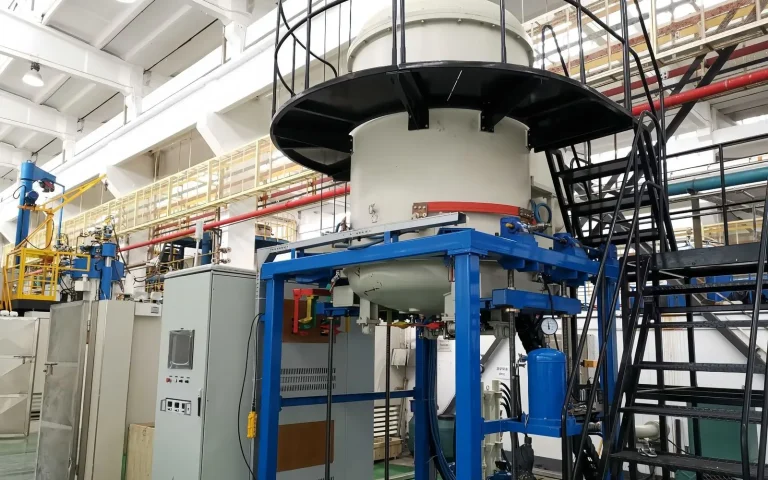
The demand from the industry over the years has been for special graphite and carbon with increasingly tighter
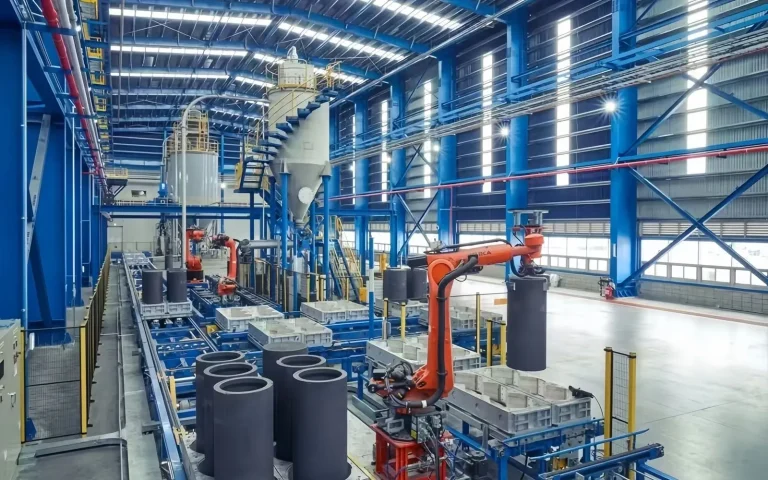
Prominer can provide the complete solution for making natrual graphite anode materials include grinding
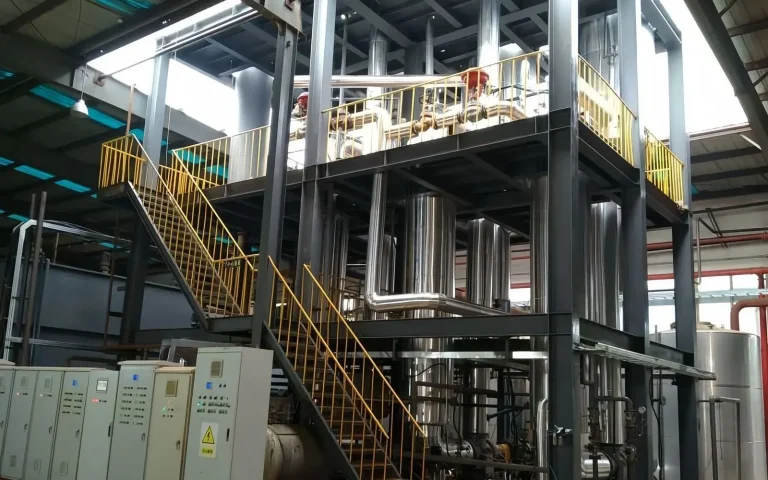
We can provide direct lithium extraction (DLE) solution to recover the lithium from salt lake brine

Raw Ore: Sulfide-Type Molybdenum Ore (Molybdenite) Head Grade: 0.15% Mo Concentrate Grade: ≥ 55% Mo
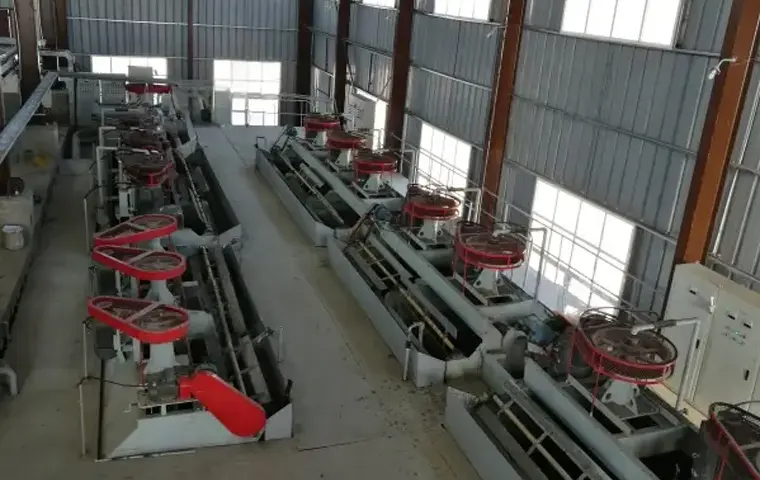
Raw Ore: Sedimentary Phosphate Rock P2O5 Grade: 22-26%
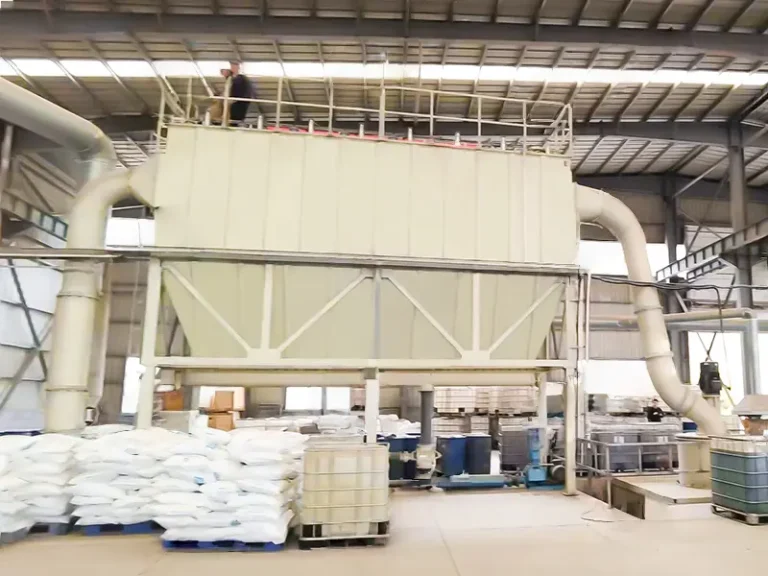
Raw Ore: Dolomite Rock (CaMg(CO₃)₂) Feed Size: ≤10 mm Final Product: Ultra Fine Dolomite Powder
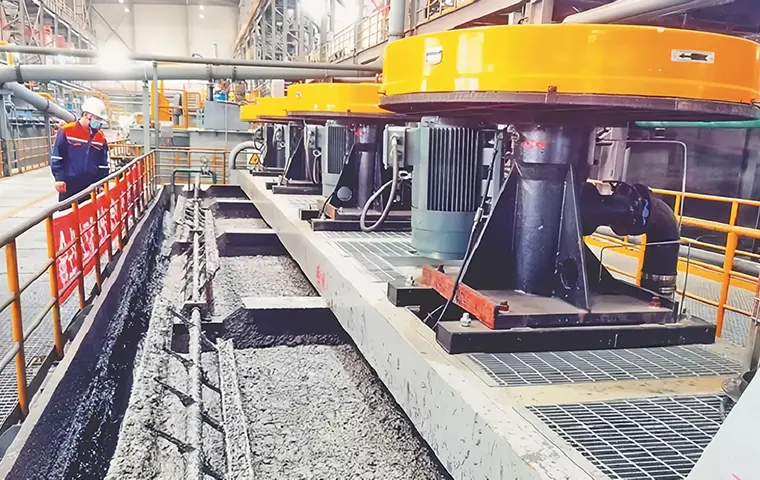
Project Type: World-Class Integrated Graphite Mining & Advanced Materials Industrial Park Raw Material: Natural Flake Graphite Ore Resource
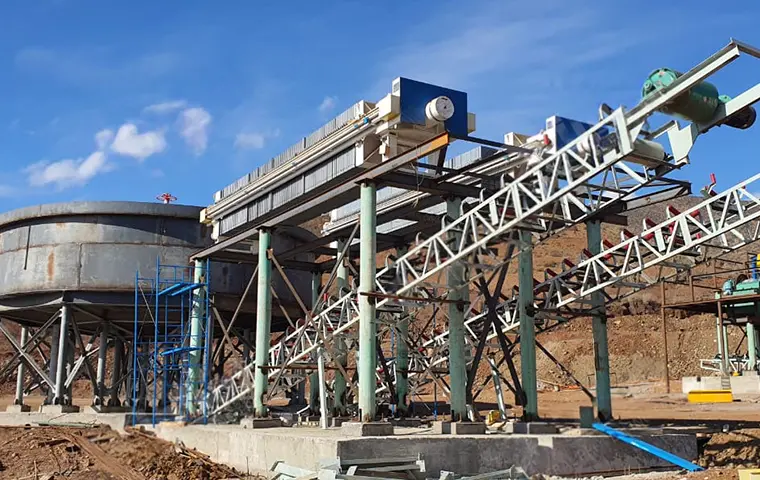
From laboratory testing to final commissioning, Prominer delivered a customized 20 TPH solution
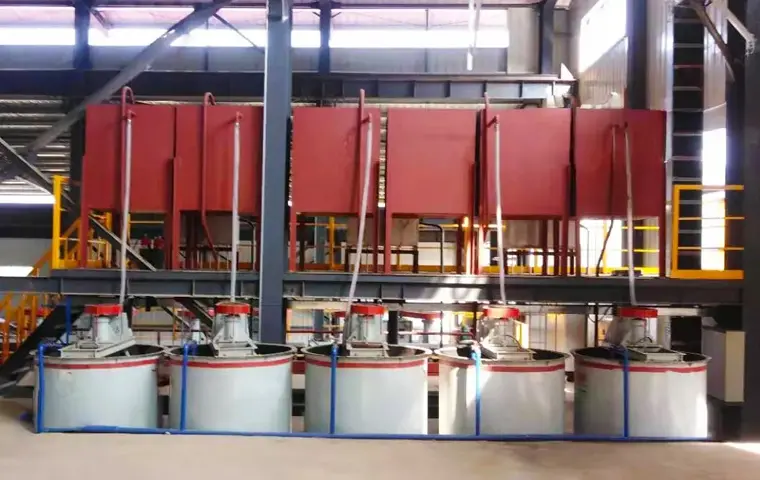
Raw Ore: Mixed Type Gold Ore (Oxide & Sulfide) Gold Grade: 2.8 g/t Gold Recovery Rate: 92% (Post-Optimization)
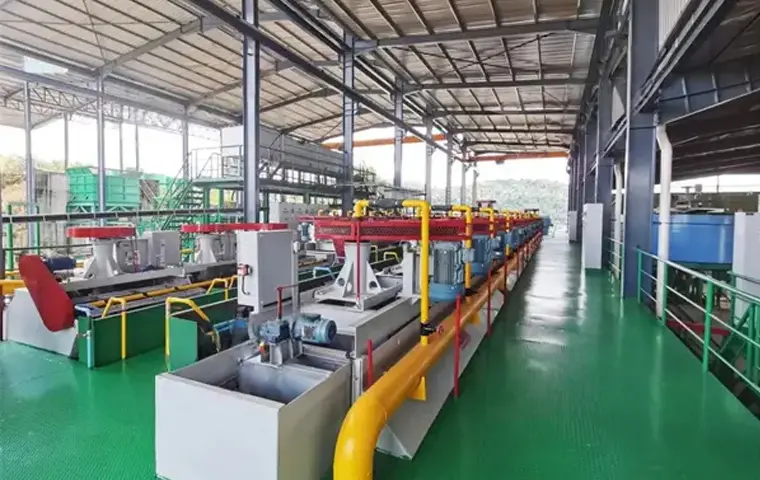
Raw Ore: Alluvial Coltan (Tantalite-Columbite) with Cassiterite Ore Grade: Ta₂O₅: 0.025-0.04%; Nb₂O₅: 0.02-0.035%; SnO₂: 0.1-0.3%
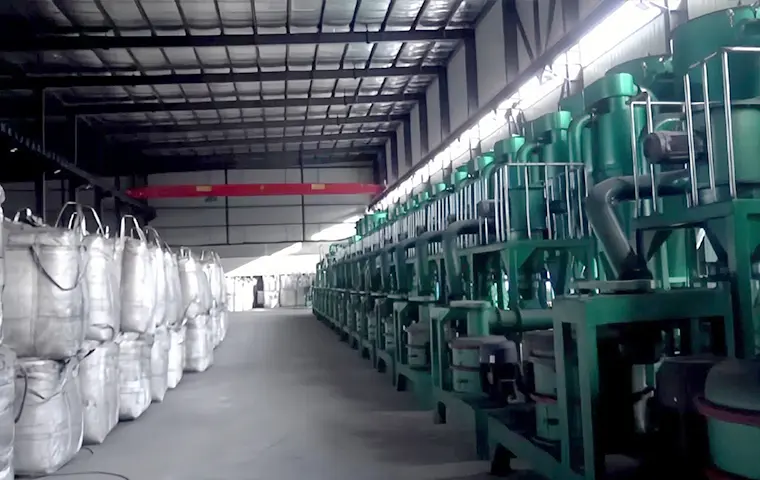
Raw Material: High-Purity Graphite (99.95% C) Project Capacity: 10,000 tons per annum
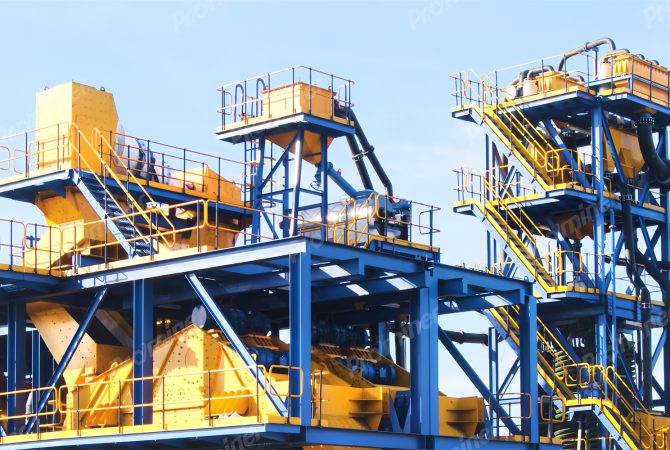
Prominer can provide different LIMS (Low Intensity Magnetic separator) magnetic separators
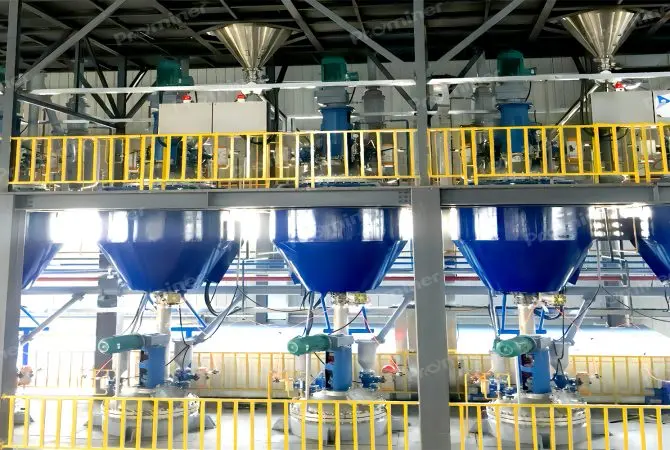
Our granulation reactor combines the coating and granulation processing functions together
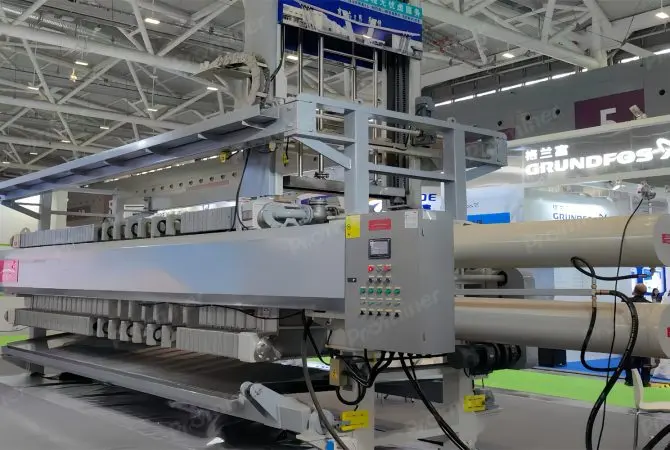
Prominer can provide press filter, belt vacuum filter, disk vacuum filter and ceramic filter
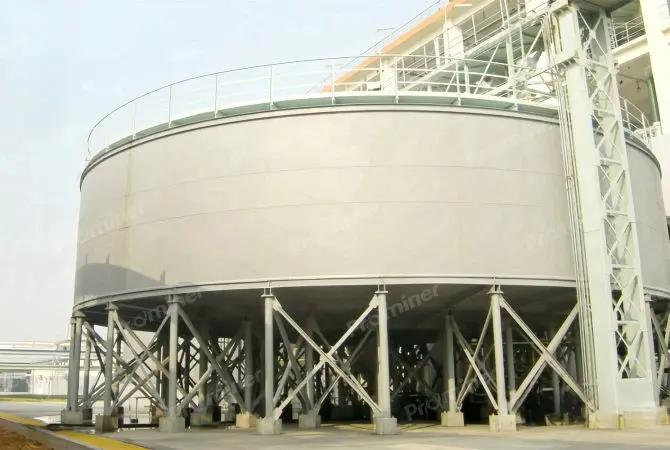
Prominer can provide different kinds of thickeners include center driving thickener, peripheral traction thickener
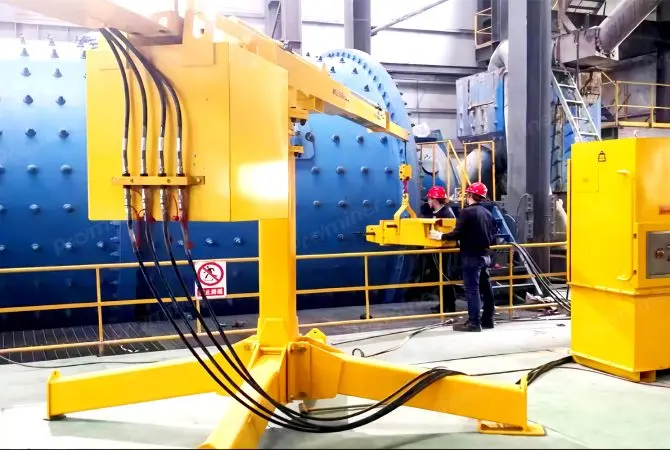
We can manufacture the highly automated and powerful recoilless Bolt Hammer to remove
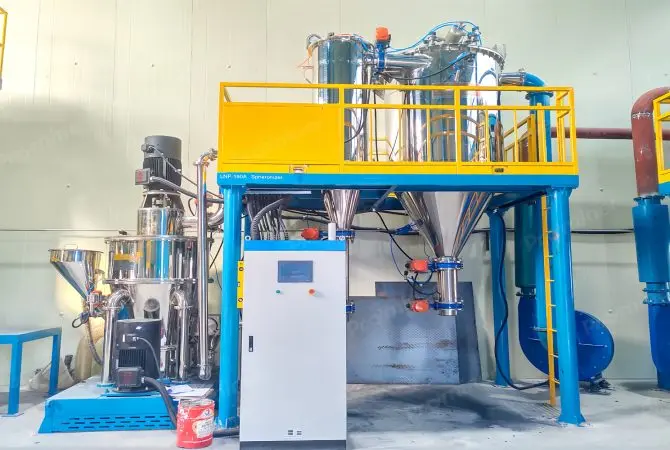
Besides strict PSD requirements, Anode Graphite also requires a spherical shape in order
To find out more about our products and solutions, please fll out the form below and one of our experts will get back to you shortly
3000 TPD Gold Flotation Project in Shandong Province
2500TPD Lithium Ore Flotation in Sichuan
Fax: (+86) 021-58779592
Address: Room 606, Building D3, Phase II, Chuansha Business Center, 777 Long, Miaochuan Road, Pudong New Area, Shanghai,China
Copyright © 2023. Prominer (Shanghai) Mining Technology Co.,Ltd.


