



Provide important equipment in the gold ore processing process, such as CIL/CIP System, Flotation Cell…


Magnetic separation is one of the most important techniques used in iron ore beneficiation. It helps remove unwanted gangue minerals, improve iron grade, and increase recovery efficiency. Because iron ores vary widely in mineral composition, particle size, and magnetic properties, optimizing magnetic separation requires a careful balance of ore characterization, equipment selection, operating parameters, and plant control.
Below is a structured guide to optimizing magnetic separation for iron ore beneficiation.
Optimization begins with a detailed understanding of the ore itself. Different iron-bearing minerals respond differently to magnetic fields. Magnetite is strongly magnetic and relatively easy to recover, while hematite, limonite, and siderite are weakly magnetic and often require more specialized separation methods.
A proper mineralogical study should identify:
This information helps determine whether low-intensity magnetic separation, high-intensity magnetic separation, or a combination of methods will be most effective.
The selection of magnetic separation technology depends mainly on the magnetic susceptibility of the iron minerals.
Low-intensity magnetic separation is commonly used for magnetite ores. It typically operates at lower magnetic field strengths and is effective for recovering strongly magnetic particles with high efficiency and low operating cost.
This method is ideal when:
High-intensity magnetic separation is better suited for weakly magnetic minerals such as hematite and limonite. These systems use stronger magnetic fields to attract particles that would not respond well in low-intensity units.
This method is often selected when:
Wet magnetic separation is generally more efficient for fine particles because it reduces dust, improves particle dispersion, and often delivers better separation performance. Dry magnetic separation may be more suitable for coarse particles or in areas where water availability is limited.
The choice depends on:
Particle size has a major influence on magnetic separation performance. If the ore is too coarse, valuable iron minerals may remain locked with gangue. If it is too fine, slimes can reduce separation efficiency and lead to losses.
To optimize feed size:
The goal is to provide the separator with particles that are sufficiently liberated but not unnecessarily fine.
Magnetic field strength must be matched to the ore’s magnetic properties. If the field is too weak, valuable iron minerals may not be recovered. If it is too strong, more gangue may be pulled into the magnetic product, reducing concentrate grade.
Optimization involves:
In practice, the best field strength is the one that delivers the highest overall economic value rather than simply the highest recovery.
A stable feed rate is essential for efficient magnetic separation. Overloading the separator can reduce recovery and selectivity, while underloading may lower throughput and make the operation less economical.
Pulp density is equally important in wet magnetic separation. If the slurry is too dense, particles may interfere with one another and reduce separation efficiency. If it is too dilute, throughput may drop and operating costs may rise.
Key optimization steps include:
For drum magnetic separators, drum speed affects the retention time of particles in the magnetic field. A slower speed may improve recovery by allowing more magnetic particles to be captured, while a faster speed can increase throughput but may lead to losses.
Separator configuration also matters. Factors such as drum diameter, magnetic arc, pole arrangement, and the number of separation stages can all influence results.
To optimize performance:
Very fine particles can interfere with magnetic separation by coating iron-bearing particles, reducing magnetic response, and contaminating the concentrate. Slimes are particularly problematic in low-grade and complex ores.
Methods to reduce slime-related issues include:
Managing fines properly can significantly improve both concentrate grade and overall plant stability.
Single-stage magnetic separation may not be enough for many iron ores, especially those with complex mineralogy or stringent concentrate specifications. Multi-stage circuits often provide better results by allowing incremental upgrading and recovery.
A typical arrangement may include:
This staged approach helps maximize iron recovery while maintaining product quality.
Magnetic separation often works best when combined with other beneficiation processes. Depending on the ore, this may include crushing, screening, classification, gravity separation, flotation, or reverse flotation.
Examples of integrated flowsheets include:
An integrated approach can improve overall plant performance and make better use of each process step.
Optimization is not a one-time task. Ore characteristics can change over time, and plant performance must be continuously monitored to maintain efficiency.
Important performance indicators include:
Modern plants often use automation and online monitoring systems to track these variables in real time. This allows operators to make faster adjustments to magnetic field strength, feed rate, pulp density, and circuit configuration.
Regular laboratory testing, pilot trials, and plant audits are also essential for identifying improvement opportunities.
The most effective magnetic separation setup is not always the one with the highest technical recovery. Optimization should consider the economic balance between capital cost, operating cost, energy use, water consumption, concentrate quality, and market requirements.
A plant may choose slightly lower recovery if it significantly reduces costs or produces a higher-value concentrate. The best solution is the one that maximizes overall project profitability.
Optimizing magnetic separation for iron ore beneficiation requires a combination of mineralogical knowledge, proper equipment selection, operational control, and continuous performance monitoring. By understanding the ore’s magnetic behavior, selecting the right separation method, controlling feed size and operating conditions, and integrating magnetic separation with other beneficiation steps, operators can improve both recovery and concentrate grade.
In practice, successful optimization depends on ongoing testing and adjustment. Since no two iron ores behave exactly the same way, a tailored approach is essential to achieving the best beneficiation results.
A: A handful of variables drive most of the variation in recovery and grade: grind size (liberation), pulp density, reagent type and dosage, residence time, pH, and — for magnetic separation — field intensity and feed rate. Changing one without adjusting the others usually backfires. The practical way to find your optimum is a structured test program: vary one parameter at a time on your actual ore and measure recovery and grade at each point. We run this kind of parameter study during lab and pilot testing, then carry the settings into the plant design and re-tune them during commissioning.
A: Three properties matter most: whether the valuable mineral is sulfide or oxide, how coarsely or finely it is disseminated in the gangue, and what gangue minerals accompany it. Coarse, high-density minerals respond well to gravity separation; magnetic minerals to magnetic separation; fine sulfide minerals to flotation; oxide or low-grade ores often to leaching. Many ores need a staged combination. Because two deposits carrying the same metal can behave completely differently, the flowsheet has to be built from your ore’s own test data — not copied from a similar project.
A: A single method rarely hits both target recovery and target grade when the ore contains multiple valuable minerals, spans a wide particle size range, or carries problematic gangue. Then a combined flowsheet is justified — for example, gravity pre-concentration to reject coarse waste early, magnetic separation ahead of flotation to remove magnetic minerals, or staged grinding and classification to liberate progressively. The added circuit costs more, but it usually pays back through higher overall recovery and lower reagent and energy consumption per tonne.
A: Refractory ores resist standard processing — gold locked inside sulfide minerals, ores that consume excessive reagents, carbonaceous ores that re-adsorb dissolved gold, fine or clay-rich ores that slime badly, or oxide ores that float poorly. Treatment usually adds a step ahead of or instead of the conventional circuit: finer grinding, oxidation pre-treatment, roasting, or a switch from flotation to leaching. Identifying the specific cause through diagnostic testwork is essential, because each cause has a different fix and the wrong one wastes capital.
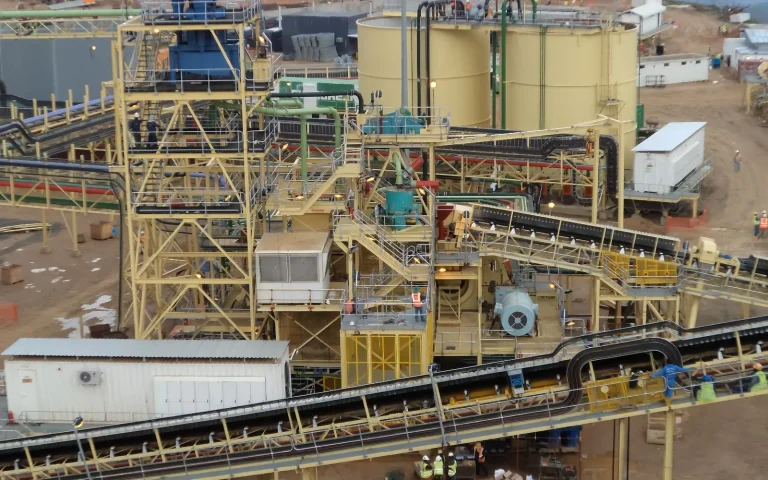
Provide important equipment in the gold ore processing process, such as CIL/CIP System, Flotation Cell…
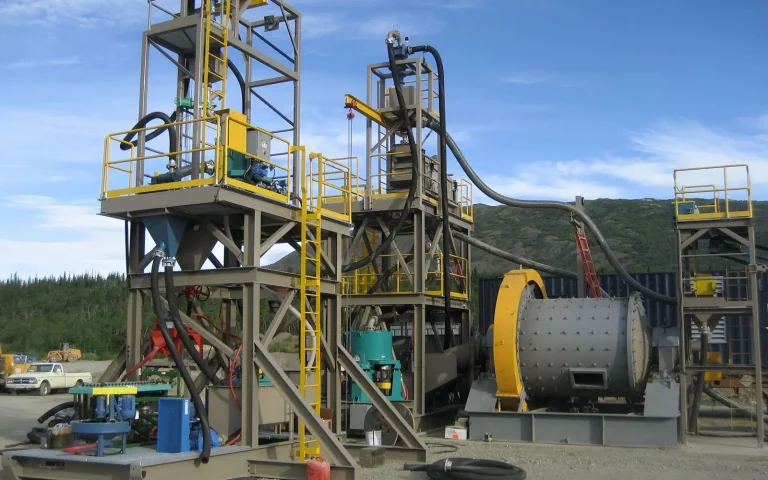
The best-known of the exogenetic ores is alluvial gold which also called placer gold. Alluvial gold refers
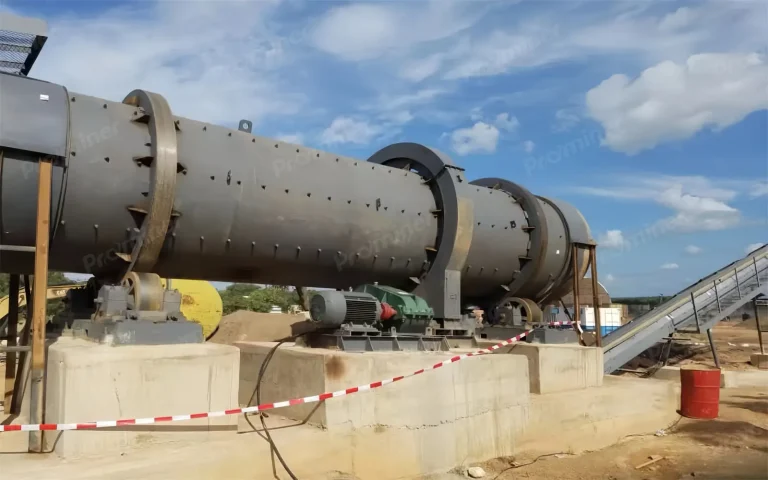
Heap leaching is a traditional cyanide leaching processing way which is flexible and economic to extract gold

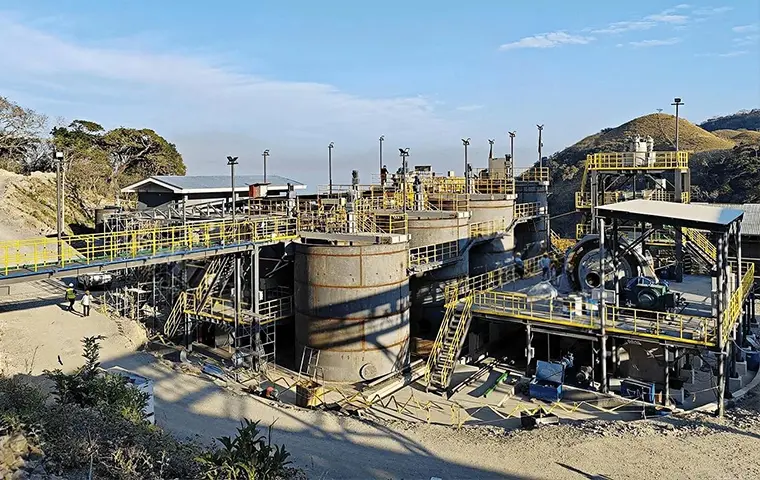
Raw Ore: Sulfide Type Copper Ore (Low-grade, heterogeneous) Feed Copper Grade: 0.45% Concentrate Copper Grade: 25%
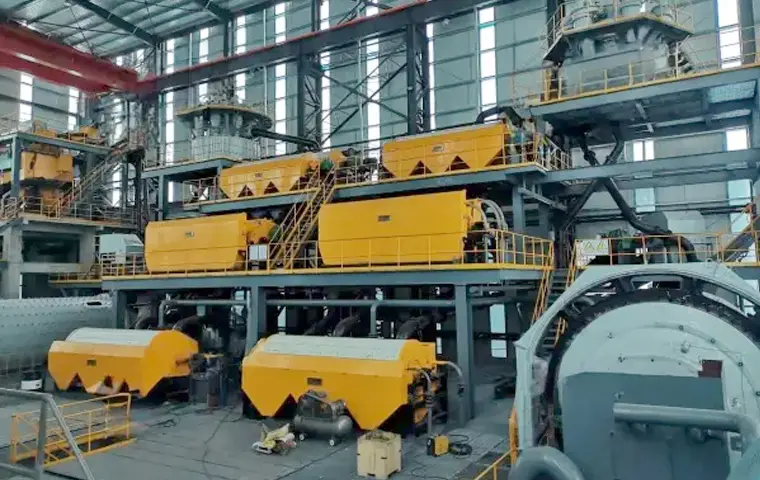
Raw Ore: Magnetite Iron Ore with Hematite Banding Fe Grade: 28-32% Final Product: High-Grade Iron Concentrate
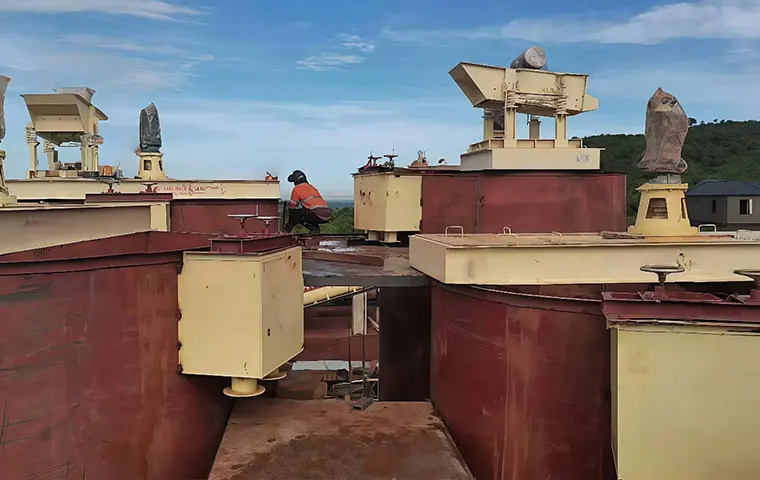
Raw Ore: Oxide Type Gold Ore Gold Grade: 3.5 g/t Gold Ingot Purity: 99.5%
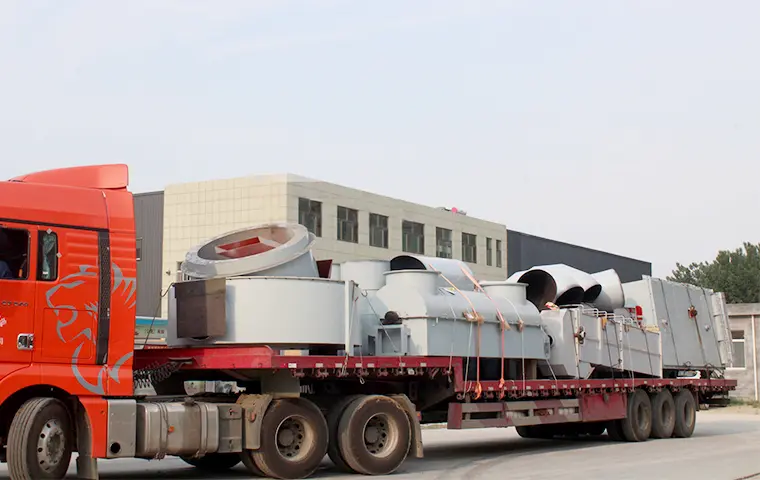
Raw Material: Quartz Ore Project Type: Equipment Supply & Installation Support
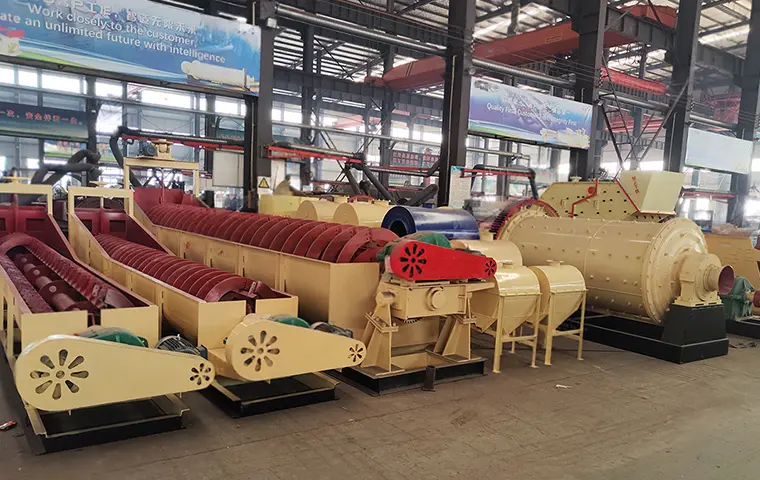
Raw Ore: Alluvial Gold Ore & Primary Hard Rock Gold Ore (Mixed Feed Capability) Feed Gold Grade: 1.2 – 3.5 g/t (variable)
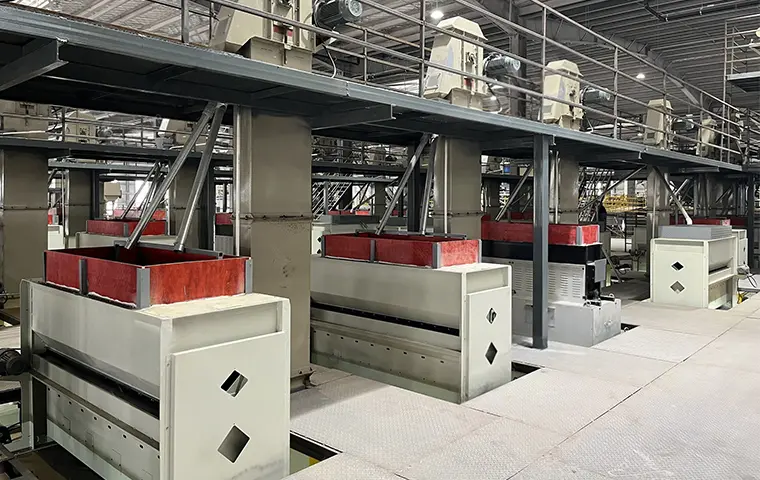
Raw Ore: Alluvial Placer from Inland River Systems in Southwest China, containing Zircon, Rutile, Ilmenite, and other Heavy Minerals
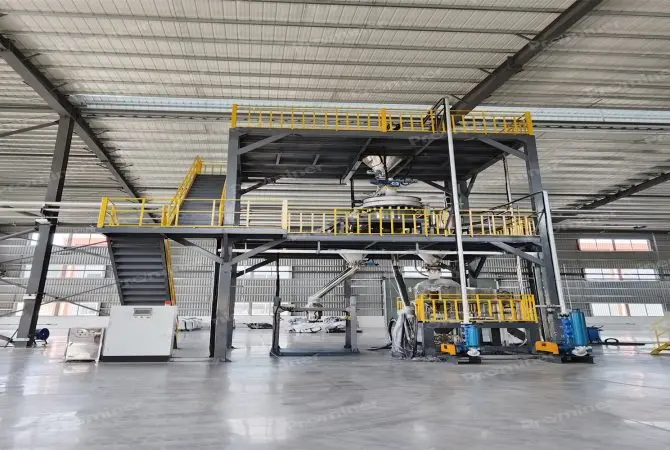
Raw Material: Artificial graphite anode, Natural graphite anode
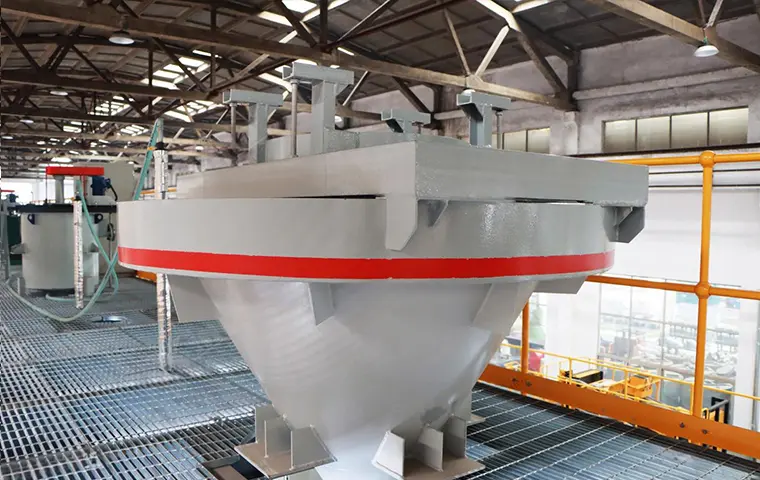
Raw Ore: Sulfide Type Gold Ore Gold Grade: 3.5 g/t Final Product: Gold Ingot Gold Recovery Rate: 96%
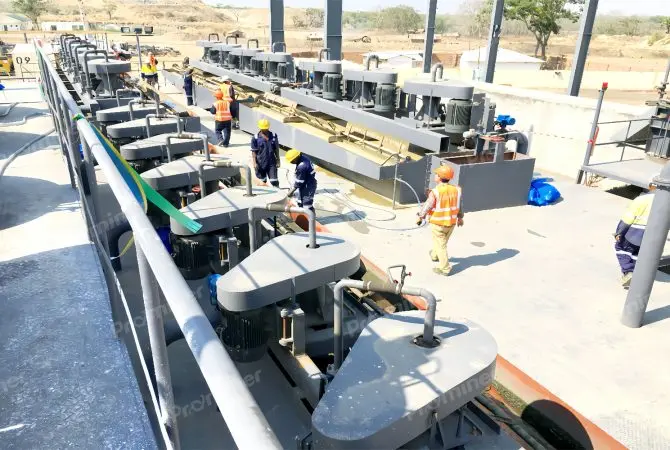
Prominer can provide SF series self-priming flotation machine and XCF/KYF series pneumatic flotation cell
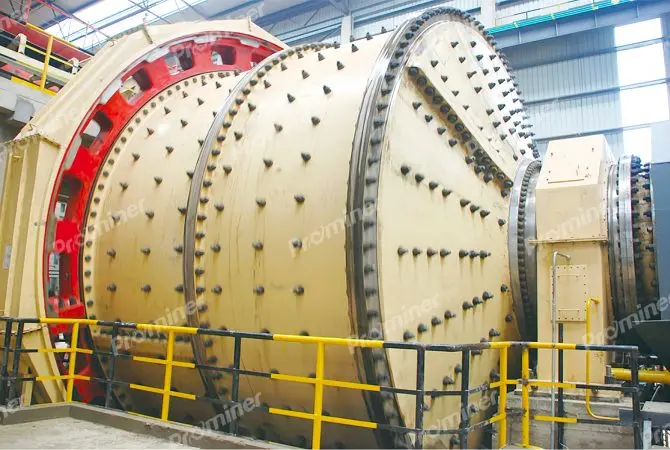
AG/SAG is short for autogenous mill and semi-autogenous mill, it combines with two functions of crushing
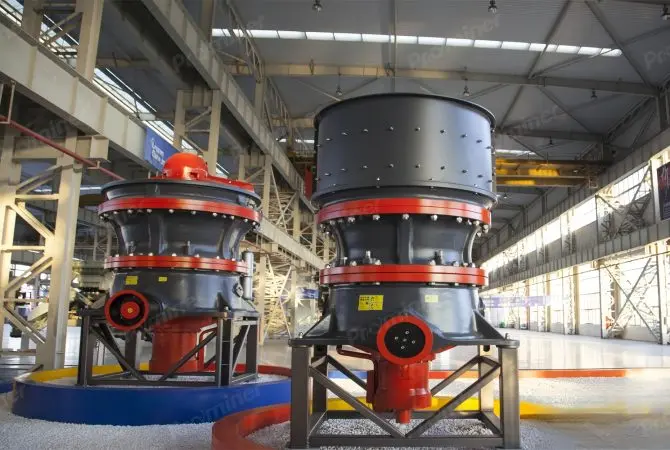
Single-cylinder hydraulic cone crusher have two series based on different cavity, S-cavity is designed
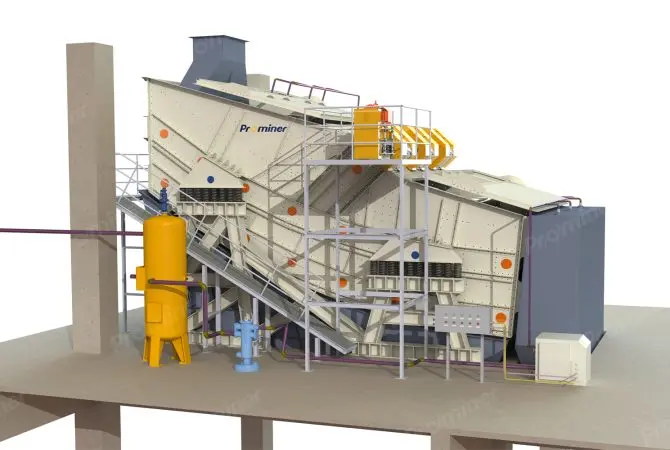
Banana screen is also well known as constant bed thickness screen. Prominer has the ability to supply dry
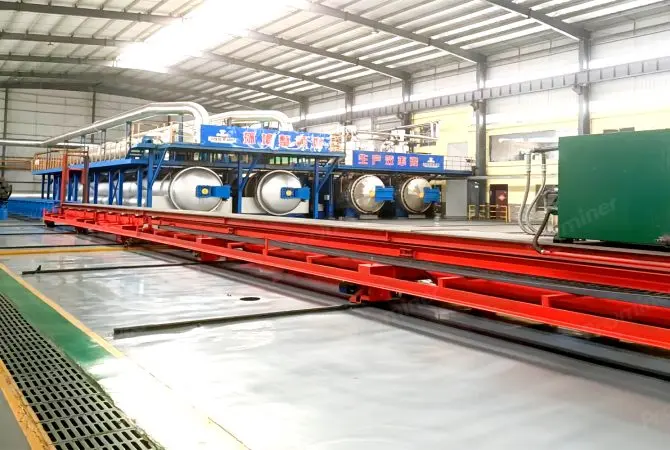
We can provide hot-in and cold-out type high-pressure impregnation of once-baked graphite
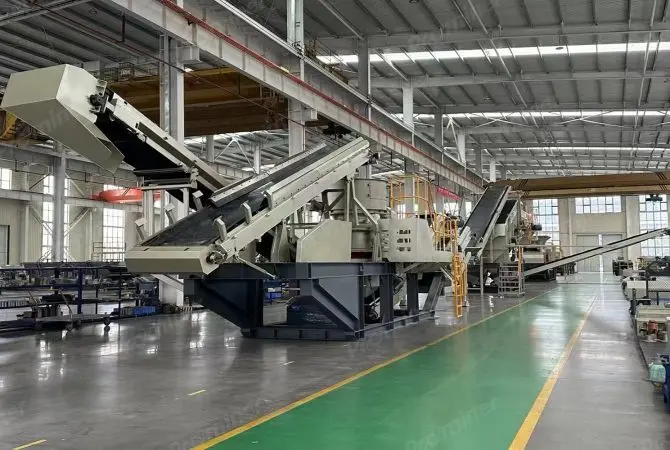
Skid mounted Portable Crusher, based on market requirements of easier moving from one site
To find out more about our products and solutions, please fll out the form below and one of our experts will get back to you shortly
3000 TPD Gold Flotation Project in Shandong Province
2500TPD Lithium Ore Flotation in Sichuan
Fax: (+86) 021-58779592
Address: Room 606, Building D3, Phase II, Chuansha Business Center, 777 Long, Miaochuan Road, Pudong New Area, Shanghai,China
Copyright © 2023. Prominer (Shanghai) Mining Technology Co.,Ltd.


